Featured
Working with photographs as sources

There are quite a lot of things you need to watch out for when using photographs as sources. Just like documents they must be treated with caution.
Education
All of our resources follow an enquiry-based approach and use records from our collections at The National Archives.
Featured
There are quite a lot of things you need to watch out for when using photographs as sources. Just like documents they must be treated with caution.
Showing 49–60 of 63 teaching resources
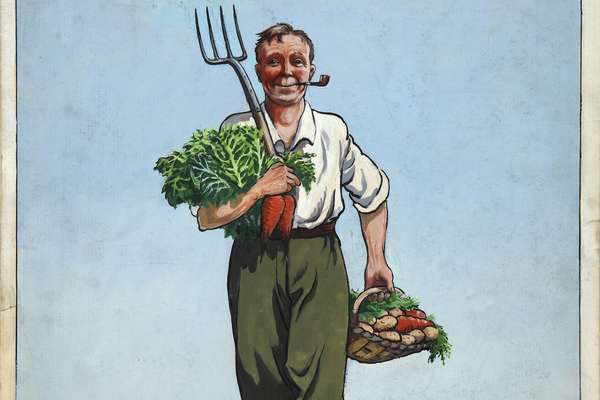
Sources in this resource include government posters and information leaflets to build a picture of how people in Britain prepared for war.

This lesson, aimed at key stage 3 students introduces students to two of the key moments on the road towards the Belfast (Good Friday) Agreement.

This lesson shows us how we can use photographs, with examples from the Victorian period and more recent times, to uncover the past.
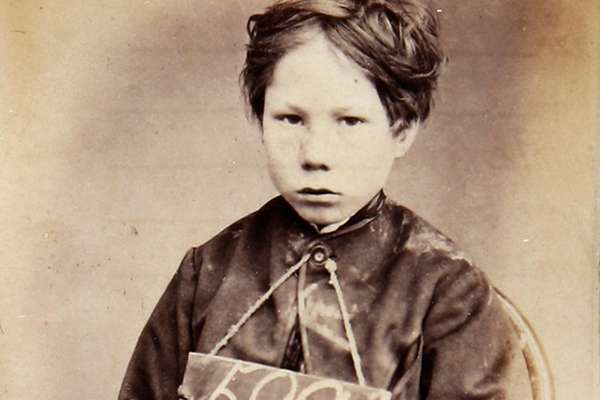
Use the sources in this lesson to find out how children were treated by the justice system in Victorian times.

Use original sources in this lesson to find about the Victorian attitude to crime and punishment. How were prisoners treated in Victorian prisons?

Use this resource to find out if the design of a board game can tell us anything about life in the past.
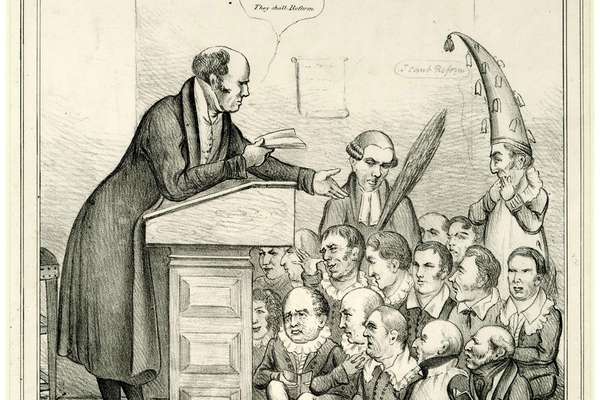
This lesson uses documents from 1830–31 to reveal how and why people demanded change to the voting system.

This resource focuses on an extract from Great Domesday for the village of Preston in Sussex to help understand the importance of the book.

This lesson for key stage 5 students investigates what was the most important factor which led to the achievement of the Belfast (Good Friday) Agreement.

Use these original documents to find how the Chartist movement tried to gain the vote and other political rights for the working classes in the 19th century.
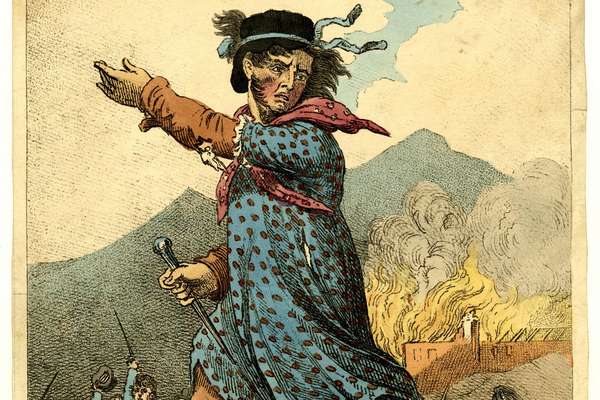
Using the original documents in this lesson, find out how the Luddites protested against changes affecting their working conditions.
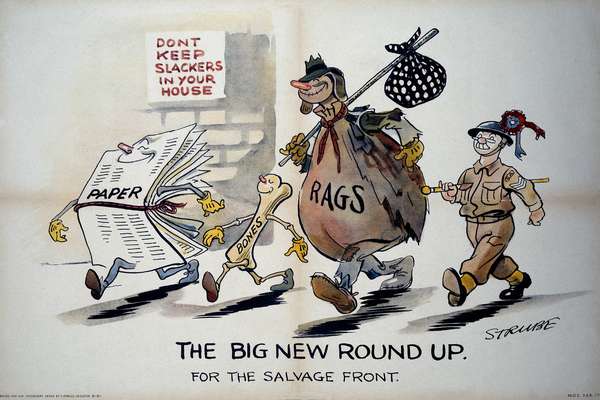
This resource includes various posters produced by the government during the Second World War with questions to help students interrogate them as sources.
We are currently refreshing our teaching resources and regularly adding new and updated ones. If you cannot find what you are looking for here, all of our old resources are permanently available in the UK Government Web Archive.