Skip to list of results Skip to main content
Service phase: Beta

This is a new service. Help us improve it and give your feedback (opens in new tab).

Education

Teaching resources, page 4 of 6

All of our resources follow an enquiry-based approach and use records from our collections at The National Archives.

Featured

Working with photographs as sources

Monochrome photograph of three people in thick fur coats standing amongst stacked boxes in a store room.
Age range
KS3

There are quite a lot of things you need to watch out for when using photographs as sources. Just like documents they must be treated with caution.

Filters

Filter by key stage

Filter by time period

Filter by theme

Results

Showing 37–48 of 63 teaching resources
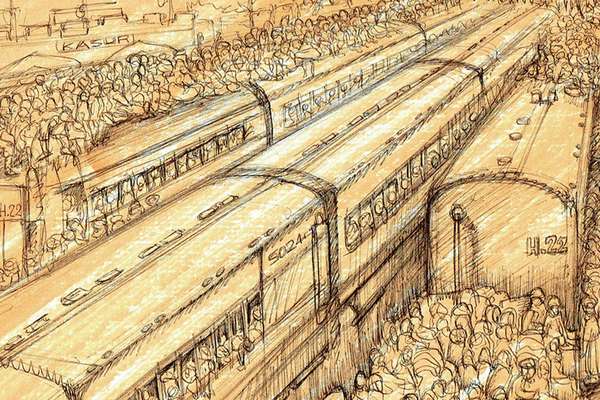
  • Partition of British India

    A pencil drawing of three trains at Kasur station, with hundreds of people crowding around them
    Key stage
    KS3

    This resource uses video, oral histories and original documents to explore the impact of the partition of British India.

  • Passengers on the Titanic

    Photograph of RMS Titanic on the water.
    Key stage
    KS1–⁠KS3

    Use this lesson to explore original documents relating to the sinking of the Titanic and interpret who lost their lives and who survived.

  • Suffragettes on file, 1840–1912

    An Edwardian photograph showing a woman on a horse wearing armour and holding a flag. Behind her a woman holds a banner and police and crowds can be seen.
    Key stage
    KS3, KS5

    This selection of documents explores the campaign for votes for women from 1840–1912, including its tactics and marketing, personal stories and responses to it.

  • Suffragettes on file, 1912–1918

    Photograph from the early 20th century showing women standing next to the gates of the Houses of Parliament. Policeman can be seen further along the street.
    Key stage
    KS3, KS5

    This selection of documents explores the campaign for votes for women from 1912–1918, including its tactics and marketing, personal stories and responses to it.

  • The Belfast (Good Friday) Agreement

    Tony Blair and Bertie Ahern sit side by side at a desk, signing documents. Advisors lean over each of them.
    Key stage
    KS4

    This resource for key stage 4 students looks at the significance of The Belfast (Good Friday) Agreement and looks at how historians use sources.
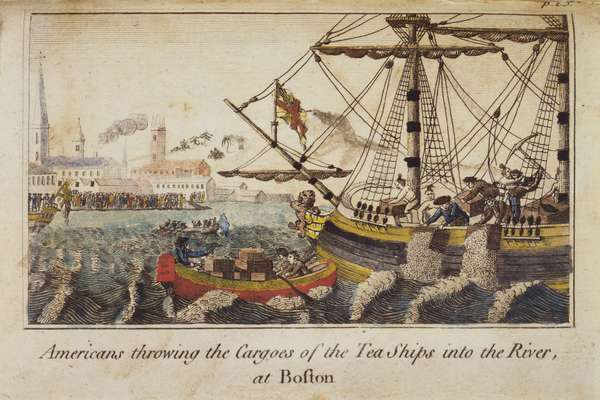
  • The Boston Tea Party

    A colourful illustration filling a page from a book, showing men holding boxes open over the side of a ship, and streams of white falling into the sea from them.
    Key stage
    KS4–⁠KS5

    This resource uses original documents to explore the causes, events and consequences of the Boston Tea Party of 1773.

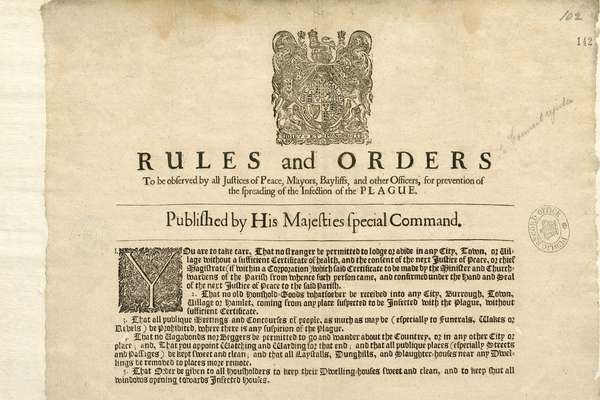
  • The Great Plague of 1665–1666

    Excerpt from a printed document written, largely, in an ornate Gothic font, featuring the royal coat of arms.
    Key stage
    KS1–⁠KS3

    Use this lesson to work with original documents which tell the story of the Great Plague of 1665-1666.
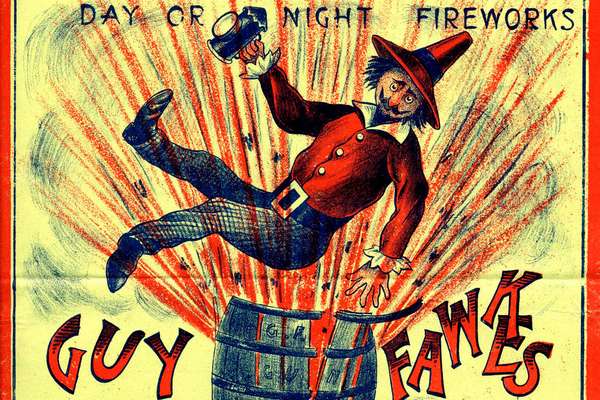
  • The Gunpowder Plot

    Advertising poster for fireworks showing a cartoon of Guy Fawkes being thrown into the air by an exploding barrel.
    Key stage
    KS1, KS3

    Use this lesson to see if you can unravel the secrets of original documents about The Gunpowder Plot of 1605.

  • The Independence of Bangladesh in 1971

    Black and white photograph of a large crowd of majority South Asian people. A large banner reading 'Cambridge University' is visible, alongside banners for various socialist movements and smaller placards featuring Sheikh Mujibur Rahman.
    Key stage
    KS3

    Use the documents in this lesson to find out how the British government responded to the conflict that led to the creation of Bangladesh on 16 December 1971.
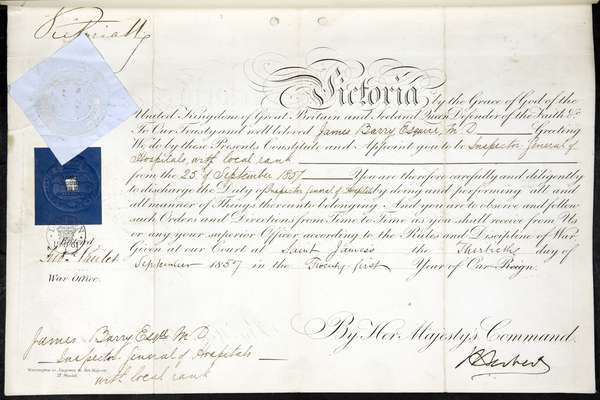
  • The career of Dr James Barry

    A royal warrant. An official document written in a fine looping script with 'Victoria' in large ornate letters at the top.
    Key stage
    KS3–⁠KS4

    This resource traces the military and medical career of 19th-century transgender surgeon Dr James Barry.
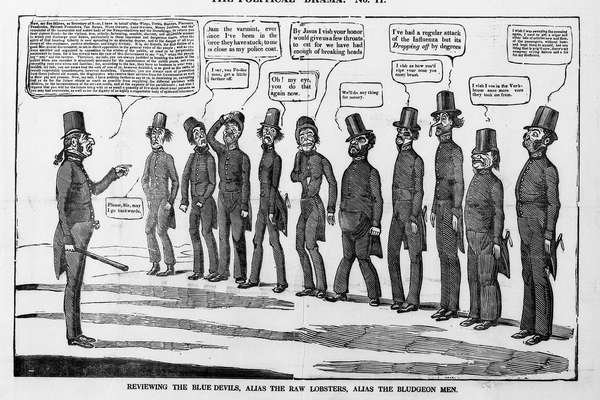
  • The foundation of the Metropolitan Police

    A group of 19th-century policemen are inspected. They are satirically drawn, with some looking menacing, others hapless. One has a drip on the end of his nose.
    Key stage
    KS4–⁠KS5

    Use this lesson to explore the foundation of the Metropolitan Police Force and contemporary attitudes to this new system of law and order in London.

Looking for one of our older teaching resources, page 4?

We are currently refreshing our teaching resources and regularly adding new and updated ones. If you cannot find what you are looking for here, all of our old resources are permanently available in the UK Government Web Archive.

Newsletter

Be the first to hear about new teaching resources, page 4

Subscribe to our regular newsletter for education updates and early booking for online sessions.