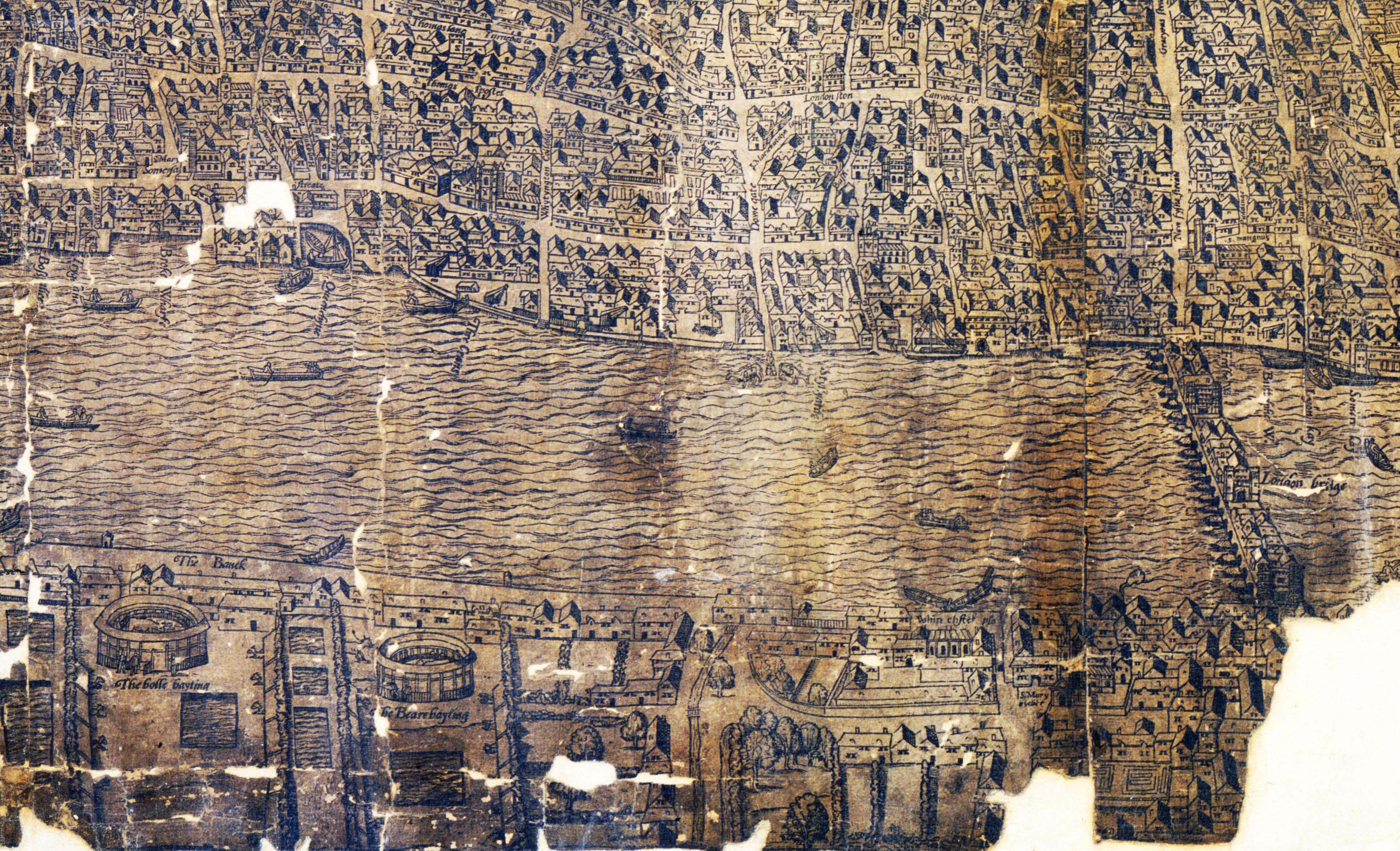
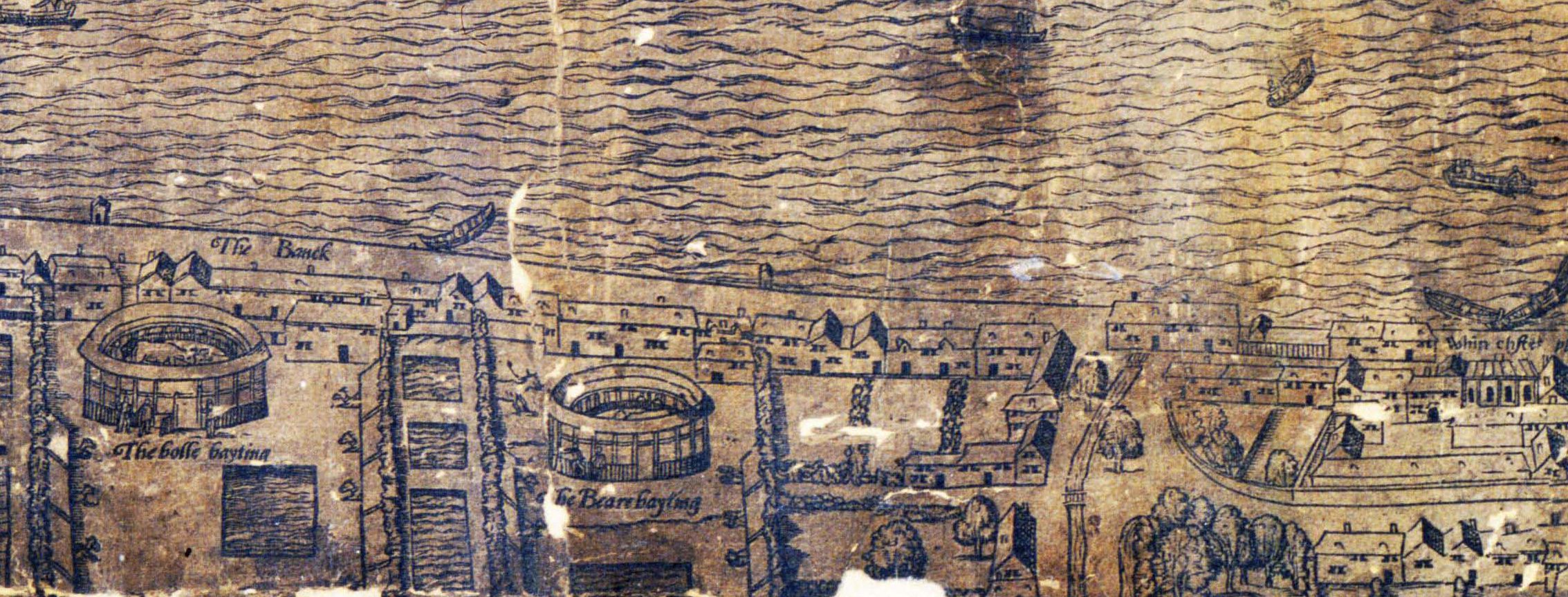
Map of the Southbank. Catalogue ref: MPEE1/25
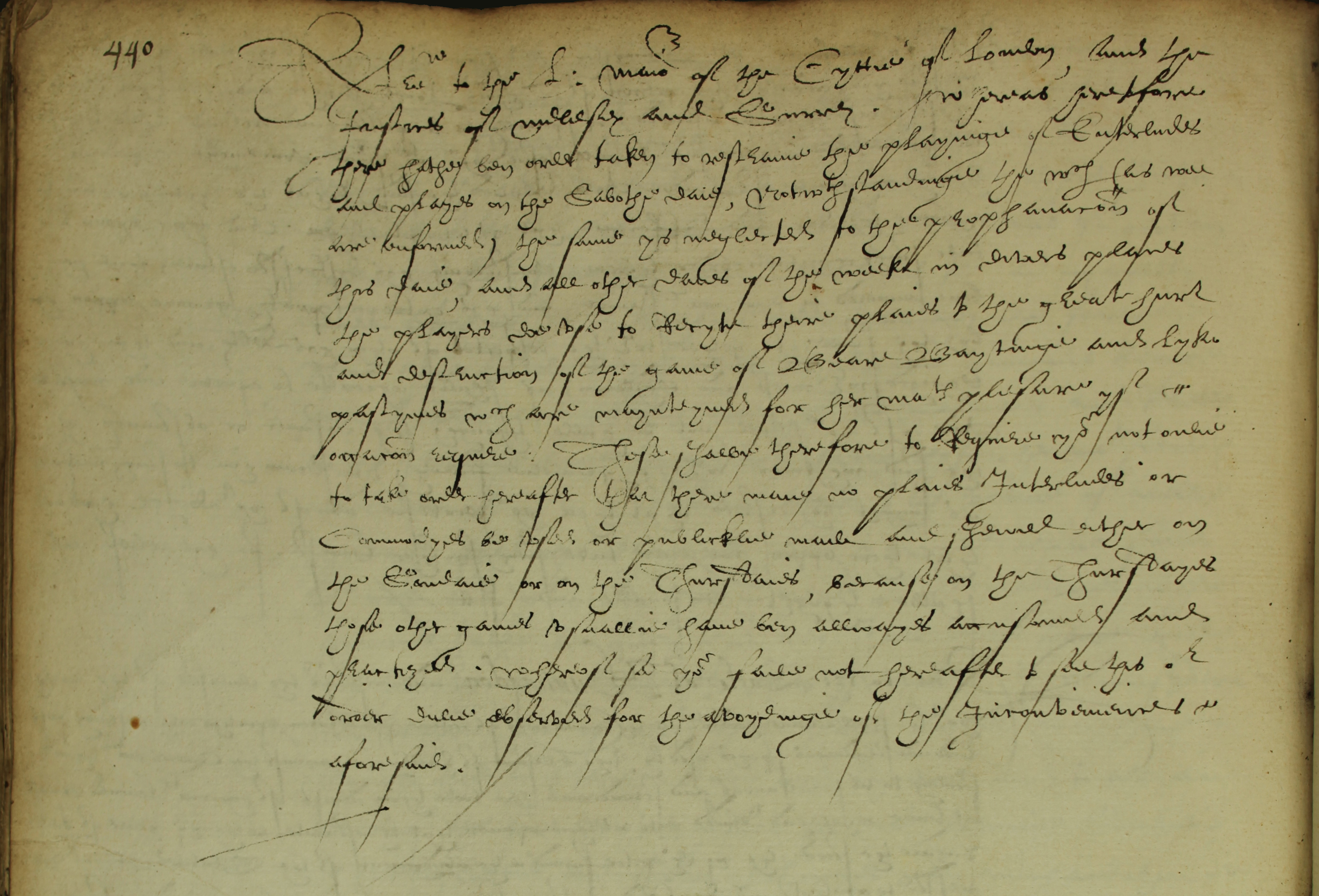
Order to restrict performances. Catalogue ref: PC2/18
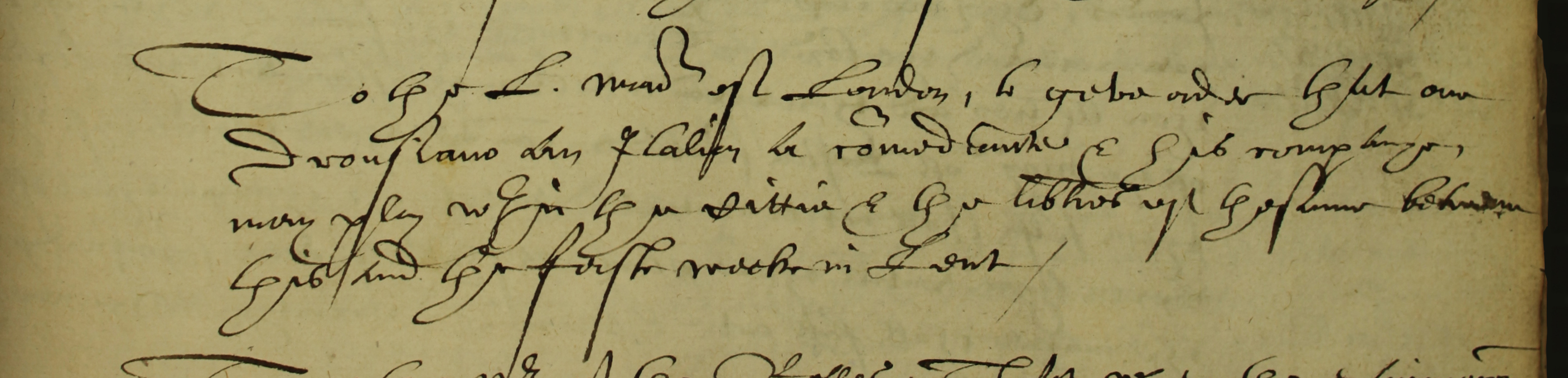
License to perform during Lent. Catalogue ref: PC2/12
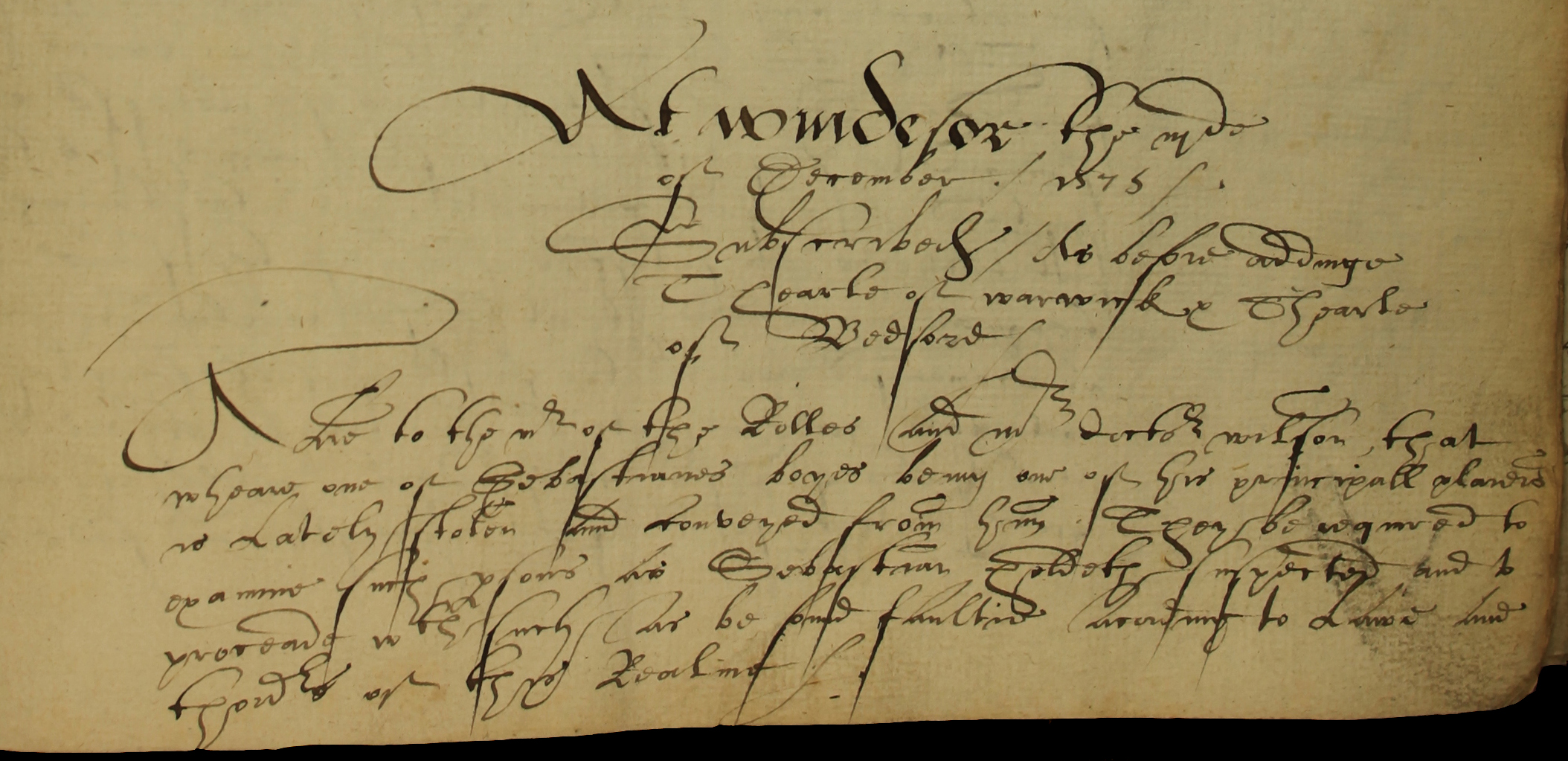
Request to find an abducted child actor. Catalogue ref: PC2/10
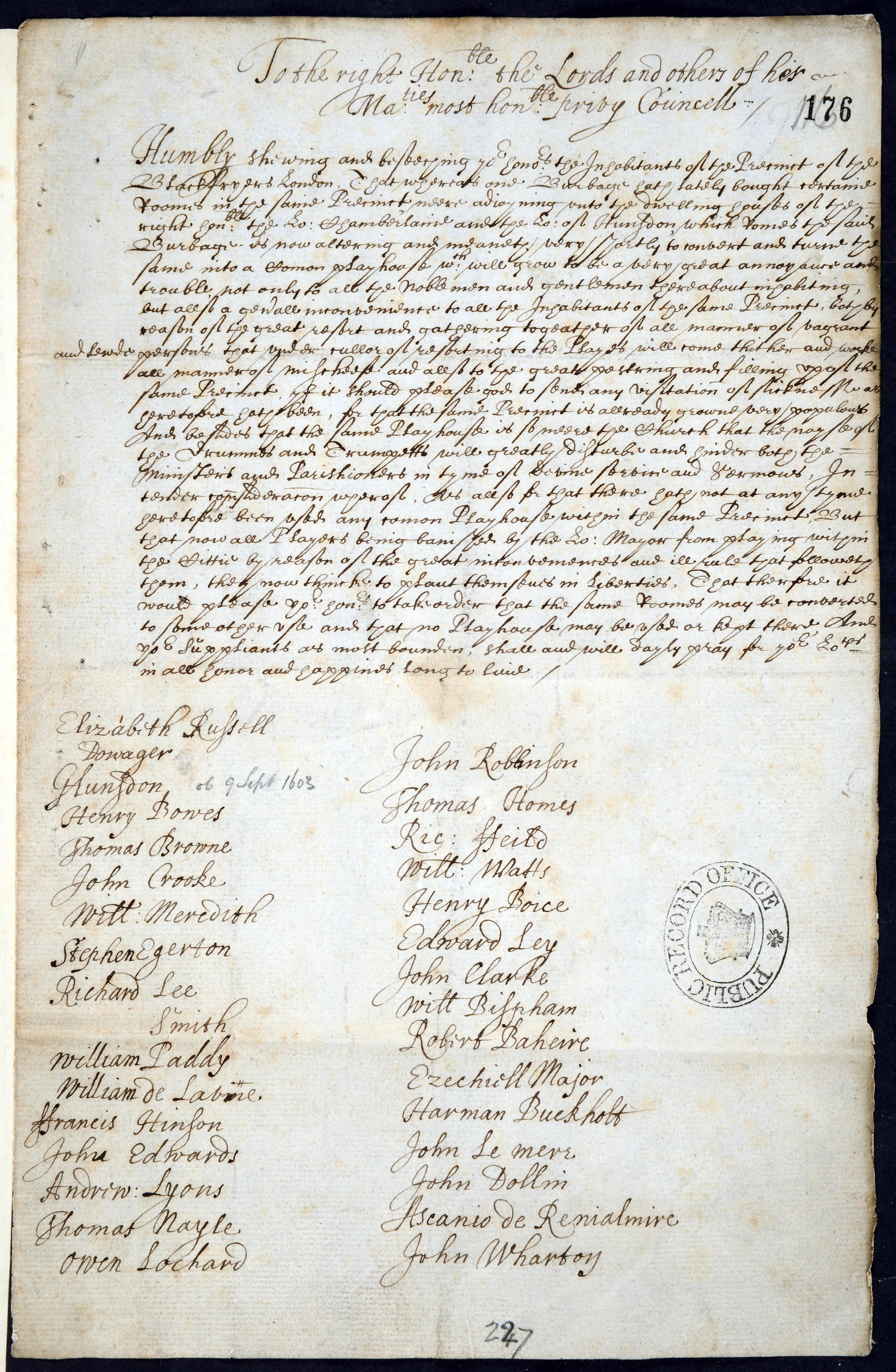
Petition to stop a theatre. Catalogue ref: SP12/260
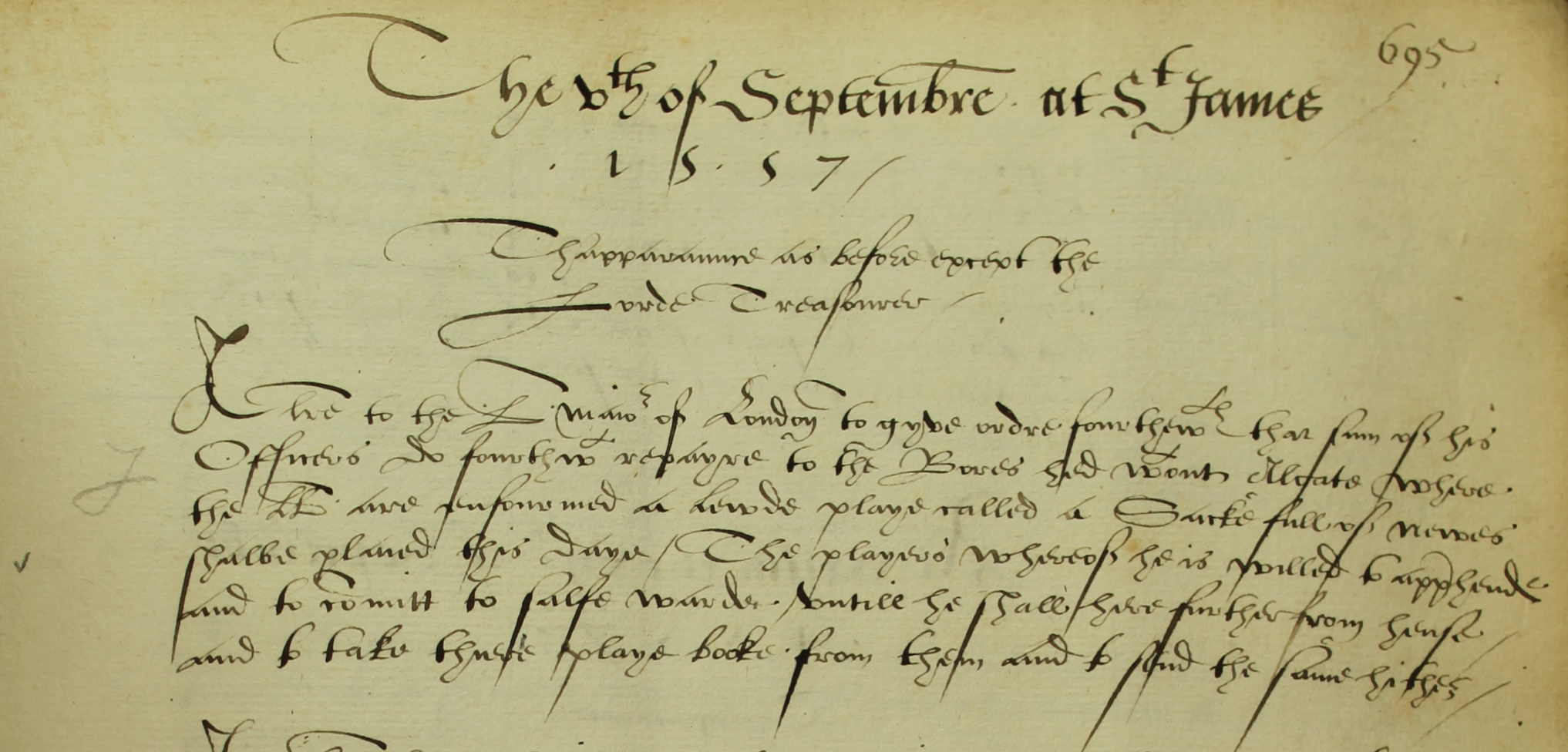
Warrant for the arrest of players. Catalogue ref: PC2/7
Early Modern people had many options for entertainment in the towns and cities of England. Sports were popular with football, wrestling and bowls available alongside blood sports like animal baiting. Literacy levels were rising with the invention of print and improved schooling outside of the church, music also benefited from this rise with the mass printing of ballads and songs available for those who could sing and play the variety of Early Modern instruments. Travelling companies of players toured the country, while some found more permanent homes in inns before establishing purpose built playhouses for the first time. Use this lesson to explore extracts from original documents about the nature of early modern theatre and how people were entertained.
What was the effect of the early playhouses?Finding something to pass the time in the Tudor and Stuart periods would not be too different from our hobbies today. Sport, music and theatre were all accessible to both the court and the general public with Sundays and Saints days allowing time for entertainment.
Henry VIII himself took part in many tournaments, showing his skill in jousting and sword fighting. He also enjoyed a few sports reasonably familiar to us today – he ordered the first recorded pair of football boots but banned the violent sport, which was more like a game of capture the flag where one team attempted to capture and keep the ball from the other, in 1540.
Did you know that Anne Boleyn was summoned to court for her arrest while she was watching a tennis match? This ‘Real’ or ‘Royal’ Tennis game looked a little different than our modern ‘lawn tennis’, more like the modern game of squash with players bouncing the tennis ball off a wall.
Dances were popular with different styles for various amounts of dancers. The Gavotte, Pavane and Volta allowed different degrees of contact between dancers while new types of dance such as Ballet were introduced from the continent for the first time to watch professionals perform.
The first purpose built theatres were built across London, giving a permanent home to theatre companies to perform their plays alongside their touring shows which travelled the country allowing those in towns and villages to enjoy a performance. With change comes controversy, however, and much of our records of these early theatres come from legal records as the crown and government sought to control the changing cultural landscape and individuals experienced the benefits and fall-backs of investing in these new businesses.
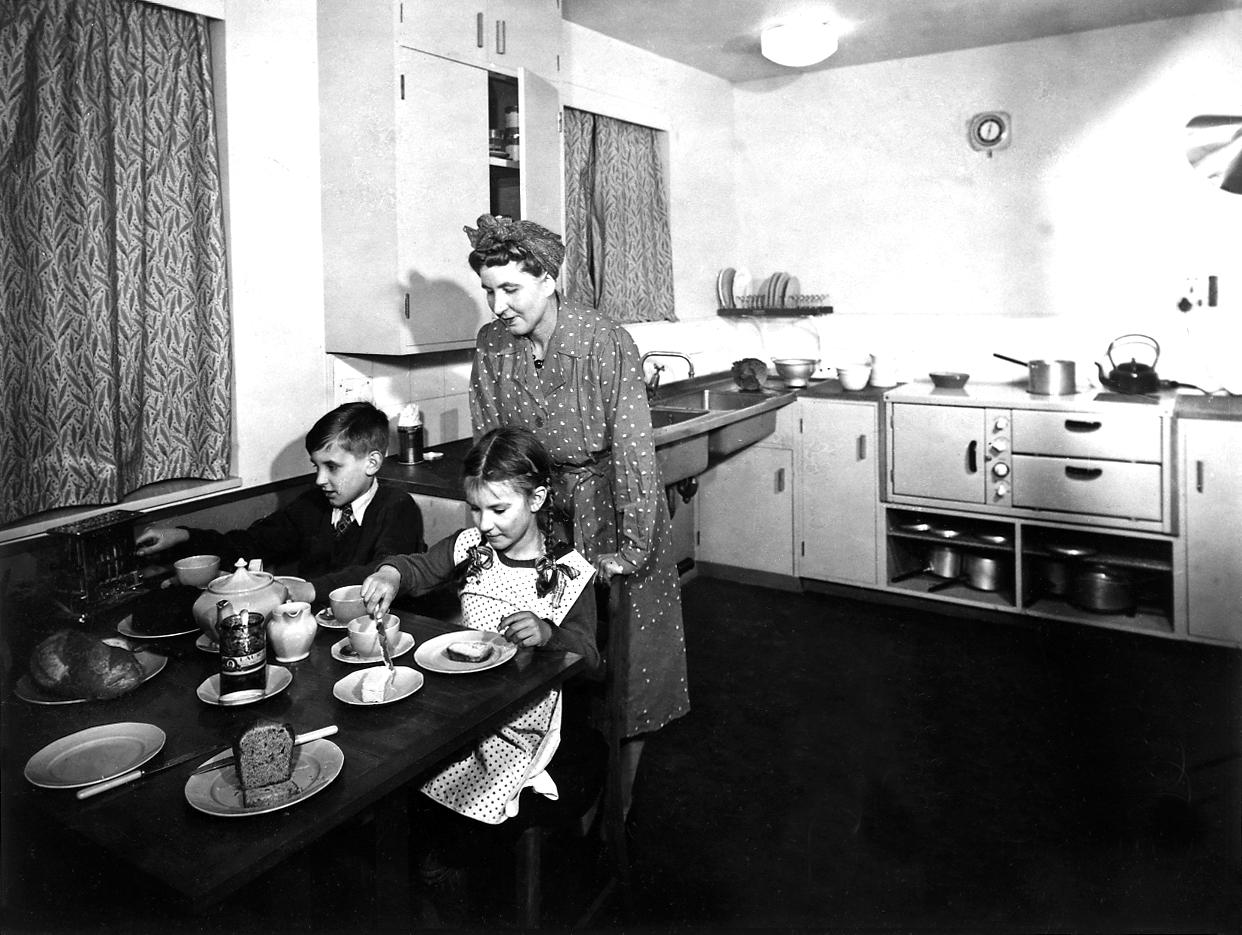
The resources were produced by teachers participating in The National Archives and University of Sussex Teacher Scholar Programme – ‘The Dawn of Affluence’ in 2013. Each of the seven teachers has developed a series of lessons which focuses on different aspects of the Living Standards, and provides complete classroom-ready teaching rationale, lesson plans and resources, as well as a supporting contextual essay which sets the teacher’s work in the wider context of the historiographical debate about living conditions in the UK between 1900 and 1960.
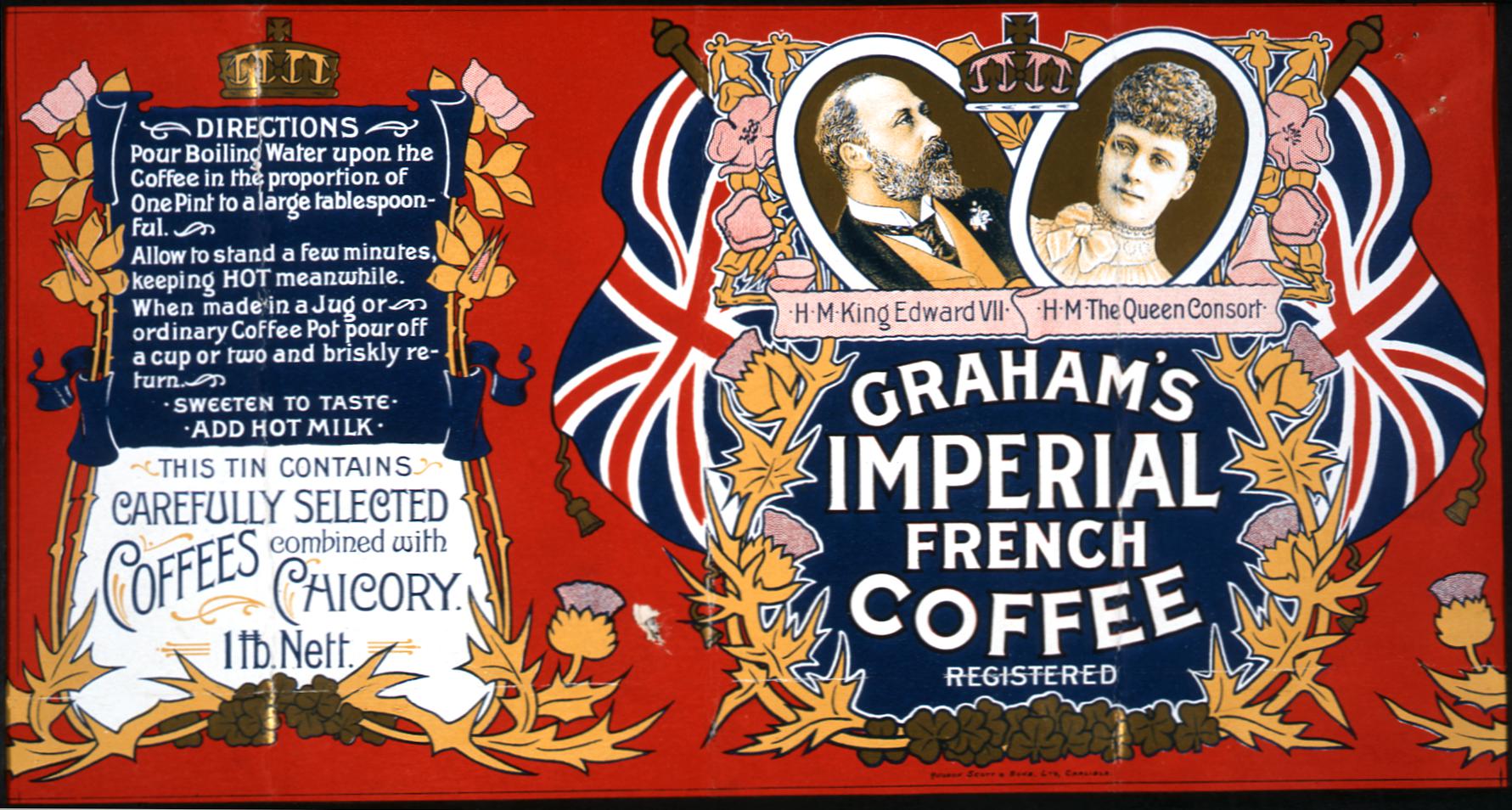
Graham’s Imperial French Coffee, 1901, (Catalogue ref: COPY 1/185 f26)
[Pure coffee was very expensive was so chicory was added. This is the root of a plant that is roasted and ground, then mixed with ground coffee].
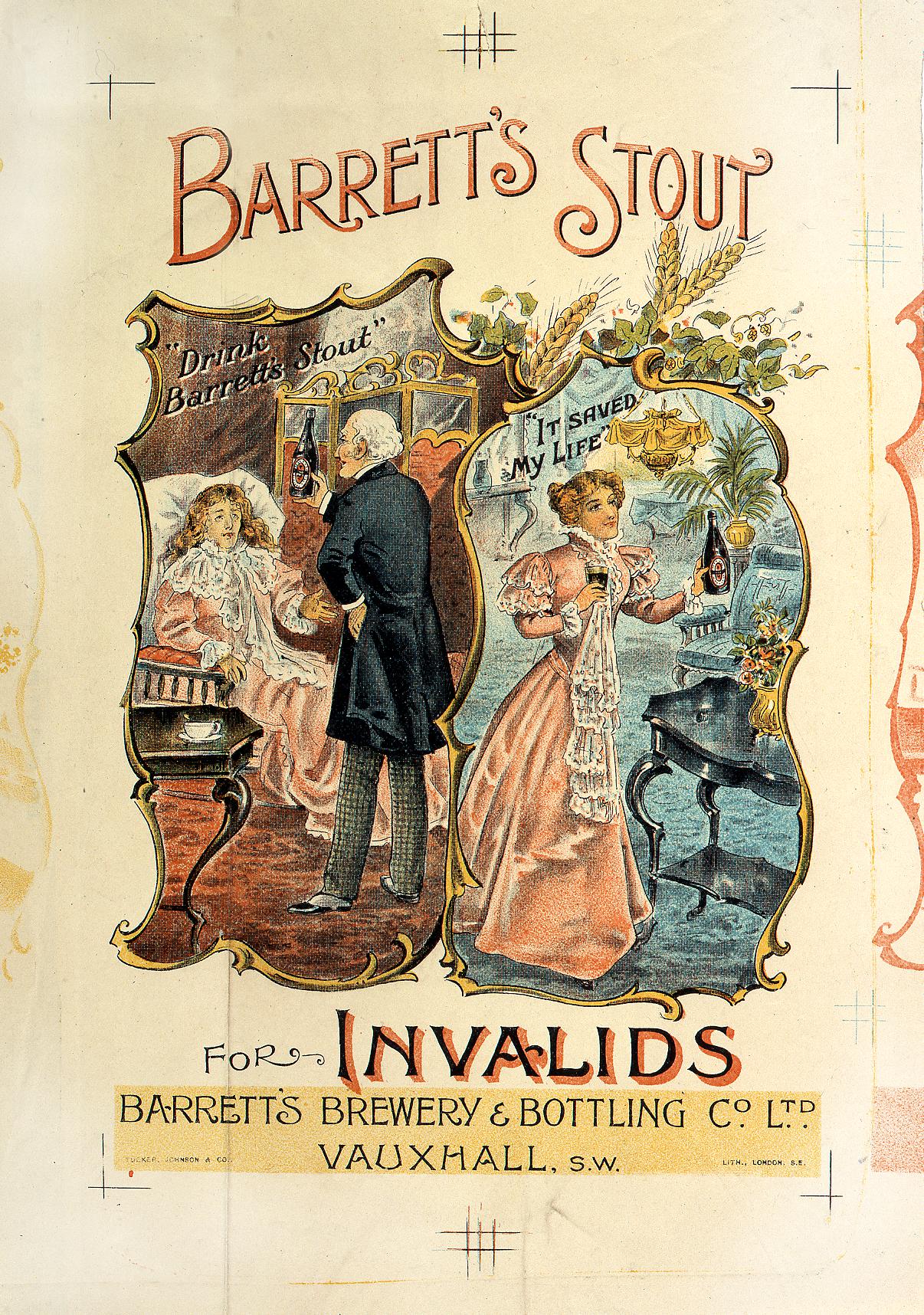
Barrett’s Stout, 1898, (COPY 1/130 f173)
Stout is a type of beer.