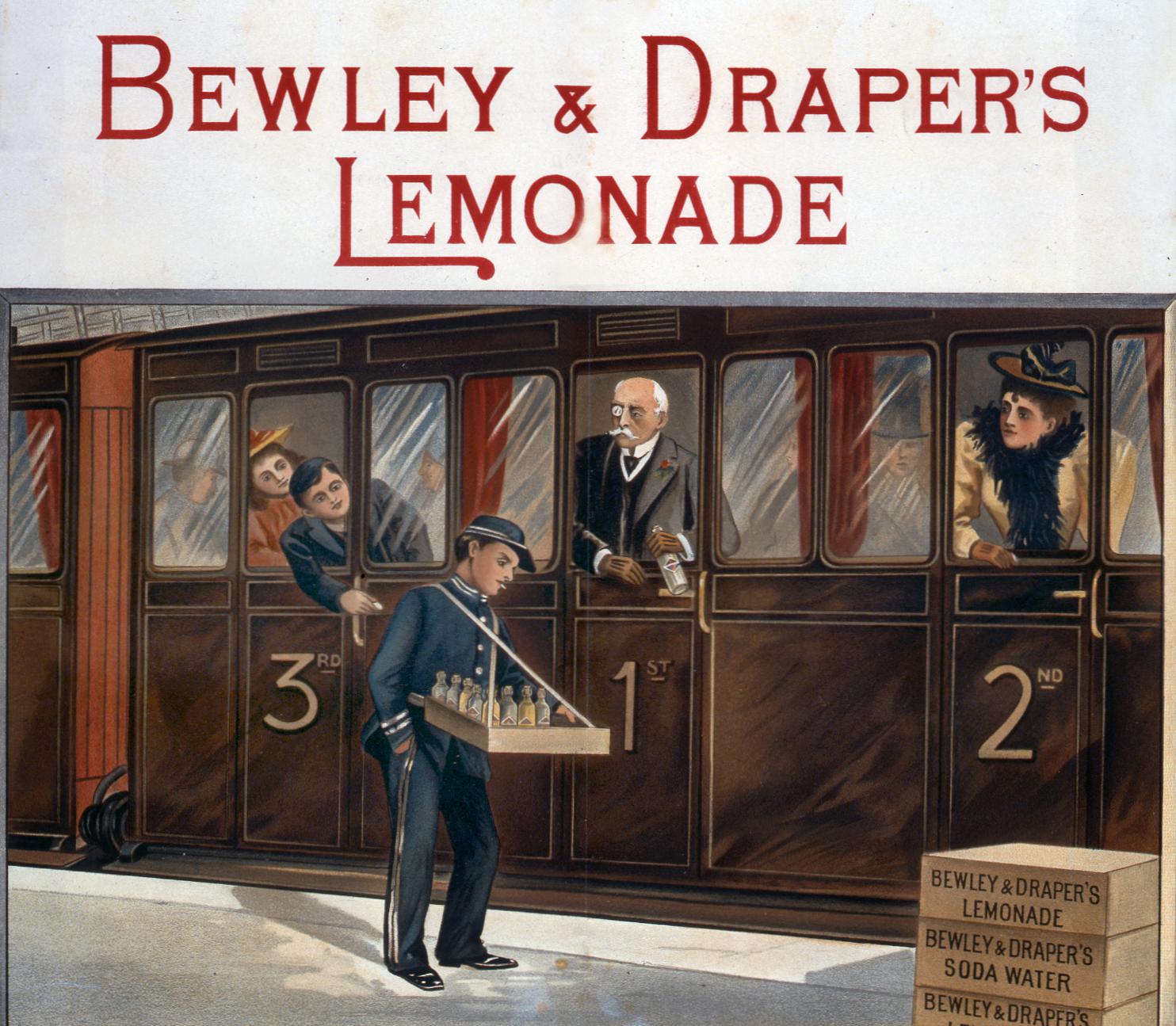
Bewley & Draper’s Lemonade, 1894, (Catalogue ref: COPY 1/113 f260)
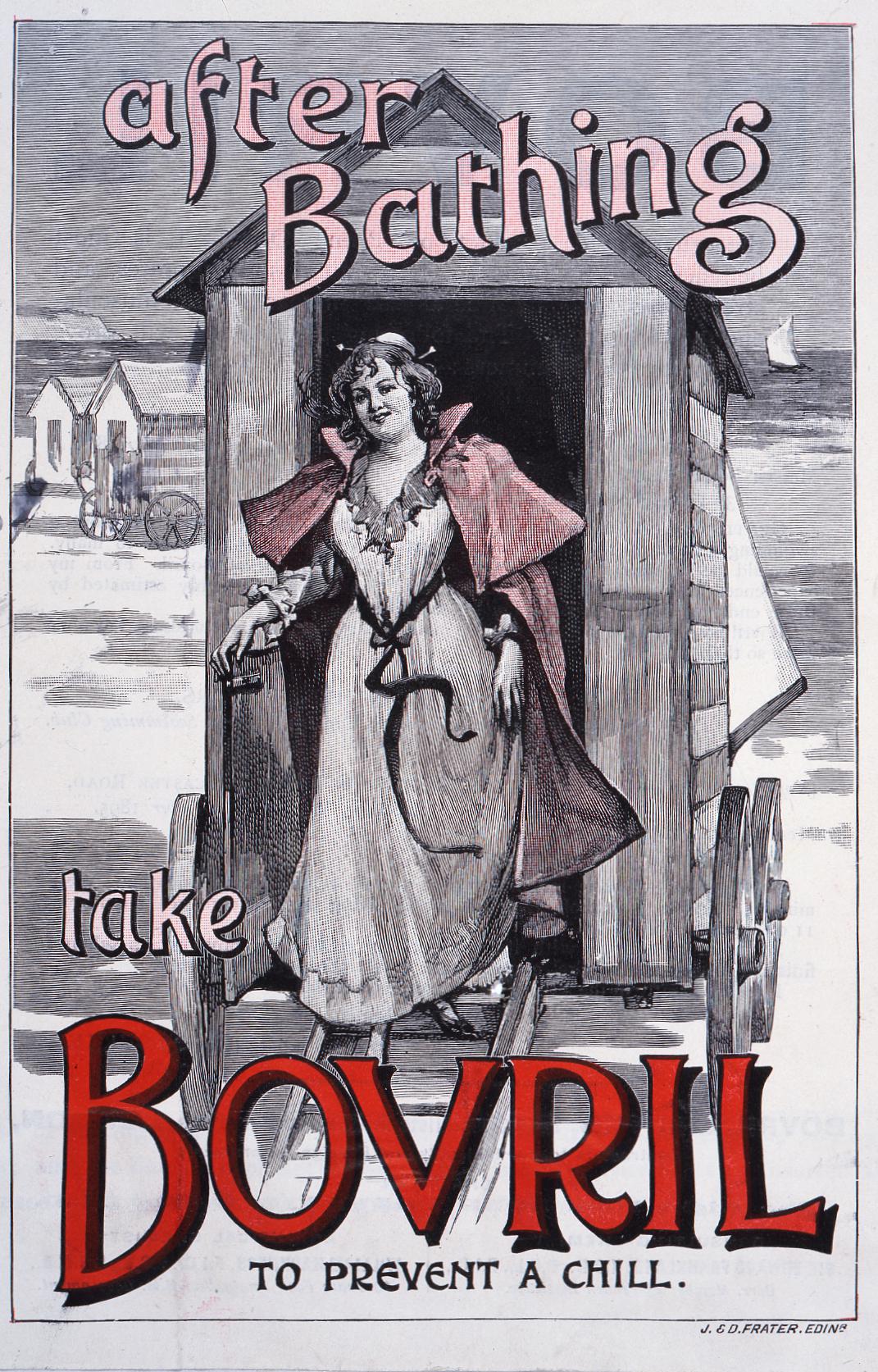
Bovril, 1898, (Catalogue ref: COPY 1/141 f215)
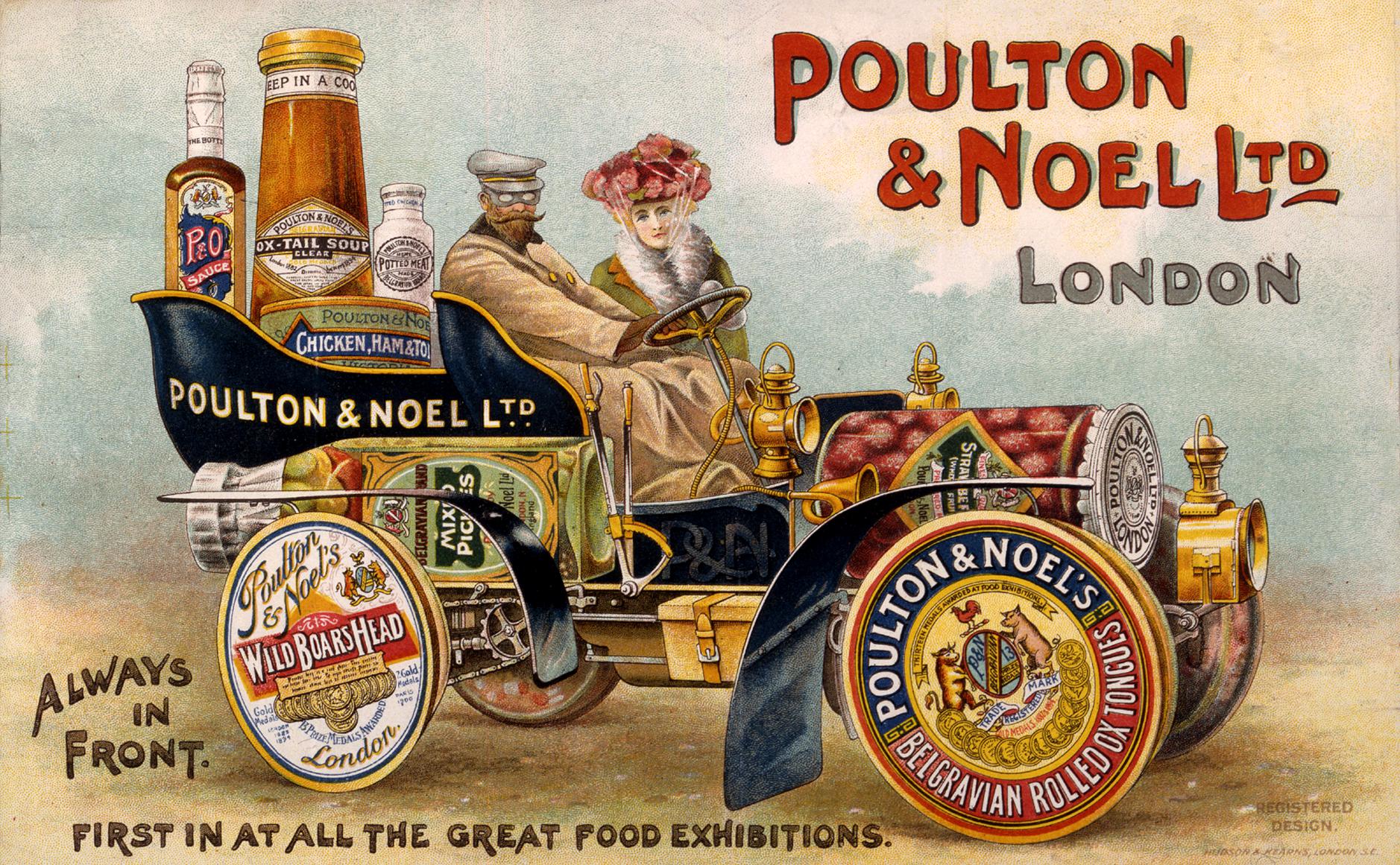
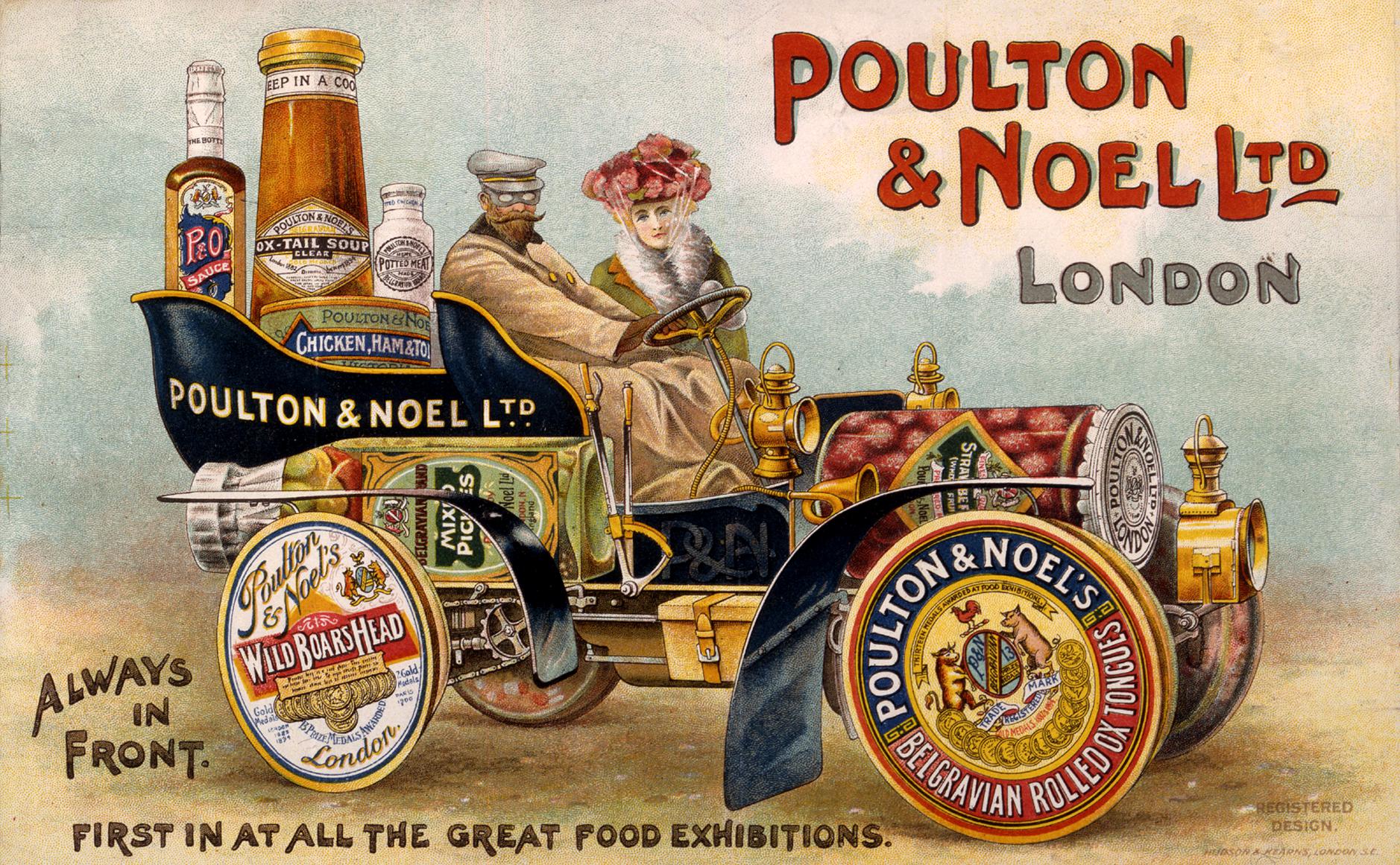
Poulton & Noel Limited foods, 1904, (Catalogue ref: COPY 1/223 f295.)
This company had been selling its potted meats in the Victorian period and continued to do so after the death of Queen Victoria in 1901.
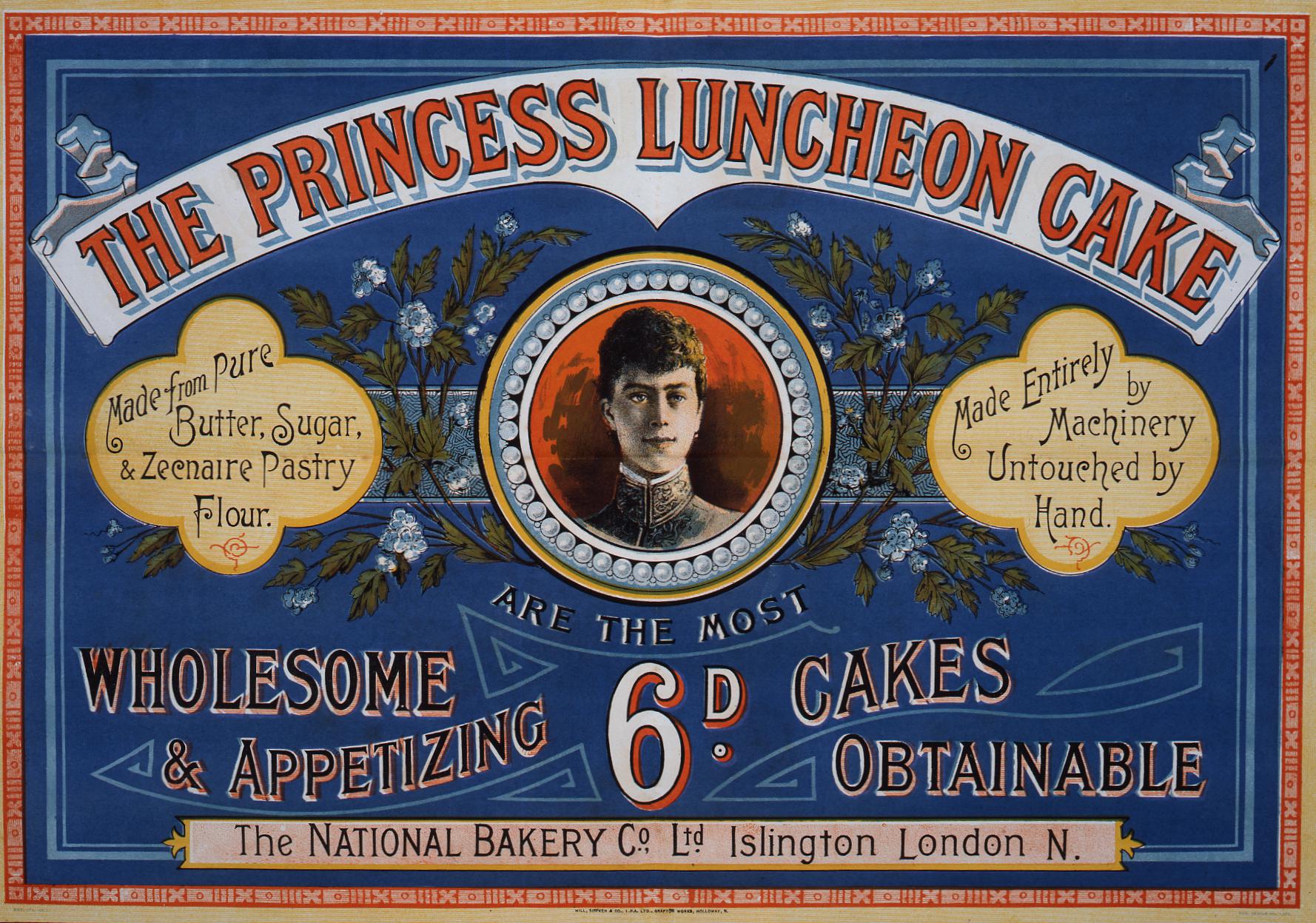
The Princess Luncheon Cake, 1893, Catalogue ref: (COPY 1/108 f175)
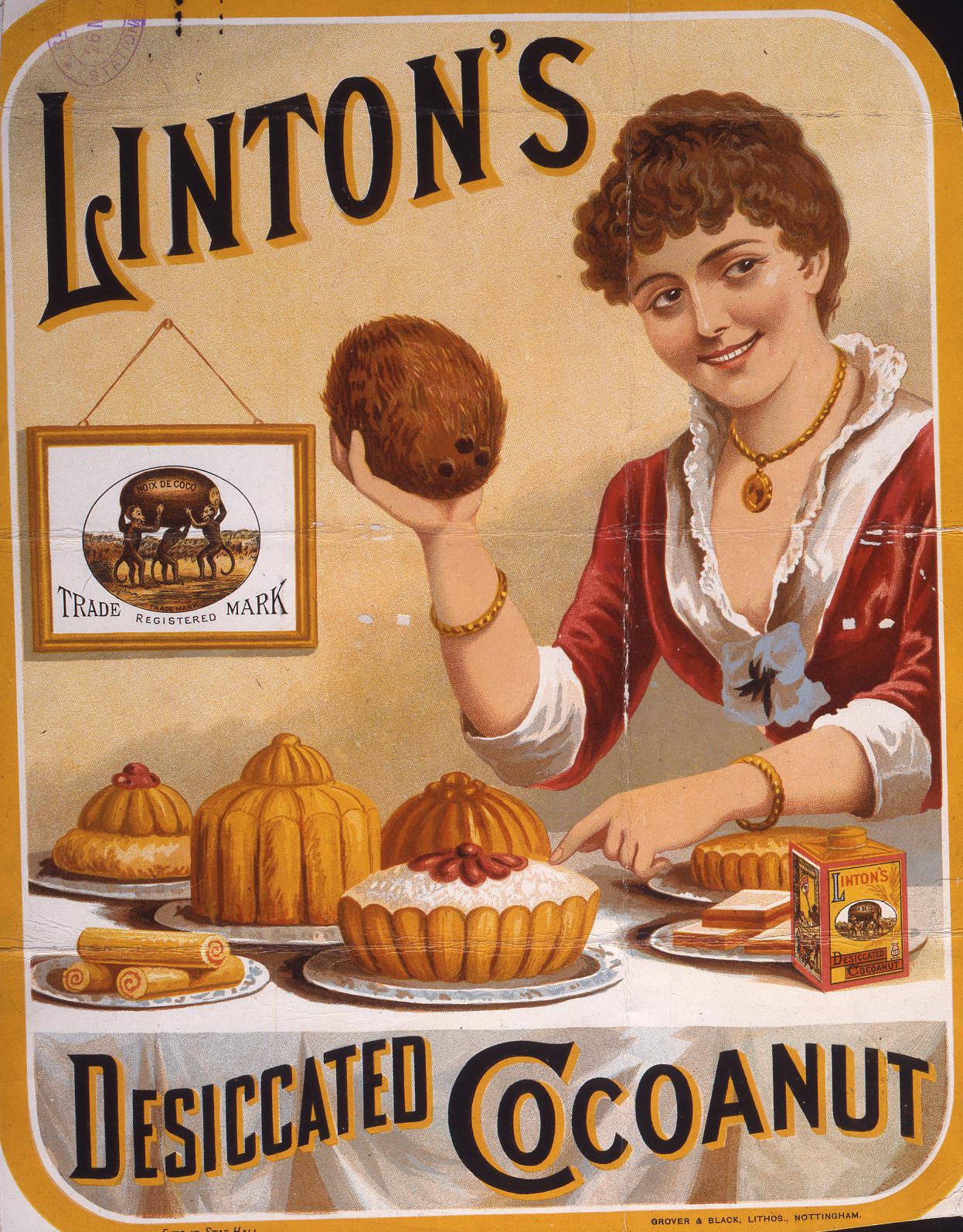
Linton’s Desiccated Coconut, 1885, (Catalogue ref: COPY 1/71 f11)
Advertising is everywhere today. In the nineteenth century it massively expanded from the newspaper advertisements and trade cards or notices made by people to promote their businesses in the eighteen century.
Looking at a Victorian advert is like looking through a window into the past. We have to use the evidence within it to uncover whom it is aimed at and what it reveals about that time or the values or attitudes it might contain.
Use this lesson to explore some adverts relating to food and drink in Victorian times. Find out how eating habits and foods were changing and if they differed from ours.
What do old adverts reveal?The Industrial Revolution made possible the mass production of a wide variety of different products. Manufacturers needed their goods to stand out if there was competition to sell a similar item. Improved printing techniques helped to improve the quality and look of advertising posters. The growing British Empire in the Victorian period provided a huge source of new goods and materials and wider market.
At this time new food products were developed and the documents here give insight into the industrialisation of food production. Preserved foods in bottles and tins were increasingly available as well as new ingredients. Developments in transport in terms of railways, steam ships and motorcars widened access to these goods too. The expansion of the British Empire ensured new markets for manufacturers and meant new goods for sale at home.
It is also important to note that adverts for alcohol were common despite the Temperance Movement and widespread poverty caused by alcoholism. Alcohol in this period was often considered an appropriate medicine for maintaining health as seen in the advert here for stout.
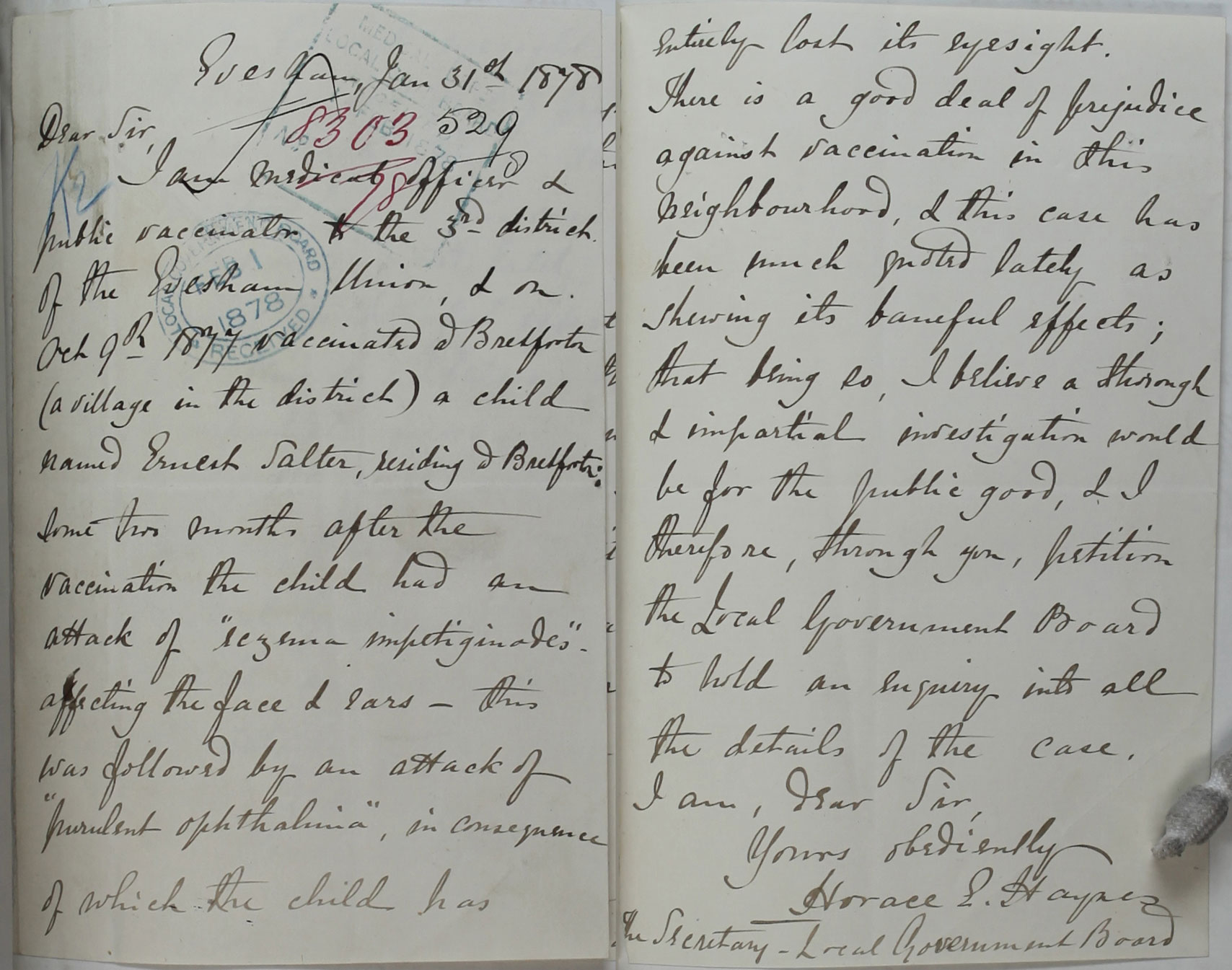
Letter from a local Medical Officer to the General Board of Health about vaccination in Evesham, Worcestershire, 31 January, 1878, (Catalogue ref. MH 12/14007 f529.)
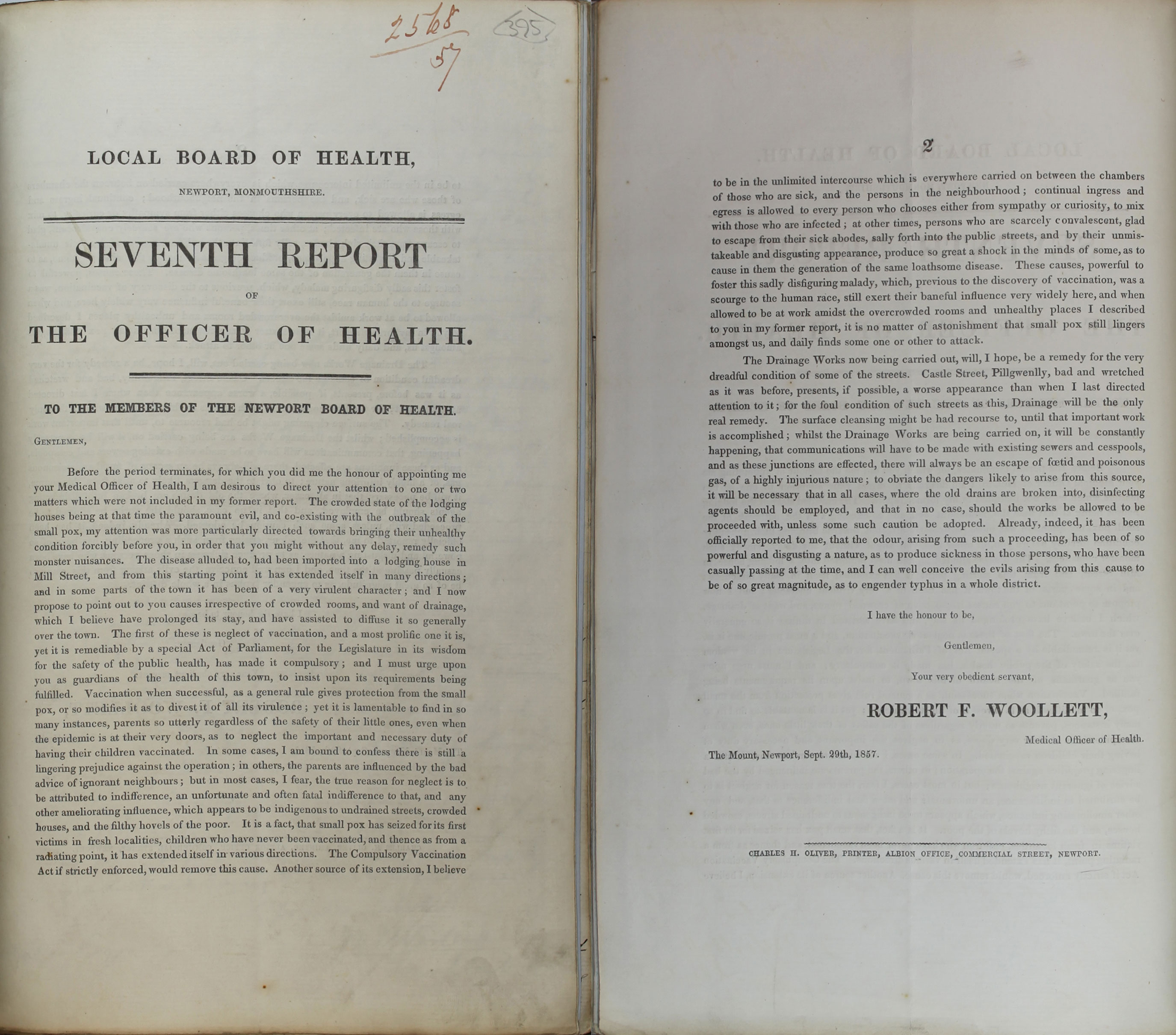
Extract from report from Thomas Woollett to the Newport Local Board of Health, Officer of Health, to the General Board of Health on the sanitary condition of Newport. 29 September 1857. (Catalogue ref. MH 13/133/20 f395.)
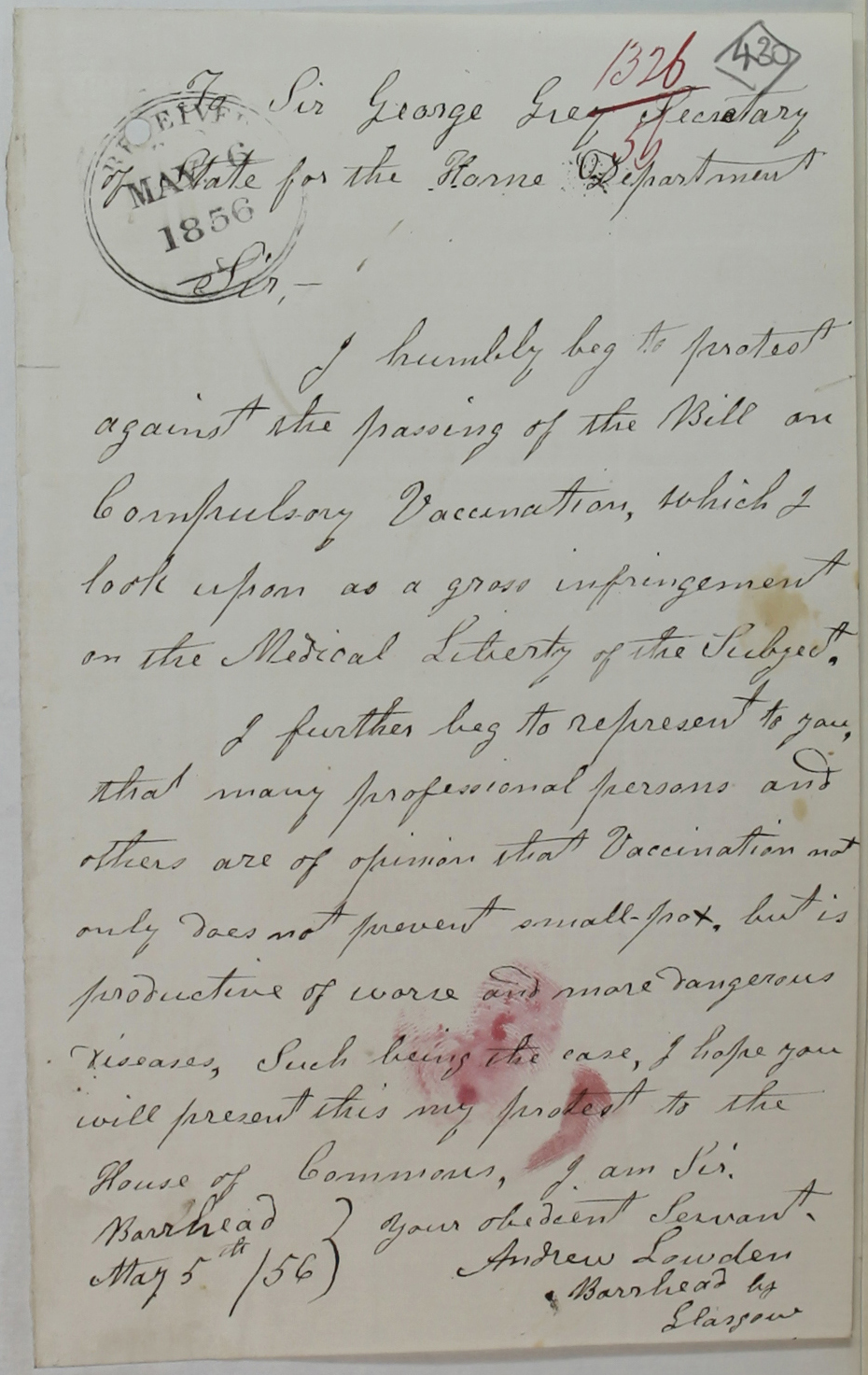
Letter from Andrew Lowden to the Secretary of State, May 1856 protesting about the compulsory vaccination bill. (Catalogue ref: MH 13/250/188 f430.)
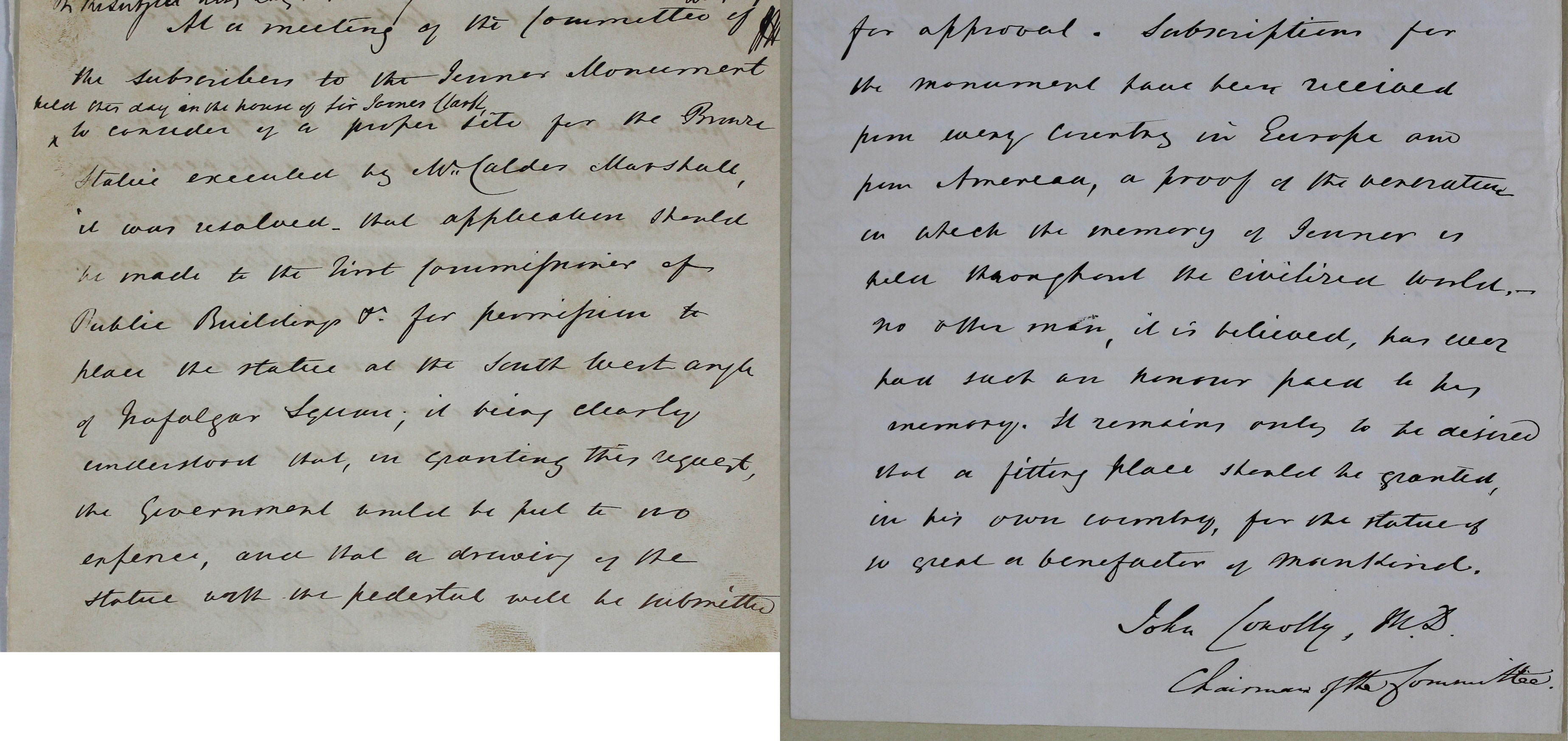
Extract from a letter dated 12 August 1857 concerning the erection of a statue of Edward Jenner (1749-1823) who pioneered vaccination. It was designed by William Calder Marshall in 1858 and originally placed in Trafalgar Square, (Catalogue ref: WORK 20/33).