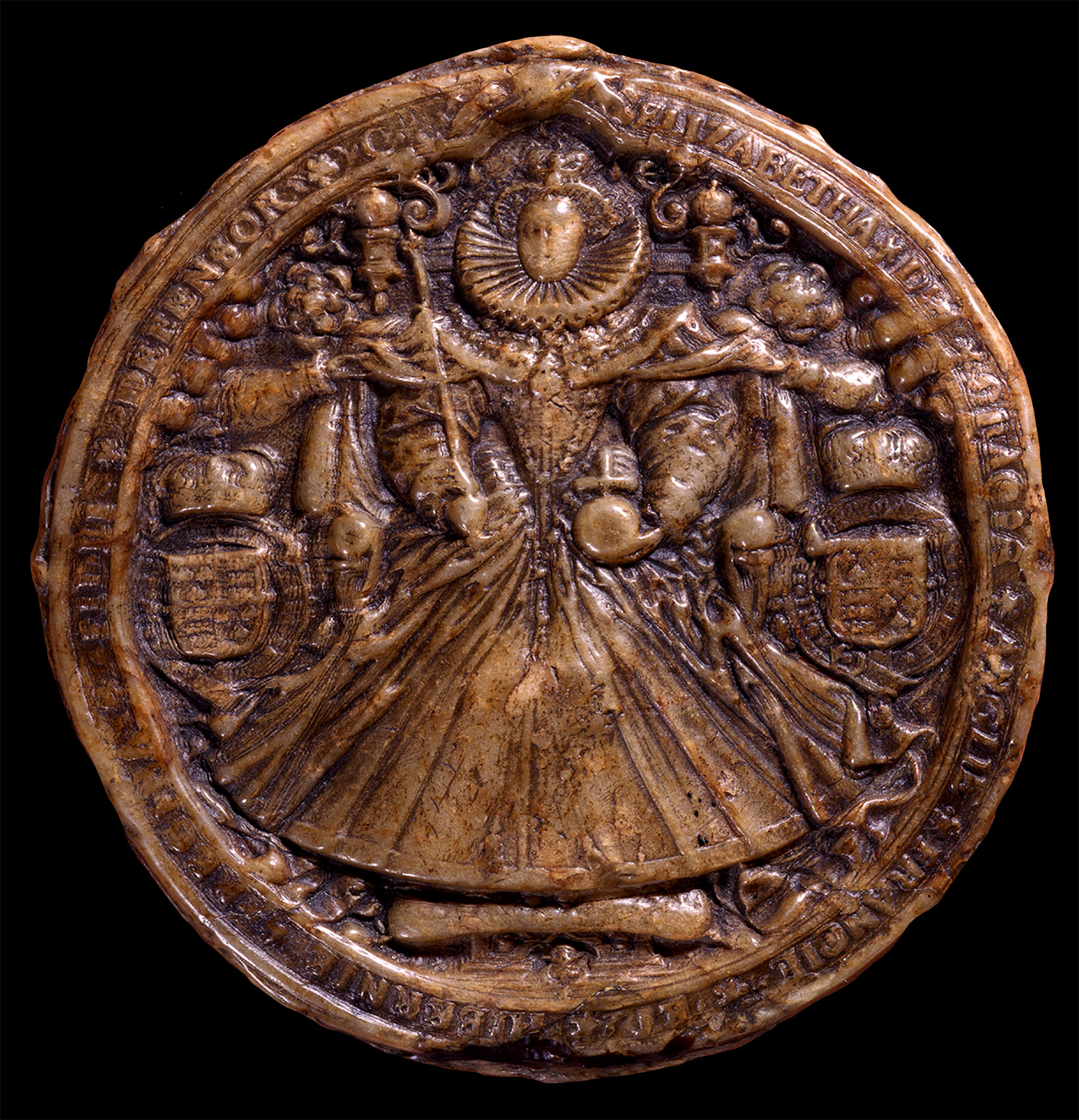
Obverse (front) of Second Great Seal of Queen Elizabeth I. Catalogue ref: SC 12/N3
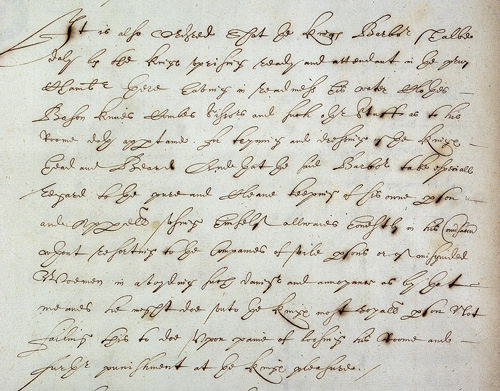
Extract from the Ordinances of Eltham, January 1526 (SP 2/B f232)
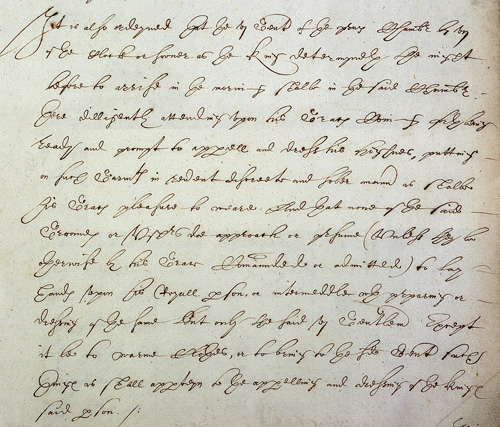
Extract from the Ordinances of Eltham, January 1526 (SP 2/B f228)
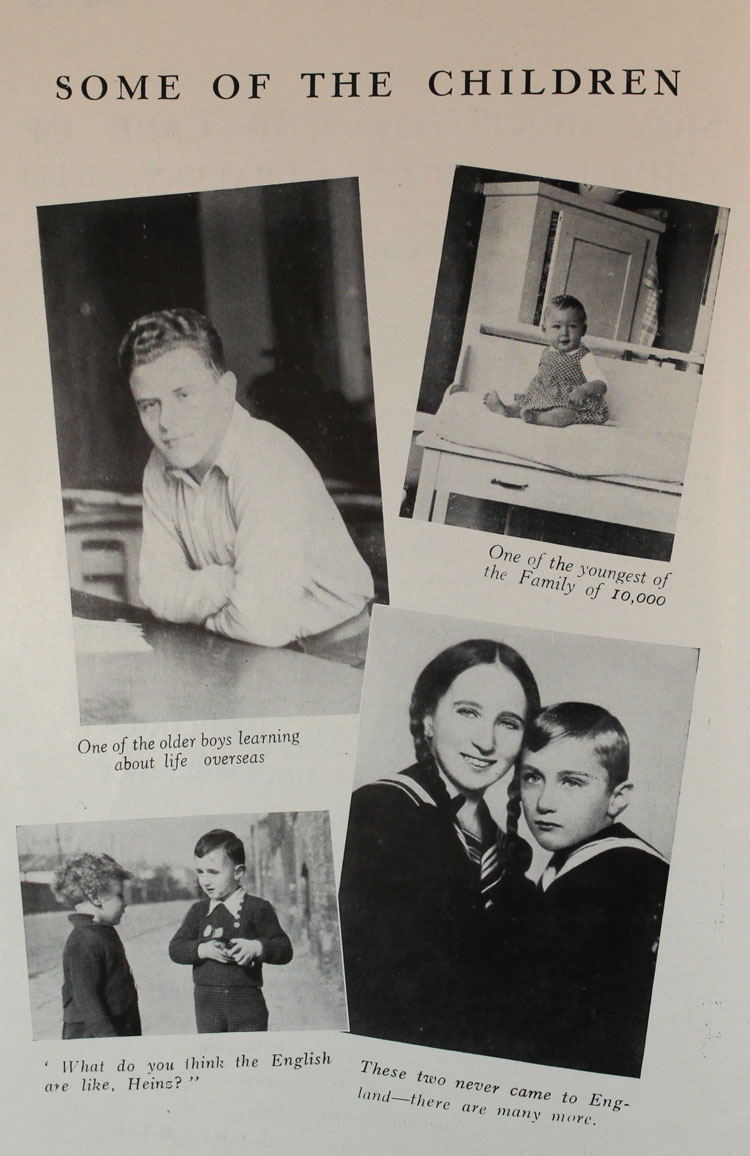 Saving refugee children?
The Kindertransport was a British scheme to rescue nearly 10,000 predominantly Jewish children from Nazi occupied territories. As a result of Nazi persecution, there was a rise in the number of Jews wanting to emigrate as circumstances for Jews in Germany and its annexed countries changed. The Kindertransport scheme was an opportunity for some of these children to leave their homes and families and seek temporary refuge in Britain.
Realising that the British public were keen to see some action, the scheme to bring over a large number of children was given the go-ahead. Visa and passport restrictions were lifted and children of seventeen and younger were able to enter Britain with a ‘white card’. The majority of children had ‘guarantors’ who would cover the re-emigration costs. These guarantors were mostly people who had some kind of connection with the families of the refugees or who had responded to the many advertisements in the newspaper, the Jewish Chronicle from families seeking help. But, at a time of uncertainty in employment and with the country on the brink of war, few households could pay the sum of £50 required, the equivalent of £2000 today. Financing the ‘unguaranteed’ children, those who did not have a previously arranged place of stay, became the responsibility of the Movement for the Care of Children in Germany, later known as the Refugee Children’s Movement. The R.C.M. relied on charitable donations alone as it had been previously agreed with the Home Secretary that no refugee child would become a burden on state finances.
The children arrived from December 1938 to September 1939. With the outbreak of war, borders were closed and all transports ceased. The most reported reason for the ending of transports was that the R.C.M. had run out of funds. Rising unemployment, anti-semitism and the concern that German refugees were now regarded as ‘enemy aliens’ were issues which concerned the Government.
Britain’s policy of internment came into force in May 1940. This affected older child refugees who had reached the age of sixteen before 1940. These children found work in agriculture and domestic service or joined the Pioneer Corps and other Auxiliary Services. Only a small number were interned.
Each year presented the R.C.M. with new challenges which meant changes in policies and changes within the organisation. Questions of finance, welfare and religious upbringing were issues which aroused criticism and conflict. Although its main aim was to re-unite the refugee children with their parents, as the war continued and news of the persecution and mass murder of the Jews reached the United Kingdom, it became apparent this was becoming increasingly unlikely. Re-emigration became uncertain.
The priorities of the R.C.M. now focused on the administration and care of those children who had arrived before the outbreak of war. By April 1943 the number of children according to the R.C.M.’s annual report totalled 8274. The Guardianship Act was passed in 1944 to provide care for those children who were not adopted, unmarried or under the age of 21. This was to ensure that those children who arrived in Britain to escape Nazi persecution would continue to be supported.
In very few cases the refugees were united with their loved ones. This action to rescue refugee children from Nazi persecution later became known as “Kindertransport”.
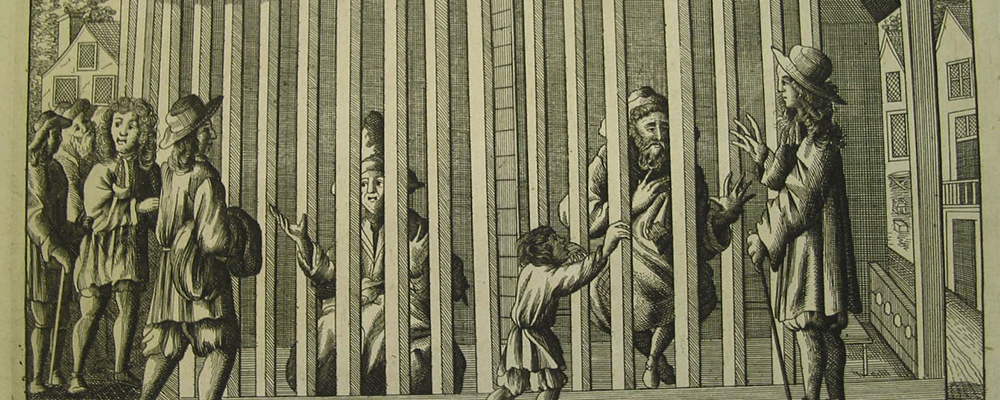
Investigate crime in Britain, its prevention and punishment, from the 13th century to the present.
This resource has been archived as the interactive parts no longer work. You can still use the rest of it for information, tasks or research. Please note that it has not been updated since its creation in 2009.
You can find more content on this topic in our other resources:
Lessons
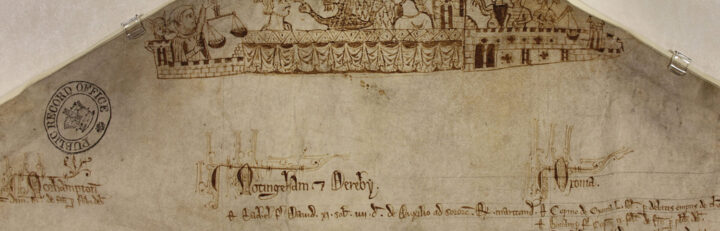
- Crime and Punishment: Robert Peel
How was law enforcement changed by Sir Robert Peel’s new Metropolitan Police Force? - Jews in England 1216-72
What was the relationship between Christians and Jews from 1216-72? - Victorian children in trouble with the law
Did the punishment fit the crime? - A Victorian prison
Why were Victorian Prisons so tough? - Victorian Railways
Did they create more crime?
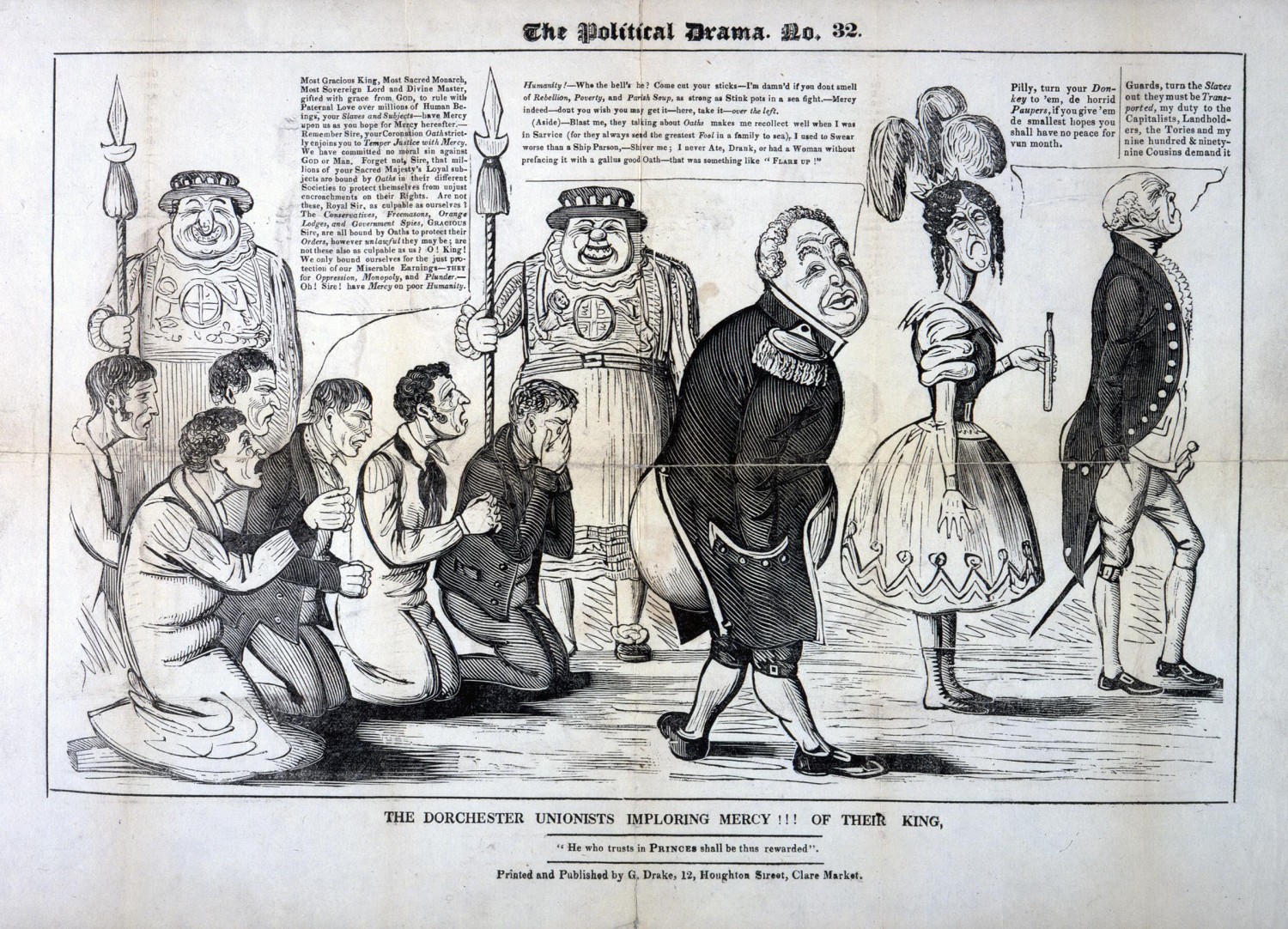
Citizenship is often in the news but what is it? How has it changed over the centuries?
This resource has been archived as the interactive parts no longer work. You can still use the rest of it for information, tasks or research. Please note that it has not been updated since its creation in 2004.
You can find more content on this topic in our other resources:
Themed collections
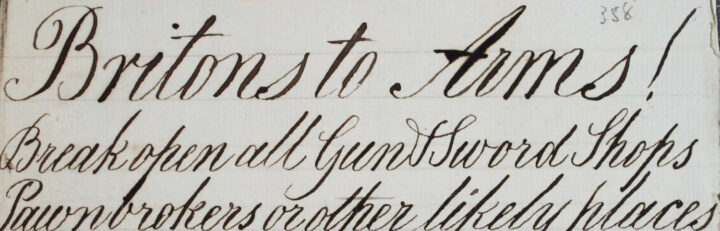
- Protest and Democracy 1816 to 1818, part 1
Was this the start of mass politics in Britain? - Protest and democracy 1818 to 1820, part 2
How close was Britain to revolution?
Lessons
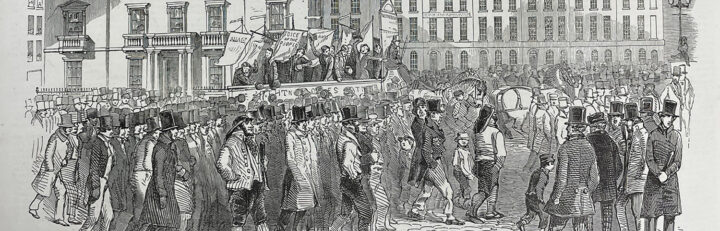
- What was Chartism?
- Why was radical writer Thomas Paine significant?
- What caused the 1832 Great Reform Act?
Political and social reform in 19th century Britain - Mangrove Nine protest
What does this reveal about police brutality and racism in ’70s Britain?
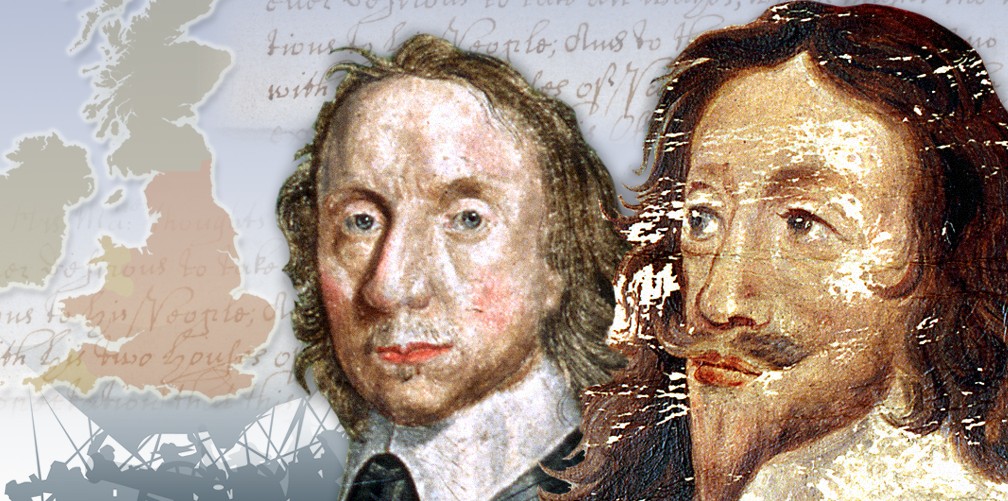
Find out about archival sources and investigate the conflict involving King Charles I, Parliament, the people and Oliver Cromwell.
This resource has been archived as the interactive parts no longer work. You can still use the rest of it for information, tasks or research. Please note that it has not been updated since its creation in 2009.
Civil War People
The five videos in this resource showing how different people possibly viewed the prospect of civil war in 1642 have been updated to a greater quality in our resource ‘Civil War People‘:

You can find more content on this topic in our other resources:
Lessons
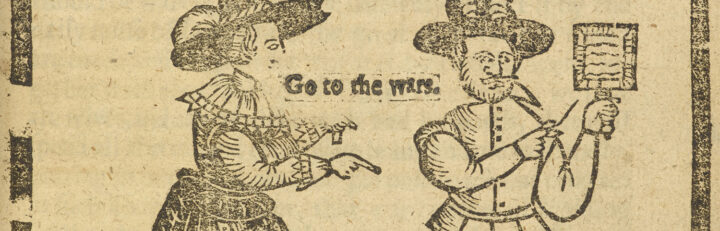
- Women and the English Civil Wars
How did these conflicts affect their lives? - James I
What were the key areas of dispute?
Videos
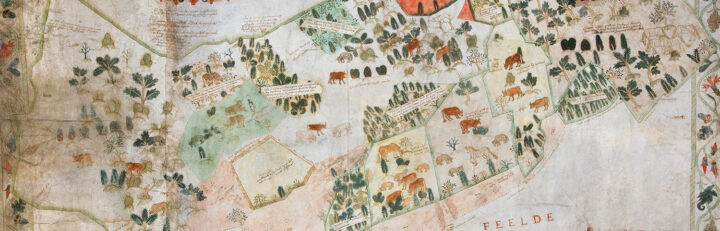
- Spotlight On: Maps
Collections expert Rose Mitchell looks at a map of Aldbourne Chase from 1608.
View treasures from The National Archives.
This resource has been archived as the interactive parts no longer work. You can still use the rest of it for information, tasks or research. Please note that it has not been updated since its creation in 2009.
You can find more content on this topic in our other resources:
Videos

- Spotlight On
Spotlight On is a series of video guides, each based on an individual collection held at The National Archives.
Themed Collections
- Significant People
Who is who? - Workhouse Voices
What did paupers say about the Poor Law? - Letters from the First World War, part one
How did these men experience the conflict? (1915)
Finding Aids
- Black, Asian and Minority Ethnic Histories
A hyperlinked list of National Archives current resources for Black, Asian and Minority Ethnic histories on The National Archives website.
 What's the story?
Today, every British citizen from the age of 18 has the right to vote and so have a say in their government.
This right was not easily achieved. In the 19th century, campaigners fought to extend the vote to working class men in 1867 and 1884. However, there was still much opposition to women getting the vote at the time.
Without the vote it meant that Victorian women had very few rights and it represented their inequality with men in the law. For example until 1882 a woman’s property often went to her husband on their marriage.
Various organisations joined to form the National Union of Women’s Suffrage Societies led by Millicent Fawcett in 1897 to campaign for the vote for women. Their methods included petitions, demonstrations and public meetings.
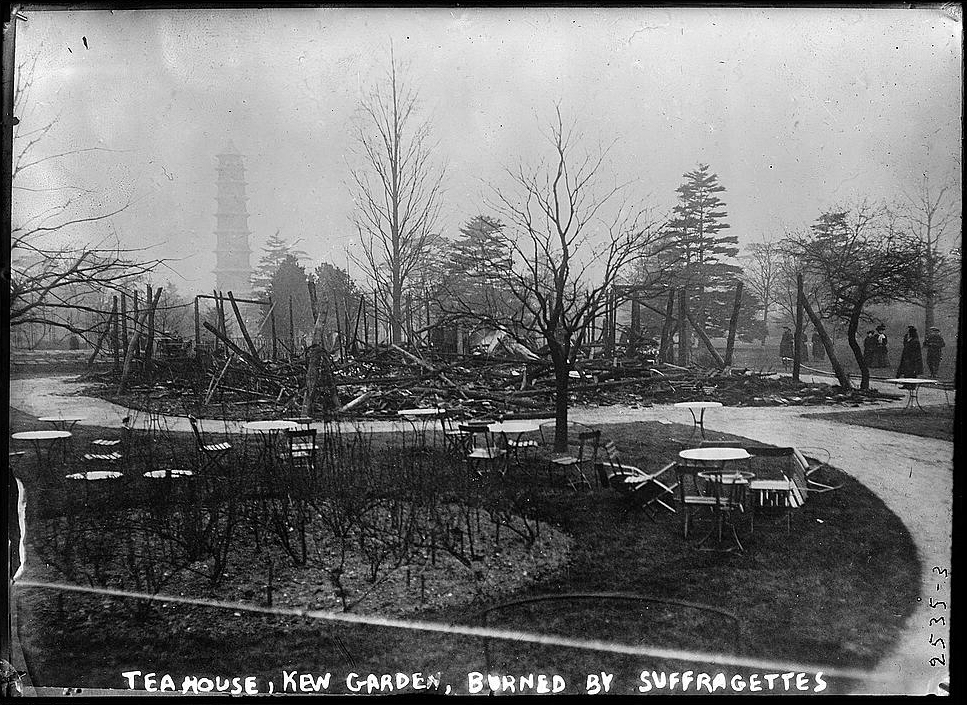
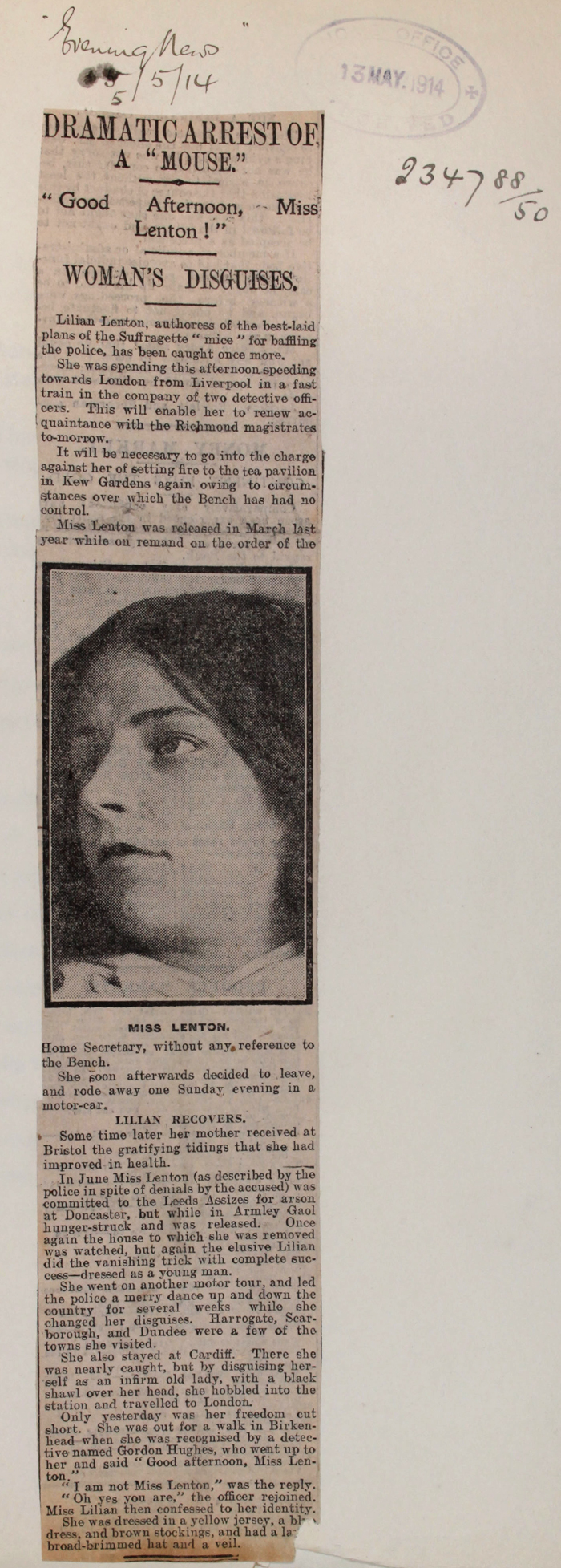
The Women’s Social and Political Union, founded by Emmeline Pankhurst and her daughter Christabel in 1903, used more militant tactics. Many suffragettes went to prison as a result of their actions and while in prison they often went on hunger strike to gain publicity for the cause. As a result, they were forcibly fed. In 1913 the Prisoners Temporary Discharge for Ill-Health Act was passed in Parliament, often referred to as the Cat and Mouse Act. According to this, any hunger-striking woman prisoner was released when they became seriously ill, and re-arrested when recovered.
It is important to remember that other groups supported votes for women too. For instance, the Women’s Freedom League was formed in 1907 and later set up the Women’s Tax Resistance League in 1910. Their supporters argued that there should be no taxation without representation. They also encouraged women to refuse to register for the 1911 census. Men’s suffrage societies were also part of the general campaign, for example the Men’s League for Women’s Suffrage founded in 1907 and the Men’s Political Union for Women’s Enfranchisement.
With the coming of the First World War the NUWSS and WSPU called off the women’s suffrage campaign. Afterwards, in 1918 women were given limited voting rights with the Representation of the People Act. Universal suffrage, that is, the vote for men and women on equal terms, was finally achieved with the Equal Franchise Act in 1928 when all men and women were given the vote at 21 years. In 1969 the voting age for men and women was lowered to 18.
 What tactics were used by suffragettes, police and government?
Today, every British citizen from the age of 18 has the right to vote and so have a say in their government. This right was not easily achieved.
In the 19th century, campaigners fought to extend the vote to working class men in 1867 and 1884. However, there was still much opposition to women getting the vote at the time.
Without the vote it meant that Victorian women had very few rights and it represented their inequality with men in the law. For example, until 1882 a woman’s property often went to her husband on their marriage.
Various organisations joined to form the National Union of Women’s Suffrage Societies led by Millicent Fawcett in 1897 to campaign for the vote for women. Their methods included petitions, demonstrations and public meetings.
The Women’s Social and Political Union, founded by Emmeline Pankhurst and her daughter Christabel in 1903, used more militant tactics. Many suffragettes went to prison as a result of their actions and, while in prison, they often went on hunger strike to gain publicity for the cause and as a result were forcibly fed. In 1913 the Prisoners Temporary Discharge for Ill-Health Act was passed in Parliament, often referred to as the Cat and Mouse Act. According to this, any hunger-striking woman prisoner was released when they became seriously ill, and re-arrested when recovered.
It is important to remember that other groups supported votes for women too. For instance, the Women’s Freedom League was formed in 1907 and later set up the Women’s Tax Resistance League in 1910. Their supporters argued that there should be no taxation without representation. They also encouraged women to refuse to register for the 1911 census. Men’s suffrage societies were also part of the general campaign, for example the Men’s League for Women’s Suffrage founded in 1907 and the Men’s Political Union for Women’s Enfranchisement.
With the coming of the First World War the NUWSS and WSPU called off the women’s suffrage campaign. Afterwards, in 1918, women were given limited voting rights with the Representation of the People Act. Universal suffrage, that is, the vote for men and women on equal terms, was finally achieved with the Equal Franchise Act in 1928 when all men and women were given the vote at 21 years. In 1969 the voting age for men and women was lowered to 18.