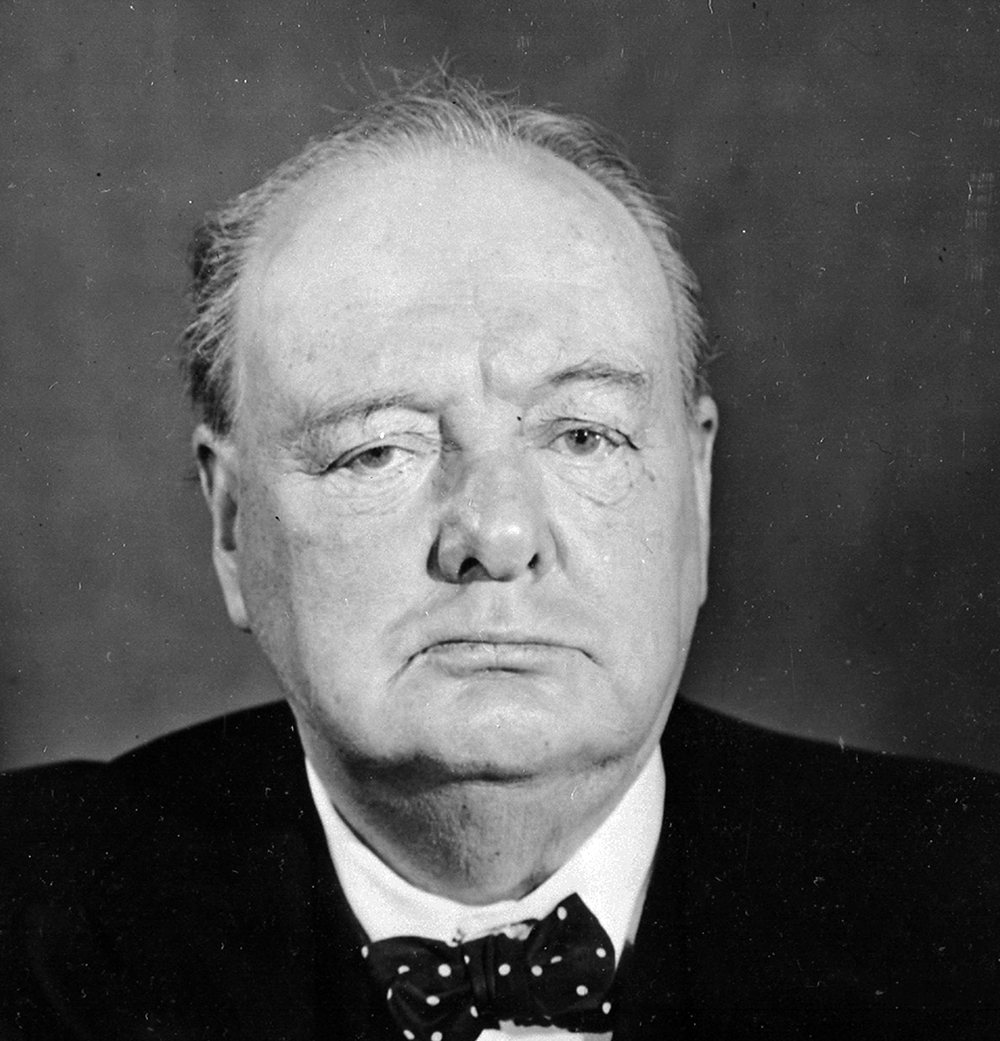
Extracts from Winston Churchill’s speech in the House of Commons on the resignation of Anthony Eden (22 February 1938)
…Evidently there were divergencies, marked no doubt by good will and all the courtesies of Cabinet association, between the Foreign Secretary and the new Prime Minister…first, to their conception of the present condition of the League of Nations and its Covenant; and, secondly, to the attitude which we should adopt towards the dictator Powers…
…It is quite easy to understand how Signor Mussolini should have instructed Count Grandi, if he did so instruct him—I am not quite clear—to encourage talks with Great Britain. But it is less easy to understand, I venture to submit—and I am endeavouring to argue this in a manner not calculated to cause heat of any kind—why we should have had hurried so eagerly to the rescue…
However, as I reconstruct the story, the Cabinet, from the usual vague, well-intentioned desire for peace and friendship, enjoined [called for] the Foreign Secretary to have these talks. It is quite clear that he was reluctant to do so, and, in my opinion, he was right…At any rate, at this point—on 11th February—the following statement is made in the Italian Press…Our opinion will not change until London’s foreign policy ceases to be directed by Mr. Eden…that there was a demand that the Foreign Secretary should go, and that unless he went there could be no progress in these talks. I, therefore, read with very much concern in the London evening newspapers of the following Friday, 18th February, that my right honourable friend the Prime Minister had taken the negotiations into his own hands, and had invited Count Grandi to conduct discussions with him and the Foreign Secretary, not at the Foreign Office but at No. 10 Downing Street.
I think that the House must say, looking at it from a purely outside point of view, that this was clearly a decisive episode in the story which we have before us: clearly the deciding episode, the episode which brought these divergencies which have not been concealed to a definite head. Here is the Foreign Secretary attacked by a foreign Government through their controlled Press, his own papers filled with rumours that he will resign, and the Prime Minister coming in this peculiar and difficult situation and taking charge of the discussions himself…
I cannot myself contemplate the arrival of the British envoy at Rome to make a pact which, if it is successful, will involve the recognition of the conquest of Abyssinia. …
The resignation of the late Foreign Secretary may well be a milestone in history. Great quarrels, it has been well said, arise from small occasions, but seldom from small causes. That there was a complete divergence between the late Foreign Secretary and the Prime Minister is too plainly apparent. The late Foreign Secretary adhered to the old policy which we have all forgot for so long. The Prime Minister and his colleagues have entered upon another and a new policy.
The old policy was an effort to establish the rule of law in Europe and build up through the League of Nations, or by regional pacts under the League of Nations, effective deterrents against the aggressor. That is the policy which we have followed. Is the new policy—I hope we shall hear more about it—to come to terms with the totalitarian Powers in the hope that by great and far-reaching acts of submission, not merely in sentiment and pride, but in material factors, peace may be preserved?
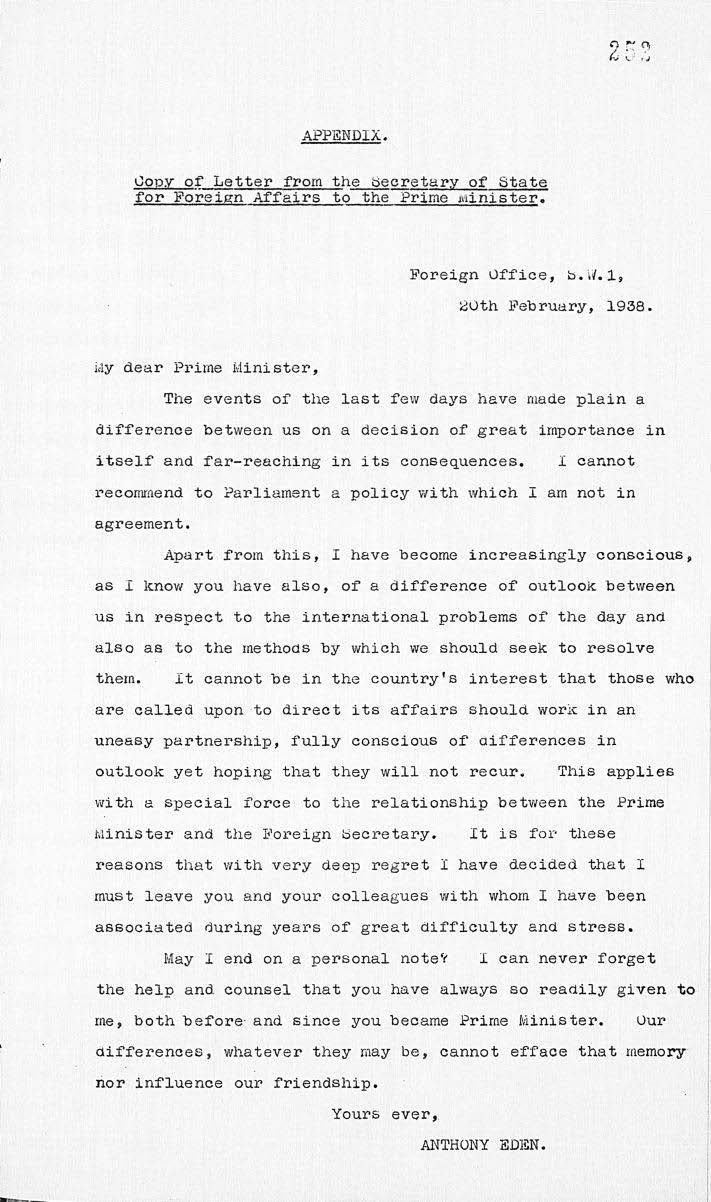
Letter from Anthony Eden to Neville Chamberlain, 1938 (CAB/23/92 f252)
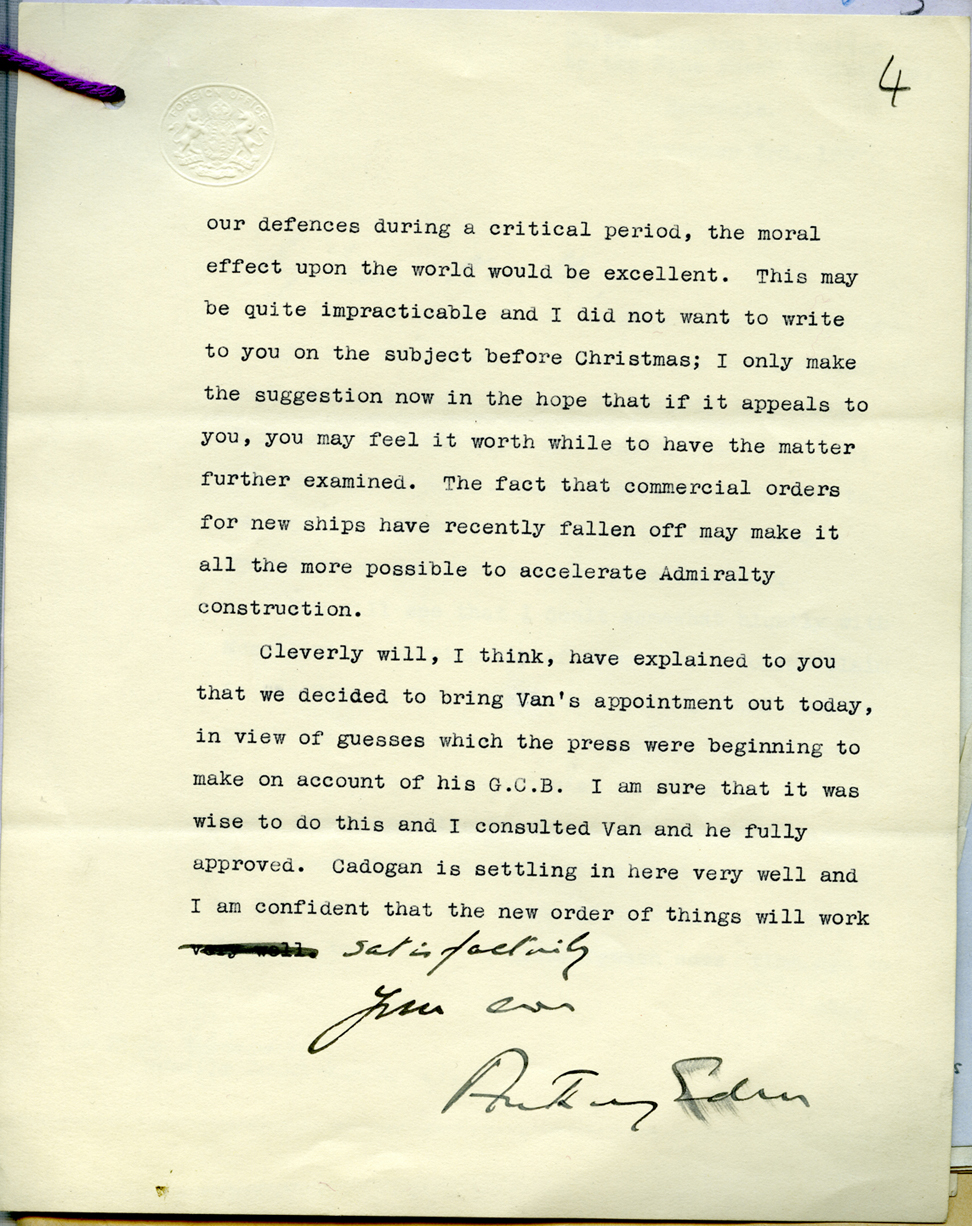
Letter from Anthony Eden to Neville Chamberlain, 1937 (PREM 1/210)
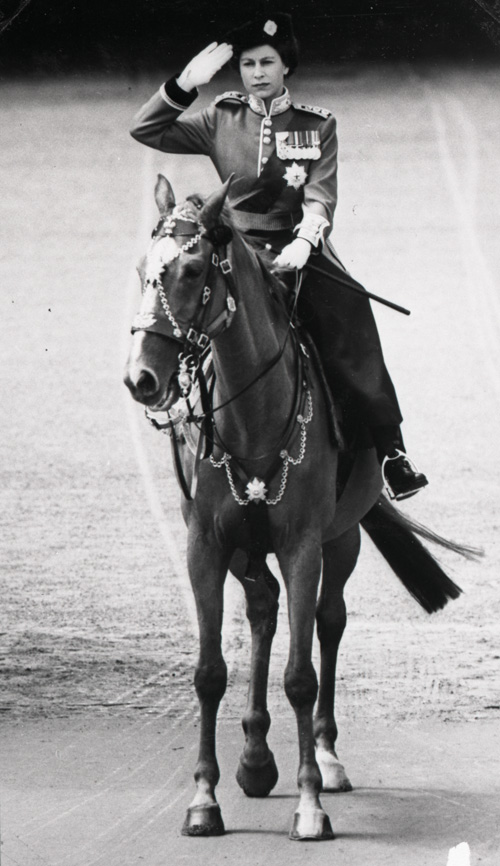
Trooping the Colour (WORK 21/292)
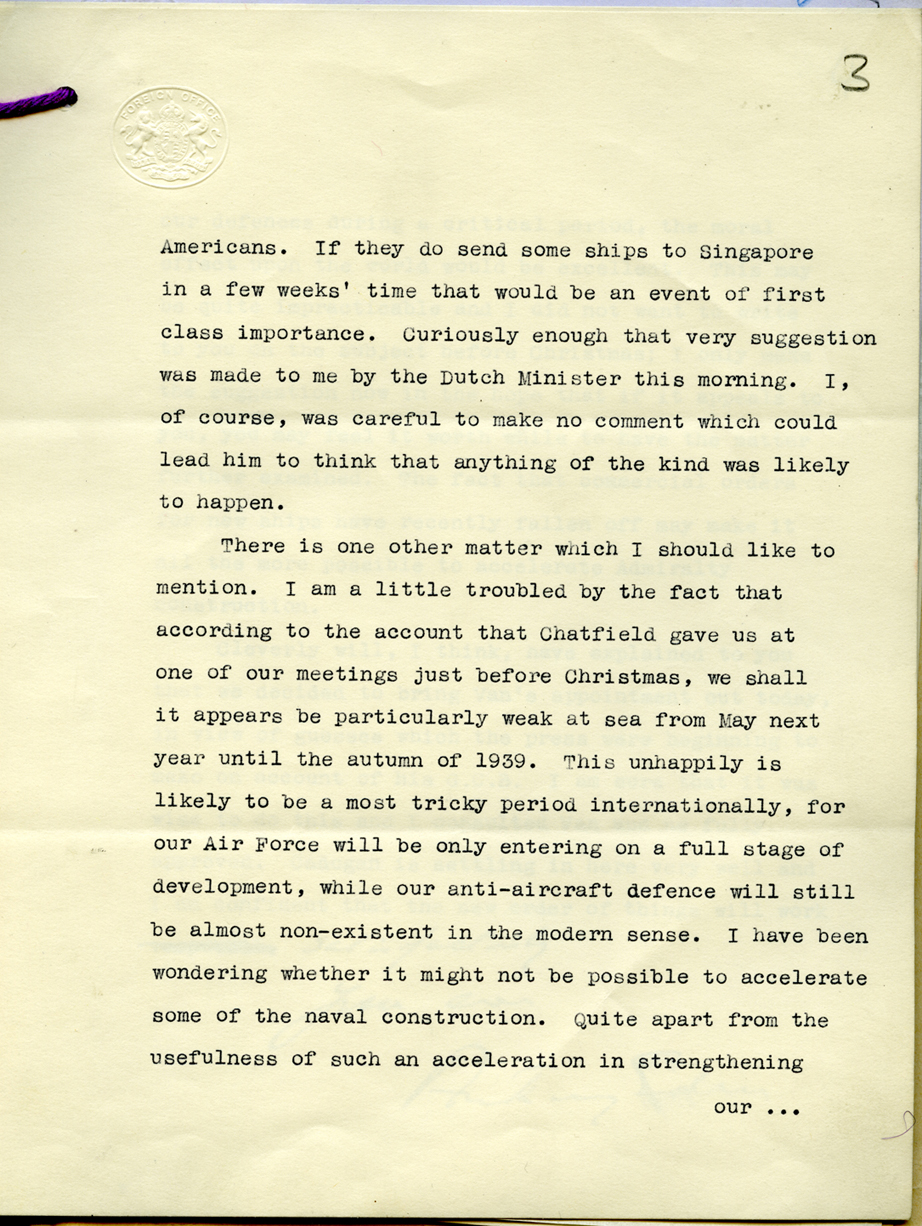
Letter from Anthony Eden to Neville Chamberlain, 1937 (PREM 1/210)
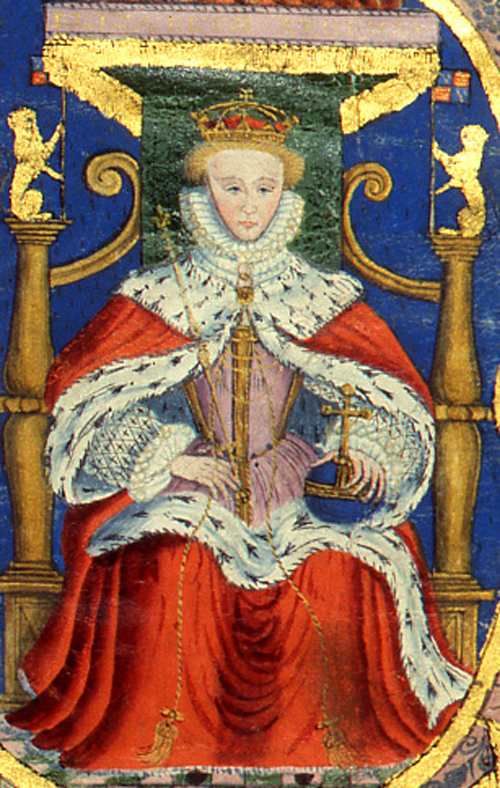
Detail of Elizabeth I from Court of Kings Bench Coram Rege Roll, 1584 (KB 27/1289/2)
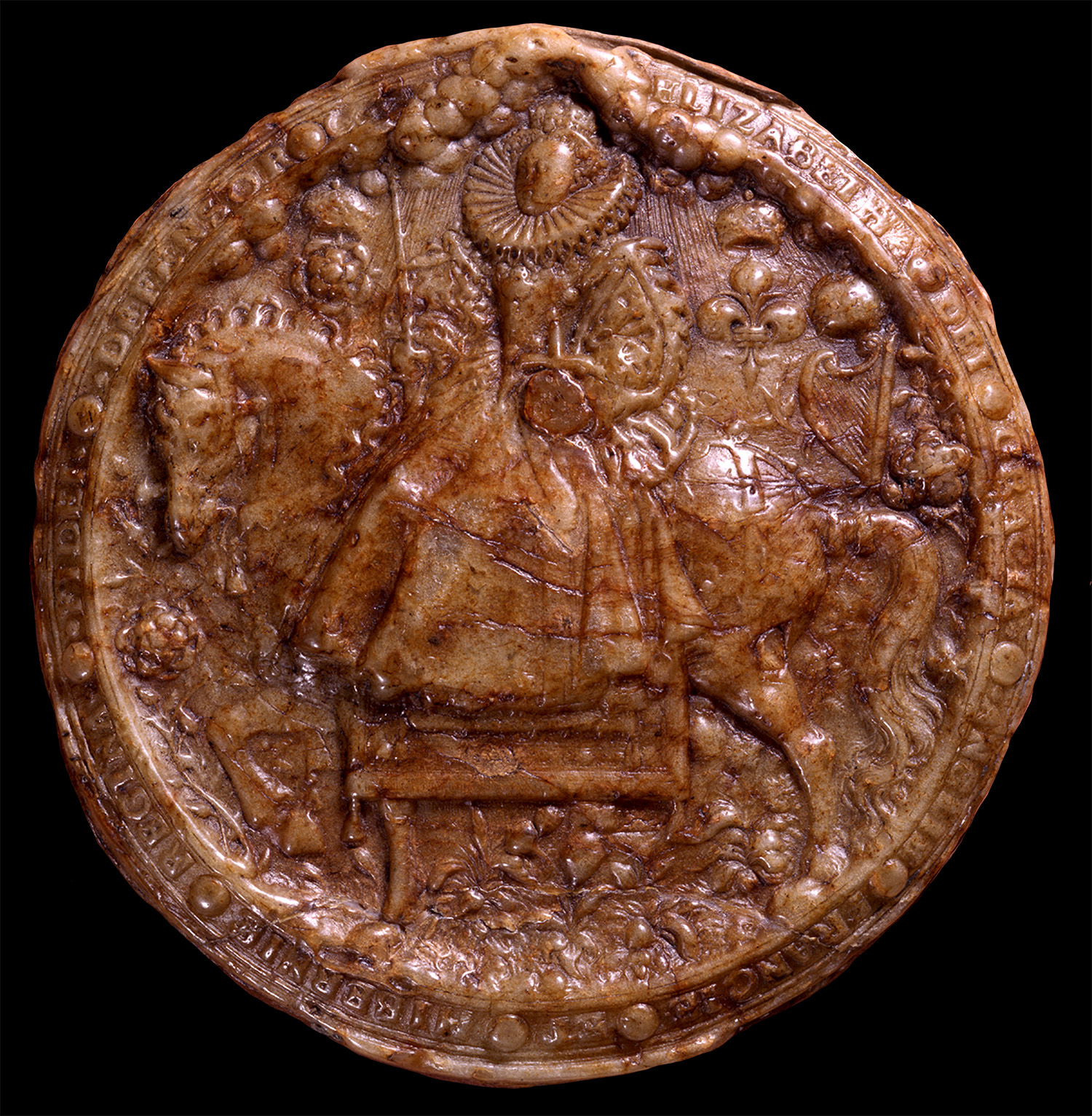
Reverse (back) of Second Great Seal of Queen Elizabeth I. Catalogue Ref: SC 12/N3
For the first time on The National Archives’ website you can view complete public information films from 1945 -2006. Joining with the Central Office of Information (COI) to celebrate their 60th Anniversary. This film collection can be used to provide social, economic, and political context for 20th Century British History topics.
This resource has been archived as the interactive parts no longer work. You can still use the rest of it for information, tasks or research. Please note that it has not been updated since its creation in 2006.
Go to Public Information Films
You can find more content on this topic in our other resources:
Themed collections
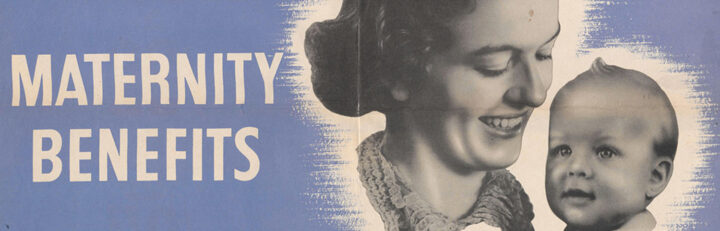
- Attlee’s Britain 1945-1951
Planning for the future? - Fifties Britain
Never so good? Or too good to be true? - Sixties Britain
A social and cultural revolution? - Commonwealth migration since 1945
What was the context and impact of migration in modern Britain? - Cold War on File
Why did the Cold War emerge?
Finding aid
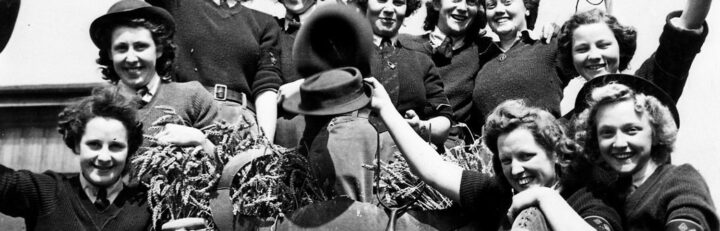
- Women’s Histories
This resource contains a hyperlinked list of National Archives current resources for Women’s histories on The National Archives website.
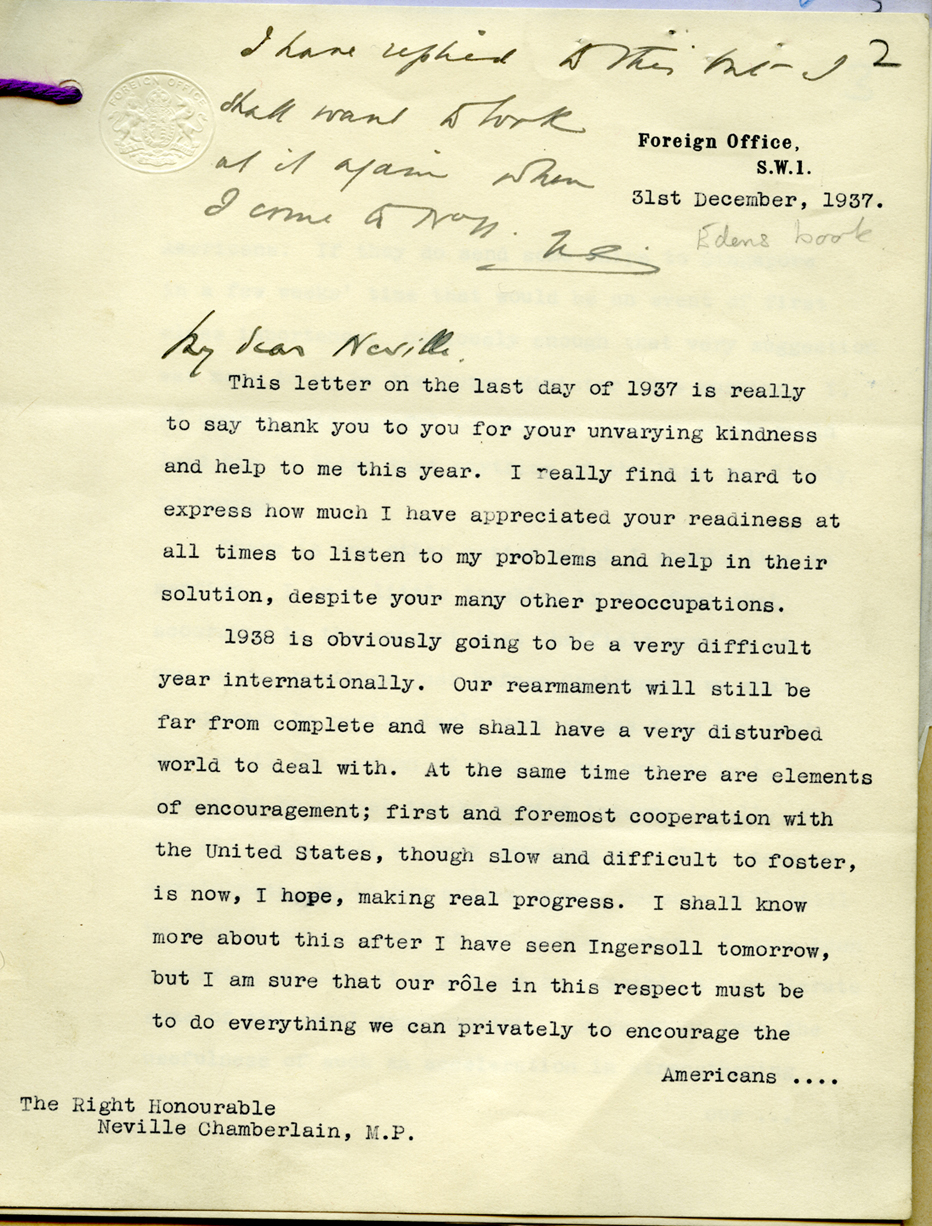
Letter from Anthony Eden to Neville Chamberlain, 1937 (PREM 1/210)