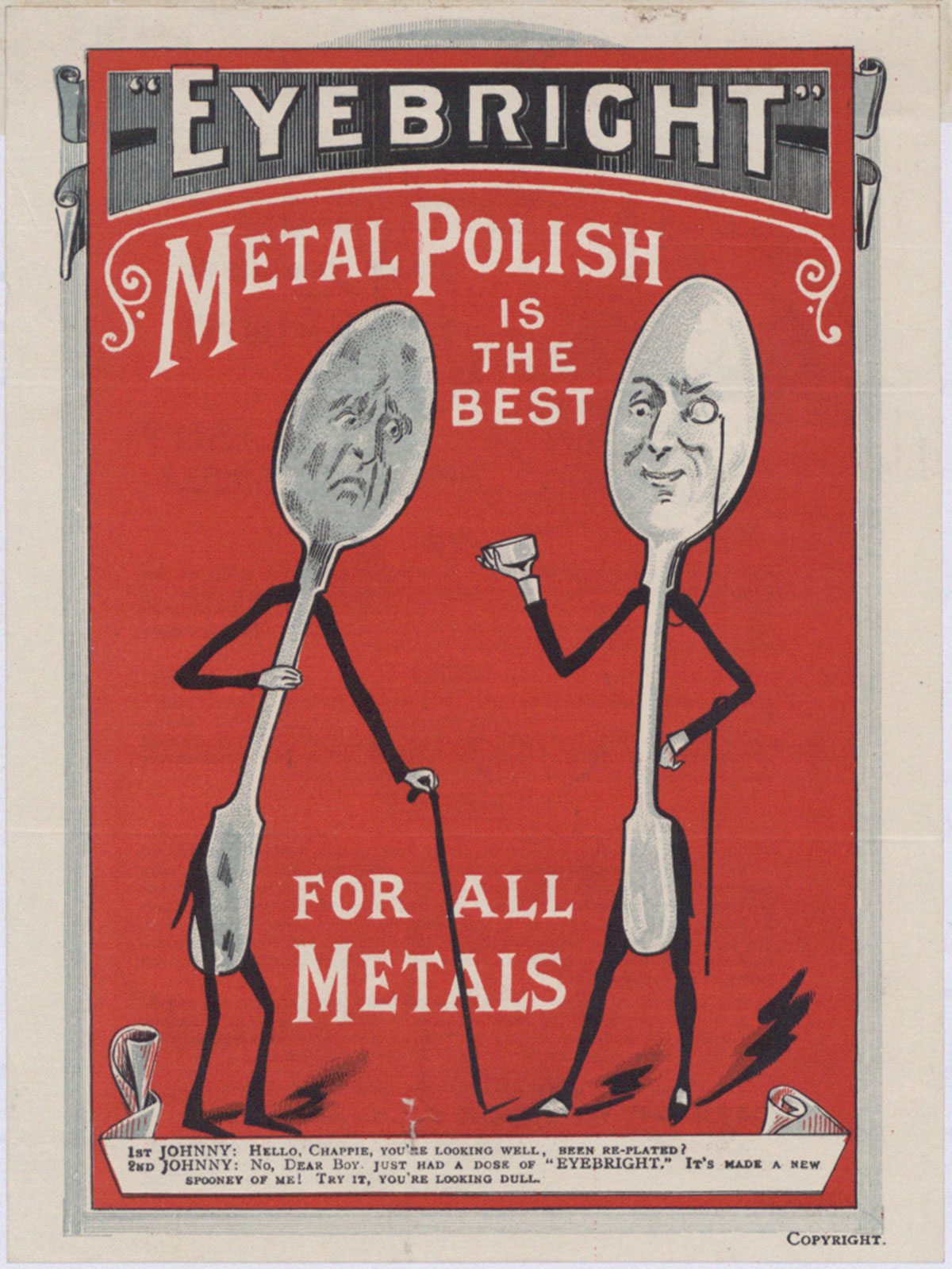
 Victorians for sale! Has advertising changed from Victorian times?
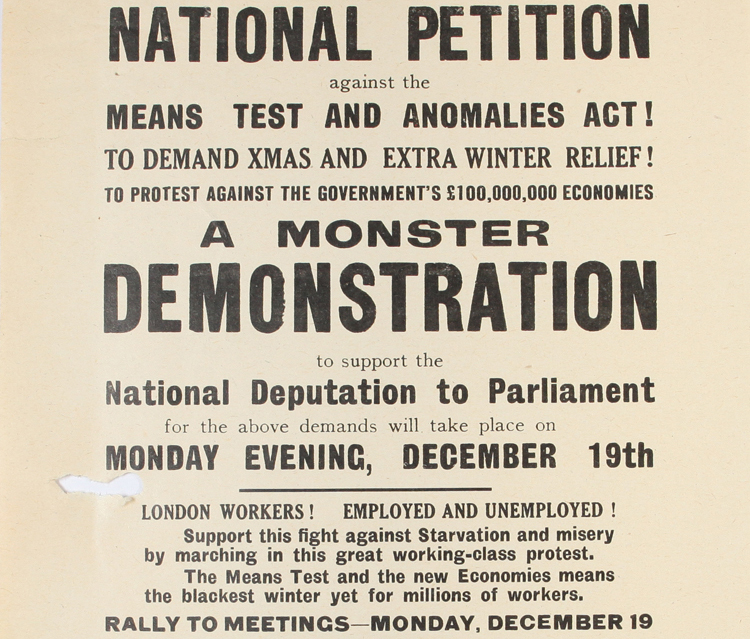 The depressed decade?
by Juliet Gardiner
The thirties in Britain have had a bad press. From W H Auden’s ‘low dishonest decade’ the era has been characterised by high unemployment, extremist politics and the menacing shadow of war.
There is much truth in this bleak picture. By 1930 it was clear that Britain’s economic problems could no longer be attributed to the disruption of the First World War. The country’s traditional heavy industries – coal mining, shipbuilding, iron and textile manufacture – were increasingly uncompetitive in the world market – a market that was even more restricted after the 1929 Wall Street crash.
Unemployment climbed to almost 3.5 million by 1932. It was particularly acute in the North East, the lowlands of Scotland and mining valleys of Wales. The government seemed incapable of any solution and reluctant to invest in public works to provide jobs, instead introducing the Means Test in 1931 that divided families and led to widespread hardship and bitterness.
The response was a series of hunger marches by which the unemployed sought to draw attention to their plight. The impotence of the government also encouraged the growth of extremist political parties – the British Union of Fascists led by Sir Oswald Mosley and the Communist Party of Great Britain which started to attract young intellectuals to its core membership of industrial workers. But neither ever achieved mass support: most of the unemployed just wanted jobs.
Britain was a divided country. In the Midlands and South East new or expanded industries such as the manufacture of cars, synthetic textiles, pharmaceuticals and light engineering, were providing work, and with cheaper food, gradually rising wages and cheap mortgages, the dream of a suburban semi was becoming the realizable dream of the lower middle classes. Indeed house building boomed with four million houses built between 1919 and 1939. Of these three million were built for owner occupation, while local authorities provided one million in an attempt to clear the terrible slums and overcrowded housing that blighted most large industrial cities.
The dream of escaping into the countryside also fuelled the thirties obsession with fresh air and exercise. The government, concerned about the low level of fitness among young men, encouraged this since the international situation was growing tense with the outbreak of the Spanish Civil War, the German reoccupation of the Rhineland and its demands on Czechoslovakia.
Rambling clubs sprang up – in some cases such as the Peak District Kinder Scout trespass in 1932 demanding the right to roam over private land. Nudist clubs flourished (though sensibly recommending air bathing rather than sun bathing in Britain’s uncertain climate); at least 180 lidos were opened, and health and fitness classes for all boomed.
New ‘Dream Palaces’ provided entertainment for the less active with exotic or stark modernist cinemas opening in almost every town and city: almost 20 million tickets were sold every week, while dance halls were another craze among the young. Since the Holidays with Pay Act of 1938 seaside resorts flourished and the first Butlin’s Holiday Camp opened in ‘bracing’ Skegness in 1936.
By early 1939 it was obvious that despite the Prime Minister, Neville Chamberlain’s promise of ‘peace for our time’, the policy of appeasement had failed and war with Germany was inevitable. The 1930s had been a golden age of science with the atom split, the neutron identified and advances in medical treatment, but at the end of the decade, science would be put to uses that were not in the interests of humanity, and the bold schemes for the future that many had planned for Britain ran into the sand – at least until peace came in 1945.
Juliet Gardiner is the author of ‘The Thirties: An Intimate History’.
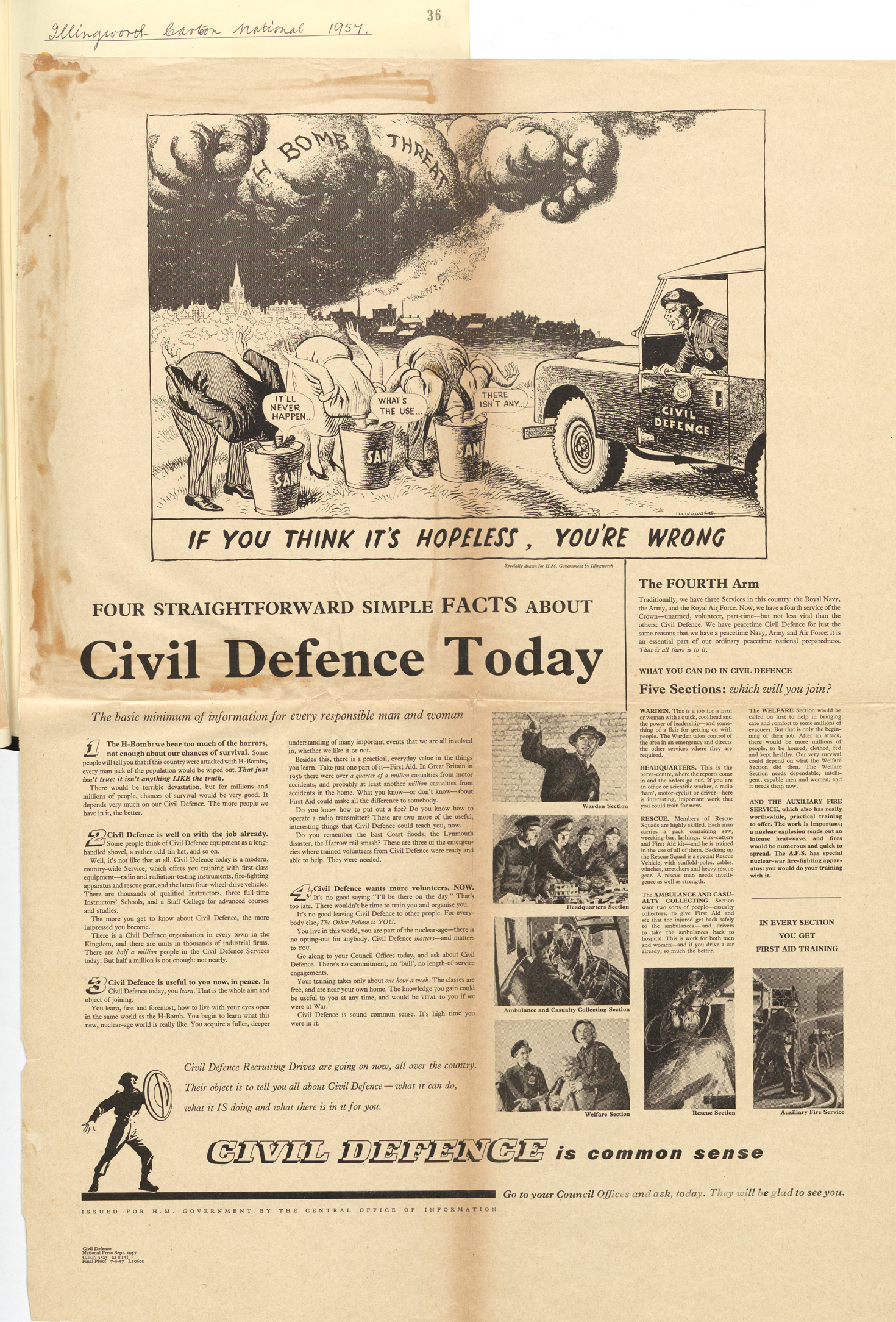 Never so good? Or too good to be true?
by Dominic Sandbrook
For many people, the 1950s were a golden age. ‘Let’s be frank about it,’ declared Harold Macmillan in July 1957: ‘most of our people have never had it so good.’ Almost immediately the Prime Minister’s words became a symbol of the age, capturing the optimism of a nation basking in the sunshine of the affluent society. Yet like so many political quotations, they are often misunderstood. Macmillan meant them not as an expression of complacency, but as a warning. ‘What is worrying us,’ he went on, ‘is “Is it too good to be true?” or perhaps I should say “Is it too good to last?”‘
It is no wonder that we rarely remember what Macmillan really meant by his famous phrase. Even at the time, most people preferred to enjoy the fruits of consumerism rather than worry about the future. At the beginning of the 1950s, after all, Britain had been threadbare, bombed-out, financially and morally exhausted. Its major cities were still bombsites, it was almost impossible for many families to borrow money, rationing was harsher than ever, and there was an acute shortage of decent housing. Yet within less than ten years, everything had changed; indeed, perhaps more than any other post-war decade, it was the 1950s that transformed Britain’s social and cultural landscape.
As the economy began to boom, wages soared and unemployment almost disappeared, everyday life became more comfortable. Towns and cities were reshaped by council estates, tower blocks and shopping centres. Supermarkets transformed families’ shopping habits, while the television began to make inroads into their leisure time. Millions of people tuned in especially for the Coronation in 1953, with neighbours crowding into the houses of those lucky few who owned or rented sets. Inspired by the groundbreaking Festival of Britain, the design of the typical home, self-consciously upbeat and forward-looking, marked the transition to what contemporaries optimistically called the Space Age. And even the nation’s roads reflected the new spirit, symbolized by the opening of Britain’s first motorway, the Preston bypass, in 1958.
It was this extraordinary economic growth that paved the way for everything that followed. In particular, the youth culture of the day was entirely based on the emergence of a new teenage generation. Better housed and educated than ever before, the generation of Cliff Richard and Adam Faith enjoyed unprecedented financial independence. They watched television and read comics; they bought records and danced to rock music. In their carefree hedonism and economic assertiveness, they often shocked their elders: when ‘Rock Around the Clock’ reached Britain in 1955, there was much anguished talk of ‘rock and roll riots’. In truth, though, most teenagers were fairly conservative, individualistic and materialistic – just like their parents.
Yet as the reaction to rock and roll suggests, there was a thick vein of anxiety beneath the surface of the affluent society. Despite the apparent complacency of Winston Churchill, Anthony Eden and Harold Macmillan, many politicians were worried about Britain’s economic prospects. And though historians still argue about the extent of the famous ‘Butskellite’ consensus, epitomized by the moderate figures of R. A. Butler (Conservative) and Hugh Gaitskell (Labour), Britain’s political direction remained the stuff of ferocious debate. Inside the Labour Party, Aneurin Bevan’s resignation over the imposition of prescription charges in 1951 set the tone for a decade of bitter faction fighting. Inside the Tory Party, meanwhile, the abortive ‘Robot’ scheme to set the pound free a year later offered a hint of the emerging free-market doctrines that would eventually culminate in Thatcherism.
All the time, Britain’s world status was changing rapidly. As one colony after another chose independence, the Empire was slowly fading into history, while the fiasco of the Suez Crisis in 1956 seemed to mark the end of Britain’s days as a world power. Massive Commonwealth immigration, which transformed the face of the nation’s cities, alarmed many working-class voters, while the Notting Hill riots in 1958 exposed the ugly face of everyday racism. With violent crime rapidly increasing, many commentators warned of rising ‘juvenile delinquency’. And overshadowing everything else was the looming threat of nuclear war, which prompted some people to join the Campaign for Nuclear Disarmament. Today, CND’s marches are some of the best-remembered events of the decade. Still, the truth is that they only attracted a minority. Most people preferred to spend their weekends shopping for a new sofa instead.
Dominic Sandbrook is the author of ‘Never Had it So Good: A History of Britain from Suez to the Beatles’.
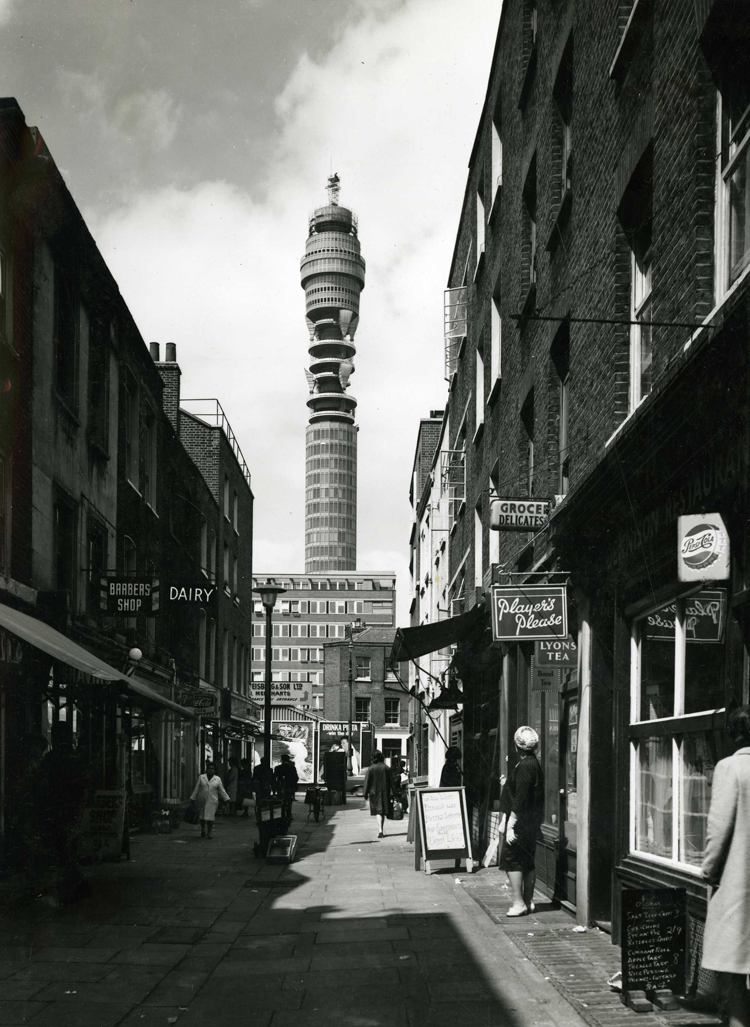 A social and cultural revolution?
by Dominic Sandbrook
In October 1965, the Prime Minister, Harold Wilson, officially opened London’s new Post Office Tower. A gleaming cylinder of metal and glass, the tower could hardly have been a more fitting symbol of the scientific optimism of a self-consciously ‘go-ahead’ decade. It was a monument not just to the white heat of the technological revolution, but to the sheer self-confidence of a society basking in unprecedented prosperity. From the new tower blocks springing up in cities across the country to the radios in teenagers’ bedrooms, from Beatles hits and Bond films to comprehensive schools and nuclear power stations, Sixties Britain seemed – superficially at least – to be a country reborn in the crucible of affluence.
In some ways, the cliches of the 1960s ring absolutely true. With the economy buoyant, unemployment almost non-existent and wages steadily rising, millions of families bought their first cars, washing machines, fridges and televisions. Millions of teenagers, too, were transfixed by the sound of Radio Caroline and the look of Mary Quant — although, then as now, Carnaby Street catered more for tourists and day-trippers than the tiny handful at the cutting edge of fashion. Television transformed the imaginative landscape of almost every household in the country, not merely through pictures of faraway places, but through satirical programmes such as That Was the Week That Was. Even the nation’s diet was changing, transformed not just by the arrival of foreign imports from chicken tikka masala to spaghetti bolognese, but by the relentless advance of the supermarket.
Beneath the glamorous veneer of swinging London, however, Britain under Harold Macmillan, Sir Alec Douglas-Home and Harold Wilson remained a remarkably conservative, even anxious society. Intellectuals worried that affluence and mass communications were undermining traditional working-class culture; in the Pilkington Report, published in 1962, it was hard to miss the disdain for commercial television. Meanwhile, despite the much-discussed stereotype of the ‘permissive society’, popular attitudes to moral and sexual issues remained strikingly slow to change. For all the excitement surrounding the landmark Lady Chatterley’s Lover trial in 1960, or the liberalisation of the divorce, abortion and homosexuality laws later in the decade, most people held similar attitudes to their parents; in this respect, the generation gap was a media invention.
And although students marched on the US embassy in protest at the Vietnam War, or staged sit-ins at universities such as the London School of Economics, it is easy to forget that only one in ten young people became students. Polls showed that like their elders, most young people still supported the death penalty and were uneasy about large-scale Commonwealth immigration; by the end of the decade, it is probably no exaggeration to say that the Conservative maverick Enoch Powell, who was kicked off his party’s front bench after his notorious ‘rivers of blood’ speech, was the most popular politician in the country. Even Mary Whitehouse, a ferocious critic of televised obscenity, especially on the BBC, commanded the instinctive support of tens, perhaps even hundreds of thousands of people.
By the end of the 1960s, the contradictions at the heart of the affluent society were becoming increasingly apparent. Despite Harold Wilson’s promises of endless growth thanks to his National Plan, the economy was running into serious trouble. The Aberfan catastrophe in 1966, the devaluation of the pound a year later and the Ronan Point disaster a year after that all hinted at the political and social traumas that would blight the following decade. Perhaps most ominously, Wilson’s last stab at modernisation, the trade union reforms outlined in the White Paper In Place of Strife, fell apart completely in 1969. A year later, the public punished the Labour government for its perceived under-achievement. A new and much unhappier era was at hand.
Dominic Sandbrook is the author of ‘White Heat: A History of Britain in the Swinging Sixties’.
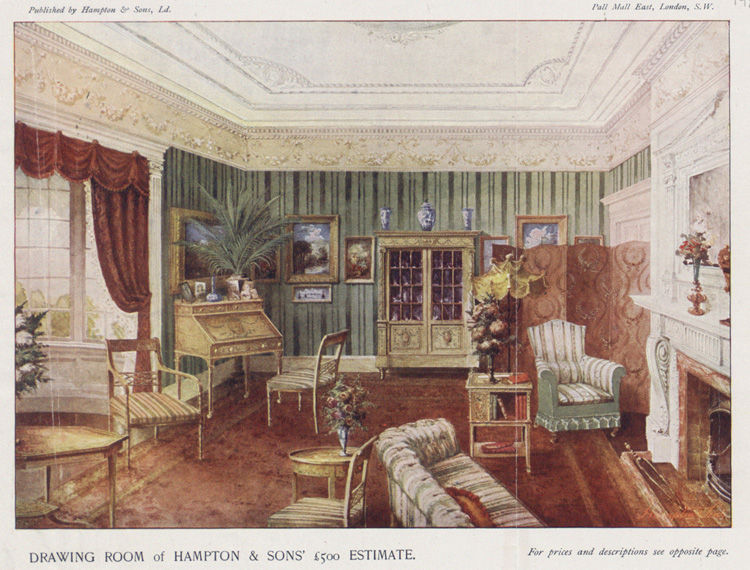
In Victorian society, rich and poor could find themselves living very close together, sometimes just streets apart. During the 19th century more people moved into the towns and cities to find work in factories. Cities filled to overflowing and London was particularly bad. At the start of the 19th century the population rose from over 1 million in 1801 to 5,567 million in 1891.
London, like most cities, was not prepared for this great increase in people. People crowded into already crammed houses. Rooms were rented to whole families or perhaps several families. If there was no rooms to rent, people stayed in lodging houses.
But how different were the homes they lived in? Use this lesson based on original sources concerning Victorian Hackney to find out.
Was there much difference between rich and poor homes?Land-owners or factory owners often built houses for their workers. Unfortunately, this did not reduce overcrowding or improve building standards. The houses were cheap, most had between two and four rooms – one or two rooms downstairs, and one or two rooms upstairs, but Victorian families were big with perhaps four or five children. There was no water, and no toilet. A whole street (sometimes more) would have to share a couple of toilets and a pump. The water from the pump was frequently polluted. It was no surprise that few children made it to adulthood.
Some of the worst houses were ‘back to backs’ or courts. The only windows were at the front. There were no backyards and a sewer ran down the middle of the street. Housing conditions like this were perfect breeding grounds for disease.
On the other hand, the homes for the middle classes and the upper classes were much better. They were better built, larger and had most of the new gadgets installed, such as flushing toilets, gas lighting, and inside bathrooms. These houses were also decorated in the latest styles. There would be heavy curtains, flowery wallpaper, carpets and rugs, ornaments, well made furniture, paintings and plants. The source picture at the top this webpage illustrates some of the typical furnishings for the homes of the wealthier classes.
Most rich people had servants and they would live in the same house, frequently sleeping on the top floor or the attic. The rich had water pumps in their kitchens or sculleries and their waste was taken away down into underground sewers.
Gradually, improvements for the poor were made. In 1848, Parliament passed laws that allowed city councils to clean up the streets. One of the first cities to become a healthier place was Birmingham. Proper sewers and drains were built. Land owners had to build houses to a set standard. Streets were paved and lighting was put up.
Over time, slums were knocked down and new houses built. However, these changes did not take place overnight. When slums were knocked down in 1875 the poor people had little choice but to move to another slum, making that one worse. Few could afford new housing.
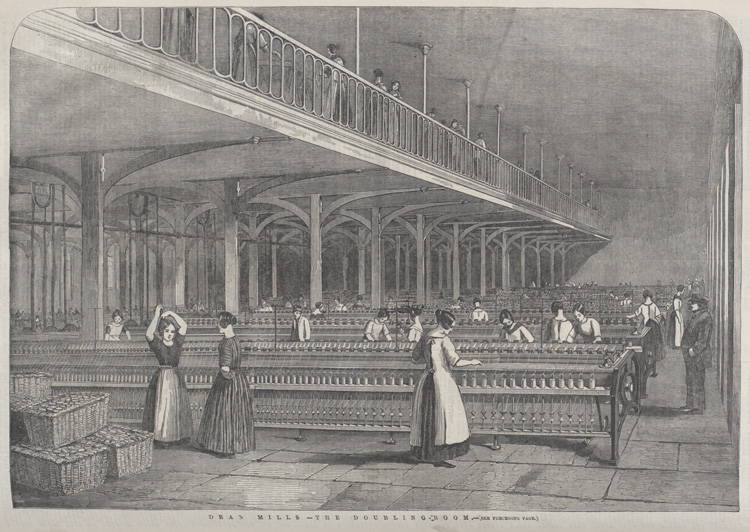
In 1833 the Government passed a Factory Act to improve conditions for children working in factories. Young children were working very long hours in workplaces where conditions were often terrible. The basic act was as follows:
- no child workers under nine years of age
- employers must have an age certificate for their child workers
- children of 9-13 years to work no more than nine hours a day
- children of 13-18 years to work no more than 12 hours a day
- children are not to work at night
- two hours schooling each day for children
- four factory inspectors appointed to enforce the law
However, the passing of this act did not mean that the mistreatment of children stopped overnight. Use the original sources in this lesson to investigate how far the 1833 Factory Act solved the problems of child labour.
Did it solve the problems of children in factories?As the Industrial Revolution gathered pace thousands of factories sprang up all over the country. There were no laws relating to the running of factories as there had been no need for them before. As a result, dangerous machinery was used that could, and frequently did, cause serious injuries to workers. To add to these dangers, people were required to work incredibly long hours – often through the night. Perhaps one of the worst features of this new industrial age was the use of child labour. Very young children worked extremely long hours and could be severely punished for any mistakes. Arriving late for work could lead to a large fine and possibly a beating. Dozing at a machine could result in the accidental loss of a limb.
People began to realise how bad these conditions were in many factories and started to campaign for improvements. There was a lot of resistance from factory owners who felt it would slow down the running of their factories and make their products more expensive. Many people also did not like the government interfering in their lives. Some parents, for instance, needed their children to go out to work from a young age, as they needed the money to help feed the family.
Not all factory owners kept their workers in bad conditions however. Robert Owen, who owned a cotton mill in Lanark, Scotland, built the village of New Lanark for his workers. Here they had access to schools, doctors and there was a house for each family who worked in his mills.
By 1833, the Government passed what was to be the first of many acts dealing with working conditions and hours. At first, there was limited power to enforce these acts but as the century progressed the rules were enforced more strictly. Nonetheless, the hours and working conditions were still very tough by today’s standards, and no rules were in place to protect adult male workers.
Listed below are details of the legislation (laws) that was introduced to improve working conditions in factories.
| Date | Industry | Details of law |
|---|---|---|
| 1833 | Textiles | No child workers under nine years Reduced hours for children 9-13 years Two hours schooling each day for children Four factory inspectors appointed |
| 1844 | Textiles | Children 8-13 years could work six half-hours a day Reduced hours for women (12) and no night work |
| 1847 | Textiles | Women and children under 18 years of age could not work more than ten hours a day |
| 1867 | All Industries | Previous rules applied to workhouses if more than five workers employed |
| 1901 | All Industries | Minimum age raised to 12 years |

Between 1947 and 1970 nearly half a million people left their homes in the British Commonwealth, including the West Indies, to live in Britain. In March 1947, the Ormonde set sail from the West Indies to Liverpool to bring people hoping for a better future. Later that year, another ship, the Almanzora set sail for Southampton; however, these were not the only ships that brought West Indians to Britain.
The Empire Windrush later docked on the River Thames in Tilbury on the evening of 21 June 1948 with 1,027 passengers. The passengers disembarked on 22 June 1948.
The West Indies consisted of more than 20 colonies in the Caribbean, including Jamaica, Barbados, Trinidad and British Guiana (now Guyana) and British Honduras (now Belize). The people who travelled from those colonies helped to change the face of modern Britain. They were British citizens with the rights to enter, work and settle here if they wished.
They hoped for better opportunities for themselves and their children. Some came to work for a while, save money and return to the Caribbean. Many were responding to the British Government’s need for workers in the transport system, postal service and health service. Britain was a country devastated by war and needed workers to help restore the post war economy.
Some of those who came were returning servicemen from the Second World War recruited from Britain’s colonies in the Caribbean. From 1944, West Indian women served in the Women’s Auxiliary Air Force and the Auxiliary Territorial Service in Britain. From 1941 to 1945, more than 10,000 West Indian RAF servicemen came to Britain.
Use this lesson to explore some documents which explain the experience of those who chose to settle in Britain from the Caribbean after the Second World War.
Experiences of immigration to the UKNot all white Britons welcomed the black Britons. Many West Indians found that the colour of their skins provoked unfriendly reactions. Despite the desperate shortage of labour, some still found it difficult to get good jobs or accommodation due to what has been referred to as a ‘colour bar’. Often they were forced to accept jobs which they were over-qualified for, or they were paid less than other white workers. Government reports compiled in the 1940s and 1950s, like the one in this lesson, evidenced racist attitudes towards these new communities.
West Indians also experienced difficulties in finding suitable places to live. Since few had much money, they had to find cheap housing to rent near to their workplace. This was often in the poor inner cities. Even if they did have enough money to rent better quality housing, many had to face the fact that some landlords refused to rent to black people. They would be confronted with insulting signs in house windows that said ‘Rooms to Let: No dogs, no coloureds’. This meant that a lot of West Indians were forced to rent homes in the most rundown areas.
In 1958, in areas where larger numbers of West Indians lived, there were outbreaks of violent ‘race riots’. In particular, in Nottingham and London mobs of white people attacked black people in the streets, smashing and burning their homes. There were also calls for greater controls on immigration which resulted in the Commonwealth Immigrants Act of 1962 and further legislation in the form of Commonwealth Immigrants Act of 1968 and 1971 which restricted British citizenship.
West Indians had been invited to come to Britain, so they also felt that it was their home too. To be discriminated against was a shock which they had not been prepared for. Some returned to the West Indies, but many remained – despite the difficulties they faced. They have worked hard and made a contribution to British life. Today, many still face inequalities in the terms of housing, the workplace and within the social services.
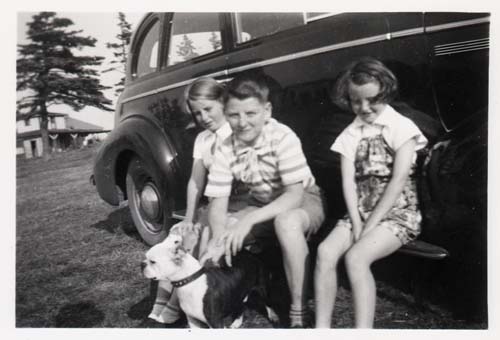
During the Second World War, children and those at risk were taken to places of safety to protect them from bombs and war damage. Often when we think of evacuation we think of people evacuated from London to the countryside. However, this doesn’t tell the whole story. Some children were evacuated to other British Dominions (countries that were part of the British Empire) such as Australia, Canada, New Zealand and South Africa.
Use the original documents in this lesson to find out what happened to children who were evacuated to Canada. How was this plan organised? How were these children looked after?
How much care was really taken?Soon after Hitler came to power, Britain secretly made plans for evacuation – moving infants, schoolchildren and some adults to the countryside. In September 1939, several days before war was officially declared, the plan was put into action. Many evacuees returned home by early 1940 as the expected heavy air raids hadn’t taken place. With the Blitz later that same year, evacuation hurriedly begun again.
The original plans were just to evacuate people to places of safety in Britain, not overseas. As the Second World War progressed and an invasion of Britain became increasing likely, offers from British dominions and other countries were taken seriously. Many felt it would a sensible option, meaning children and others could be kept safe, far away from the war whilst also reducing the demand for limited food and resources in Britain.
Evacuation overseas began on a small scale and those featured in this lesson are examples of children send to Canada. The number of evacuees sent overseas was never to reach huge proportions though. Passenger ships that had been used to transport evacuees were soon needed for more important duties, such as movement of troops and prisoners. Once this began, any remaining passenger ships that could be used for evacuation became an even more obvious target for German U-boats.
In August 1940 the SS Volendam, carrying British children, was torpedoed, but thankfully all passengers were rescued. In September 1940, the SS City of Benares travelling from Liverpool to Canada was sunk with the loss of 77 children and over 200 adults. The British government immediately stopped the overseas evacuation scheme.
In total some 3,000 children were evacuated under the government scheme, with around 10,000 evacuated privately. This was a small proportion when compared with those evacuated within Britain. Nevertheless, as this lesson illustrates, the part played by British dominions in offering a place of safety and security for those in danger during the Second World War should not be overlooked.
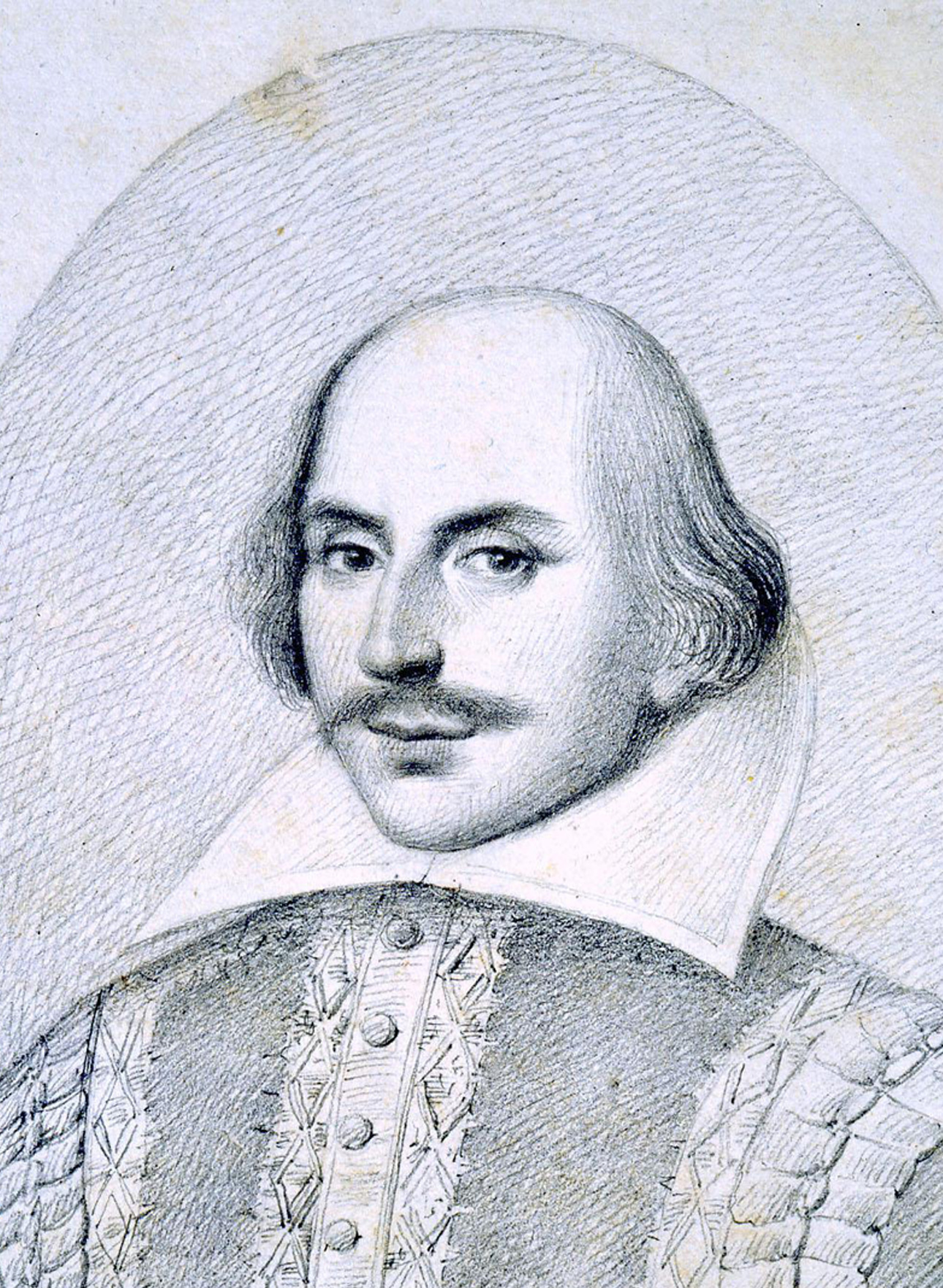
William Shakespeare is often thought of as one of the greatest writers in the English language. His plays have been translated into every major language, and are performed more often than any other playwright. Shakespeare’s writing also affected the way the English language evolved, and several words and phrases, such as ‘all’s well that ends well’, ‘with bated breath’ and ‘a foregone conclusion’ have moved into everyday use.
This lesson gives you the chance to look at primary sources concerning Shakespeare, including his will and information about his taxes.
What can we find out about his life?William Shakespeare, also known as the ‘Bard’, was born in Stratford-upon-Avon on April 23rd 1564. It is thought he married his wife, Anne Hathaway, in 1582, although we have no specific marriage certificate. He pursued a career as an actor, poet and dramatist in London. His now famous plays were performed widely during his lifetime, often at the purpose-built Globe Theatre in London on the south bank of the Thames. The first folio was published in 1623, with 154 sonnets, 37 plays, and 2 long poems. It is suggested that his friends put it together in case others tried to copy Shakespeare’s work and claim it as their own. Since then, he has become internationally renowned as the world’s greatest ever playwright.
On 25 March 1616, William Shakespeare made his will, signed ‘by me, William Shakspeare’. He probably died in April, after finalising his will over the preceding months, but scholars are unsure of the exact date of his death.
Shakespeare’s will itself is a matter of debate. The last will and testament helps us to learn about Shakespeare at the end of his life, providing us with minute details about his final wishes. The source evidence in this lesson shows that he was a man of considerable wealth by the time he died, and that most of it was left to his eldest daughter, Susanna Hall. The will also provides us with three of only six surviving samples of his signature.
The issue of leaving his ‘second best bed’ to his wife appears insulting and mean to us today. Many scholars believe that Anne Hathaway would have received a considerable inheritance outside the will that would have left her financially secure, making the bed a poignant and personal gift. Some explain that the ‘second best bed’ was actually the bed in which William and his wife Anne would have slept, as the best bed would have been kept for guests only. Others describe this as a direct insult to his wife, yet there are also suggestions that leaving a bed to your wife was actually a magnificent gift, as all the valuable bed linen and fine materials would be included. Finally it has also been proposed that a wife would always get the second best things, with the best reserved for a son or daughter.
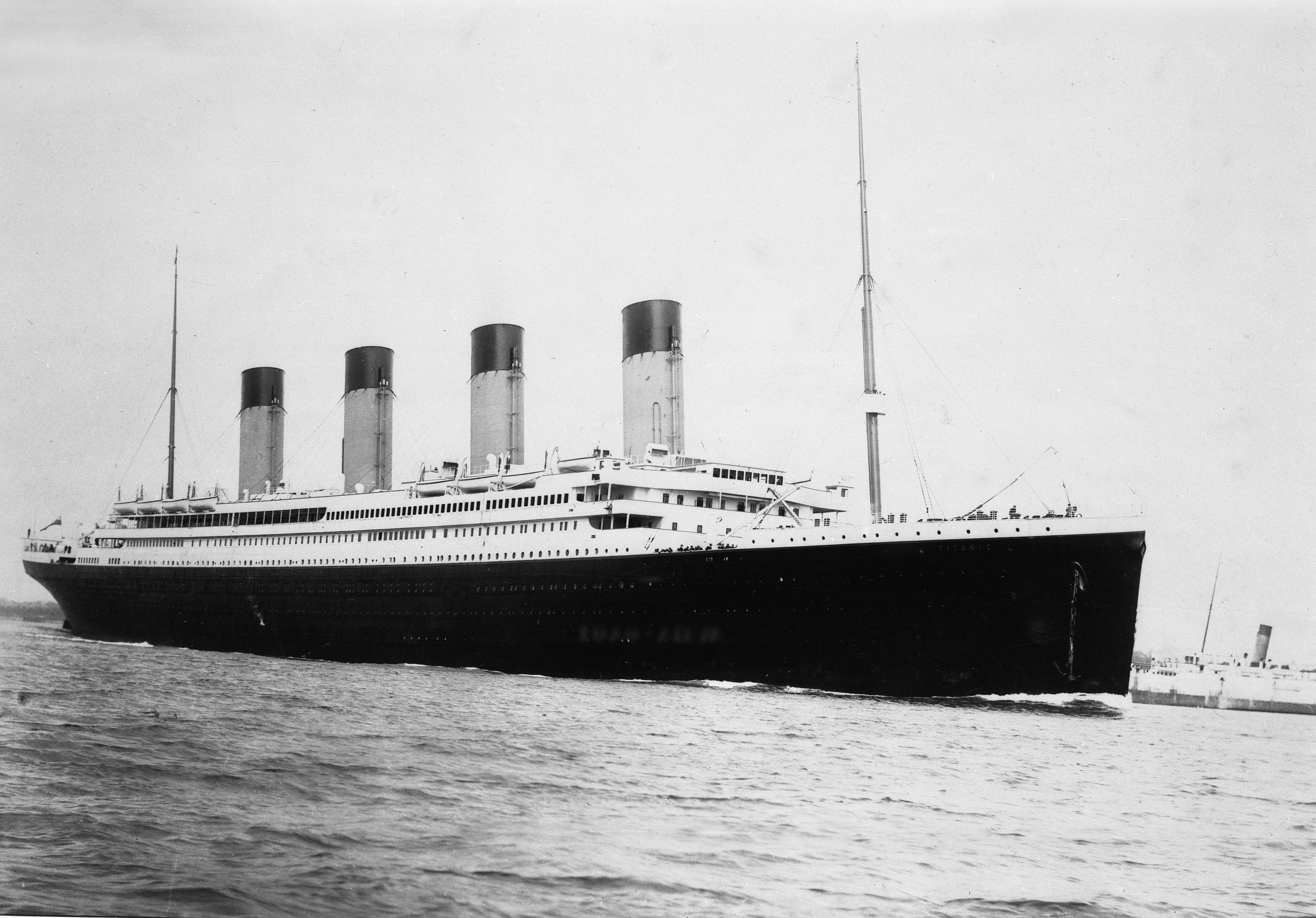
The Titanic was built at a cost of around £1.5 million, in Belfast, for the White Star shipping line. She was the largest passenger steamer of her day, at over 46,000 tons, and supposedly the most up to date. Special watertight compartments made her ‘practically unsinkable’, claimed the owners. They also advertised the luxurious First Class accommodation, with large state-rooms, a Parisian café, a swimming pool and restaurant.
Titanic set sail from Southampton on her maiden voyage on Wednesday 10 April, 1912, calling at Cherbourg in France and Queenstown in southern Ireland before heading out across the Atlantic, on course for New York. Late on the night of Sunday 14 April she struck an iceberg and was holed below the waterline. Less than three hours later she sank. Only 705 people were rescued from over 2,200 on board. Use this lesson to explore original documents relating to the sinking of the Titanic.
Who travelled on the fateful maiden voyage?The first ship to cross the Atlantic by steam power alone was the Sirius, in 1838, taking 18 days to make the journey. However, early iron steamships were inefficient and the next 50 years saw the last flowering of ocean-going sailing vessels. Only the invention of the steam turbine in 1884 and production of cheap steel enabled steam to overtake sail at last. In the opening years of the 20th century a new design of vessel, the ‘liner’ appeared. They were much bigger and faster, with more carrying capacity: the Mauretania crossed the Atlantic in less than five days in 1907. More space meant more room for passengers to travel in luxury and, until air travel superseded them in the 1950s, the Atlantic liner was the last word in comfortable, speedy travel. The publicity given to the quality of First Class accommodation on the Titanic was therefore typical.
Throughout the 19th century millions of Europeans left the continent for new lands in Australia, South America, Africa and, especially, North America. The peak was reached in the first decade of the 20th century, when 11 million Europeans crossed the Atlantic to settle in the USA, 3.2 million of them from the UK and Ireland.
Not surprisingly, emigrants were usually poor: one of their main reasons for emigrating was to build a better life in America, which was seen as a ‘land of opportunity’. Back in the 19th century, shipowners had crammed emigrants below decks with inadequate facilities in order to keep fares low. The White Star Line, ironically, was one of the first to offer decent, although still cheap, accommodation to emigrant passengers.
The sinking of the Titanic with the loss of 1,500 lives caused an uproar on both sides of the Atlantic. Newspapers blamed the owners for inadequate safety arrangements. Others blamed the captain for going too fast and too carelessly in waters known to be iceberg-infested.
An enquiry in the US Senate fixed on the fact that there were not enough lifeboats for the number of passengers, although the owners certainly provided more than they were required to by law at the time. It was also pointed out that not all the lifeboats that were on board could be launched in the time it took to sink. Many passengers anyway refused to get into the lifeboats, some of which left the ship half full.
Safety regulations had not caught up with these new massive liners and were rapidly changed. A new regulation of 1913 required all vessels to carry enough lifeboats for every passenger. An iceberg patrol was set up by the US Coastguard.