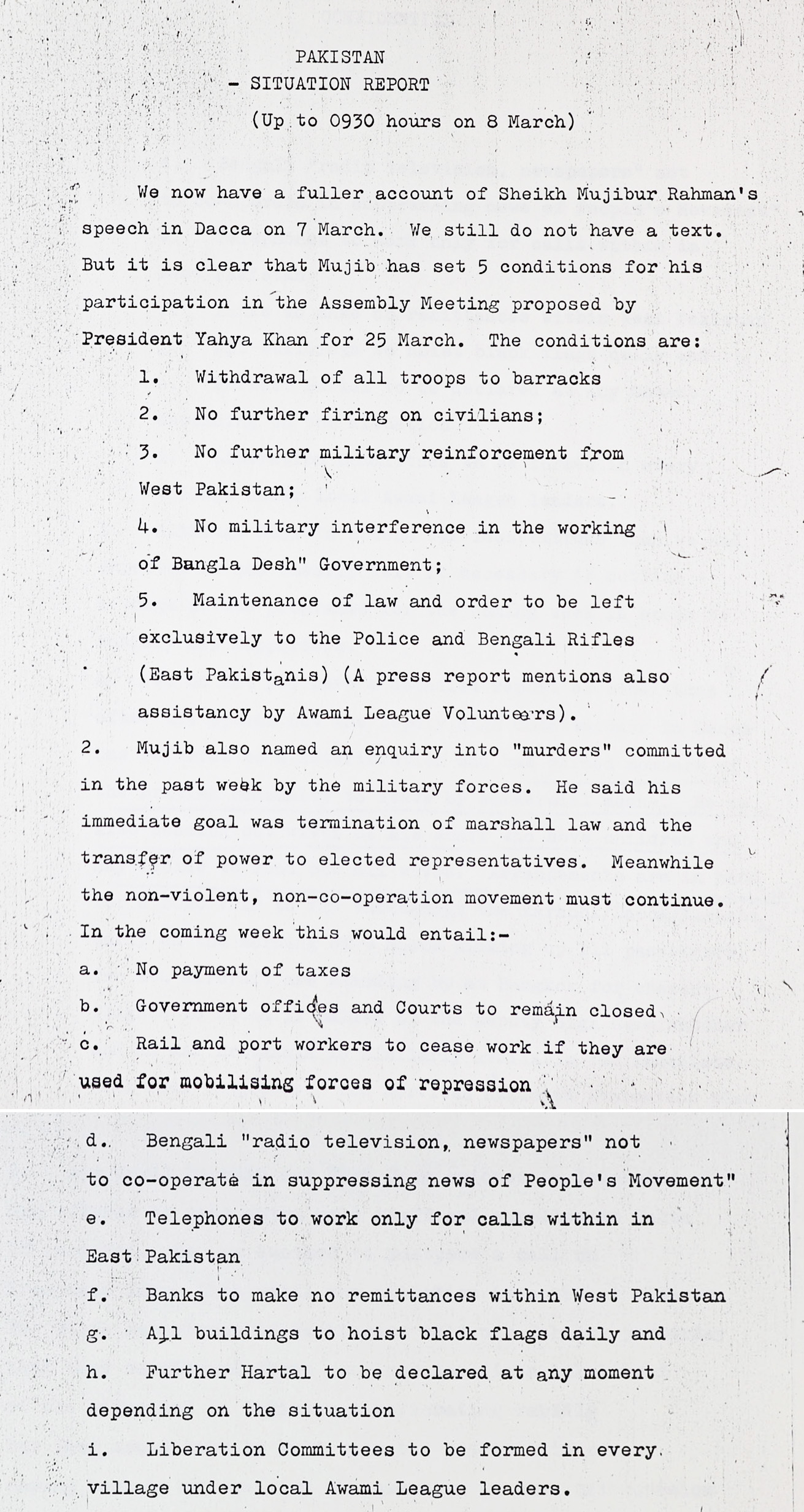
West Pakistan did not accept the 1970 election results (in which the Awami League, led by Sheikh Mujibur Rahman, won), leading to escalating protests in East Pakistan. On 7 March 1971, Sheikh Mujibur held a speech, reported on in source 4.
Pakistan situation report from the British government – up to 0930 hours on 8 March 1971. Catalogue ref: PREM 15/567
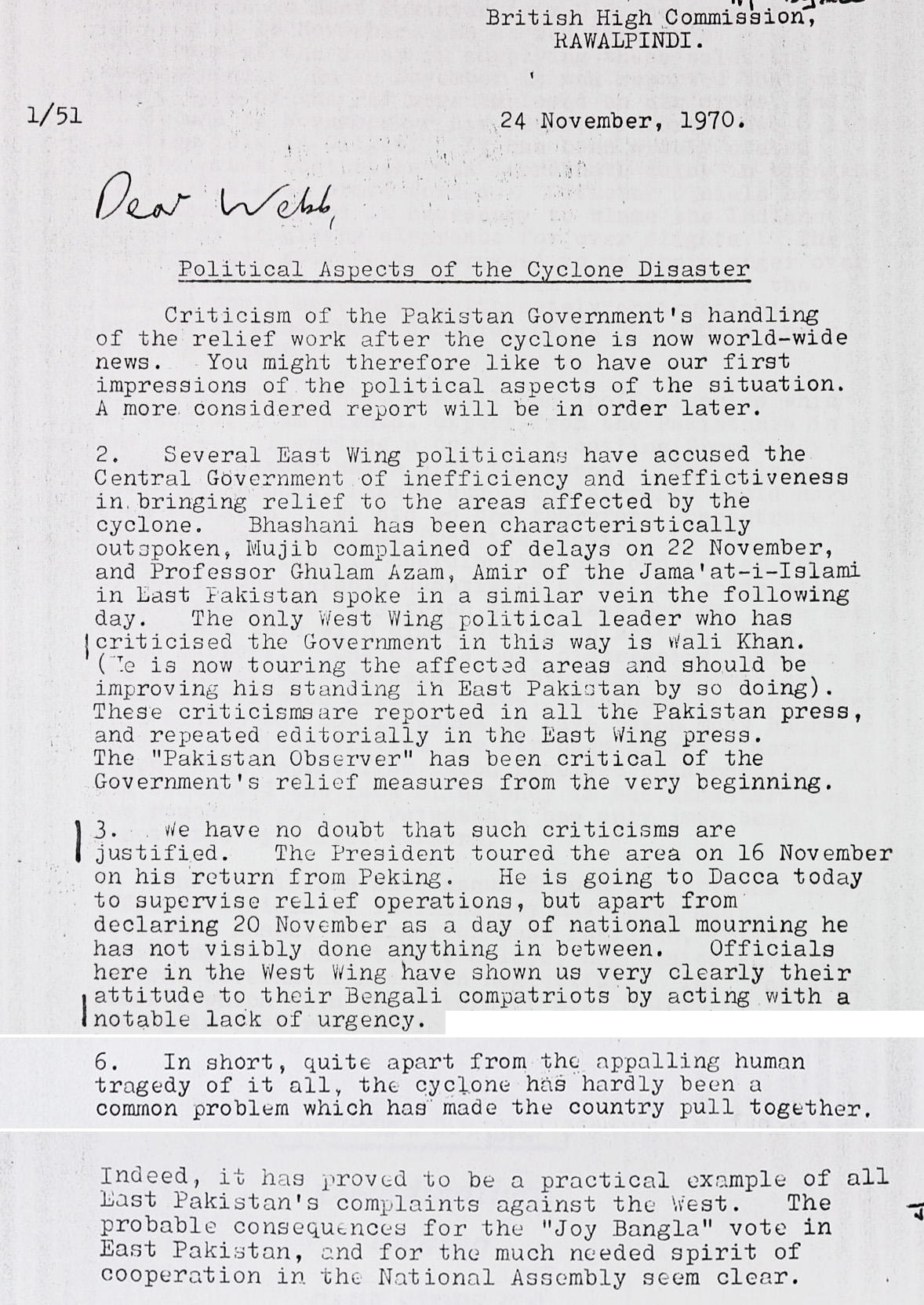
In 1970, the Bhola cyclone struck East Pakistan, killing an estimated 3-500,000 people. This is a British report on how the Pakistan government responded to the disaster.
Letter from the British High Commission in West Pakistan to the Foreign & Commonwealth Office. 24 November 1970. Catalogue ref: FCO 37/719
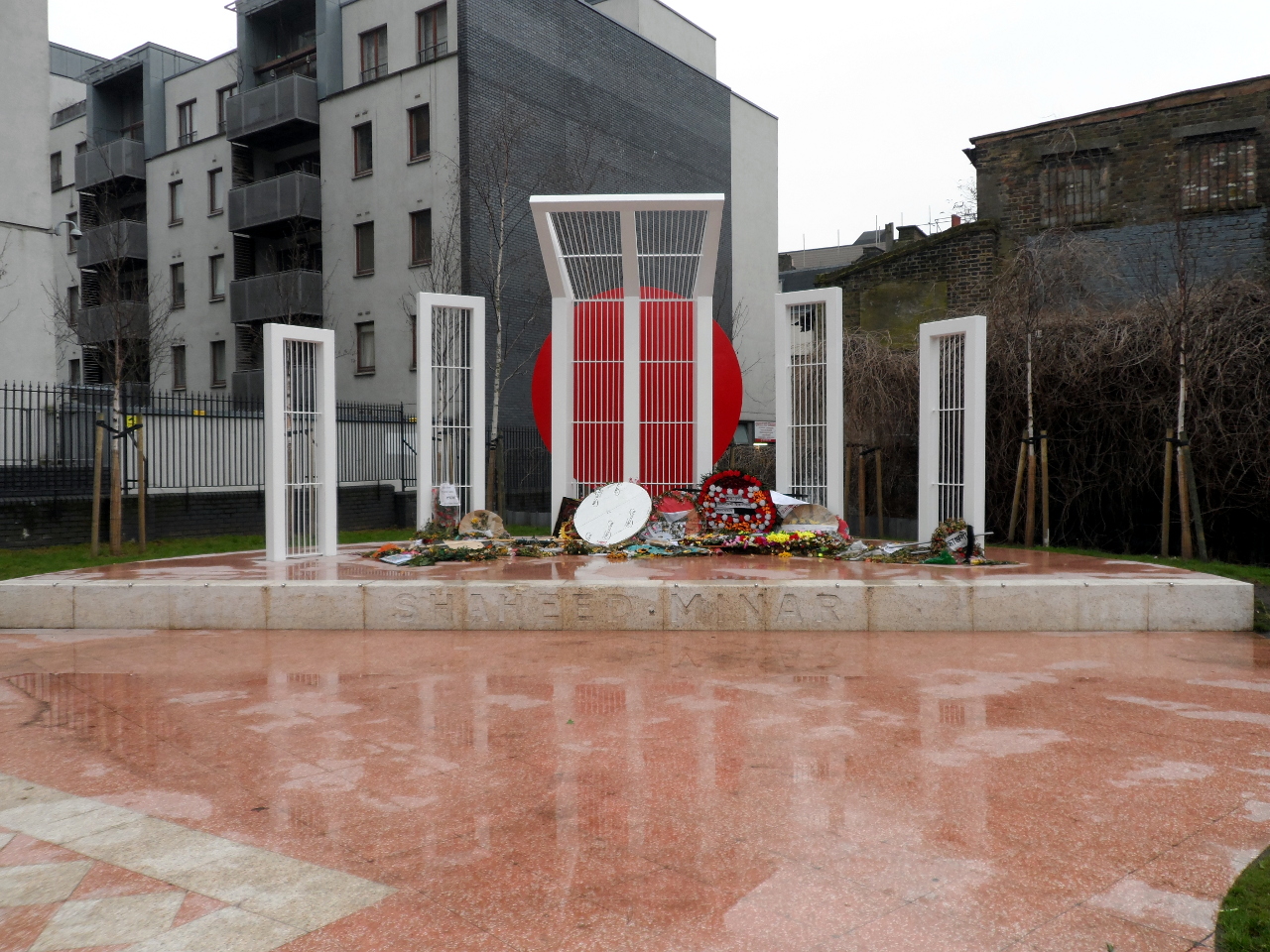
Source 2b is a photograph of the Shaheed Minar (martyrs’ monument) in Altab Ali Park in Whitechapel, London. It is a replica of the same monument in Dhaka, Bangladesh. Photo: Nicholas Jackson, CC BY-SA 3.0.

There are other monuments like this in the UK – try to find out if there’s one near you!
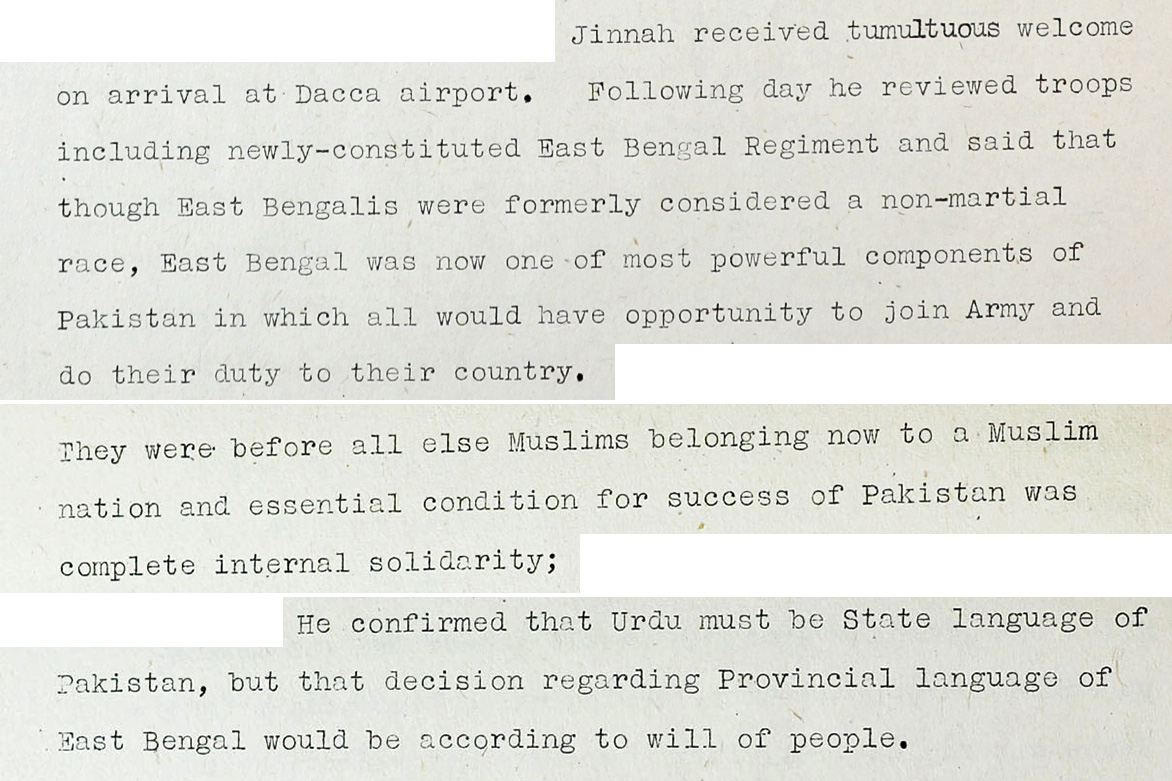
Source 2a describes the moment in 1948 when Urdu was confirmed to be the State language of both West and East Pakistan. This meant that all official business would be done in Urdu.
Report from the British government on the political situation in Pakistan, March 1948. Catalogue ref: DO 142/423
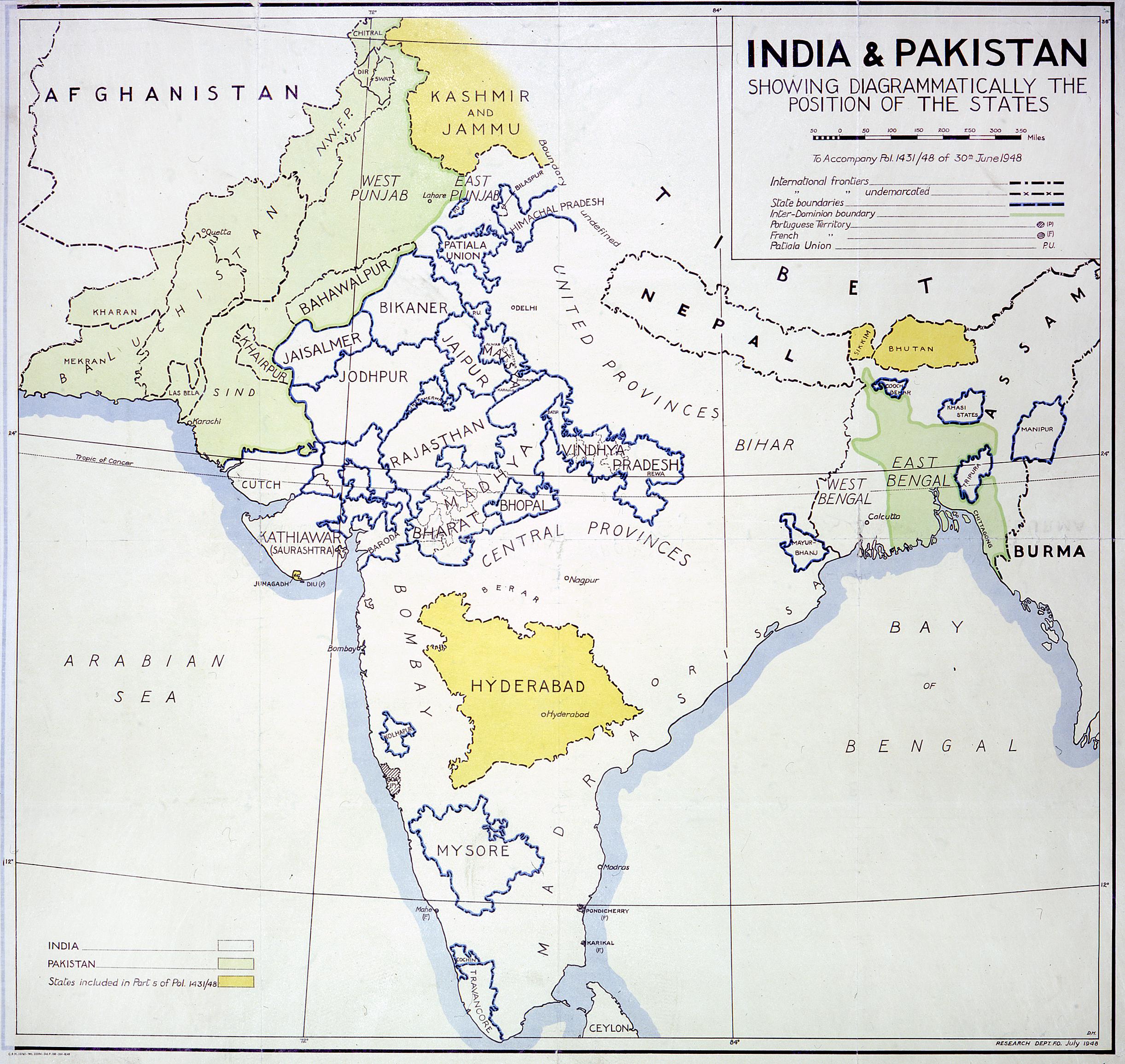
This map shows how British India was divided up after the 1947 partition: into India (majority non-Muslim) and Pakistan (majority Muslim).
India and Pakistan, showing States, and areas allocated to neither new country, 1948. Catalogue ref: MFQ 1/1145
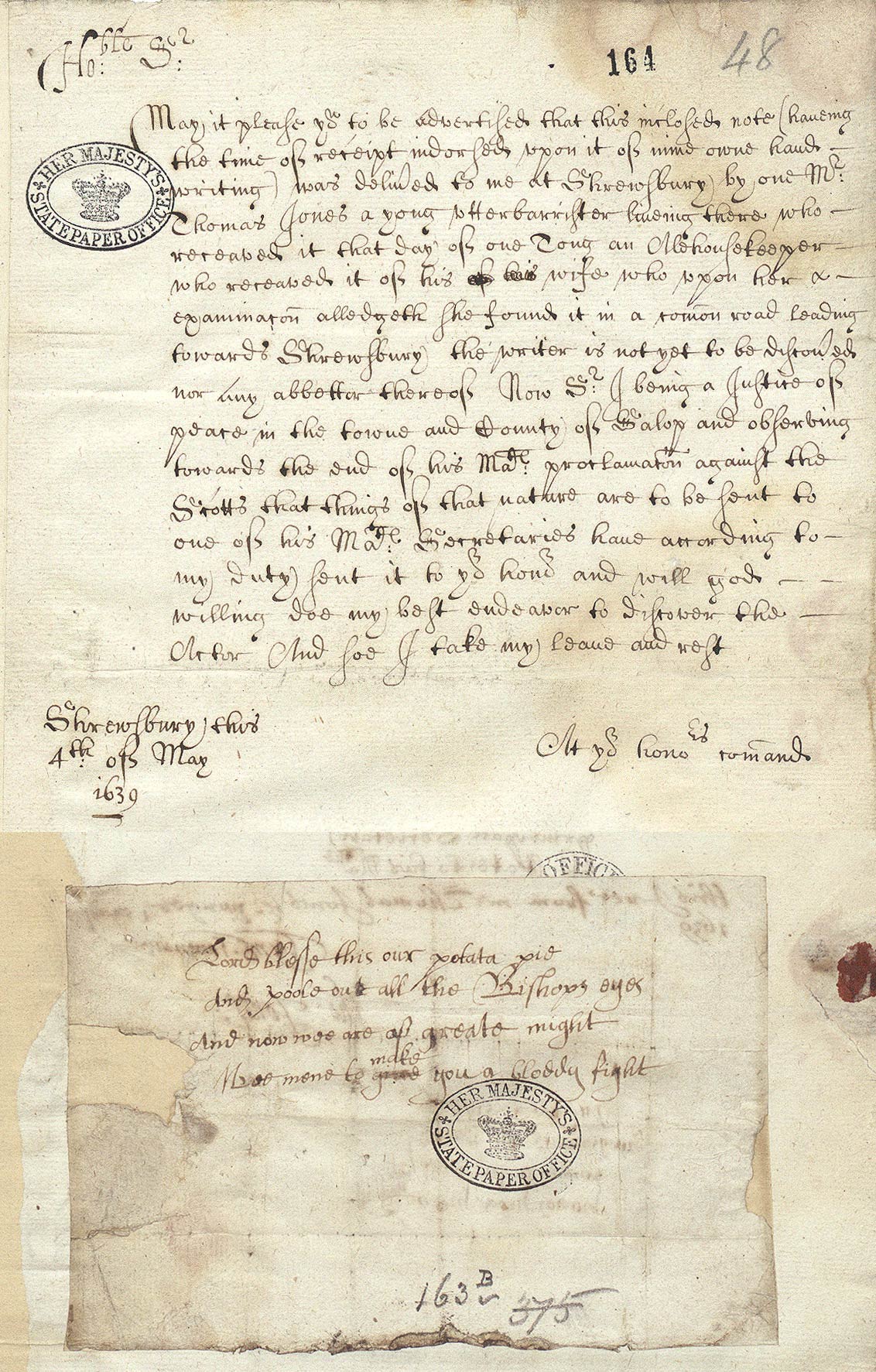
This report was sent from Shrewsbury to Sir John Coke on 4 May 1639 by a local judge. Coke was Secretary of State to Charles I, Catalogue ref: SP 16/420/48.
In 1639 Charles I’s kingdoms were very tense. Charles was facing a major rebellion in Scotland. There was also tension in England. One of the biggest concerns was religion. The Archbishop of Canterbury, William Laud, was bringing in changes to the English church that some people were against.
During the 1630s Charles I and William Laud brought in new types of church services. Charles also gave greater power and wealth to the church. To some Protestants (especially hard-line Protestants, called Puritans), his actions seemed to be making the Church of England more like the Roman Catholic Church. They began to criticise Charles. Charles I had no time for opponents of his policies.
Charles ordered his officials to look out for people who might oppose him. The person being reported in this source was probably a Puritan who was against the changes that Charles and William Laud were bringing into the church.
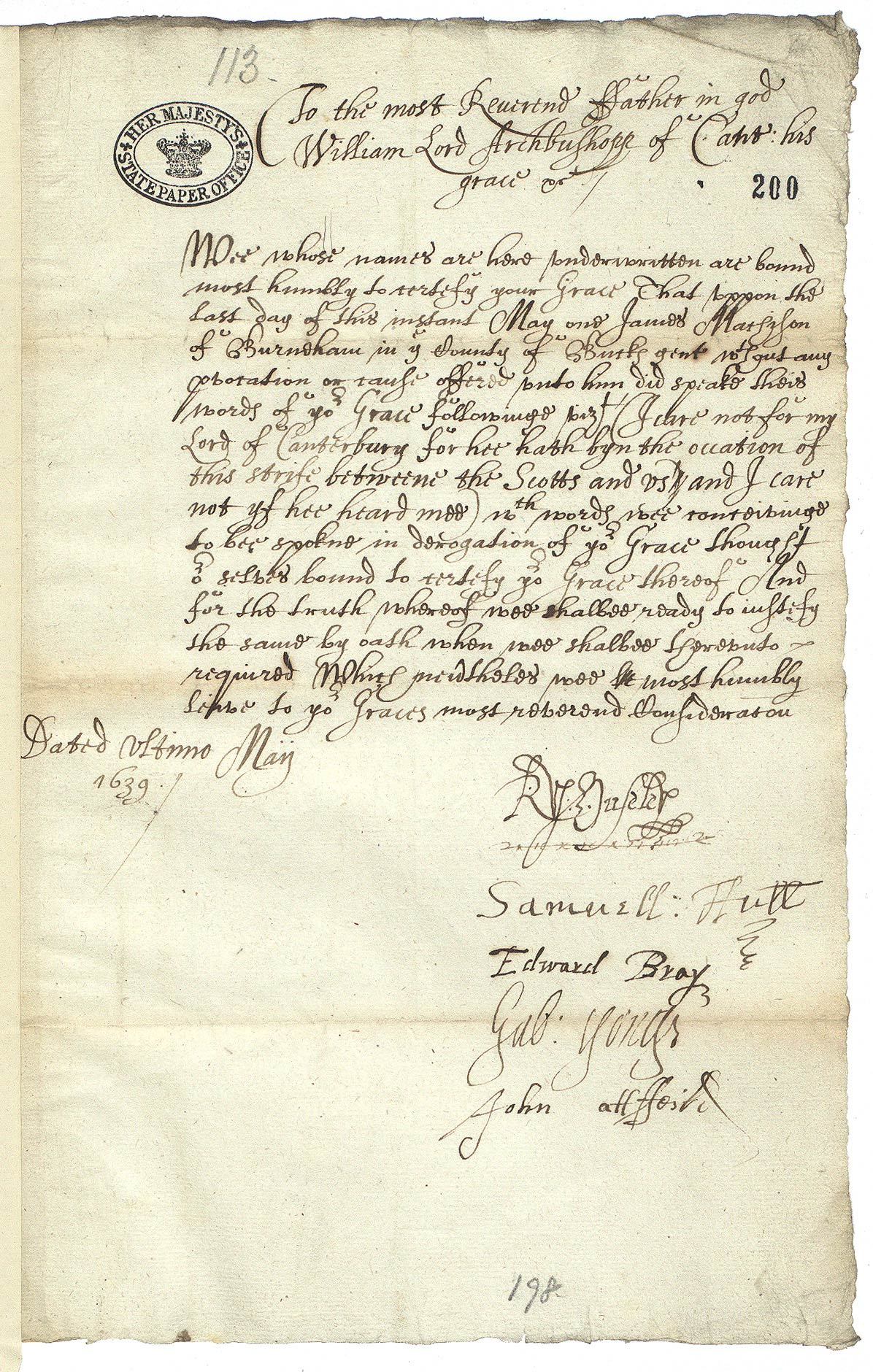
This is a report to William Laud, Archbishop of Canterbury, from some of his informers. Laud had a network across the country that sent him regular reports about what people were saying. Throughout the 1630s Charles I and William Laud tried to change the organisation of the church and how people worshipped in church. As a result, Laud made many enemies.
Laud punished some of his critics harshly. For example, in 1637 William Prynne, Henry Burton and John Bastwick printed pamphlets attacking Laud. All three men were Puritans. They believed that Laud’s changes were making the Protestant Church of England too much like the Catholic Church of Rome. Laud had their ears cut off and their faces branded with a hot iron.
Laud and Charles tried to increase the power of the church in England and Scotland. They also wanted everyone to worship in the same way. Both of these things alarmed many Protestants, particularly the hard-line Protestants known as Puritans. On the other hand, many approved of Laud’s policies. They just disliked the way he clamped down on free speech and treated his critics badly.
Both England and Scotland split from the Roman Catholic Church in the 1500s and became Protestant. In the 1600s the Protestants were still very suspicious of any changes to their church in case the Protestant Church became too much like the Catholic Church.
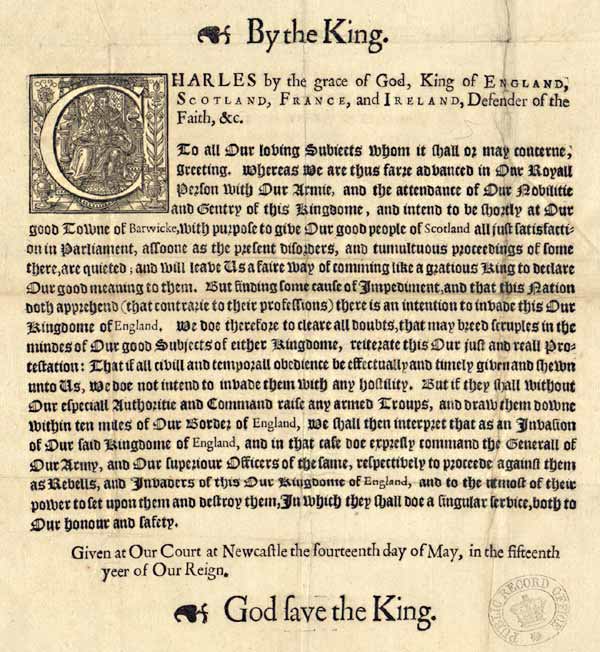
This is an extract from a proclamation, or order, made by Charles I at Newcastle on 14 May 1639 telling people in Scotland what he wanted them to do. He was trying to end rebellion in Scotland. Charles had been facing rebellion from his subjects in Scotland since 1637. The Scots refused to accept changes that Charles wanted to make to the church in Scotland. Charles raised an army to fight the Scots in 1638. By May 1639, when this proclamation was made, Charles did not have enough money to continue the fight. This meant he had to try and reach an agreement with the Scottish rebels.
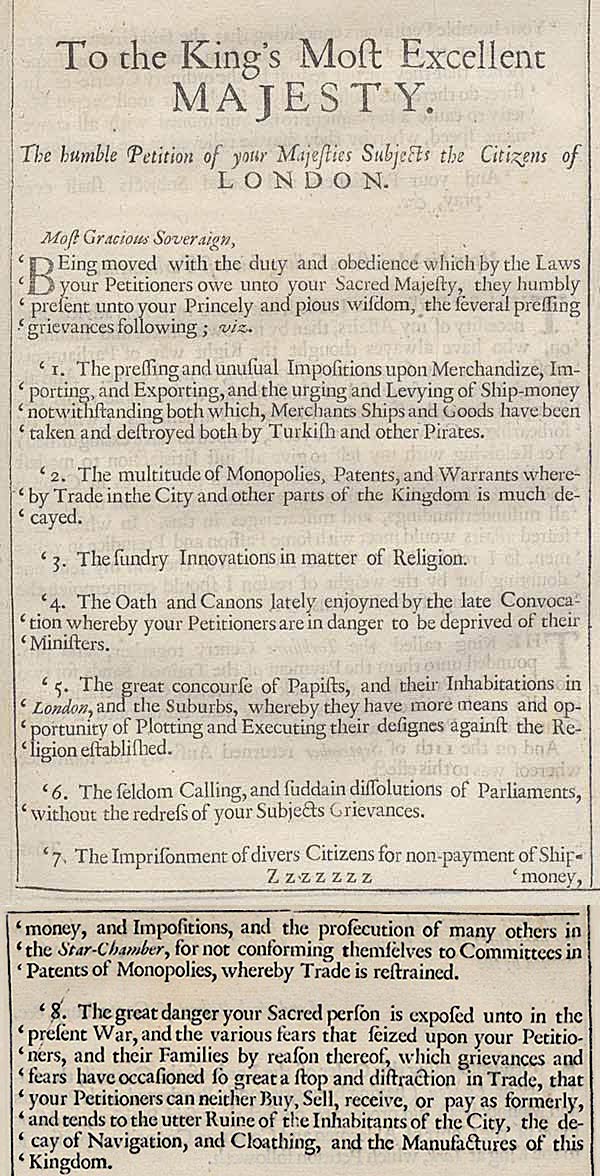
This document is a petition sent to Charles I and expresses the grievances of the City of London I on 24 September 1640, Catalogue ref: National Archives Rare Books Collection (John Rushworth, Historical Collections, Vol III, 1639-1640, p.1263. Published in London, 1680-1701).
The citizens of London were also more politically active than any other part of the country and radical (wanting big changes). This helps to explain why the city sent several petitions to Charles during this period. London had more Protestant hardliners (Puritans) than other parts of the country. It is not surprising that London took the side of Parliament when war broke out in 1642.
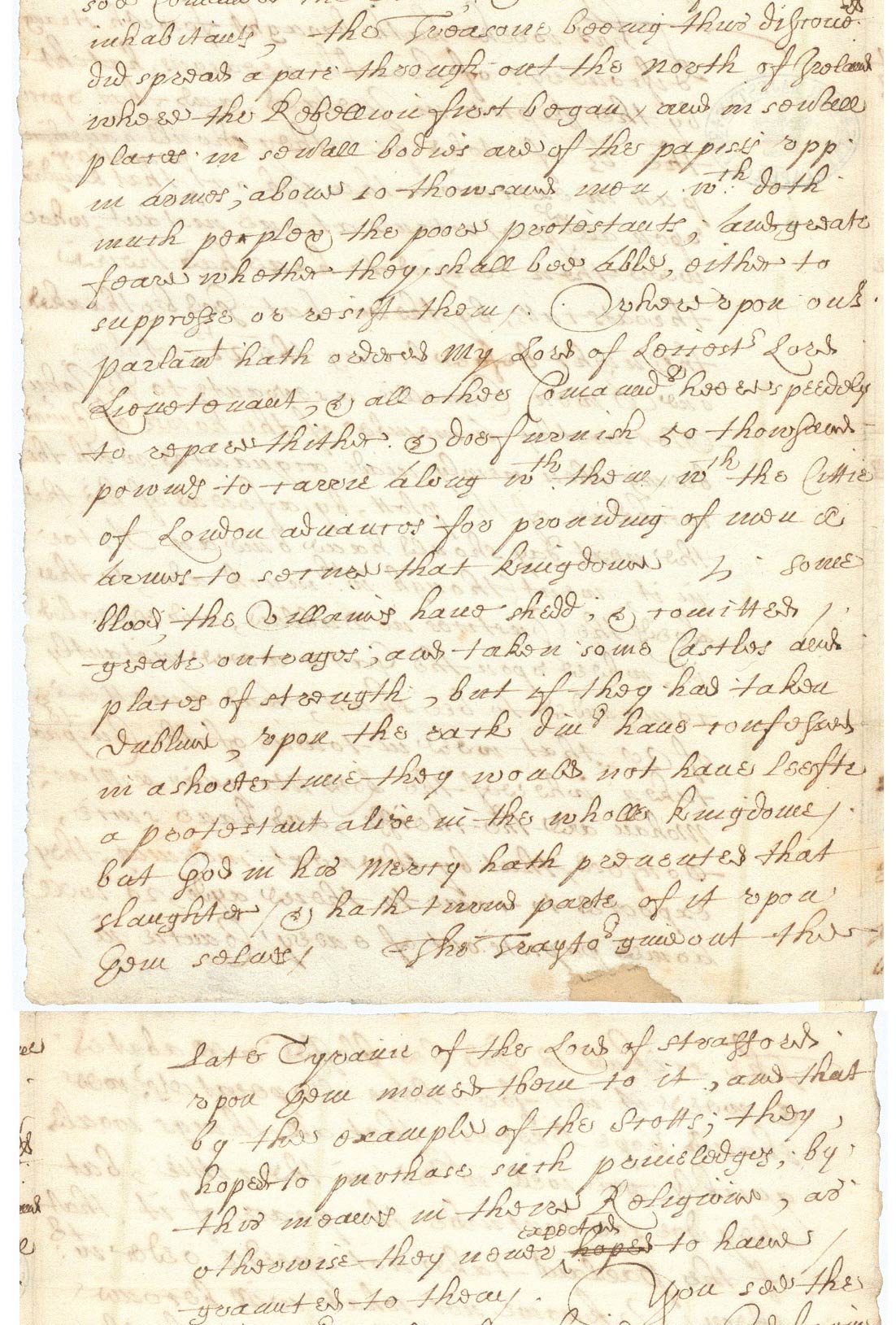
This is an extract from a letter written by a gentleman called Thomas Wiseman to Sir John Penington, a senior commander in Charles I’s navy. The document describes rebellion in Ireland, November 1641, Catalogue ref: SP 16/485/58.
The rebellion in Ireland horrified all English Protestants. Charles I and his MPs agreed that an army had to be sent to Ireland. However, this soon became a difficult issue. Leading opponents of Charles I, such as John Pym, did not trust the king. Pym feared that Charles I would use the new army to crush people like him, rather than the rebels in Ireland. He demanded that Parliament should be in charge of the new army and not the king. The argument was never solved. By the time the civil war started in 1642 Ireland was still in the hands of the Catholic rebels.