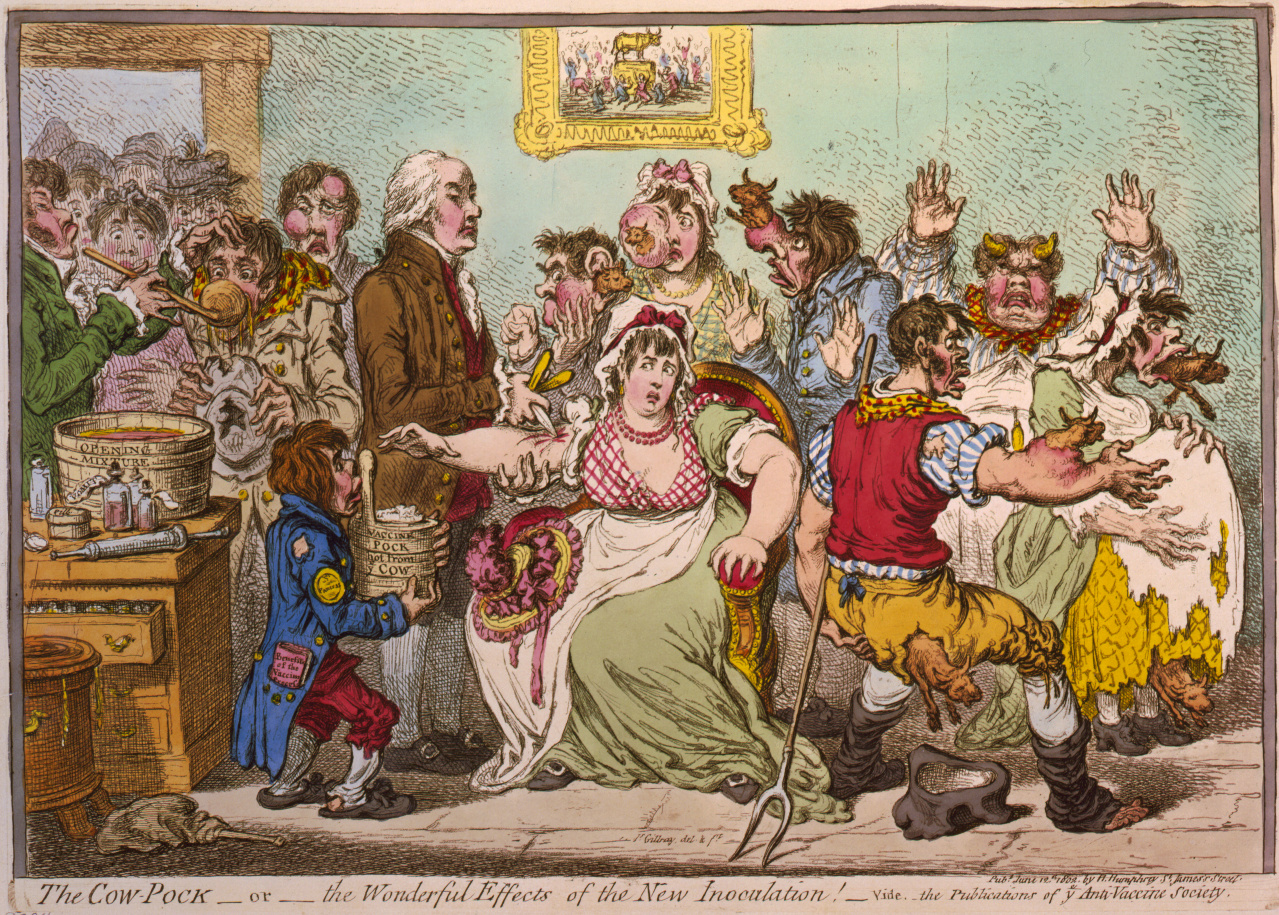
Engraving that shows a scene from the Smallpox and Inoculation Hospital at St. Pancras by cartoon satirist, James Gillray, 12 June, 1802. [Image courtesy of Wikimedia Commons]
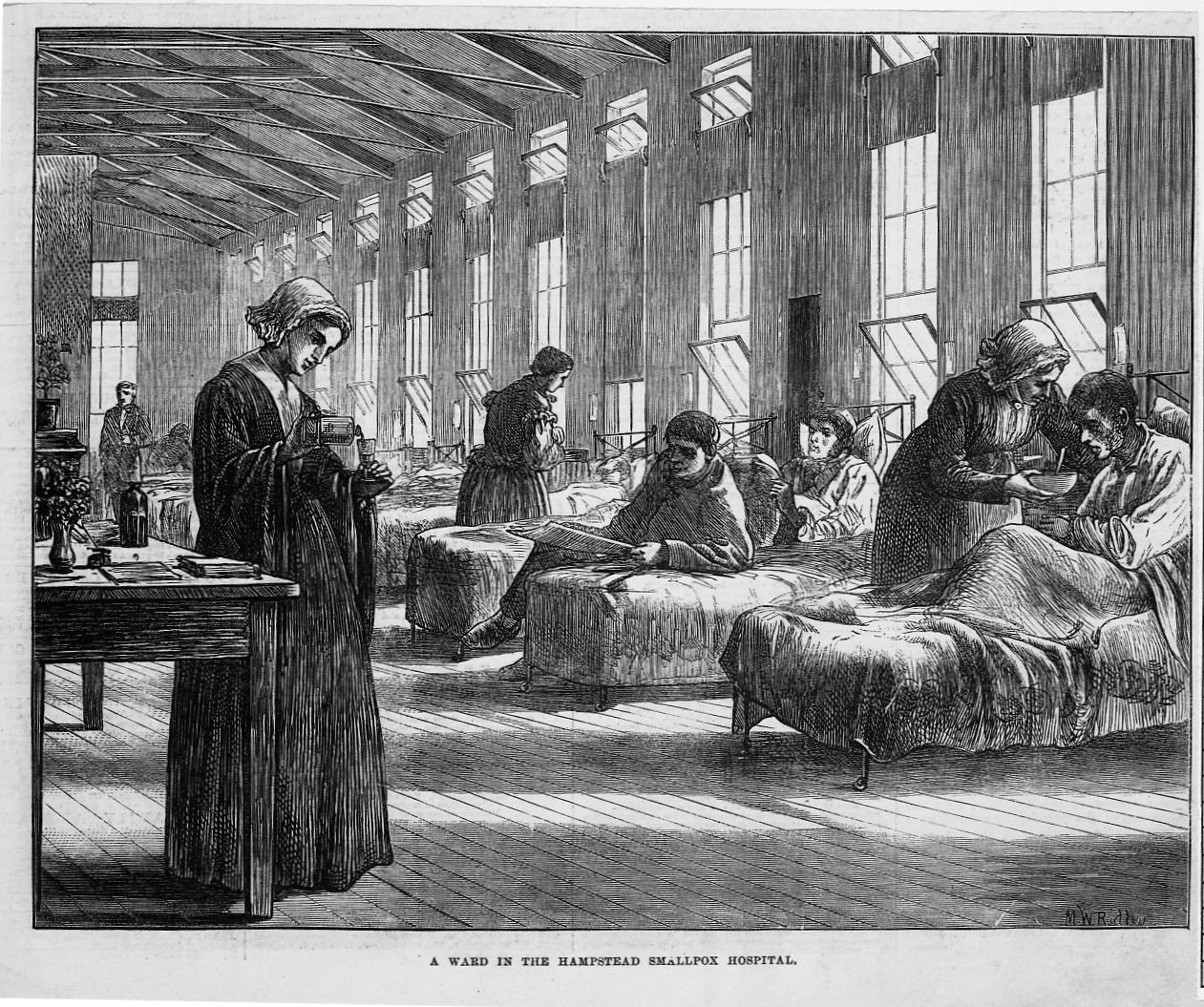
Smallpox was a common killer in nineteenth century Britain. It spread rapidly and killed around 30% of those who contracted it and left many survivors blinded or scarred. In 1850s, the government passed a series of laws that made vaccination against smallpox compulsory. Some people and healthcare professionals supported vaccination while others objected to it. There were many reasons why people opposed vaccination: some claimed vaccination were unsafe, or unnecessary, whilst others argued that compulsory vaccination was government interference. The growing feeling for anti-vaccination reached full force in the 1890s with the National Anti-Vaccination League. The group organized protests and produced its own publications to distribute anti-vaccine propaganda. Ultimately, the voices of the anti-vaccination movement became too loud for the government to ignore and the government made it possible for people to opt-out of vaccination.
Understanding the range of views regarding vaccination is critical for understanding the role of science in society. In addition, delving into this important, yet little known history of vaccination in Victorian society may give us insights into present day anti-vaccination movements.
In this lesson, you will investigate several sources which reflect some of the different attitudes towards vaccination in the Victorian period.
How did the Victorians view compulsory vaccination?Resistance to vaccines has been around as long as vaccinations have existed. The James Gillray cartoon entitled ‘The Cow Pock: or the Wonderful Effects of the New Inoculation’ included in this lesson captures some of the early prejudice towards vaccination.
Edward Jenner sparked the push for widespread vaccination beginning in the 1790s. Before Jenner, variolation—purposely infecting patients with smallpox in the hope that they would get a weakened form of the disease and acquire immunity—was common practice. However, variolation was risky, sometimes patients died from the procedure. Jenner is credited with making a key discovery that people who got cowpox- a mild virus contracted by those who milked cows- did not get smallpox. To test his theory, Jenner transferred pus from the spots of a woman with cowpox to an incision in the arm of a young boy who subsequently became ill with a mild form of the virus. The boy quickly recovered and then Jenner variolated his patient with smallpox to see if immunity from cowpox would protect him from smallpox. As hoped, his patient did not contract smallpox. When successful, this process—termed vaccination—gave patients immunity to the disease.
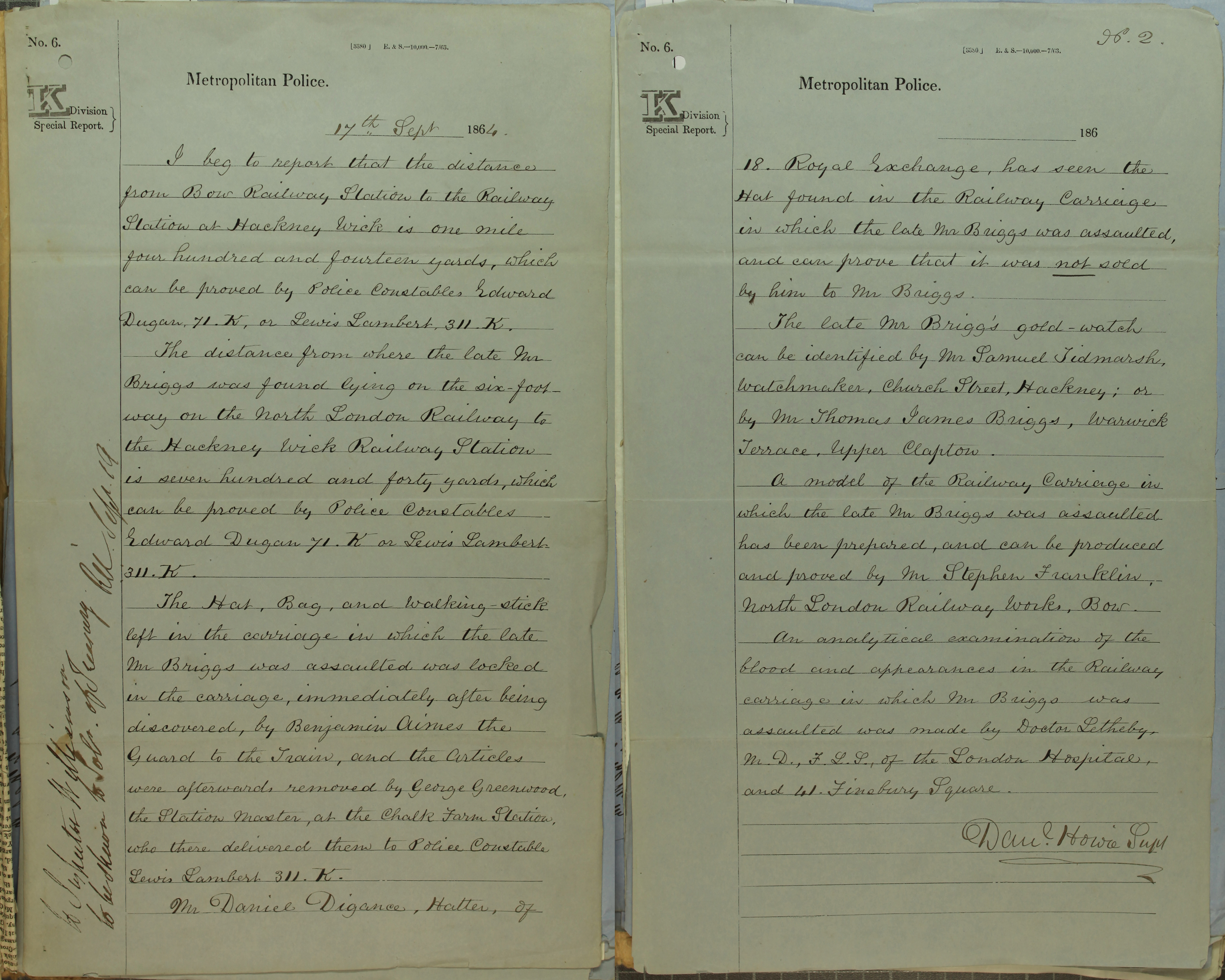
1840 marked the first in a series of laws regarding vaccination in Britain. After the scientific community built a better understanding of how infectious disease spread, the British government outlawed the practice of variolation with the first Vaccination Act of 1840. The Act of 1840 also provided free vaccinations for the poor through the new Poor Law Unions. The government ramped up its focus on improving vaccination rates and subsequently passed the Vaccination Act of 1853. The Act made it compulsory for all infants under three months old to be vaccinated. Local registrars of births, marriages and deaths gave out vaccination certificates to parents of newborns which had to be returned signed by a doctor. Negligent parents could be fined or imprisoned. In 1867, the government increased its efforts and made it compulsory for all children under the age of 14 to be vaccinated against smallpox. However, this was not the case for many children.
For some Victorians these laws marked an infringement of civil liberties for the sake of improving public health. Also, the principle of laissez-faire was central to economic life. Perhaps, this example of state intervention was arguably designed to prevent greater evils that might threaten a free-trade economy- probably not to provide positive benefits for its citizens. Who would work in the factories or mines if large numbers of the population died from smallpox? Others did not like the idea of compulsory vaccination because of its association with the Poor Law or objected to it on religious grounds.
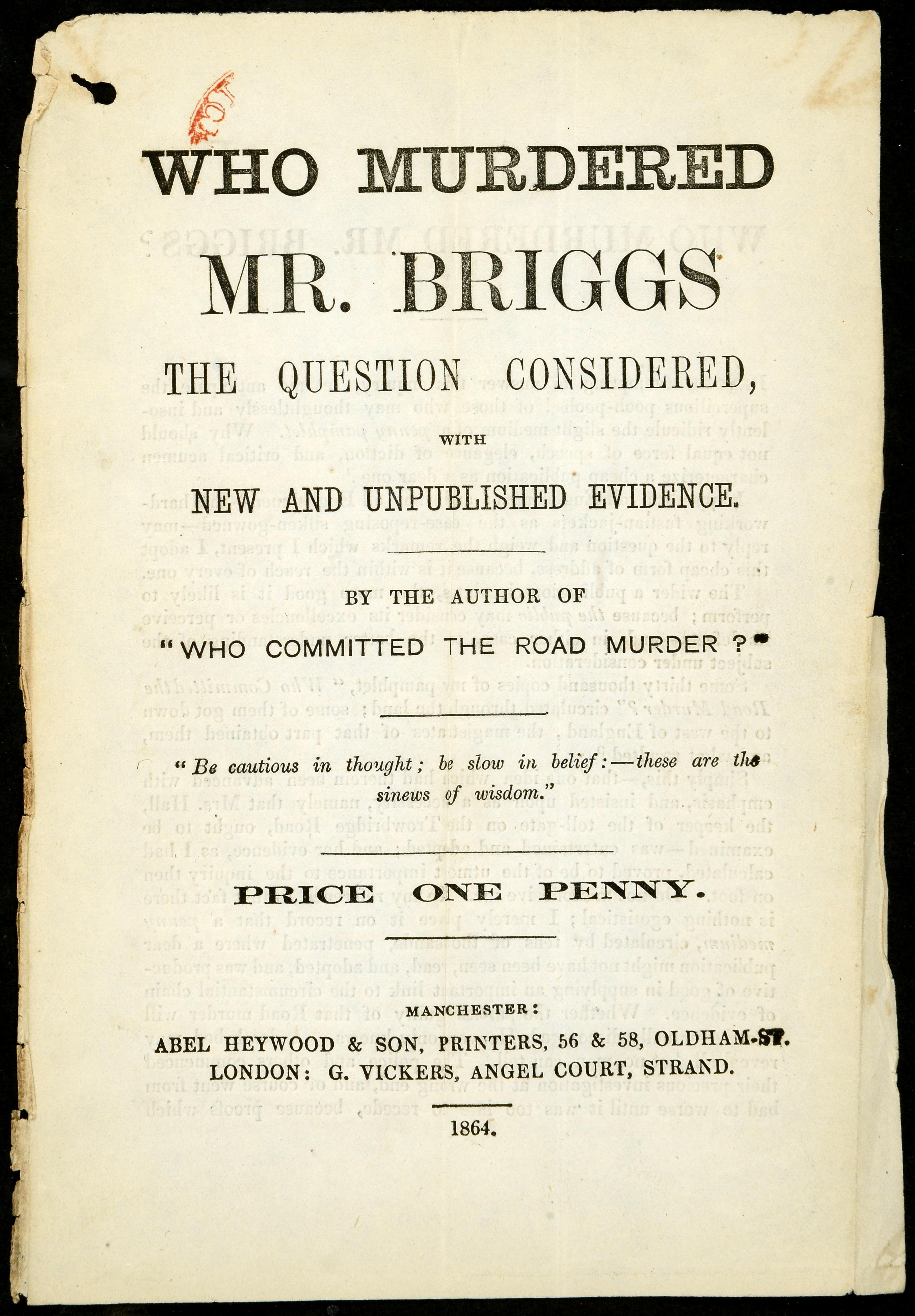
A formal pressure group, the Anti-Vaccination League, formed in London after the Act of 1853. Later the Anti-Compulsory Vaccination League was founded in 1867 in response to the new law in 1867 and argued through its well organized public campaigns that this was an infringement of personal choice. In the 1870s and 1880s, a host of anti-vaccination pamphlets, books and journals were printed to spread the protest movement’s message including their paper, the “Vaccination Inquirer”. Later the new National Anti-Vaccination League emerged determined to expand support for its ideas on a more national basis in 1896.
Certainly the outcry from anti-vaccination protesters had an impact on British vaccine policy. In 1885, a massive anti-vaccination protest in Leicester attracted a crowd of nearly 100,000 people. In response, a Royal Commission was formed to understand attitudes on all sides regarding vaccination. The commission heard from opponents and supporters of vaccination for seven years to advise the British government on how to move forward. Their report in 1896 stated that vaccination was effective in protecting against smallpox. It also recommended that the government abolish the penalties for not vaccinating. In 1898, a new Vaccination Act removed these penalties and introduced a new clause known as the “conscientious objector” clause that allowed parents who did not believe vaccines were safe or effective to obtain a certificate exempting their children from vaccination.
Whilst vaccination is one of the greatest accomplishments in improving public health, there are parallels between the Victorian anti-vaccination movement and today. Of course, the means of communication have changed since Victorian times, social media posts and Tweets have replaced the pamphlets and etchings of the 19th century— but many of the anti-vaccination sentiments are similar.
Compulsory vaccination for smallpox in the UK in ended in 1948, and in 1978 the World Health Organisation announced that the virus had finally been eradicated.