How much do you know about Adolf Hitler and the rise of Nazism in Germany?
Learn about this topic in our educational videos and learning resources:
How much do you know about the Suffragettes and women’s right to vote?
Learn about this topic in our educational videos and learning resources:
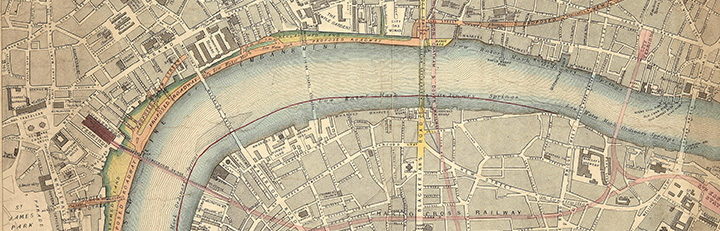
We hope you enjoyed watching our Education Service video with Christopher Day Modern Domestic Records Specialist looking at records from the Office of Works, WORK. This video focusses on two plans concerning the development of the Thames embankment and the construction of the sewer system in the mid nineteenth century.
Watch the video then try and answer the following questions:
- When did the office of works begin as a government department?
- What type of building plans would you expect to find in the early days of the office of works?
- By the eighteen and nineteenth centuries what public building plans can be found in this collection?
- Why do you think these types of plans are useful for finding out about the past?
Plans: WORK 38/89-108
- What is the date of this map of the redevelopment of the Thames embankment?
- What does the map show?
- Why has the map been coloured green, pink and yellow in different areas by officials?
- What does the second ‘close-up’ document show us?
- Give two reasons why these plans were produced.
- How did Joseph Bazalgette develop plans for London’s sewage system?
- Can you give three reasons why the plan to develop London’s sewers took longer than expected?
- What was the total cost of the project?
- How do you think the new sewer system improved health in the city of London?
- How has Joseph Bazalgette been commemorated?
- What other types of sources are used in this video to give context to the plans discussed by our specialist?
Related Resources
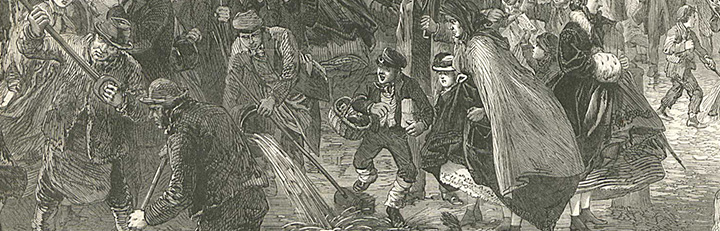
- What made them unhealthy?
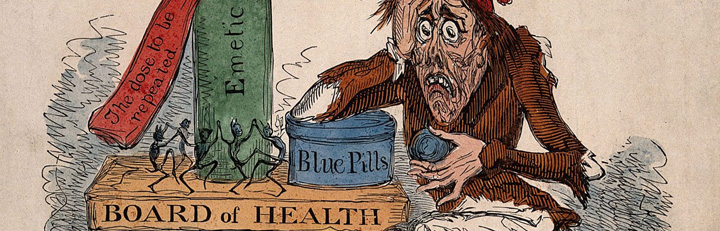
- How did the authorities react in 19th century?
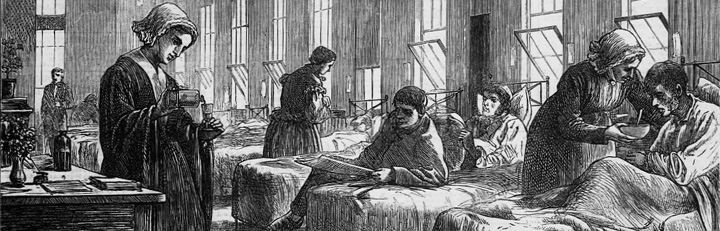
- How did the Victorians view compulsory vaccination?
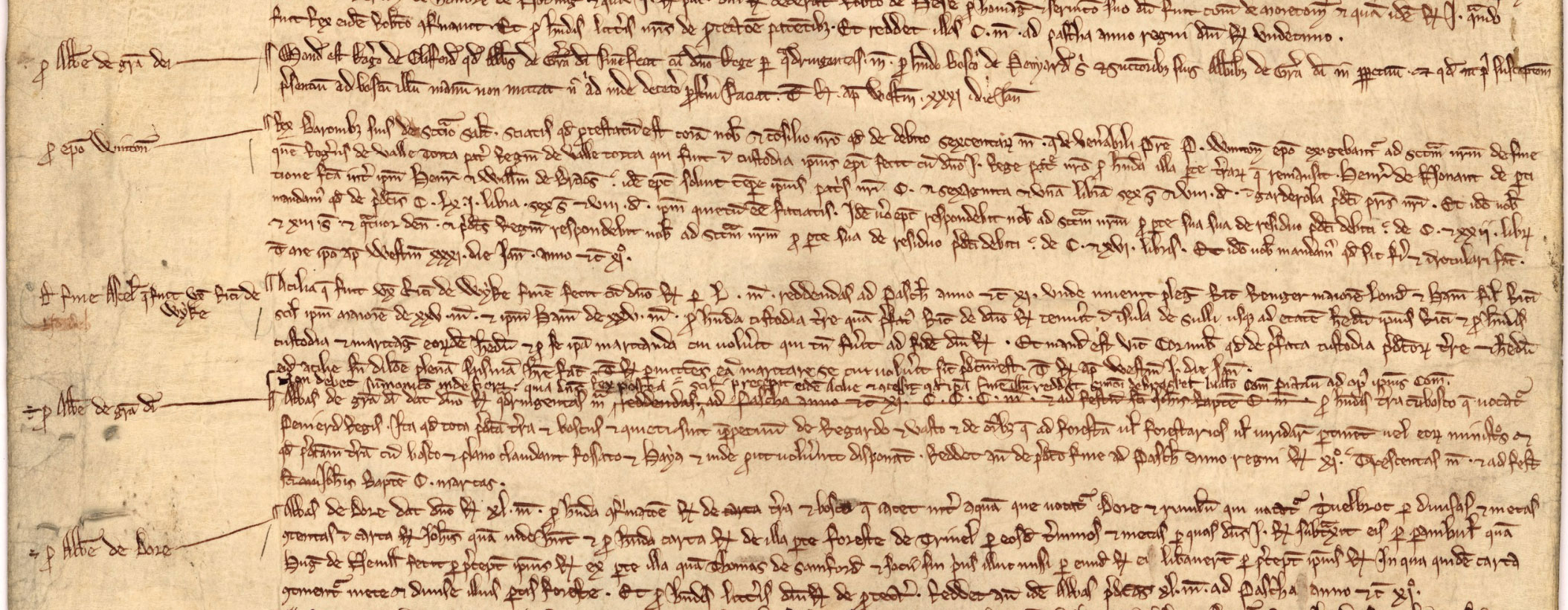
Chancery: Fine Rolls of Henry III
We hope you enjoyed watching our Education Service video with collections expert Paul Dryburgh. This video focusses a chancery record from the reign of Henry III and explores the role and function of chancery within royal government.
Now try and answer the following questions:
- What was the medieval chancery?
- Who worked there?
- The three types of Chancery roll are: Letters close; letter patent; fine rolls. Can you explain the difference between them?
- How is information kept together in a roll?
- How did the scribes solve the problem of not having an index?
- What type of document is the Henry III document featured in the video? [Look at the image and transcript of the video]
- Can you describe the appearance of the document?
- What is the date?
- Who has produced it?
- Who is it for?
- What is the purpose of this particular document? [Use the transcript to help]
- How is this document useful for understanding society during the reign of Henry III?
- What is the value of chancery records?
- Why does the National Archives have these records?
Download Chancery Resource Pack
Related Resources
- Magna Carta
- Jump into the 13th century
- Magna Carta, 1215 and beyond
- A medieval revolution?
- Unboxing the Archive: Tally Sticks
- Jump into the 13th century
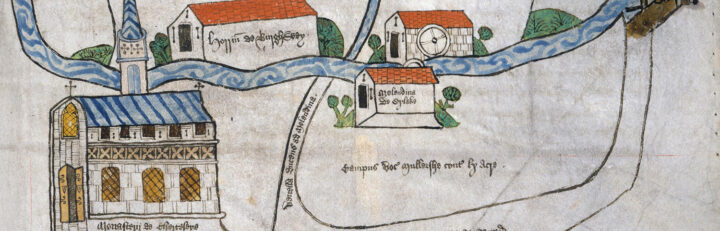
- Chertsey
- What was Chertsey like in the Middle Ages?
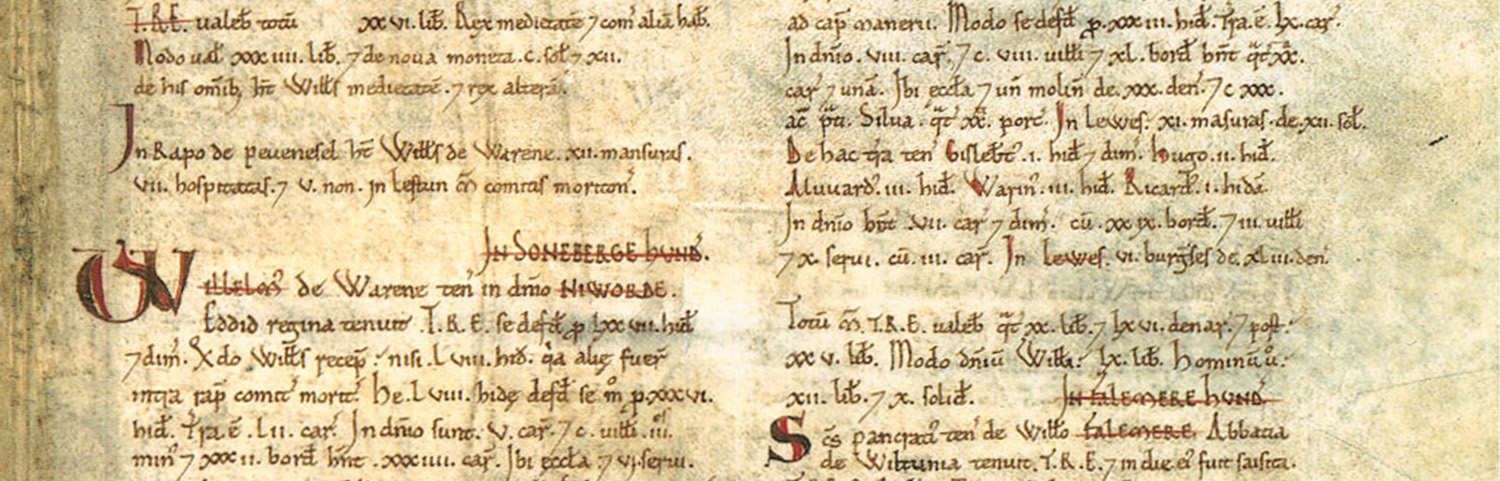
Exchequer: Domesday Book, 1086
We hope you enjoyed watching our Education Service video with collections expert Jessica Nelson looking at the Exchequer series. This video focuses on Domesday Book, one of The National Archives’ most iconic documents.
Watch the video then try and answer the following questions:
- What type of document is it?
- What about the appearance of the document?
- What is the date?
- Who has produced it?
- What does it say?
- Who is it for?
- What is the purpose of the document?
- How is this document useful for understanding early medieval society during the time of William the Conqueror?
- Why does the National Archives have it?
Download Domesday Resource Pack
Related Resources
- Domesday Book
- What can we learn about England in the 11th century?

- Domesday: Britain’s finest treasure
- Online exhibition about Britain’s earliest public record.
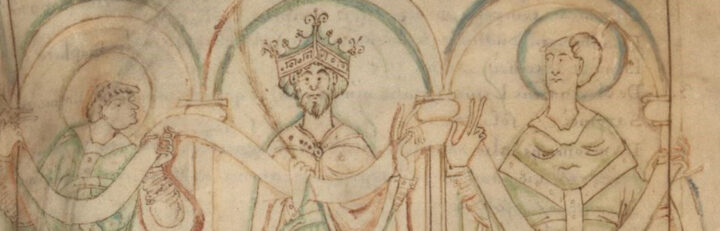
- Anglo-Saxons – Gift from a King
- What was Anglo-Saxon society like?
- Chertsey
- What was Chertsey like in the Middle Ages?
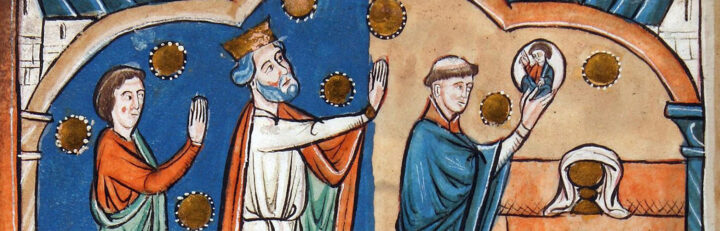
- Edward the Confessor
- What does the Domesday Abbreviato tells us about Edward the Confessor?
Connections to Curriculum
Key stage 3
- The development of Church, state and society in Medieval Britain 1066-1509: Then Norman Conquest
Key stage 4
- AQA GCSE History
- Norman England, c1066–c1100 including: Feudalism and government: roles, rights, and responsibilities; landholding and lordship; land distribution; the Domesday Book.
- Edexcel GCSE History
- Period study: Anglo-Saxon and Norman England, c1060–88
- OCR GCSE History
- The Norman Conquest, 1065–1087 Domesday Book, its creation and purpose. The social structure of Norman England including changes in land ownership and the elite.
Key stage 5
- Edexcel GCE History
- Anglo-Saxon England and the Anglo-Norman Kingdom, c1053–1106
- OCR GCE History
- Anglo-Saxon England and the Norman Conquest 1035–1107 (Enquiry topic: Norman England 1087–1107
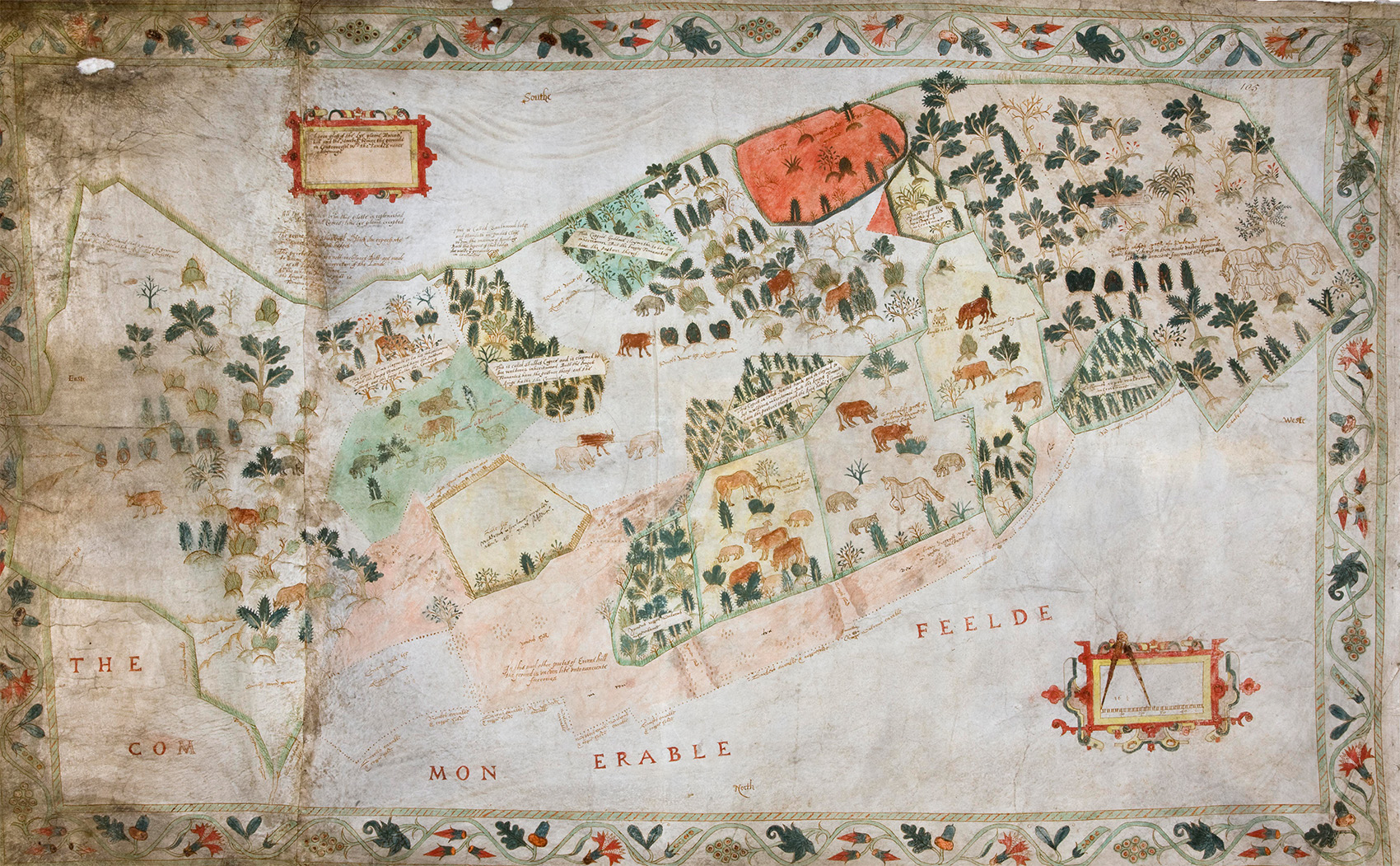
Maps: Aldbourne Chase map from 1608
We hope you enjoyed watching our Education Service video with collections expert Rose Mitchell looking at an example from our collection of maps. This video focuses on the beautiful Aldbourne Chase 1608 map from the records of the Duchy of Lancaster, which was created because of a dispute about the royal rabbit warren. Aldbourne Chase is situated north of Salisbury Plain, in Wiltshire.
Watch the video then try and answer the following questions:
- What type of document is it?
- What about the appearance of the document?
- What is the date?
- Who has produced it?
- Who is it for?
- What is the purpose of the document?
- How is this map useful for understanding early Stuart society during the reign of King James I of England, and James VI of Scotland?
- What is the value of a visual source like this map as opposed to a written document?
- How do the other documents mentioned in the video relate to the map?
- Why does the National Archives have this map?
Related Resources
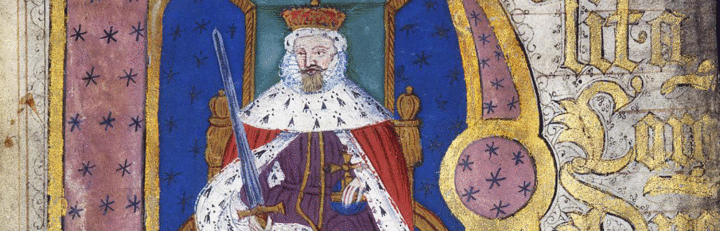
- James I
- What were the key areas of dispute?
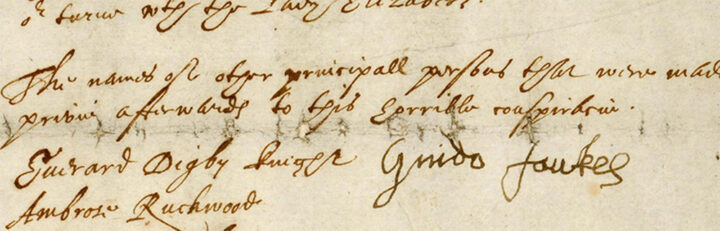
- Gunpowder Plot
- Can you uncover the plans of the plotters?
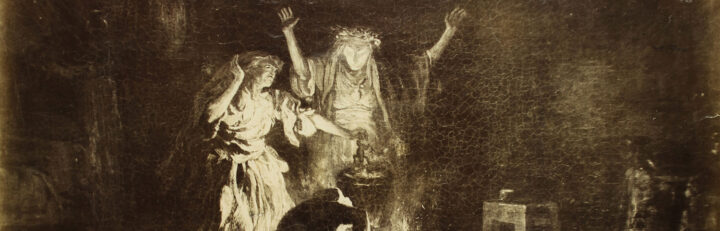
- Early Modern witch trials
- Who was accused?
Connections to Curriculum
Key stage 5
- AQA GCE History
- Stuart Britain and the Crisis of Monarchy, 1603–1702
- OCR GCE History
- The Early Stuarts and the Origins of the Civil War 1603–1660
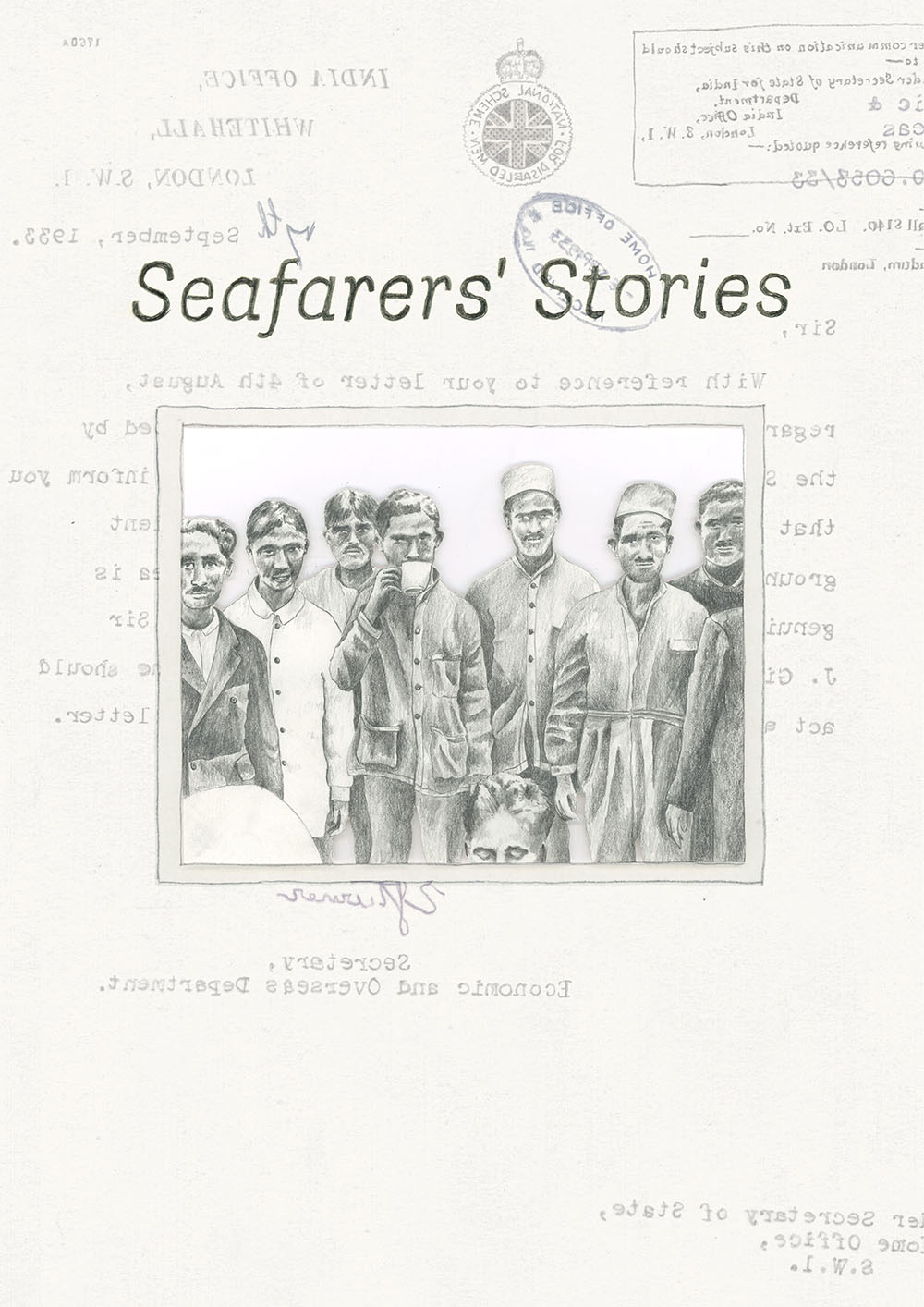
Read the ‘Seafarers Stories’ graphic novel here.
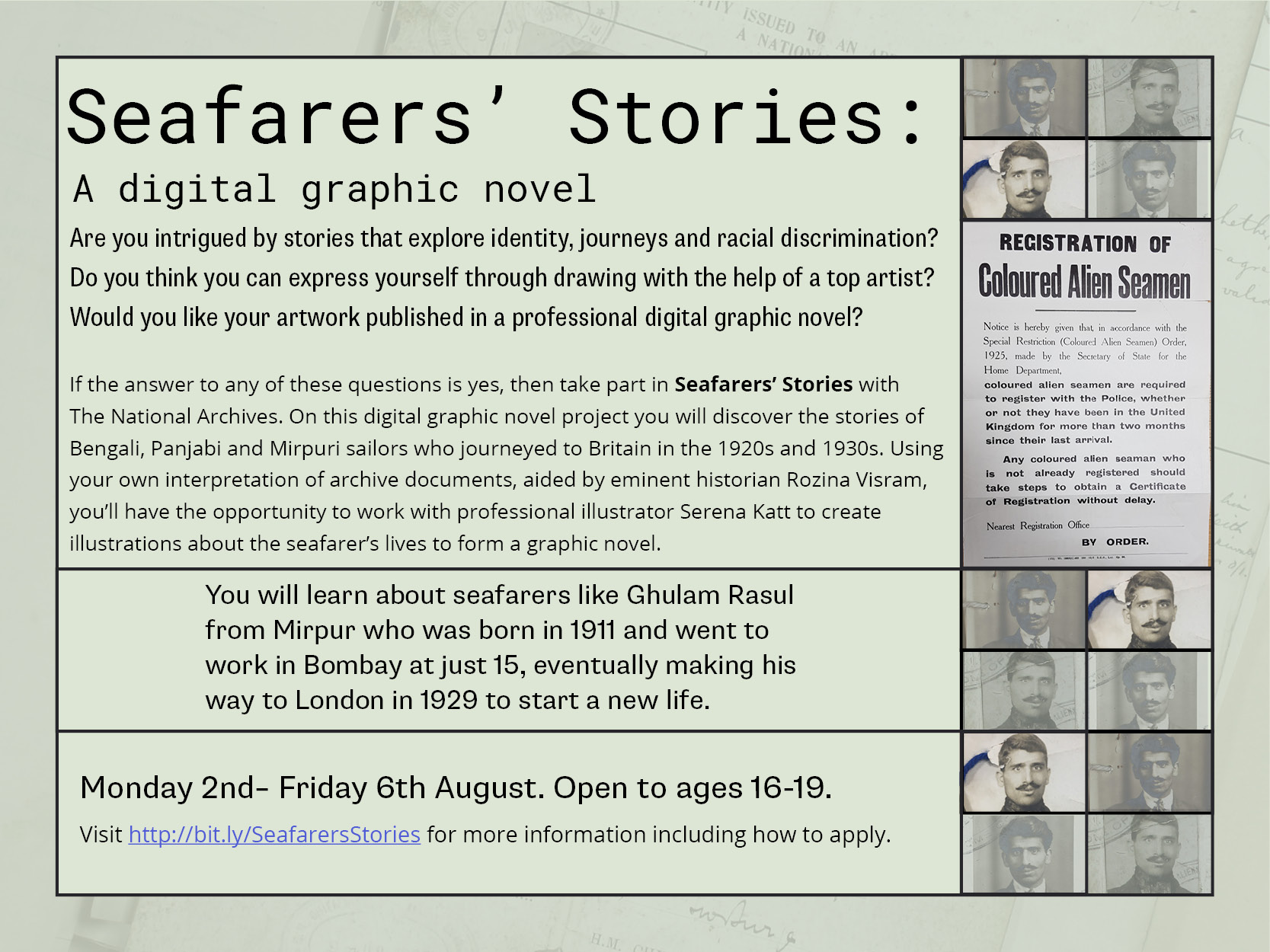
Our graphic novel project ‘Seafarers’ Stories’ ran online from Monday 2nd – Friday 6th August with a group of five young people (age 16-19 years).
Working with acclaimed illustrator Serena Katt the group learned how to create a graphic story.
The content of the graphic novel was based directly on archival documents which tell the story of seafarers from Mirpur, Bengal and the Panjab, who travelled to Britain working on merchant ships in the 1920s-30s. These seafarers faced major challenges on board ships, and were forced to prove their status as British after migration legislation passed in 1925.
The young people worked with the Education team and Rozina Visram, pioneering historian of the Asian presence in Britain, to understand and interpret the records. They explored themes of identity, journeys and racial discrimination by scripting and illustrating their interpretations of the seafarers’ records.
The project also led to the creation of an online teaching resource.
Taking part in this project enabled the young people to:
- Research the historical context of the period using original documents about seafarers from Mirpur, Bengal and the Panjab
- Develop a greater understanding about the history of migration to Britain in the early 20th century
- To work with two professionals (Serena and Rozina) to plan, script and illustrate a graphic novel
- Connect and work creatively with like-minded young people despite the challenges of the pandemic and working remotely
- Take part in a unique project that combines historical stories from our records and creativity
- Produce a professional-looking published piece of work which could form part of an artistic portfolio for applying to art schools.

Welcome to a special episode of Time Travel TV for Christmas!
In today’s episode, you’ll learn about how Victorians celebrated at this time of year, whether they were rich or poor!
What can we learn from the documents about how some Victorians celebrated Christmas?
Hello and welcome to Time Travel TV! In our first episode we will discover what The National Archives does and some of the treasures it holds.
You can find all of the videos on this page along with images of the photographs and documents used in each activity. You may want to print these out to circle details and write notes, or you can load each image on your device and talk about what you see.
What is The National Archives?
Welcome to episode two of Time Travel TV! This time we will be exploring an intriguing document showing a very famous monarch, but who is it and what hidden messages does it contain?
How did monarchs present an ‘image’ of themselves in the past?