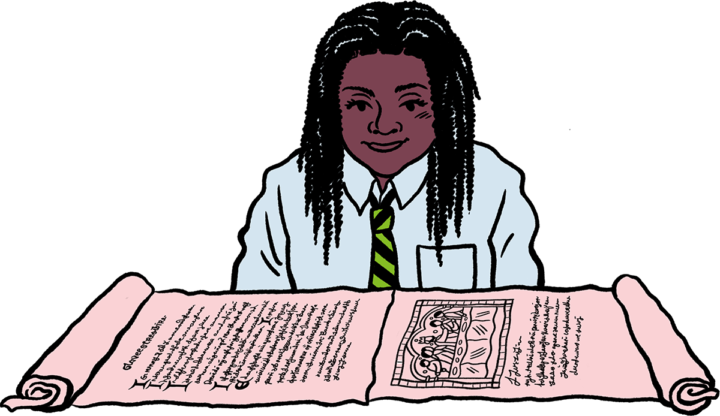
Join Vic and her friends as they visit the National Archives in this activity pack for young children.
Download the printable pack as a PDF here:
Colour: Download now [PDF, 16.8MB]
Black and White: Download now [PDF, 6.5 MB]
Discovering The National Archives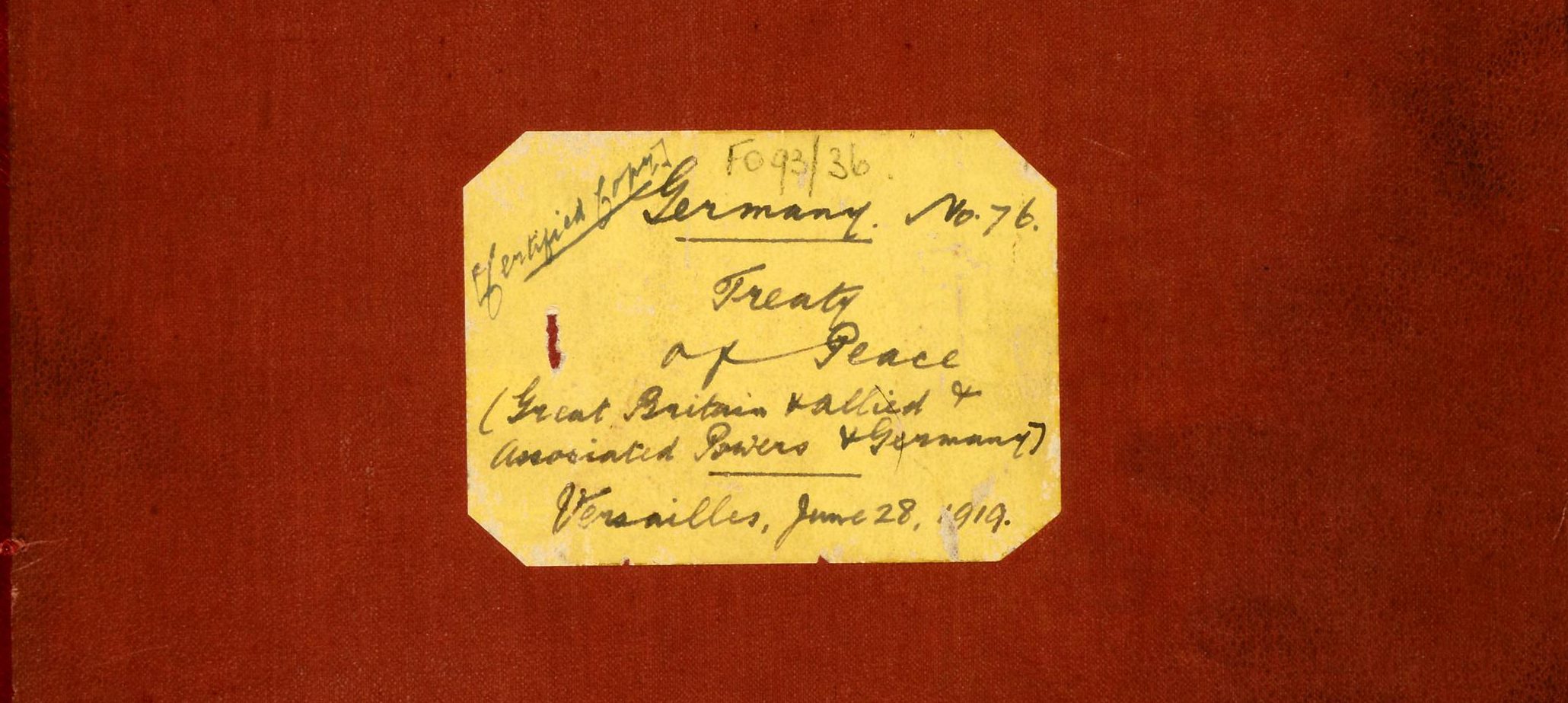
Behind the Hall of Mirrors: Versailles study day – 24 June 2019
To commemorate the centenary anniversary of the Treaty of Versailles, students will have the opportunity to take part in our exciting event taking place on 24 June 2019!
We’re all familiar with historians’ arguments about the Treaty of Versailles paving the way for the Second World War, but what do we really know about process that took place in 1919? The logistics involved; the stress and anxieties of those at the negotiating table; Germany’s involvement and the role of ‘new’ diplomacy?
As part of this fascinating study day, students will use original documents to explore the glossy public image of the peace process, before looking at the anxieties and the difficult processes that existed beneath this veneer. How was such a huge task planned and undertaken? What role did women play in this process? And why did one diplomat describe the work of the British Foreign Office as a ‘messy muddle’?
In the afternoon, guest historian Ben Walsh will give a talk about his research into the Versailles Treaty and its legacy.
Designed for upper KS3/ KS4
We have limited space on this study day so please do get in touch if you are interested in bringing your class.
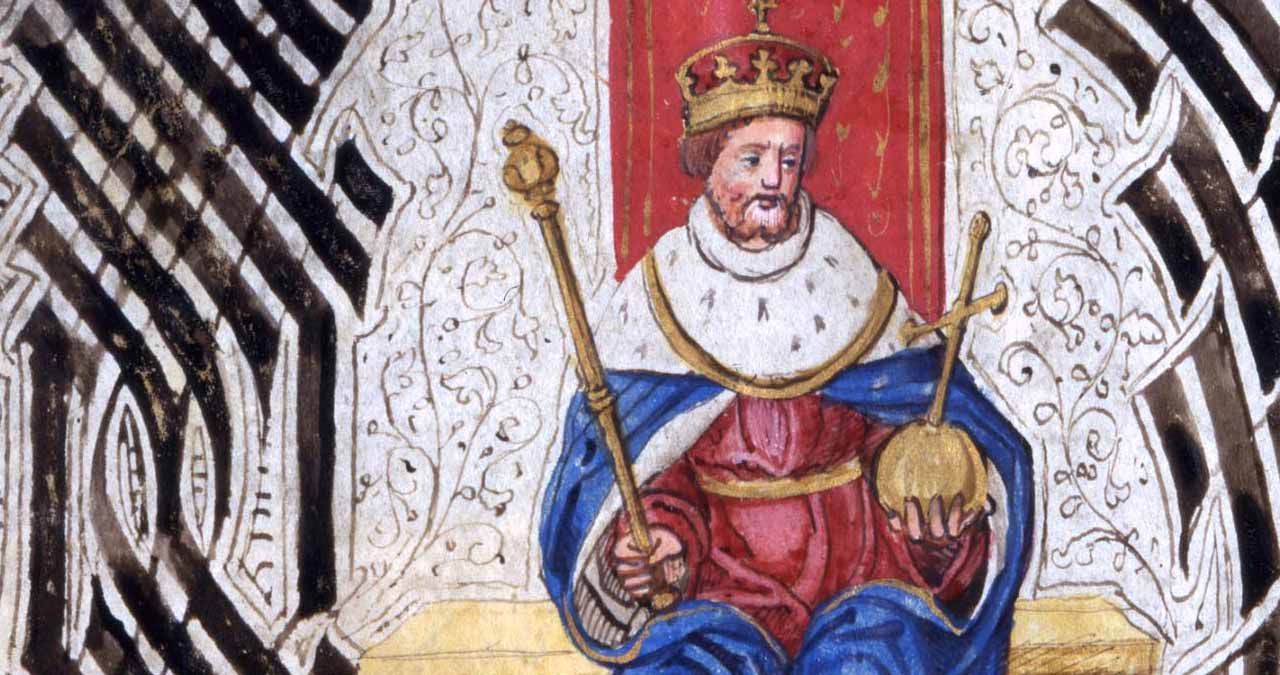
Bookings are now open for our next online A-level Tudor Study Day on 21 January 2026!
Join us between 10.00am – 2.30pm to delve deeper into Tudor history and discover the documents we store in the Archives.
The day will start with an hour-long virtual workshop on the topic of your choice, led by our Education Officers. Choose from any one of the following options:
– Crisis in the reign of Mary I
– Tudor Rebellions
– Enquiring into Elizabeth
Students will be set an independent activity and then have the opportunity to discuss and feedback their findings to our Education Officers.
In the afternoon, Historian Tracy Borman has put together a bespoke pre-recorded presentation especially for our Tudor Day students. Tracy will then link in with us to hold an exclusive LIVE Q&A!
If you are interested in your students taking part in this event please book via Eventbrite.
The session was incredible – the resources were perfect for the age group and gave my students a real insight into working as an historian as well. The Q&A with Tracy Borman was also beneficial and just added more quality to the virtual experience – History teacher
-
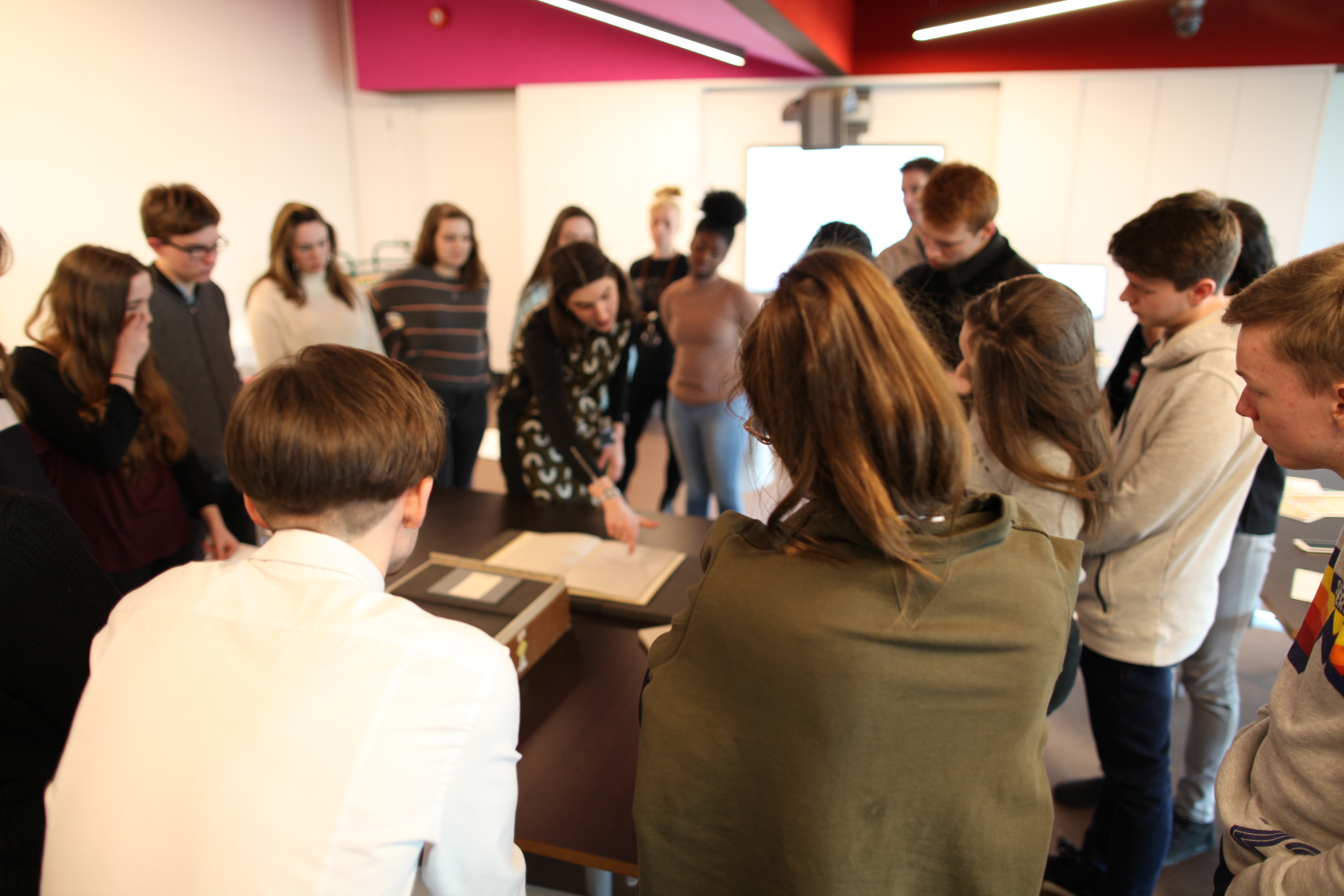
- Students exploring documents at Tudor Study Day 2018
-
- Documents on show at Tudor Study Day 2018
-
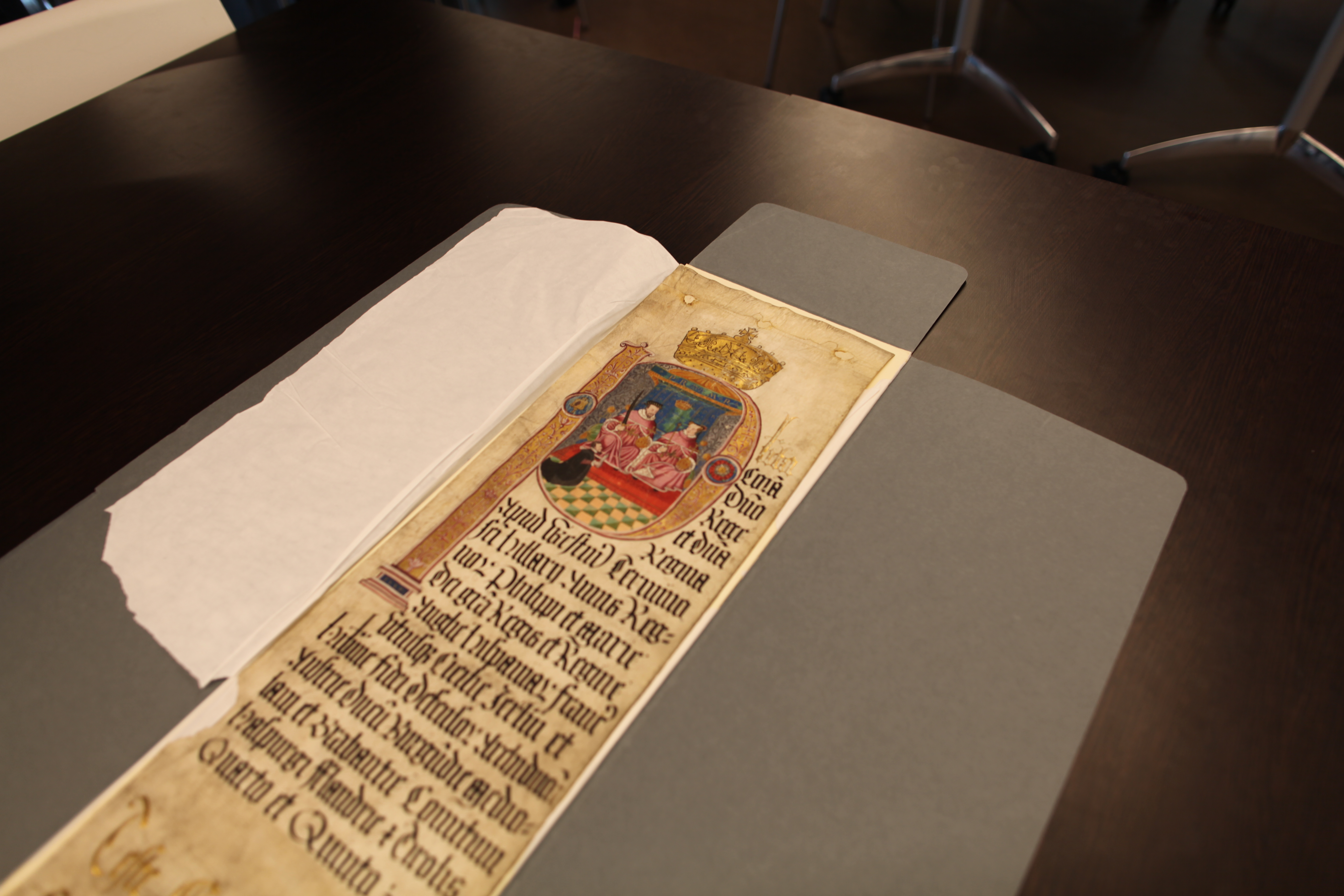
- Documents on show at Tudor Study Day 2018
-
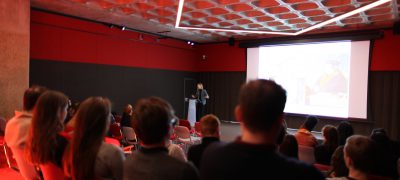
- Tracy Borman at Tudor Study Day 2018
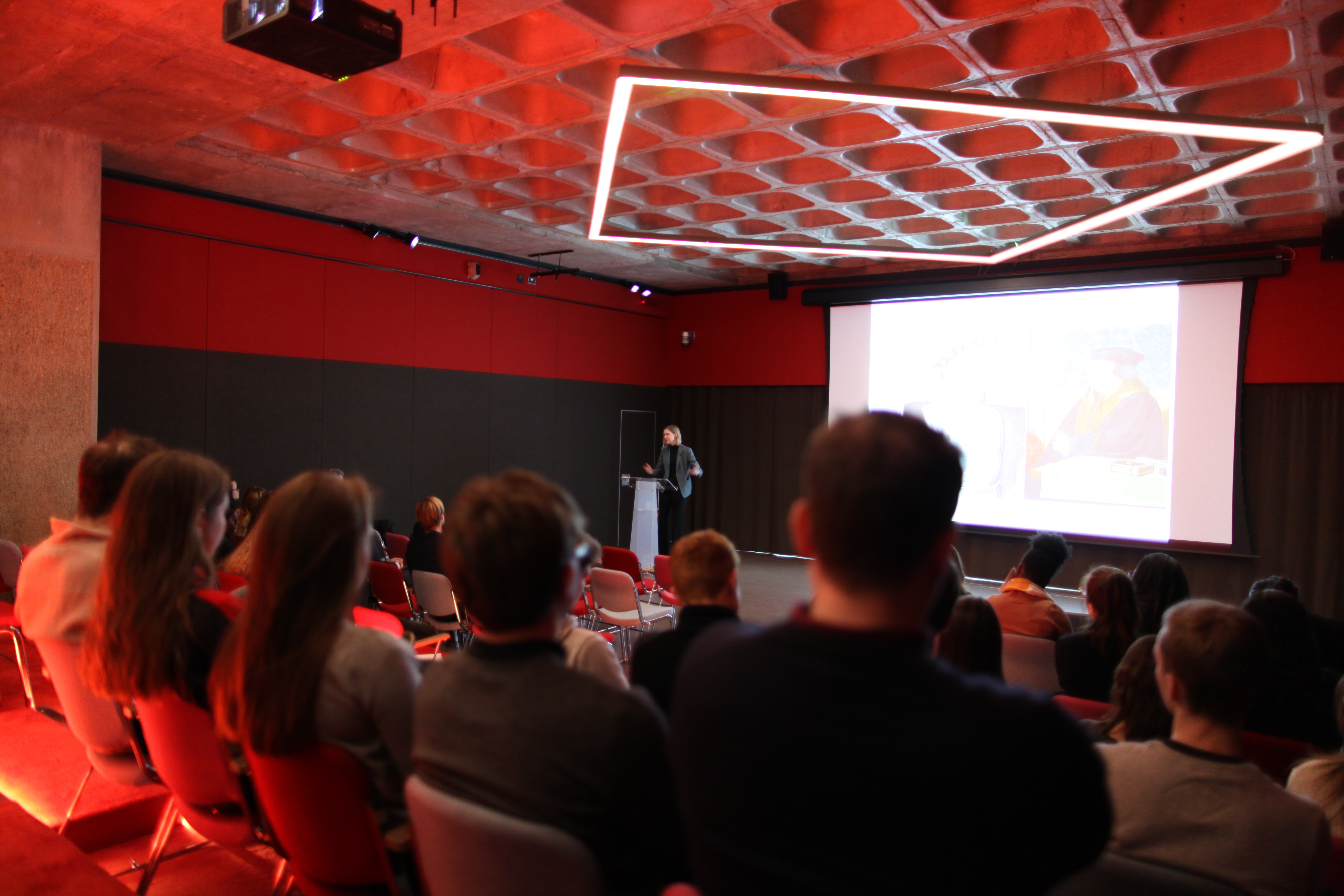
Our Study Days pair our education workshops with other activities such as crafts, talks by leading Historians or experiences with reenactors. Each day is focused around a theme and allows students to experience life as a historian, examining original documents and learning about History through a variety of means.

Our creative writing project ‘Writing War, Writing Peace’ ran from Monday 23 July to Friday 27 July 2018.
 Working with award winning writer, Melvin Burgess (author of ‘Junk’, ‘The Ghost behind the Wall’, ‘The Hit’, and ‘The Lost Witch’ to be published in August 2018), participating students had the opportunity to explore original documents from our collection, discovering the experiences of nurses during the First World War. These brave and extraordinary women travelled the world, bringing care and comfort to those in need at the centre of military action. They implemented their medical expertise and developed new approaches to hospital care. Now you can tell their stories.
Using their experiences as inspiration, and with Melvin’s guidance, students delivered their interpretations of the records through creative writing.
You can find the finished eBook of this project here: Writing War, Writing Peace
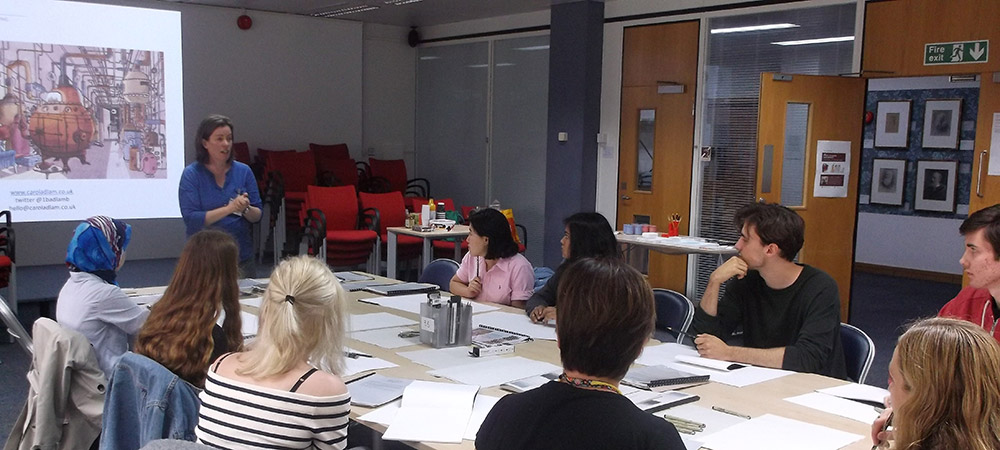
2018 saw the culmination of four years of commemorating numerous centenaries of the First World War. From the outbreak of war to Armistice, the collections at The National Archives hold unique insights and untold stories of events spanning the years 1914 to 1918.
From Monday 13 to Friday 18 August 2018, The National Archives held a free five-day event for A level and pre-university students. Examining the events of the First World War and the impact it had on soldiers and civilians, students worked with artist Carol Adlam, Senior Lecturer in Illustration at Nottingham Trent University and shortlisted illustrator for the World Illustrator Awards 2018, on an arts project that involved interpreting original sources from our collections using graphic art techniques.
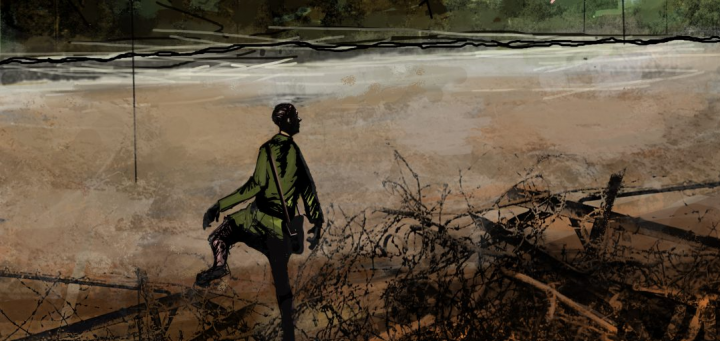
Detail of ‘The Mapmaker’ by participating student Matthew Lee
You can find the finished eBook of this project here: Armistice and Legacy
The week provided students with the unique opportunity to:
- find out more about The National Archives and the different records we hold
- explore and interpret original documents related to the events of the First World War
- take part in workshops over the five days covering script editing, storyboarding, observational art techniques, pencilling, inking and colouring, as well as final art production
For information on the artist please visit: caroladlam.co.uk
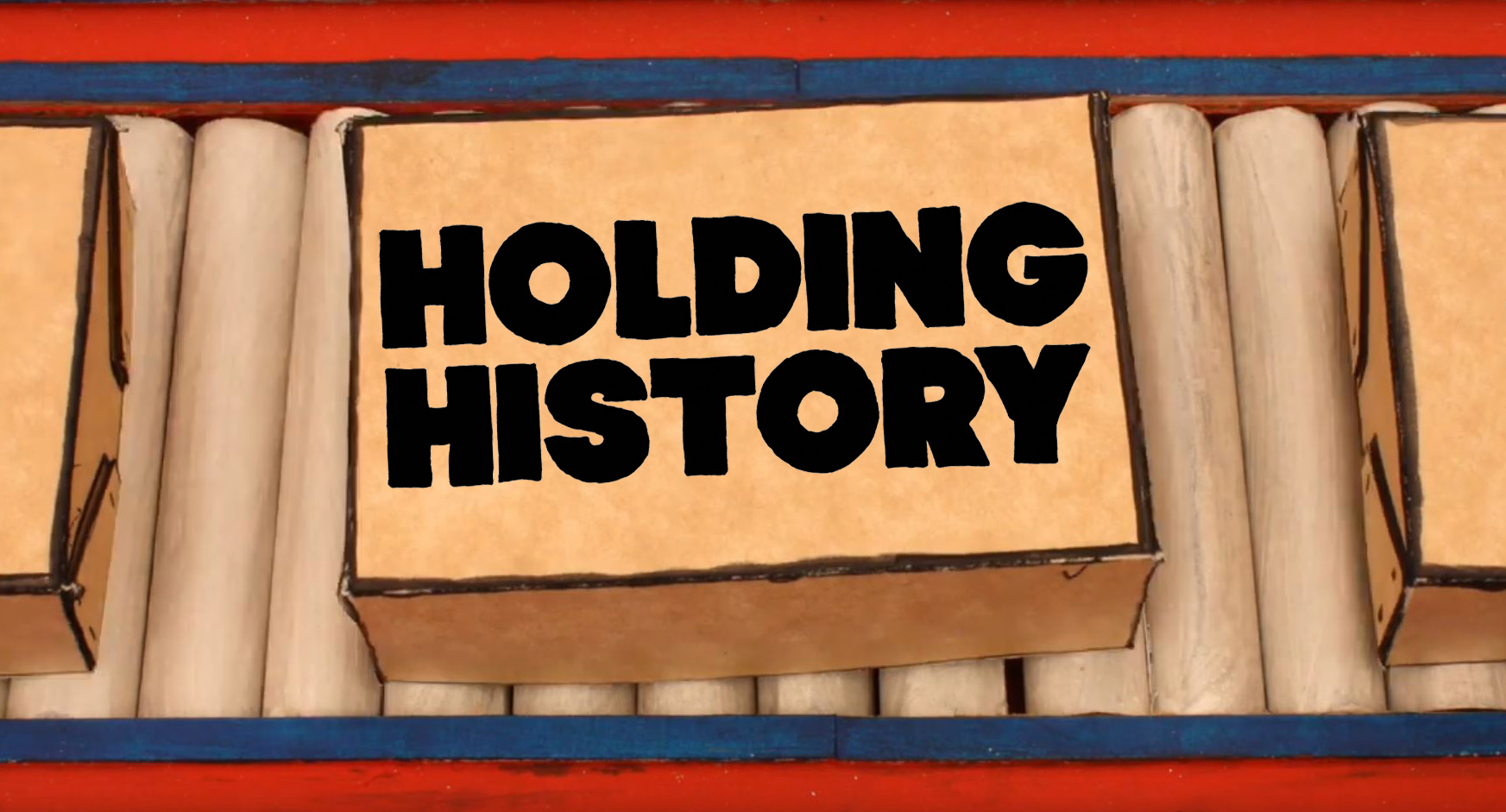
We ran our exciting film project, ‘Holding History’, from Monday 30 July to Friday 3 August 2018, with a group of enthusiastic young people (aged 16-19 years).
Working with professional filmmaker, Nigel Kellaway, students had the opportunity to explore original documents from our collection spanning key events and lesser-known personal stories from the past 1000 years of history. What is The National Archives? How has it changed and developed over the centuries? What are the challenges, threats and importance of an archive in today’s world?
From the Domesday Book to the Dark Archive, students had the chance to engage with our collection and create a stop-motion film of your interpretations.
View the finished film:
The project also led to the creation of an online lesson resource.
Taking part in this project enabled students to:
- Research the history using original documents, with support from our Education team and record experts
- Work creatively with like-minded young people
- Learn film-making skills from a professional from the industry
- Find out more about The National Archives and the documents we hold, on themes as diverse as the Transatlantic Slave Trade, Great Fire of London and Second World War spies
- Take part in a unique project that communicates some of the stories from our documents
Applicants who took part gave this feedback on the experience:
‘I think learning about preservation and discovering history for ourselves is really fulfilling.’ – Hayerin
‘I think it’s really important to give young people a chance to understand the archives and what they do.’ – Jenny
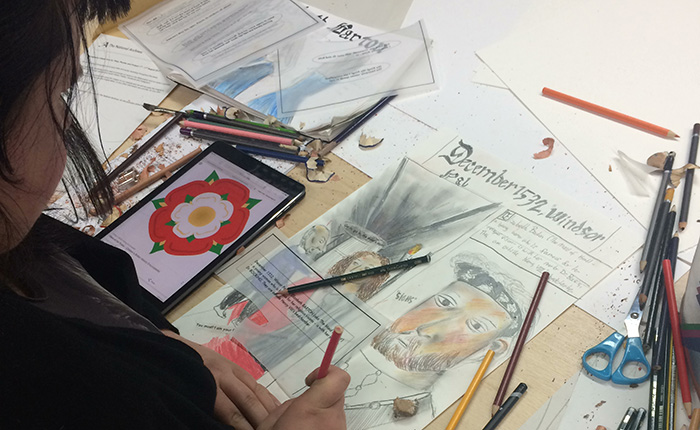
Each summer, The National Archives’ on site education team at Kew, London, offer young people in schools and colleges the chance to take part in a unique project that explores some of the hidden stories in our documents. Students carry out research, with support from our education team and record experts and work creatively with artists, writers or film makers as well as other students.
It’s a great opportunity to work with original sources; it’s also a chance to learn new skills, increase your subject knowledge in history and find out more about the role of The National Archives and the records we hold. The topics and the project outcomes are wide ranging, they have included film making, script writing, story boarding, painting and drawing so far.
Places are free, but are usually limited to a set number and involve an application process. Watch this space to see what is coming up and find out about past projects.

The most successful essays are well planned. Essays that go off the point with lots of extra detail will get poor marks.
Stick to the question
Underline key words in the essay title so you really understand the question being asked. It’s not about writing all you know about a topic.
Words like ‘discuss’, ‘compare and contrast’, ‘evaluate’, ‘account for’ are used as ways to direct your answer; make sure you know what they mean.
Other questions may start with ‘how’, ‘what’, ‘why’ or ‘when’.
Write a plan
 Brainstorm your ideas on the essay topic to get started. Spider diagrams are good for this.
Plan the structure of the essay by numbering each of your ideas in order of importance. At this stage you may wish to leave some of them out or develop others by breaking them into sub points. Redo your original spider diagram as necessary.
You may have to present your argument for the essay under broad themes like ‘economic’, ‘social’, ‘political’ or ‘religious’ reasons. Make sure you understand which theme suits each of your points, then group your all points on the same theme in order of importance into a separate paragraph.
Writing the essay
1. Introduction
Your essay must have an introduction. State the main points you will discuss in order to support your answer to the question set in the title of the essay.
2. Development of your argument
After the introduction add further paragraphs to build your argument, make the most important points first. Remember the way these points are ordered makes your argument clearer to the reader.
 Start a new paragraph for each new important point and any linked points that relate to the question. You may include quotations from other historians and refer to primary sources (such as you can find on this website) to support a particular point.
Make sure your essay makes chronological sense. Try to present any factual points in date order.
Avoid telling the story of what happened. If you refer to an important historical event, you must make a point or comment about it. This will stop your essay from becoming a simple narrative and it shows you are trying to analyse events rather than just describe them.
Aim for five to seven paragraphs, depending on the essay and level of course you are following.
3. Conclusion
Sum up the main points and briefly restate your argument.
Re-read your work, check for spelling errors, and redraft if necessary.

Suggestions to help you pass with flying colours:
- Start early and make a realistic revision timetable based on the time available.
- Choose a quiet comfortable area to study in. If you can’t work at home, go to your local library or a nearby relative.
- Concentrate on your weakest subject areas first.
- Revise in blocks of 45 minutes and then have a break for 10 minutes. It is not good to revise continuously without stopping.
- Simply reading your notes or textbooks does not help you to remember. As you read, create your own set of revision postcards. They can be used for brief notes, spider diagrams, pictures, lists of key words and your acronyms for key ideas (an acronym is made from the first letter of each word for example NATO = North Atlantic Treaty Organisation).
- Practise writing to time by using questions from past exam papers. This is a great confidence builder and helps you practise planning an answer. Try to think like an examiner and make up questions.
- Revision aids can help, but just buying the book does not mean you have done the revision!
- For subjects like history you do not need to remember every single date. Concentrate on the important ones and why they are significant.
- Sometimes work with a friend/member of your family. Go through a difficult topic and test each other.
- Avoid people who might be panicking and don’t believe those who say: ‘I haven’t done any revision!’
- Have a good night’s sleep before the exam and don’t stay up late cramming. Read through your revision cards and then relax at home.
- Keep your energy levels up and eat breakfast on the day of the exam.
Good luck!