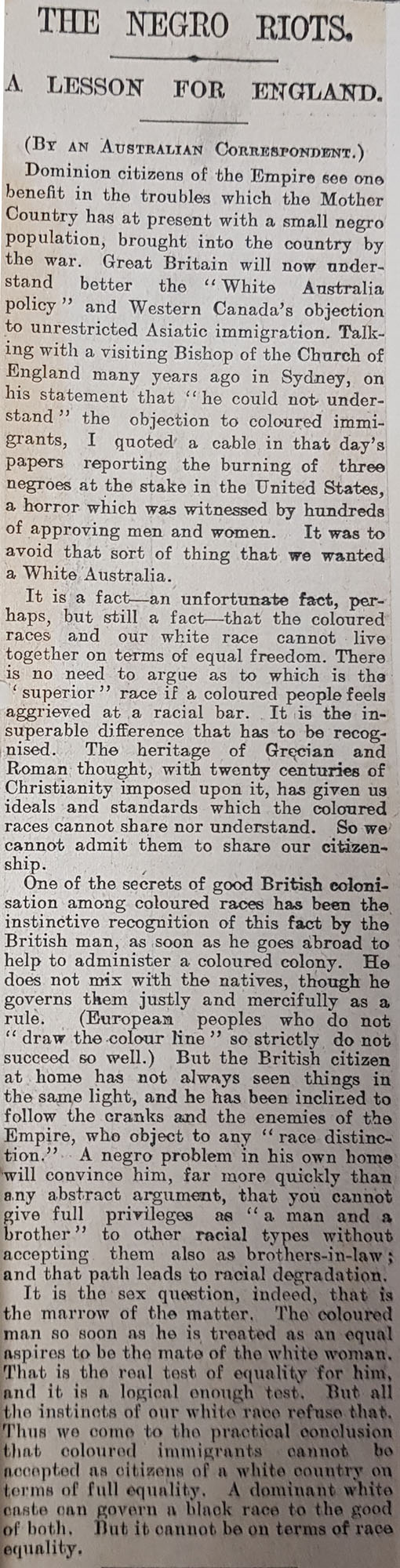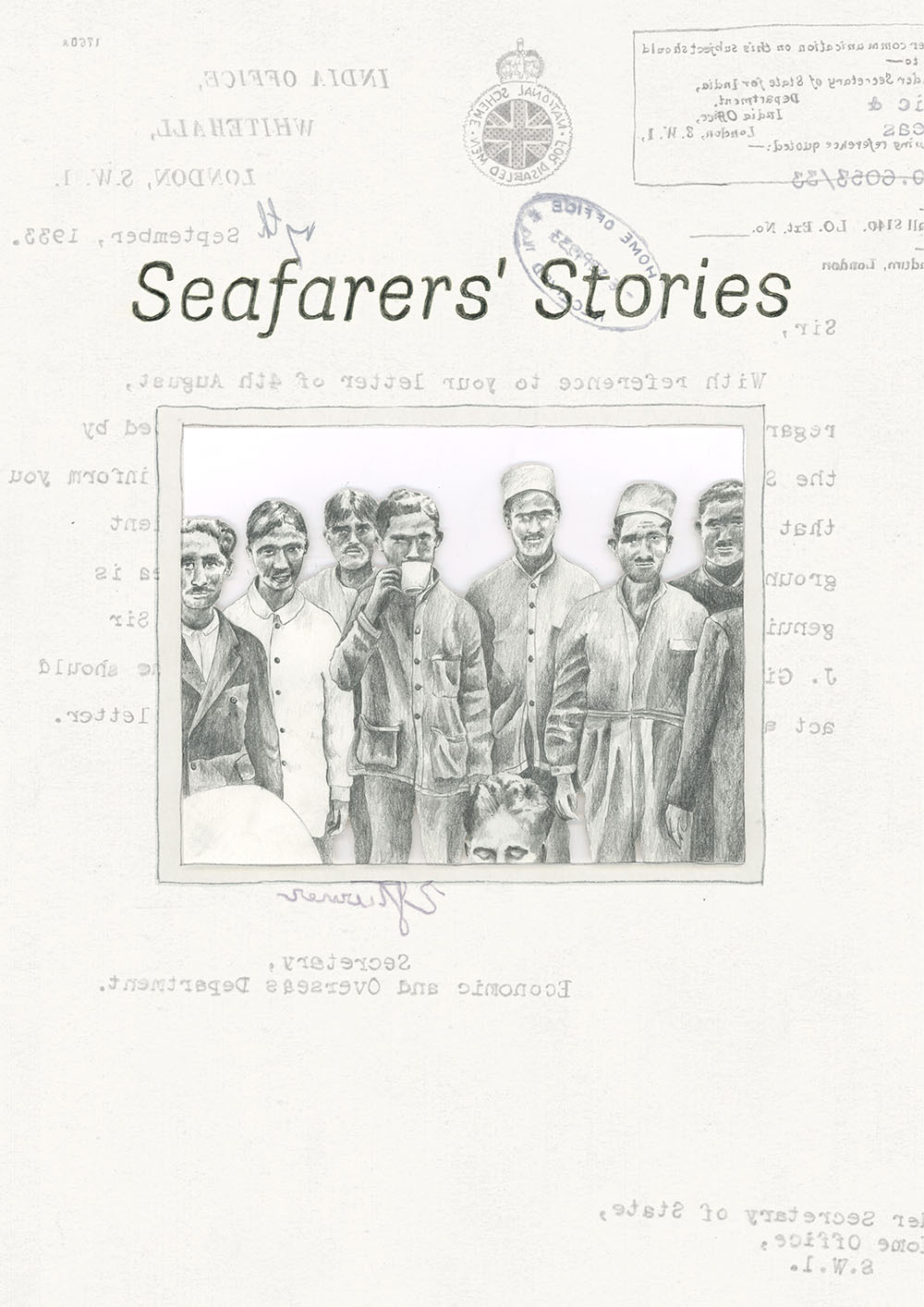
Read the ‘Seafarers Stories’ graphic novel here.
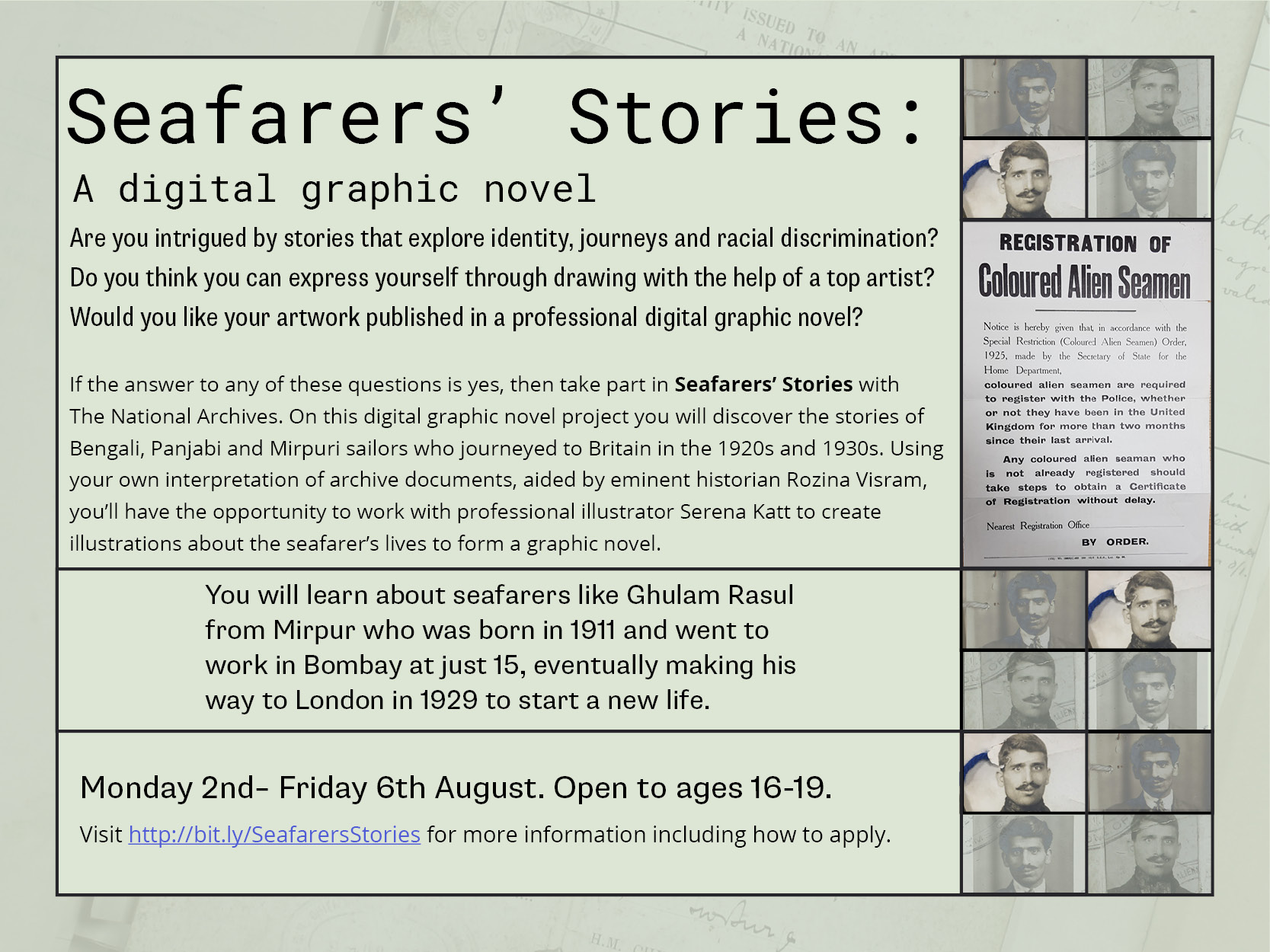
Our graphic novel project ‘Seafarers’ Stories’ ran online from Monday 2nd – Friday 6th August with a group of five young people (age 16-19 years).
Working with acclaimed illustrator Serena Katt the group learned how to create a graphic story.
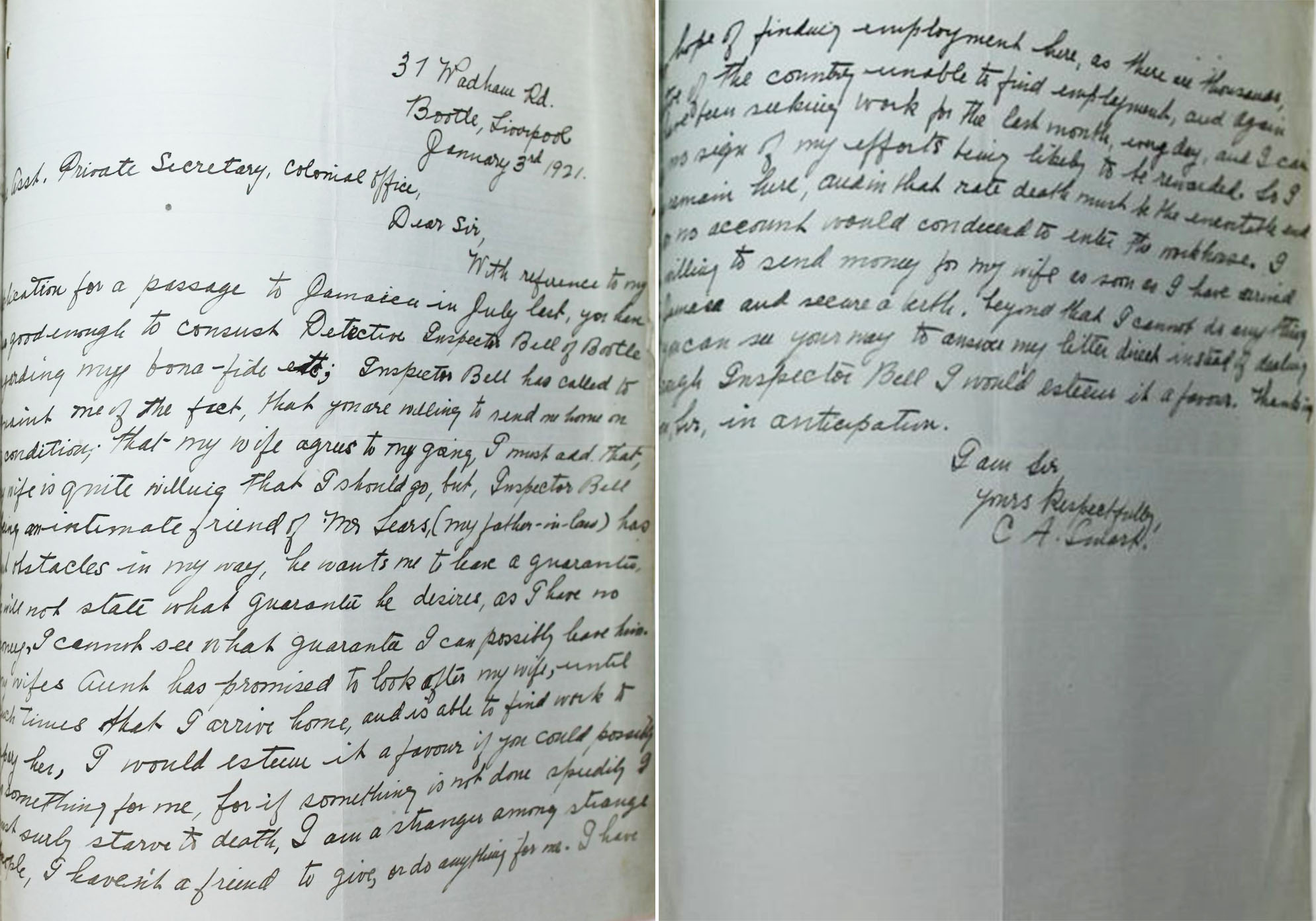
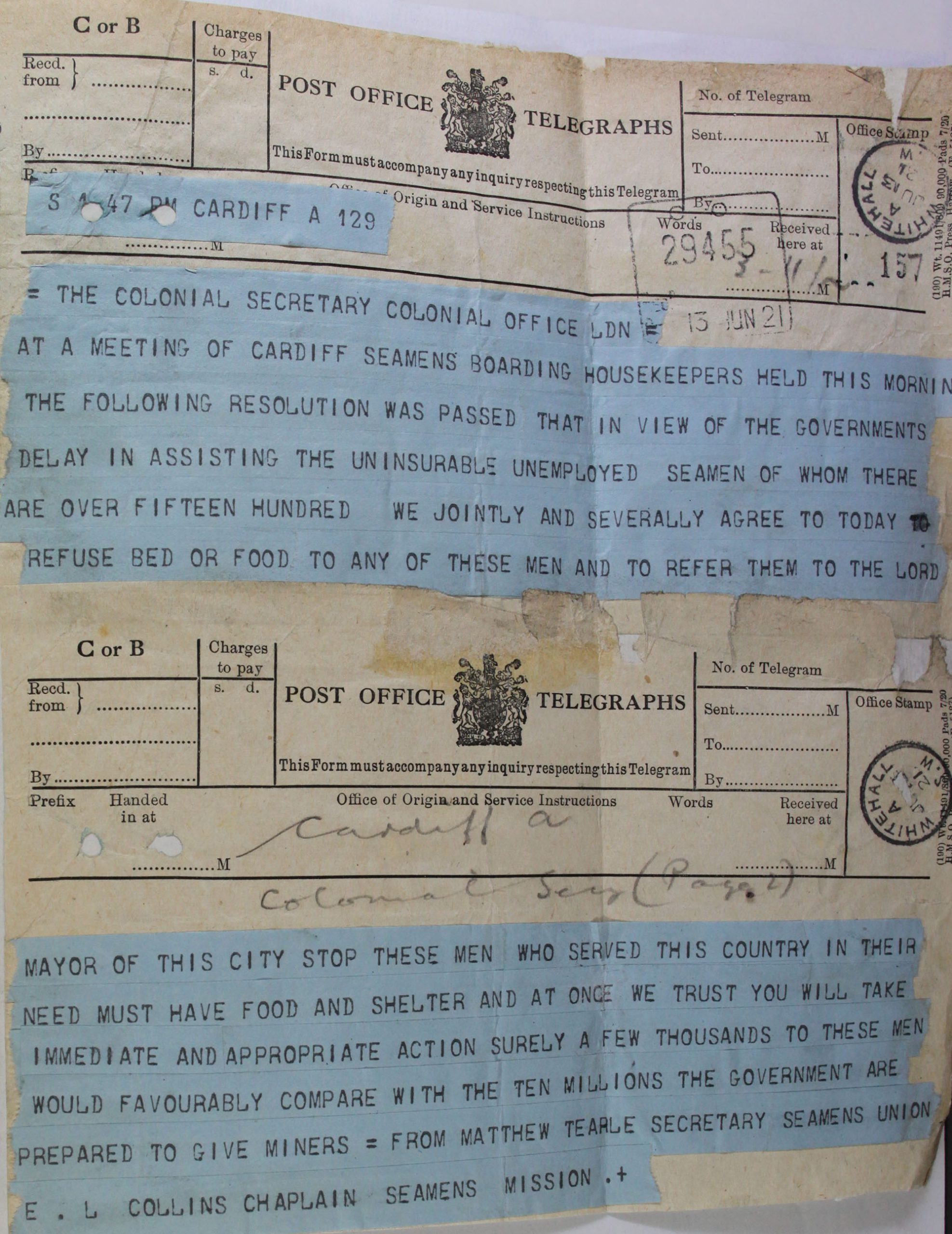
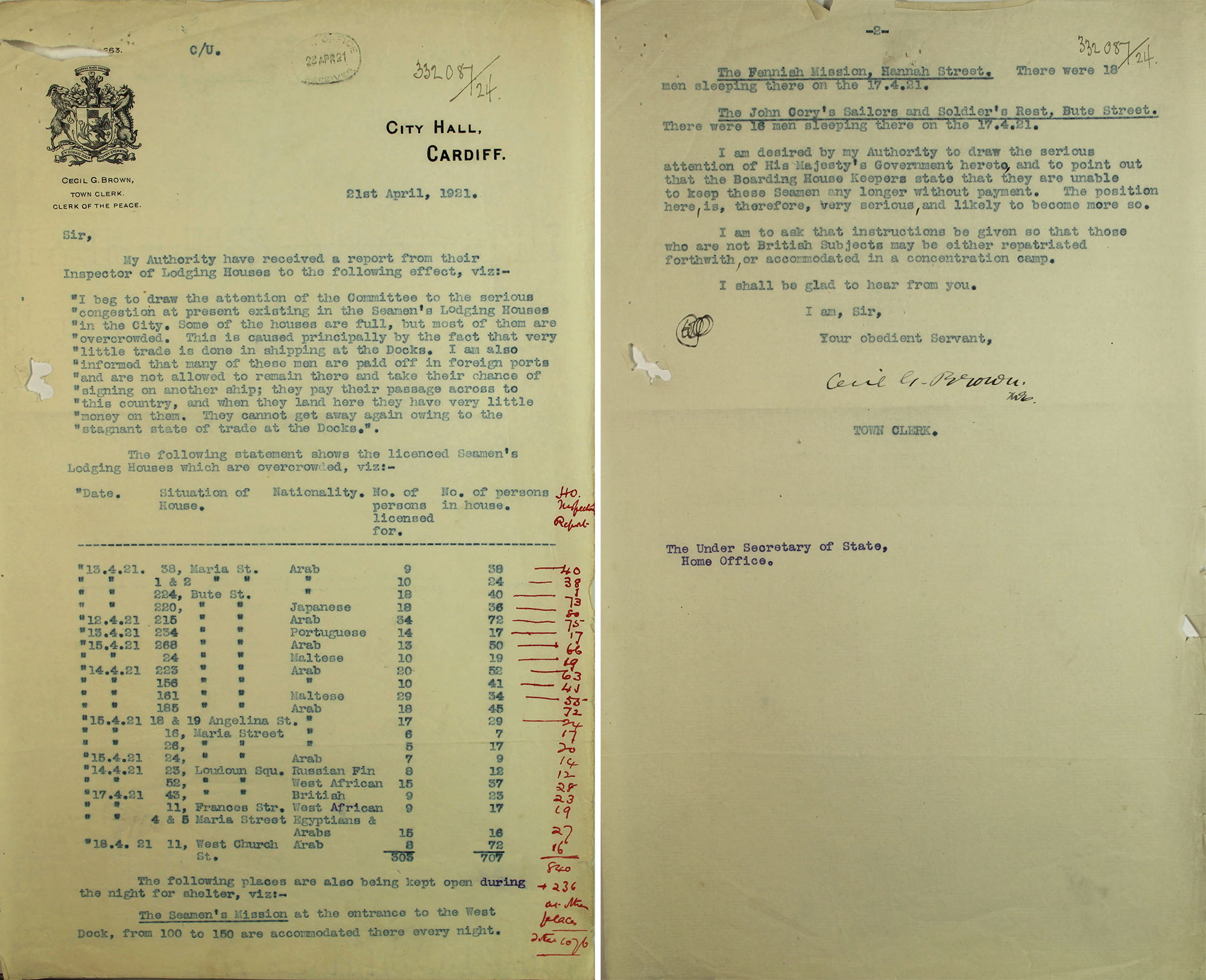
The content of the graphic novel was based directly on archival documents which tell the story of seafarers from Mirpur, Bengal and the Panjab, who travelled to Britain working on merchant ships in the 1920s-30s. These seafarers faced major challenges on board ships, and were forced to prove their status as British after migration legislation passed in 1925.
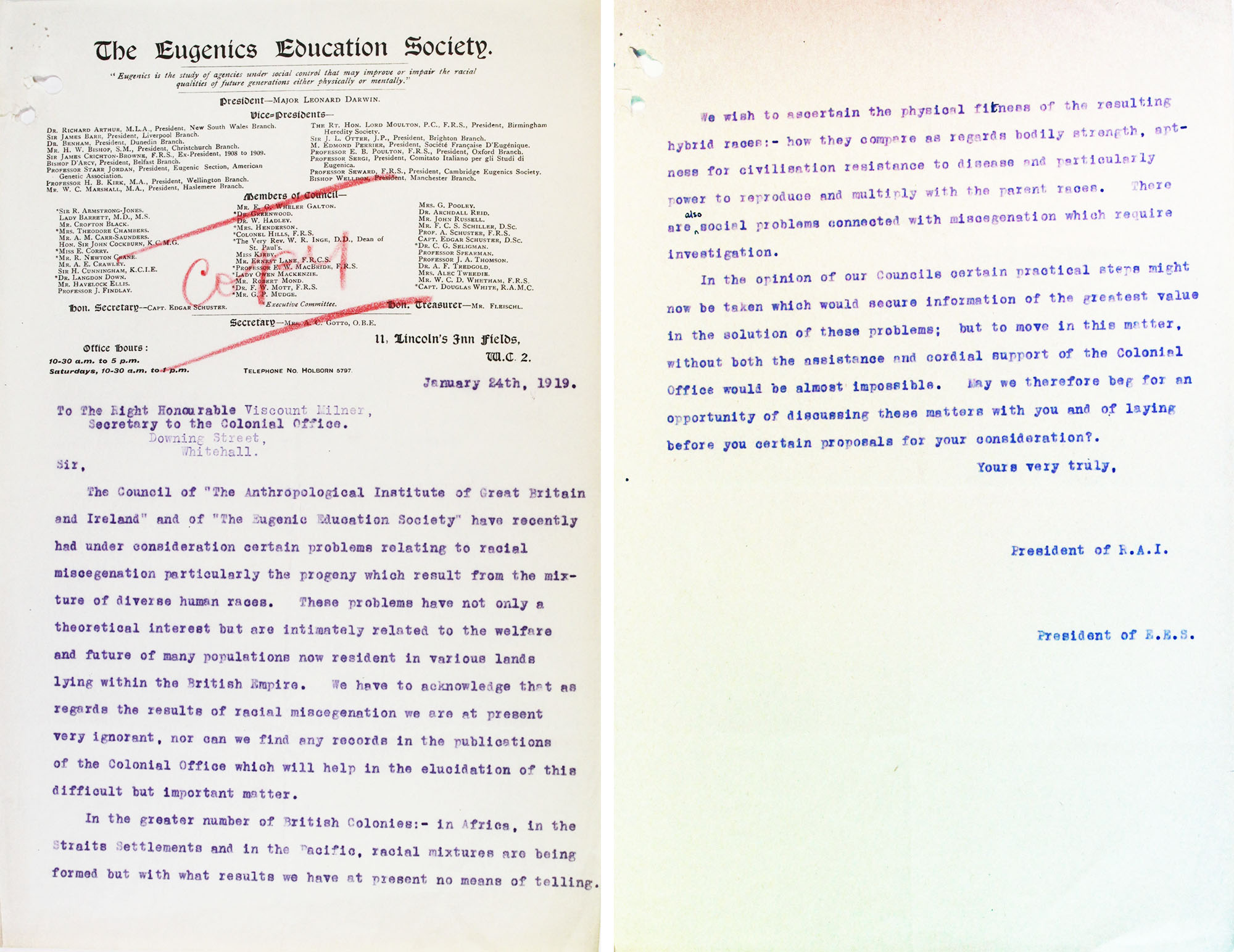
The young people worked with the Education team and Rozina Visram, pioneering historian of the Asian presence in Britain, to understand and interpret the records. They explored themes of identity, journeys and racial discrimination by scripting and illustrating their interpretations of the seafarers’ records.
The project also led to the creation of an online teaching resource.
Taking part in this project enabled the young people to:
- Research the historical context of the period using original documents about seafarers from Mirpur, Bengal and the Panjab
- Develop a greater understanding about the history of migration to Britain in the early 20th century
- To work with two professionals (Serena and Rozina) to plan, script and illustrate a graphic novel
- Connect and work creatively with like-minded young people despite the challenges of the pandemic and working remotely
- Take part in a unique project that combines historical stories from our records and creativity
- Produce a professional-looking published piece of work which could form part of an artistic portfolio for applying to art schools.

Welcome to a special episode of Time Travel TV, for Refugee Week 2021.
Learn about the story of refugee children who came to Britain in 1937, and think what ‘home’ means to you.
You will have the opportunity to listen to a real story about a Basque family
What can we learn from documents about Basque children’s experiences in refugee camps?

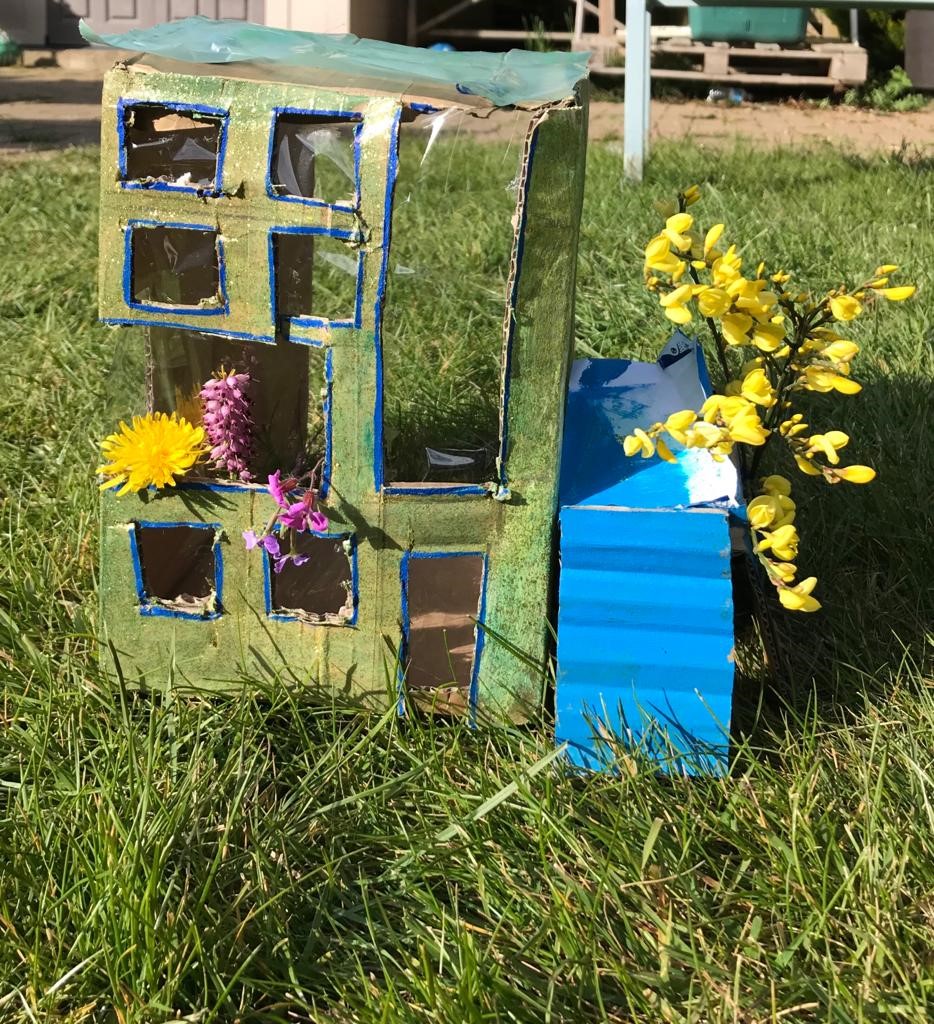
The National Archives’ family programme, the Time Travel Club, created special activities to help families continue engaging with the archive collection during the pandemic. Children were encouraged to complete the activities and submit their work to achieve a certificate for Arts Award: Discover at Home.
The theme was ‘Architecture as art’: using images of real archive documents, children learned about the history of famous buildings including Hampton Court Palace and the Natural History Museum, as well as exploring documents about the famous architect, Sir Christopher Wren.
The photos displayed in our Flickr gallery were taken by children to showcase their work, and the wonderful buildings they designed and built.