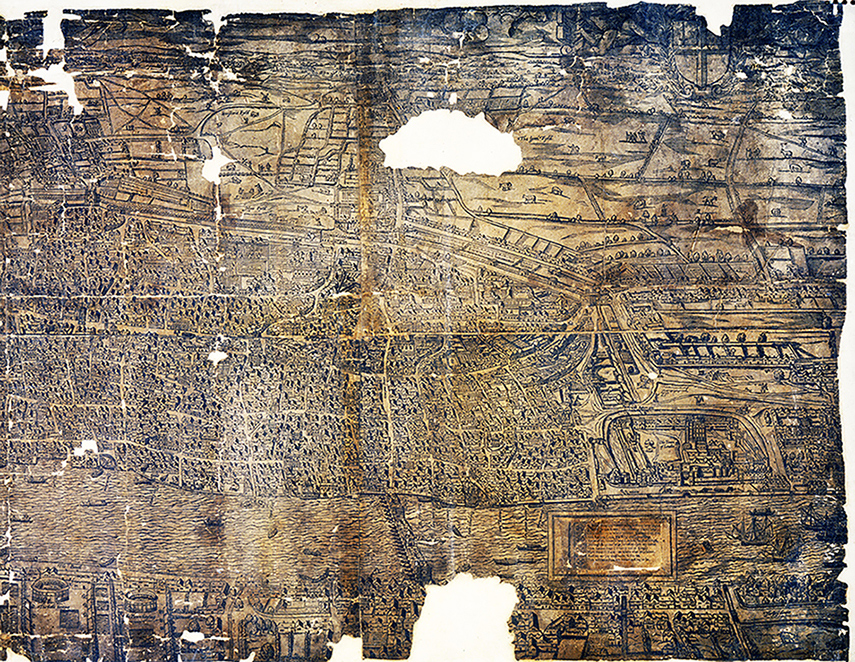
Have a look at the map showing London as it looked during the reign of Elizabeth I. Queen Elizabeth owned many palaces and castles around London and spent most of her time here.
Where is your closest beach?
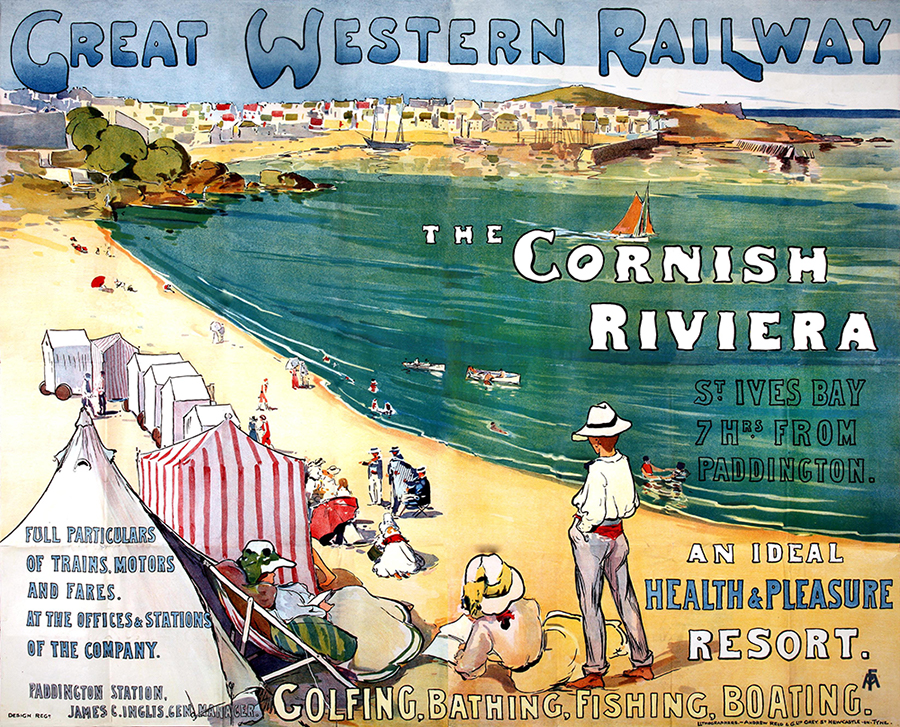
If you live in the UK then you are never very far from the coast – the furthest distance anyone needs to travel is 70 miles. Cars and trains have made it possible to have a day at the seaside no matter where you live.
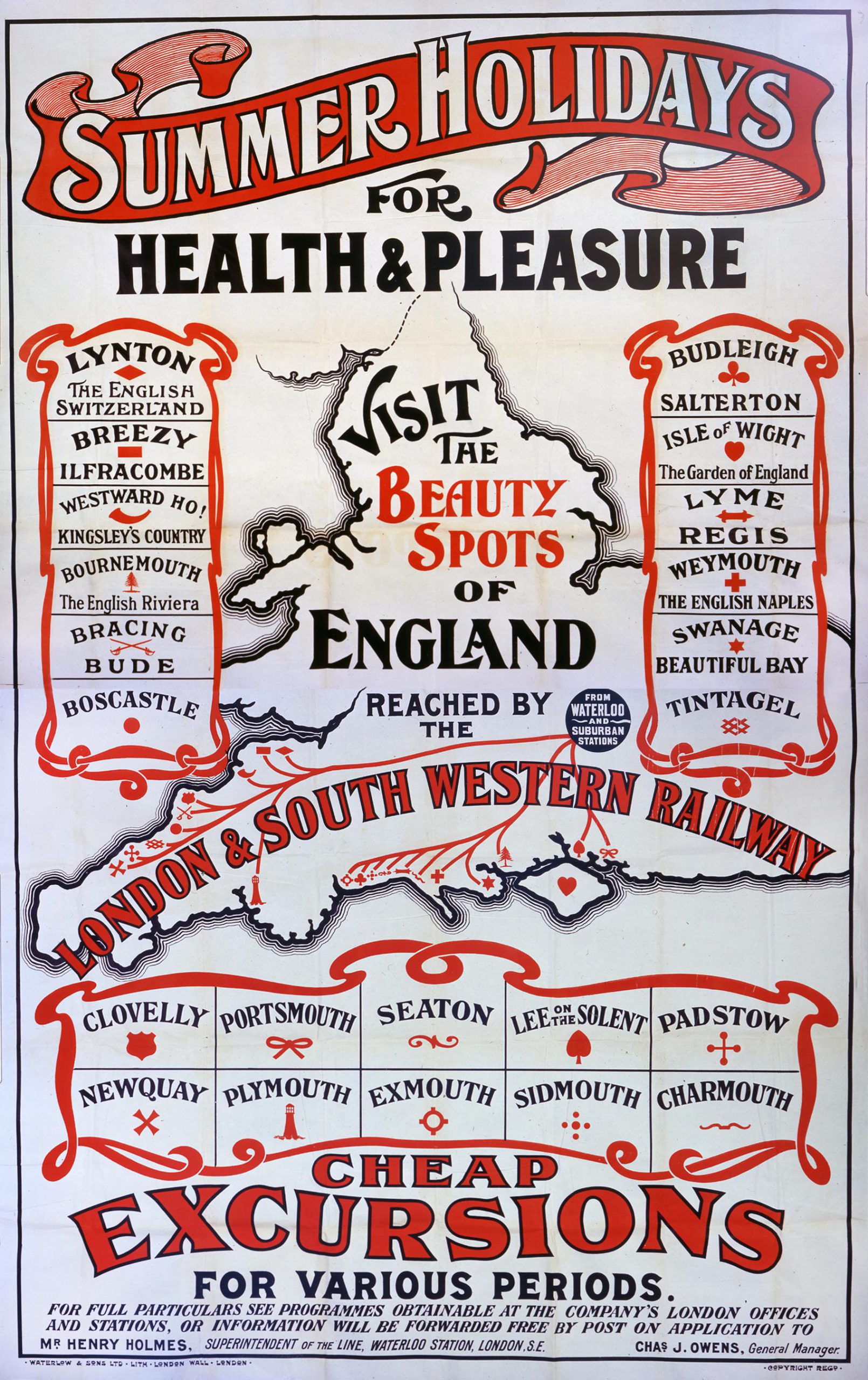
Until the 19th century this would have been an impossibility! Road travel by horse and carriage was expensive and time consuming. During the 19th century ‘Railway Mania’ saw a burst of railway building. £3 billion was spent on building the railways from 1845 to 1900. Trains provided an exciting and speedy way for those living in towns and cities to get away even for just the day –to the seaside!
Affordable holidays for all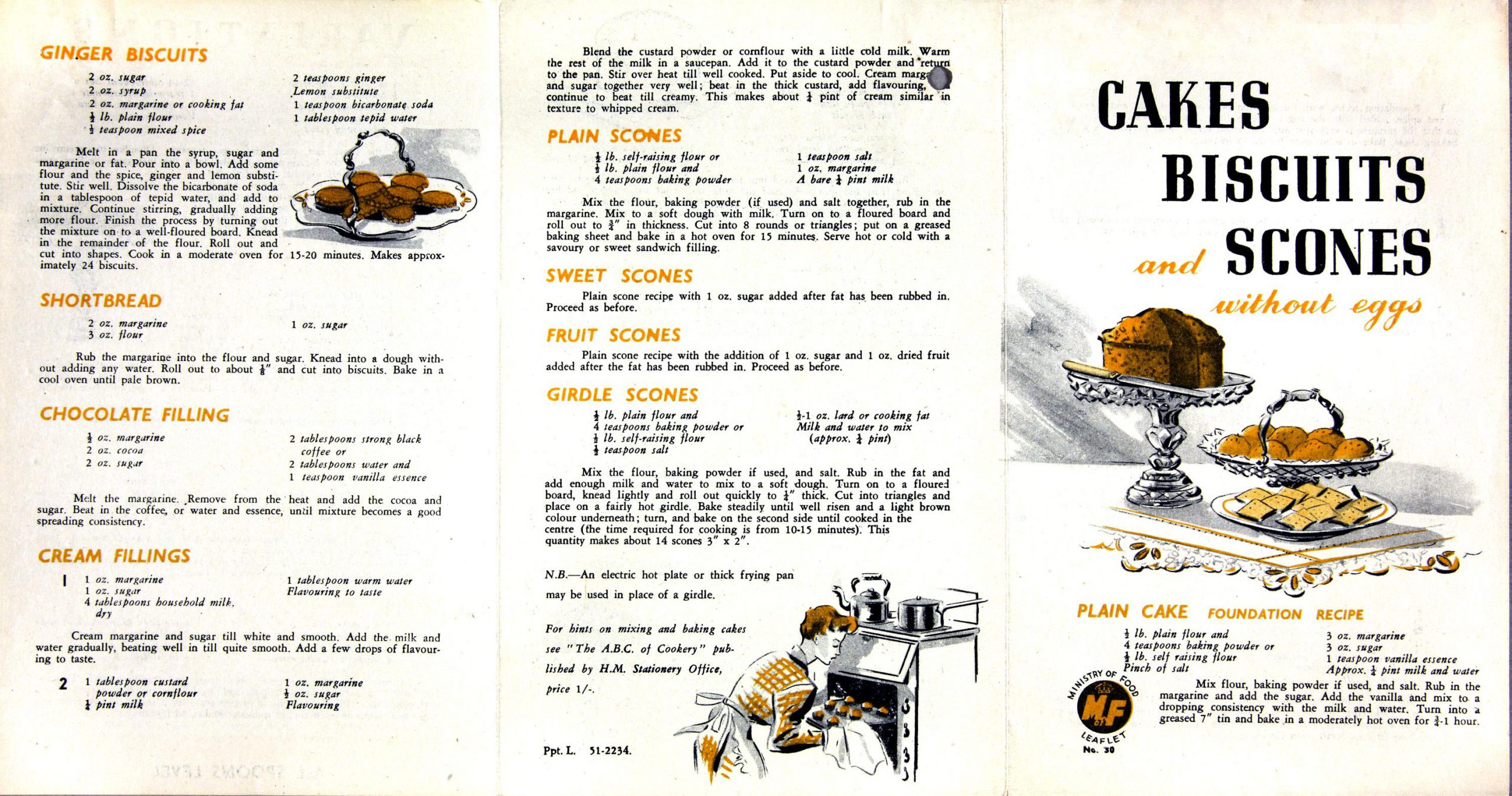
Do you know anyone who has spent time travelling abroad?
Sometimes older students finish school and save up money to go abroad. They might travel from place to place, looking for paid work as they go. It is an adventure. The idea is to experience new sights, cultures and people – and to learn about the world in a hands-on way rather than in school.
This tradition dates back to the 17th and 18th centuries, when it became very fashionable for wealthy young men (and later women too) to take the ‘Grand Tour’. At school, they would have learned about ancient French literature, Italian art and Greek philosophy from books.
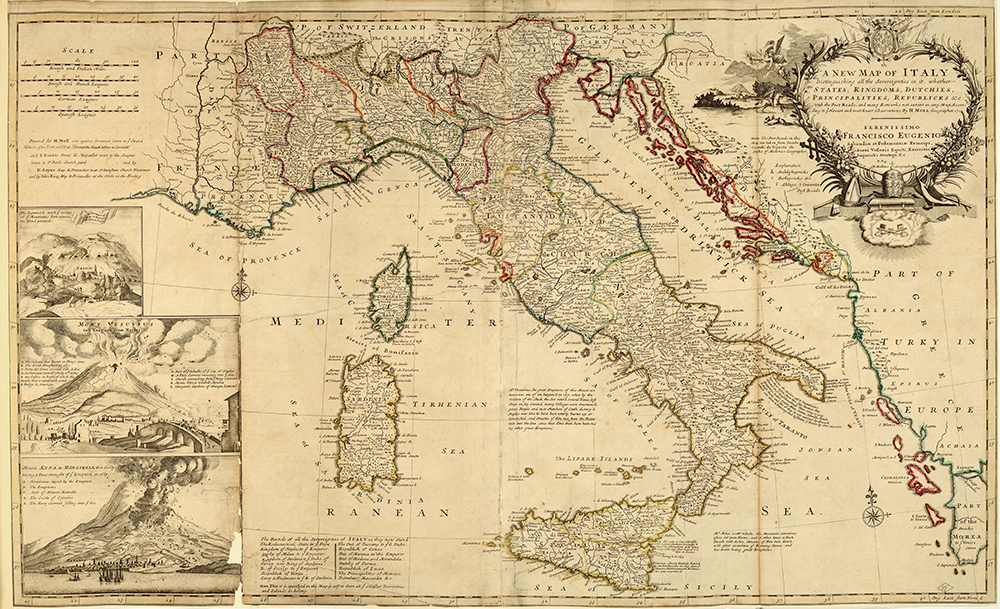
The Grand Tour encouraged students to travel to France, Italy or to Greece to see these things for themselves – to view the original paintings and to walk around famous buildings they had only seen images of in books before.
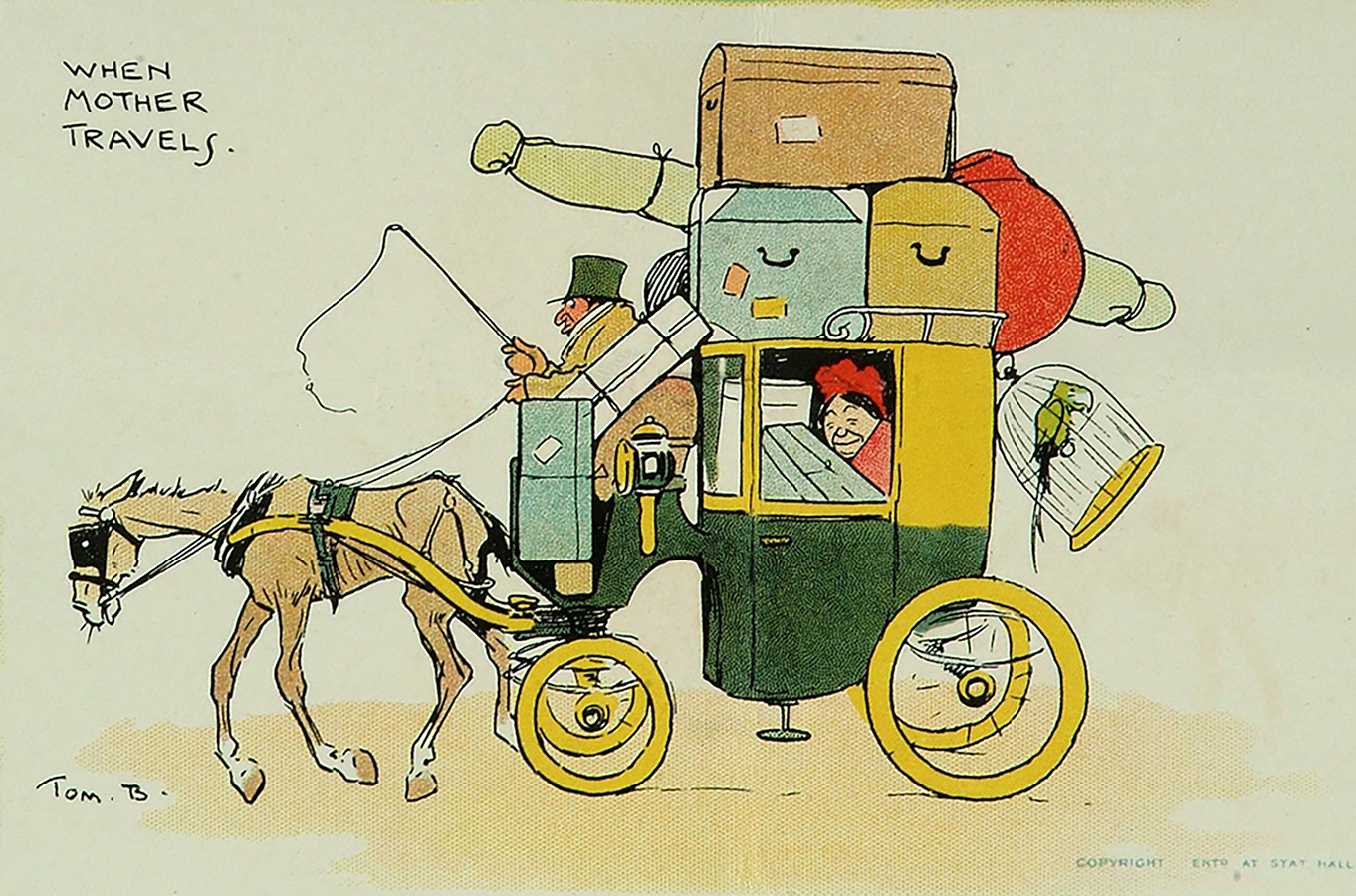
The very rich could afford to travel in horse-drawn carriages, and sometimes they might even have paid someone to carry them if the paths were too narrow. Only the very rich could afford the luxury of travel for fun, although the coming of the railways did bring the costs down a little towards the end of the 19th century.
What to expect in the online workshop:
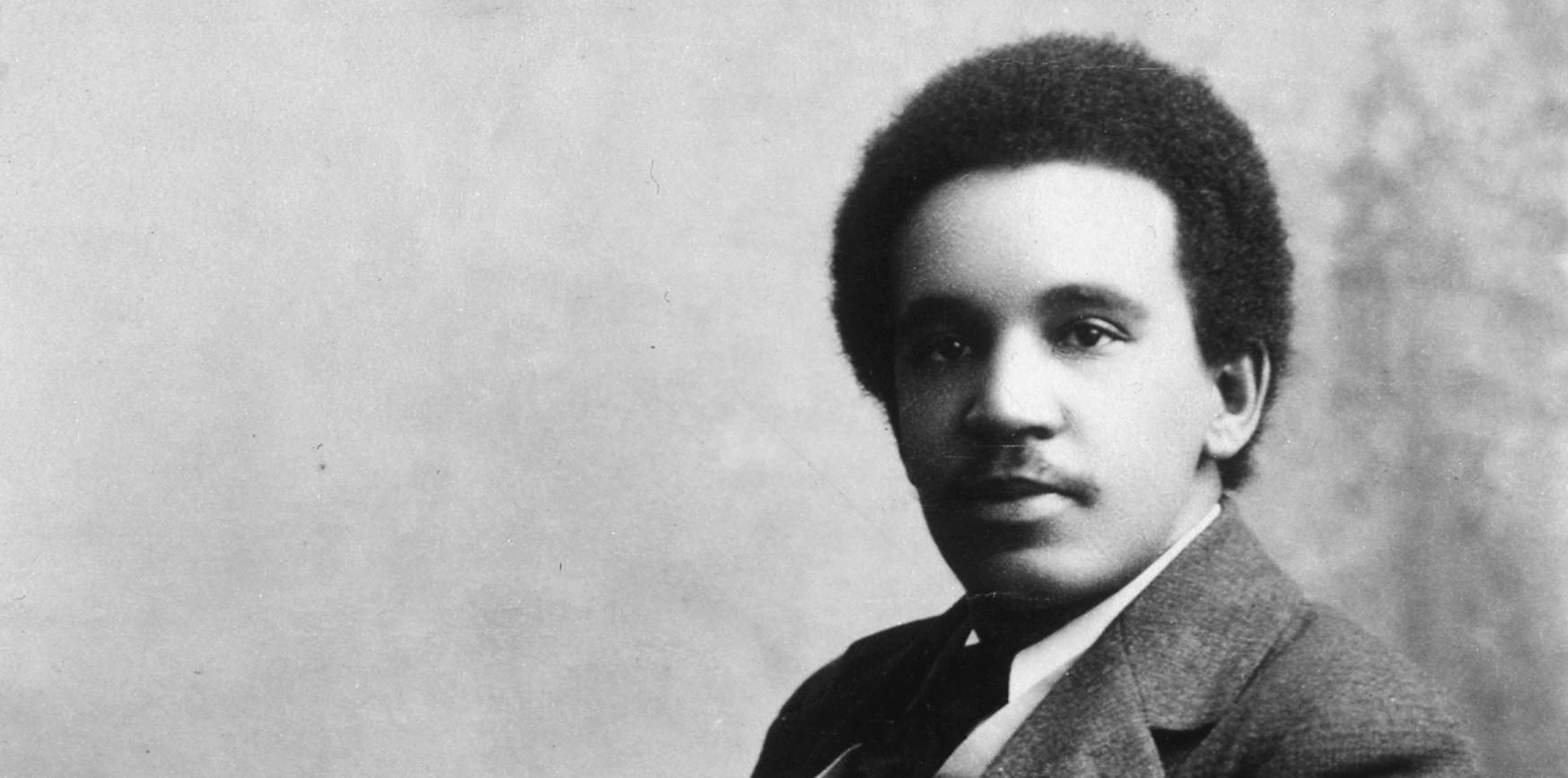
In this online workshop in your classroom students will use a range of different sources, including census records and photographs, to learn about the diverse lives of four Black individuals who lived in Britain in the Victorian era. Pupils investigate what documents can tell us about their lives, but also reflect on the questions they leave unanswered, and consider how these can act as a catalyst for further study. The session will explore themes of migration and identity and allow students to develop their historical enquiry skills by delving into an exciting and growing area of historical research.
The one-hour online session in your classroom is led by an experienced history educator, you only need a microphone, large screen and webcam to take part. Interactive activities encourage students to discuss their ideas and work in groups using high-quality materials provided in advance by the Education team.
*Note we will adapt the timing of the workshop to fit with your lesson times.
Connections to the curriculum: Victorians, Black History, Migration, British Empire.
What to expect in the onsite workshop:
In this onsite workshop students will use a range of different sources, including census records and photographs, to learn about the diverse lives of six Black individuals who lived in Britain in the Victorian era. Pupils investigate what documents can tell us about their lives, but also reflect on the questions they leave unanswered, and consider how these can act as a catalyst for further study. The session will explore themes of migration and identity and allow students to develop their historical enquiry skills by delving into an exciting and growing area of historical research.
The two-hour workshop is led by an experienced history educator in an inspiring learning space at The National Archives in Kew.
How much can documents reveal about the lives of Black people in Victorian Britain?
Welcome to a special episode of Craft Club for Refugee Week. The creative activity is brought to you by Rana, an artist who works in museums. Rana will tell you about the journey which inspired her zig-zag book and she will tell you how you can create your own.
Materials list:
- 4 sheets of thick A4 paper or card
- Scissors
- Glue stick
- Sticky tape
- Bowl of warm water
You can decide which images to use in your book after watching the video
Refugee Week 2021