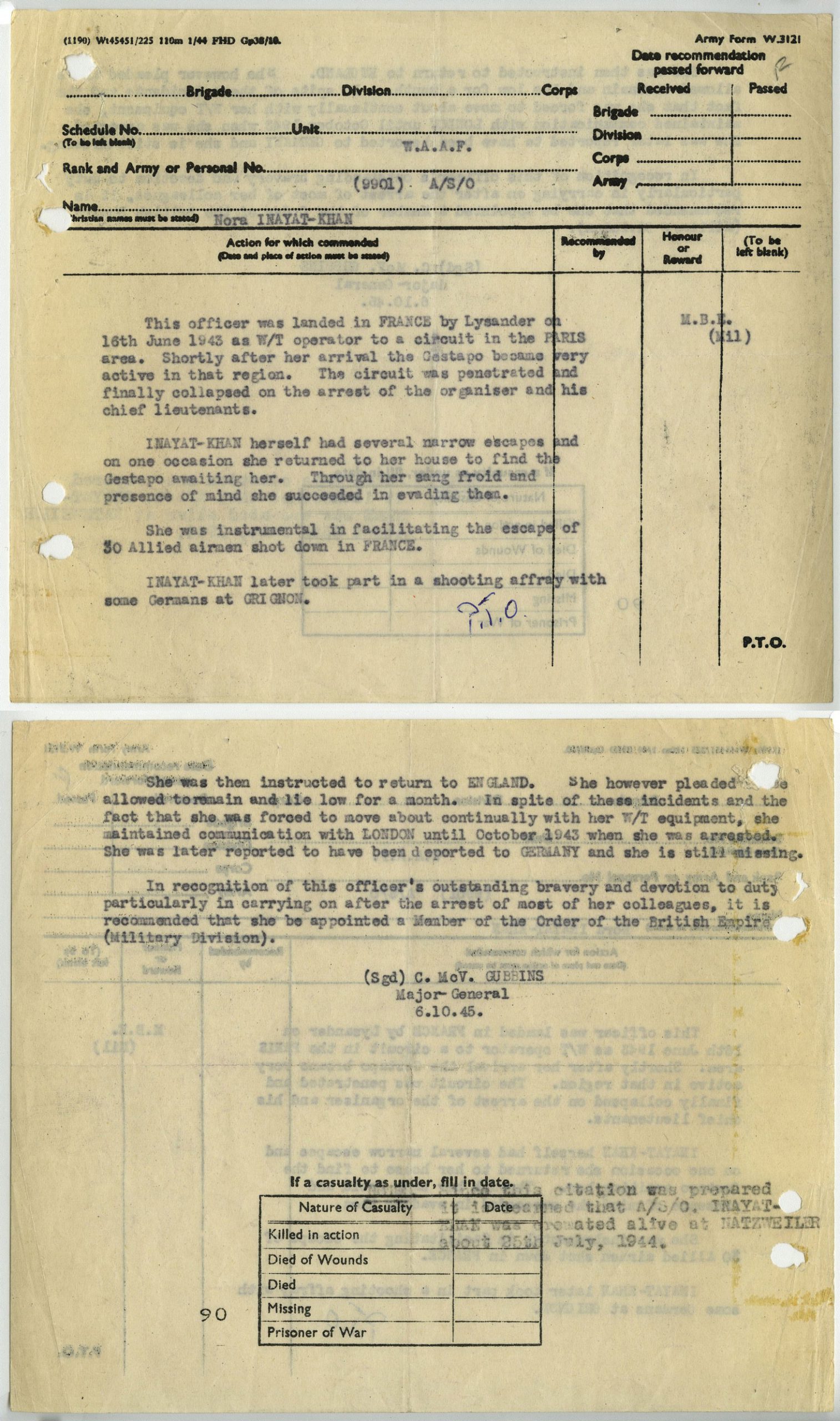
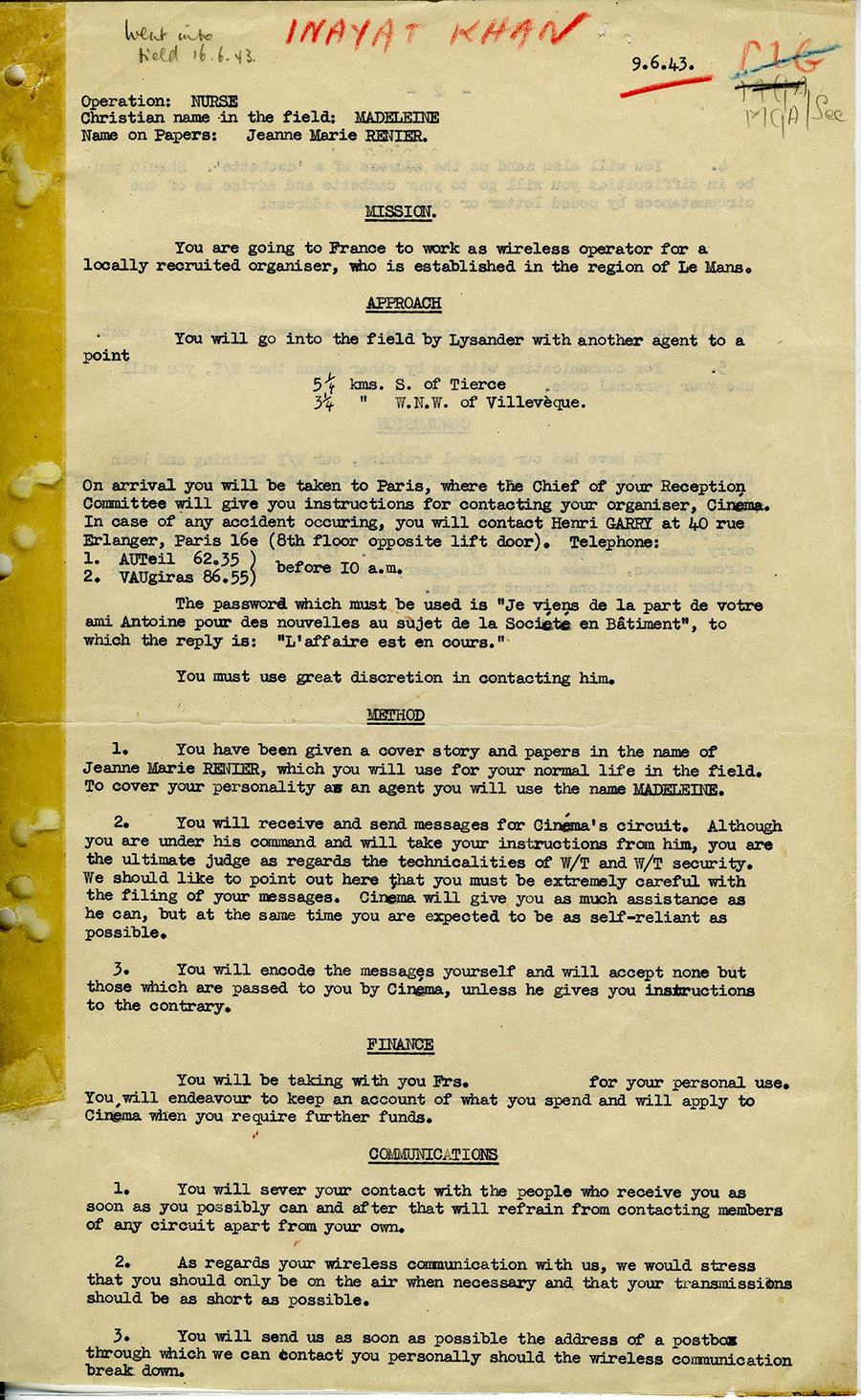
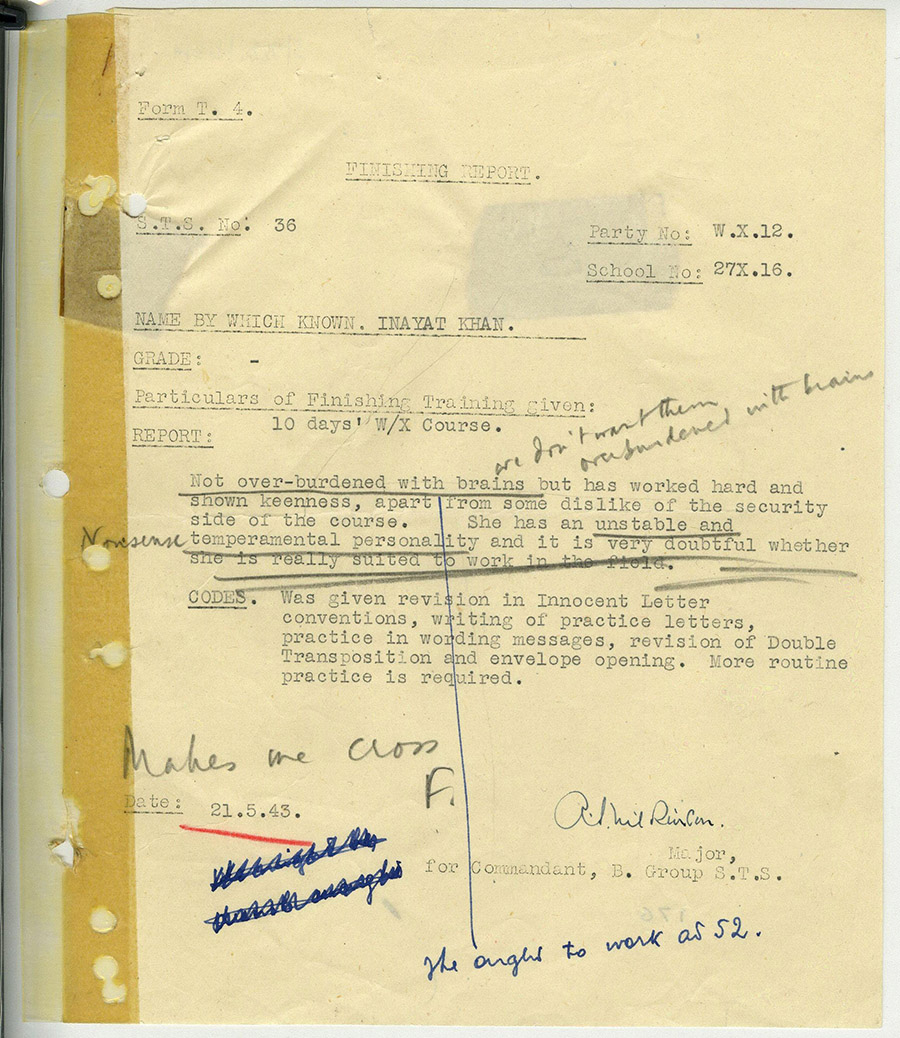
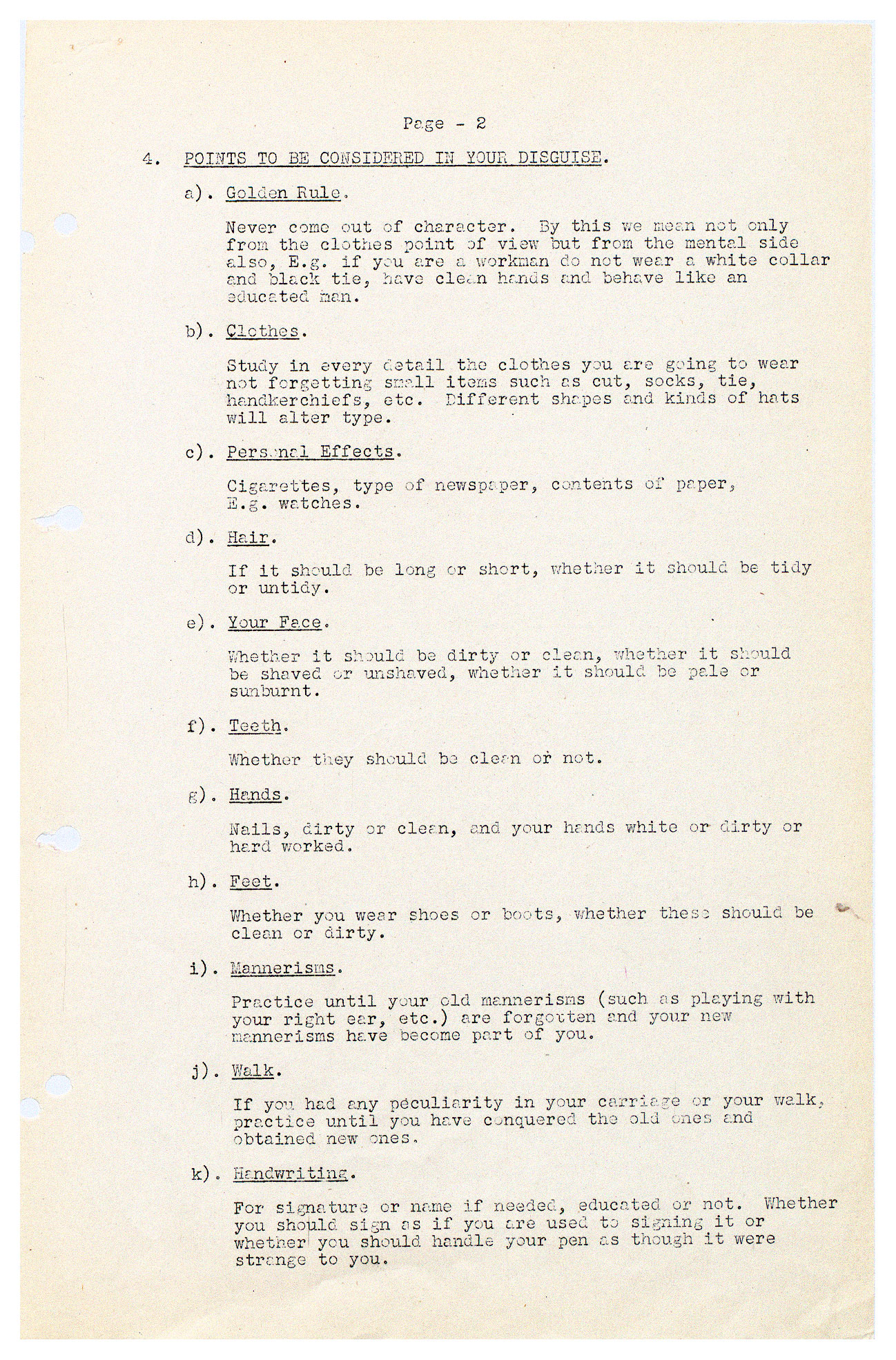
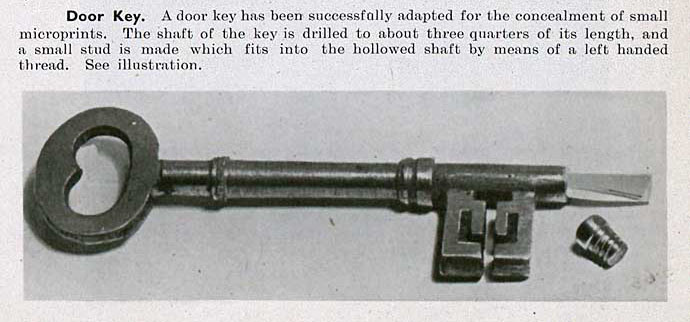
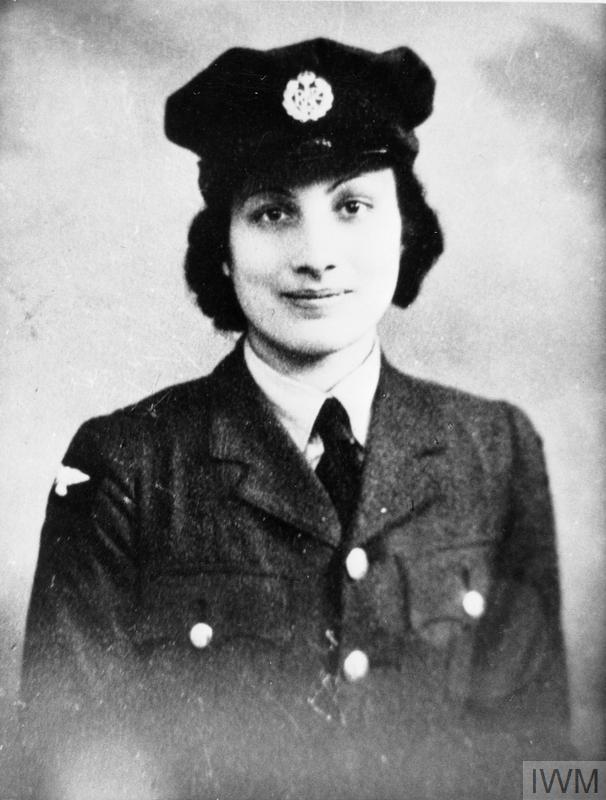

Delve into some of the exciting files held at The National Archives, to find out all about the role of the Special Operations Executive (SOE) during the Second World War and the experience of one individual woman – Noor Inayat Khan. We’ve selected a range of documents to help your pupils learn more about the world of espionage in the 1940s, including photographs, reports and guidance for spies!
Noor-Un-Nissa Inayat Khan, Noor Inayat Khan, Nora Baker or codename Madeline was a British spy who served in the Second World War in the Secret Operations Executive. She was the first female wireless operator to be dropped into occupied France to help the resistance and send messages back Britain. The following documents give an insight into her training record with the SOE and her ultimate demise at the hands of the Nazis.
We recommend you follow the six sections below in order, but you don’t need to use every image or do every suggested activity. Just choose or adapt the ones that are most suitable for your pupils.
The following activities are multi-sensory, which is the recommended approach for teaching pupils with dyslexia. They include sound files, ideas for further discussion, video and a range of activities aimed at making the work hands-on with less focus on reading and writing – hopefully something for everybody.
You may even come up with some ideas of your own for activities based on our images. If you do, we’d love to hear about them! Share them with us at education@nationalarchives.gov.uk.
Suitable for: Students working from KS2.
Download the lesson resources as a zip file
NC links: History (Second World War).
- Know and understand the history of these islands as a coherent, chronological narrative, from the earliest times to the present day: how people’s lives have shaped this nation and how Britain has been influenced and influenced the wider world.
- Understand the methods of historical enquiry, including how evidence is used rigorously to make historical claims, and discern how and why contrasting arguments and interpretations of the past have been constructed.
- A study of an aspect or theme in British History that extends the pupils’ chronological knowledge beyond 1066.
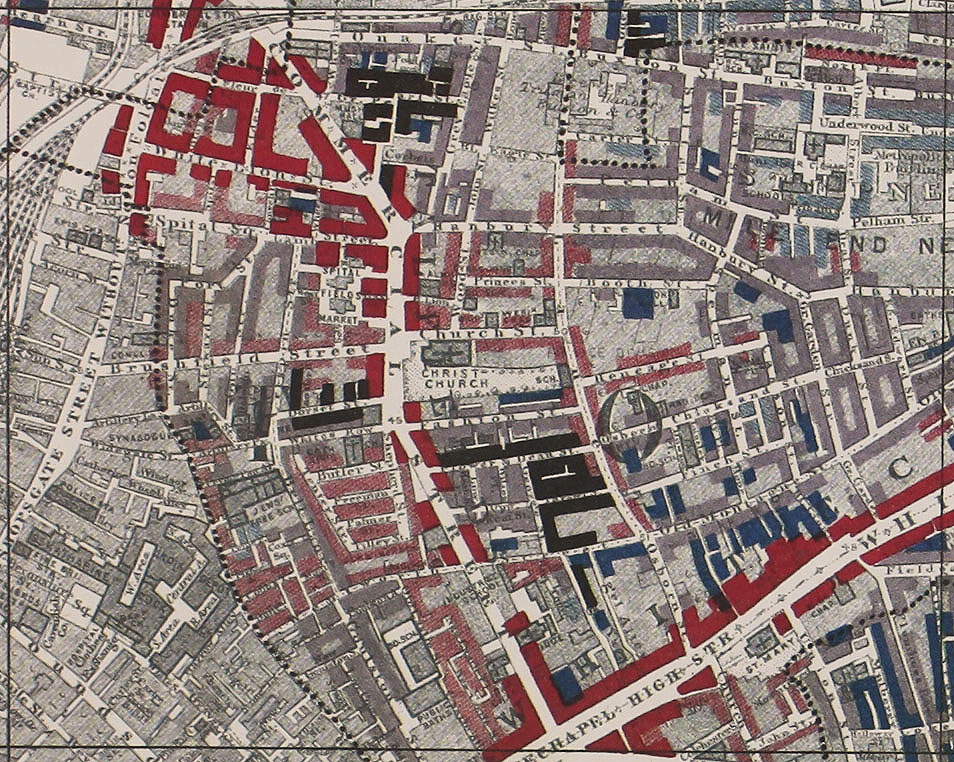
Look at Source One and Source Two.
These maps cover the area of Spitalfields where our case study individuals lived.
Source One – The Booth Map:
- Can you find Commercial Street, Elder Street and Great Pearl Street (with Little Pearl Street leading off it to the south) on the map?
- What is being represented by the colour key of the map?
- What colours are Elder Street and Great Pearl Street?
- What does the map tell you about the living conditions of these roads?
Source Two – The Ordnance Survey Map:
- Can you find Commercial Street, Elder Street and Great Pearl Street (with Little Pearl Street leading off it to the south) on the map?
- What buildings are named on the OS Map? What do they tell you about the area?
- P.H. stands for Public House or Pub, how many can you find in the area?
Sources One and Two:
- What other features can you find on both maps? (Train stations, markets, churches etc.)
- What do these features tell you about the area?
Look at Source Three
As part of Charles Booth’s research for his poverty map he sent inspectors to accompany police officers on their beats, walking around the streets of London and making notes on their observations. On March 17th 1898 George Duckworth walked with Sergeant French around the area west of Commercial Street before covering the area to the east on the 18th.
- How does George Duckworth describe the area and its inhabitants?
- Highlight the different nationalities and religions you can find mentioned. What does this tell you about the area?
- What occupations are listed?
How does the description given here compare to your understanding of the area from the maps?
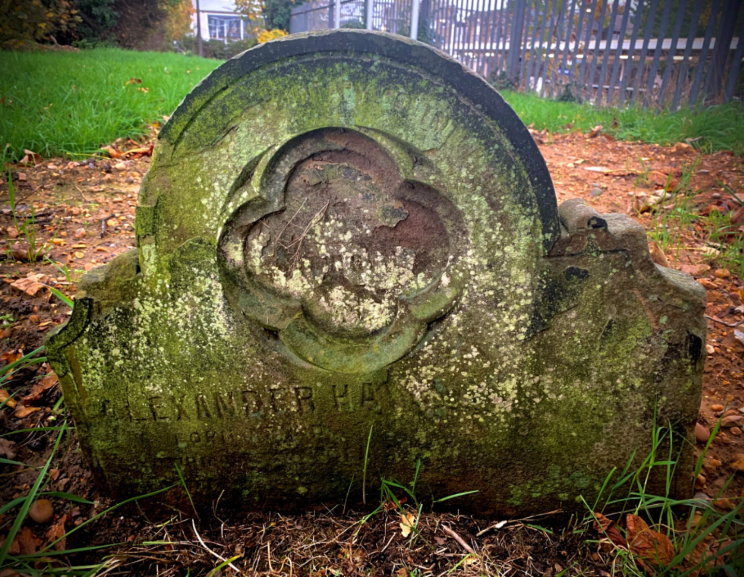
Source one:
1. What can you find out about Alexander Munroe from this document?
Source two:
2. What has happened to Alexander Munroe?
3. What does Thomas M’Carthy’s arrest tell you about Whitechapel at the time?
4. How long had Alexander lived at the boarding house? What does this tell you about his life?
Source three (a) and three (b):
5. What can you learn about the relationship between Munroe and Hewington from these documents?
6. How did the landlord react to the event? What does this tell you about Whitechapel at the time?
7. What does the nurse say about Alexander’s reaction?
Source four:
8. What occupation does the illustrated Police News give for Alexander? Does this match the other documents?
9. Why does an ‘illustrated police news’ exist? What does it tell you about life at the time?
10. Does the portrayal match the other reports?
Sources five (a) and five (b):
11. What does the document reveal about the relationship between Alexander Munroe and Ching Hook?
12. What was the Professional Boxing Association opinion of Alexander?
13. How would you describe Alexander’s funeral from the document?
14. What does this reveal about his life in Whitechapel?
Add these details to your timeline
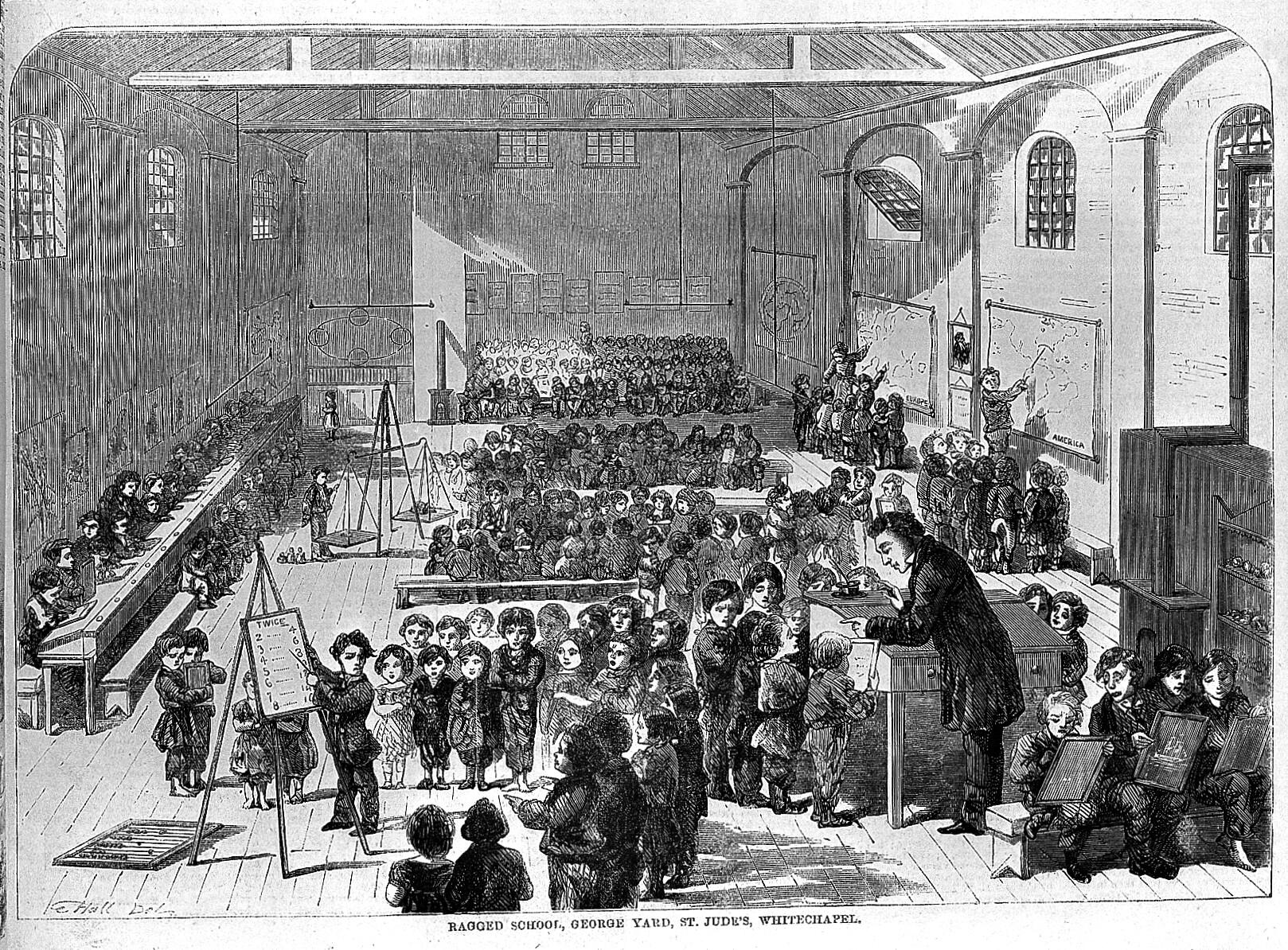
Source one:
1. What can you learn about Eliza Moscow from this document?
2. George Yard School is a ‘ragged’ school. What does this tell you about Eliza’s life?
Source two:
3. What can you learn about Eliza Moscow from this document?
4. Where was Eliza’s previous school according to this document? What might that suggest about her life?
Source three:
5. What can you learn about Mary and Eliza’s life from this document?
6. How would you describe their living situation?
7. What else can the census tell you about the area?
Source four:
8. What can you learn about Eliza’s life from this document?
Add these details to your timeline