Source one:
1. What information does this census page reveal about the Maddin family?
2. Where have the family migrated from?
3. What professions can you see on the page? What does this suggest about the area?
4. How old is Mary Maddin in 1881
Source two:
5. What can you discover about the lives of Hezekiah and Mary Mosocw from this census record? Include as much detail as possible.
6. How many rooms do they have? How does this compare to their neighbours?
7. What else does the census tell you about the area?
Source three:
8. Why is Marian writing to the editor of ‘Sporting Life’?
9. What does this suggest about her life at this time?
10. Mary has written her name as Marian here, what does this suggest about the tone she is trying to portray?
Source four:
11. Why is Mary in the workhouse?
12. What can you learn about her life at the time from this document?
Add these details to your timeline
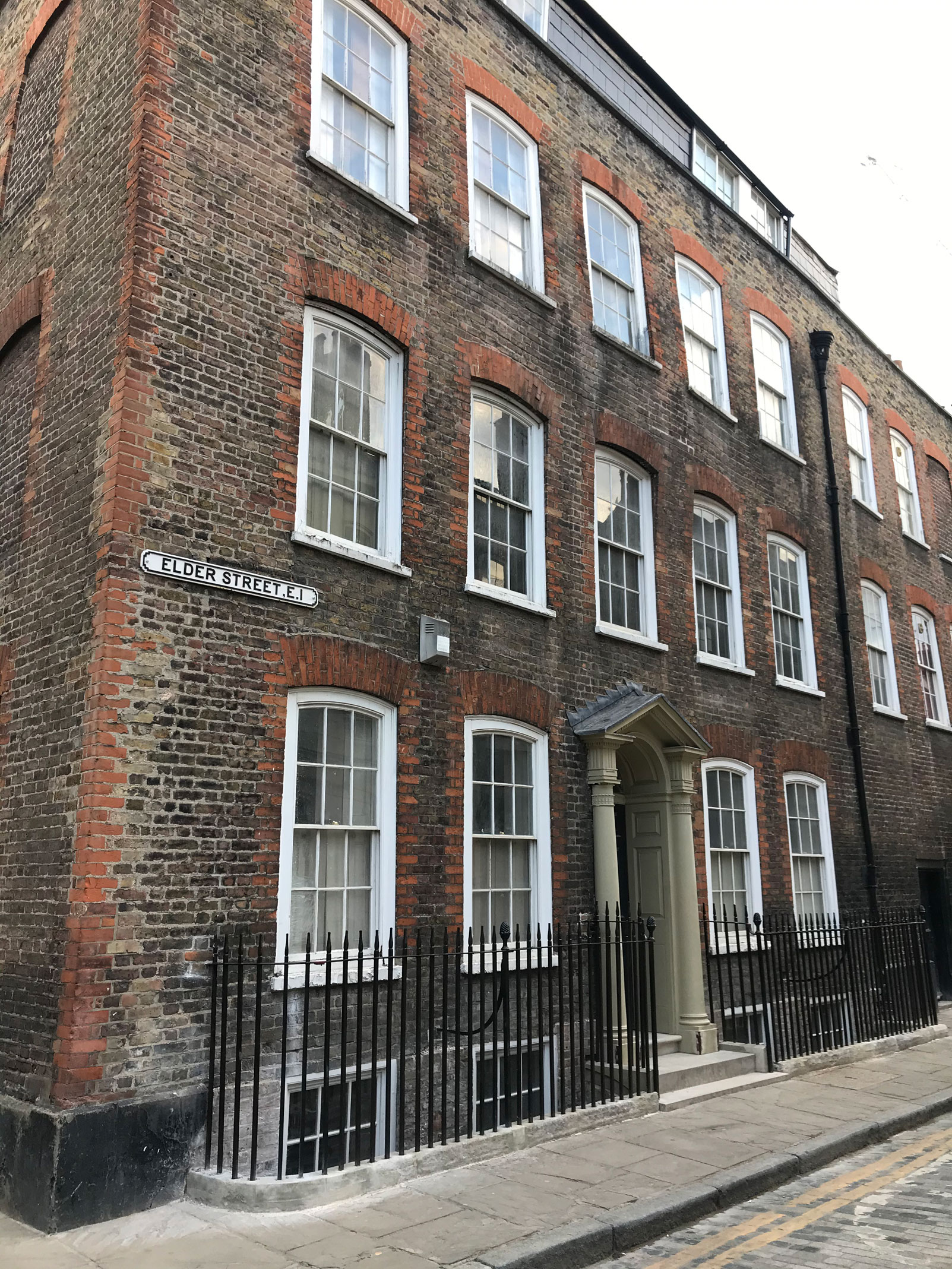
Whitechapel in the late 1800s was an area of overpopulation, industry and crime. With such wide systemic issues it can be easy to lose sight of the experiences of the individuals who lived in the area. This lesson explores the historic environment through the interconnected lives of four individuals who lived in the area during the 1880s. What can the stories of two West Indian boxers, the daughter of an Irish carpet maker and a child born in Whitechapel itself reveal about the challenges and benefits of living around Commercial Street in the Victorian era?
What do the documents reveal about the inhabitants?Whitechapel in London during the Victorian era was an area of industry and mixed opportunity. For several hundred years it had been home to tanneries, foundries and breweries. These are the types of industry that are necessary for the creation of goods for a city but unpleasant to keep close by with smells and sounds that would disturb the upper classes. As the industrial revolution took hold, Whitechapel and the other Tower Hamlets became a hub of immigration with thousands arriving looking for work from England, Ireland and further afield. With docklands to the south and new rail connections to the rest of the country, 1800s Whitechapel became the ideal home for manufacturers and merchants looking to make and sell their wares to the people of London and beyond. However, industry led to overcrowding and jobseekers soon outnumbered available work.
In 1839 the average life expectancy of a labourer in the area of Brick Lane was only 16 years and for tradesmen was 26. Sanitation was poor, pubs and gin palaces were widespread and crime and poverty rates were sky high. By the late 1800s reformers and philanthropists like Charles Booth and George Peabody were taking note of the terrible conditions and creating schemes to address the needs of the poor. Booth’s survey of London went street to street, observing the population and their circumstances and creating a map of London which showed the most poverty stricken areas. Peabody established a model dwellings company and a charitable trust to create affordable housing for those in need. The first such building opened on 29 February 1864 on Commercial Street, Spitalfields and saw 57 dwellings with shared bathing and laundry facilities and nine shops to be run by the inhabitants on the ground floor.
It is the area around Commercial Street, to the immediate east and west, that this resource focuses on by looking at the interconnected lives of four inhabitants. The documents explore the lives of these figures, their employment and living situations, their community and prospects. It is easy to make summarising statements about the situation in Whitechapel using the large scale facts and statistics and forget that the thousands of people living in these areas had full lives beyond the small glimpses in the record. This resource aims to put the facts and statistics into the context of lives on the ground and provide a fuller picture of life in 1880s Whitechapel.
Source one:
1. What kind of attractions can you see at the East London Aquarium?
2. What animals can you see?
3. This is situated in the Whitechapel area – can everyone go?
Source two:
4. What has Hezekiah Moscow been accused of?
5. Does the author agree with the charge? What reasons do they give?
Source three (a) and three (b):
6. What is this man’s name and occupation?
7. Why do you think these photographs have been taken?
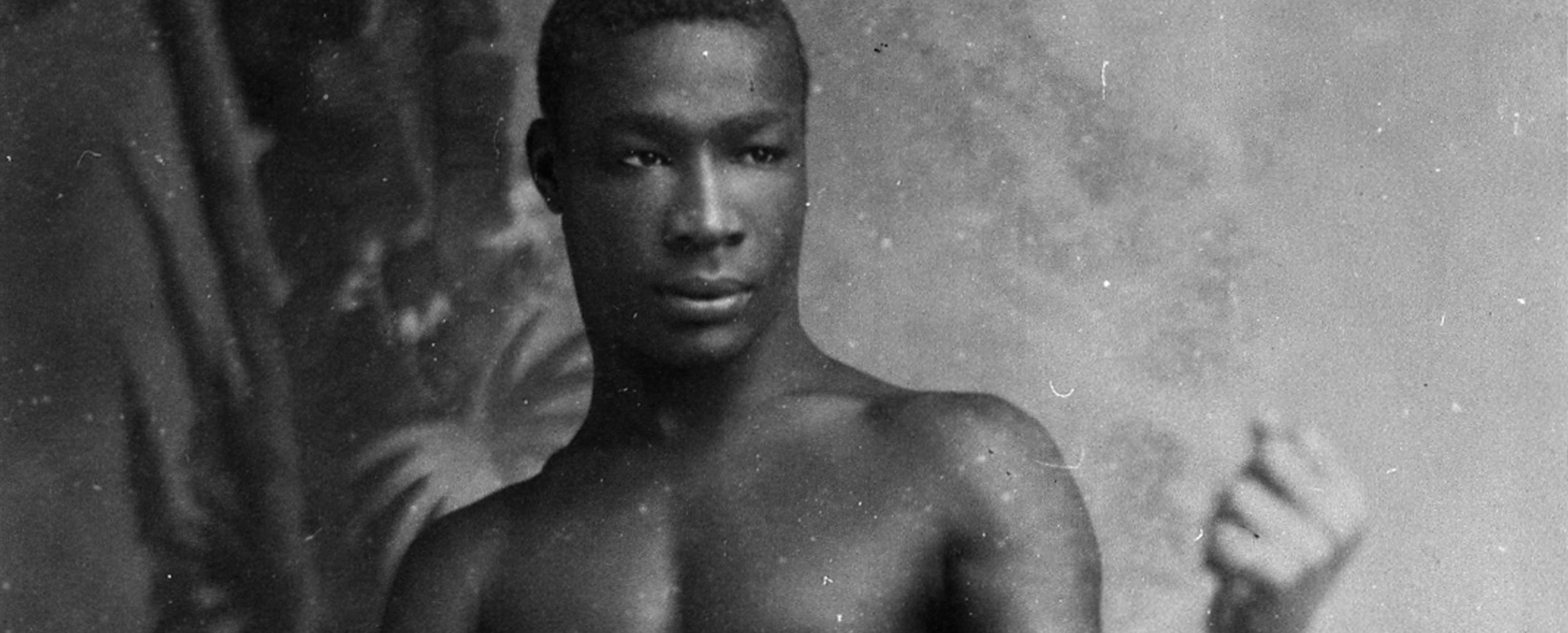
8. What can we tell about this man’s life from his photographs?
9. What ideas does the photographer suggest by these two photographs of Ching Hook?
Source four:
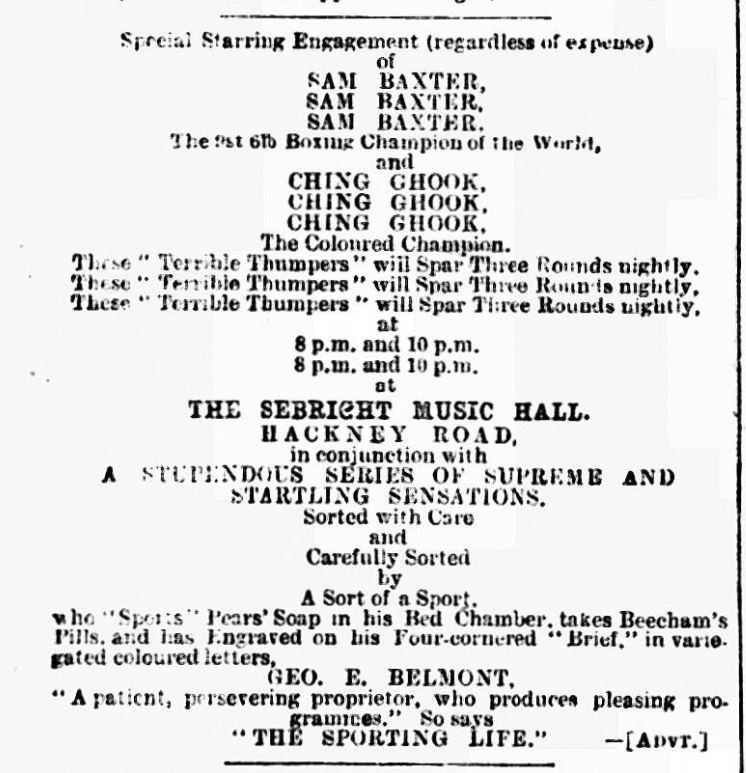
10. What does this document reveal about Hezekiah Moscow and Ching Hook?
11. What can you learn about Sam Baxter?
12. What else is going on except the boxing match?
13. What evidence is there that Ching Hook is a successful boxer?
Add these details to your timeline
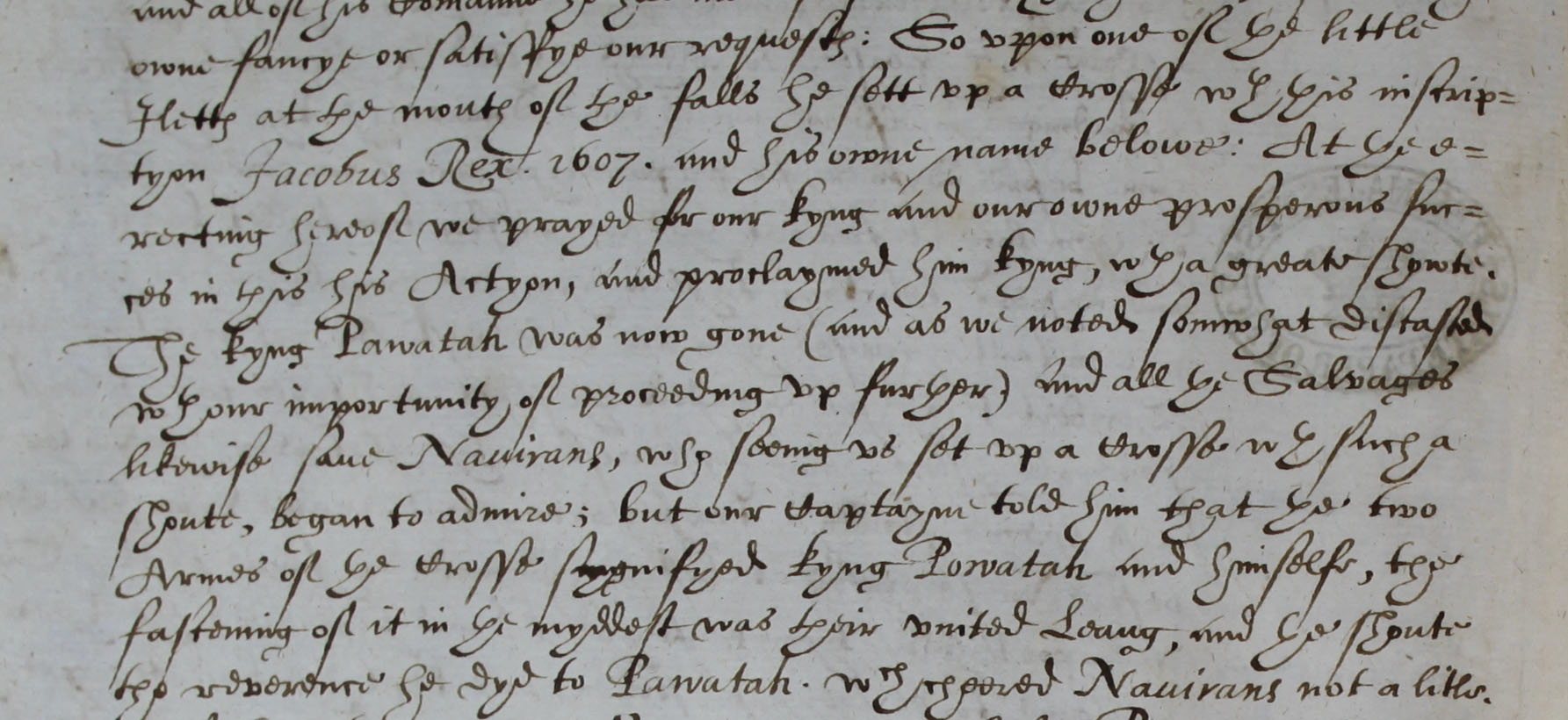
This extract from 24 May 1607 (Whitsunday) from Archer’s journal describes how the colonists erected a cross in the name of King James, then misled their Native American guide about its meaning. (CO1/1)
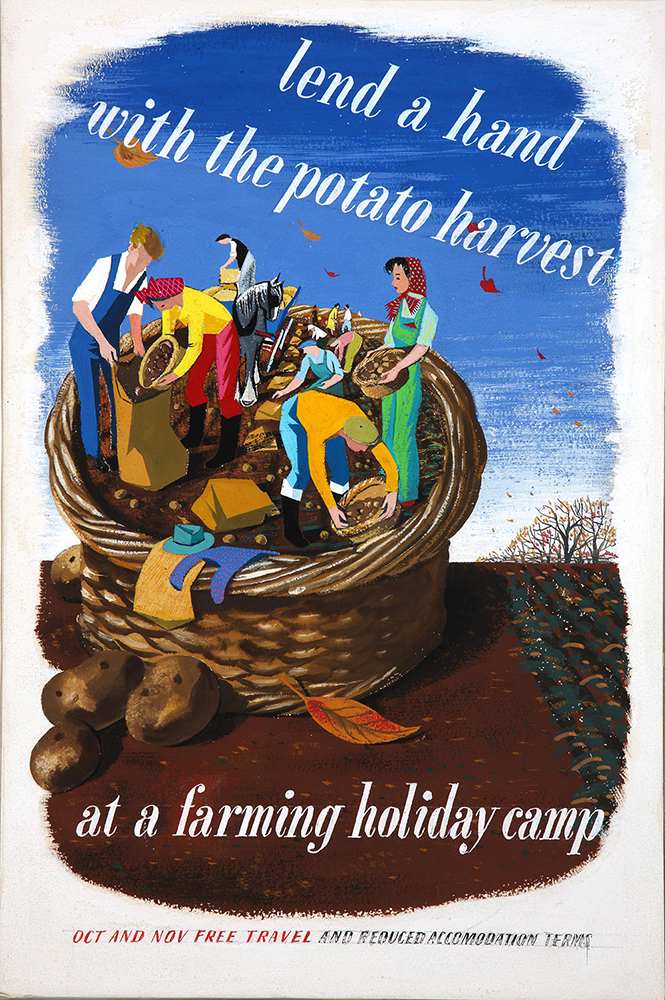
The summer holidays in 1939 had just ended when war broke out across Europe. The seaside holidays and day trips that people had enjoyed so much since railways had made them possible, came to an end – for a time.
Over the next six years, the people of Britain were encouraged to holiday at home. Travelling on trains and driving long distances was discouraged.
Holiday at home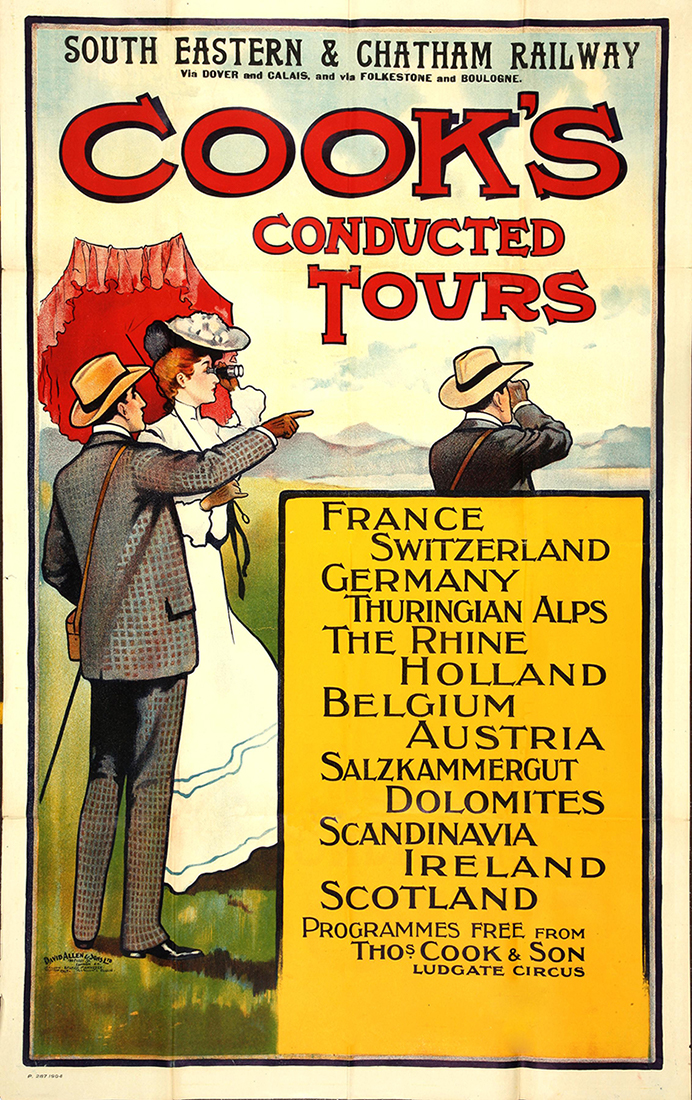
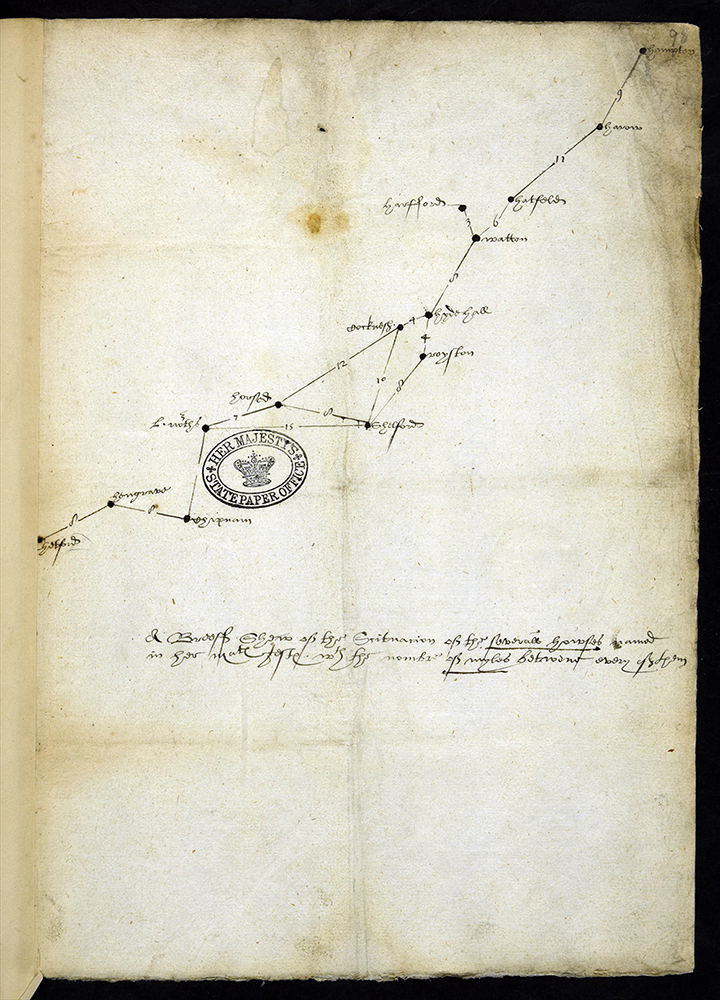
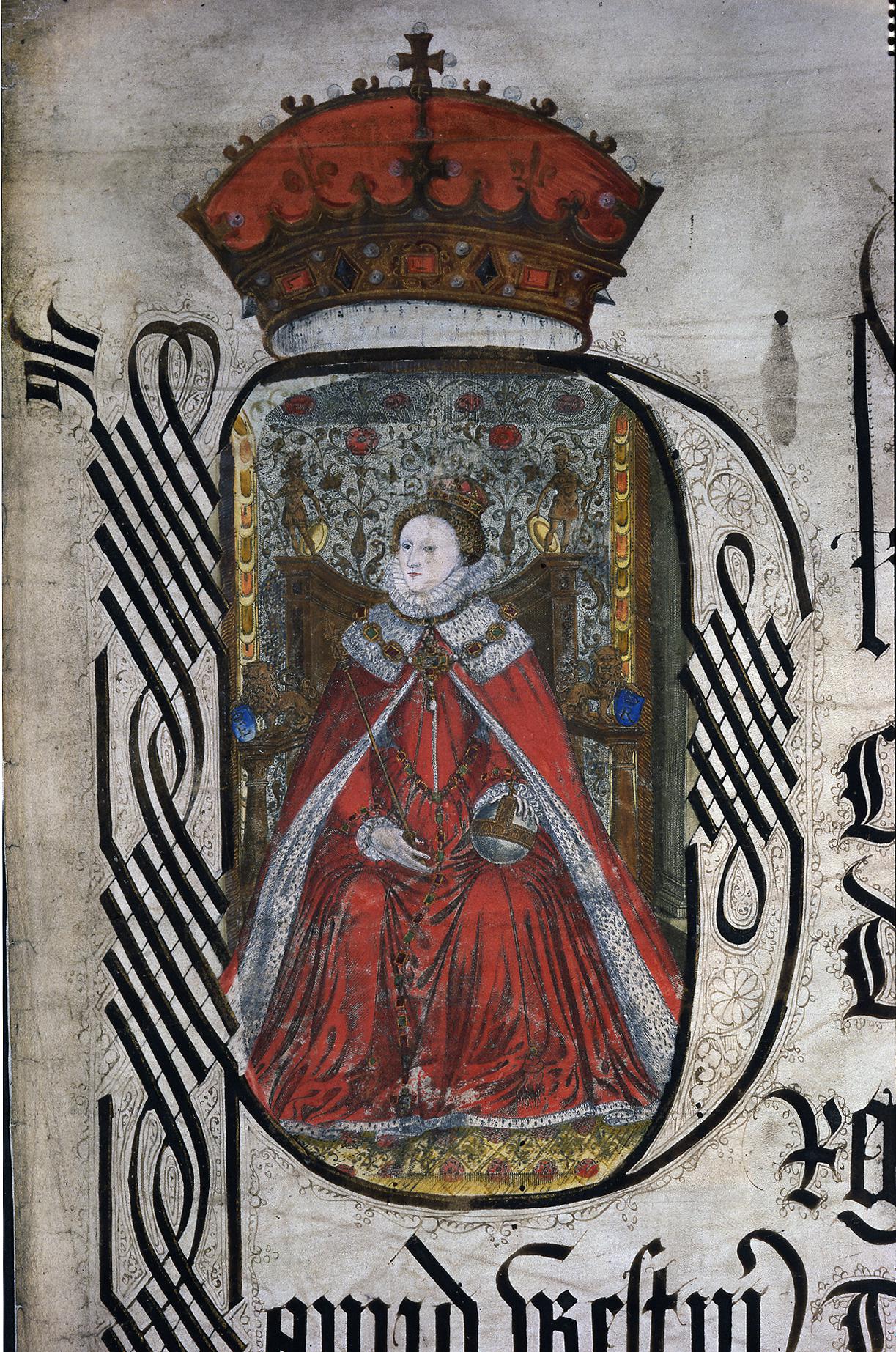
The rich escaped London’s smells and noises when they could. Queen Elizabeth was fond of escaping London and visiting different parts of the country. These tours around England were called ‘royal progresses’. The Queen and her advisers would decide where to go and who to visit. Wealthy friends and relations were then told to expect a visit from the Queen.
The tours had to be very carefully planned because the Queen travelled with her court – 300 people minimum and 1,000 horses; all had to be accommodated!
The royal progresses gave the Queen a holiday from her usual London life and allowed her to keep in touch with her people. For those she visited, however, the royal progresses meant a lot of hard work and were very expensive.