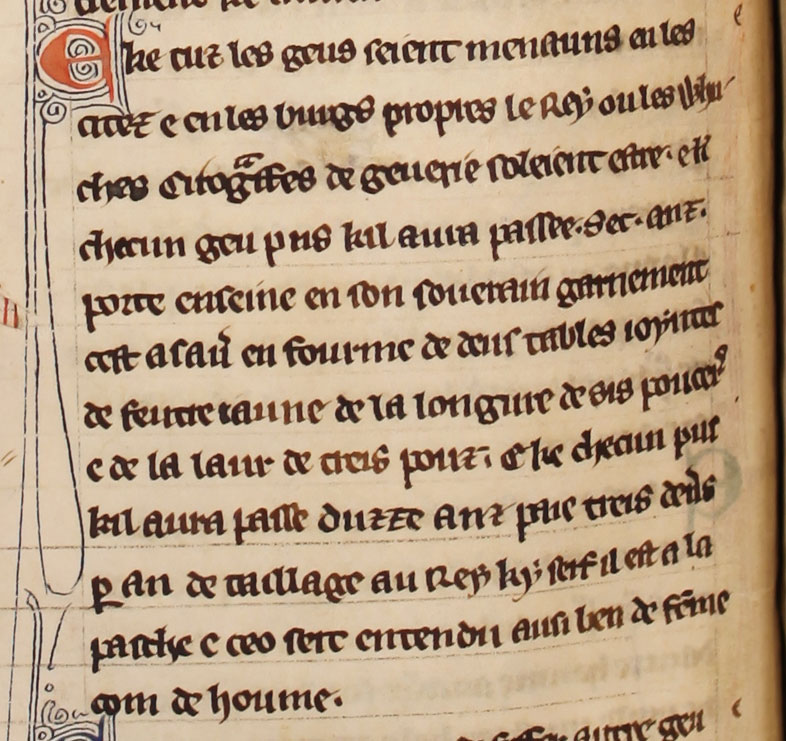
Extract (b) of the Statute of Jewry, c. 1275. Catalogue ref: E 164/9, fol. 31d.
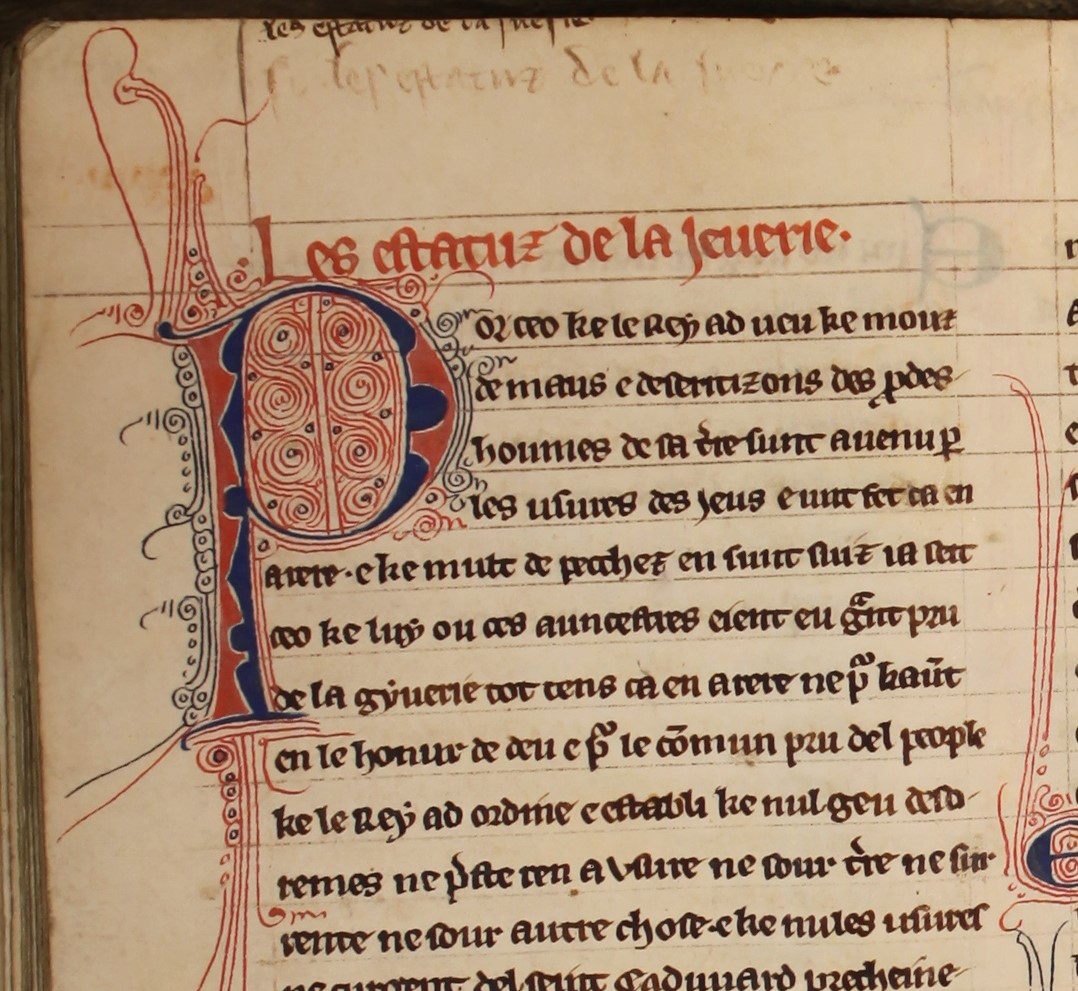
Extract (a) of the Statute of Jewry, c.1275. Catalogue ref: E 164/9, fol. 31d.
In 1275, King Edward I introduced a Statute of the Jewry with further rules and regulations for the Jewish community living in England. Various versions of this statute survive, but the document below is preserved in a compilation book of statutes at The National Archives. Unlike the majority of the documents in this lesson series, the Statute below is written in Anglo-Norman (a form of the French language). This task focuses on three key extracts from the statute.
How much can police records reveal about the lives of LGBTQ+ people in the past? In the below video, Hannah Carter and Victoria Iglikowski-Broad introduce the file CRIM 1/387 and what it can tell us about LGBTQ+ history in 1920s London. Stefan Dickers from the Bishopsgate Institute also showcases some of their extraordinary collection relating to LGBTQ+ British history.
Teacher notes
This film and set of resources is suitable for an assembly, form time or a lesson on LGBTQ+ history. The film is around 12 minutes in length. Please consider answering this survey after using the video, as it will help us develop future education resources.
There is an accompanying PowerPoint presentation with questions to facilitate pupil discussion and teacher notes.
When discussing key developments in the 20th century for LGBTQ+ people, teachers may want to use these recommended timelines:
- Stonewall: Key dates for Lesbian, Gay Bi and Trans Equality
- British Library: A timeline of LGBTQ communities in the UK
Bobby Britt, whose story is explored in the film, lived from 1900 to 2000 and therefore would have witnessed huge changes. Teachers could ask students to identify different types of changes, e.g legal or social. Or pupils could judge which change/s would have had the biggest impact on LGBTQ+ people’s lives.
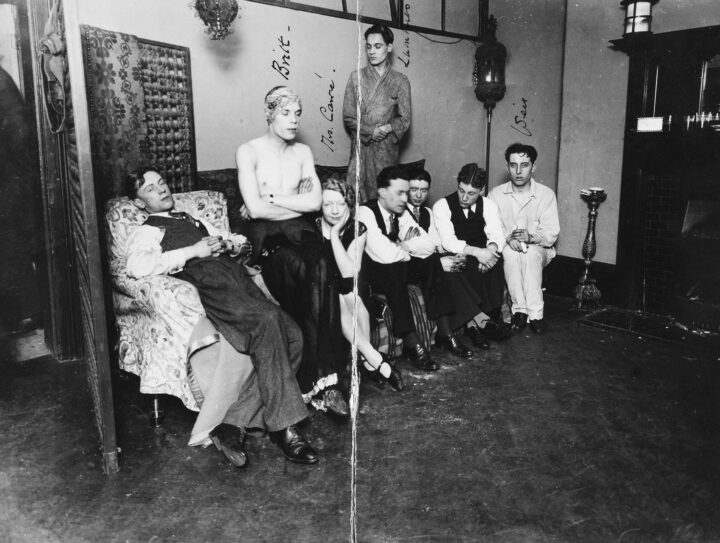
‘Keeping a disorderly house’, Fitzroy Square, London, 1927. CRIM 1/387 (1)
Teachers may want to use the documents included in the resource pack. Students could analyse the document in more depth considering questions like:
- What type of document is it?
- Who produced it?
- Who was the audience?
- Why was it made?
- How much does it reveal about life for LGBTQ+ people in the past?
Questions to consider for class discussion (included on PPT):
- What can The National Archives documents reveal about the lives of LGBTQ+ people in the 1920s?
- What did you find shocking or surprising?
- Why is it important to also go to other archives/museums to learn about LGBTQ+ history?
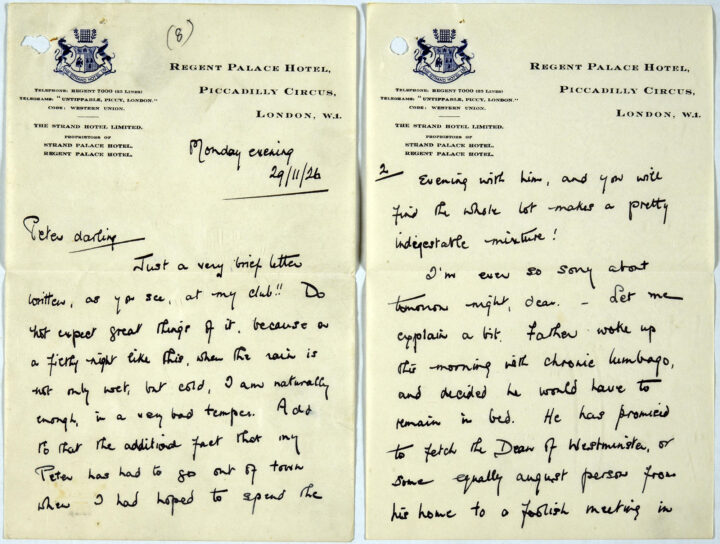
‘Letter from Eric to Peter, evidence in a case of keeping a disorderly house’, 29 November 1926. CRIM 1/387 (1 and 2 of 6)
You could explore with students why stories about LGBTQ+ women and transgender people are harder to find within The National Archives. For instance, this resource explores documents that exist due to the targeting of gay men by police, while love between women was less criminalised. There are resources that can extend students’ learning about the history the broader LGBTQ+ spectrum included in the ‘Useful links’ section of the resource.
Background
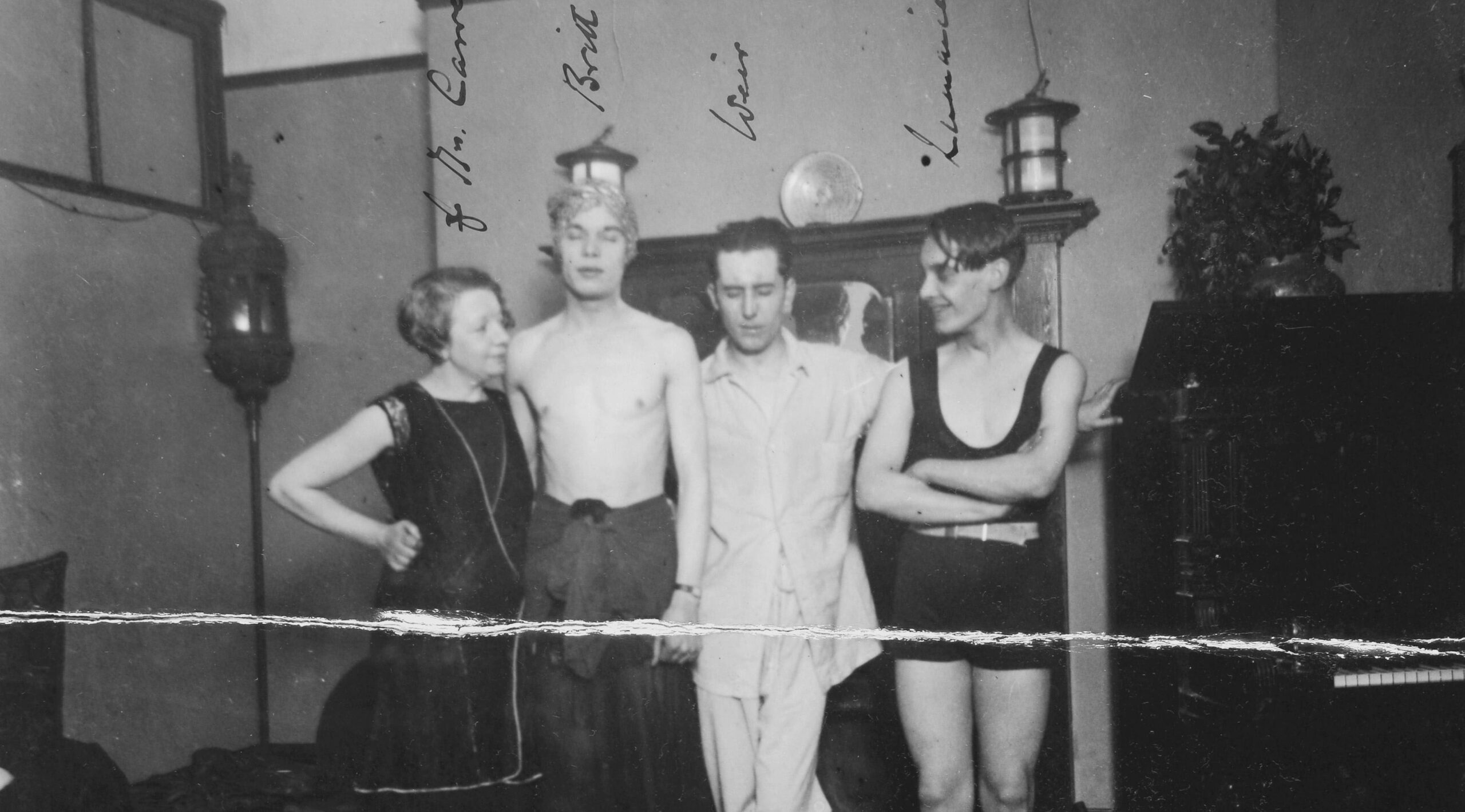
The film explores what documents at The National Archives can reveal about LGBTQ+ history. It focuses on the story of a basement flat at 25 Fitzroy Square, the home of Bobby Britt, a dancer on the West End stage. He would hold parties for a small group of his working-class friends. One of these parties was raided by the police in 1927 under accusations of being a disorderly house.
We know about these gatherings due to extensive undercover police surveillance and documents that the police recovered from the flat. The flat was being observed because, at these gatherings, men would have relationships with other men. This was an era when sexual acts between men were both criminalised and socially unacceptable in wider society.
While it was never illegal to be gay, many of the associated practices were criminalised. This included sexual behaviour, being in certain spaces, and physical appearance – for instance, men wearing makeup. For example, The National Archives’ collection contains pieces of blotting paper used to forcibly lift makeup off the faces of men who were arrested. In just going about their daily lives, men who had relationships with other men could be arrested, prosecuted and imprisoned. It was not until the 1967 Sexual Offences Act that real legal change meant that LGBTQ+ people’s lives were less criminalised.
The CRIM 1/387 document file includes a range of different types of primary sources, including annotated photographs, a list of exhibits, police surveillance notes and even seized love letters between men. Despite being gathered by police, these documents can give a valuable insight into the lively atmosphere of Fitzroy Square and even provide rare voices of LGBTQ+ people in the 1920s.
However, the film and resources also explore how important it is to use other collections to learn about LGBTQ+ history. Documents from the Bishopsgate Institute are included within this pack. These include diary entries written by William Mahoney, documenting his life with his partner Doug in the 1940s. The Bishopgate Institute’s collection can provide a more personal insight into the experiences of LGBTQ+ people in the past. For instance, they hold the log books for Switchboard, detailing conversations with people who rang this LGBTQ+ helpline.
Note that we are using the term LGBTQ+ here as an umbrella term, but many of the people discussed would not have had this language available to them at the time, and would have used contemporary language to describe their sexuality.
Useful links
The National Archives:
Blogs:
- ‘Corrupting Public Morals?’ Fitzroy Square and Queer Desire by Vicky Iglikowski-Broad
- ‘Kisses and kind thoughts’: Queer networks and letters between men by Vicky Iglikowski-Broad
- ‘Bohemian, broad-minded, unconventional.’ What was it like to be queer in the 1920s? by Vicky Iglikowski-Broad
- HIV/AIDS and the LGBTQ+ community: Education, care and support by Mollie Clark
- Dr James Barry: The importance of archival discoveries by Mollie Clark
Other links
Timelines:
- Stonewall – Key dates for Lesbian, Gay Bi and Trans Equality
- British Library – A timeline of LGBTQ communities in the UK
Useful websites:
- Bishopsgate Institute
- Historic England – Pride of Place: England’s LGBTQ Heritage
- Stonewall Education Resources
- Switchboard
- London Metropolitan Archives
- Queer Britain
- LGBT collections (the Hall-Carpenter Archives) at the LSE
- The Evolution of LGBTQIA+ Narratives on Broadway
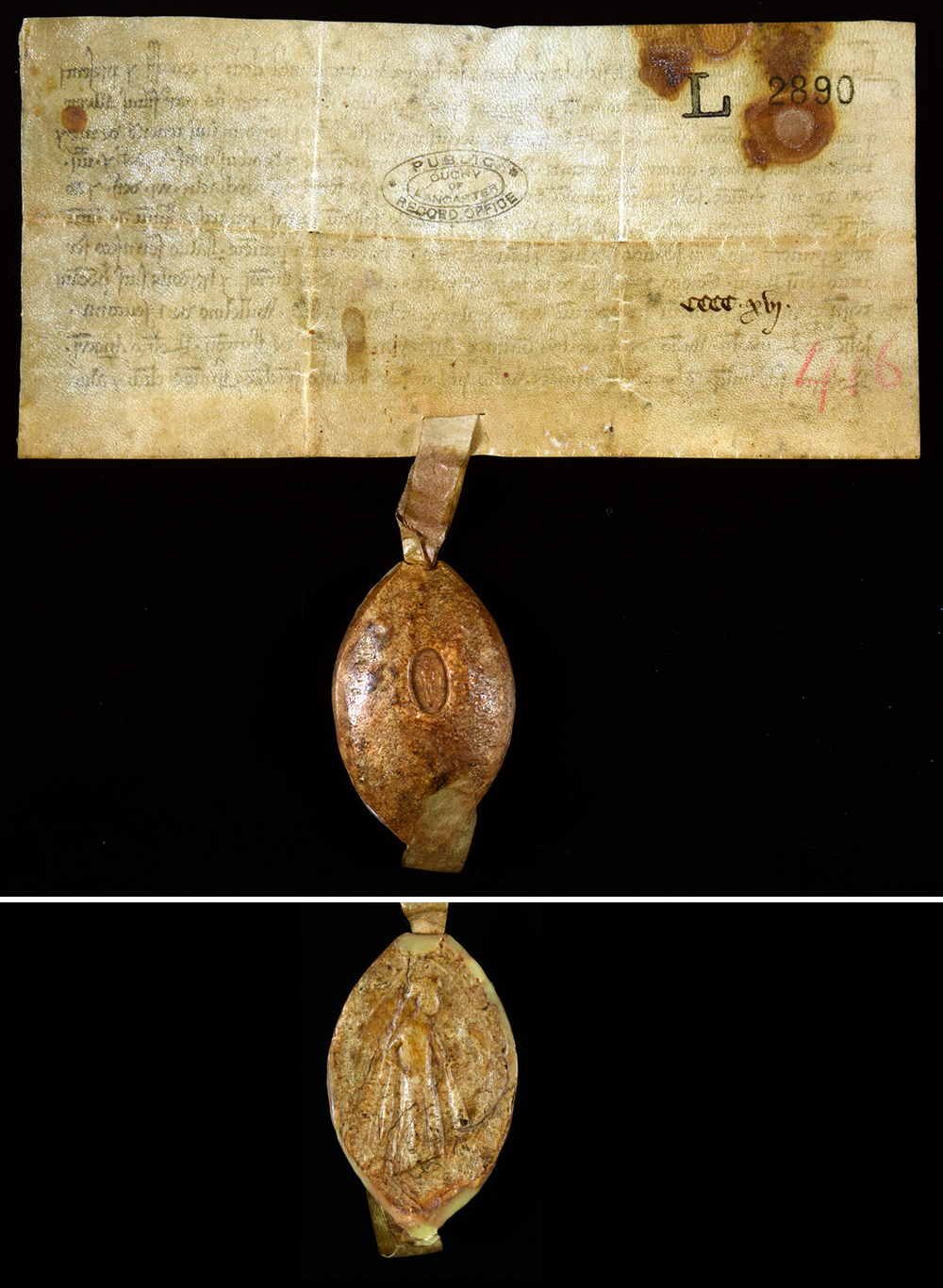
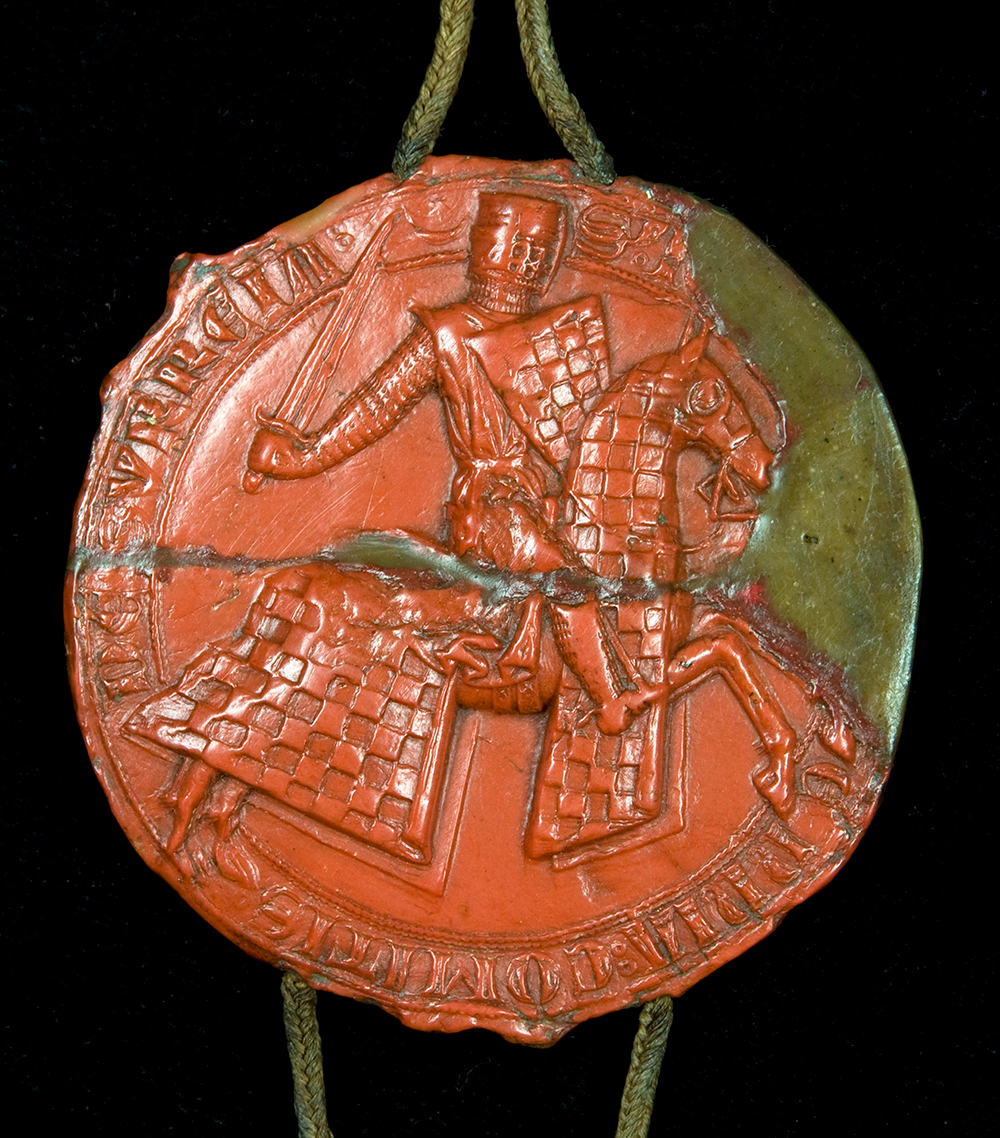
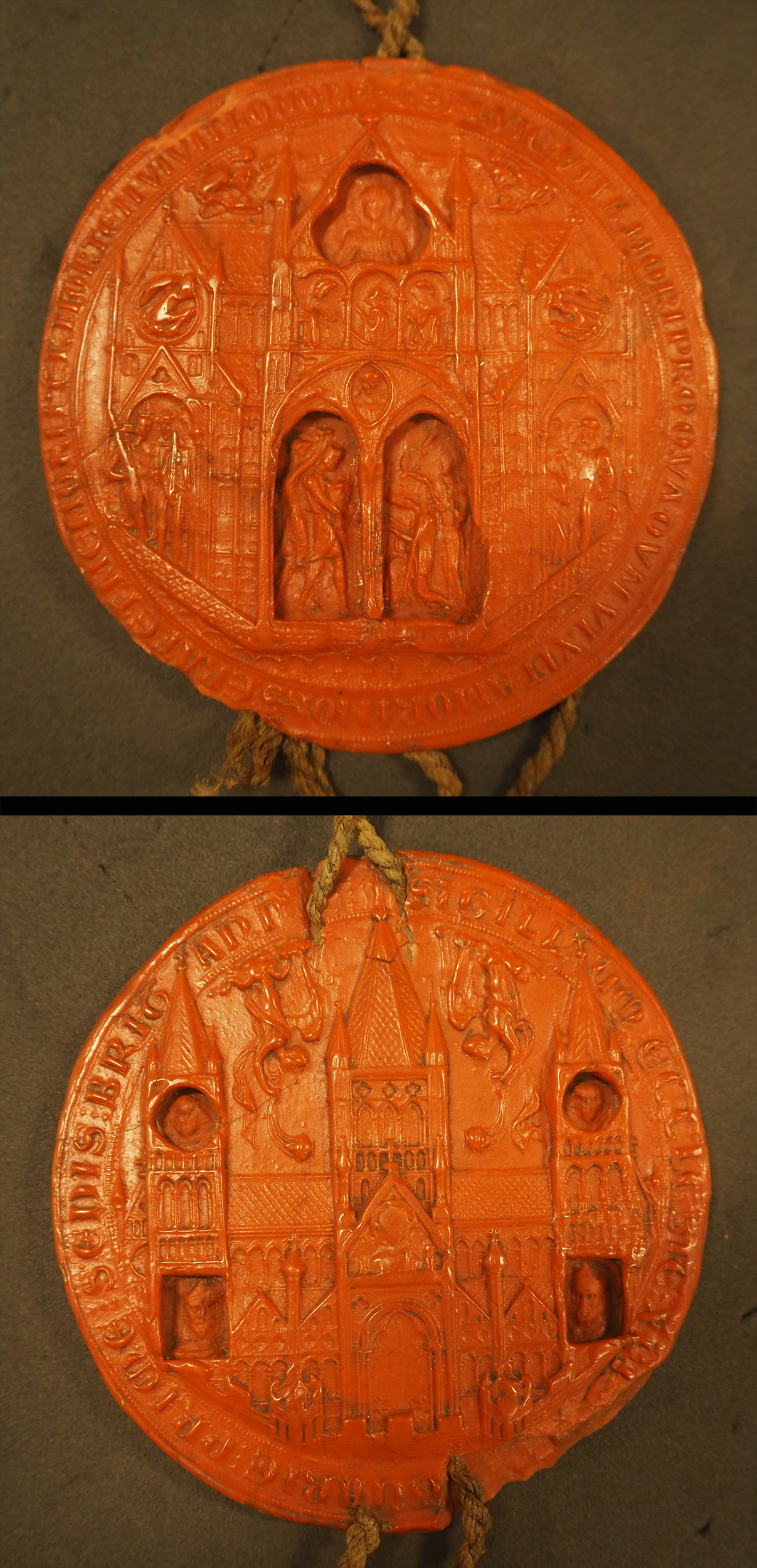
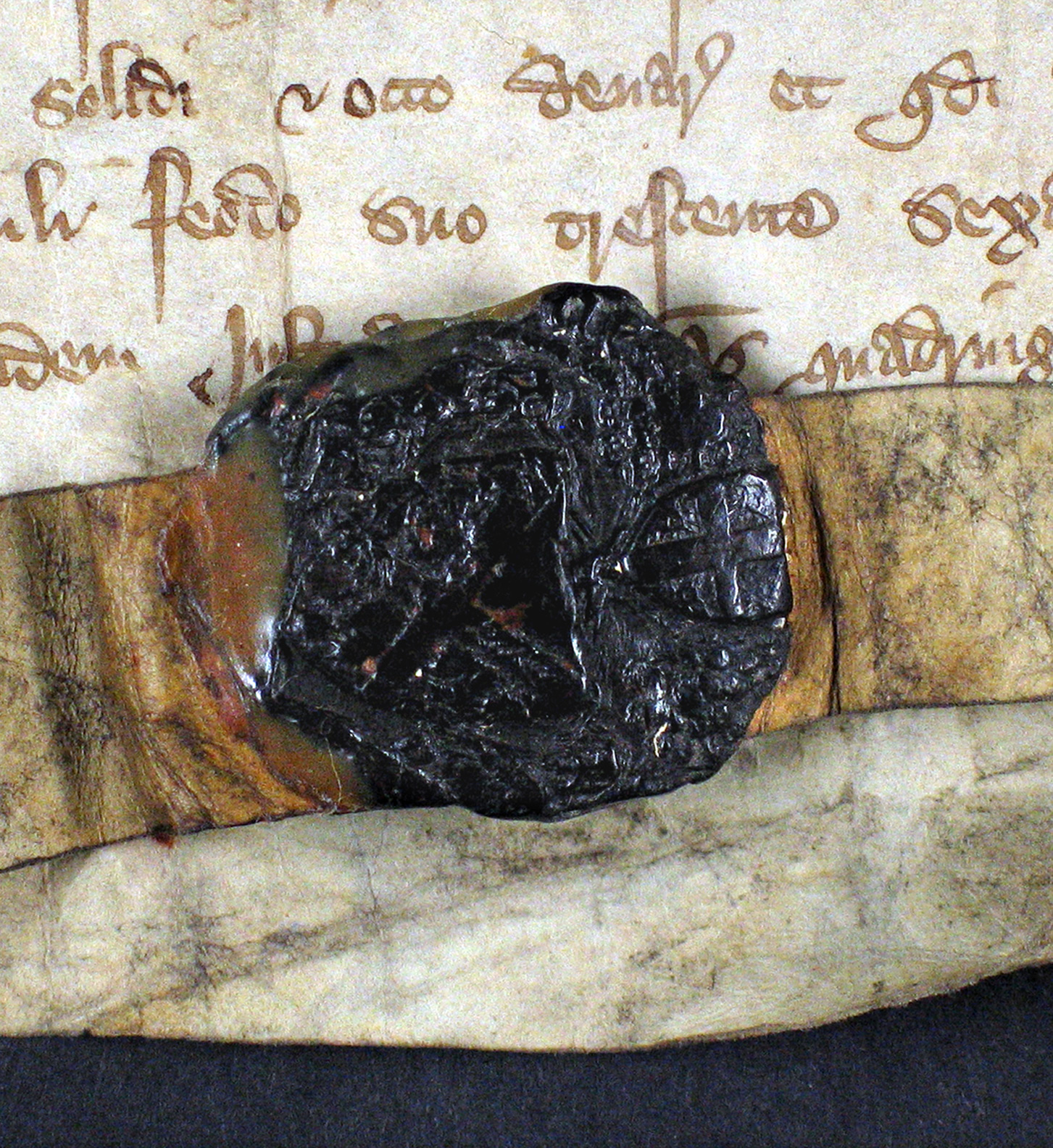
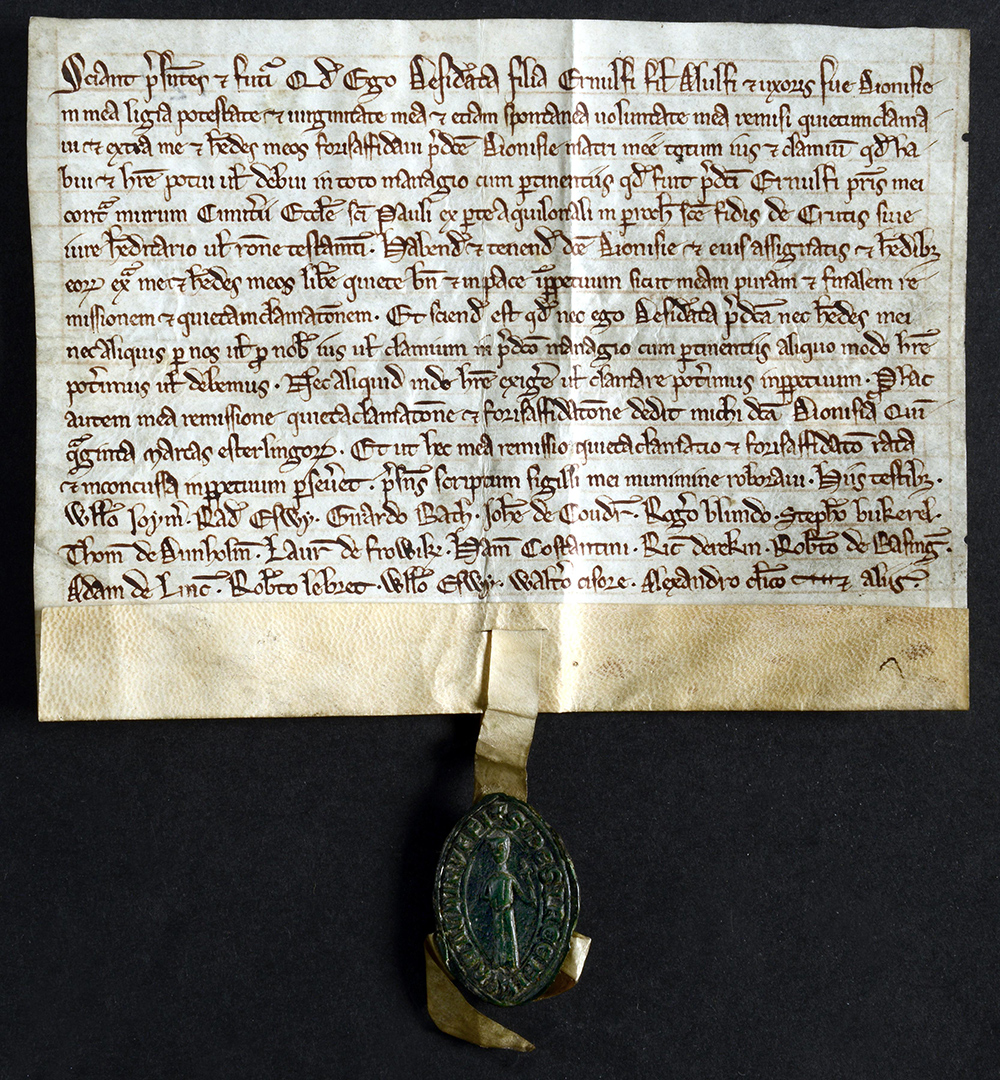
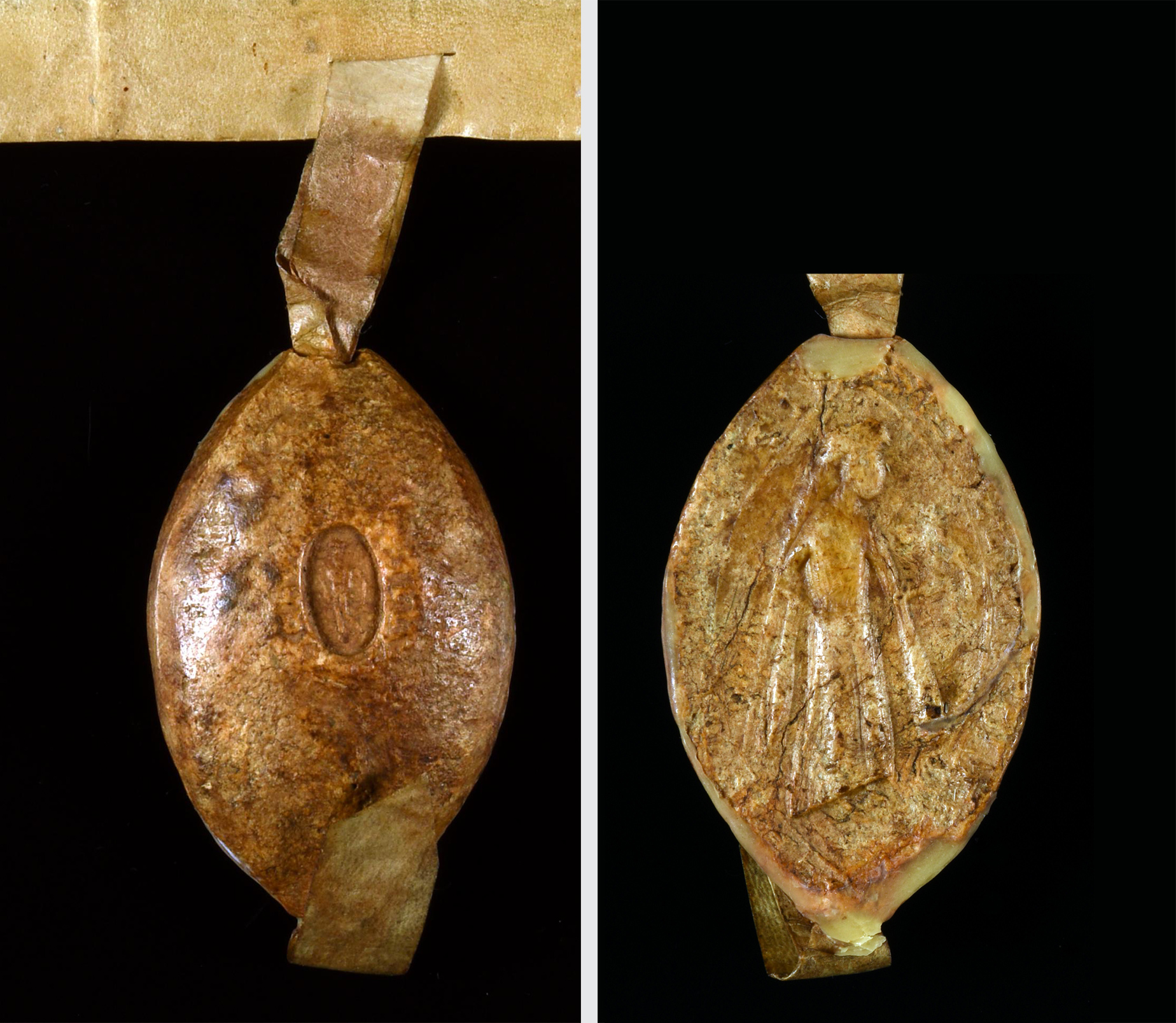
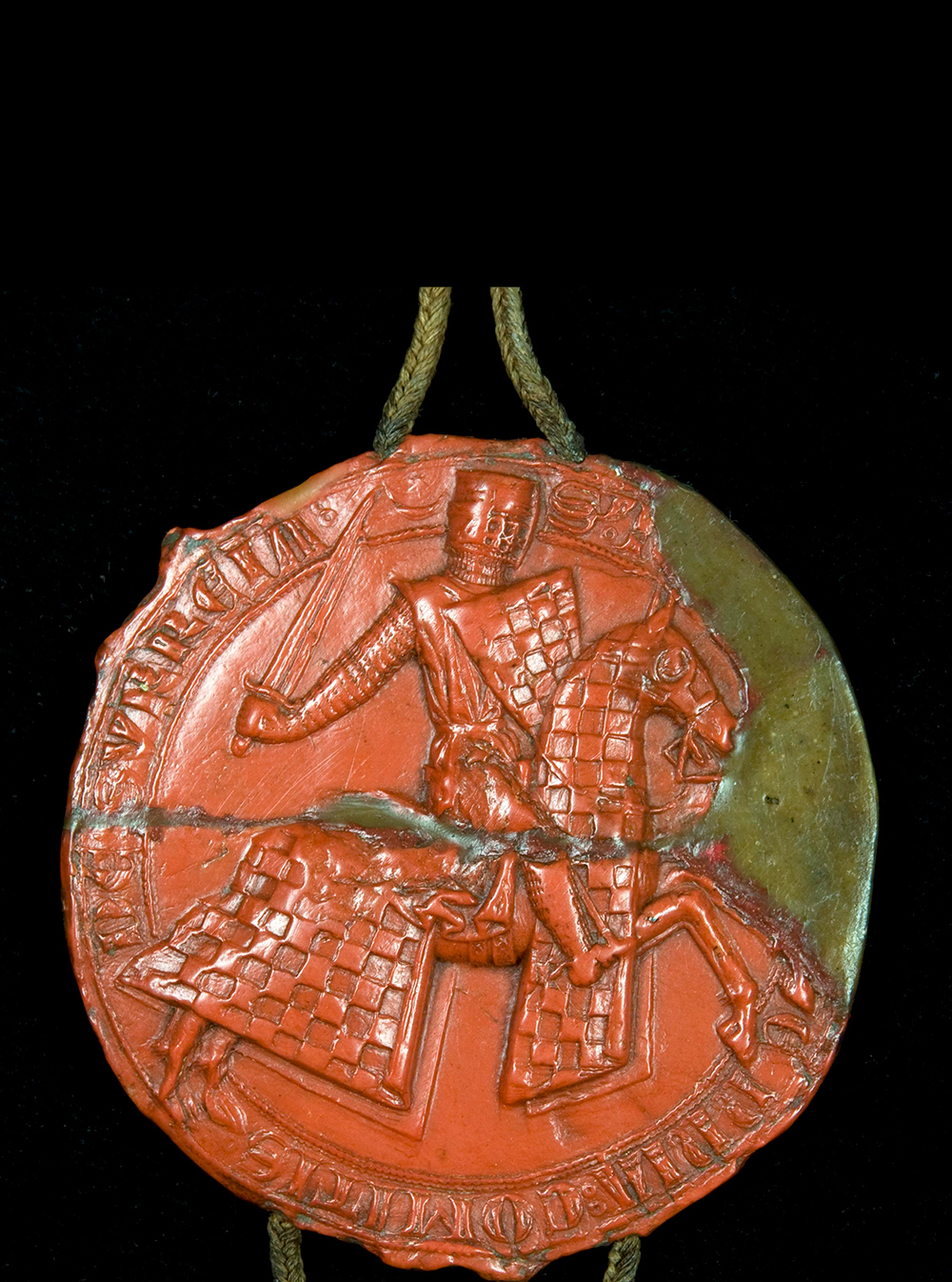
A medieval seal was used to prove that a document was really from the person or group that it said it was from. Not everyone sealed a document with their own personal seal. Seals have designs which show us what people wanted to say about themselves and the institutions that they were involved in.
This lesson looks at what seals can tell us about what it was like to live in medieval England and Ireland. It also explores why people from a range of social backgrounds might need or want to have a seal of their own.
What can seals tell us about medieval times?During the ‘Middle Ages’ in England and most of western Europe, instead of signing important documents or providing your password to prove who you are, you would attach your seal to a document to prove your identity. Many people could not write their own names and so by using a seal, they could show that they agreed with the document’s contents in a way that could then be checked if needed. Sometimes people borrowed seals when they needed them rather than having their own, but what mattered was that the document was sealed in front of witnesses who could say that yes, the document was authentic and that its contents were correct.
Seals are usually made of beeswax (though the Pope used lead) and usually have a design on them, created by pressing a stamp known as a matrix into softened wax. Whoever was making the seal would heat the wax slightly so that it was about as soft as plasticine so then it could be pressed into the matrix. Some matrices were one-sided and quite small, for example, if they were set into a ring. Large double-sided seals were created by putting a disc of wax between two metal sheets with designs on them that were screwed together to imprint the design on the wax. Dyes could be added to the beeswax to colour it and make it more distinctive and look attractive and impressive.
Seal designs could be very personal and unique, or they could be bought ready-made. Personal designs tell us quite a lot about how people or an institution like a school or a hospital wanted to represent themselves on a public document. Sometimes, though, a seal might just be a blob of wax added to a document.
Medieval society was strongly hierarchical. At the top were the king and the nobility, who held large amounts of land in blocks known as manors from the king. The king had responsibility for justice and for war, and his government was based in London. The English king also claimed rights in France and Scotland and governed the lordship of Ireland, while from 1301 the heir to the throne was usually Prince of Wales. Other landowners who were not nobles were known as the gentry and were important in local government and Parliament. The land was worked by yeomen and peasants who might pay rent or who might owe a certain number of days work and other services and renders for their land. Customs varied across different parts of the country.
In addition to a hierarchy on the land, there were two other important areas of medieval society. Towns and cities had privileges of their own and were often independent of the surrounding manors. Here you would often find craftspeople and merchants, who were governed by guilds. A craftsperson had to pass a series of requirements to be accepted into them, so a goldsmith would have to prove his skill in making fine objects, including seal matrices, for example. Women might inherit family craft businesses and run them themselves. Women also traditionally made ale.
The final major part of medieval society was the Catholic Church, which had parish churches across Europe, where people were married, had their children welcomed into the church and where they were buried. Additionally, monasteries and cathedrals were large institutions where people came to pray, and which held large amounts of land themselves.
People could and did move around. They might seek work somewhere else or move down the road. Land and houses could be bought and sold. People could use the law-courts to argue about property boundaries or the terms of an agreement. Seals and the documents they are attached to tell us lots about changes in people’s lives and society at large.