Teaching the Voices of the Victorian Poor
The National Archives and the In Their Own Write project are planning an AHRC funded Teacher Scholar Programme to produce online resources for teachers to support the teaching of the Victorian Era.
Using our collection of letters and materials examined by the In Their Own Write project, the Teacher Scholar Programme will provide support and guidance to 10 teachers to produce teaching materials for Key Stages 2-5. There is no requirement to teach a specific subject or age range.
Teachers will carry out their own research into the materials provided by The National Archives and In Their Own Write, drawing on a series of online seminars and using ArcGIS maps of the data to aid their studies.
COVID permitting, the teachers will come together for an initial Seminar weekend at The National Archives and a trip to Southwell workhouse to experience the context of the workhouse and the poor law commission.
All of the participants’ expenses for the course will be paid, including travel and accommodation for the seminar days and the study weekend, as well as the cost of a supply teacher to cover the Fridays. Many aspects of the course will be delivered through Microsoft Teams. This and ArcGIS will be freely available to participants to use with support provided by The National Archives Education Service.
What we are looking for
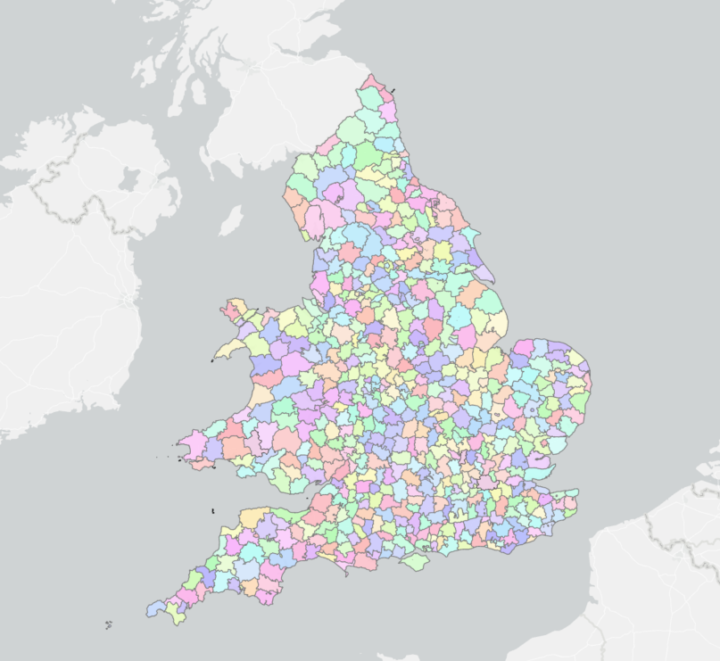
The Poor Law Unions of England and Wales
A high level of commitment is required from participants: they are expected to listen to all lectures, contribute regularly to the Teams channel, attend both days of seminars at The National Archives and create well researched resources in their own time.
We want to recruit people who are excited about the opportunity to work collaboratively with researchers and keen to extend the partnership beyond the duration of this project. We believe participants’ teaching practice will be invigorated by the activities, and hope that they will seek opportunities to share their learning with colleagues within their school and beyond.
We are keen to hear from primary and secondary school teachers of History as well those of other subjects including English, Politics and Citizenship to make this unique collection accessible to as many students as possible.
How to apply
Fill in the application form and email it to education@nationalarchives.gov.uk by midnight on Friday 11th February.
Person Criteria
Essential
- Qualified teacher status
- Teaching in a primary or secondary school
- Able to attend the seminar days at The National Archives
- Commitment to producing new resources through work on the programme
- Enthusiasm for working in partnership with researchers
Desirable
- Experience of developing new teaching resources
- Knowledge of some of the debates surrounding the place of evidence in history
- Experience of contributing to the teaching of others (for example through creating resources that others have used, planning for department or year group, leading INSET, presenting teaching ideas to others)
- Confidence to give presentations in front of colleagues and share ideas through web forums
- Strong written communication skills
Programme Activities:
- Introductory seminar at the National Archives, 11th-12th March*, led by In Their Own Write researchers and The National Archives Education Service team members. Teachers will work with datasets and original documents, reflecting on how to design classroom activities which draw on the content of the seminars.
- A residential weekend including a field study tour of a workhouse, 25th-27th March*.
- A six week programme of online seminars and activities.
- Resources will be submitted to the editorial board in the summer term.
*All dates TBC and Covid permitting
N.B. All copyright is transferred to The National Archives by participants
In Their Own Write
In Their Own Write was an AHRC-funded project using letters from paupers and other poor people, and associated manuscript material such as petitions, sworn statements and advocate letters (those written on behalf of paupers) to investigate the lives of the poor between 1834 and 1900.
The materials show that even the very poorest members of society were literate, understood the poor laws, regulations and rules, and were able and willing to resist or contest the power of the national and local state. The letters explain their situations in their own words, providing an invaluable insight into the lives of everyday Victorian citizens whose thoughts and opinions are often considered ‘lost to history.’ The collection itself contains letters from across England and Wales providing the opportunity for local history study as well as an overview of the national story.
Teaching the Voices of the Victorian Poor now seeks to open this database of materials to teachers to inform their teaching practice and to develop resource materials to support other teachers in topics related to the Victorian poor.
Workhouse Voices
Workhouse Voices is The National Archives Education Service’s themed collection offering a glimpse into the collection explored by In Their Own Write. Teachers can explore over 45 letters written by the poor and paupers to New Poor Law officials after 1834. The themed collection provides prospective Teacher Scholar Programme applicants with an idea of the types of documents they will work with on the scheme.
https://www.nationalarchives.gov.uk/education/resources/workhouse-voices/
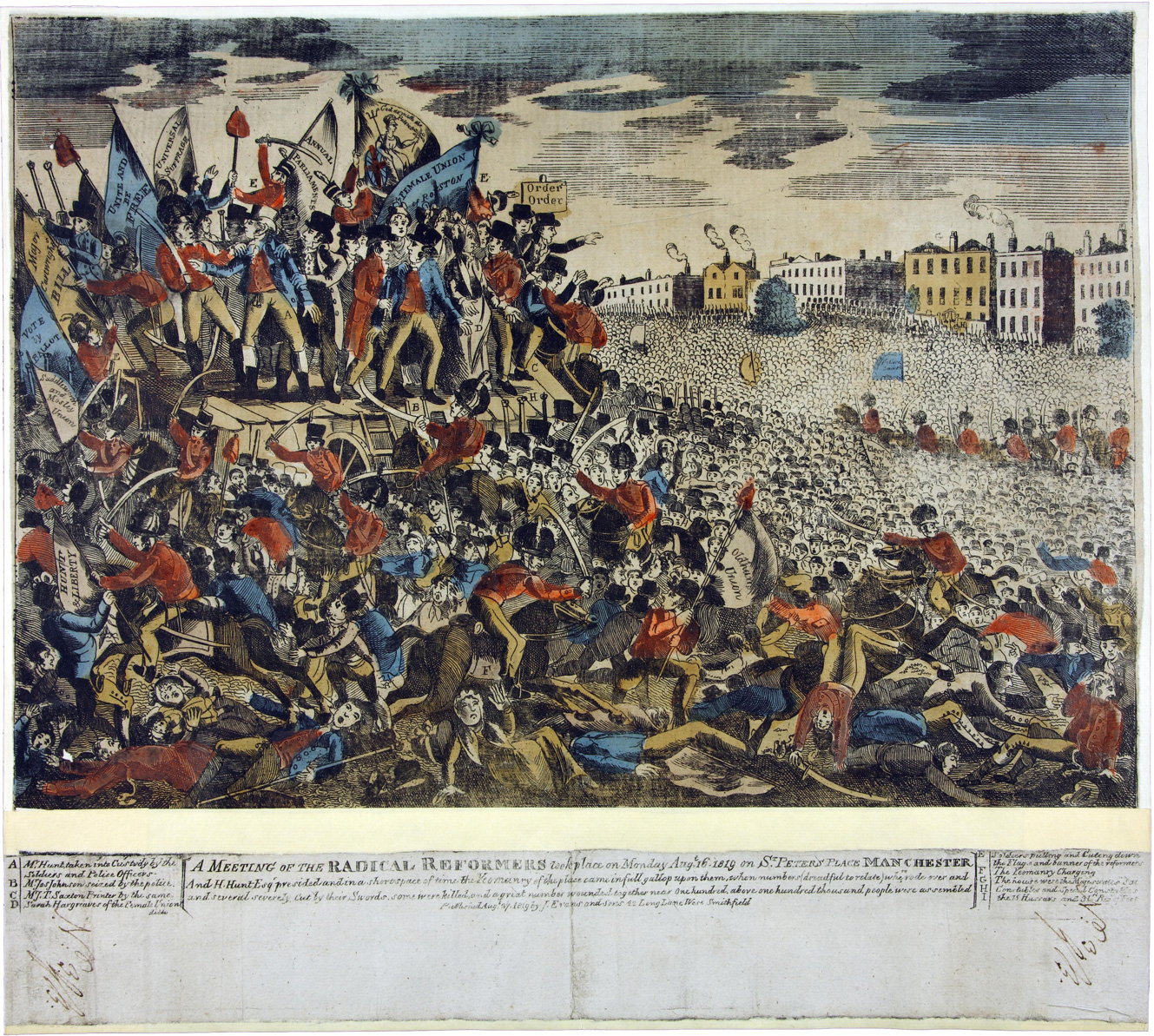
Dr George Hay introduces MPI 1/134/19 – an engraving of the events at St Peter’s Field, Manchester in 1819.
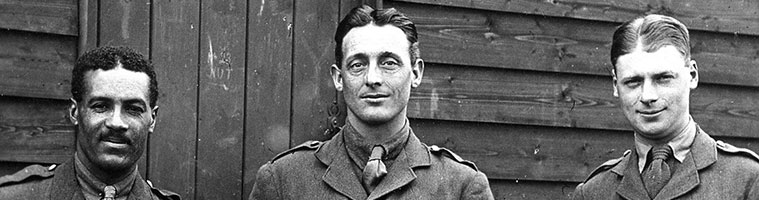
Dr George Hay introduces WO339/90293 – the Temporary Commission of Walter Tull as an officer in the British Army during the First World War.
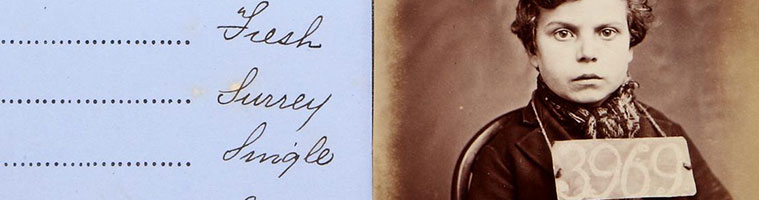
Dr Chris Day, Head of Modern Domestic Records at The National Archives introduces PCOM2/290/63 p249 – the prison record of Joseph Charman.
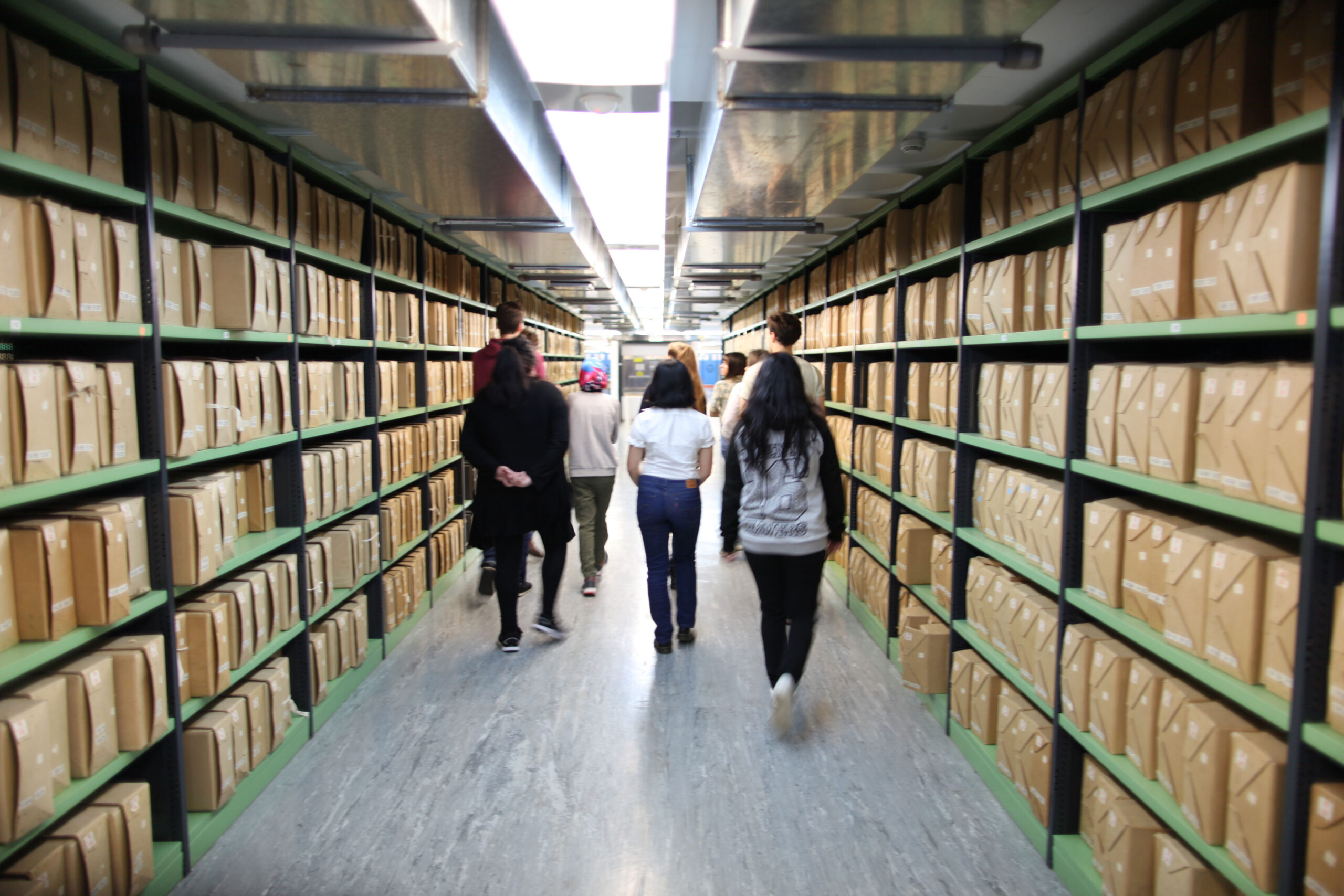
Unboxing the Archive tells the stories of our collection through individual documents. Each episode features one of our record specialists exploring a key moment or figure from history and how they feature within our collection.
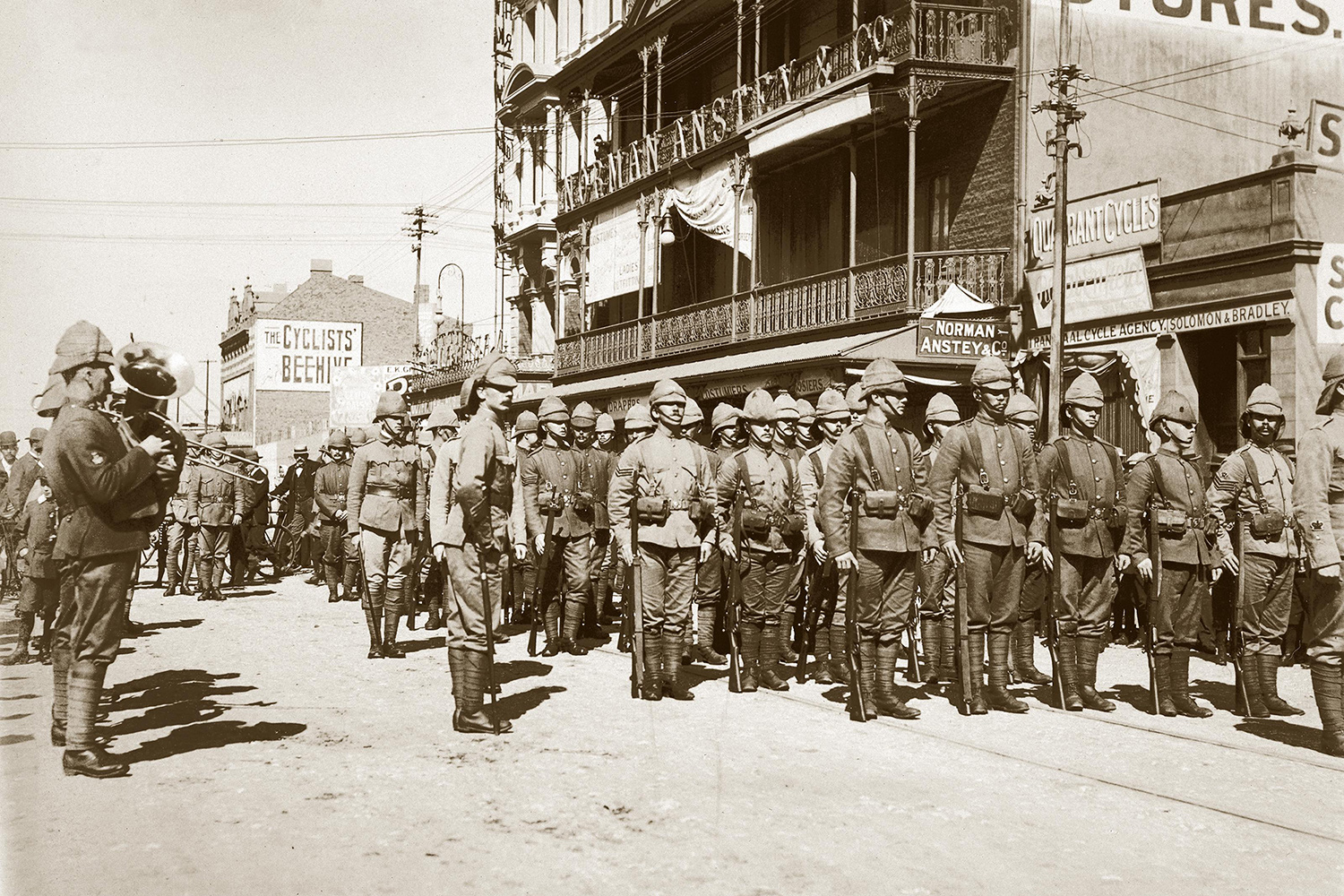
For more than a century, some form of conflict had existed between Britain and the Boers in southern Africa, mainly over the amount of influence and expansionist ideas the former had in the area. In 1877, Britain had moved to annex the Transvaal Republic, bringing it under its control, and this eventually led to what is known as the First Boer War in 1880-1. After a number of defeats handed to the British, independence was restored but relations never recovered.
Tensions remained for a number of reasons. The immigration of large numbers of uitlanders (foreigners), largely because of a diamond rush, meant that these, mainly English-speaking, individuals soon came close to outnumbering the Boer (Dutch-speaking) population. Britain supported the rights of these uilanders and confrontations were common. Britain also continued to be expansionist in its outlook as it looked to control gold mining in the region and continued to attempt to bring the Transvaal and the Orange Free State under British control. This eventually culminated in the failed Jameson Raid in 1895.
Eventually, in 1899, Joseph Chamberlain, the British Colonial Secretary, demanded full voting rights for uilanders living in the Transvaal, and mobilised its military forces near the borders of the Transvaal and Orange Free State. The President of the South African Republic, Paul Kruger, issued an ultimatum which was rejected by the British government, leading to the declaration of war from Kruger and the Orange Free State.
Use this lesson to find out how the British civil and military authorities carried out the South African war in 1899-1902 and how the public responded to the conflict.
How did the British conduct war in 1899-1902?The conflict in South Africa can broadly be split into three phases, the first of which involving initial attacks by Boer forces on British held territory. This resulted in the sieges of the towns of Kimberley, Ladysmith, and Mafeking, and also the battles during, so-called, ‘Black Week’. Here, Boer forces beat British forces in a series of engagements at Stormberg, Magersfontein, Colenso, and Spion Kop. Before this, the British government were confident that a victory could be secured easily, but the defeats caused a drastic change in policy. The government called on able-bodied men to volunteer to serve their country, many answering this call, either joining the regular British Army, or amateur forces such as the Militia, Yeomanry, and Rifle Volunteers in order to demonstrate their patriotism. The change in thinking also resulted in the sacking of Sir Redvers Buller, who had been in charge of British forces during the conflict’s early stages, who was replaced by Lord Roberts.
Naturally, the number of British troops (as well as other troops from across the British Empire) increased and this is when the war entered its second phase. By the middle of 1900, after a series of offensives, the three sieges at Kimberley, Ladysmith, and Mafeking were successfully relieved, the latter resulting in an outpouring of jingoism and celebration in Great Britain. Thereafter, the British Army were also able to capture Natal, Cape Colony, and the Transvaal by the beginning of the summer 1900.
That year marked the high point for popular support for the war in Britain. This was expressed in a variety of ways, including the production of paintings, photographs, music, poetry, plays, and all kinds of ephemera. Soldiers were regularly celebrated as they boarded boats and trains bound for South Africa, and warmly welcomed with parties and banquets when they returned. Figures such as Robert Baden Powell, whose force had been besieged at Mafeking, and Lord Roberts, became national heroes.
The third stage lasted for two more years, and militarily became a guerrilla style war, rather than one fought as pitched battles. Boer Commandos would attack troop columns, ammunition depots, and railways before retreating, in order to frustrate British forces. A ‘scorched earth policy’, one designed to stop supplies from reaching the Boer guerrillas, was adopted by Lord Kitchener, which essentially destroyed much in the path of the British Army.
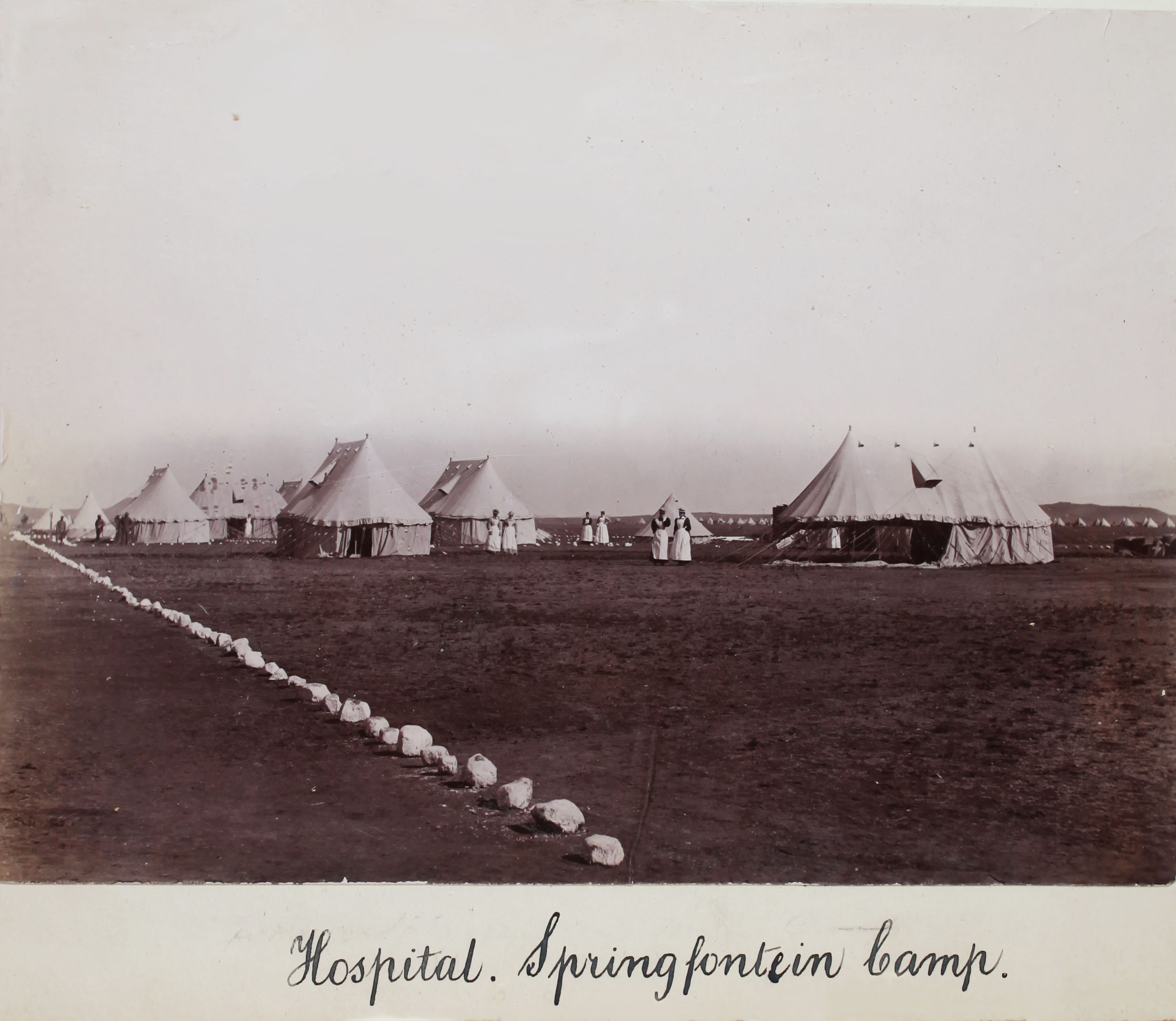
This policy also included the establishment of concentration camps, where many thousands of women and children would eventually die of malnutrition and disease. Public support for the war soon started to wane in Britain, especially after investigations and reports about the conditions in the camps were published by people like Emily Hobhouse, and when it became apparent that the war could not be won quickly.
Eventually though, Boer forces surrendered in May 1902, and the subsequent Treaty of Vereeniging absorbed the Transvaal and the Orange Free State into the British Empire, with the promise of future self-government. The conflict was Britain’s economically most costly since the Napoleonic Wars and resulted in 150,000 military casualties (killed and wounded) on both sides, as well as the deaths of tens of thousands of civilians, largely as a result of British actions.