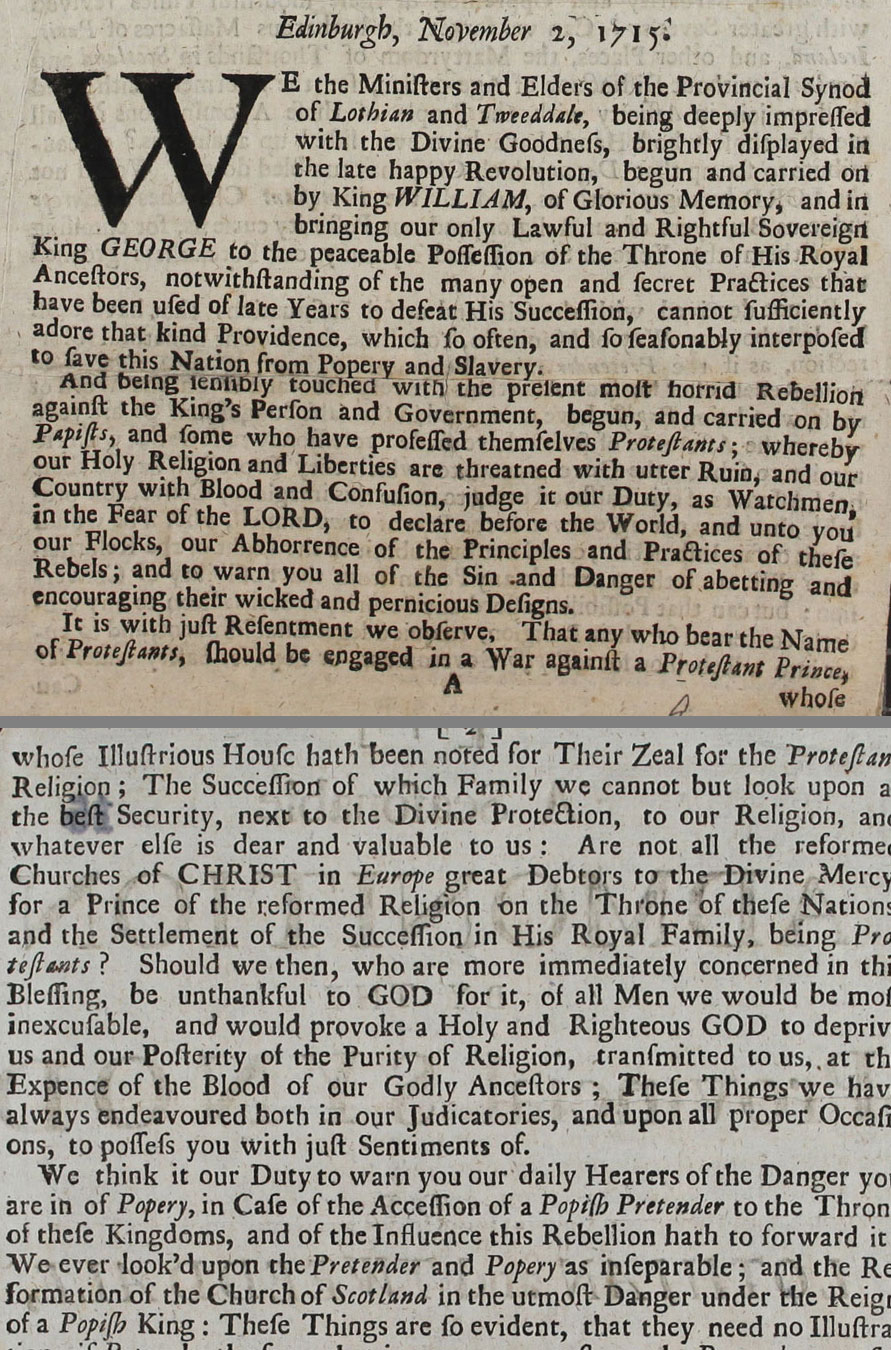
Extracts from a Scottish Church pamphlet addressed to the people of Lothian and Tweeddale, 2 November 1715 (SP 54/10/5B)
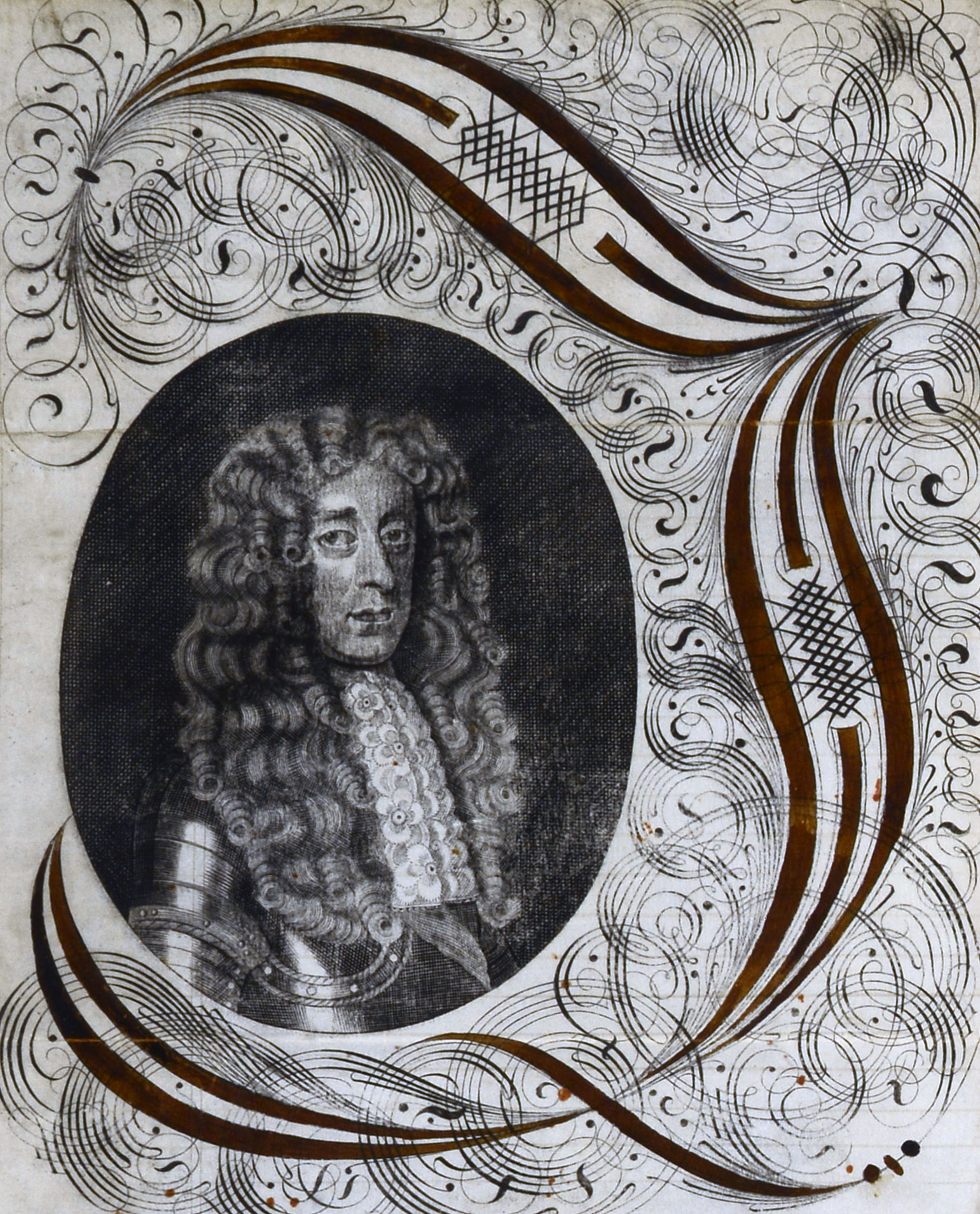
Propaganda is information made to influence public opinion. In this lesson you are going to look at extracts from three examples of printed propaganda produced by the Jacobites and another from the protestant Scottish Church which opposed them.
The term Jacobite comes from the word Jacobus, Latin for James. The first three sources are examples of how the supporters James Francis Edward Stuart (also referred to as ‘The Old Pretender’) son of James II, deposed king of England, tried to persuade the people of Scotland to restore the Stuarts and their heirs to the thrones of England, Scotland and Ireland.
In these documents the Jacobites attacked the government of Britain and criticised the House of Hanover’s right to the throne. It was difficult to control this material as printing presses were cheap and easy to get hold of and it was possible to print broadsheets, handbills or songs anonymously. This made it hard for the authorities to stop the spread of these papers and arrest the publishers. What tended to happen was that supporters of the British government printed their own propaganda in return to attack the Jacobites, an example of this is provided by the fourth source. However, it could be argued that as the Whig government produced their own pamphlets in response to the Jacobites, it strengthened, rather than weakened the cause in the early decades of the 18th century.
Use this lesson to explore the nature of Jacobite propaganda and how they promoted their cause.
What was the point of Jacobite propaganda?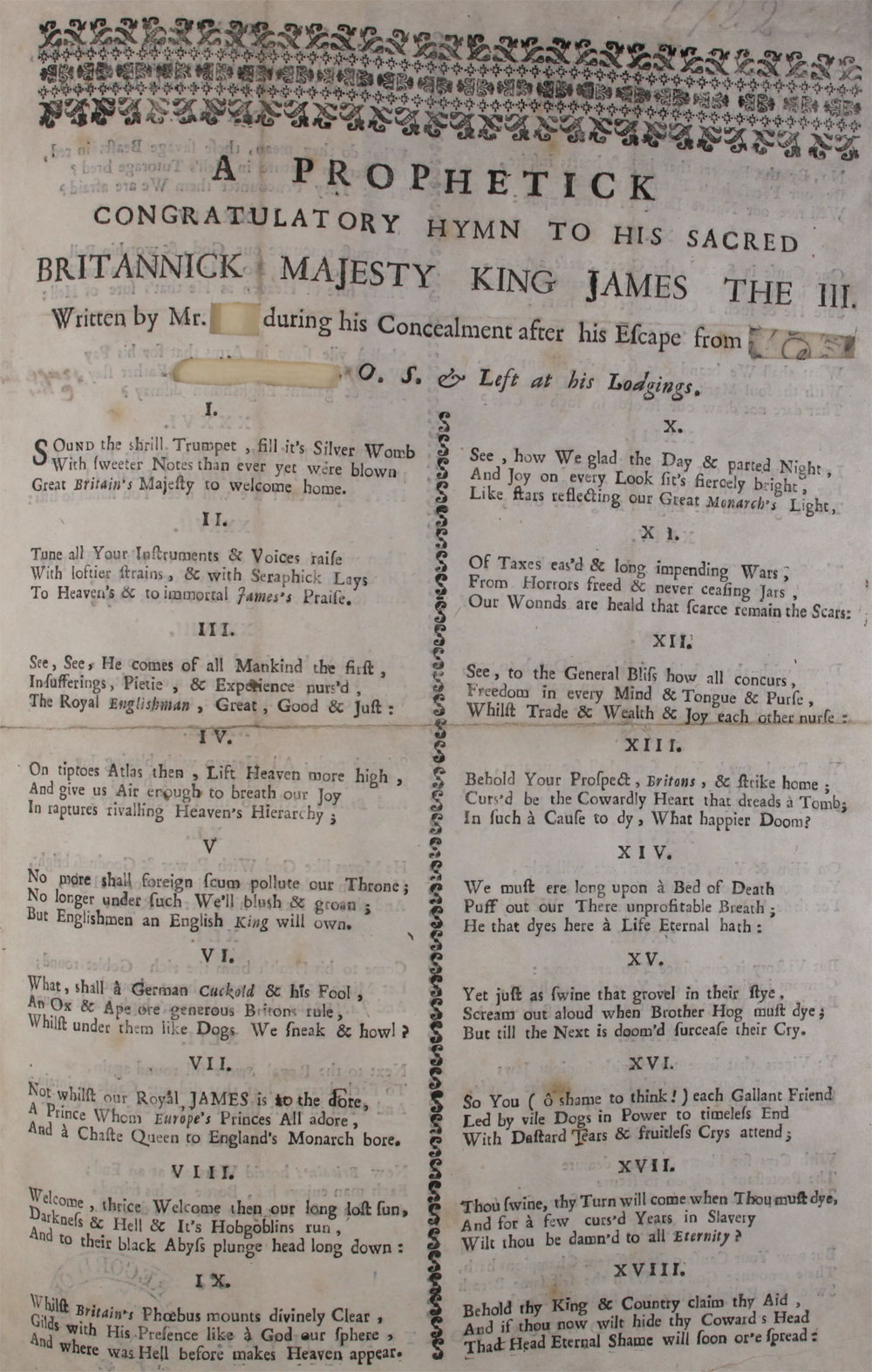
Extract from a Jacobite song, consisting of 43 verses, calling for the return to the throne of James Francis Edward Stuart and end to rule by George I, House of Hanover, 1722 (SP 35/40 f179)
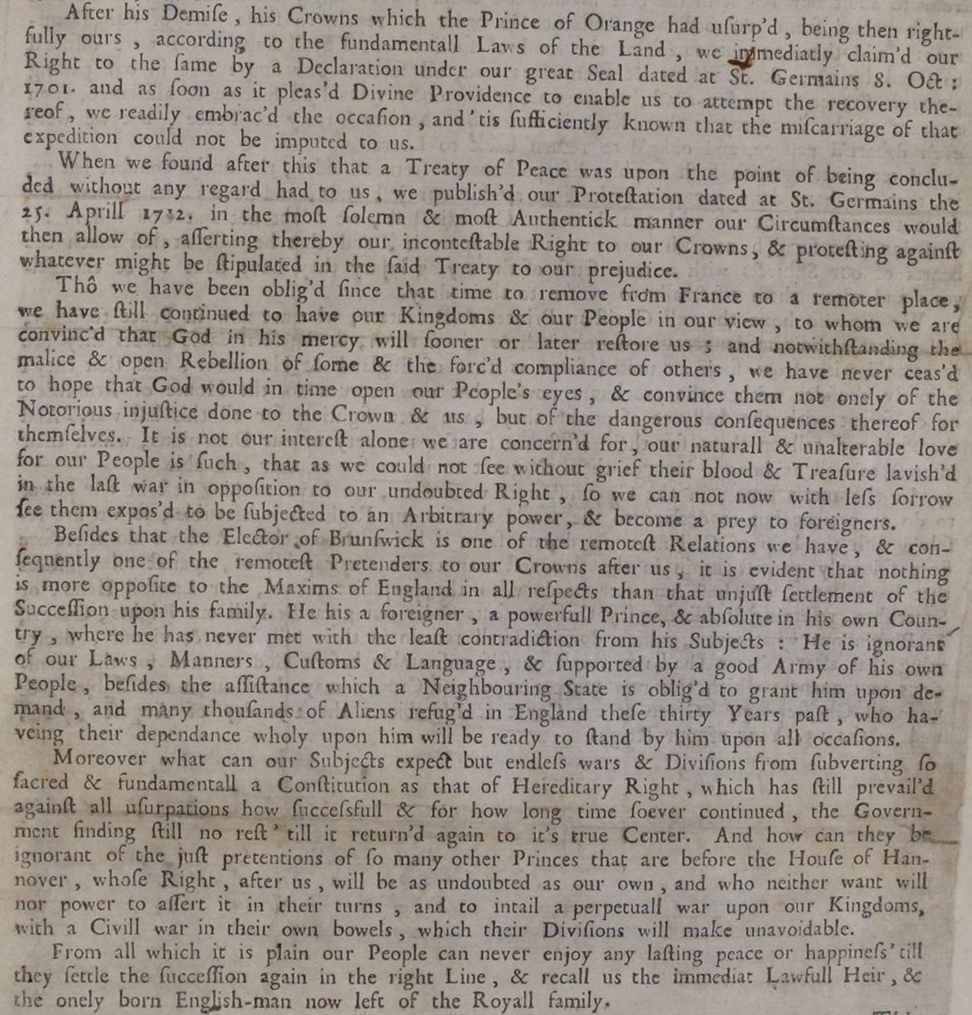
Extract from handbill from James Francis Edward Stuart, August 1714 (SP 35/1/f30)
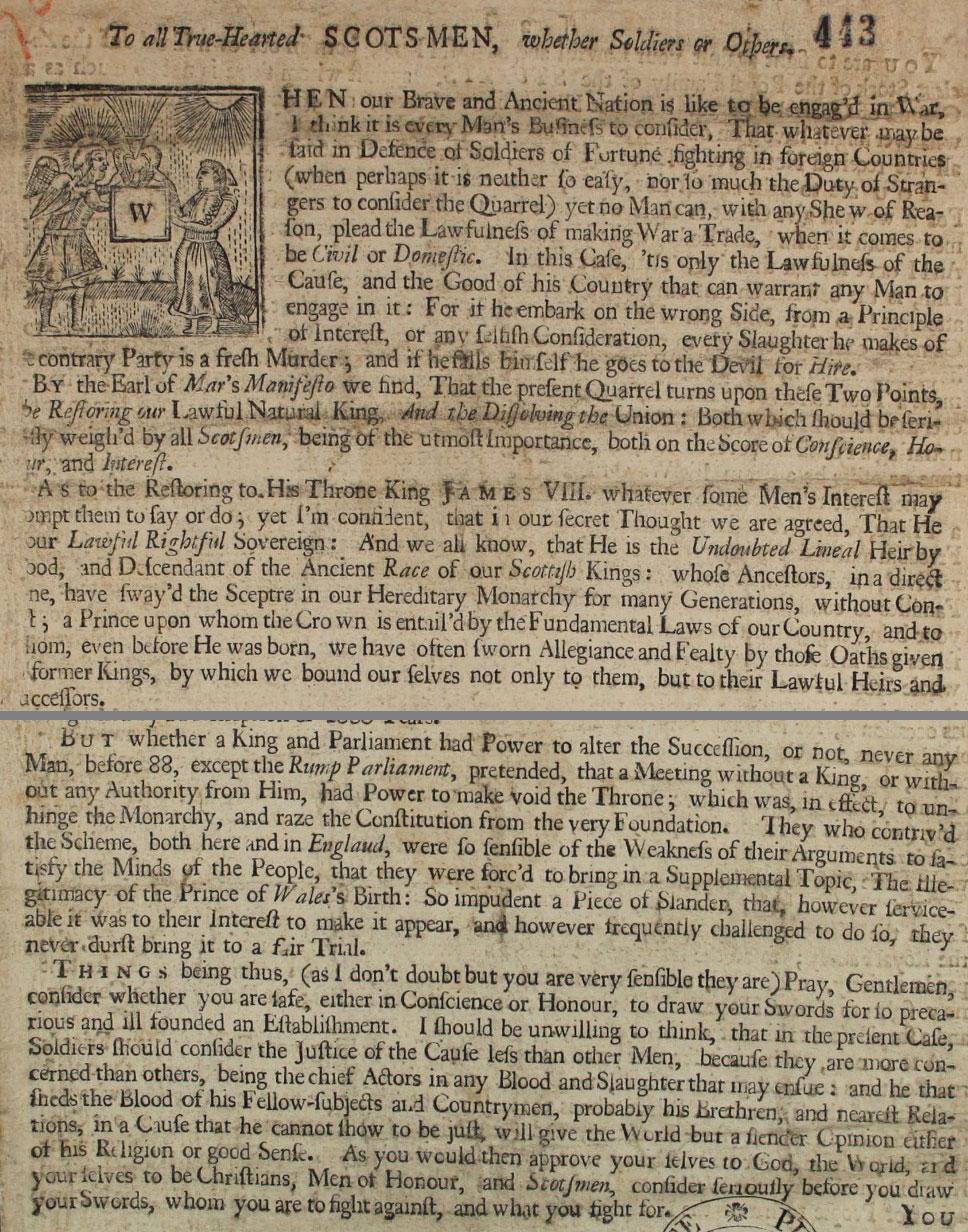
A handbill addressed ‘to all true-hearted Scotsmen’ to restore James Francis Edward to the throne, 1 January 1715 (SP 54/10/173)
What to expect in the onsite workshop:
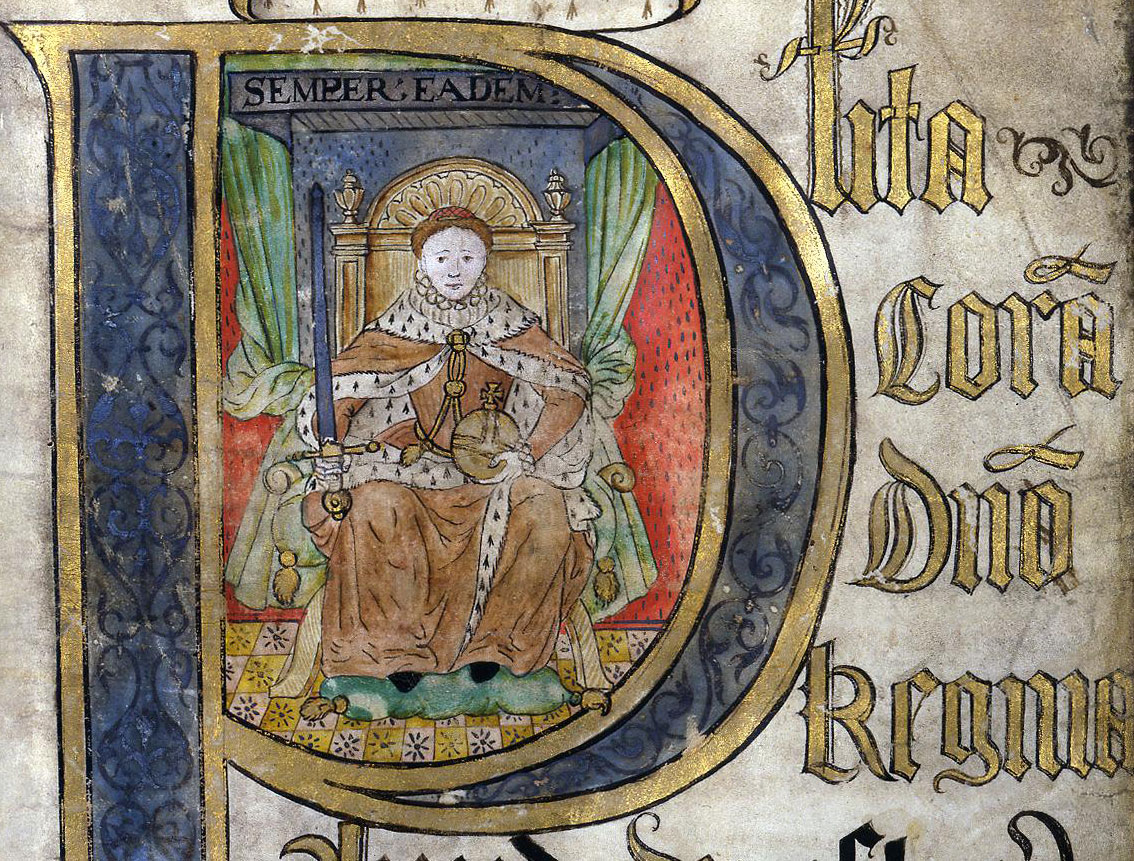
Students explore Elizabeth’s letters and speeches to learn about her ruling style. Pupils decipher Tudor handwriting and investigate what these fascinating documents reveal about her governance. This session develops evidential understanding and gives students an insight into being a Tudor historian. It also showcases some of the beautiful images of Elizabeth.
The two-hour workshop is led by an experienced history educator in an inspiring learning space at The National Archives in Kew. Students will handle a range of original Tudor documents. This workshop is suitable for KS3, 4 and 5 students. Material used in the workshop is adapted to suit the age of your students.
What to expect in the online workshop:
In the online workshop in your classroom students will investigate Elizabeth’s ruling style using her letters and speeches. This session develops skills in evidential understanding and the work of Tudor historians.
The one-hour online session in your classroom is led by an experienced history educator, you only need a microphone, large screen and webcam to take part. Interactive activities encourage students to discuss their ideas and work in groups using high-quality materials provided in advance by the Education team.
*Note we will adapt the timing of the workshop to fit with your lesson times.
Connections to the curriculum:
A-Level:
- AQA: GCE History, Unit 1C: The Tudors: England, 1485-1603
- OCR: GCE History A, Unit Y107, British Period Study: England 1547-1603: the Later Tudors
- EDEXCEL: GCE History, Unit 31, Rebellion and Disorder under the Tudors, 1485-1603
GCSE:
- OCR History A, Component 2: Power: Monarchy and Democracy in Britain c1000 to 2014
- OCR History B, Schools History Project: Component Group 1, British Depth Study: The Elizabethans, 1580-1603
- AQA History, Paper 2 Section B: British Depth Study: Elizabethan England, c1568-1603
- EDEXCEL History, Paper 2: British Depth Study: Early Elizabethan England, 1558-88
Available as: On site workshop, online workshop. Find out more about the types of session we offer.
What can we learn about Elizabeth I’s ruling style from her letters and speeches?All activities must be booked in advance.
Tel: +44 (0)20 8392 5365
Fax: +44 (0)20 8487 9202
Magna Carta is called the most important document in history. So important that people still call upon it 800 years later. But where did it come from and why did people die for it? Jump into the 13th century and decide for yourself why Magna Carta keeps coming back…
The National Archives produced this award-winning resource together with Parliament.


 A medieval revolution?
By Dr Matthew Phillips
By adding his seal to Magna Carta on 15 June 1215, King John forever changed the nature of kingship in England. No longer could a king be seen as acting on the impulse of his own convictions. His exercise of power was to be regulated by an established set of rules. In 1215, however, Magna Carta failed. King John quickly worked to undo Magna Carta, which he thought of as a peace treaty rather than as a collection of laws, and he convinced the Pope to condemn Magna Carta (see John appeals to the Pope). Yet, as this document selection shows, time and time again throughout the thirteenth century, English kings were held to account by their barons and forced to accept the restraints that Magna Carta placed upon their kingship.
Magna Carta meant a new way of doing things. This is because Magna Carta encouraged the barons to seek new political concessions whenever they felt the king was ruling unwisely. In practice, this usually meant that the barons felt they were not been consulted enough by the king. Also, when the king needed money to fight wars in France, he often found himself compelled to reaffirm his commitment to Magna Carta and find solutions to new complaints put forward by his barons. The exchange of taxation for political concessions became the main topic of discussion in medieval parliament, and contributed to the growing importance of parliament in medieval England.
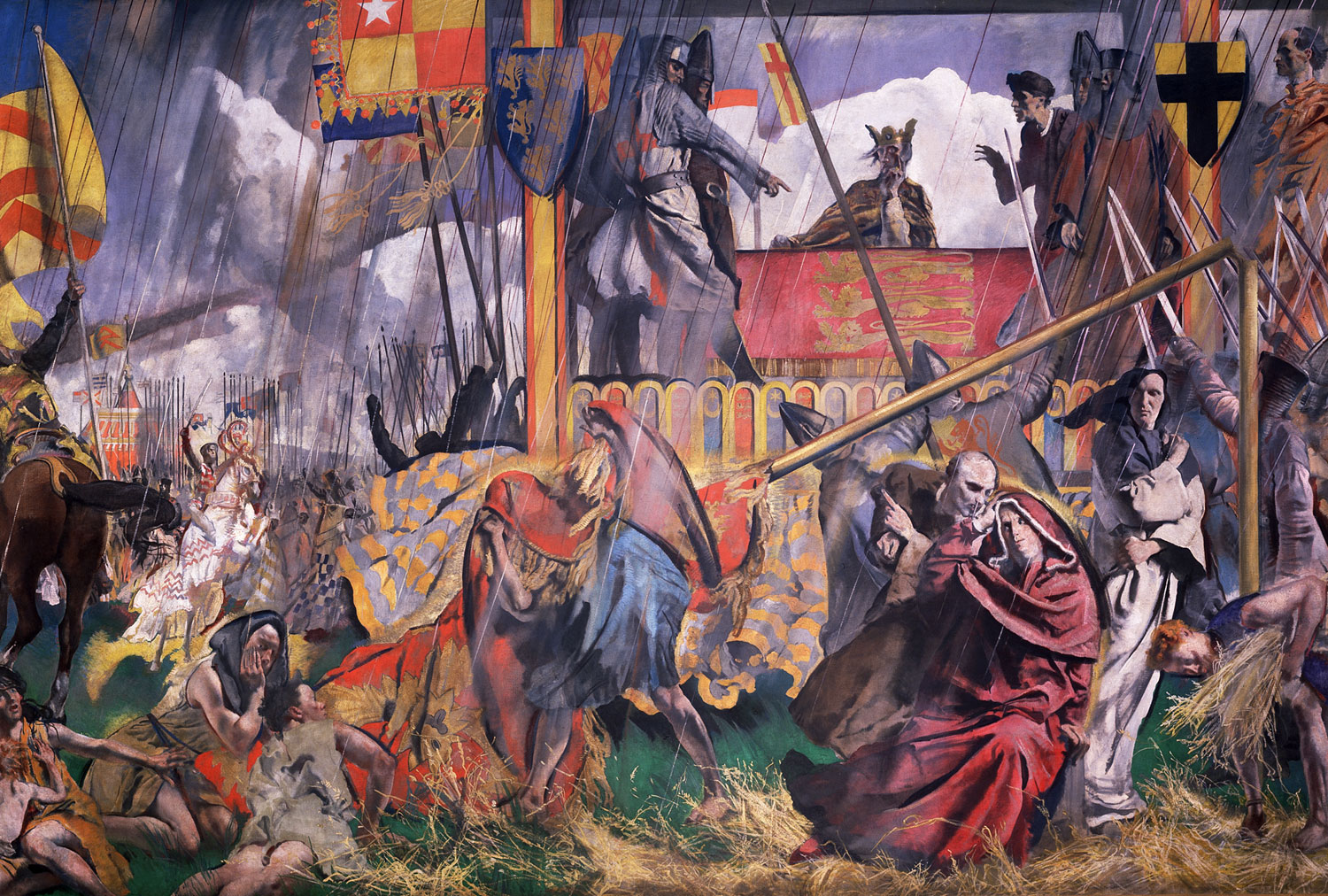
In the century after Magna Carta, parliament became a fundamental part of political life. An important part in this development was played by Simon de Montfort, who led a baronial rebellion against Henry III. Following the battle of Lewes in 1264, where Montfort took Henry III captive, Montfort summoned knights and burgesses (representatives from English towns) to parliament in order to discuss the terms of the king’s release (see Montfort’s Parliament). Although knights and burgesses had been summoned to parliament on previous occasions, Simon de Montfort needed broad political support for his plan to establish a new form of government that would significantly reduce the power of the king. Therefore, Montfort encouraged the knights and burgesses (the ‘commons’) to participate directly in the political discussions, and this established a trend that would continue throughout the Middle Ages. By the end of the thirteenth century, it was no longer acceptable for a king to tax his people without consulting parliament first, and when King Edward I attempted to do so, he faced rebellion (see Justification for taxation).
The document selection is grouped around four events that allow students to explore the significance of Magna Carta, not only in 1215 but throughout the thirteenth century. The first set of documents relates to the civil war in 1215 and King John’s assent to Magna Carta. The second set of documents relates to Henry III’s reaffirmation of a revised version of Magna Carta in 1225, where it can be seen how this was closely related to taxation for war (see Gascony invaded, Justification for taxation, and Tax assessment). A third set of documents relates to the baronial reform movement that began in 1258 and lasted until the defeat and death of Simon de Montfort in 1265 (see Battle of Evesham). Finally, the fourth set of documents relates to the baronial opposition faced by Edward I when he attempted to raise taxation in 1297 without the assent of Parliament. Notably, the barons tried, and failed to have a number of new chapters added to Magna Carta (see Articuli super cartas and Papal Bull, 1306). There are also a number of additional documents which have been selected to demonstrate the lasting legacy of Magna Carta in the modern world, both as a set of laws (see British Empire), and for its importance as a historical artefact (see Proposed gift to the USA).
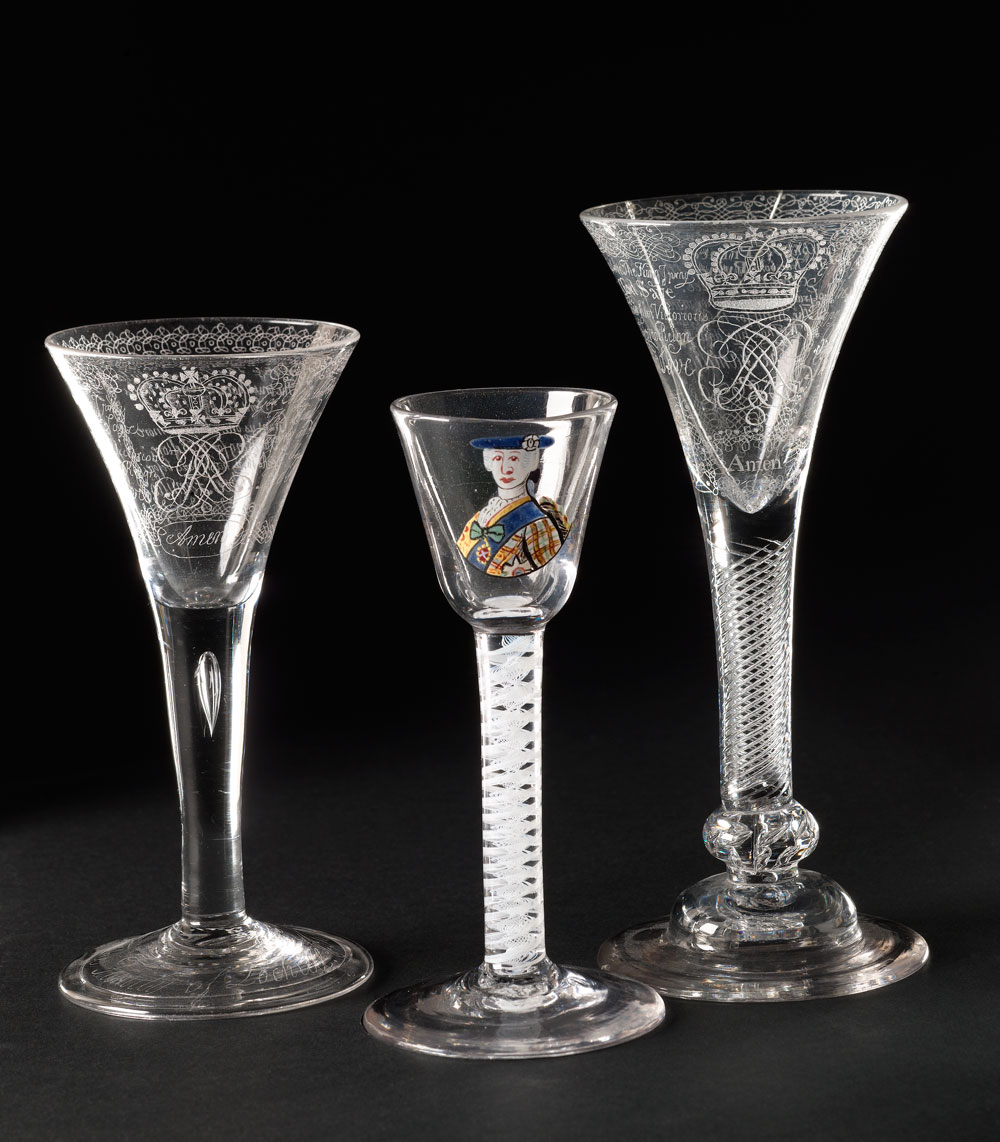
Two of the glasses are decorated with crowns and the symbol ‘JR’ intertwined with the figure eight referring to James VIII. The glass is engraved with two verses of the Jacobite anthem, and with ‘To the Prosperity of the Family of Lochiell’ engraved on the base. The smallest glass has a portrait of Charles Edward Stuart painted on it, c1750.
© National Museums of Scotland