 Rule of a ‘weak and feeble’ woman?
By Dr Tracy Borman
Elizabeth I is one of the most celebrated monarchs in British history. She was also the longest-reigning Tudor. Yet, as the younger of two daughters born to Henry VIII, she was never supposed to be queen at all.
Elizabeth was just two years and eight months old when her mother, Anne Boleyn, was convicted for treason and executed. Her parents’ marriage had been annulled prior to Anne’s execution, which rendered Elizabeth illegitimate. The birth of her half-brother Edward the following year made her prospects of inheriting the throne even more distant. But thanks to his premature death in 1553 after just six years as king, followed by the short and disastrous reign of her half-sister Mary, Elizabeth at last came into her inheritance in 1558.
There was great rejoicing across the kingdom upon Elizabeth’s accession. Church bells were rung and bonfires were lit, and thousands of people gathered to drink and make merry. Beneath the euphoria, however, lay the deep-seated prejudice against female rulers that had existed for centuries. The vast majority of Elizabeth’s new subjects believed that women were naturally inferior to men in every respect. They had neither the intelligence nor the strength of character to make their own way in the world. Even Elizabeth’s closest adviser, William Cecil, was furious when one of the queen’s messengers discussed with her a dispatch for her ambassador in Paris, exclaiming that it was ‘too much for a woman’s knowledge.’
Whereas Mary Tudor had confirmed such prejudices during her brief but turbulent reign, Elizabeth set out to confound them. Although she shared her male subjects’ views on the inferiority of women, she saw herself as an exception and was determined to stamp her authority upon all aspects of her court and government. She started by refusing to marry – a deeply shocking concept in an age when it was universally accepted that a woman (let alone a queen) could not make her way in the world without the guidance of a husband. But Elizabeth was adamant: ‘I will have but one mistress here, and no master’, she told her courtiers. Although she encountered fierce resistance to this at first, over time her single state became one of the cornerstones of her success: it secured her place as the Virgin Queen of legend.
Another part of Elizabeth’s strategy to win over her misogynistic new subjects was to refer to herself time and again in masculine terms. She was a ‘prince’ who led her people with just as much authority as her formidable father, Henry VIII. But she also knew exactly when to flaunt her femininity. She created a court based upon the principles of chivalric love, with herself at the centre – at turns delighting, frustrating and enslaving the male courtiers who flocked to pay her homage. She would also use her womanly ‘weaknesses’ as an excuse not to take action. When under intense pressure to sign the death warrant of Mary, Queen of Scots, she told a parliamentary delegation that ‘my sex doth not permit it.’
Elizabeth’s first biographer, William Camden, claimed that she had ‘surprised her sex’. This implies that she triumphed in spite of being a woman, whereas in fact she triumphed because of this. Her feminine traits enabled her to stand out in a world dominated by men – and to dominate these men in turn.
The other keynote of Elizabeth’s queenship was her extraordinary self-discipline. She always put the interests of her country ahead of her own private hopes and fears – including the love she bore for her long-standing favourite, Robert Dudley. Her long reign witnessed a number of notable achievements: a new, moderate religious settlement, overseas expansion, great military victories like the Armada and a flowering of cultural life epitomised by Shakespeare. Little wonder that it has been described as a ‘Golden Age’.
But there was another side to the story too. Seen by most of Catholic Europe as a heretical and (thanks to her infamous mother Anne Boleyn) illegitimate usurper, from the very beginning of her reign Elizabeth was beset by rival claimants. The most deadly of them all was Mary, Queen of Scots, who was a thorn in the English queen’s side for almost 30 years. Elizabeth also courted opposition thanks to being notoriously parsimonious when it came to supplying and paying her troops – notably the sailors who won her most celebrated victory in 1588. A succession of failed harvests and economic hardship during the later years of her reign added to the climate of dissatisfaction, and prompted Elizabeth to introduce two new poor laws.
Despite all of this, Elizabeth won widespread adulation among her people as ‘Gloriana’ and ‘Good Queen Bess’, and transformed their attitude towards female rulers. It was a legacy that all subsequent queens had cause to be grateful for – none more so than her namesake, our current queen.
Dr Tracy Borman is a best-selling author and historian, and is also joint Chief Curator of Historic Royal Palaces. She is a specialist on the Tudor period, and her books include: ‘Elizabeth’s Women: The hidden story of the Virgin Queen’ and, most recently, ‘The Private Lives of the Tudors’.

England’s Immigrants 1330-1550 is a database which expands our knowledge of early immigration. The database reveals evidence about the names, origins, occupations and households of foreigners who chose to live and work in England in the era of the Hundred Years War, the Black Death and the Wars of the Roses. Their nationalities ranged from other parts of the British Isles, including Scots, Irish and Channel Islanders, to mainland Europeans from countries including Portugal, Sweden, Greece and Iceland.
 Using the database as a springboard, The University of York and The National Archives have produced these teaching resources, which can be downloaded below, to support the teaching of British immigration in the middle ages and early Tudor period.
Were there really aliens living among the population of England in the 15th century? (Year 5-6)
Lesson 1: Were there really aliens in medieval England?
Lesson 2: How were aliens treated in 15th century England?
Teaching materials: Were there really aliens living among the population of England in the 15th century? (ZIP, 9.3 MB)
How can government records help us investigate the diversity of the population? (KS3 – Years 8/9)
Lesson 1: How diverse was England’s population in the period 1330-1550?
Lesson 2: What can we learn about the female migrants living in England in the period 1330-1550?
Lesson 3: How do we know so much about the England’s immigrant population from the period 1330-1550?
Teaching materials: How can government records help us investigate the diversity of the population? (ZIP, 4.4 MB)
How can we get people from the 15th century to tell us about their lives? (KS 4 and 5- Years 10-13)
Lesson 1: Who lived in the Fifteenth Century?
Lesson 2: How do we know what we know?
Teaching materials: How can we get people from the 15th century to tell us about their lives? (ZIP, 15.8 MB)
Did trade and migration change England in the 16th century? (Years 12-13)
Lesson 1: How far was England a nation of traders and migrants before 1560?
Lesson 2: How far did the arrival of migrants from the 1560s change England?
Teaching materials: Did trade and migration change England in the 16th century? (ZIP, 3.8 MB)
Downloads for teachers
The following downloads are for teachers using the Magna Carta resource. These include PowerPoint presentations, teacher’s notes and other material for use in classrooms.
Lesson 1: Introduction to Magna Carta
- Lesson 1: Introduction to Magna Carta (PPTX, 34.9 MB)
- Teacher’s notes (PDF, 1.03MB)
Lesson 2: The great feudal feud for all
- Lesson 2: The great feudal feud for all (PPTX, 20.1 MB)
- Teacher’s notes (PDF, 1.43 MB)
- Question sheet (PDF, 0.24 MB)
- Mystery document (jumbled) (PDF, 0.01 MB)
- Mystery document (correct order) (PDF, 0.01 MB)
Lesson 3: The debate
- Lesson 3: The debate (PPTX, 108 MB)
- Teacher’s notes (PDF, 1.34 MB)
- Sources 1-8 (PDF, 1.69 MB)
- Source 9 (PDF, 0.92 MB)
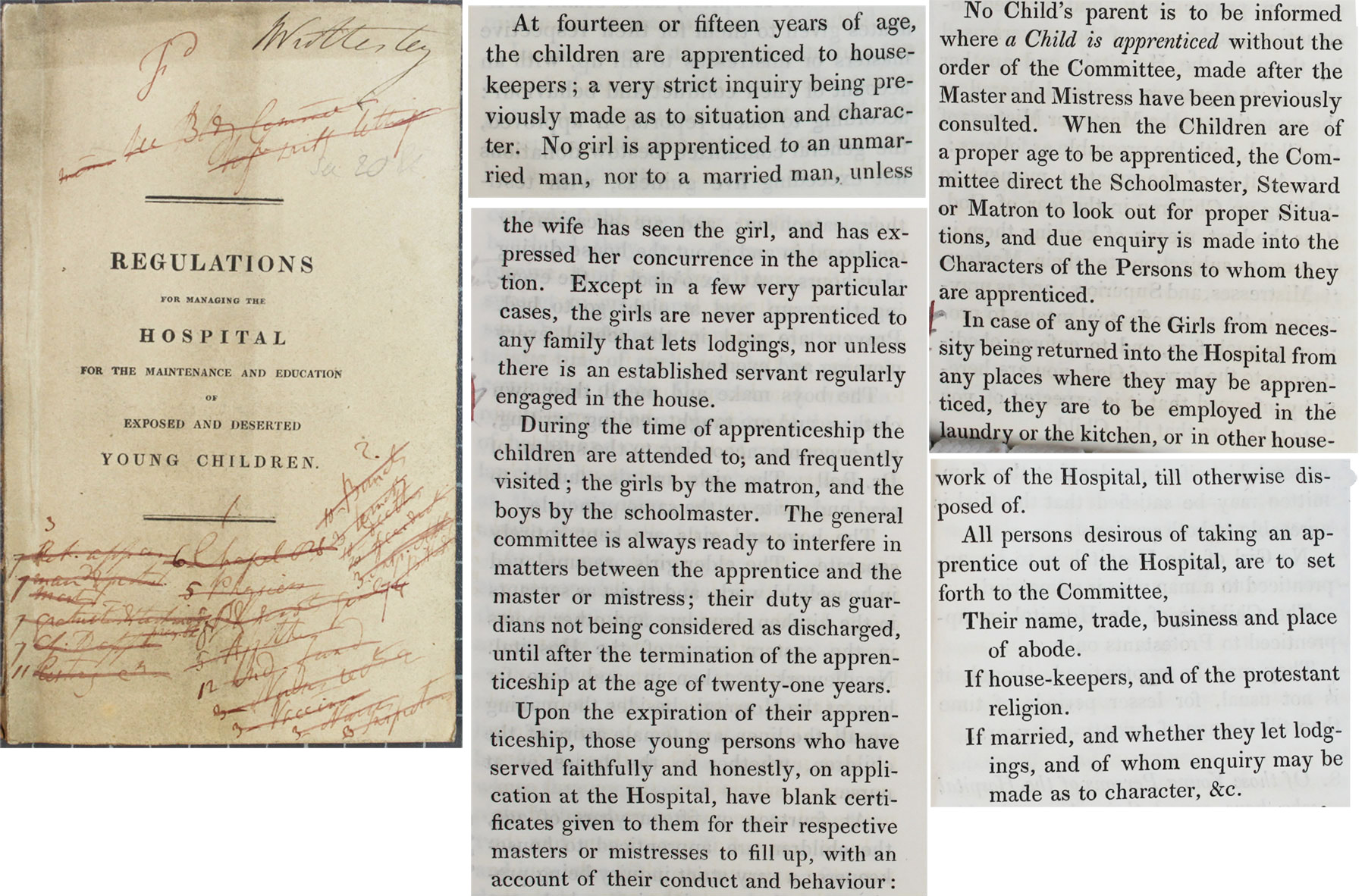
Guidance given to Hospital staff on how to apprentice a child. (CHAR 2/384)
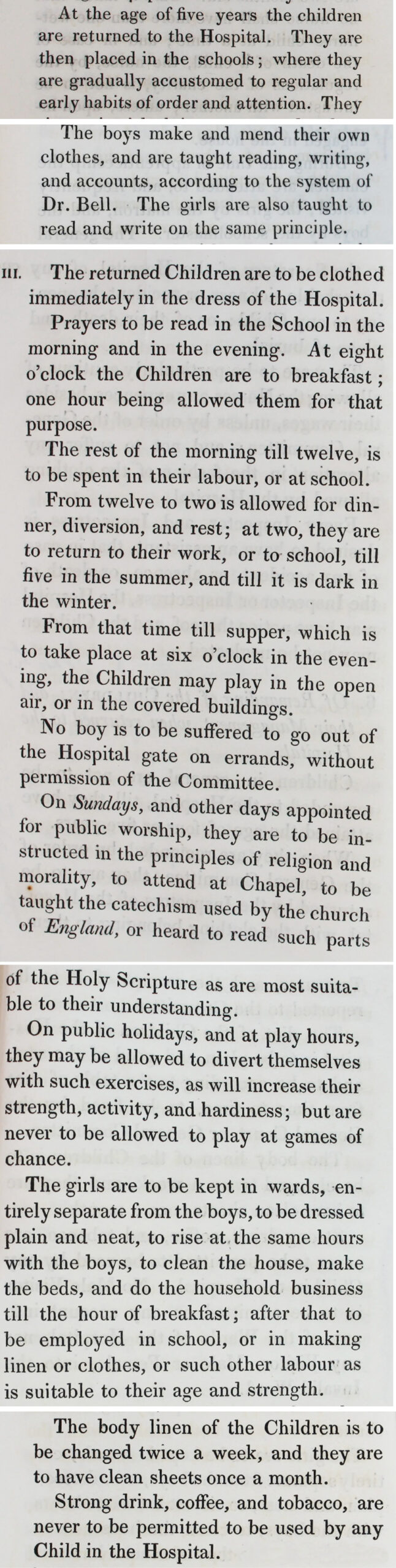
Guidelines on how children between the ages of five and fifteen were to be cared for whilst at the hospital. (CHAR 2/384)
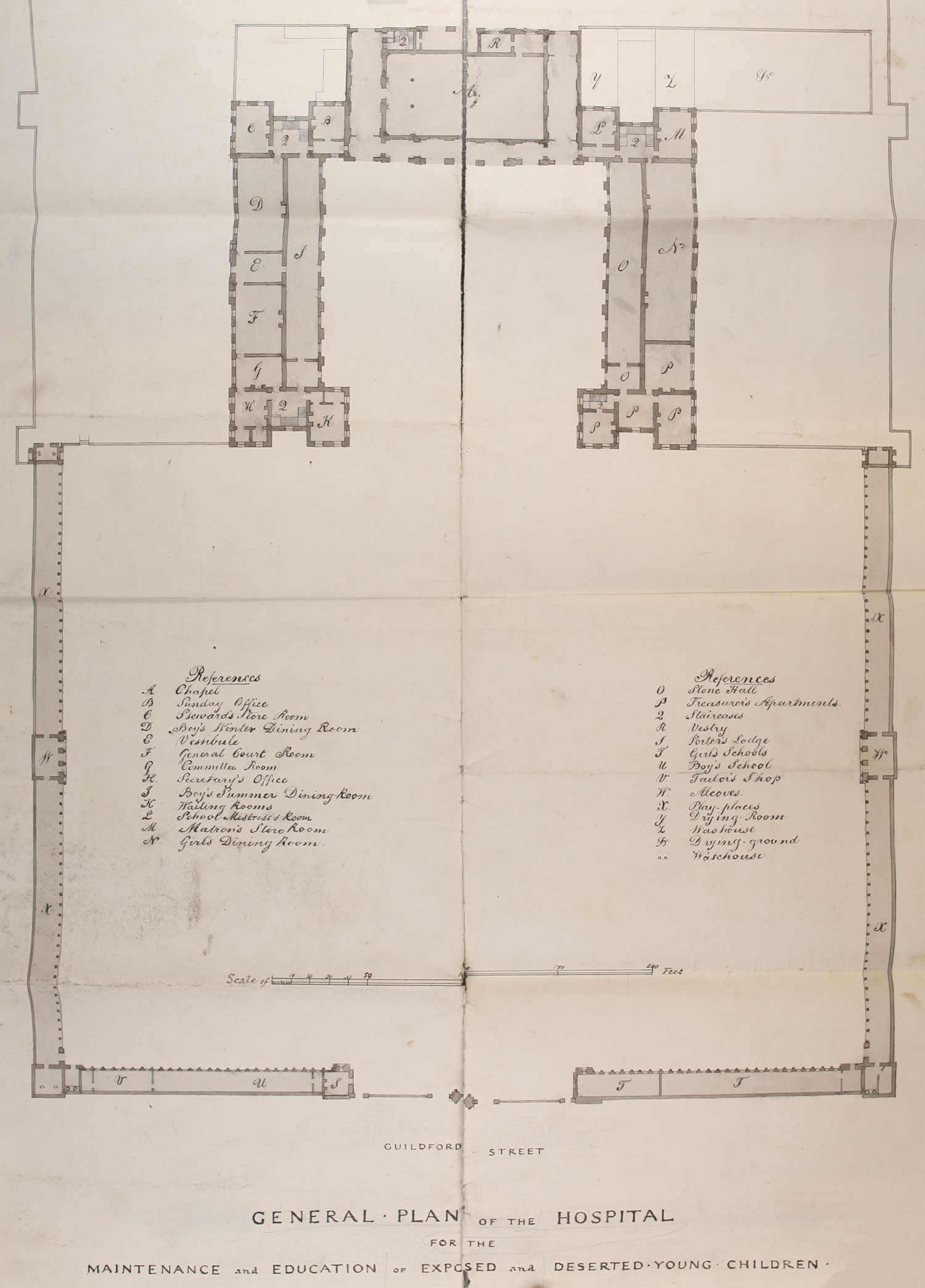
A plan of the hospital for the maintenance and education of exposed and deserted young children. (CHAR 2/384)
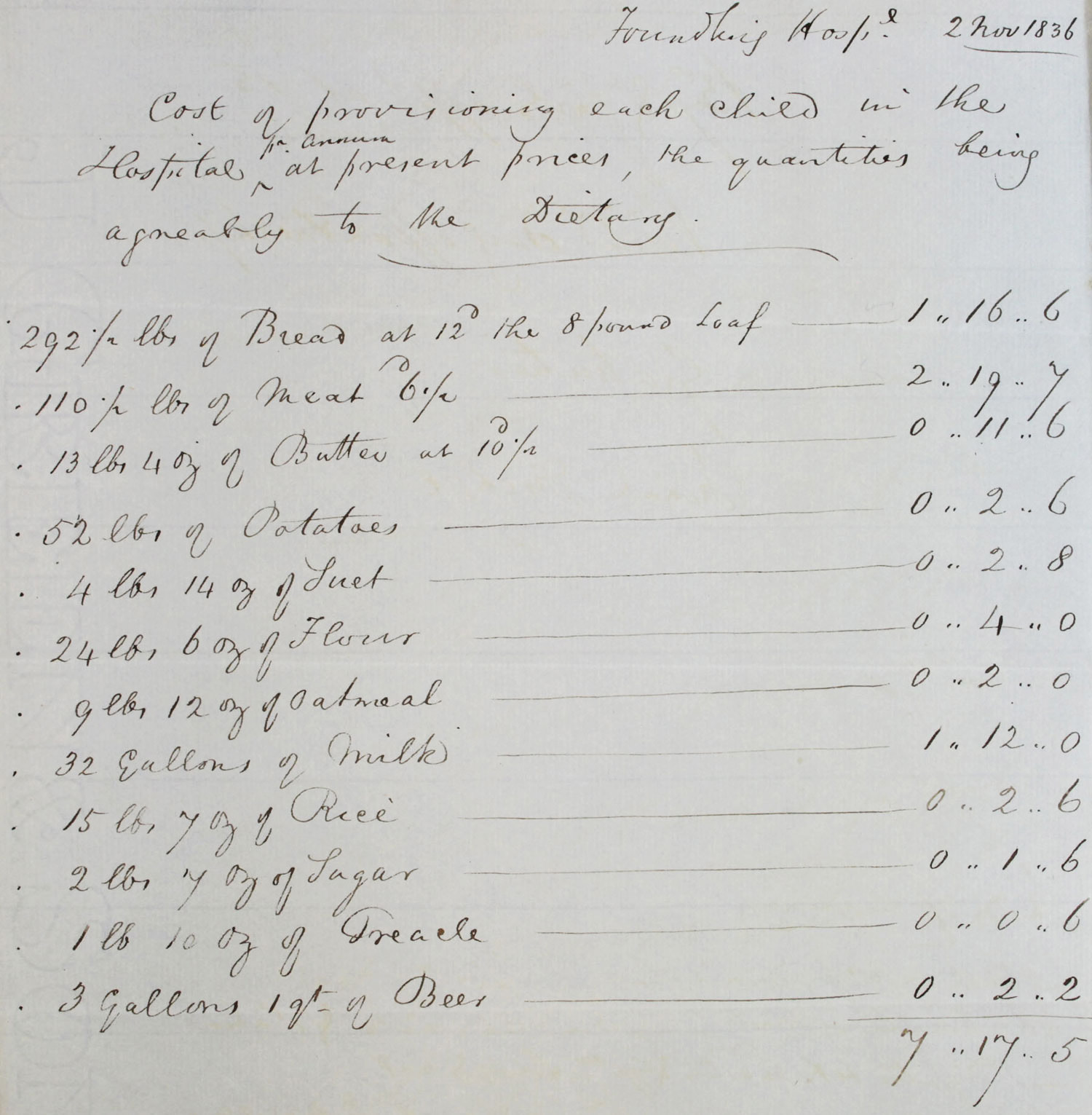
A table listing the food and drink given to each child in a year. (CHAR 2/384)
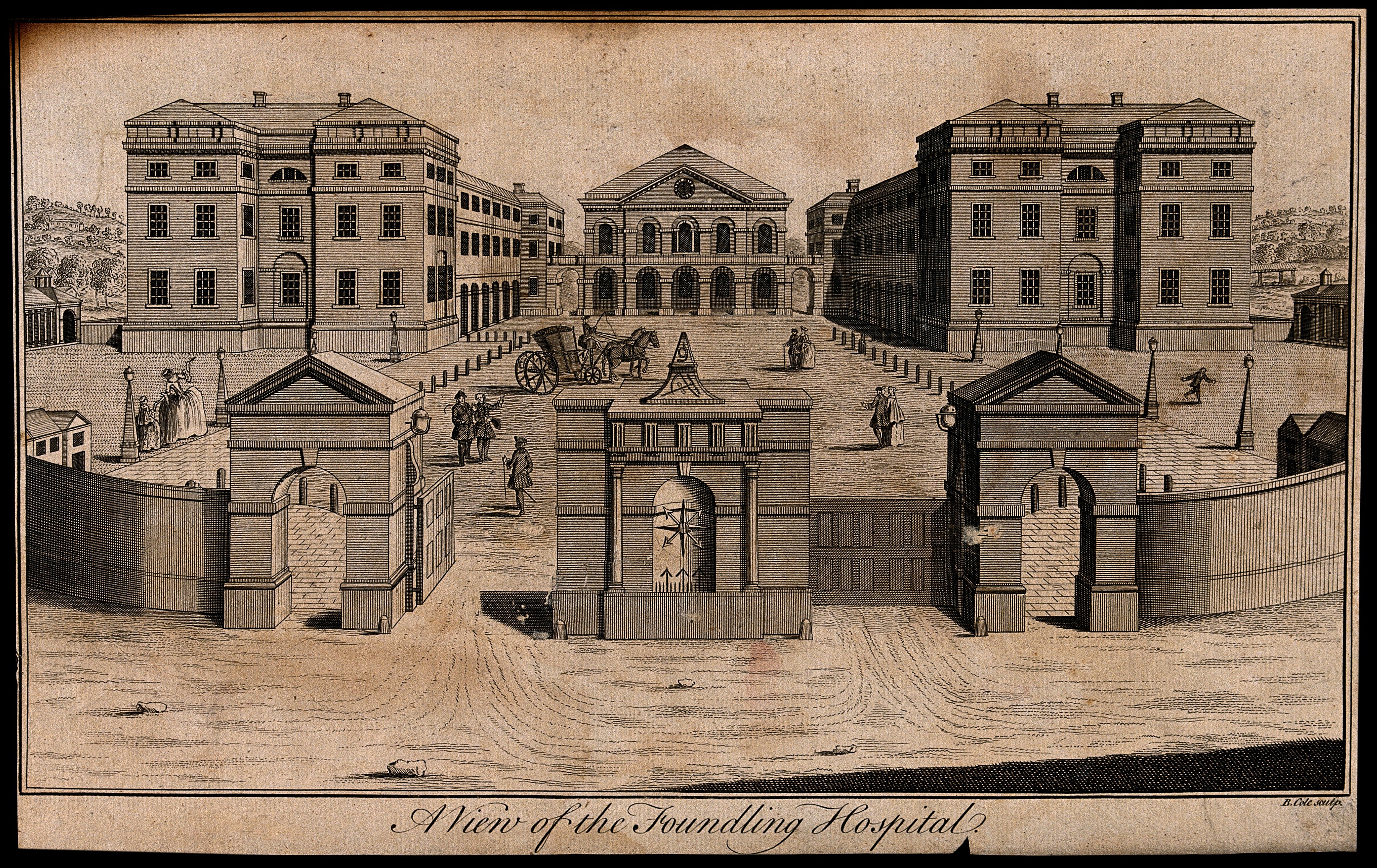
This lesson gives you the chance to look at primary sources from the Foundling Hospital which are held at The National Archives in Kew, London. The Hospital began in 1741 and although it is no longer open, the charitable work continues to this day under the Coram foundation.
The Foundling Hospital was started by Thomas Coram, a philanthropist who was appalled to see children and babies dying on London’s streets. The word ‘hospital’ implied the hospitality shown to children in their care, rather than a place for the sick. Mothers brought their babies to the Hospital, where they would be given a new name. However, mothers left a token with the hospital, such as a scrap of fabric or a coin, so that the child could be identified if the mother enquired about or wanted to claim the child.
The first children were admitted in 1741. In 1745 their purpose built children’s home was opened in Bloomsbury, London, which at that time was surrounded by fields. By the early 19th century, the hospital mainly wanted to help illegitimate children: ‘the design of the founder… being twofold- to hide the shame of the mother, as well as to preserve the life of the child’ (CHAR 2/384). Children had to be under 12 months of age, and were admitted after the mother had been interviewed and deemed to fit the criteria set out by the hospital. Once they had been accepted, children were registered, and were sent to live with a ‘nurse’ or foster family in the country. When they reached four or five years of age, children were sent to live at the Foundling Hospital in London, where they received schooling until they were 15 years old, and then were apprenticed, usually to work in domestic or military service.
These documents come from the early 19th century, when the hospital was well established. Use this lesson to find out about what it was like to be a child in the care of the Foundling Hospital in the late Georgian era.
What were conditions like for children in the care of the Foundling Hospital?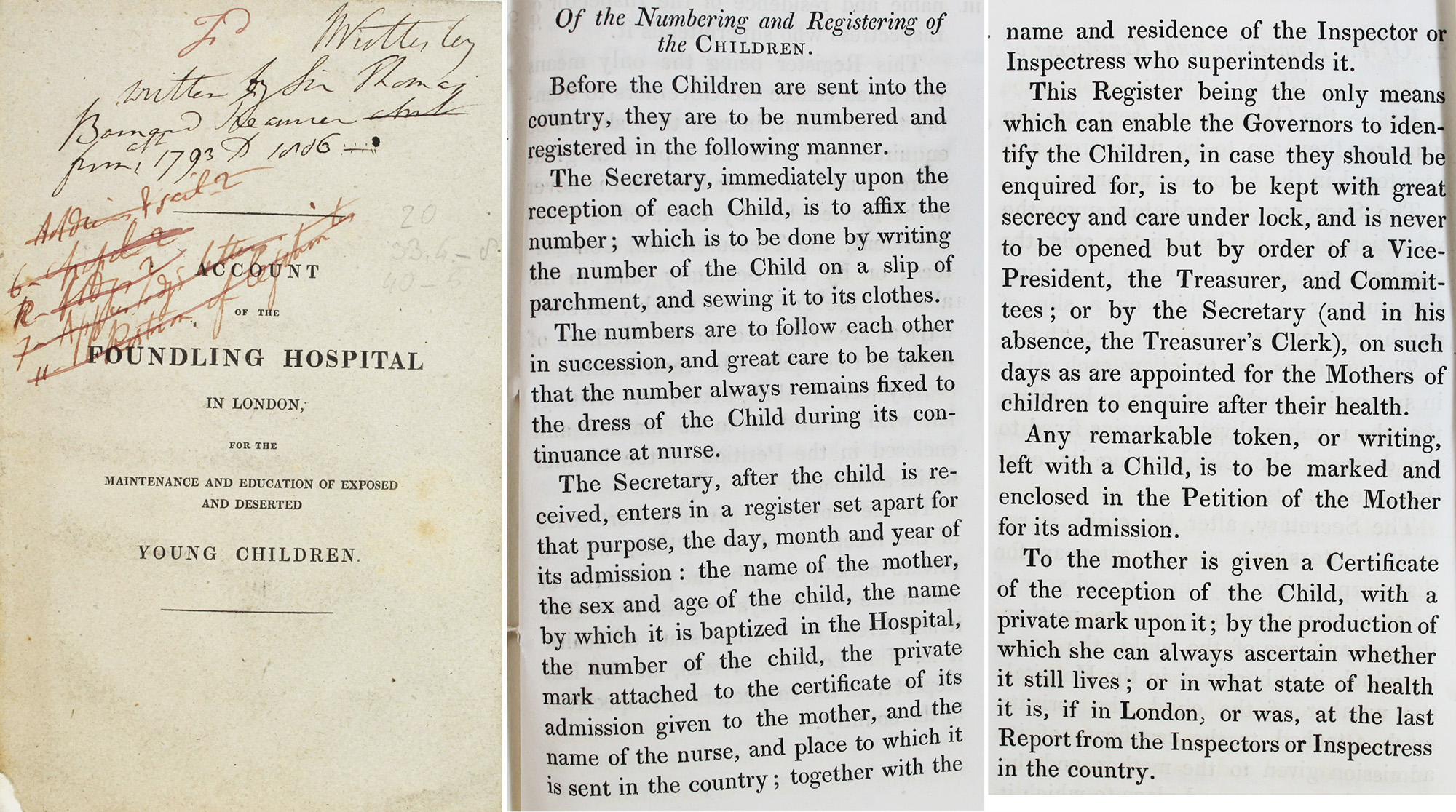
Extract from a handbook for staff of the Foundling hospital. (CHAR 2/384).
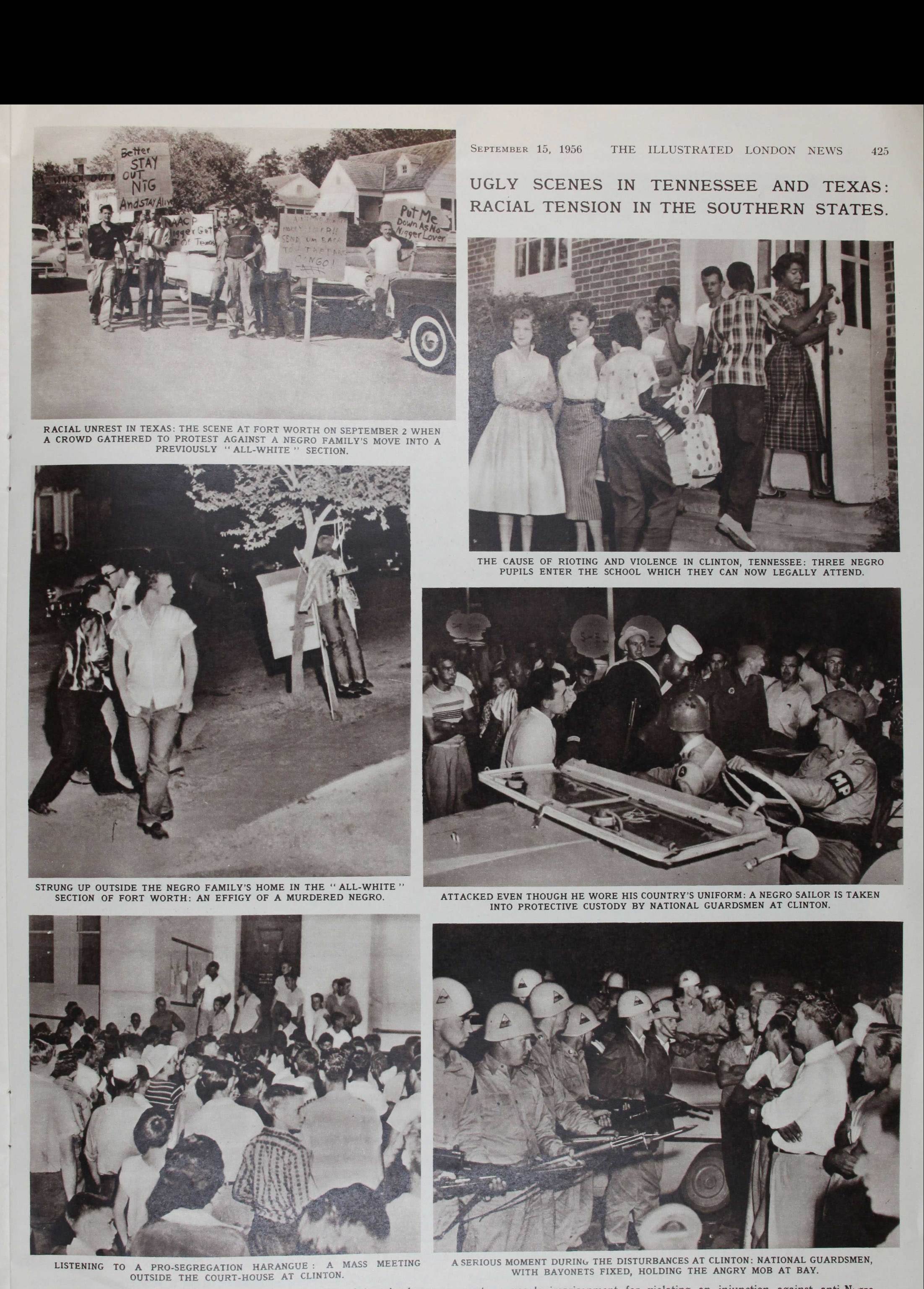
Exploring a range of Foreign Office files produced by the British Government during the presidencies of Eisenhower, JFK and Johnson, students will investigate the response of the ordinary Americans and the US government to segregation within the USA.
How did the response to segregation change over time and why were the British government monitoring the civil rights situation in the first place?
Connections to the curriculum:
A-Level:
- AQA: AS AND A-Level History, Unit 2Q: The American Dream: reality an illusion, 1945-198
- EDEXCEL: A- Level History, Paper 1, Option 1F, In search of the American Dream: The USA, 1917-96
- OCR: A-Level History, Unit Y319: Civil Rights in the USA 1865-199
Available as: On site workshop. Find out more about the types of session we offer.
This session is not designed to be an introduction to the topic and students should have knowledge of the topic in advance of attending the workshop.
What was the response to racial segregation in the US?All activities must be booked in advance.
Tel: +44 (0)20 8392 5365
Fax: +44 (0)20 8487 9202