
Outbreak, experience, peacemaking and remembrance.
This resource has been archived as the interactive parts no longer work. You can still use the rest of it for information, tasks or research. Please note that it has not been updated since its creation in 2009.
You can find more content on this topic in our other resources:
Lessons
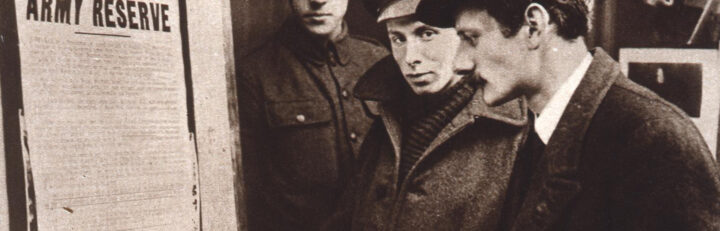
- Great War soldier’s record
What can we find out? - Somme Tales
A stop-motion animation film telling the stories of those who experienced the Battle of the Somme.
Themed collections
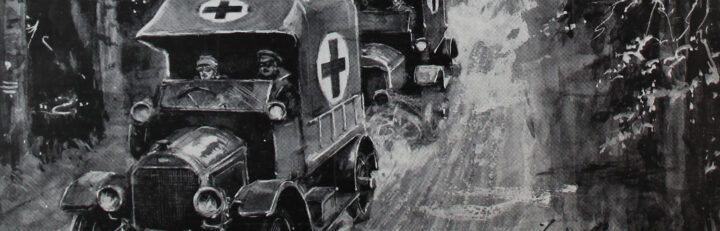
- Medicine on the Western Front (part one)
- Medicine on the Western Front (part two)
How did trench warfare affect injuries and treatment? - Loyalty and dissent
How did Indian soldiers respond to the First World War? - Letters from the First World War, part one
How did these men experience the conflict? (1915) - Letters from the First World War, part two
How did these men experience the conflict? (1916 – 18)