What to expect in the onsite workshop:
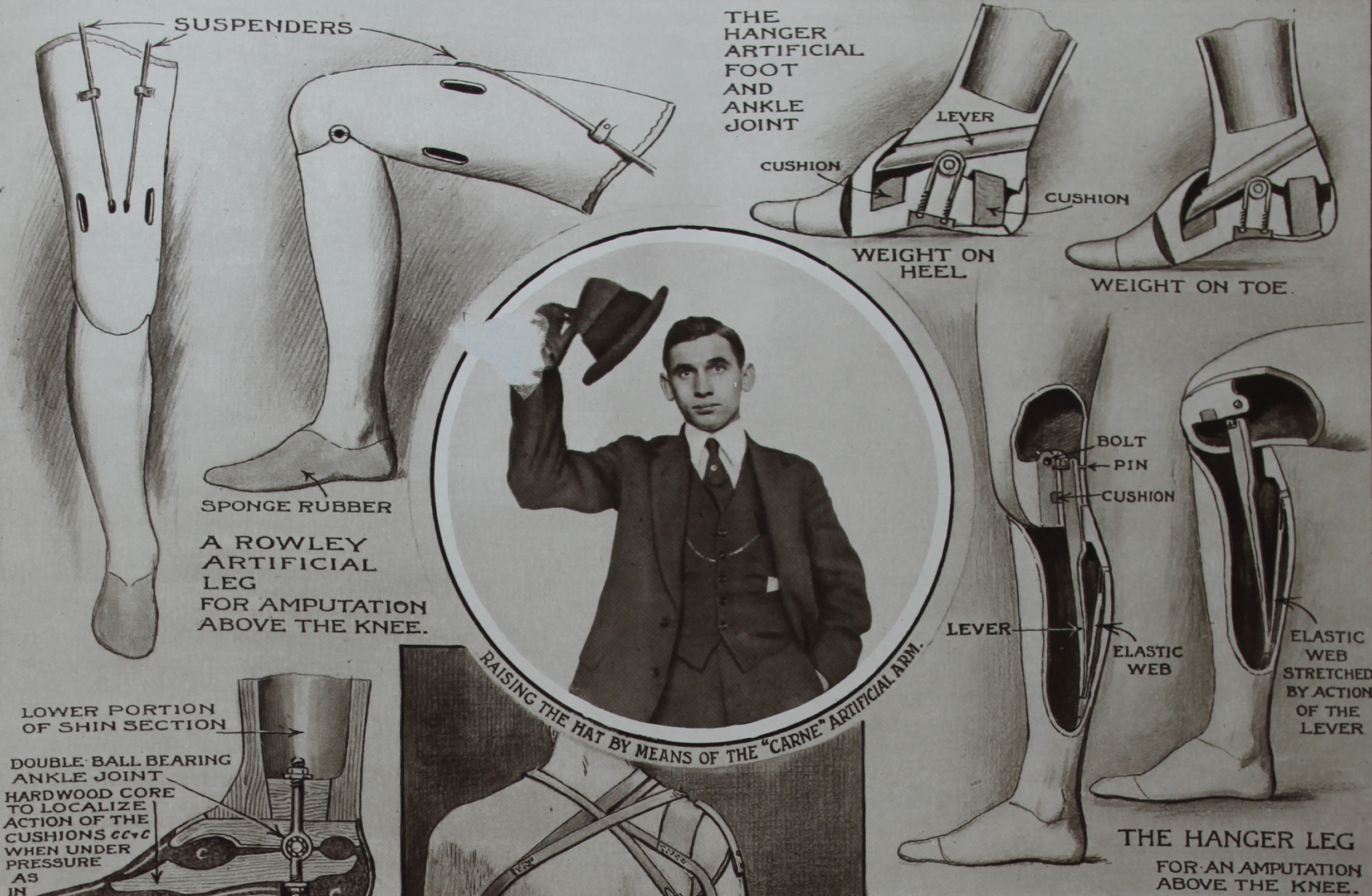
Using original documents, from medical cards completed in the trenches to army service records, students explore fascinating personal stories from the First World War.
In the onsite workshop students explore fascinating personal stories from the First World War using original documents, from medical cards completed in trenches, to army service records. This session develops skills in selecting sources for particular historical enquiries. Students will investigate diverse experiences including a soldier with gas poisoning and a nurse suffering the psychological effects of working in a hospital.
The two-hour workshop is led by an experienced history educator in an inspiring learning space at The National Archives in Kew. Students handle a range of original documents.
What to expect in the online workshop:
In the online workshop in your classroom students will investigate the effectiveness of medical treatment in the First World War, through examining historical documents. Students will gain a deeper understanding into different types of historical documents, from medical forms to government reports. This session develops skills in assessing the usefulness of documents.
The one-hour online session in your classroom is led by an experienced history educator, you only need a microphone, large screen and webcam to take part. Interactive activities encourage students to discuss their ideas and work in groups using high-quality materials provided in advance by the Education team.
*Note we will adapt the timing of the workshop to fit with your lesson times.
Connections to the Curriculum:
- AQA GCSE History: Conflict and tension: the First World War, 1894–1918 The Western Front: military tactics and technology, including trench warfare
- Edexcel GCSE History: Medicine in Britain, c1250 present and The British sector of the Western Front, 1914 18.
- OCR GCSE History: War and British Society c.790 to c.2010: The First World War: the beginnings of ‘total war’, including the impact on people’s lives.
- Edexcel GCE ‘A’ level History: British Experience of Warfare c1760-1918: Trench warfare on the Western Front 1914-1918
All activities must be booked in advance.
Tel: +44 (0)20 3908 9162
What to expect in the onsite workshop:
In the onsite workshop students will examine original documents to explore different methods enslaved people used to resist the system of slavery. These range from day to day acts of resistance like working deliberately slowly to full-scale armed revolts. This workshop contains documents that explore the brutality of British rule in the Caribbean such as punishment lists and laws restricting cultural and religious practices of enslaved people.
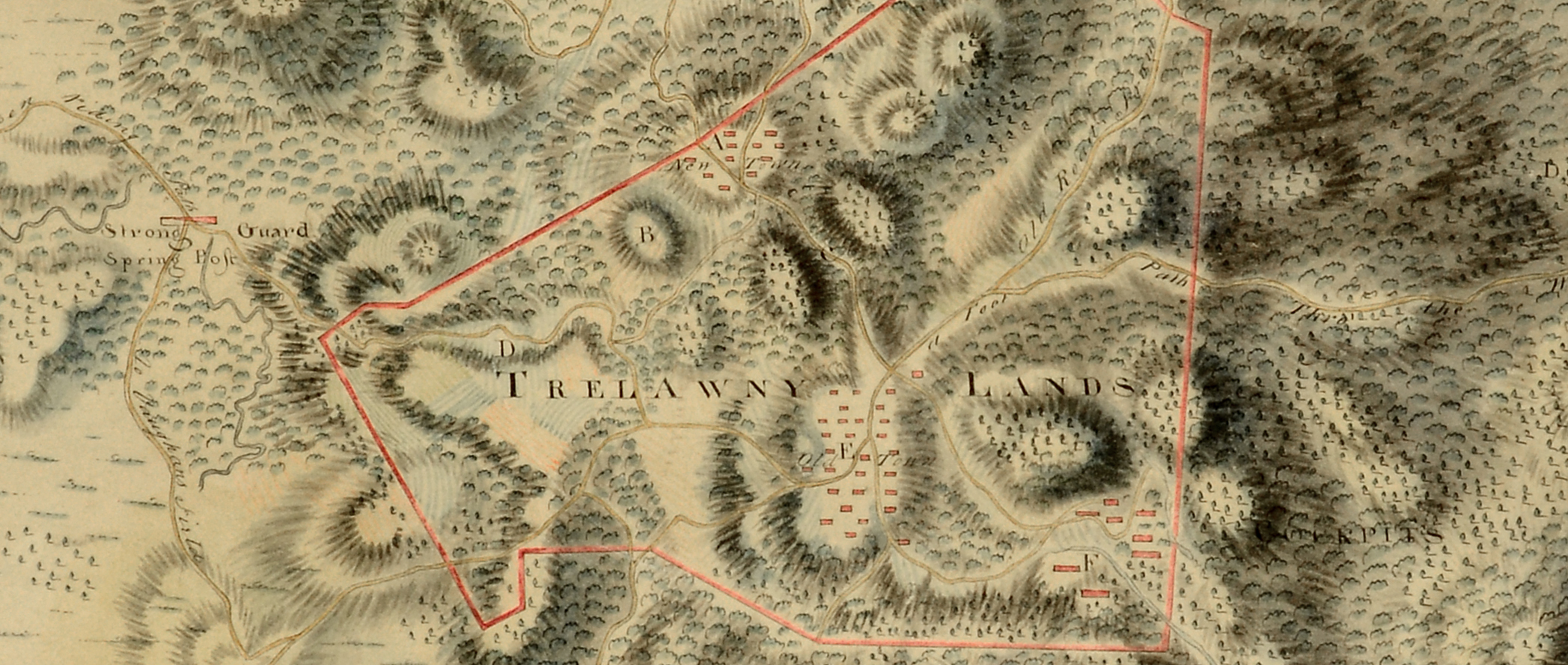
The two-hour workshop is led by an experienced history educator in an inspiring learning space at The National Archives in Kew. Students handle a range of original documents including newspapers, letters and a fascinating map showing the area the Maroons, formally enslaved people in Jamaica settled.
*Note both onsite and online sessions are designed for students who have studied Transatlantic slavery, it is not an introduction to this subject.
What to expect in the online workshop:
In the online workshop in your classroom students will examine documents to explore different methods enslaved people used to resist the system of slavery. These range from day to day acts of resistance like working deliberately slowly to full-scale armed revolts.
The one-hour online session in your classroom is led by an experienced history educator, you only need a microphone, large screen and webcam to take part. Interactive activities encourage students to discuss their ideas and work in groups using high-quality materials provided in advance by the Education team.
*Note we will adapt the timing of the workshop to fit with your lesson times.
How did enslaved people resist?All activities must be booked in advance.
Tel: +44 (0)20 8392 5365
Fax: +44 (0)20 8487 9202
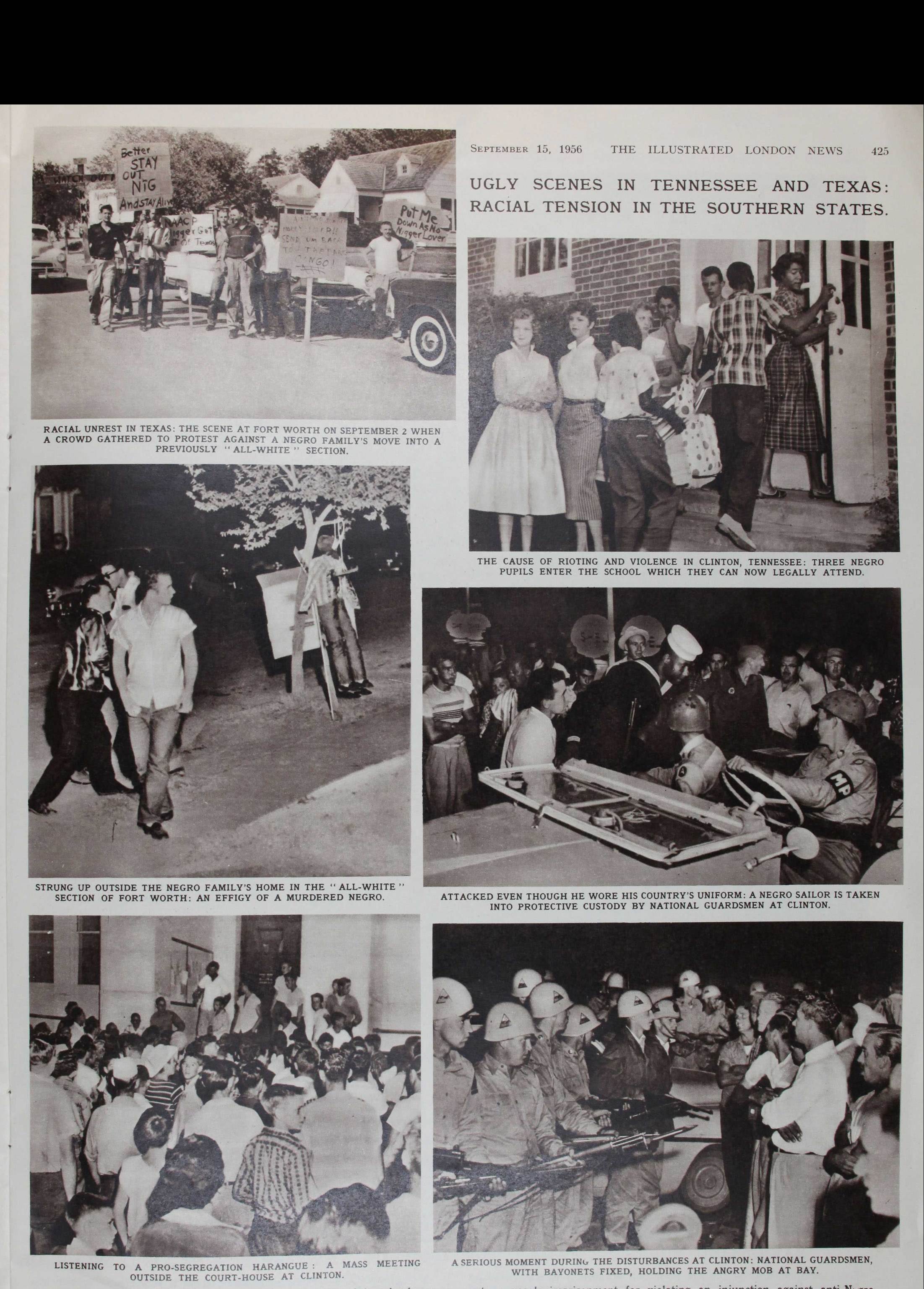
Exploring a range of Foreign Office files produced by the British Government during the presidencies of Eisenhower, JFK and Johnson, students will investigate the response of the ordinary Americans and the US government to segregation within the USA.
How did the response to segregation change over time and why were the British government monitoring the civil rights situation in the first place?
Connections to the curriculum:
A-Level:
- AQA: AS AND A-Level History, Unit 2Q: The American Dream: reality an illusion, 1945-198
- EDEXCEL: A- Level History, Paper 1, Option 1F, In search of the American Dream: The USA, 1917-96
- OCR: A-Level History, Unit Y319: Civil Rights in the USA 1865-199
Available as: On site workshop. Find out more about the types of session we offer.
This session is not designed to be an introduction to the topic and students should have knowledge of the topic in advance of attending the workshop.
What was the response to racial segregation in the US?All activities must be booked in advance.
Tel: +44 (0)20 8392 5365
Fax: +44 (0)20 8487 9202
‘…if you ever meet a chap that says he wants to go back call him a liar’.
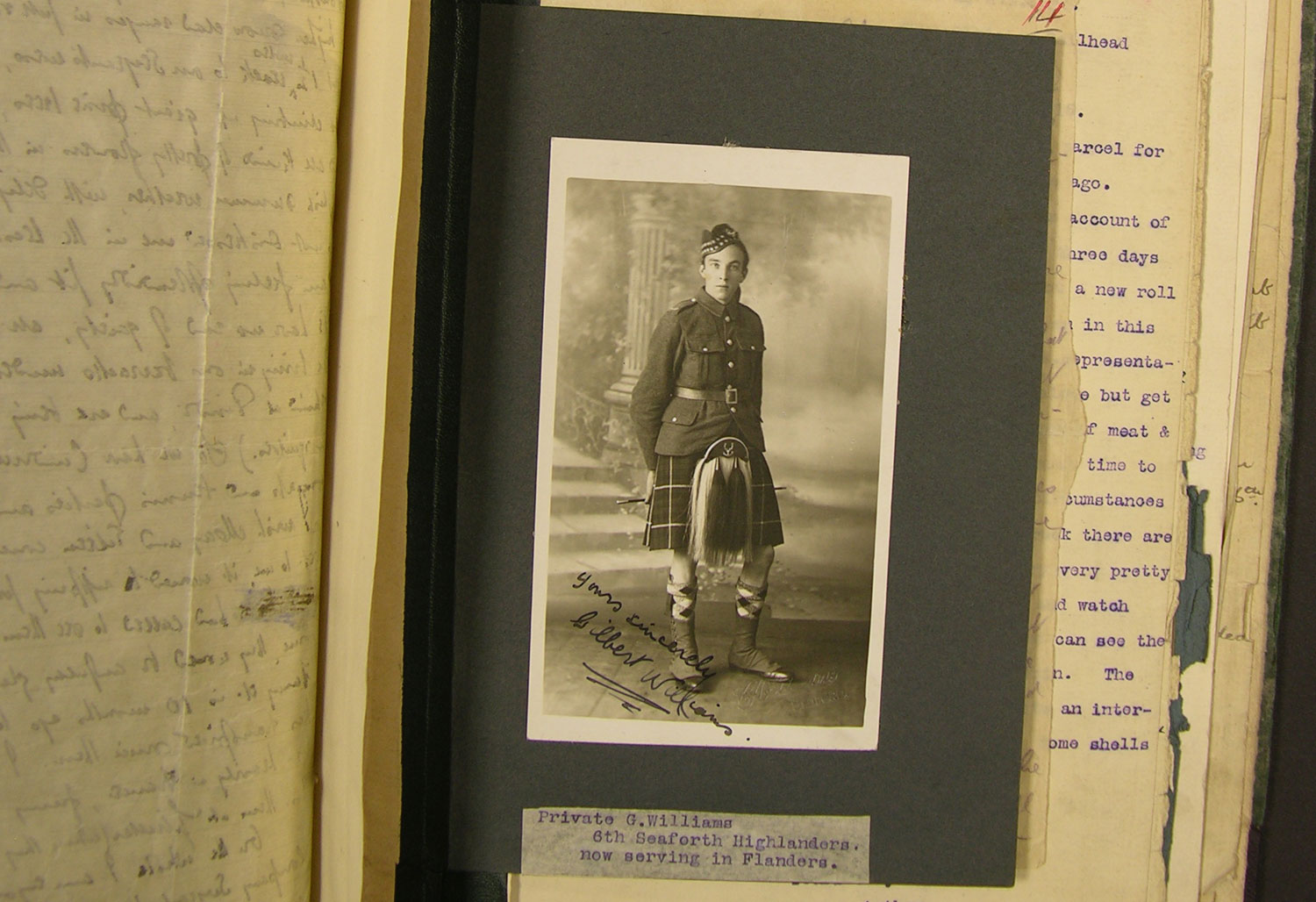
These are words penned by Albert Edwin Rippington, an employee of the Audit Office for the Great Western Railway. Albert, along with many of his colleagues, had enlisted to fight in the First World War. He was wounded in action and wrote about his experiences from his hospital bed back in England. Albert was clearly deeply affected by his time in the trenches, but how typical was his experience?
In the online workshop in your classroom students will explore a range of letters written by soldiers who enlisted from the Great Western Railway to fight. The session gets pupils to compare experiences of war, along with evaluating the strengths and limitations of using letters to learn about soldier’s experiences in the First World War. The one-hour online session is led by an experienced history educator, you only need a microphone, large screen and webcam to take part. Interactive activities encourage students to discuss their ideas and work in groups using high-quality materials provided in advance by the Education team.
Connections to the curriculum:
- KS3: Challenges for Britain, Europe and the wider world 1901 to the present day
- KS4: Edexcel: Option 11. The British Sector of the Western Front
Available as: Online workshop. Find out more about the types of session we offer.
How typical was Albert Edwin Rippington’s experience of war?All activities must be booked in advance.
Tel: +44 (0)20 8392 5365
Fax: +44 (0)20 8487 9202
What to expect in the onsite workshop:
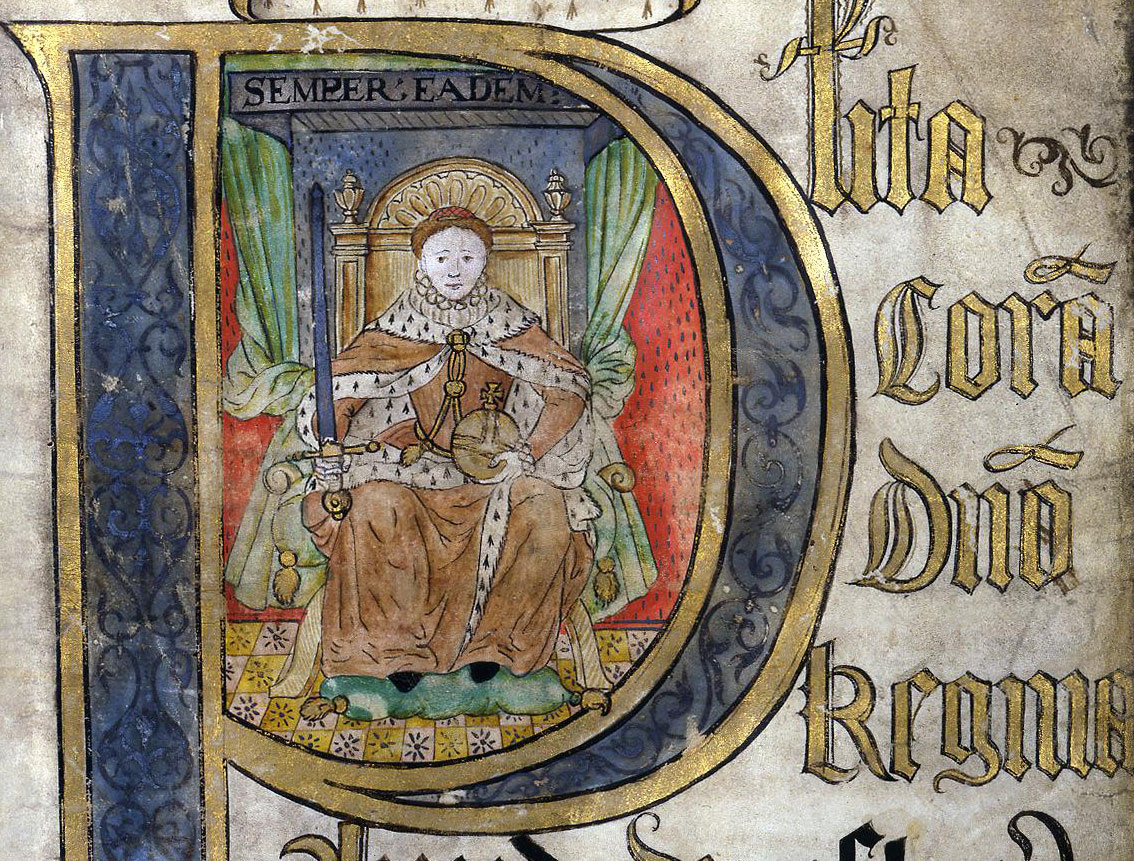
Students explore Elizabeth’s letters and speeches to learn about her ruling style. Pupils decipher Tudor handwriting and investigate what these fascinating documents reveal about her governance. This session develops evidential understanding and gives students an insight into being a Tudor historian. It also showcases some of the beautiful images of Elizabeth.
The two-hour workshop is led by an experienced history educator in an inspiring learning space at The National Archives in Kew. Students will handle a range of original Tudor documents. This workshop is suitable for KS3, 4 and 5 students. Material used in the workshop is adapted to suit the age of your students.
What to expect in the online workshop:
In the online workshop in your classroom students will investigate Elizabeth’s ruling style using her letters and speeches. This session develops skills in evidential understanding and the work of Tudor historians.
The one-hour online session in your classroom is led by an experienced history educator, you only need a microphone, large screen and webcam to take part. Interactive activities encourage students to discuss their ideas and work in groups using high-quality materials provided in advance by the Education team.
*Note we will adapt the timing of the workshop to fit with your lesson times.
Connections to the curriculum:
A-Level:
- AQA: GCE History, Unit 1C: The Tudors: England, 1485-1603
- OCR: GCE History A, Unit Y107, British Period Study: England 1547-1603: the Later Tudors
- EDEXCEL: GCE History, Unit 31, Rebellion and Disorder under the Tudors, 1485-1603
GCSE:
- OCR History A, Component 2: Power: Monarchy and Democracy in Britain c1000 to 2014
- OCR History B, Schools History Project: Component Group 1, British Depth Study: The Elizabethans, 1580-1603
- AQA History, Paper 2 Section B: British Depth Study: Elizabethan England, c1568-1603
- EDEXCEL History, Paper 2: British Depth Study: Early Elizabethan England, 1558-88
Available as: On site workshop, online workshop. Find out more about the types of session we offer.
What can we learn about Elizabeth I’s ruling style from her letters and speeches?All activities must be booked in advance.
Tel: +44 (0)20 8392 5365
Fax: +44 (0)20 8487 9202
What to expect in the onsite workshop:
In the onsite workshop students will get the opportunity to investigate a selection of original historical documents around a theme. This session develops skills in document analysis and strengthens understanding about how history is constructed.
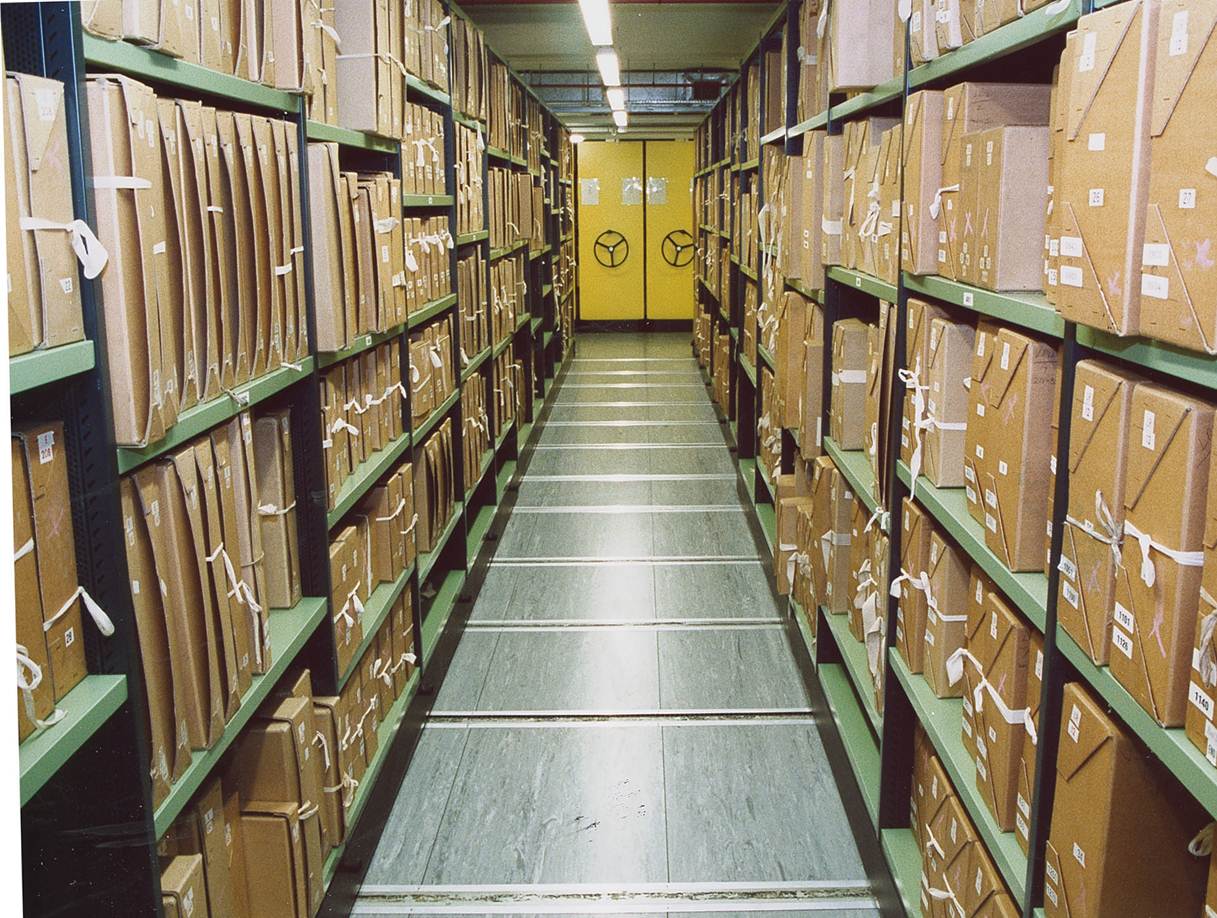
The two-hour workshop is led by an experienced history educator in an inspiring learning space at The National Archives in Kew. There will be an introduction to archives and the provenance of the document collection relating to the theme students are studying. For instance, if focusing on the Tudors, students will gain understanding about how the State Paper collection at the archives was formed. In the second hour of the workshop there will be an opportunity for learners to handle a wealth of original documents, particularly valuable for coursework or extended project qualification.
Sessions are available on the following themes:
- English Civil War
- Partition of British India
- Health and the Poor Law
- Suffragettes
- Cold War
If there are other themes you would like to be explored you can contact us via email. We cannot guarantee we can fulfil your request.
Available as: On site workshop. Find out more about the types of session we offer.
What can archives reveal about the past and how history is constructed?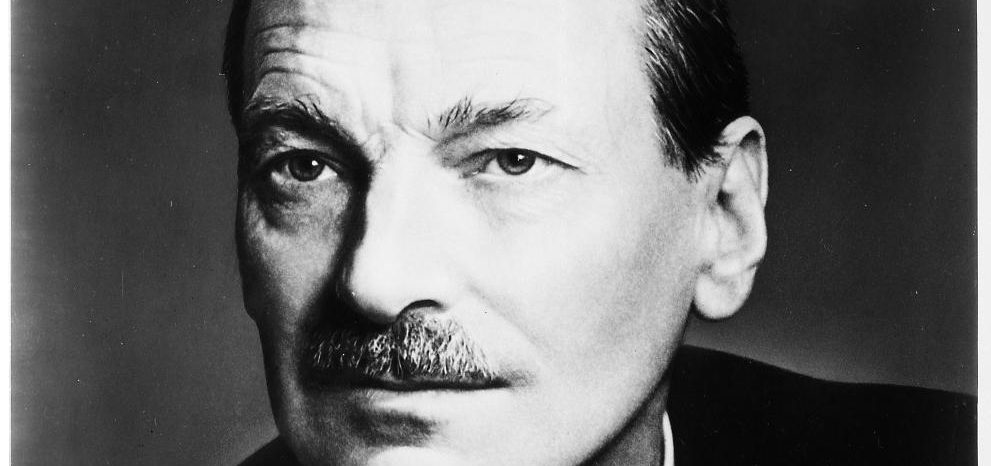
What to expect in the onsite workshop:
In this onsite workshop, students explore Britain’s transition from the end of the Second World War to the early stages of the Cold War (1945-51), with a particular focus on analysing the nature and extent of British preoccupations.
The two-hour workshop is led by an experienced history educator in an inspiring learning space at The National Archives in Kew. Students will handle and work with a range of original documents, including ‘Top Secret’ prime ministerial and cabinet papers and telegrams, which offer a unique insight into British concerns at this time.
What to expect in the online workshop:
In the online workshop in your classroom students will explore Britain’s transition from the end of the Second World War to the early stages of the Cold War (1945-51), with a particular focus on analysing the nature and extent of British preoccupations during this uncertain period.
The one-hour online session in your classroom is led by an experienced history educator, you only need a microphone, large screen and webcam to take part. Interactive activities encourage students to discuss their ideas and work in groups using high-quality materials provided in advance by the Education team.
This session is not designed to be an introduction to the topic and students should have knowledge of the topic in advance of attending the workshop.
Connections to the curriculum:
- AQA: GCE History, Unit 2R: The Cold War, c1945-1991
- OCR: GCE History, Unit Y113: Britain 1930-1997: British Period Study: Britain’s position in the world 1951-1997 (Enquiry topic: Churchill 1930-1951)
- OCR: GCE History, Unit Y223: Non-British Period Study: The Cold War in Europe, 1941-1995
- Edexcel: GCE History, Paper 3, Option 37.1: The changing nature of warfare, 1859–1991: perception and reality
- Edexcel: GCSE History, Period Study 4: Superpower relations and the Cold War, 1941–91
- AQA: GCSE History, BC Conflict and tension between East and West, 1945–1972
Available as: Onsite workshop, Online workshop. Find out more about the types of session we offer.
How concerned were the British in the early stages of the Cold War?All activities must be booked in advance.
Tel: +44 (0)20 3908 9162
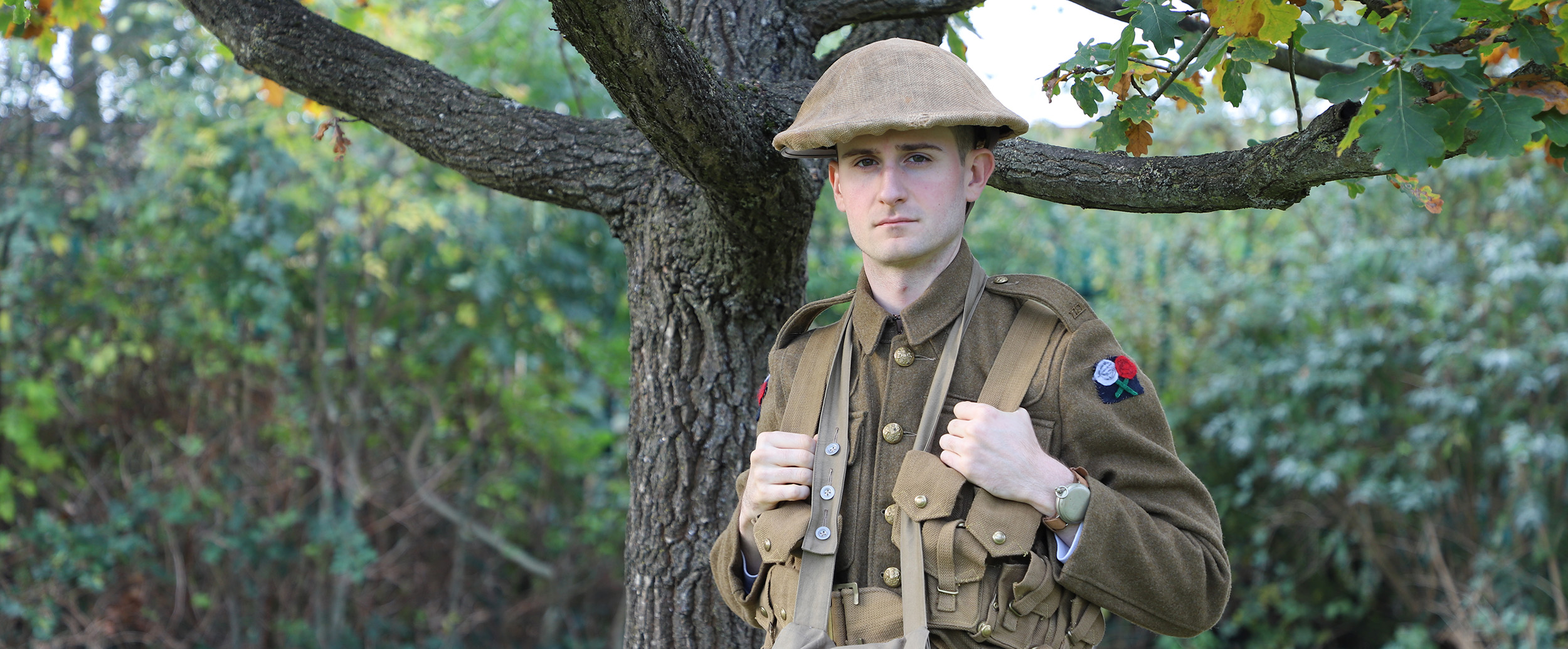
Students spend some time in the life of a soldier from a Pals Battalion, Private Henry Fairhurst (played by a professional actor), as he talks about his experience of life in the trenches. Students are invited to chat with Henry during the session. Was it really all mud and blood in the trenches, or did Private Fairhurst see some benefits in what he was doing?
This session supports schools studying Challenges to Britain and the wider world, 1901 to the present day.
Connections to the curriculum: History.
Available as: Online Workshop. Find out more about the types of session we offer.
We will also hold two sessions for home school students on Tuesday (4th) and Thursday (13th) afternoon – these sessions can be booked by individual or multiple students sharing one screen, joining other homeschoolers to chat with our soldier.
Book a session for homeschool students
Take a look at this clip of Henry Fairhurst on his night patrol:
Would you like to meet our tommy, Henry Fairhurst?All activities must be booked in advance.
Tel: +44 (0)20 8392 5365
Fax: +44 (0)20 8487 9202
What to expect in the online workshop:
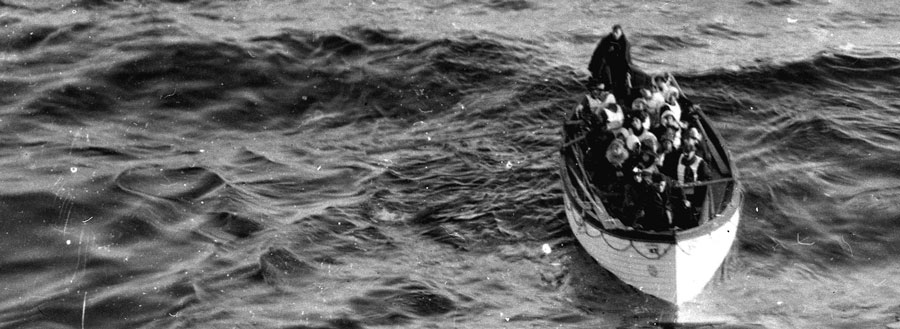
In this online workshop in your classroom students will investigate why so many passengers and crew lost their lives in the Titanic disaster. Students examine documents including witness testimonies and photographs. Many of the documents were collected as part of the inquiry by the British Wreck Commissioner from May-July 1912. This session develops student’s causal thinking, by considering the most significant factor that led to the huge loss of life. Students compare their judgement to the 1912 inquiry’s conclusion.
The one-hour online session in your classroom is led by an experienced history educator, you only need a microphone, large screen and webcam to take part. Interactive activities encourage students to discuss their ideas and work in groups using high-quality materials provided in advance by the Education team.
This workshop supports schools studying challenges to Britain and the wider world, 1901 to the present day.
Connections to the curriculum: History
Available as: Online Workshop. Find out more about the types of session we offer.
Why were so many lives lost in the disaster?All activities must be booked in advance.
Tel: +44 (0)20 8392 5365
Fax: +44 (0)20 8487 9202
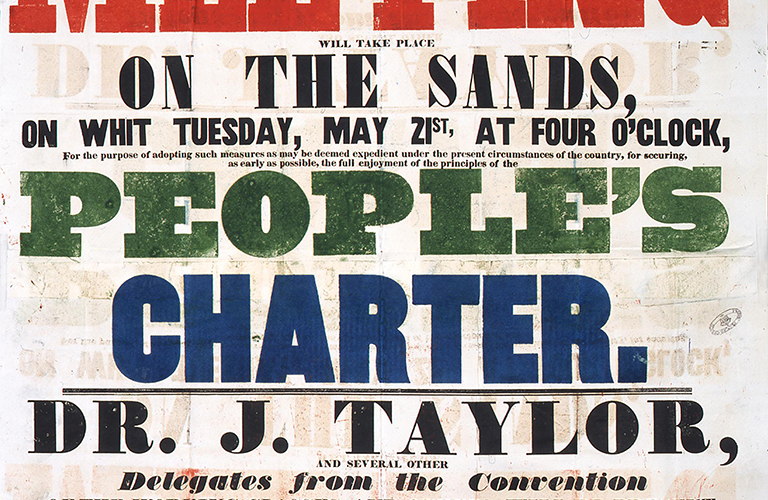
This session examines Chartism through the lens of prison interviews conducted by the Home Office in 1840-1841. Using this material, students gain a fascinating insight into the lives of people participating in the early phases of the Chartist movement.
Connections to the curriculum:
- Edexcel: GCE History, Option 1D, Britain, c1785-c1870: democracy, protest and reform
- OCR: GCE History A, Unit Y110, British Period Study and enquiry: Peel: Britain 1783-1853
Available as: On site workshop. Find out more about the types of session we offer.
Who were the Chartists?All activities must be booked in advance.
Tel: +44 (0)20 8392 5365
Fax: +44 (0)20 8487 9202