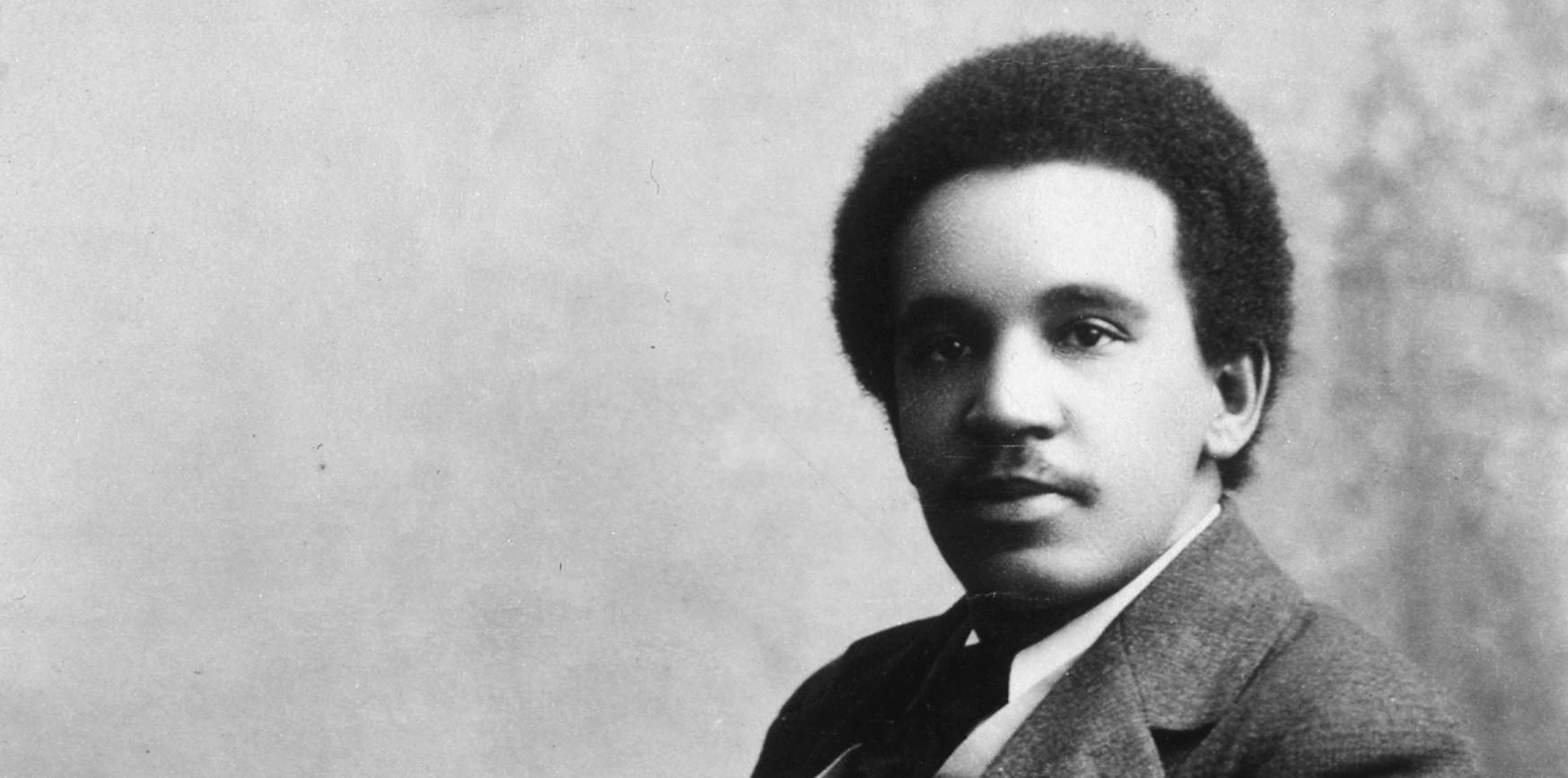
What to expect in the online workshop:
In this online workshop in your classroom students will use a range of different sources, including census records and photographs, to learn about the diverse lives of four Black individuals who lived in Britain in the Victorian era. Pupils investigate what documents can tell us about their lives, but also reflect on the questions they leave unanswered, and consider how these can act as a catalyst for further study. The session will explore themes of migration and identity and allow students to develop their historical enquiry skills by delving into an exciting and growing area of historical research.
The one-hour online session in your classroom is led by an experienced history educator, you only need a microphone, large screen and webcam to take part. Interactive activities encourage students to discuss their ideas and work in groups using high-quality materials provided in advance by the Education team.
*Note we will adapt the timing of the workshop to fit with your lesson times.
Connections to the curriculum: Victorians, Black History, Migration, British Empire.
What to expect in the onsite workshop:
In this onsite workshop students will use a range of different sources, including census records and photographs, to learn about the diverse lives of six Black individuals who lived in Britain in the Victorian era. Pupils investigate what documents can tell us about their lives, but also reflect on the questions they leave unanswered, and consider how these can act as a catalyst for further study. The session will explore themes of migration and identity and allow students to develop their historical enquiry skills by delving into an exciting and growing area of historical research.
The two-hour workshop is led by an experienced history educator in an inspiring learning space at The National Archives in Kew.
How much can documents reveal about the lives of Black people in Victorian Britain?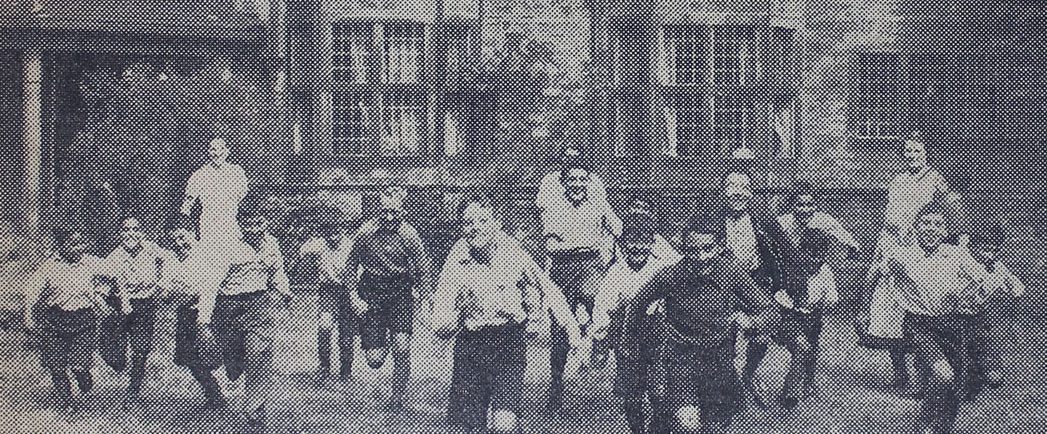
What to expect in the online workshop:
In this online workshop in your classroom students will learn about the experiences of Basque refugee children displaced to Britain during the Spanish civil war in 1937. Using our fascinating collection of documents relating to their stories, this workshop explores themes of identity, culture and home. Students will also hear an extraordinary personal story from Teresa Gautrey, whose parents met in the same camp for Basque children.
The one-hour online session in your classroom is led by an experienced history educator, you only need a microphone, large screen and webcam to take part. Interactive activities encourage students to discuss their ideas and work in groups using high-quality materials provided in advance by the Education team.
*Note we will adapt the timing of the workshop to fit with your lesson times.
Available as: Online workshop. Find out more about the types of session we offer.
What can we learn from documents about the experiences of Basque child refugees?All activities must be booked in advance.
Tel: +44 (0)20 3908 9162
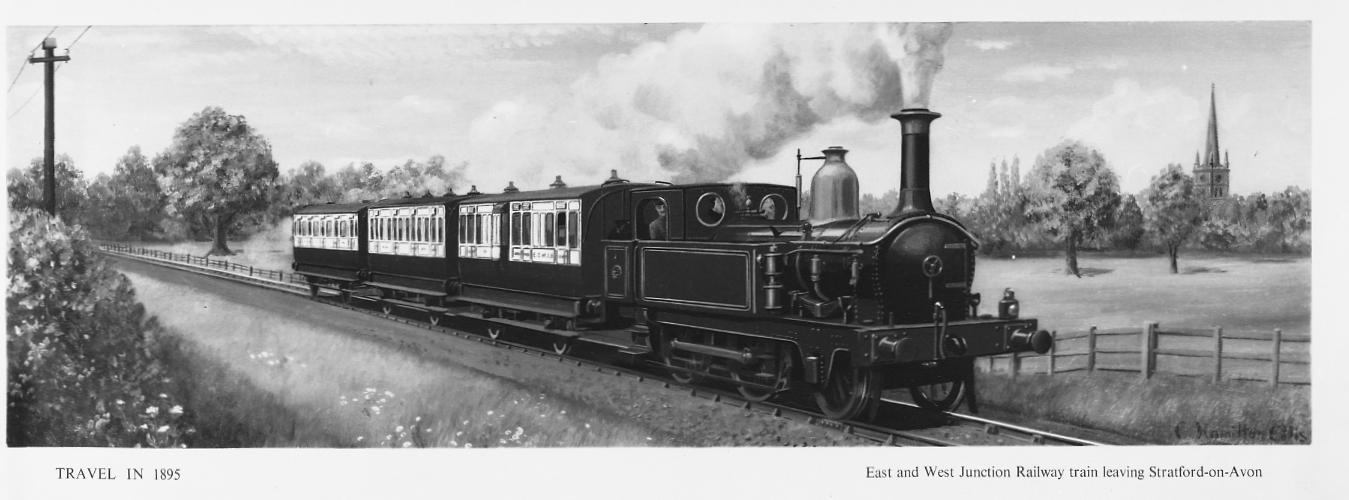
In this fun and informative online session, students explore different types of transport through the ages using sensory props, roleplay, song, and call and response activities.
Students explore how to travel smart and safely on different types of transport, giving them opportunities to build key social and life skills.
Suitable for students with a full range of needs and abilities from MLD to PMLD (working at P4 upwards).
How and why have people travelled around in the past and how have they done it safely?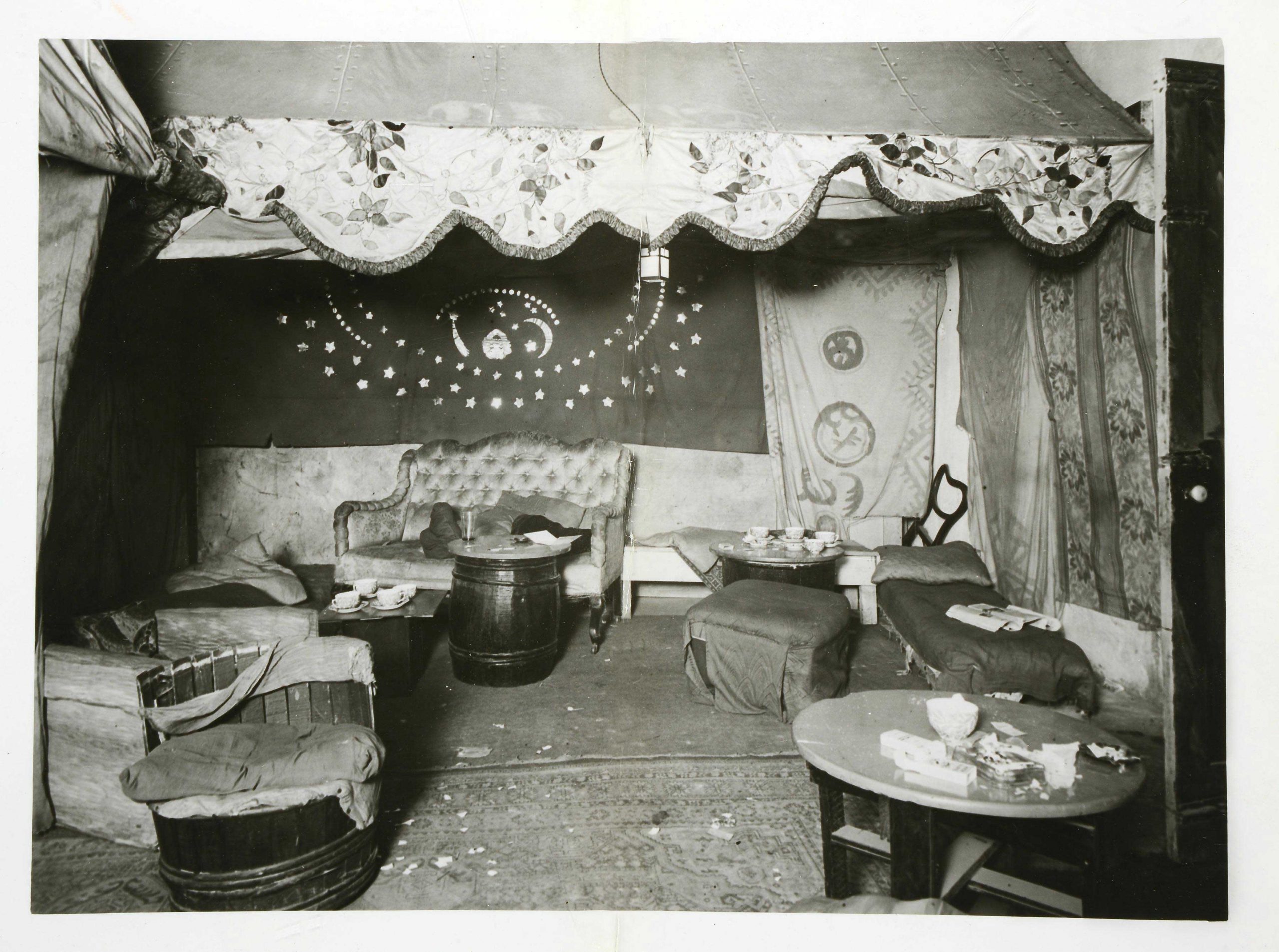
What to expect in the onsite workshop:
In this session students will explore what original documents can reveal about spaces that LGBTQ+ people used in the 1920s and 30s. These include vibrant Soho clubs like Billie’s and Shim Sham, as well as the lonely-hearts publication ‘The Link.’ Students will be encouraged to carefully consider how much we can learn from state and police records about LGBTQ+ history.
The two-hour workshop is led by an experienced history educator in an inspiring learning space at The National Archives in Kew. This is a special opportunity for students to handle this rich collection relating to LGBTQ+ history, including photographs, police reports and personal letters.
What to expect in the online workshop:
In the online workshop in your classroom students will explore the lives of people from the LGBTQ+ community in the past through our rich collection of documents, from personal letters to police surveillance records. The session includes the fascinating story of Cyril, who attended the Caravan Club in Soho, a LGBT+ friendly space. Learners will be encouraged to carefully consider the provenance of The National Archives collection and how much we can learn from state/police records.
The one-hour online session in your classroom is led by an experienced history educator, you only need a microphone, large screen and webcam to take part. Interactive activities encourage students to discuss their ideas and work in groups using high-quality materials provided in advance by the Education team.
*Note we will adapt the timing of the workshop to fit with your lesson times.
Connections to curriculum:
A Level
- Edexcel History: Paper 1, Option 1: Britain transformed, 1918–97
- AQA History: 1G Challenge and transformation: Britain, c1851–1964
- AQA History: 2S The Making of Modern Britain, 1951–2007 (provides historical context to the Wolfenden Report)
GCSE
- AQA Citizenship: 3.2 Life in modern Britain
- Edexcel Citizenship: Theme A: Living together in the UK
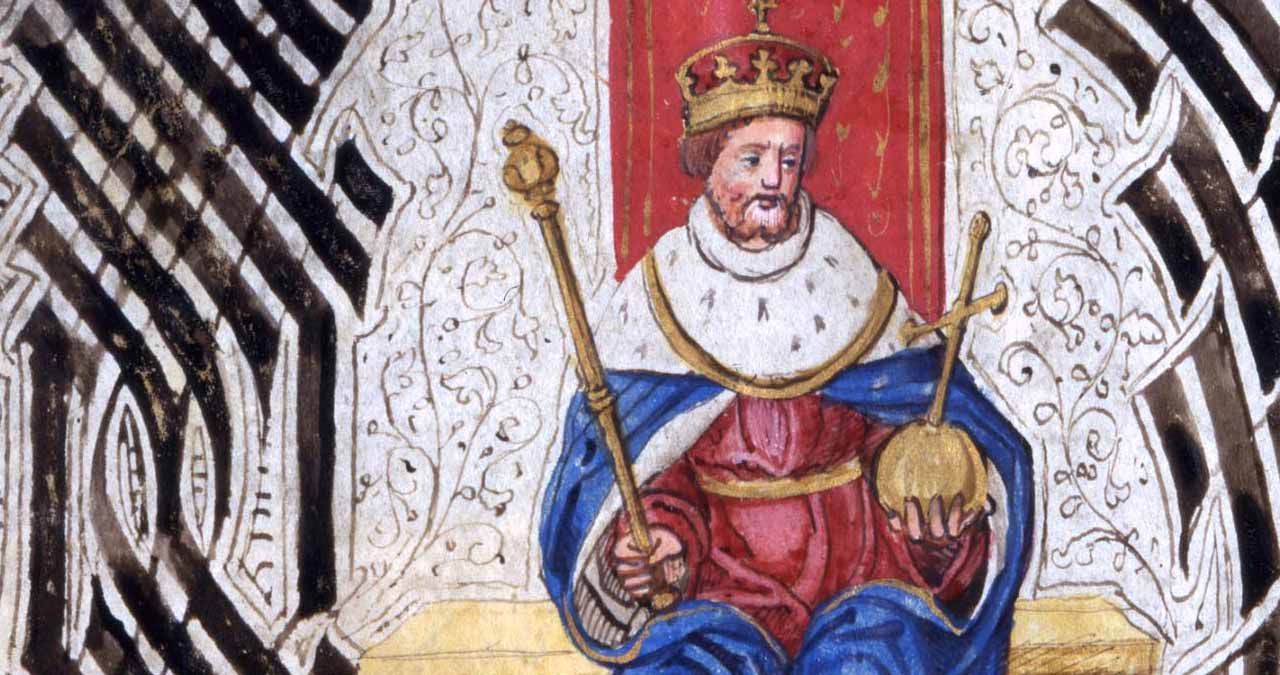
In this fun online session, students experience a day in the life of Henry VIII through sensory props, roleplay, song, dance and call and response activities.
Using documents and images from The Archives’ collections as stimuli, students explore how the rules of daily life in Tudor times affected everyone including the king.
Your students will have plenty of opportunities to develop their social and communication skills as they discover how King Henry spent his days.
Suitable for students with a full range of needs and abilities from MLD to PMLD (working at P4 upwards).
What were the rules of daily life for a king in Tudor times?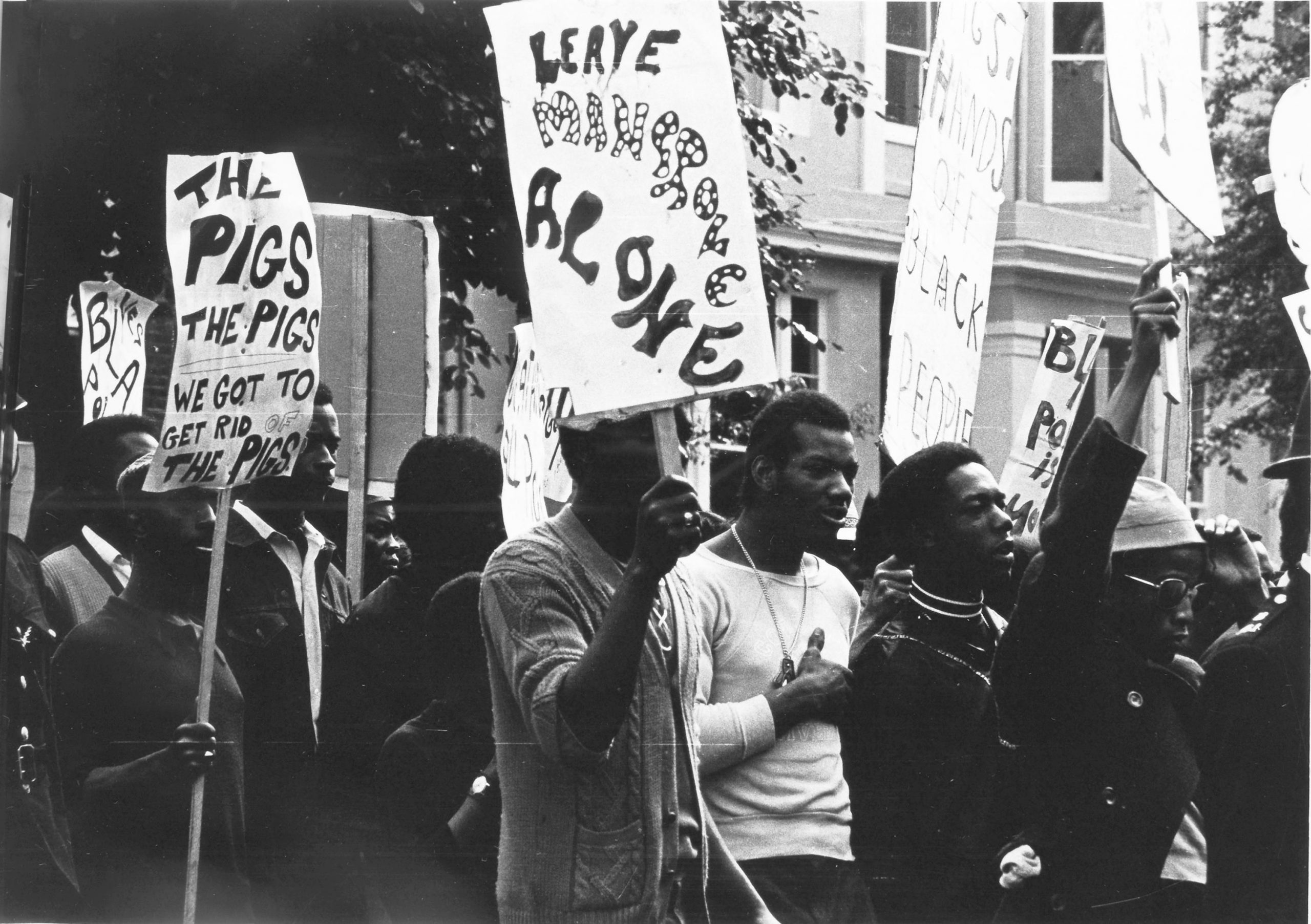
What to expect in the onsite workshop:
In the onsite workshop students will investigate the ground-breaking case of the Mangrove Nine. This session develops skills in critically examining sources and assessing the limitations of an archival collection. This session explores themes of institutional racism, police discrimination and Black resistance.
The two-hour workshop is led by an experienced history educator in an inspiring learning space at The National Archives in Kew. Students handle a range of original documents including police witness statements, photographs and newspaper reports.
What to expect in the online workshop:
In the online workshop in your classroom students will investigate the ground-breaking case of the Mangrove Nine. This session explores themes of institutional racism, police discrimination and Black resistance. Students will examine a range of documents, from police witness statements to newspaper reports, assessing their strengths and limitations.
The one-hour online session in your classroom is led by an experienced history educator, you only need a microphone, large screen and webcam to take part. Interactive activities encourage students to discuss their ideas and work in groups using high-quality materials provided in advance by the Education team.
*Note we will adapt the timing of the workshop to fit with your lesson times.
How much can documents from The National Archives reveal about the Mangrove Nine?All activities must be booked in advance.
Tel: +44 (0)20 3908 9162
What to expect in the onsite workshop:
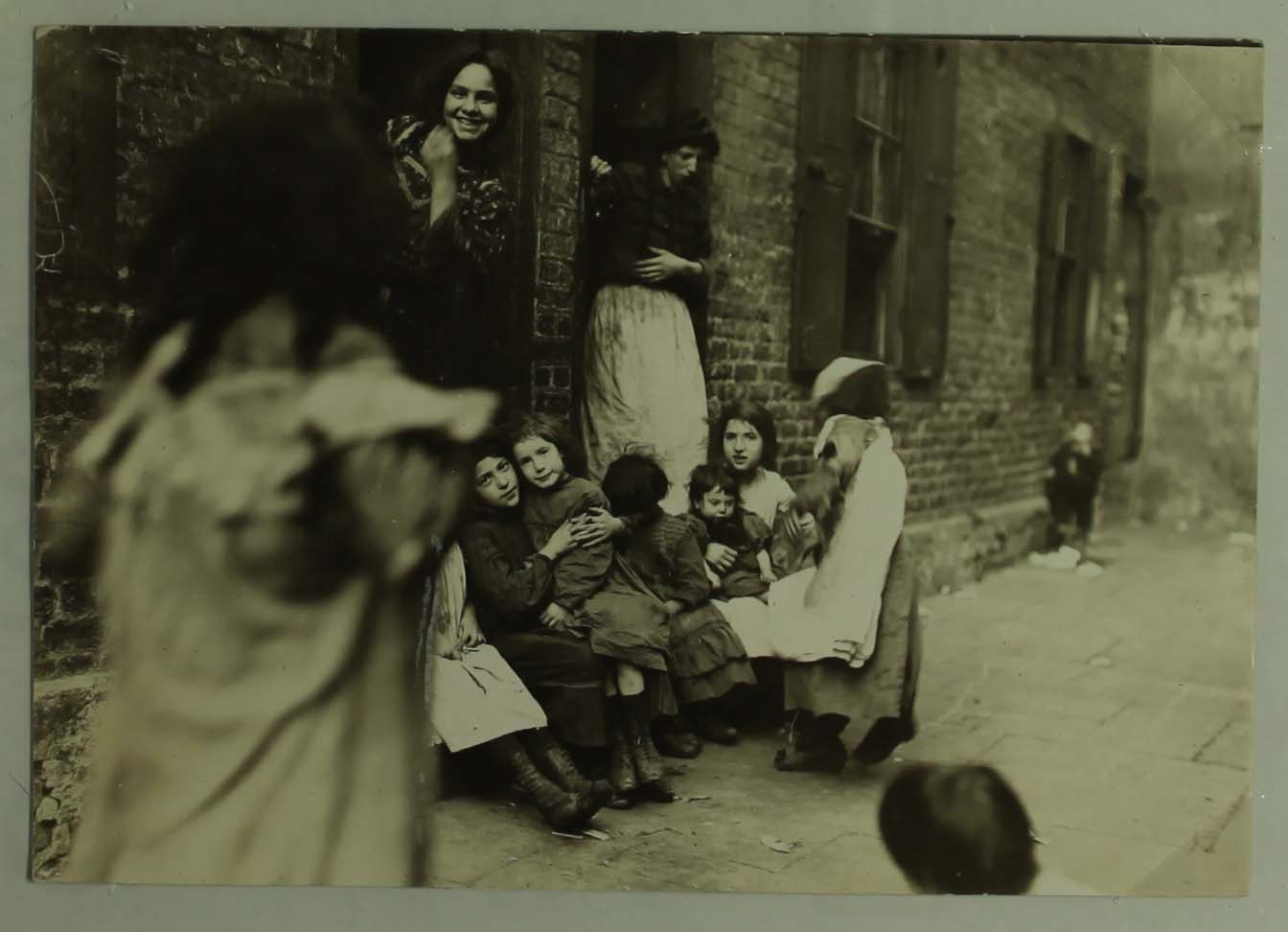
In the onsite workshop students investigate what made Whitechapel in 1888 an area where policing was challenging. Themes such as poverty, immigration, women’s lives and housing are explored. This session develops skills in assessing a source’s usefulness for a particular historical enquiry.
The two-hour workshop is led by an experienced history educator in an inspiring learning space at The National Archives in Kew. Students handle a range of original documents including census records, maps and Metropolitan Police records
What to expect in the online workshop:
In the online workshop in your classroom students will investigate what Whitechapel was like in 1888 by exploring a range of documents including a photograph, the census and register for a homeless shelter. This session develops skills in assessing a source’s usefulness for a particular historical enquiry.
The one-hour online session in your classroom is led by an experienced history educator, you only need a microphone, large screen and webcam to take part. Interactive activities encourage students to discuss their ideas and work in groups using high-quality materials provided in advance by the Education team.
*Note we will adapt the timing of the workshop to fit with your lesson times.
Connections to the curriculum:
- EDEXCEL GCSE History (9-1) Crime and Punishment Through Time
- OCR GCSE History B (9–1) Schools History Project: Crime and Punishment, c.1250 to present
All activities must be booked in advance.
Tel: +44 (0)20 3908 9162
What to expect in the onsite workshop:
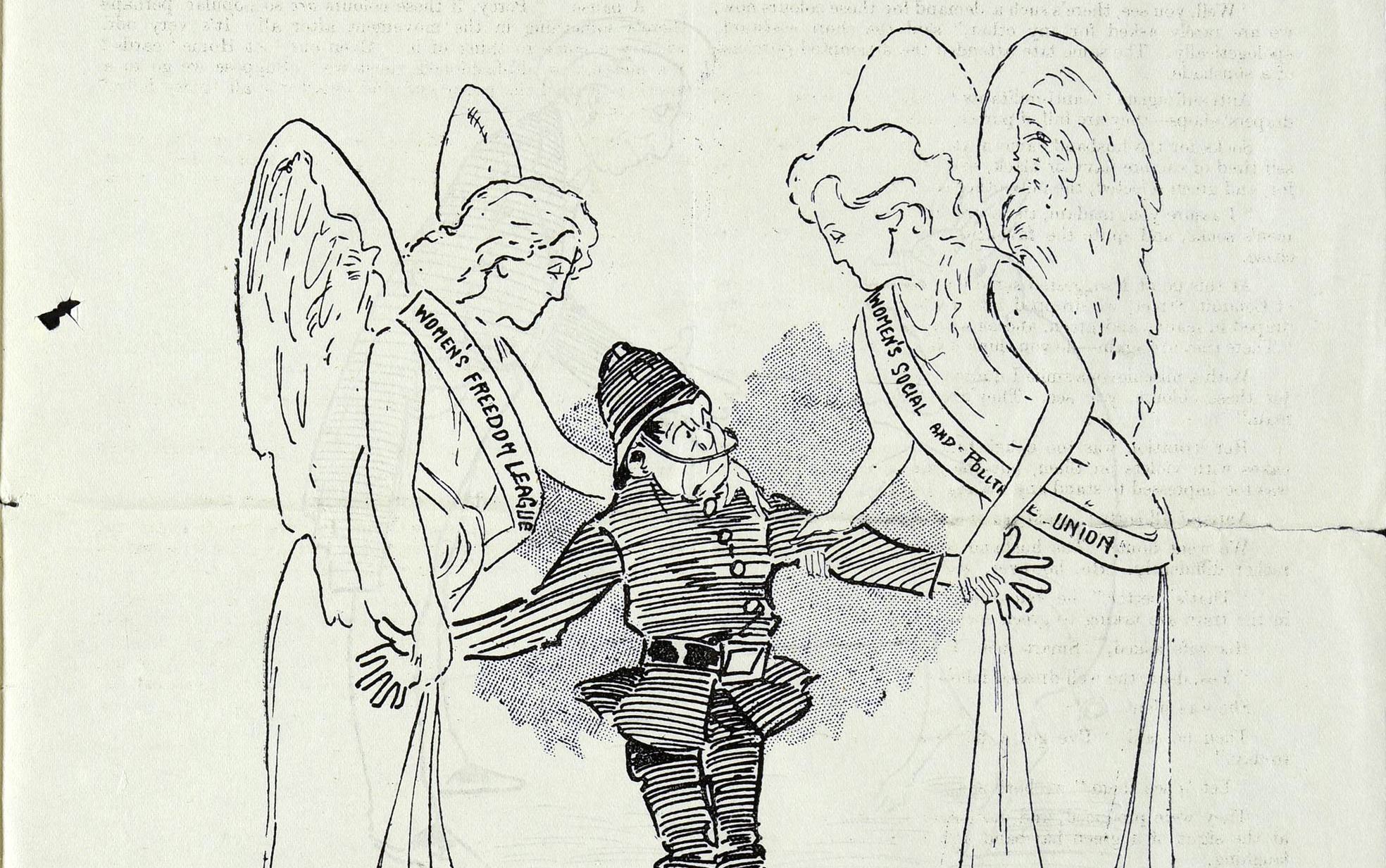
In the onsite workshop students explore methods used in the suffrage movement through handling original documents like coded diaries and court testimony. They will examine the state response to the movement through a range of documents housed in Home Office, Metropolitan Police and prison files. This session develops skills in evidential understanding as students will consider why the government archival collection contains more documents related to militancy and what might be missing.
The two-hour workshop is led by an experienced history educator in an inspiring learning space at The National Archives in Kew.
Connections to the curriculum:
KS3
- Challenges for Britain, Europe and the wider world 1901 to the present day: Women’s Suffrage
KS5
- AQA: GCE History, Unit 2M: Wars and Welfare: Britain in Transition, 1906-1957
- OCR: GCE History A, Unit Y111, British Period Study and enquiry: Liberals, Conservatives and the Rise of Labour, 1846-1918
All activities must be booked in advance.
Tel: +44 (0)20 3908 9162
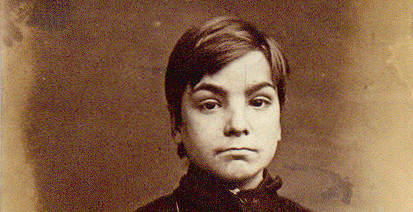
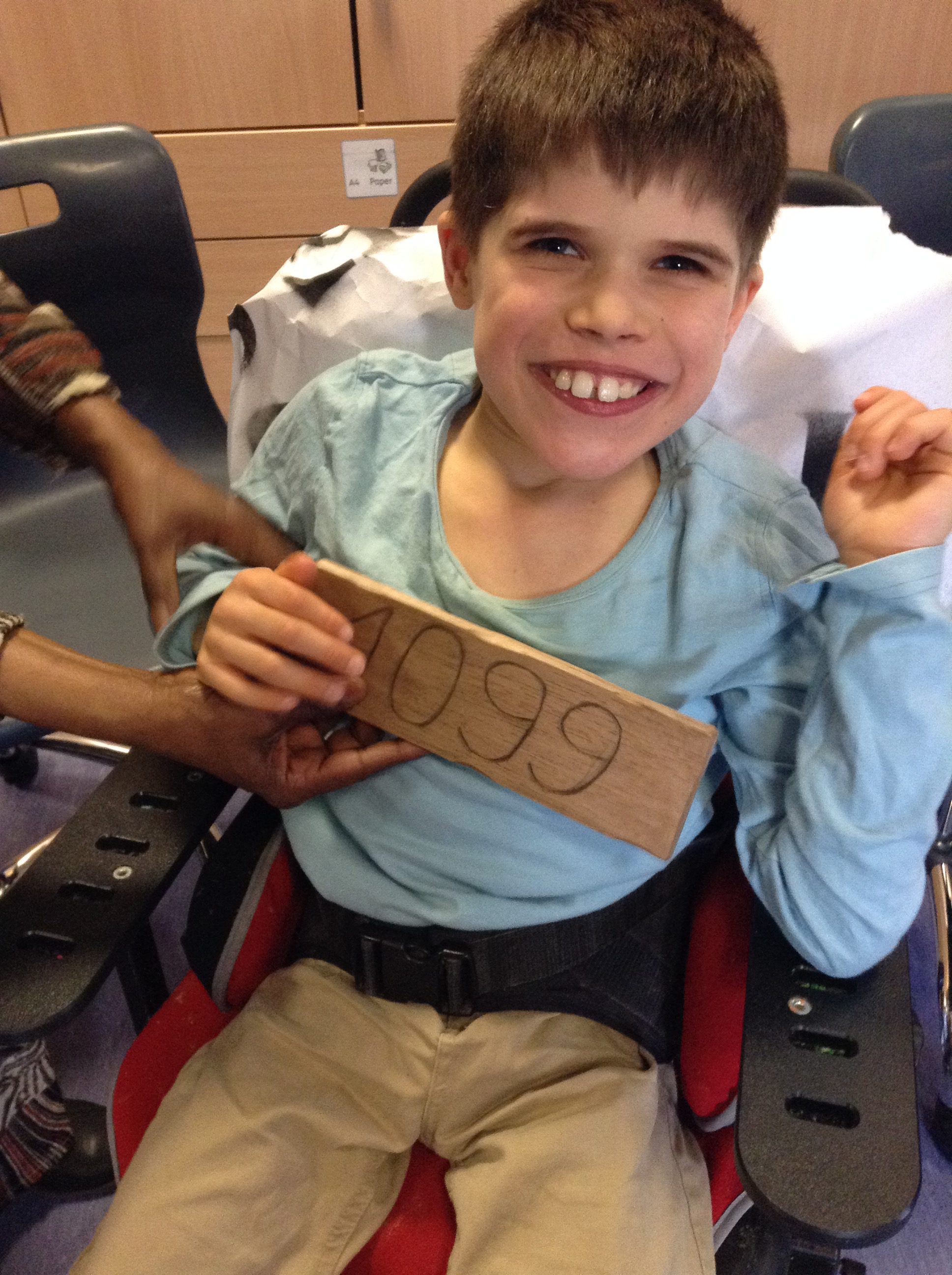
A Student in a Prisoner 4099 workshop
In this immersive experience, your students discover the story of William Towers contained within an archive box.
Through a sensory journey using signed call and response, students find out about William’s life in Victorian London and how he was sent to prison at the age of twelve!
This session is suitable for students with ASC, MLD, SLD and PMLD, and is available at The National Archives or at your school.
Please contact us to find out more information about the session and how we can meet your students’ needs.
Take a look at our SEND orientation materials.
How can we share the experiences of someone who lived in the past?All activities must be booked in advance.
Tel: +44 (0)20 3908 9162
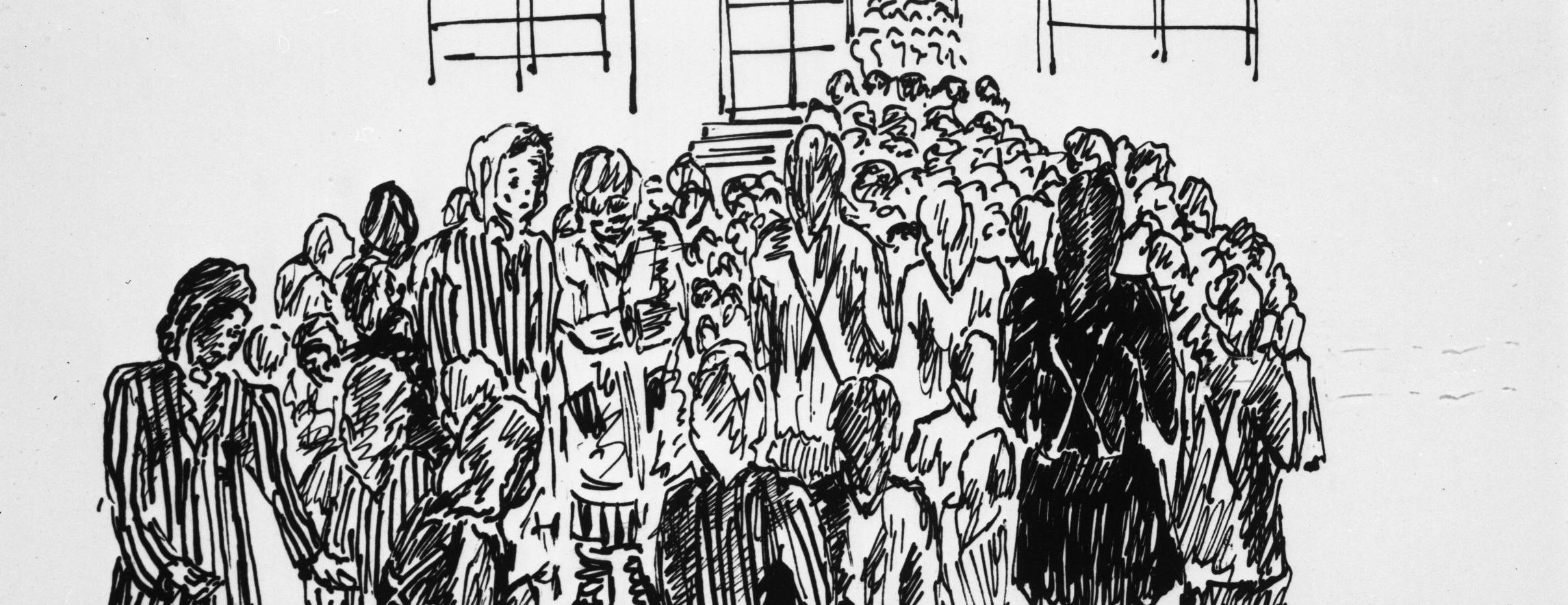
In this thought-provoking onsite workshop students investigate the Holocaust using a range of original documents, from a Foreign Office telegram about Kristallnacht, to a map of Auschwitz drawn by a survivor of the camp. Pupils have to consider what documents we hold in the British Government Archive and why. This workshop develops students’ skills at assessing the usefulness and limitations of historical documents, while addressing misconceptions and provoking discussion.
The two-hour workshop is led by an experienced history educator in an inspiring learning space at The National Archives in Kew. Students view a range of original documents including illustrations from a survivor of a concentration camp and photographs taken inside the Warsaw ghetto.
This workshop is aimed at Key Stage 3 students who have begun learning about the Holocaust.
Connections to the curriculum: History
What can British government documents tell us about what happened in the Holocaust?All activities must be booked in advance.
Tel: +44 (0)20 8392 5365
Fax: +44 (0)20 8487 9202