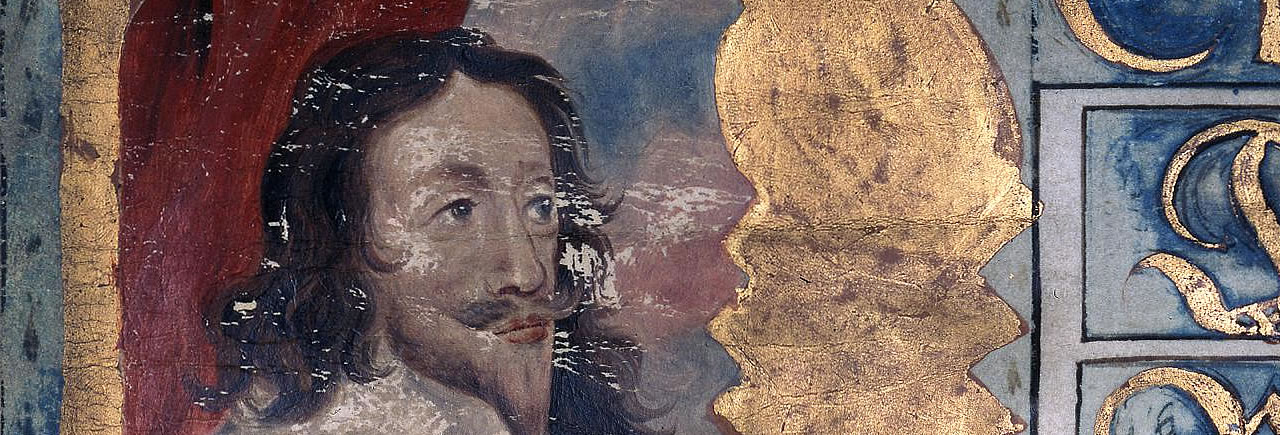
This workshop is based on original Stuart documents and Civil War propaganda posters and leaflets, held here at The National Archives. It aims to consider why England became a republic in 1649, and how these documents can help us to understand the causes behind this event.
The workshop begins with a detailed study of specific parliamentary documents that describe the arrests of the five MPs in 1642. The education officer leading the session will help students to understand the language of the documents and to compare their purpose and tone.
Students then conduct their own investigation into the causes and effects of the Civil War, by studying a range of selected propaganda leaflets and original documents. Students will also consider the usefulness of each document for studying different aspects of the Civil War.
At the end of the session, students are given the opportunity to feedback and discuss their findings. They are then given the rare opportunity to see the original Great Seals of Charles I and the Commonwealth, as well as the trial notes of Charles I that led to his execution.
This session is delivered as a workshop. Find out more about the types of session we offer.
Why did England become a republic in 1649?All activities must be booked in advance.
Tel: +44 (0)20 8392 5365
Fax: +44 (0)20 8487 9202
What to expect in the onsite workshop:
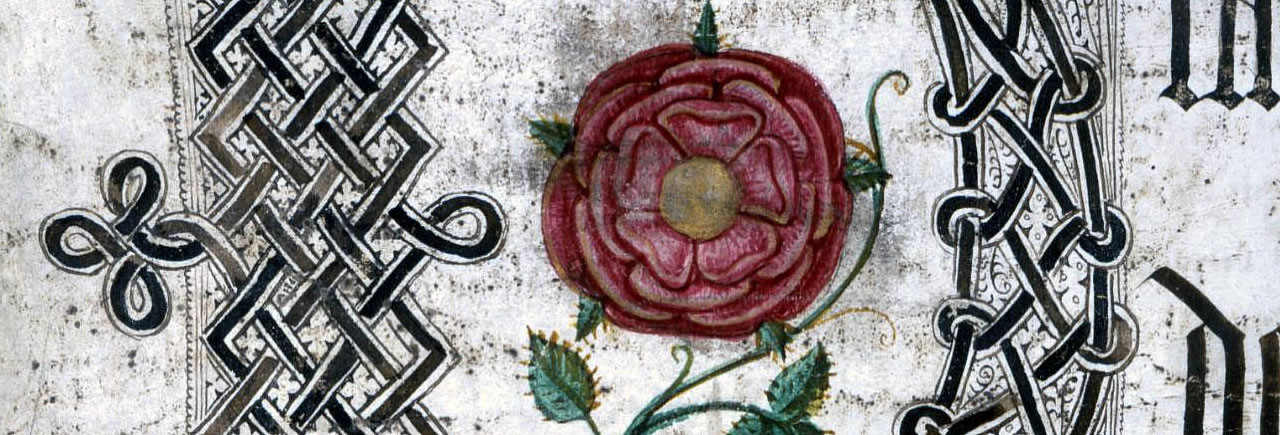
In the onsite workshop students consider the extent to which rebellion threatened the country from 1536-1569. The rebellions examined include Pilgrimage of Grace, Kett’s rebellion, Western Prayer Book, Wyatts and Northern Earls. Pupils are encouraged to generate criteria about what would make an uprising a threat, using evidence from original documents to support their judgements.
The two-hour workshop is led by an experienced history educator in an inspiring learning space at The National Archives in Kew. Students handle a range of original Tudor documents from letters to proclamations housed in the State Papers. These include handwritten by advisors like William Cecil and signed by Tudor monarchs. The workshop includes a showcase of spectacular Tudor plea rolls.
What to expect in the online workshop:
In the online workshop in your classroom students will investigate the extent to which two Tudor rebellions threatened the authority of the crown. The rebellions explored are Pilgrimage of Grace and Northern Earls rebellion (*Note- we may be able to alter depending on your exam board). The workshop explores also gives an insight into the research process of Tudor historians.
The one-hour online session in your classroom is led by an experienced history educator, you only need a microphone, large screen and webcam to take part. Interactive activities encourage students to discuss their ideas and work in groups using high-quality materials provided in advance by the Education team.
*Note we will adapt the timing of the workshop to fit with your lesson times
This session is not designed to be an introduction to the topic and students should have knowledge of three of the five following rebellions: Pilgrimage of Grace, Kett’s Rebellion, Western Prayer Book Rebellion, Wyatt’s Rebellion and Rebellion of Northern Earls.
Connections to the curriculum:
- AQA: GCE History, Unit 1C: The Tudors: England, 1485-1603
- OCR: GCE History A, Unit Y106, British Period Study: England 1485-1547: the Early Tudors
- EDEXCEL: GCE History, Paper 3, Option 31: Rebellion and Disorder under the Tudors, 1485-1603
Available as: On site workshop, online workshop. Find out more about the types of session we offer.
How seriously did they challenge the authority of the crown?All activities must be booked in advance.
Tel: +44 (0)20 8392 5365
Fax: +44 (0)20 8487 9202

What to expect in the onsite workshop:
In the onsite workshop students get the chance to view original documents dating back to 1666, in order to develop their skills in evidential understanding and how to study a significant event beyond living memory. For instance students investigate questions like ‘how do we know Thomas Farriner was a baker and lived on Pudding Lane?’
The one and a half hour workshop is led by an experienced history educator in an inspiring learning space at The National Archives in Kew. The session uses a combination of dynamic group work and storytelling.
What to expect in the online workshop:
In the online workshop in your classroom students will investigate how we know what happened in the Great Fire of London using three historical documents. This session develops skills in evidential understanding and studying a significant event beyond living memory.
The one-hour online session in your classroom is led by an experienced history educator, you only need a microphone, large screen and webcam to take part. The session is highly interactive, with frequent discussions, class voting and storytelling.
This workshop supports schools focusing on significant events beyond living memory. It also has a focus on spoken English.
Connections to the curriculum: History, English (spoken language).
Available as: Workshop or online workshop. Find out more about the types of session we offer.
How can we know what happened back in 1666?All activities must be booked in advance.
Tel: +44 (0)20 8392 5365
Fax: +44 (0)20 8487 9202
What to expect in the onsite workshop:
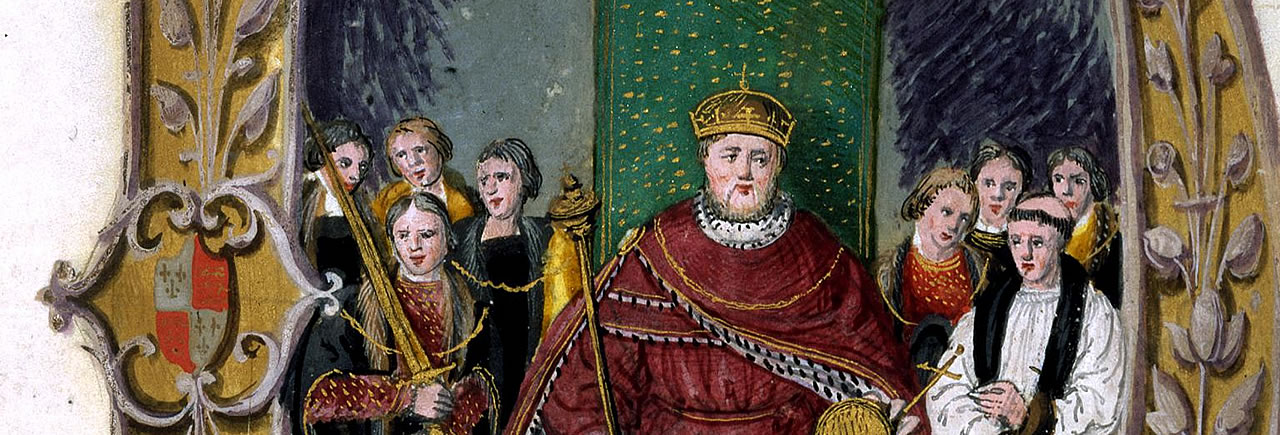
In the onsite workshop students investigate how Henry VIII showed he was a great king through historical documents from his reign. This workshop develops skills of analysing written and visual sources. For instance students will learn about the use of symbolism by Tudor monarchs to convey meaning.
he two-hour workshop is led by an experienced history educator in an inspiring learning space at The National Archives in Kew. Students get to view up close a range of very special original documents including Henry VIII’s Great Seal and the Valor Ecclesiasticus.
What to expect in the online workshop:
In the online workshop in your classroom students will investigate how Henry VIII showed he was a great king using historical documents from his reign. This workshop develops skills of analysing written and visual sources. For instance students will learn about the use of symbolism by Tudor monarchs to convey meaning.
The one-hour online session in your classroom is led by an experienced history educator, you only need a microphone, large screen and webcam to take part. Interactive activities encourage students to discuss their ideas and work in groups using high-quality materials provided in advance by the Education team.
This workshop supports schools focusing on a thematic study in British history (beyond 1066).
Connections to the curriculum: History, English (spoken language).
Available as: Workshop or online workshop. Find out more about the types of session we offer.
Was appearance everything for a ruler in the 16th century?
All activities must be booked in advance.
Tel: +44 (0)20 8392 5365
Fax: +44 (0)20 8487 9202
What to expect in the onsite workshop:
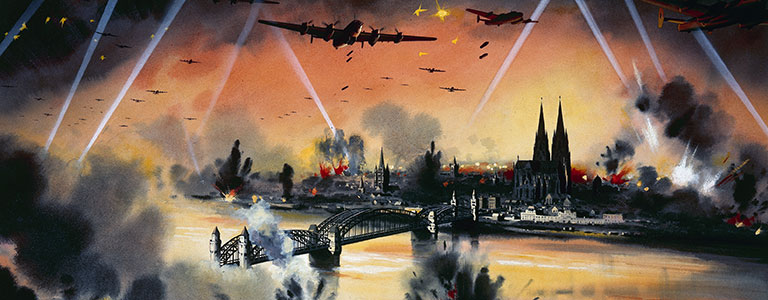
In the onsite workshop students will analyse photographs, posters and a film commissioned by the Ministry of Information during the Second World War. They will evaluate how effective these would have been in convincing ordinary Britons to contribute to the war effort on the Home Front.
The two-hour workshop is led by an experienced history educator in an inspiring learning space at The National Archives in Kew. Students will have the opportunity to view numerous documents up close, including the original artwork for well-known propaganda posters, many of which were widely used and reproduced.
What to expect in the online workshop:
In the online workshop in your classroom students will analyse photographs, posters and a film commissioned by the Ministry of Information during the Second World War. They will evaluate how effective these would have been in convincing ordinary Britons to contribute to the war effort on the Home Front.
The one-hour online session in your classroom is led by an experienced history educator, you only need a microphone, large screen and webcam to take part. Interactive activities encourage students to discuss their ideas and work in groups using high-quality materials provided in advance by the Education team.
This session can be combined with a visit to the Museum of Richmond, where pupils will work with objects from the Museum’s handling collection, to explore rationing and the role of the ARP. They will also have an opportunity to quiz a local volunteer about what it was like to grow up during the Second World War. Please note that because this is a combined session, a fee is payable to the Museum of Richmond.
This session supports schools focusing on a thematic study in British history (beyond 1066).
Connections to the curriculum: History, English (spoken language).
Available as: On site workshop, Combined workshop, Online workshop. Find out more about the types of session we offer.
How did the British government encourage people to support the war?All activities must be booked in advance.
Tel: +44 (0)20 8392 5365
Fax: +44 (0)20 8487 9202

What to expect in the onsite workshop:
In this onsite workshop students explore documents taken from Secret Security Service files compiled during the Second World War. Pupils piece together the story of German spy Karel Richter. This session develops student’s history detective skills and encourages them to form arguments supported with evidence.
The two-hour workshop is led by an experienced history educator in an inspiring learning space at The National Archives in Kew.
This session supports schools focusing on a thematic study in British history (beyond 1066).
Connections to the curriculum: History, English (spoken language).
Available as: On site workshop. Find out more about the types of session we offer.
Who was Karel Richter?All activities must be booked in advance.
Tel: +44 (0)20 3908 9162
What to expect in the onsite workshop:
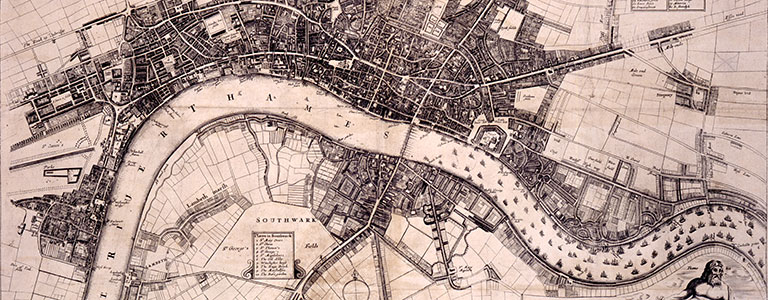
In this engaging onsite workshop students will explore a range of maps to explore the ways London has changed over time. These maps include an original bomb census map from the Second World War and the Hollar map produced after the Great Fire of London in 1666. This session develops student’s understanding of change and continuity. Pupils are also encouraged to consider why maps have been produced and how that effects the information they include.
The two-hour workshop is led by an experienced history educator in an inspiring learning space at The National Archives in Kew. Students will also get to see a stunning showcase of maps from our vast collection, including an early map of New York.
*Note- We can adapt documents to suit the location of your school in London.
This session supports schools focusing on a local history study.
Connections to the curriculum: History, English (spoken language).
Available as: On site workshop. Find out more about the types of session we offer.
How and why does an area change over time?All activities must be booked in advance.
Tel: +44 (0)20 3908 9162
What to expect in the onsite workshop:
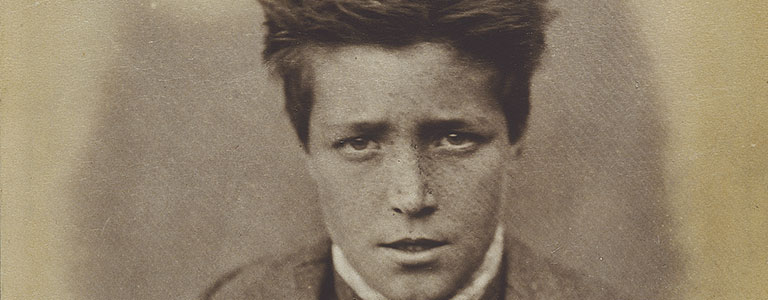
In the onsite workshop students explore the experiences of Victorian people, including children, who were imprisoned. This session strengthens skills in analysing evidence and develops historical empathy.
The two-hour workshop is led by an experienced history educator in an inspiring learning space at The National Archives in Kew. Students get to view up close a range of original documents including photographs, a map and the fascinating records of individuals in Wandsworth prison.
What to expect in the online workshop:
In the online workshop in your classroom students will explore the experiences of Victorian people, including children, who were imprisoned. Pupils examine a range of documents including photographs and a prison map. The session encourages historical empathy through focusing on the experience of one child prisoner.
The one-hour online session in your classroom is led by an experienced history educator, you only need a microphone, large screen and webcam to take part. Interactive activities encourage students to discuss their ideas and work in groups using high-quality materials provided in advance by the Education team.
This session can be combined with a visit to the Museum of Richmond, where pupils will discover how the railways transformed life in Richmond. Using objects from the Museum’s handling collection, they will also explore Victorian Wash day, Victorian Schools and Victorian toys.
This session supports schools focusing on a thematic study in British history (beyond 1066).
Connections to the curriculum: History, English (spoken language and writing – composition).
Available as: On site workshop, Combined workshop, Online workshop. Find out more about the types of session we offer.
What was life like for a Victorian child criminal?All activities must be booked in advance.
Tel: +44 (0)20 3908 9162
What to expect in the onsite workshop:
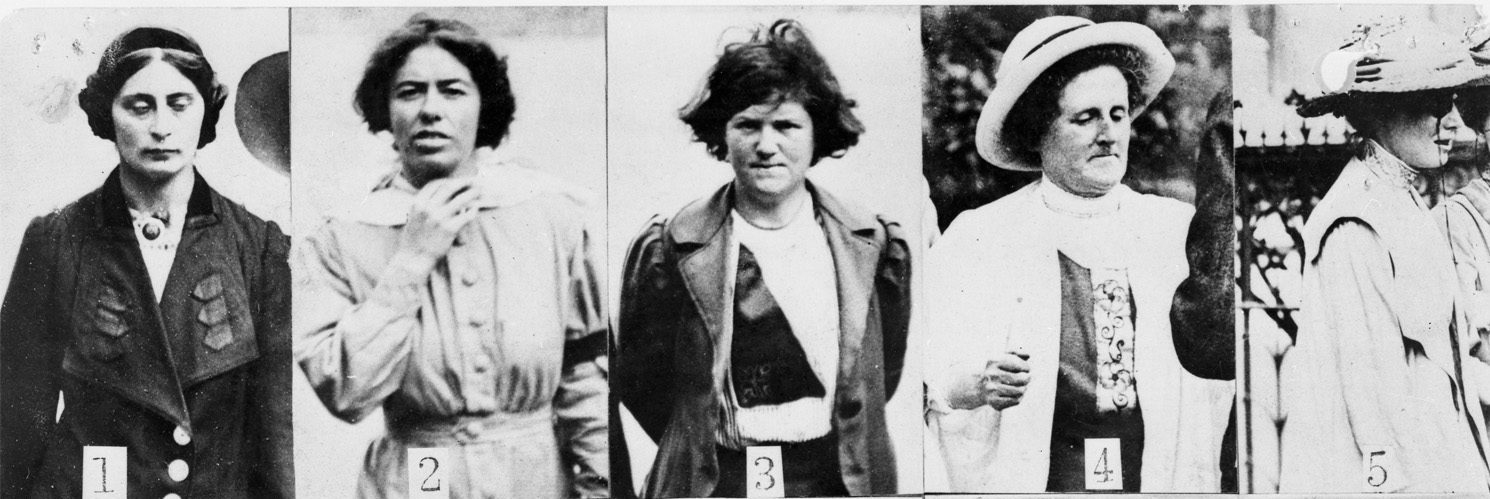
In the onsite workshop, students solve a history mystery using evidence and get introduced to a range of fascinating original documents. This session develops skills of source analysis and understanding about the study of the past.
The two-hour workshop is led by an experienced history educator in an inspiring learning space at The National Archives in Kew. Students handle a range of original documents including a wax royal seal and a record of child working in a Victorian factory.
What to expect in the online workshop:
In the online workshop in your classroom, students will investigate history mysteries using evidence. This session develops source analysis skills and understanding about the study of the past.
The one-hour online session in your classroom is led by an experienced history educator – you only need a microphone, large screen and webcam to take part. Interactive activities encourage students to discuss their ideas and work in groups using high-quality materials provided in advance by the Education team.
*Note: we will adapt the timing of the workshop to fit with your lesson times.
How do historians work out what happened in the past?All activities must be booked in advance.
Tel: +44 (0)20 3908 9162
We welcome thousands of students on site every year and work with many more via online workshops.
You can learn more about the different types of sessions we offer here and find out how to make a booking.