
Welcome to a special episode of Time Travel TV for Christmas!
In today’s episode, you’ll learn about how Victorians celebrated at this time of year, whether they were rich or poor!
What can we learn from the documents about how some Victorians celebrated Christmas?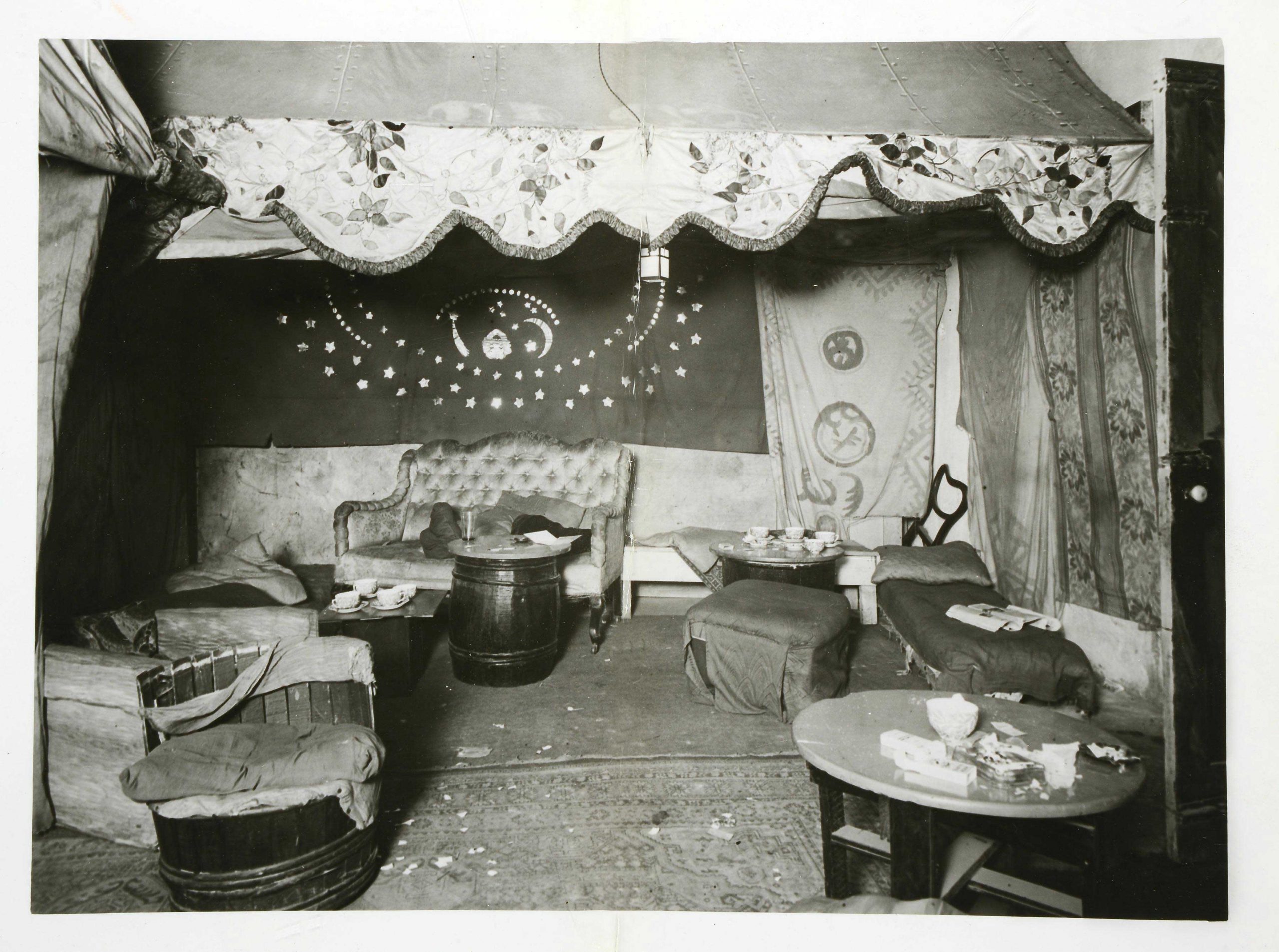
What to expect in the onsite workshop:
In this session students will explore what original documents can reveal about spaces that LGBTQ+ people used in the 1920s and 30s. These include vibrant Soho clubs like Billie’s and Shim Sham, as well as the lonely-hearts publication ‘The Link.’ Students will be encouraged to carefully consider how much we can learn from state and police records about LGBTQ+ history.
The two-hour workshop is led by an experienced history educator in an inspiring learning space at The National Archives in Kew. This is a special opportunity for students to handle this rich collection relating to LGBTQ+ history, including photographs, police reports and personal letters.
What to expect in the online workshop:
In the online workshop in your classroom students will explore the lives of people from the LGBTQ+ community in the past through our rich collection of documents, from personal letters to police surveillance records. The session includes the fascinating story of Cyril, who attended the Caravan Club in Soho, a LGBT+ friendly space. Learners will be encouraged to carefully consider the provenance of The National Archives collection and how much we can learn from state/police records.
The one-hour online session in your classroom is led by an experienced history educator, you only need a microphone, large screen and webcam to take part. Interactive activities encourage students to discuss their ideas and work in groups using high-quality materials provided in advance by the Education team.
*Note we will adapt the timing of the workshop to fit with your lesson times.
Connections to curriculum:
A Level
- Edexcel History: Paper 1, Option 1: Britain transformed, 1918–97
- AQA History: 1G Challenge and transformation: Britain, c1851–1964
- AQA History: 2S The Making of Modern Britain, 1951–2007 (provides historical context to the Wolfenden Report)
GCSE
- AQA Citizenship: 3.2 Life in modern Britain
- Edexcel Citizenship: Theme A: Living together in the UK
Festive Fare beyond Compare!
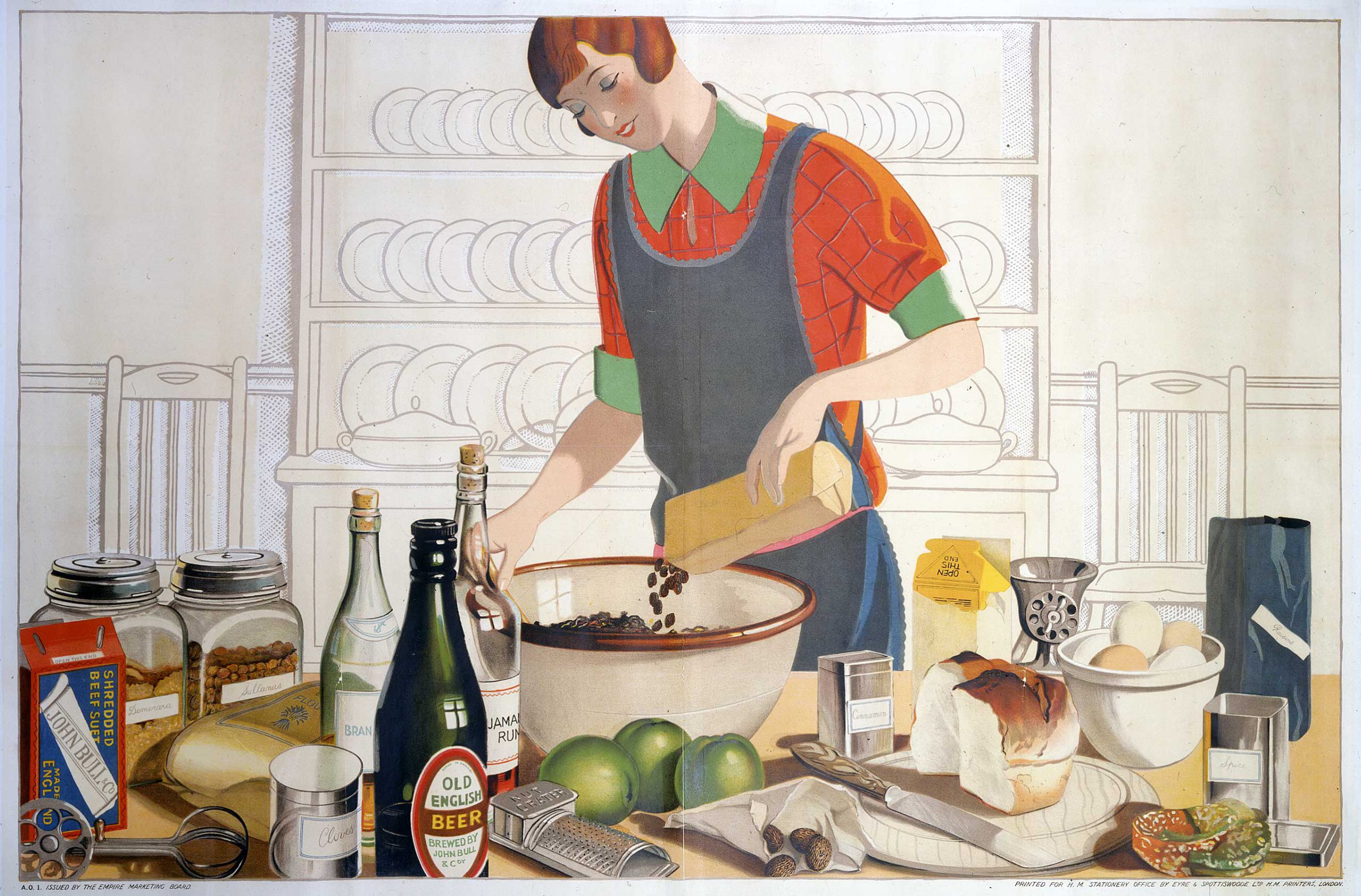
There are many delicious foods that we associate with Christmas day dinner! It’s lovely to sit around the table with your family and good friends, to tuck into Christmas favourites like roast turkey, crispy roast potatoes and crunchy green sprouts. Or maybe not the sprouts for everyone?! Then there’s pudding, with a choice of mince pies dolloped with thick cream, or a slice of Christmas cake or perhaps a lovely, huge portion of Christmas pudding! Whatever we like to eat on Christmas Day, one thing is for certain, food plays a central role in our celebrations. Inside the collection at The National Archives there are hundreds of documents that can tell us about the food eaten at Christmas, from Tudor times through to the twentieth century. These documents include adverts for Christmas food, recipes and even photographs of some of this festive fare! Below are a selection of a few of our favourite documents relating to food at Christmas in the past.
See what you can find out about Christmas food from looking at these documents and answering the questions. Then, if you’d like to get crafty and creative, take a look at some of our ideas for making food inspired Christmas decorations or even have a go at baking our medieval recipe for mince pies!
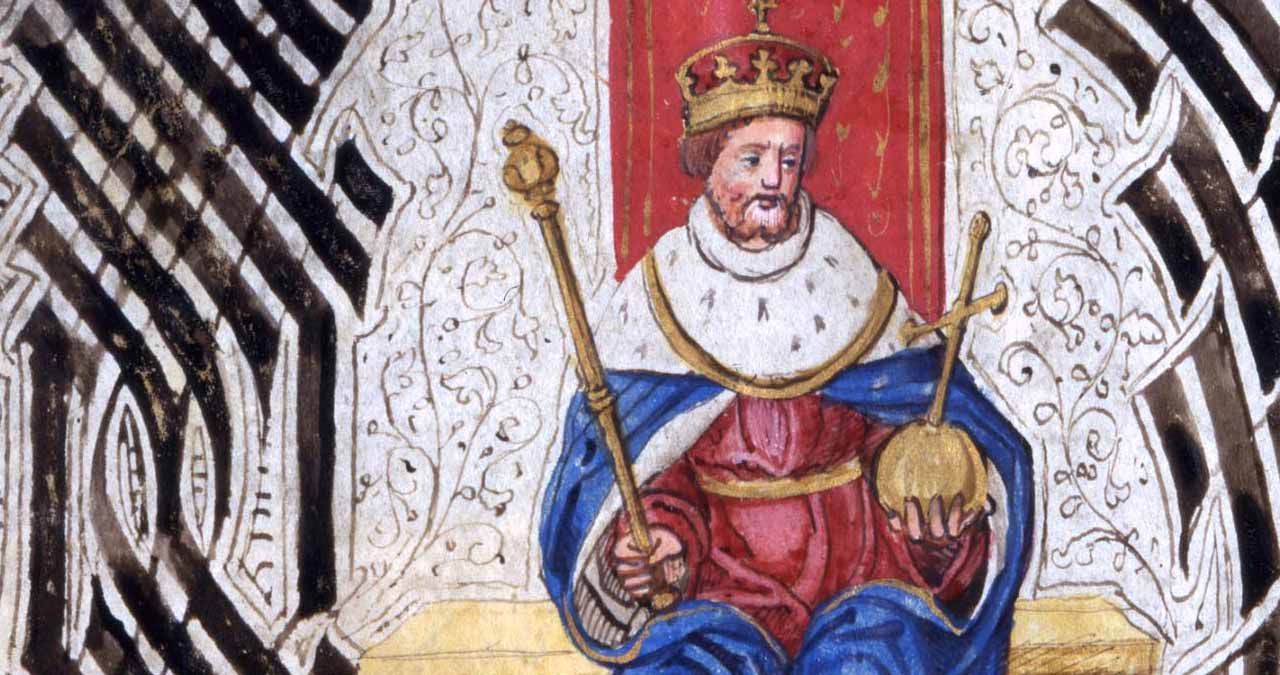
In this fun online session, students experience a day in the life of Henry VIII through sensory props, roleplay, song, dance and call and response activities.
Using documents and images from The Archives’ collections as stimuli, students explore how the rules of daily life in Tudor times affected everyone including the king.
Your students will have plenty of opportunities to develop their social and communication skills as they discover how King Henry spent his days.
Suitable for students with a full range of needs and abilities from MLD to PMLD (working at P4 upwards).
What were the rules of daily life for a king in Tudor times?
Join Emily and Nigel, who will show you how to create your own pop-up Christmas card using documents from the collection as inspiration! You’ll enjoy crafting special cards for your friends and family as well as seeing a showcase of more festive greetings from the archives.
Materials List
- Scissors
- Pencil
- Colouring pencils
- Glue stick
- Thick and think marker pens
- Ruler
- Piece of card, or back of cereal box
- Few sheets of A4 paper
- Watercolour paints (optional)
- Templates (pdf) downloaded from webpage
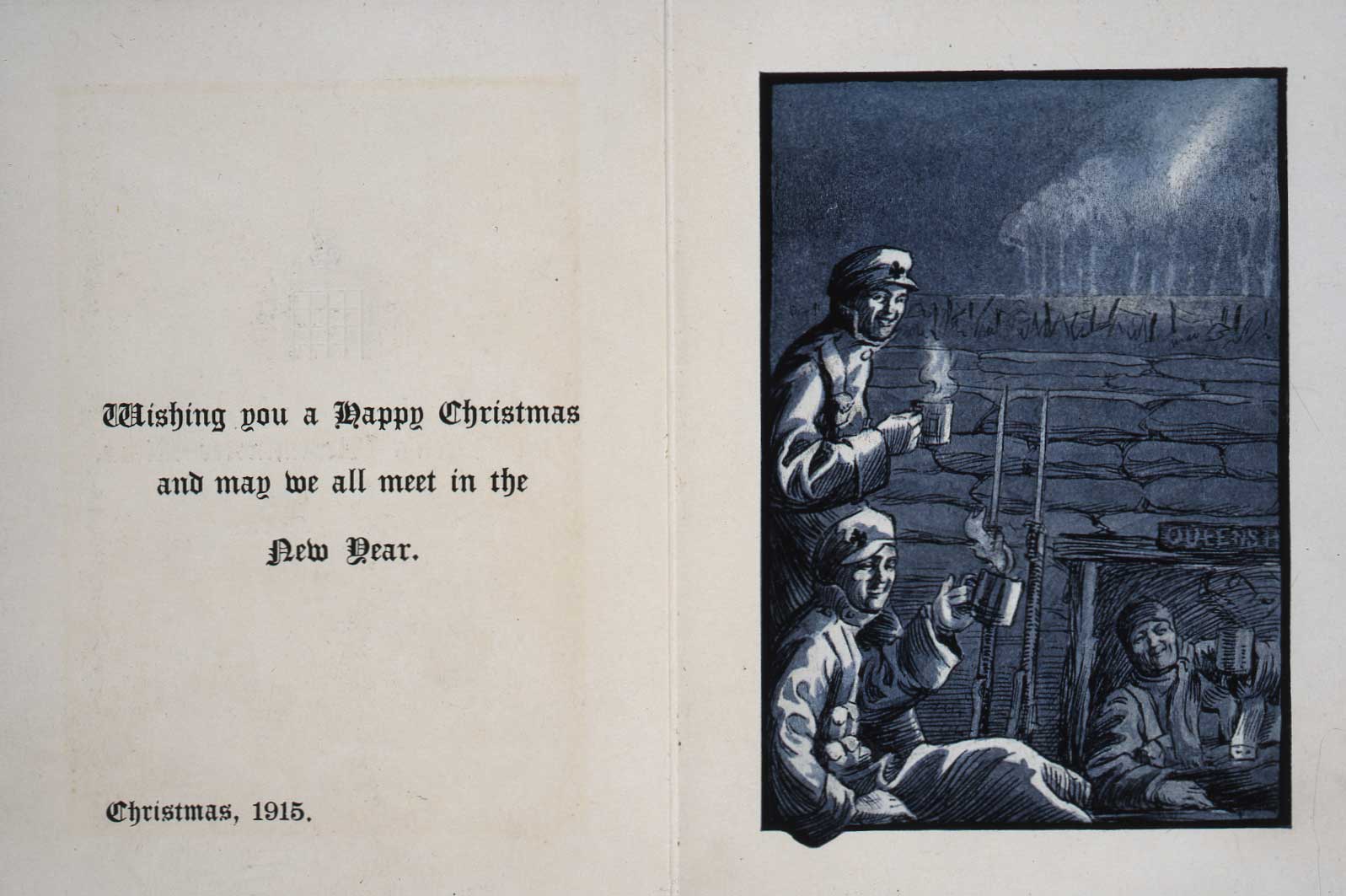
One of the most popular things to do at Christmas is to send festive cards to friends and family. It is a great opportunity to take some time composing a handwritten message full of seasonal cheer, best wishes and news on what you’ve been up to.
In The National Archives’ collection there are many examples of Christmas cards. There are designs which were made for mass manufacture as well as poignant reminders of how people communicated during the First World War. The National Archives’ has a unique connection to the tradition of sending cards too. Henry Cole, a lawyer who worked for the government in the Victorian period and helped established the beginnings of The National Archives in 1838, introduced the first Christmas cards for sale in 1843.
Below are a selection of card designs including an amusing card sent to a furry resident of government! Explore the documents and answer the questions. Afterwards, there is a craft activity to complete so that you can share the joy of sending cards.

Welcome to the Time Travel Club’s special Christmas page. Here you will find lots of festive fun to join in with. From Tots storytelling to Christmas Craft Club, as well as weekly themed document activities, there is sure to be something for you to enjoy. You can participate with your friends, family or by yourself!
Check back each week to discover new things to do!
Please share your Christmas creations with us on Twitter @UKNatArcEdu or via email at timetravelclub@nationalarchives.gov.uk
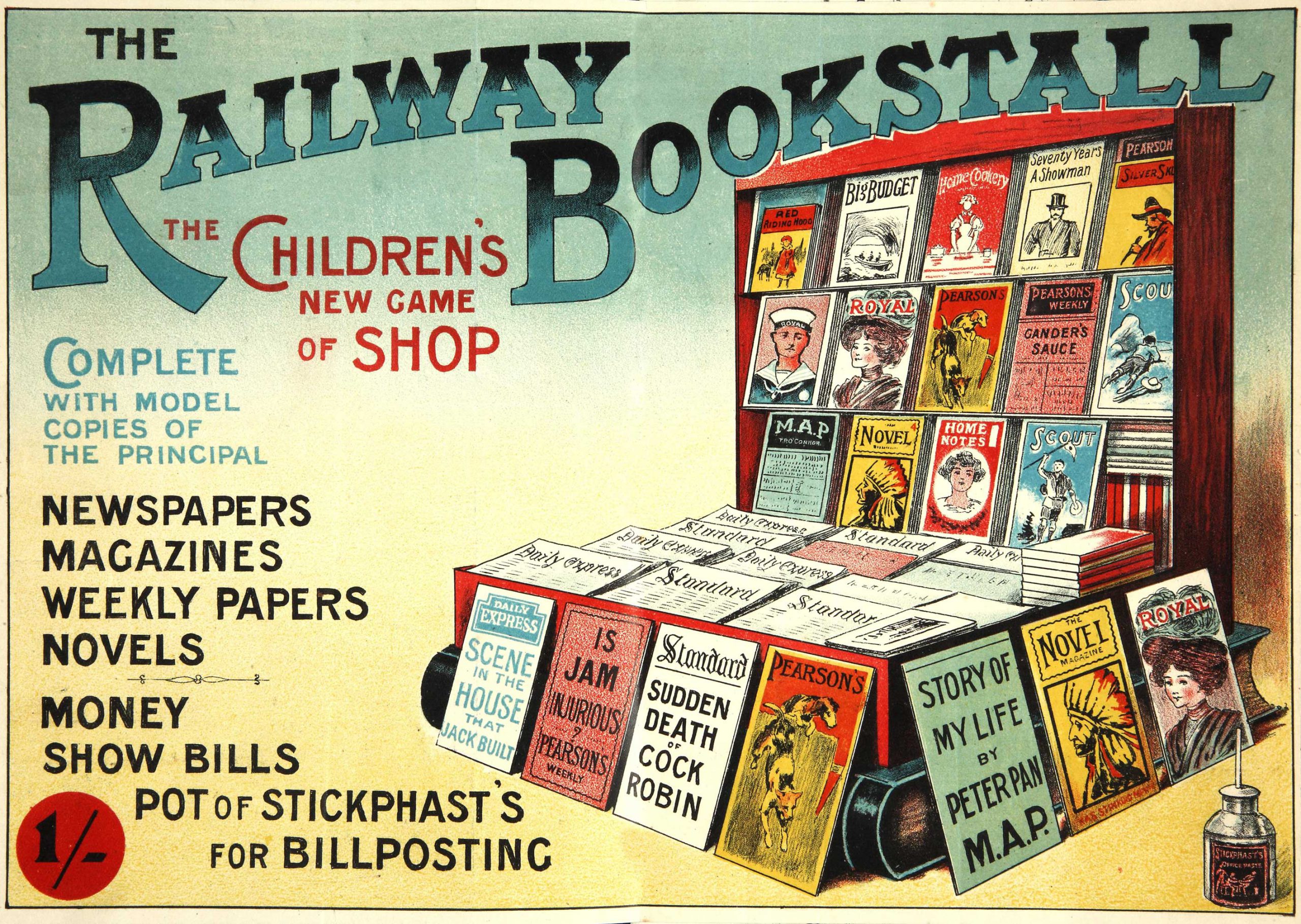
Railway Bookshop game, 1908 Catalogue ref: COPY 1/274 f141
This is the lid of a children’s game which is not a board game.
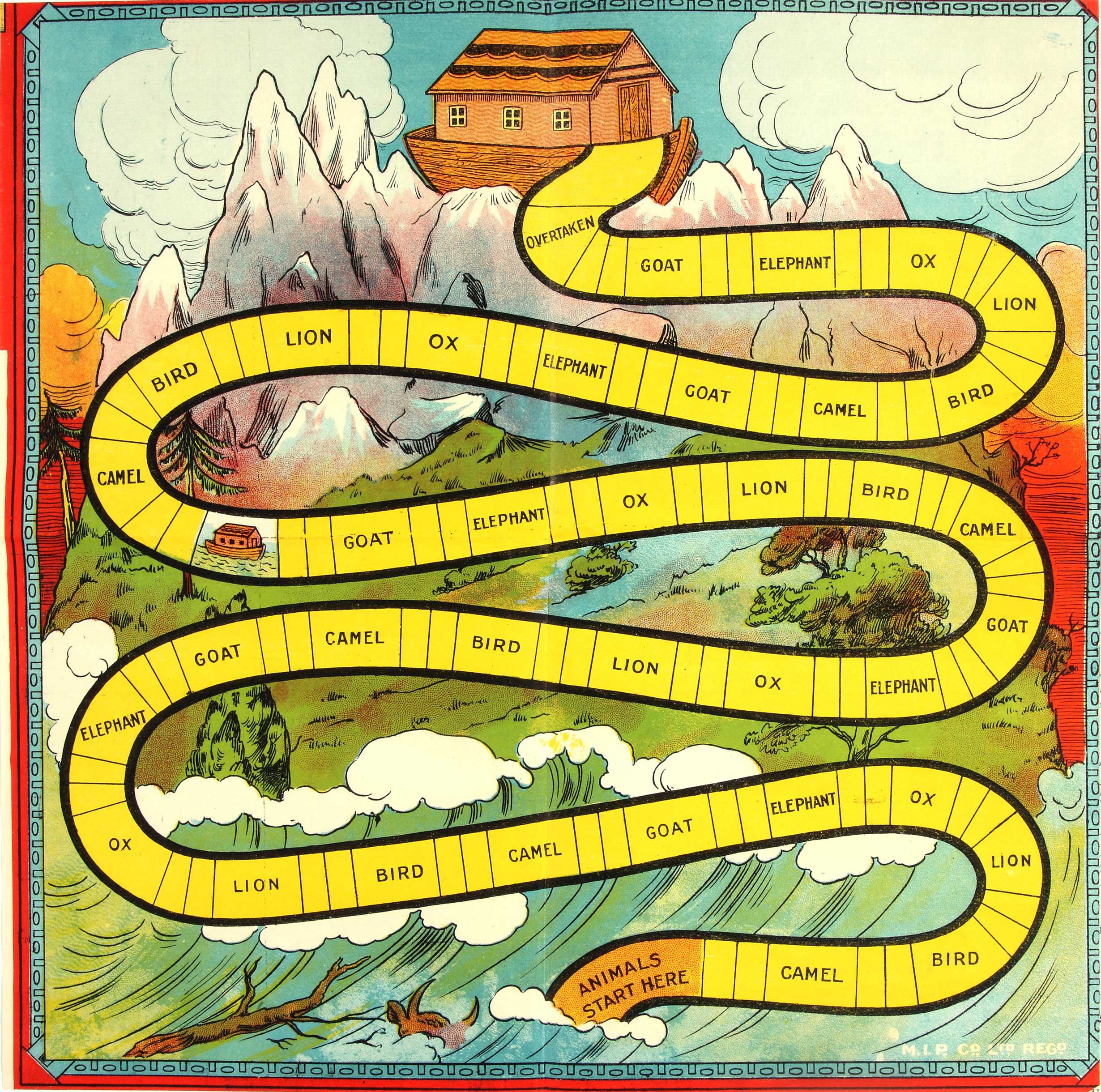
Noah’s Ark board game, 1908 Catalogue ref: COPY 1/270 f153
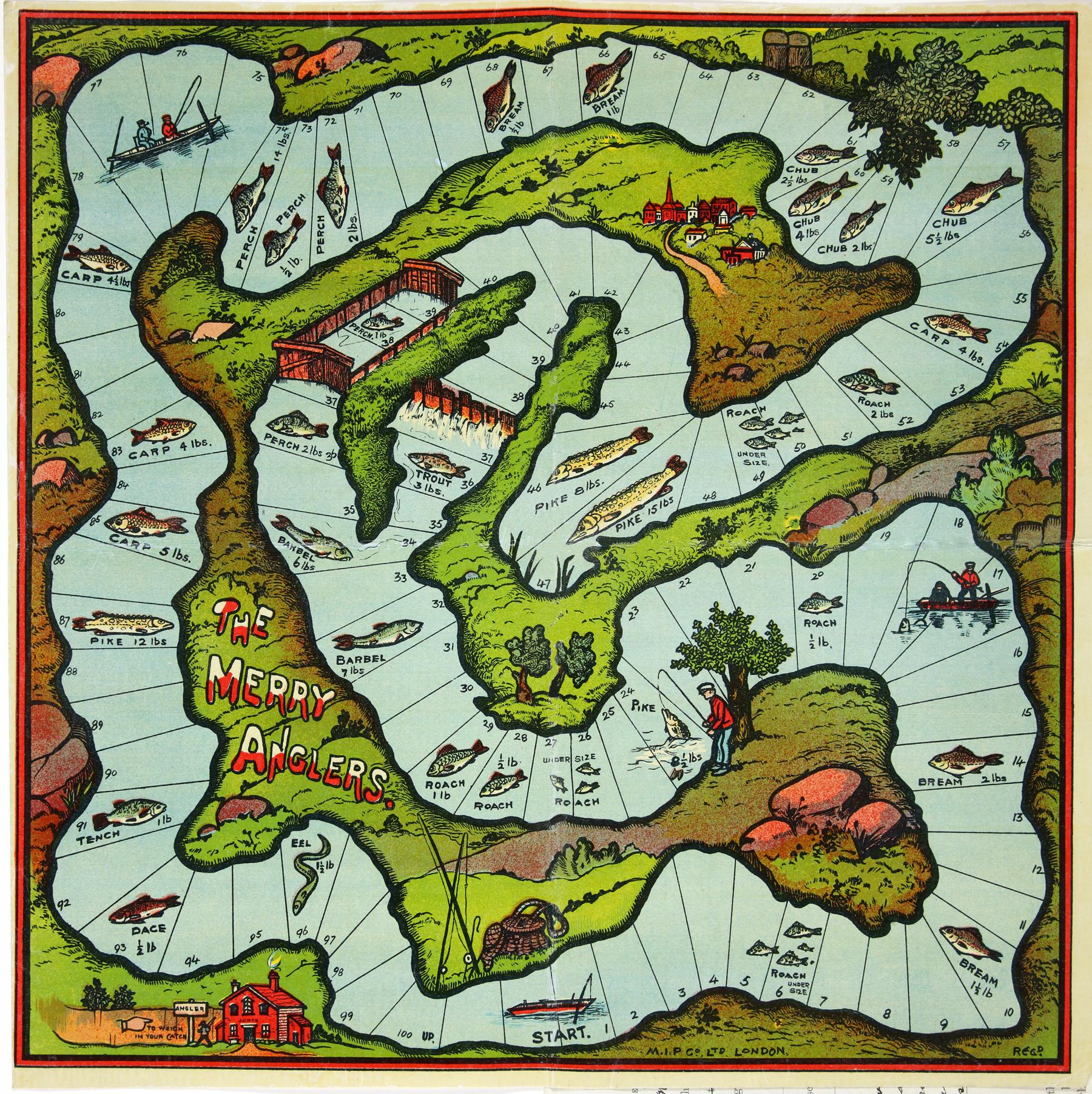
The Merry Anglers’ Board game, 1904, Catalogue ref: COPY 1/218 f309