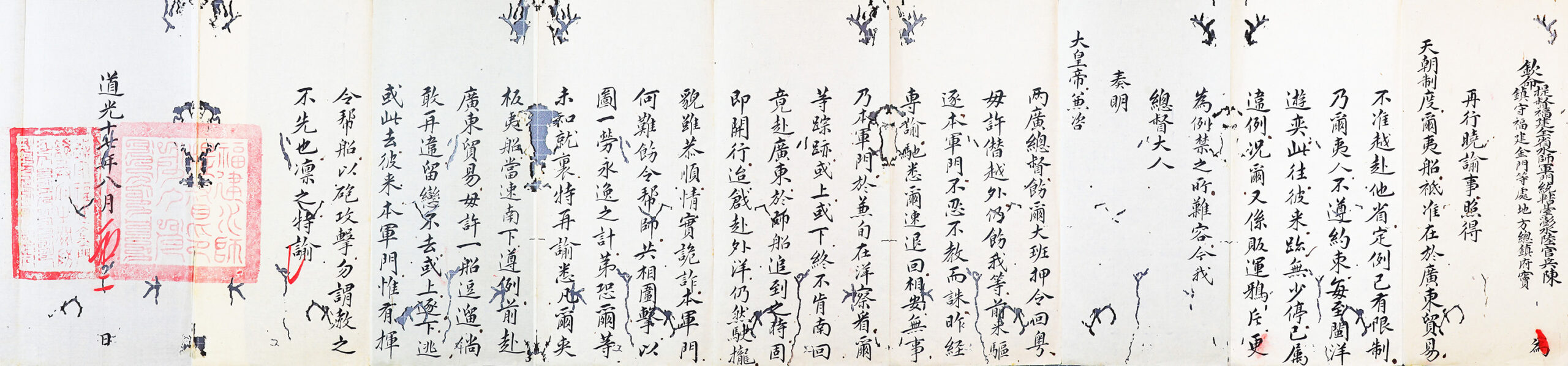
Letter to British representatives in China from Chen Huacheng, Commander-in-Chief of the naval forces in Fukien [province on the southeast coast of China] and of the troops of Formosa [former name for the island of Taiwan], and Dou Zhenbiao, Commander in Kinmen and surrounding areas. 1 September 1837. (FO 682/2462/41)
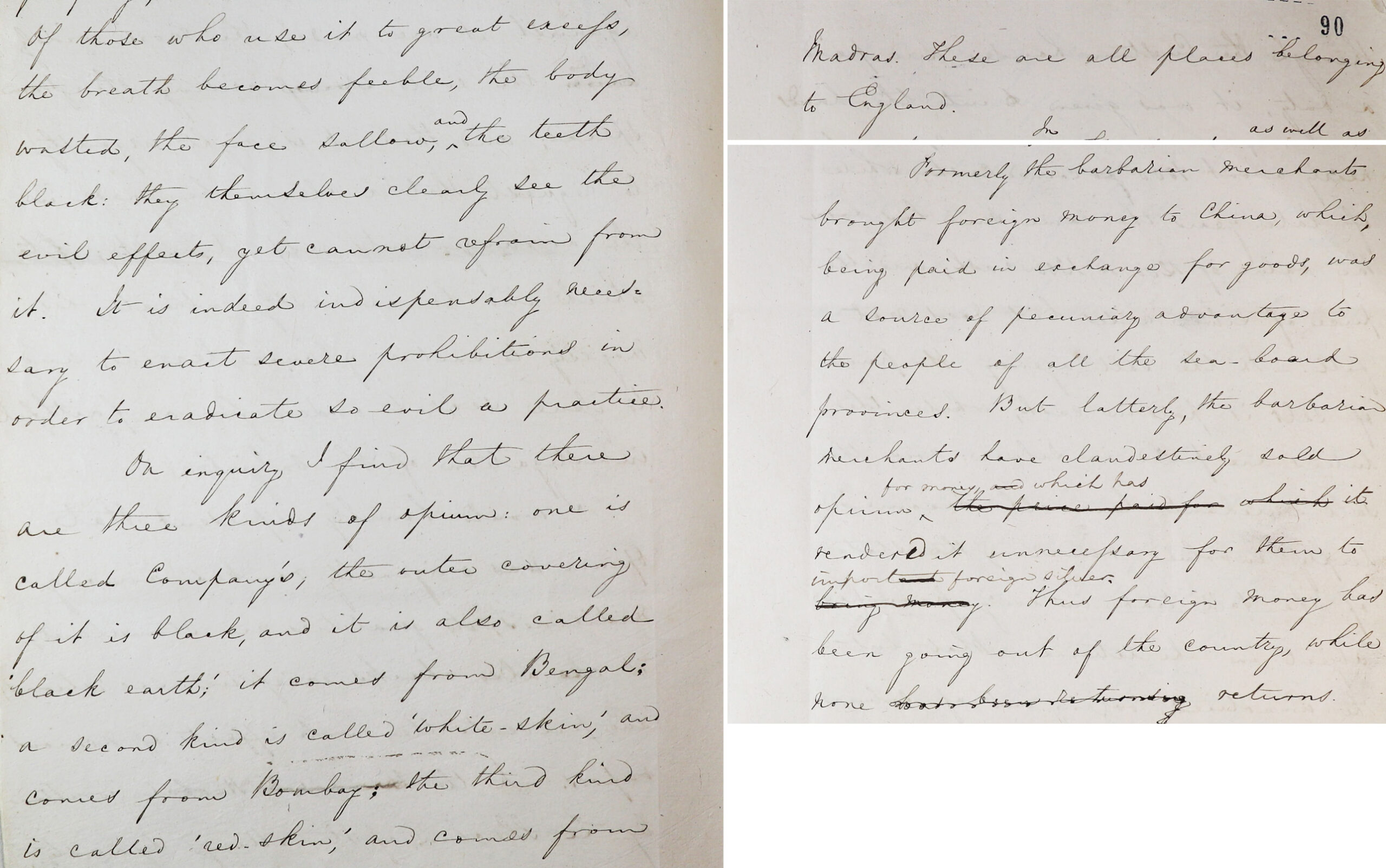
Chinese translations on opium, 1836 (FO 228/4)
This passage is introduced with the text: ‘Heu Naetse, vice-president of the Sacrificial Court, presents the following memorial [statement] to show, in regard to opium, that the more severe the interdicts [prohibitions] against it are made, the more widely do the evils arising therefrom spread…’
This was presented to the Emperor of China as part of a debate on whether to ease the prohibitions on opium or enforce them even more harshly. Both sides wanted to improve the situation that China was in. The Emperor heard arguments presenting the pros and cons of each side and eventually decided to make the prohibitions even stronger.
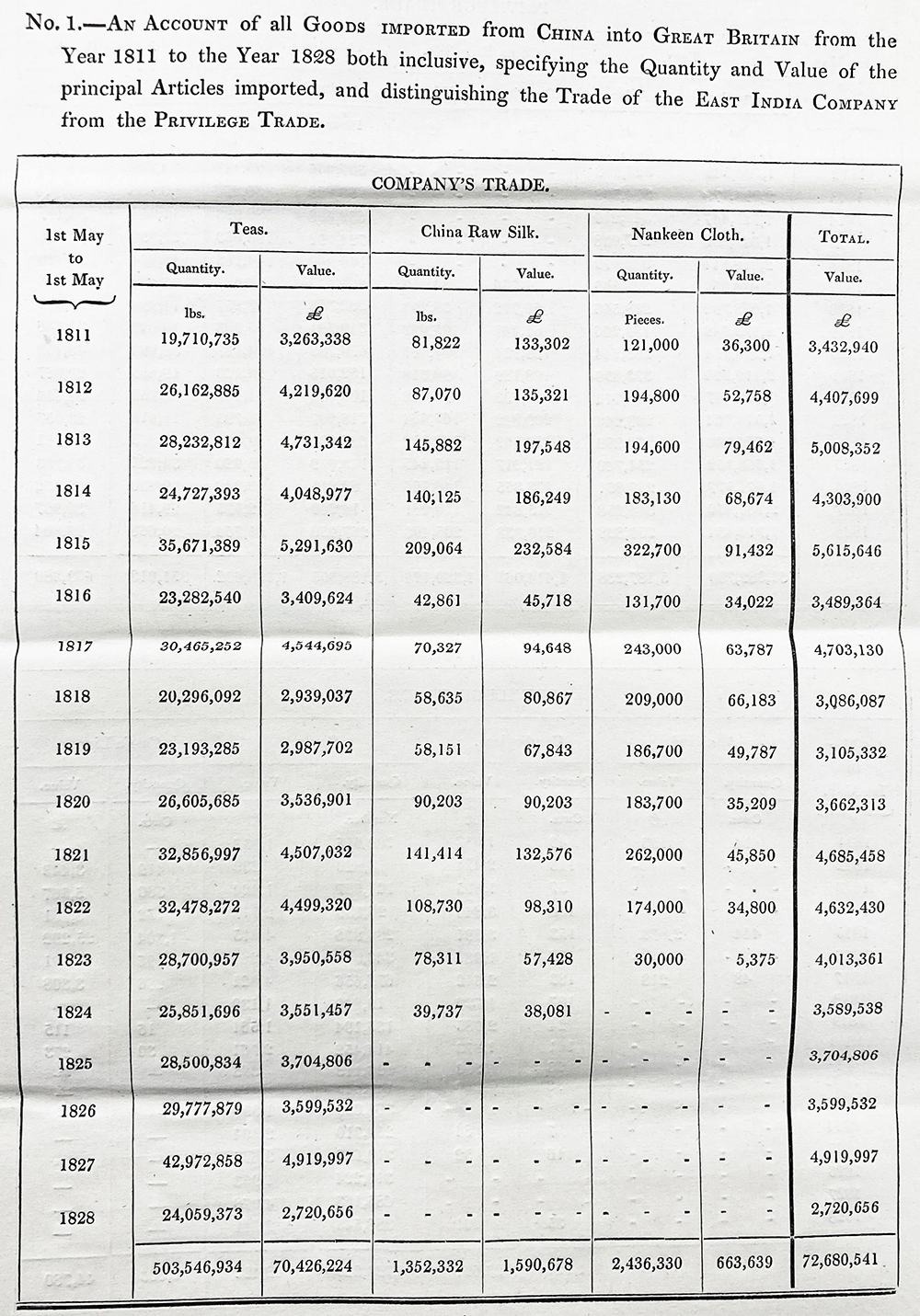
Printed Accounts, etc. of the East India Company’s China trade, 1830. (PRO 30/9/4/38)
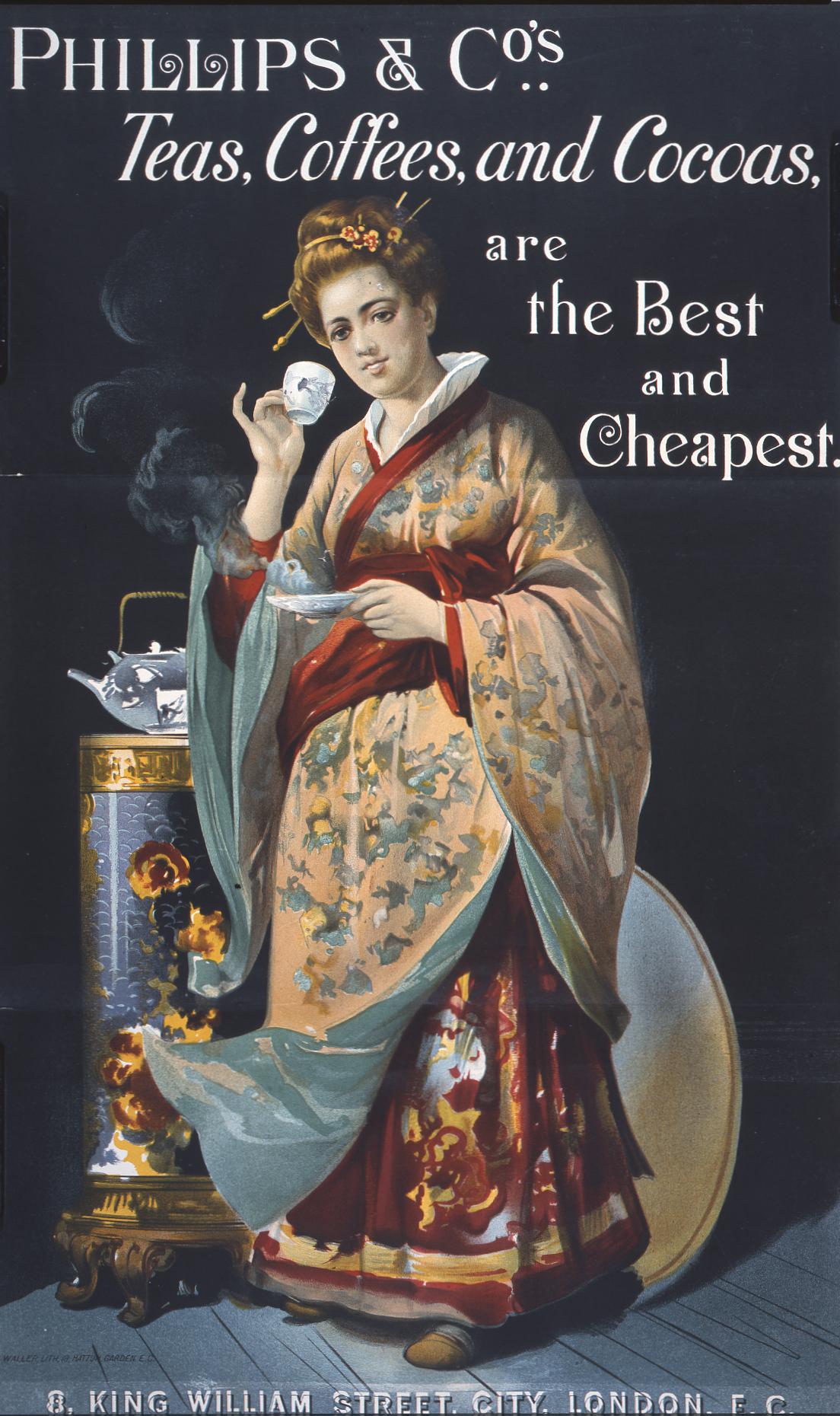
Phillips and Co.’s Teas, Coffees and Cocoas, 1886. Catalogue ref: COPY 1/74/28
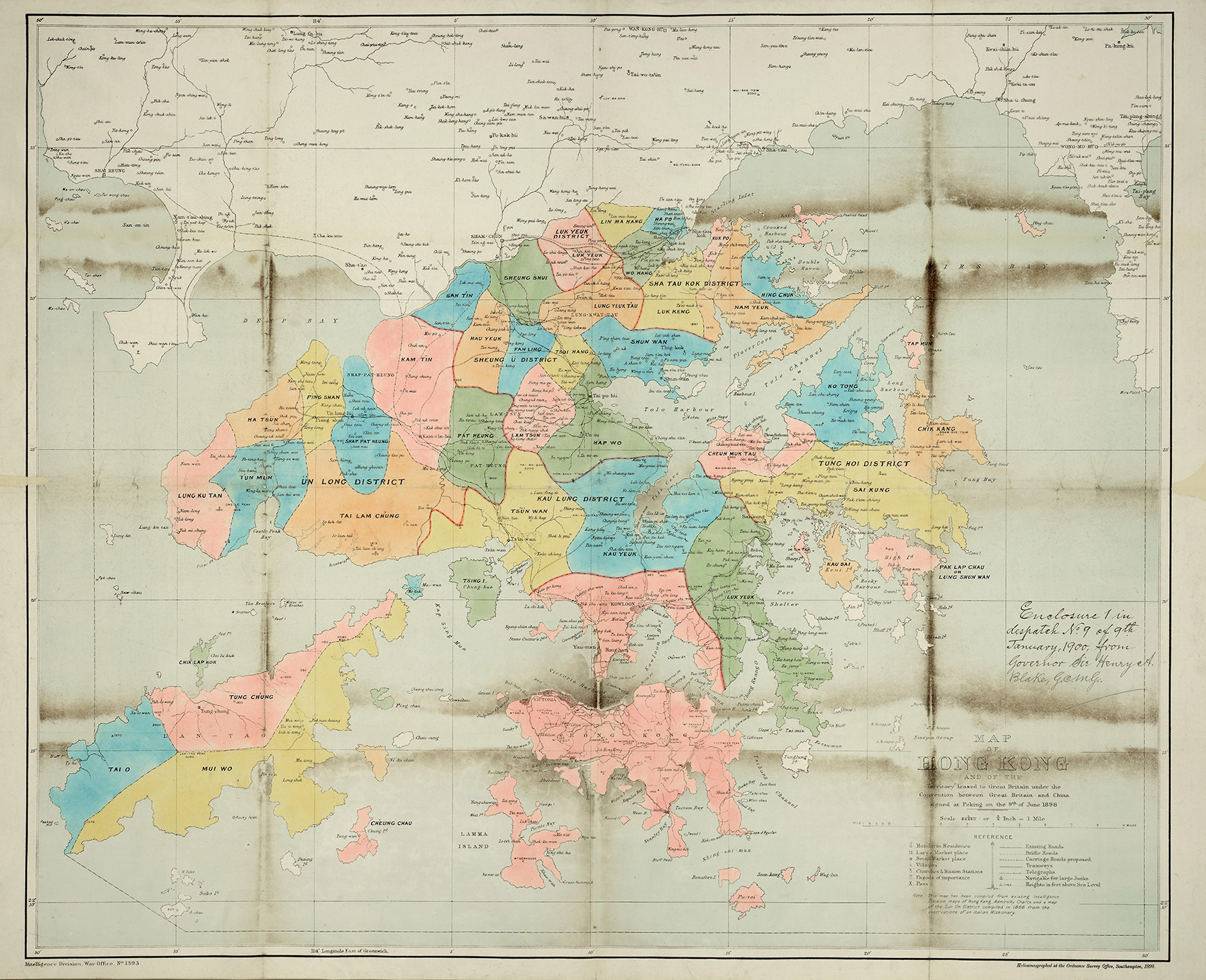
Map of Hong Kong and of the Territory leased to Great Britain, 1899 (MPG 1/796)
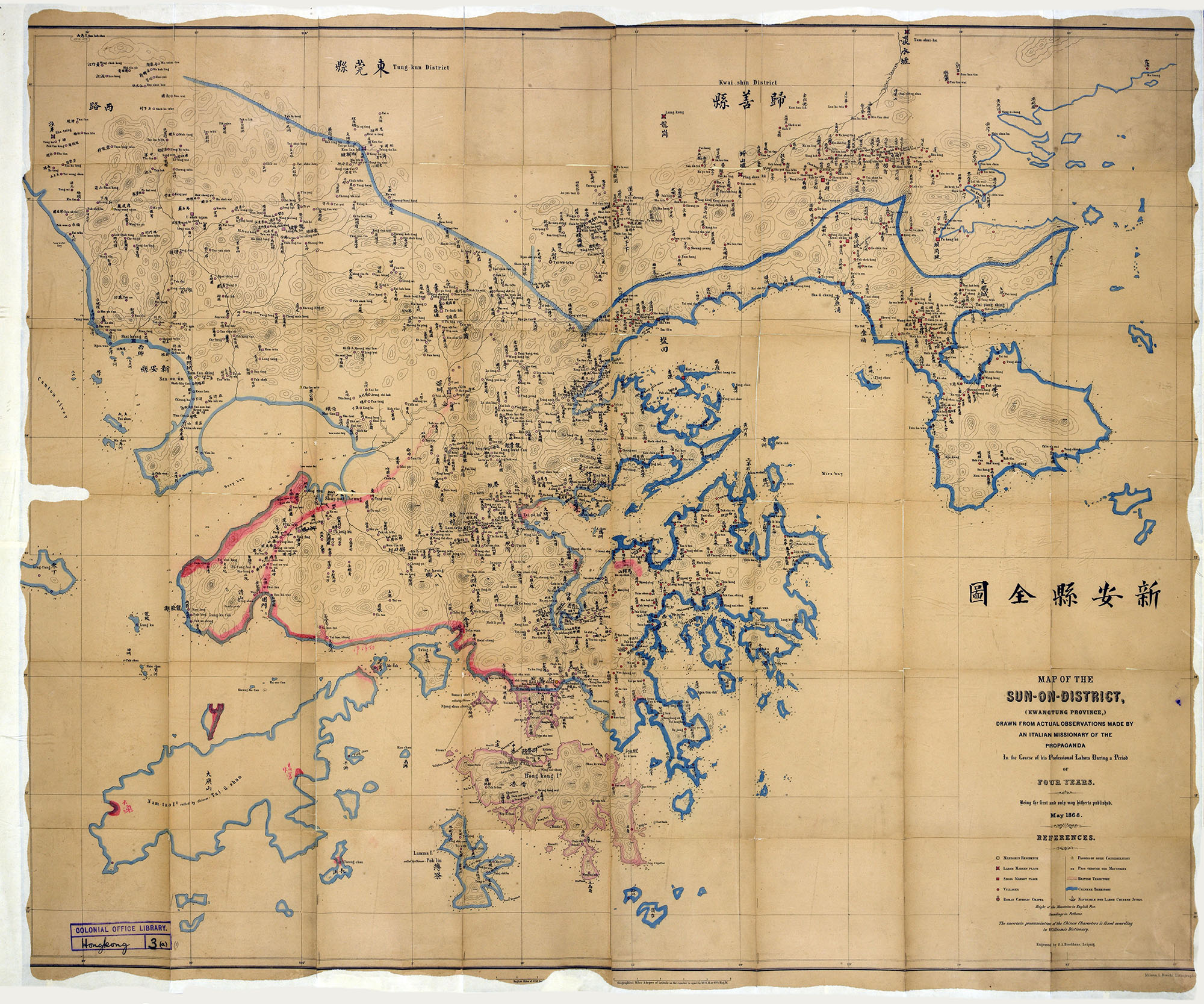
Hong Kong Sun-on District, 1868. (CO 700/HONGKONGANDCHINA3A (1))
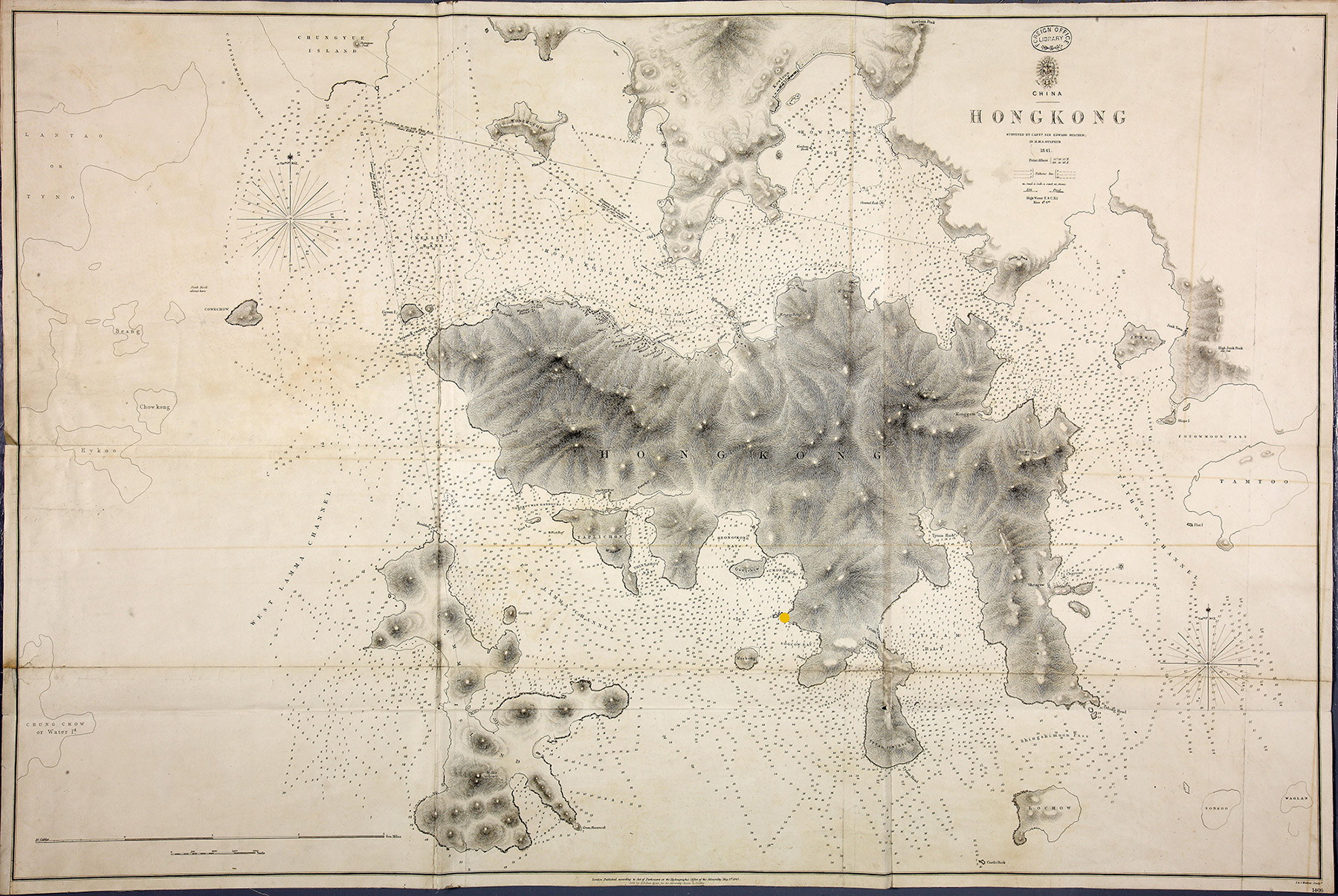
Hong Kong, surveyed by Captain Sir Edward Belcher, 1841. (FO 925/2293)
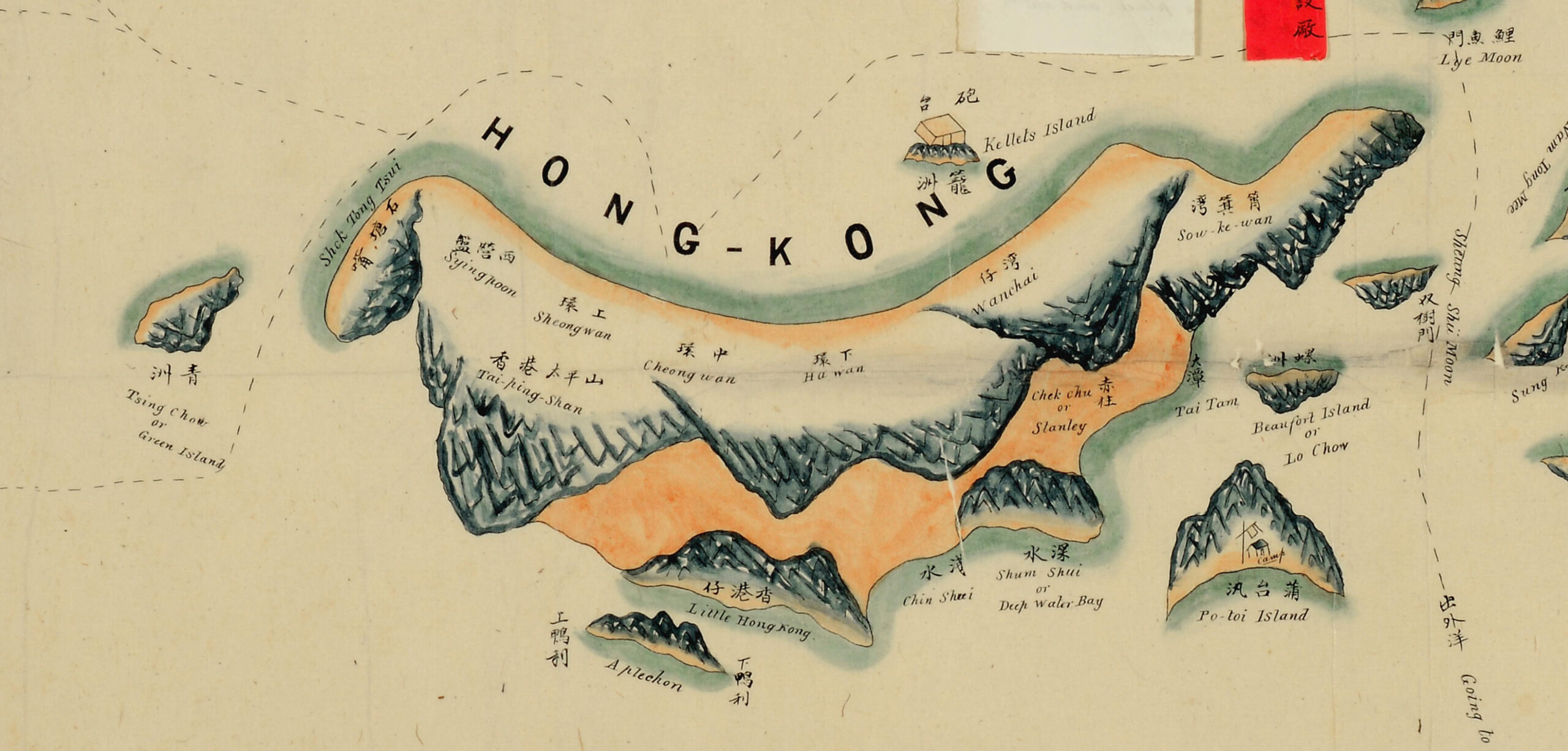
In 1997, Hong Kong stopped being a British colony after more than 150 years of British rule. Authority over Hong Kong was transferred to China. Many see this moment as the end of the last significant colony in the British Empire.
Hong Kong became a British colony through two wars: the First and Second Opium Wars. The First Opium War broke out in 1839. It is called the ‘Opium War’ because of one of its major causes: the British were smuggling opium from their Indian colonies into Chinese ports against the wishes of the Chinese government. This was to help pay for the large amounts of Chinese tea that they were importing – by the early 1800s, tea was a popular drink with the British public. Britain also wanted more control over their trade with China, as they could only trade with certain officials called Hong merchants.
The Opium Wars resulted in two treaties, each expanding the size of Britain’s Hong Kong territory. These treaties were followed by a 99-year lease in 1898 that allowed Britain to control even more land – a lease that ran out in 1997.
Use this lesson to find out the causes behind the First Opium War and how Hong Kong became part of the British Empire. How important were economic factors in the growth of the British Empire? How can we explain the unique position of Hong Kong in the world today?
How did Hong Kong become part of the British Empire?In the 18th and early 19th centuries, Britain was experiencing a problem with its trade with China: it bought more than it sold. Chinese goods such as silk, porcelain, and especially tea were very popular. However, Chinese merchants did not want to buy British goods in return. As a result, Britain had to pay silver for the goods that it was importing, eventually risking a silver shortage.
Britain’s solution to this trade imbalance was opium. Opium is an addictive and dangerous drug made out of plants. Britain started growing opium in its Indian colonies and exporting it to China, where it spread through the population. China now started experiencing its own problems: it was losing silver, and there was a rapidly growing rate of opium addiction amongst its people. In response, opium was completely banned in China in 1796. However, British merchants kept illegally smuggling opium into the country.
At the same time, the British were unhappy with the restrictions on who they could trade with in China. All foreign trade in China had to go through the Hong merchants. This was a group of officials who made sure that foreign traders followed rules and regulations. British merchants could only trade with the Hong merchants at the southern port of Canton (now Guangzhou), which was close to Hong Kong.
By the early 19th century, the drug problem in China was worsening. It was spreading across the country and the British were smuggling in over 1,000 tonnes of opium per year. Suggestions to ease the prohibitions were rejected and by 1838, opium smugglers risked the death penalty.
In 1839, Chinese official Lin Zexu was tasked with stopping the opium smuggling. He famously seized large amounts of opium from foreign ships and threw it into the sea. He then introduced a system where traders would only be allowed to enter China if they signed a bond stating that they had no illegal goods. The British Superintendent of Trade in China, Charles Elliot, ordered British merchants not to sign.
Other events around this time further heightened tensions – including the murder of Lin Weixi, a villager from Tsim Sha Tsui, by British merchant sailors. Elliot ordered the arrest of the sailors and refused a request from Lin Zexu to turn them over to Chinese authorities. In retaliation, Lin put up a blockade against Macau, where the British had been staying, causing them to be expelled and move to Hong Kong. Lin also prevented food from being sold to the British.
The First Opium War eventually broke out on 4 September 1839 when Elliot issued an ultimatum stating that, if the British would not be allowed to trade for food with locals in Kowloon, British ships would open fire.
Britain won the war in 1842, leading to the Treaty of Nanking. This treaty gave Hong Kong Island to Britain, allowed for free British trade with any merchants in China, and forced China to pay damages for the destroyed opium.
However, Britain was not completely satisfied with the treaty and demanded that it be renegotiated. Among other things, they wanted the opium trade to be legalised and the whole of China to be open to foreign trade. This led to the Second Opium War breaking out in 1856. China was defeated once again, ending in the Treaty of Tientsin, which gave Britain the area north of Hong Kong Island called Kowloon.
The final expansion of British Hong Kong came in 1898. This was the Convention for the Extension of Hong Kong Territory, a lease signed between Britain and China. This lease granted Britain the territory above Kowloon that is today known as the New Territories – but only for 99 years. Britain likely did not think they would ever need to return it.
However, 99 years later, China did indeed demand this land back. By this point, most of Hong Kong’s population lived in the New Territories, and it was not possible to separate it. On 1 July 1997, Britain officially transferred authority over Hong Kong to China, ending over 150 years of British rule. This is known in the English-speaking world as the ‘handover’.
Today, Hong Kong is a special administrative region of China. One of the conditions of the 1997 transfer was to maintain the existing colonial systems of government and economy for 50 years. This is known as ‘one country, two systems’.
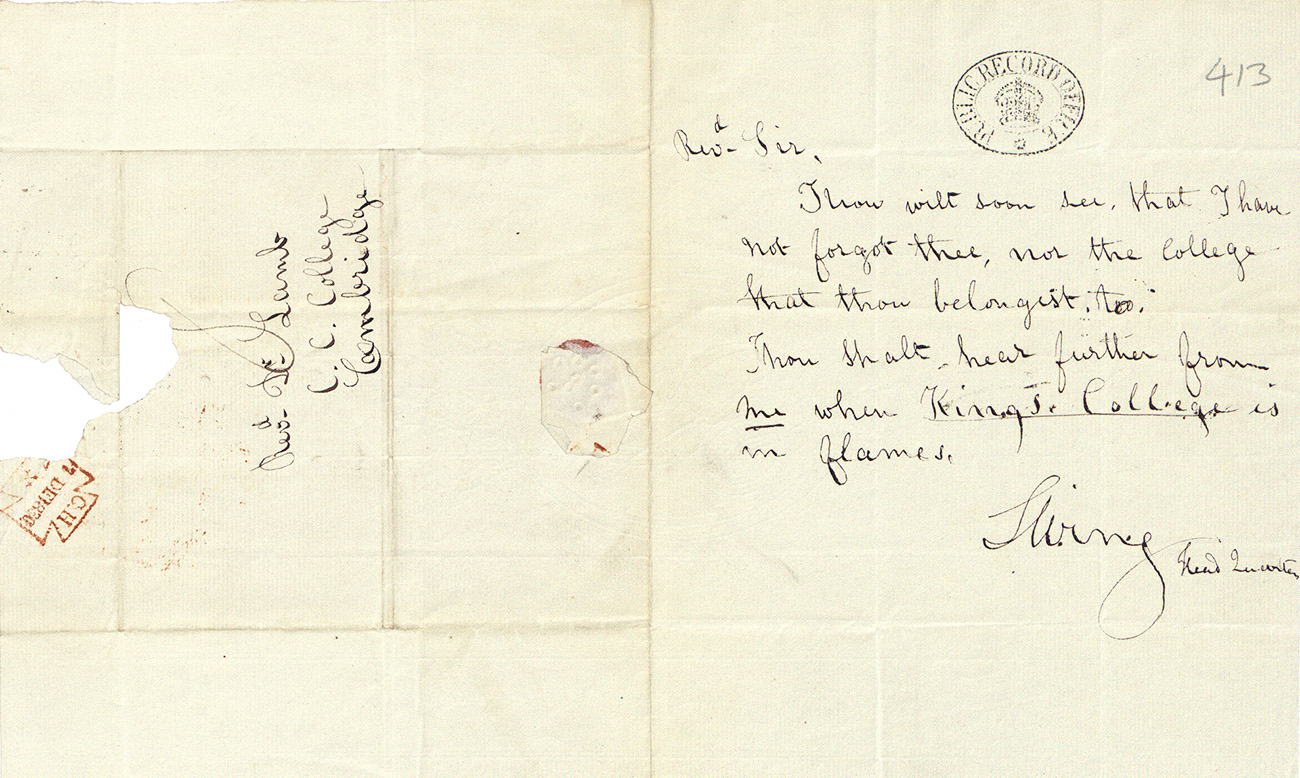
‘Swing’ letter, sent to two colleges at the University of Cambridge and forwarded to Lord Melbourne, ‘Secretary for the Home Department’, 8 December 1830. Catalogue ref: HO 52/6
Swing’ letters were often sent to farmers demanding that they increased wages for farm workers. Farmers were warned if they did comply, their property would be damaged or burnt.
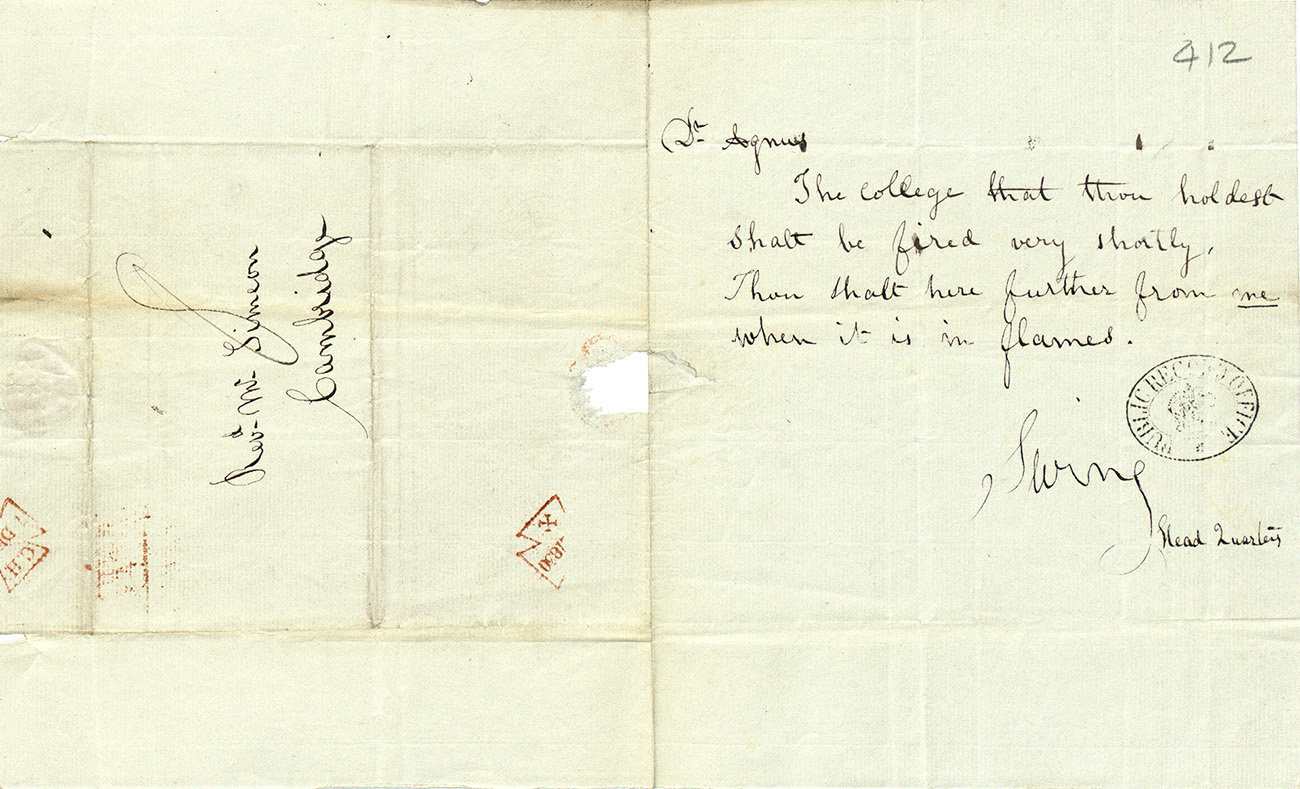
‘Swing’ letter, sent to two colleges at the University of Cambridge and forwarded to Lord Melbourne, ‘Secretary for the Home Department’, 8 December 1830. Catalogue ref: HO 52/6
Swing’ letters were often sent to farmers demanding that they increased wages for farm workers. Farmers were warned if they did comply, their property would be damaged or burnt.