
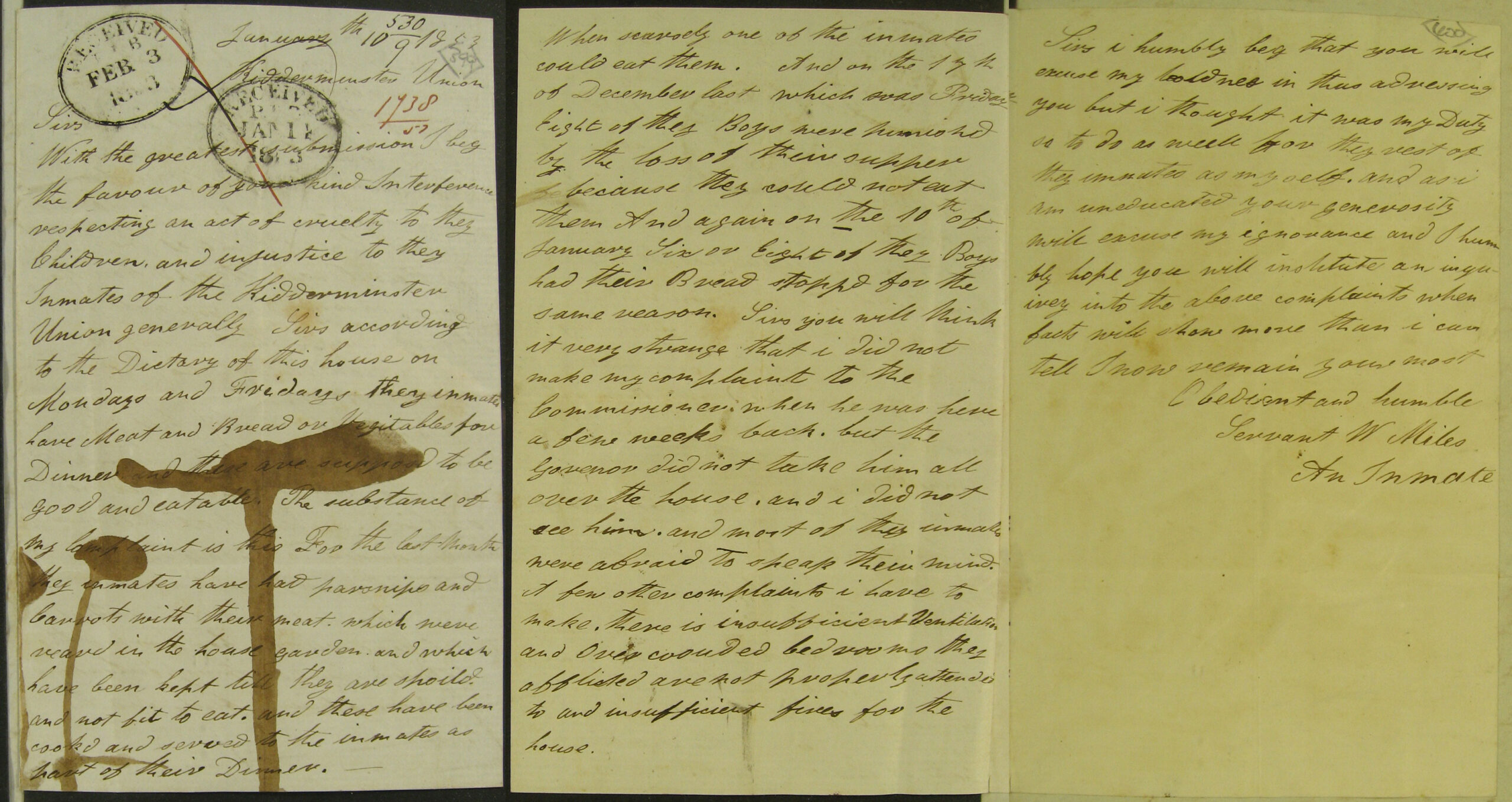
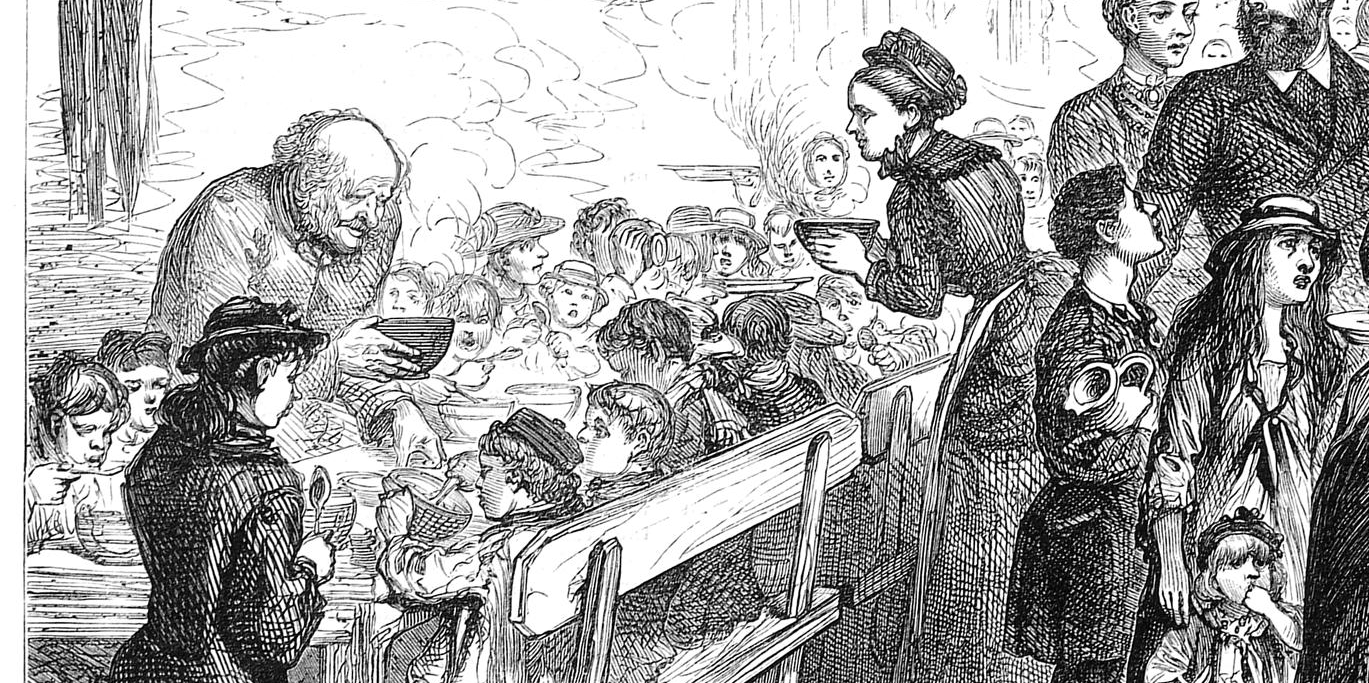
This lesson will explore the topic of food, placing it within the wider context of the enquiry question of ‘What was life like for a child in the Victorian Workhouse?’. This lesson will allow the children an opportunity to explore a range of primary sources, also to draw comparisons towards Charles Dickens’ ‘Oliver Twist’. This will support the children’s’ understanding of historical interpretation.
The key historical aim for this lesson will be to use primary sources to support the understanding of a period in time. They will also be able to draw comparisons between their lives today and understand what life would have been like in the past.
This lesson will support an exploration of the Victorians where it is either your post 1066 unit or linked to local history, for example if you have a local workhouse that is now a hospital or converted for other uses. It could also be used if you were exploring children’s experiences through history.
What was food like for a child in the Victorian workhouse?From 1834, the workhouses fell under the Poor Law Commission, the expectation from each workhouse and what they provided was more in line. However, there were still differences between what each workhouse provided. Some might have gone over and above what needed to be provided, while others provided the bare minimum.
There is a video on the BBC, that provides an example of a diet for a boy over a week and shows how much food they would have. This is a interesting hook for the children, ensure that this has been made for entertainment as well as information. https://www.bbc.co.uk/programmes/p011spj3
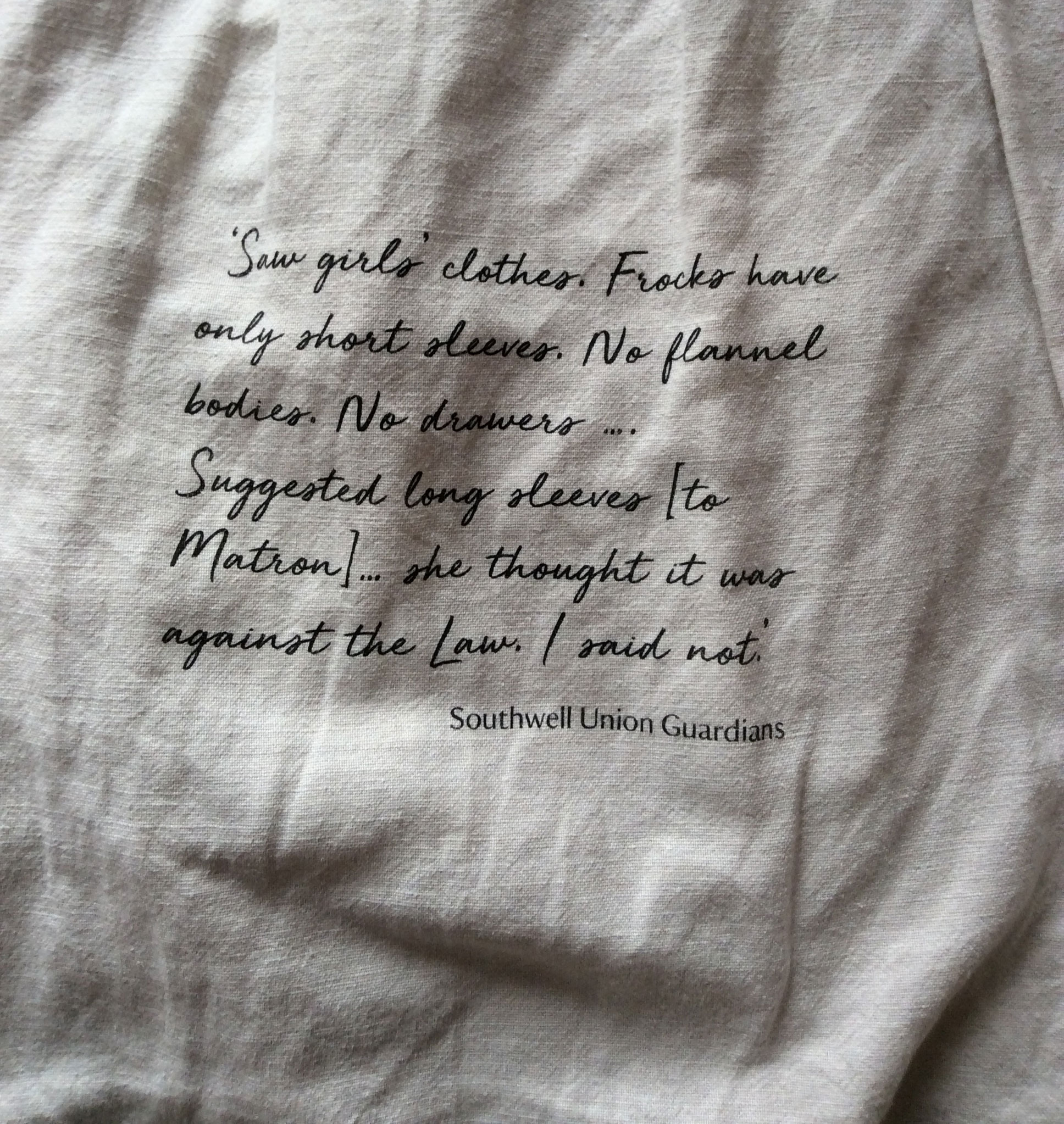
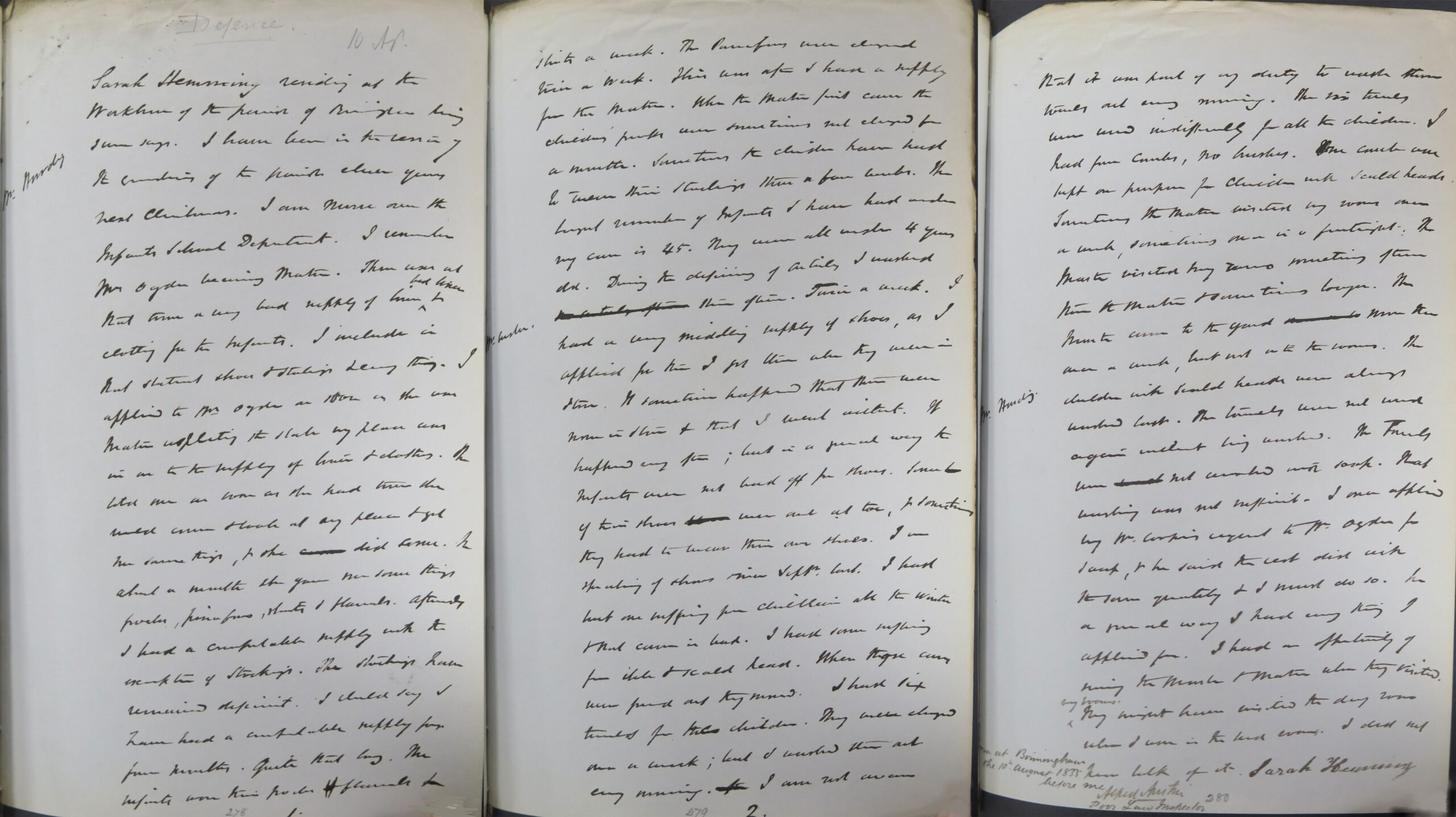
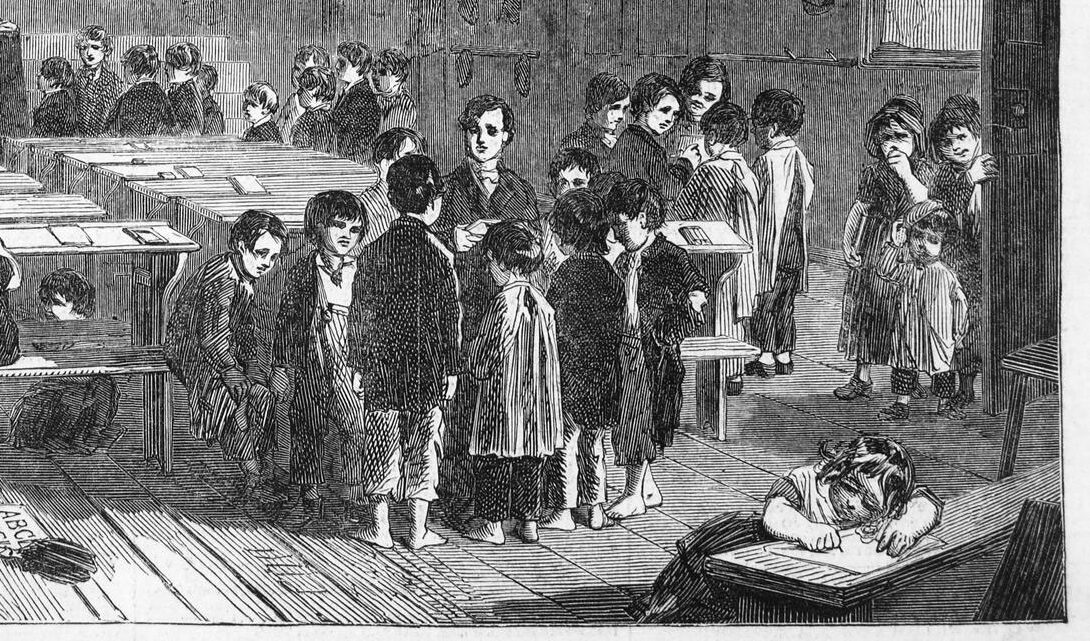
This lesson explores source material in the form of letters written by Paupers which were sent to the Poor Law Commission in London, generally complaining about the treatment and conditions the pauper children were enduring. The pupils will analyse the individual letters to gain an understanding of some of the things which happened to children during this time.
This lesson focuses on clothing and is part of a series of lessons which include a focus on Southwell Workhouse followed by two other lessons focussing on schooling and food.
This lesson will support an exploration of the Victorians where it is either your post 1066 unit or linked to local history, for example if you have a local workhouse that is now a hospital or converted for other uses. It could also be used if you were exploring children’s experiences through history.
What do the letters tell us about pauper children's clothing in the workhouse?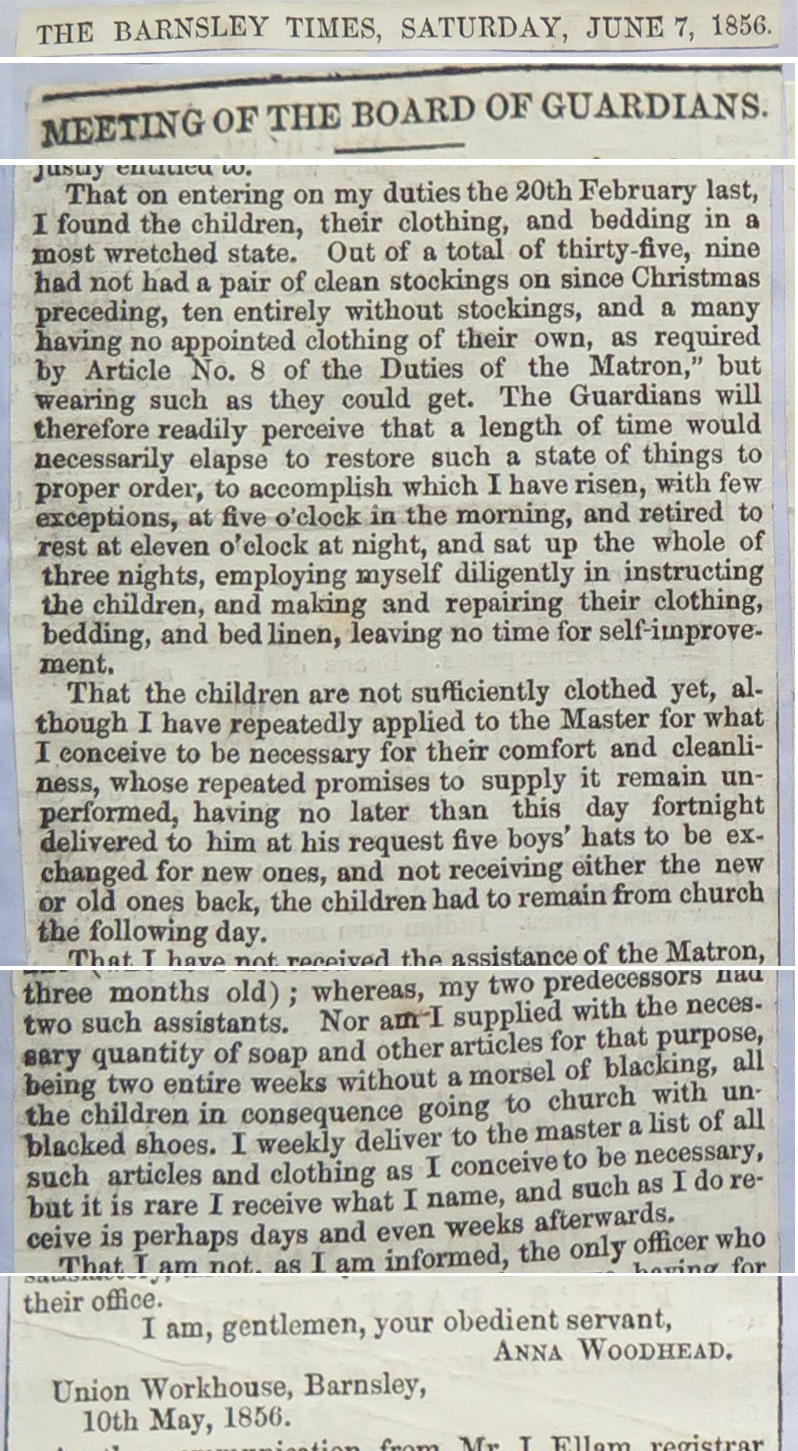
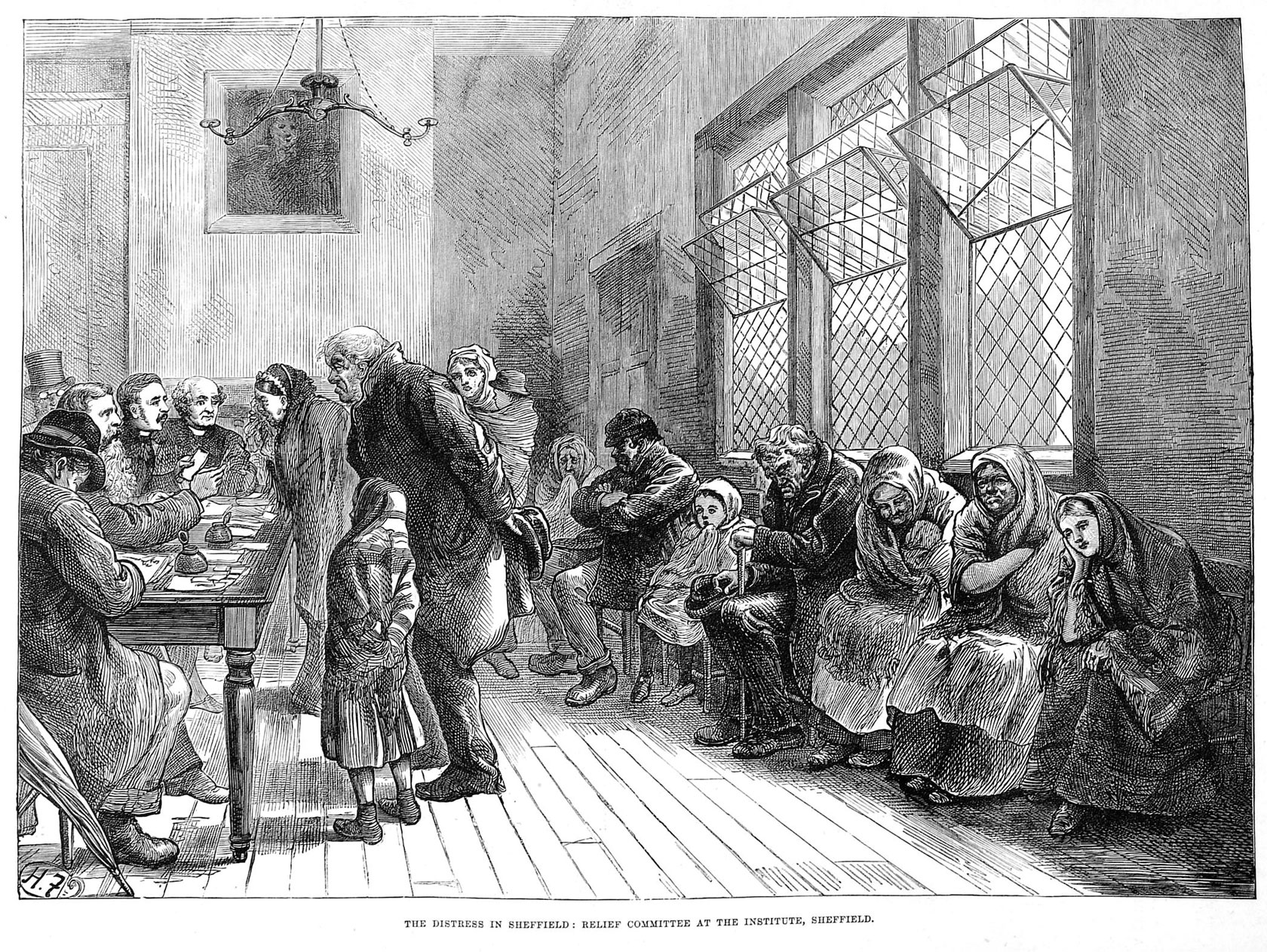
Voices of the Victorian Poor is an open database of letters from paupers, the wider poor and their advocates written between 1834 – 1900. These materials show even the very poorest members of society could be literate, understand the poor laws, regulations and rules, and were able and willing to resist or contest the power of the national and local state. The letters explain their situations in their own words, providing an invaluable insight into the lives of everyday ordinary Victorians whose thoughts and opinions are often considered ‘lost to history.’ The letters are a testament to the agency of the poor and their insistence to be considered citizens with rights.
The site was created as part of a Teacher Scholar Programme, exploring the letters alongside ten teachers to discover elements of these people’s lives that can aid the understanding of students in primary and secondary schools. Each teacher was tasked to create a resource using the letters to be used in classrooms. These free resources are now available for your use below, available online and as downloadable resources.
What to expect in the onsite workshop:
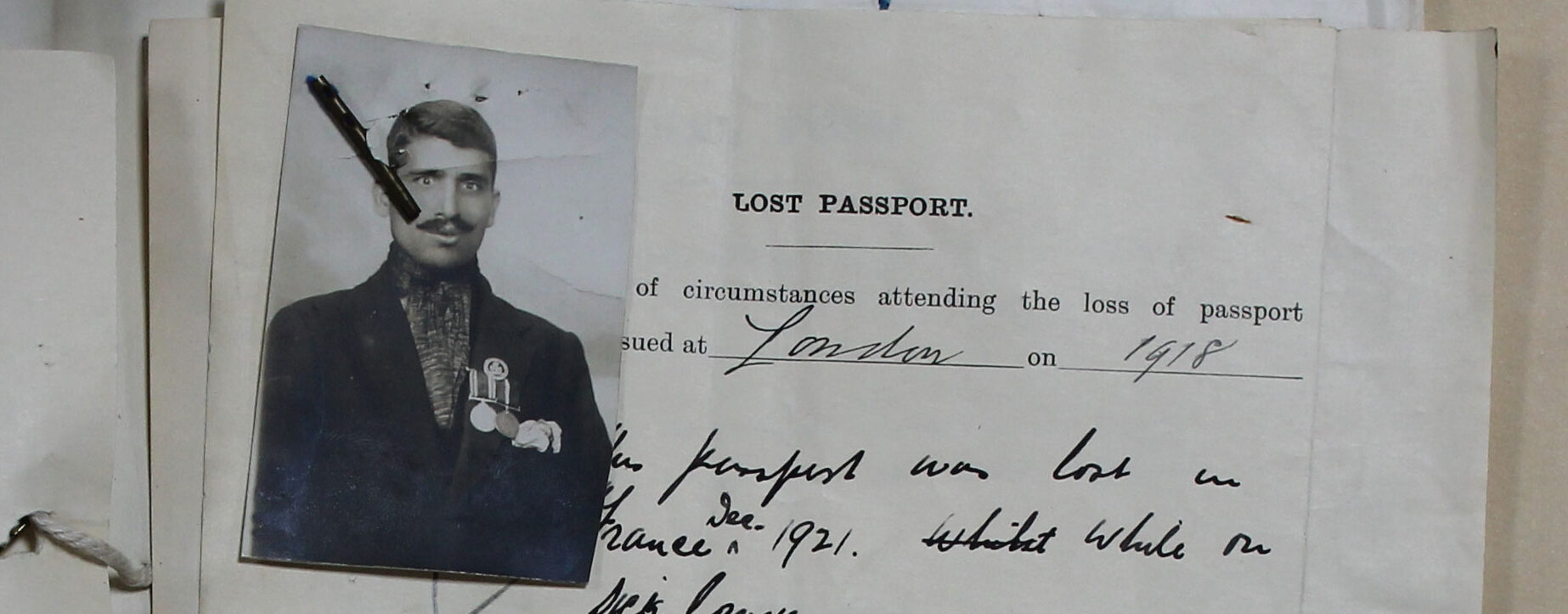
In the onsite workshop, students will explore the lives of several Indian seafarers, known as lascars, through investigating a variety of documents. They will uncover details of worldwide travel, the range of jobs undertaken and the impact of legislation such as the 1920 Alien’s Order. They will gather evidence about themes such as migration, identity, challenges and agency.
The two-hour workshop is led by an experienced history educator in an inspiring learning space at The National Archives in Kew. Students develop skills in working with a range of original documents including passport applications, letters, and photographs. They will consider the provenance and usefulness of these sources when looking for evidence of the experience of six different Indian seafarers.
What to expect in the online workshop:
In the online workshop in your classroom students will investigate the lives of three Indian seafarers, known as lascars, by exploring a series of documents. This session develops skills in working with original documents, such as passport applications, letters, and photographs.
The one-hour online session in your classroom is led by an experienced history educator, you only need a microphone, large screen and webcam to take part. Interactive activities encourage students to discuss their ideas and work in groups using high-quality materials provided in advance by the Education team.
*Note we will adapt the timing of the workshop to fit with your lesson times.
This session is not designed to be an introduction to the topic and students should have knowledge of the topic in advance of attending the workshop.
What can government documents reveal about the experience of Indian seafarers?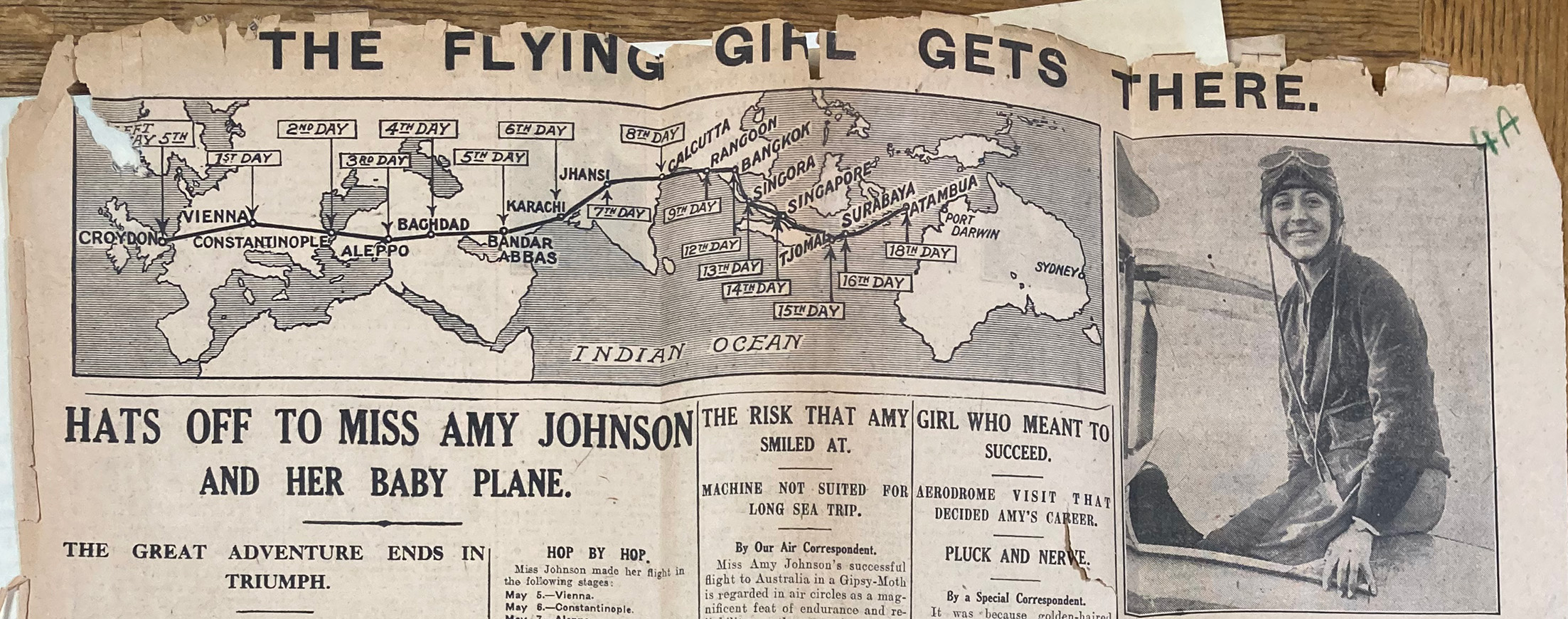
What to expect in the onsite workshop:
In this dynamic onsite workshop children discover the lives of women, through exploring original documents. Children will investigate clues about three women’s achievements: a 20th century nurse, a pioneering pilot and a defender of a medieval castle. Learners consider questions like ‘why is it difficult to find out about a woman who lived a long time ago?’ Learners engage with different types of evidence, including medieval wax seals, passenger lists, newspapers and census records.
The two-hour workshop is led by an experienced history educator in an inspiring learning space at The National Archives in Kew. The session uses a combination of dynamic group work and storytelling. Children get to view a range of original historical documents.
What to expect in the online workshop:
In the online workshop in your classroom students will discover the lives of women, through exploring documents. Children will investigate clues about three women’s achievements: a 20th century nurse, a pioneering pilot and a defender of a medieval castle. Learners engage with different types of documents and will develop skills in evidential understanding.
The one-hour online session in your classroom is led by an experienced history educator, you only need a microphone, large screen and webcam to take part. This session is highly interactive with frequent discussions, group activities and storytelling.
*Note we will adapt the timing of the workshop to fit with your lesson times.
What can documents tell us about significant women’s lives?