The seven letters selected within this resource show a wealth of varied experiences of women inside the workhouse. The lesson can either use the letters in full or the teacher can select sections of the letters. Students are encouraged to analyse each letter, focusing on the treatment of women and their mental health.
Learning objectives:
- To investigate the varied experiences of women in the workhouse.
- To analyse and make inferences about a source.
Resources needed: Printed sources.
This lesson was created as part of the Voices of the Victorian Poor Teacher Scholar Programme
How were women treated in the Victorian workhouse?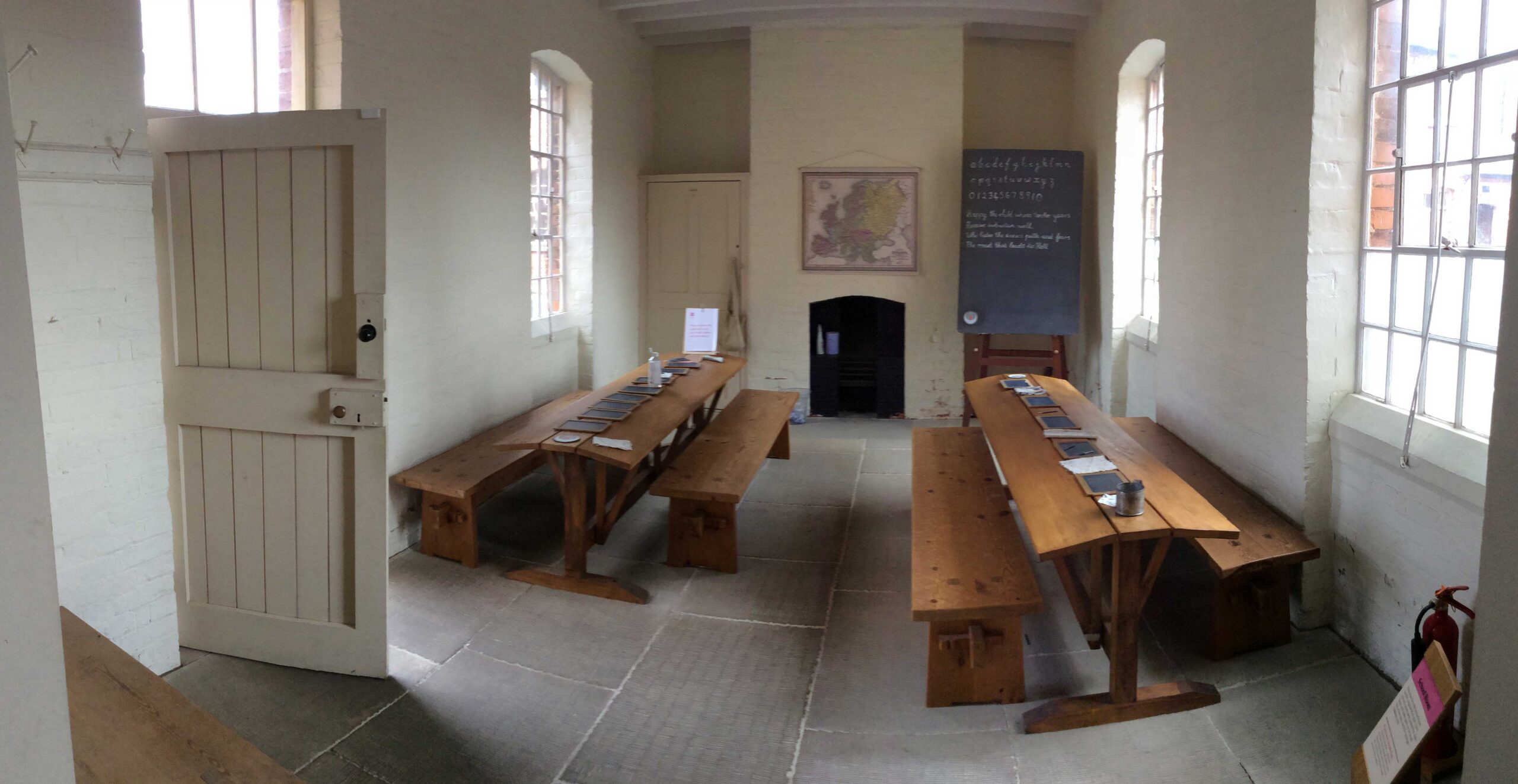
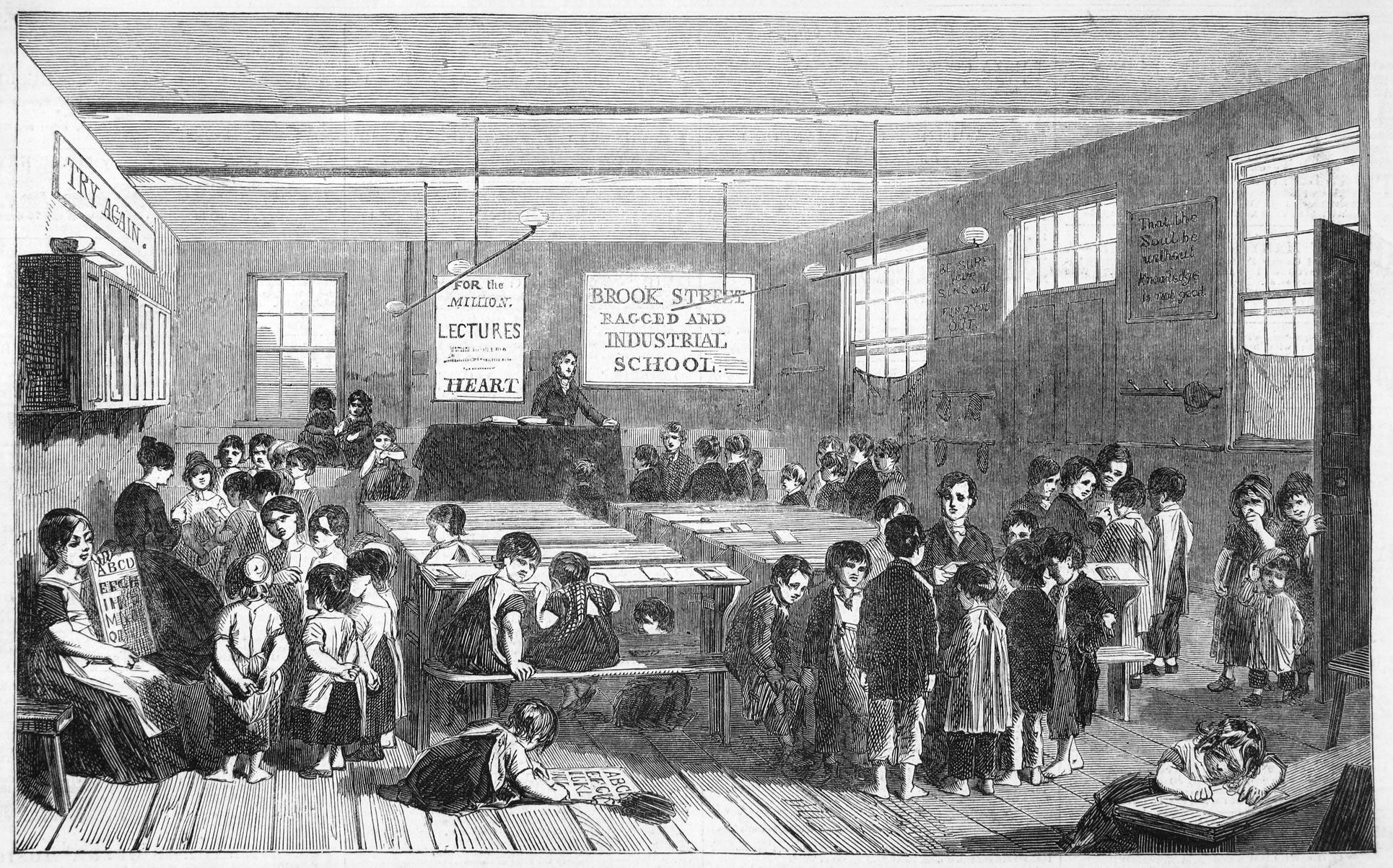
This lesson explores source material in the form of letters written by Paupers which were sent to the Poor Law Commission in London, generally complaining about the treatment and conditions the pauper children were enduring. The pupils will analyse up to 3 individual letters (see below) to gain an understanding of some of the things which happened to children during this time.
This lesson focuses on Schools and is part of a series of lessons which include a focus on Southwell Workhouse followed by two other lessons focussing on clothing and food. You can choose to do individual lessons , or all of them, depending on your context and objectives.
How was school for pauper children different, and what was the same?Most workhouses had their own schoolroom and it was expected that the children would receive a basic education. Opinions varied and changed during the Victorian era so the education of pauper children might be different in various parts of the country. Under the 1834 Poor Law Act, Unions were expected to provide at least 3 hours a day of instruction. Some workhouse focussed only on reading but later most workhouses felt a basic education that included being able to write, it would help to ensure the children were able to get suitable employment and therefore not end up back in the workhouse.
Vocabulary:
Pauper, workhouse, Poor Law Commission, Inspector, Guardian, witness statement, conduct, dine, stores, struck/strike/cane/caned, improperly, recreation, parsing, religious instruction, dictation, laundry, punishment, infer, inference, aged, earn, entrust,
Related to report below:
whitewashing, panes, ward, hindered, spirits, defects, supplanted, refurnished, apparatus, sufficient, superseded
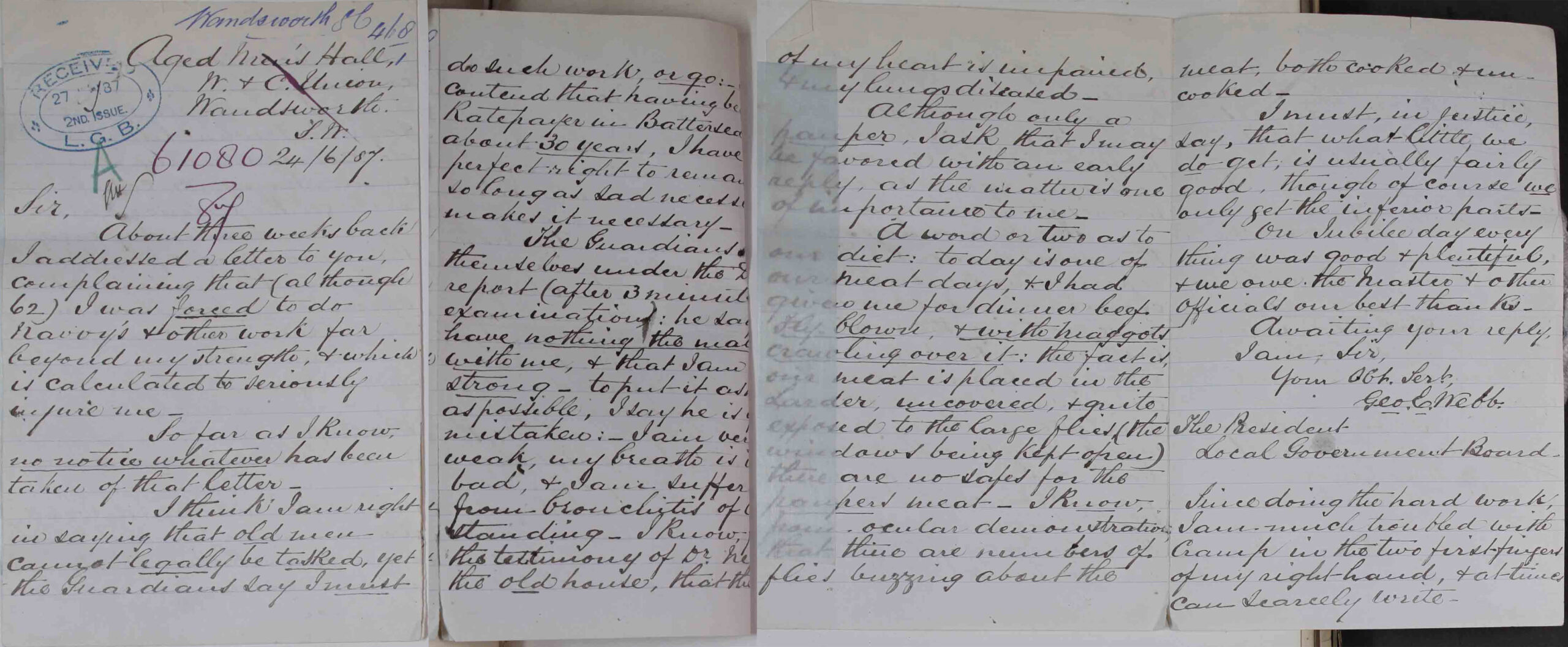
Catalogue Ref: MH12/12723, 61080/1887
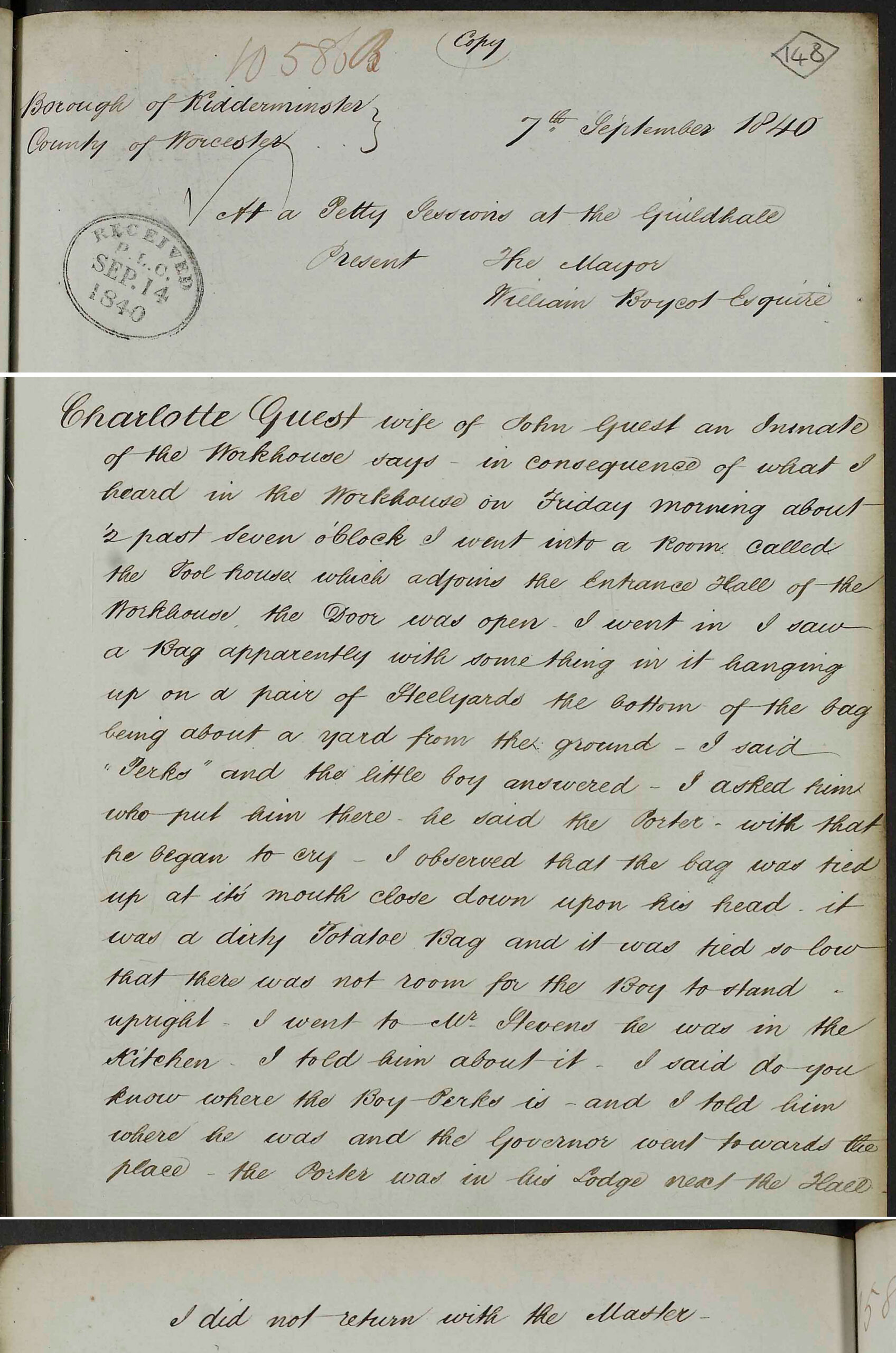
Catalogue Ref: MH12/14017/116, 10586/B/1840
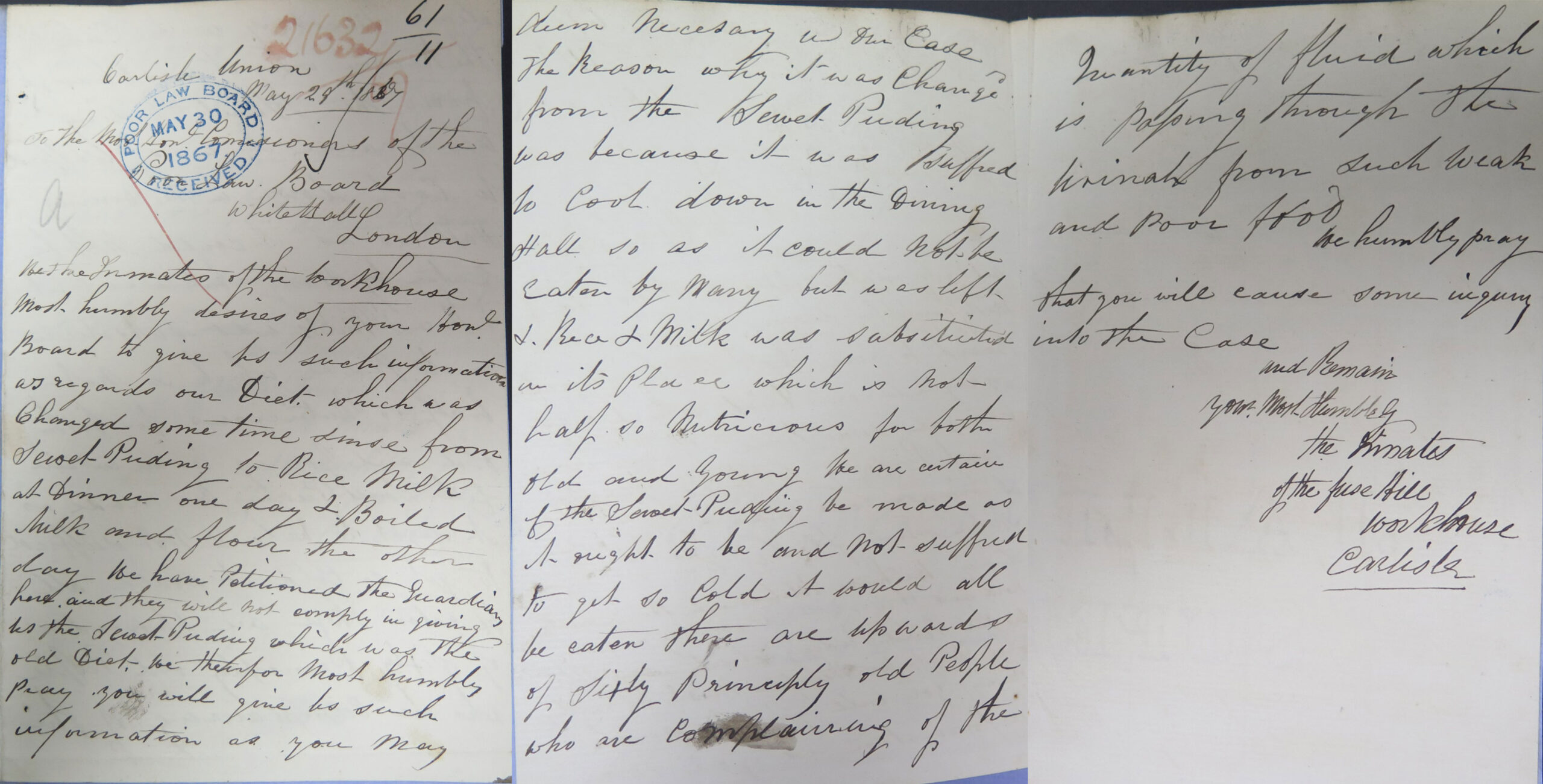
Catalogue Ref: MH 12/1599, 21632/1867
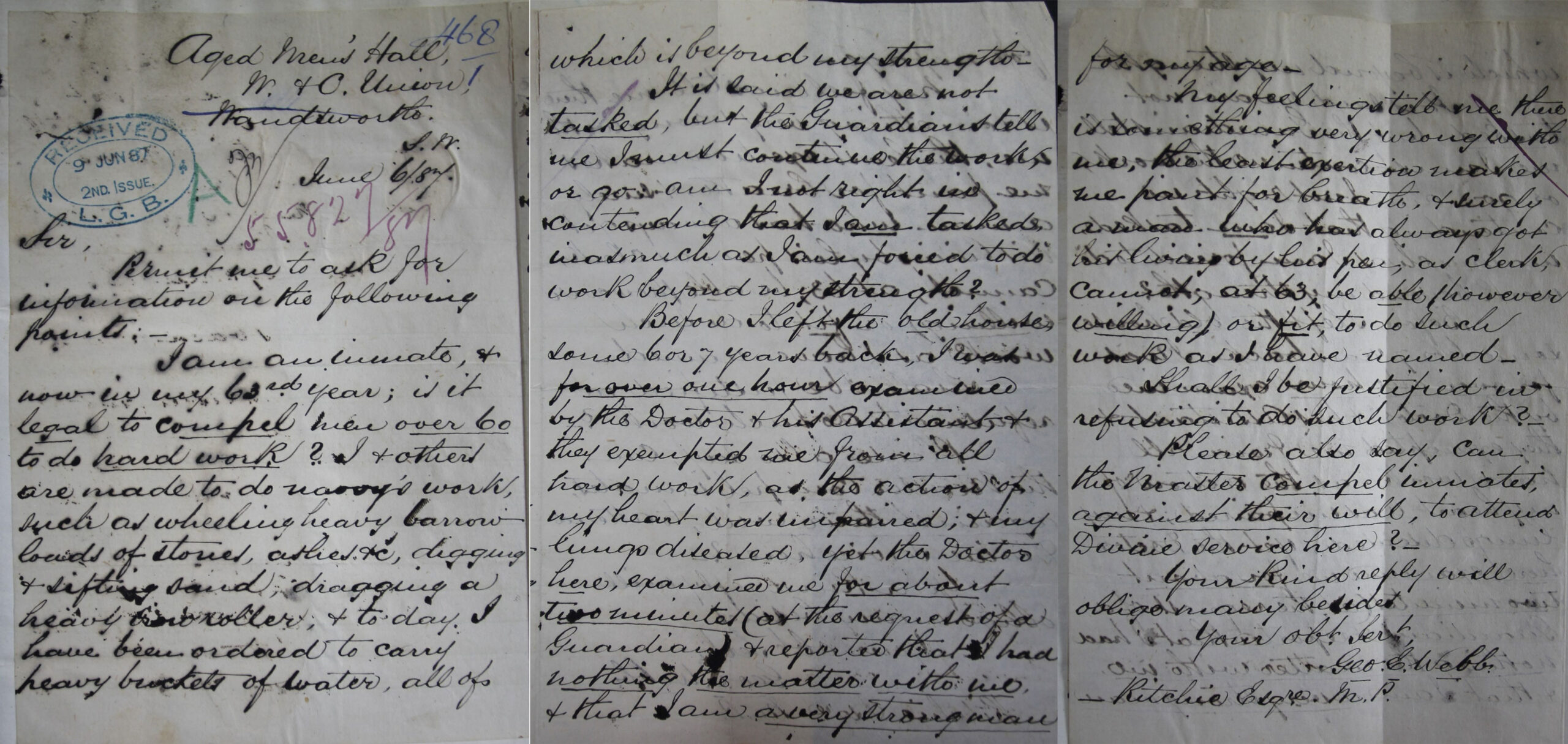
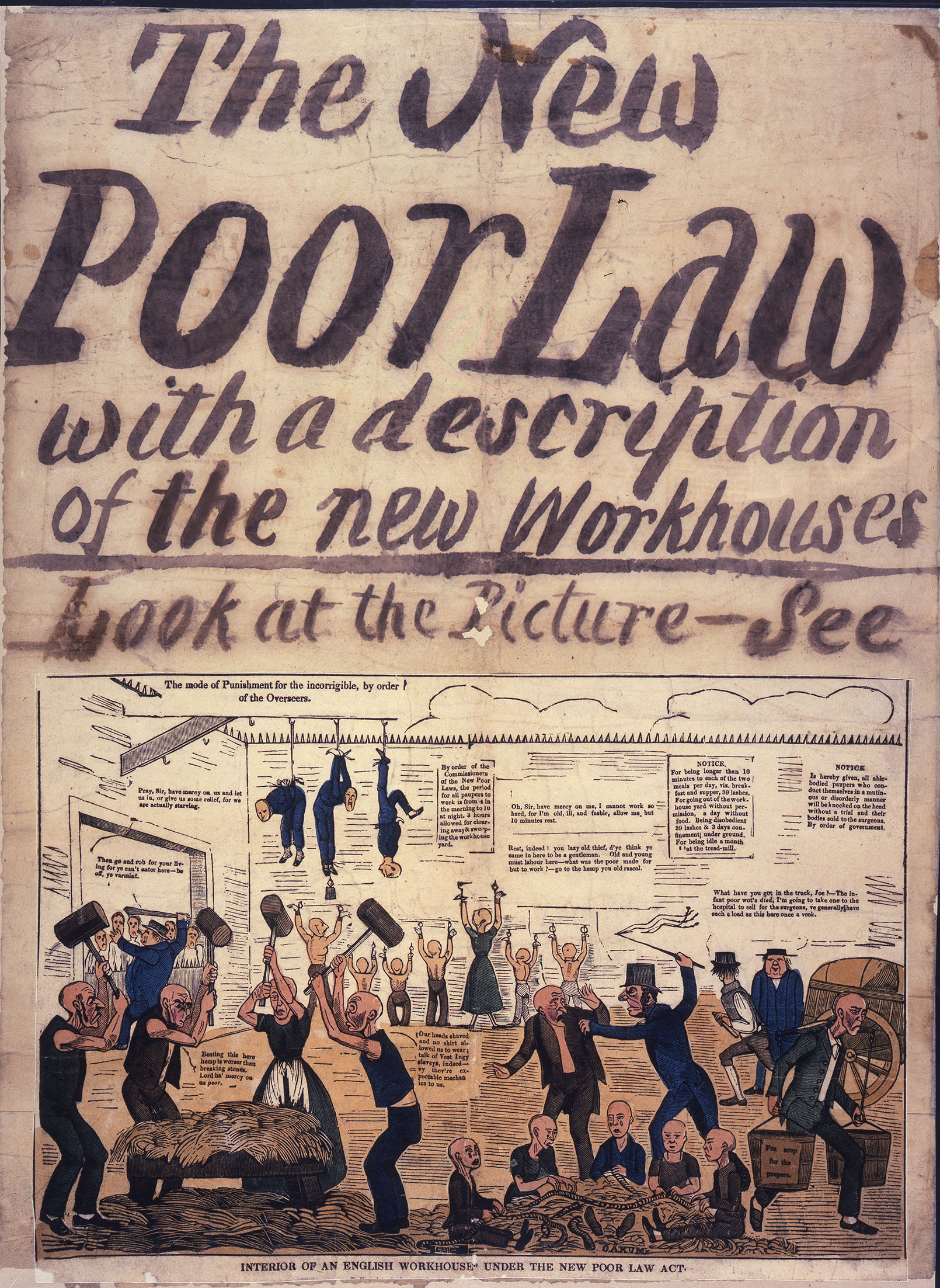
The New Poor Law poster, 1837 (EXT 6/1)
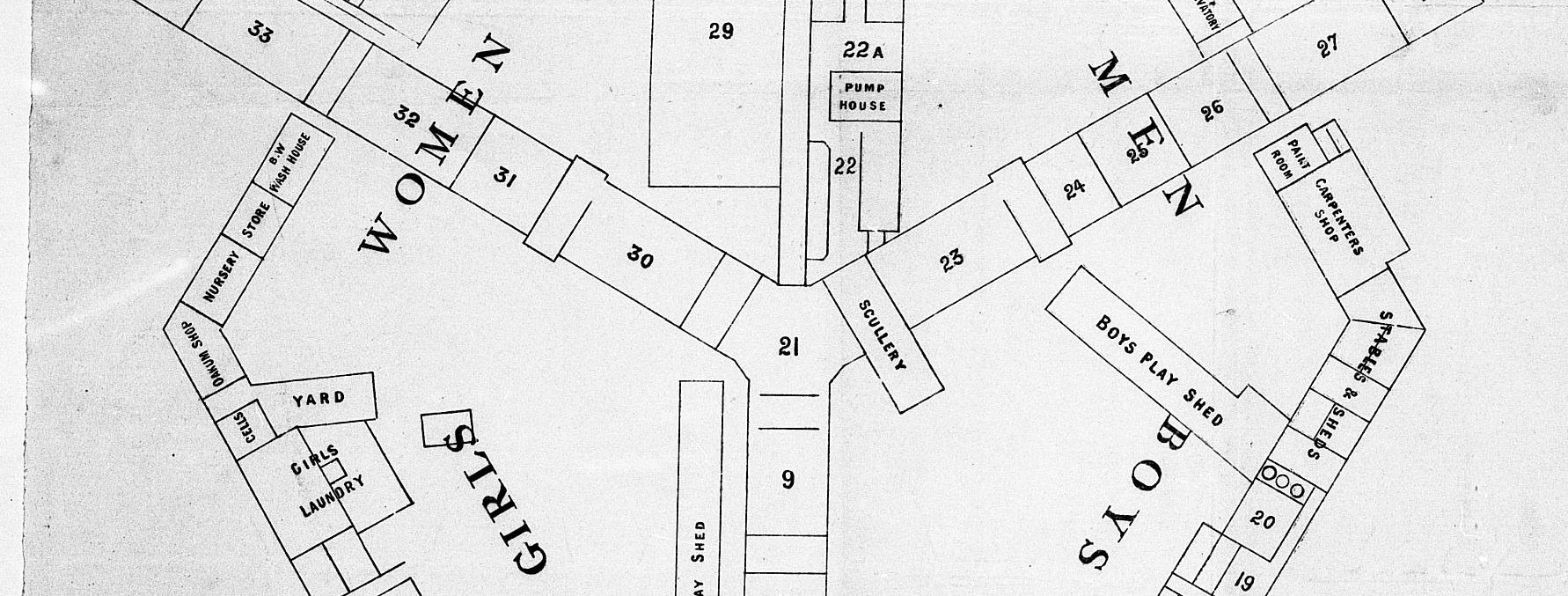
This resource is designed for a KS3 year 8-9 class with prior knowledge on the Victorian Workhouse. It could be used as a partner lesson for the already existing source lesson using the 1837 poster.
The lesson examines the Victorian Poor in their own words and seeks to address the common misconception that the Victorian Poor were helpless when in the workhouse and accepted the consequences of becoming a pauper and being institutionalised.
This resource is designed as a full lesson and has a section for lower-ability students, depending on whether you wish to differentiate.
This lesson would best be used as part of a scheme of work on the Victorians and life during the Industrial Revolution.
To what extent did the Victorian Poor accept their fate in the workhouse?