
Even though King Charles I had been executed and fighting in England had stopped, Cromwell still faced threats to his regime in Scotland and Ireland. A lot of resources were used to subdue local populations and to fight armed forces. There were atrocities in both countries and ordinary civilians were killed.

This letter was sent to France where Charles II was in exile at the palace of the Louvre in Paris.

In 1655 Colonel John Penruddock led a royalist rebellion against Cromwell’s regime in which he tried to gather popular support to overthrow the government. The plan failed and he and his supporters were tried and executed. Later in 1657, there was a plot to assassinate Cromwell, one plot of many.

During the 1650s some people wanted to make Cromwell the King and have a ceremony in which he was crowned. Not everybody agreed with this idea and Cromwell himself was unsure.
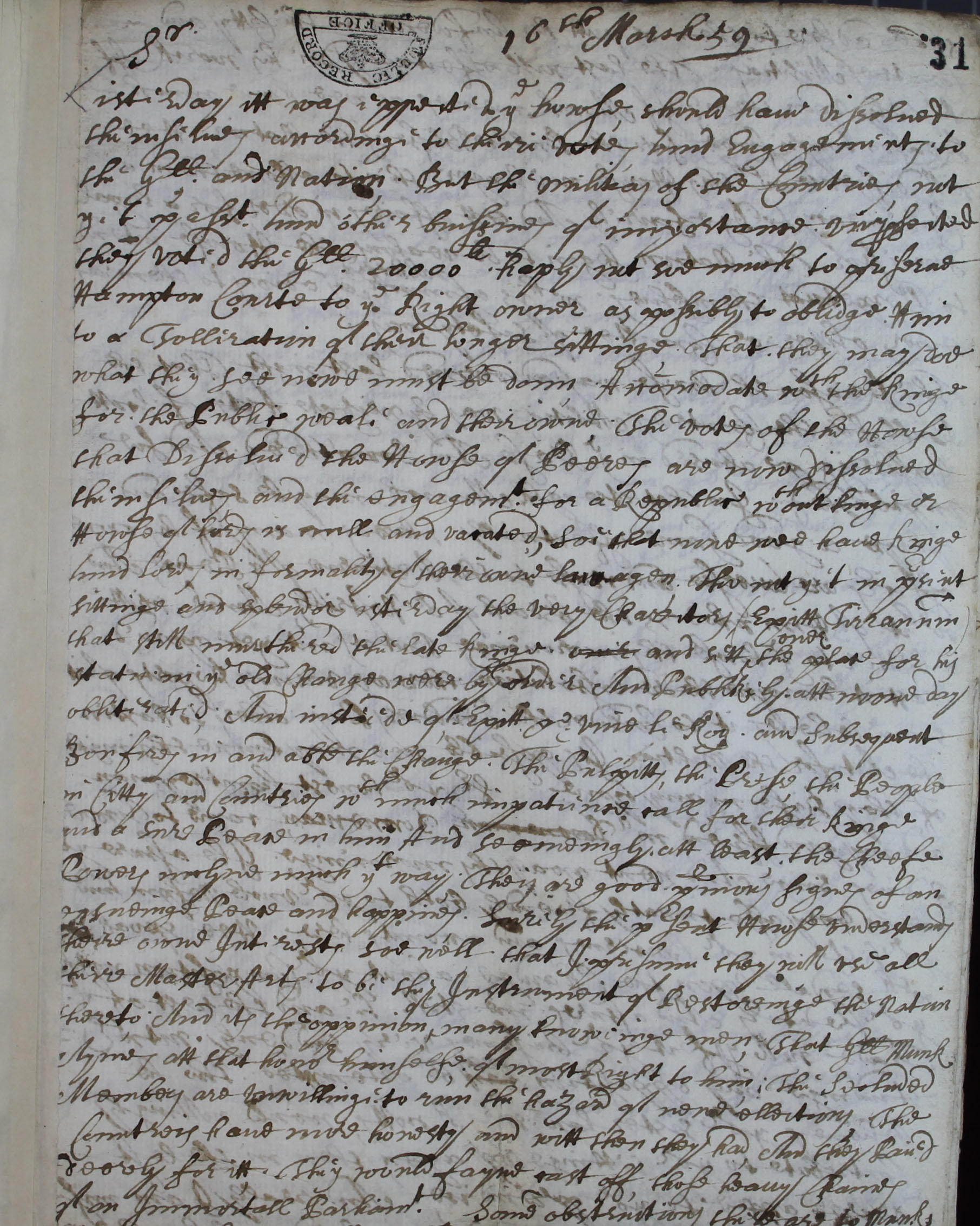
After the death of Oliver Cromwell, his son Richard failed to effectively govern the country. George Monck, first Duke of Albemarle, played a key role in the Restoration settlement that brought back Charles II, the son of the executed Charles I, to return as King in 1660.
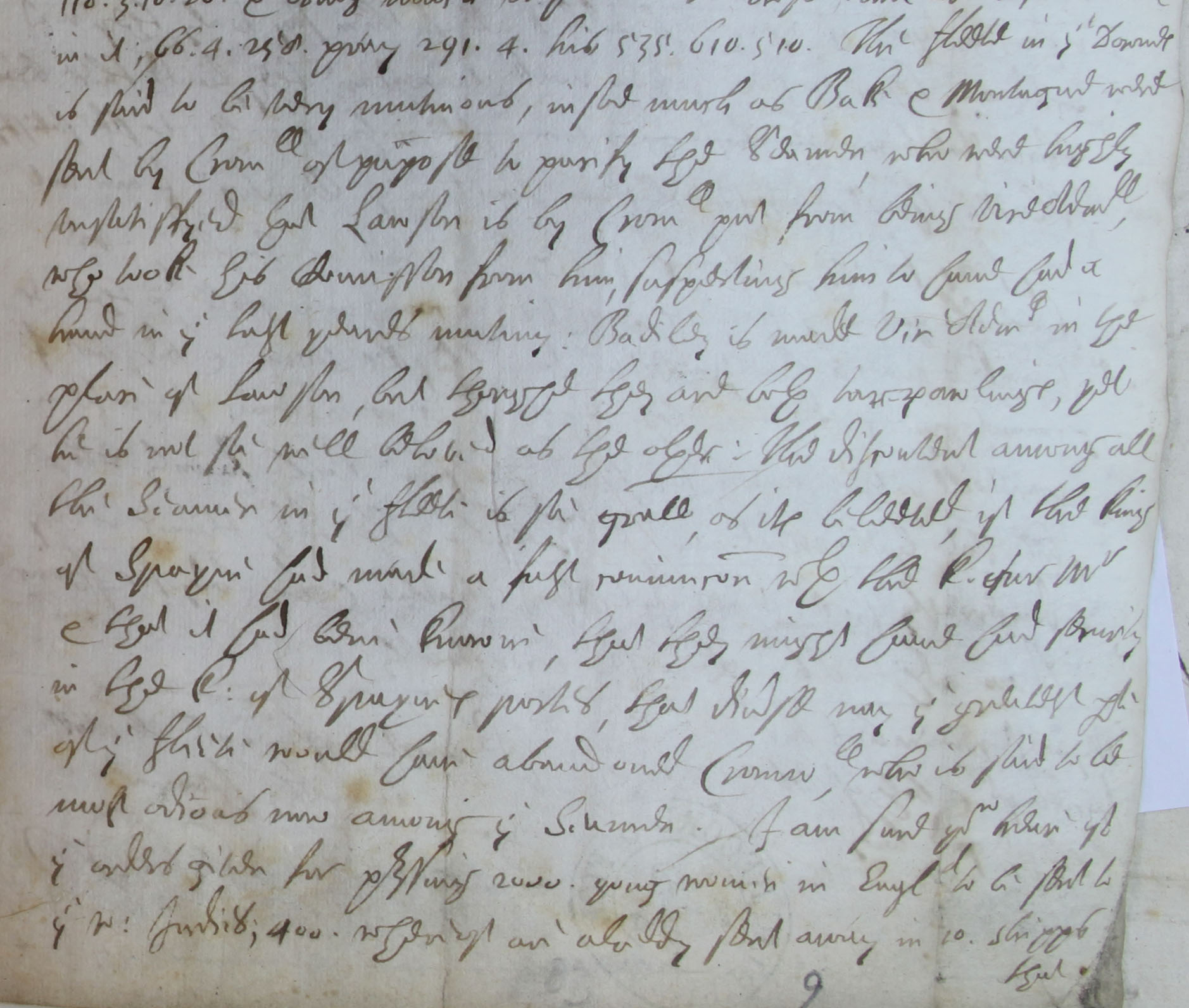
During the 1650s England had ambitions to capture and settle overseas colonies in the Caribbean which were controlled by the Spanish. Fleets were sent by sea to islands such as Barbados and Jamaica but these met with limited success and were unpopular.
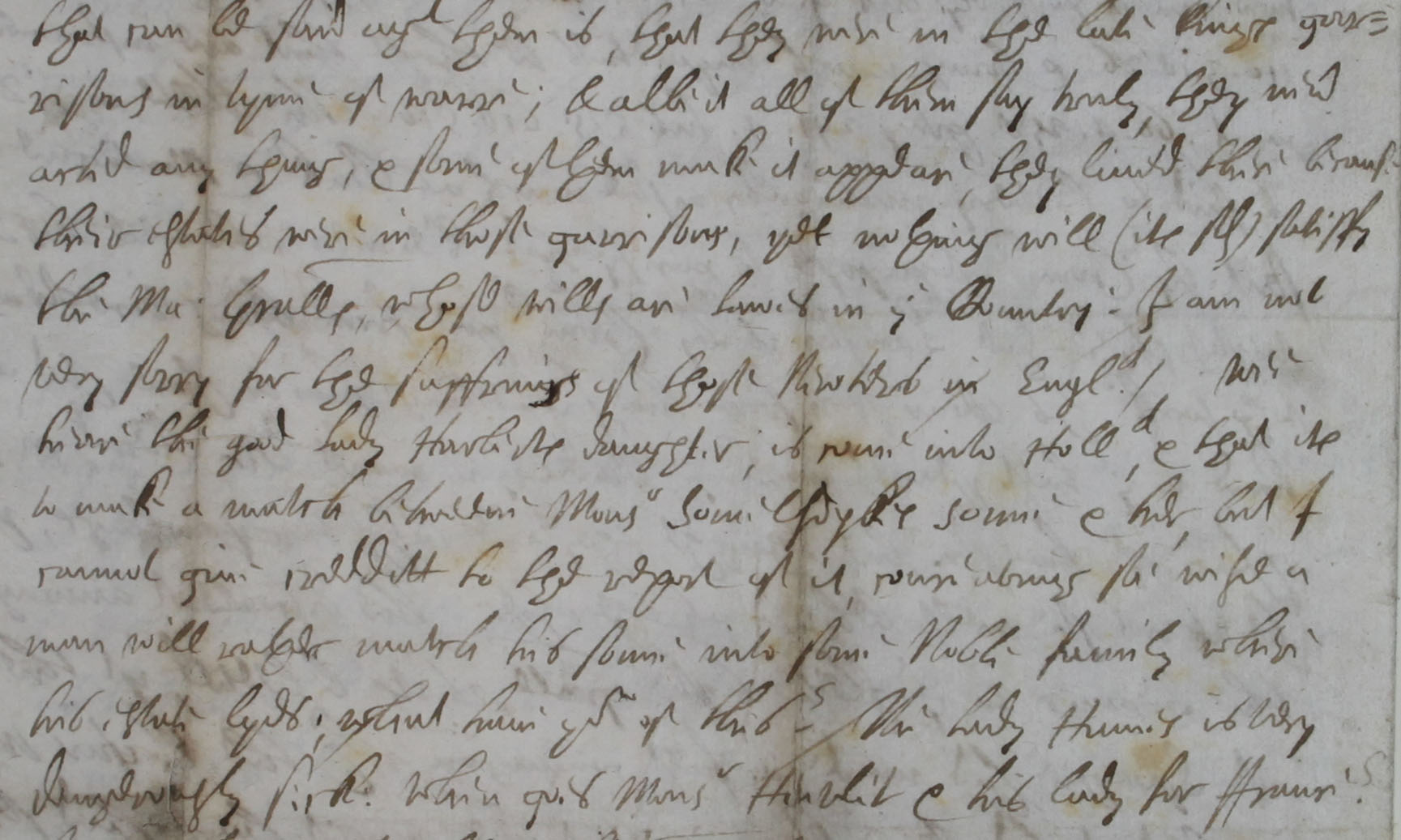
From 1655 Cromwell ordered that each County in England be governed by a Major-General. This was a form of military government which was an attempt to provide better law enforcement in the country as well as to reform the nation’s morals. One of their responsibilities was to punish those who had fought for the King.
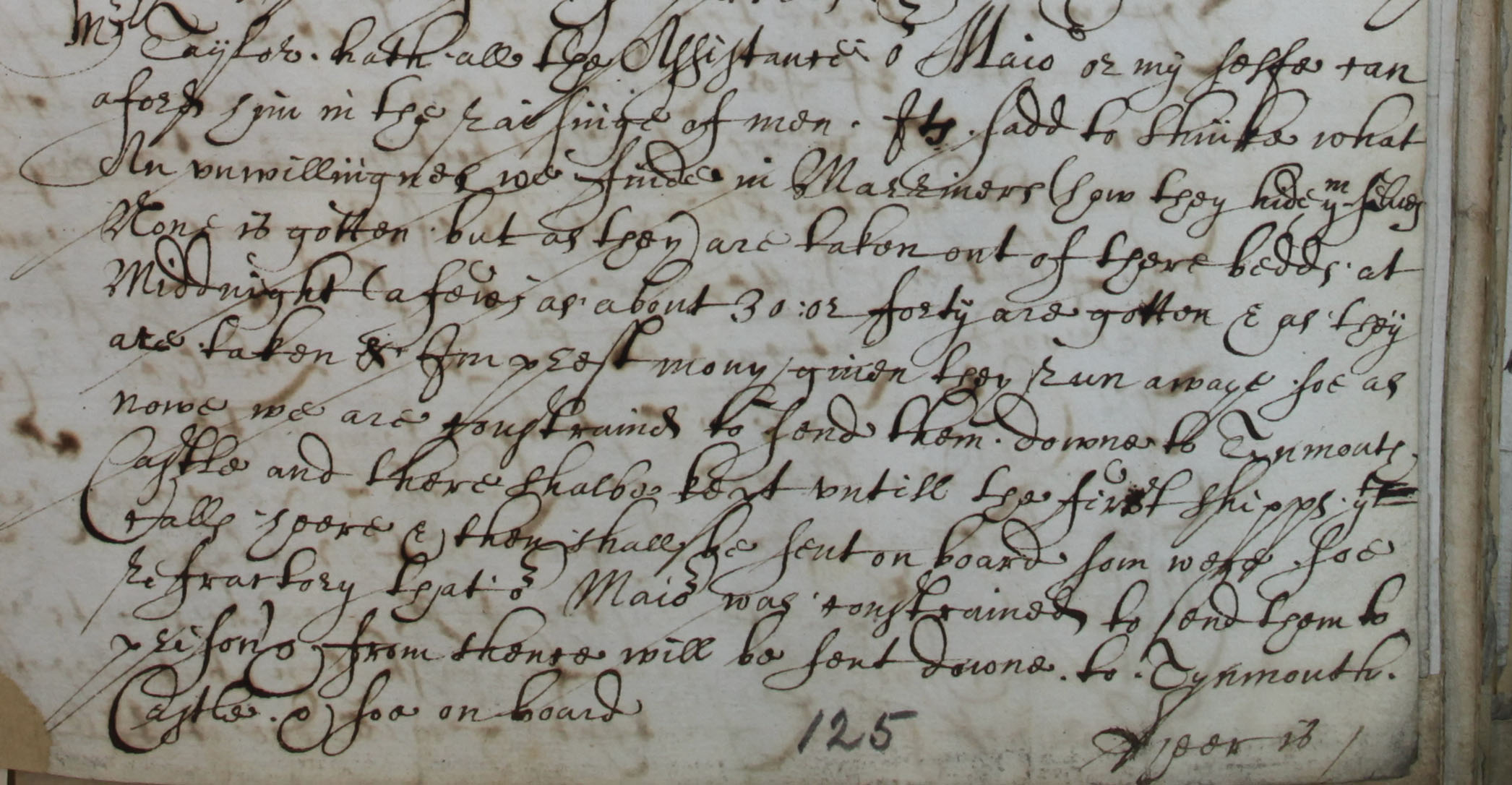
Between 1652 and 1654 England was at war with the Dutch Republic as a result of a dispute about trade rights. The war took place at sea so many sailors and soldiers were called up to serve, including keelmen who worked on coal ships [keels were the large boats used to carry coal from the river bank to waiting collier ships].
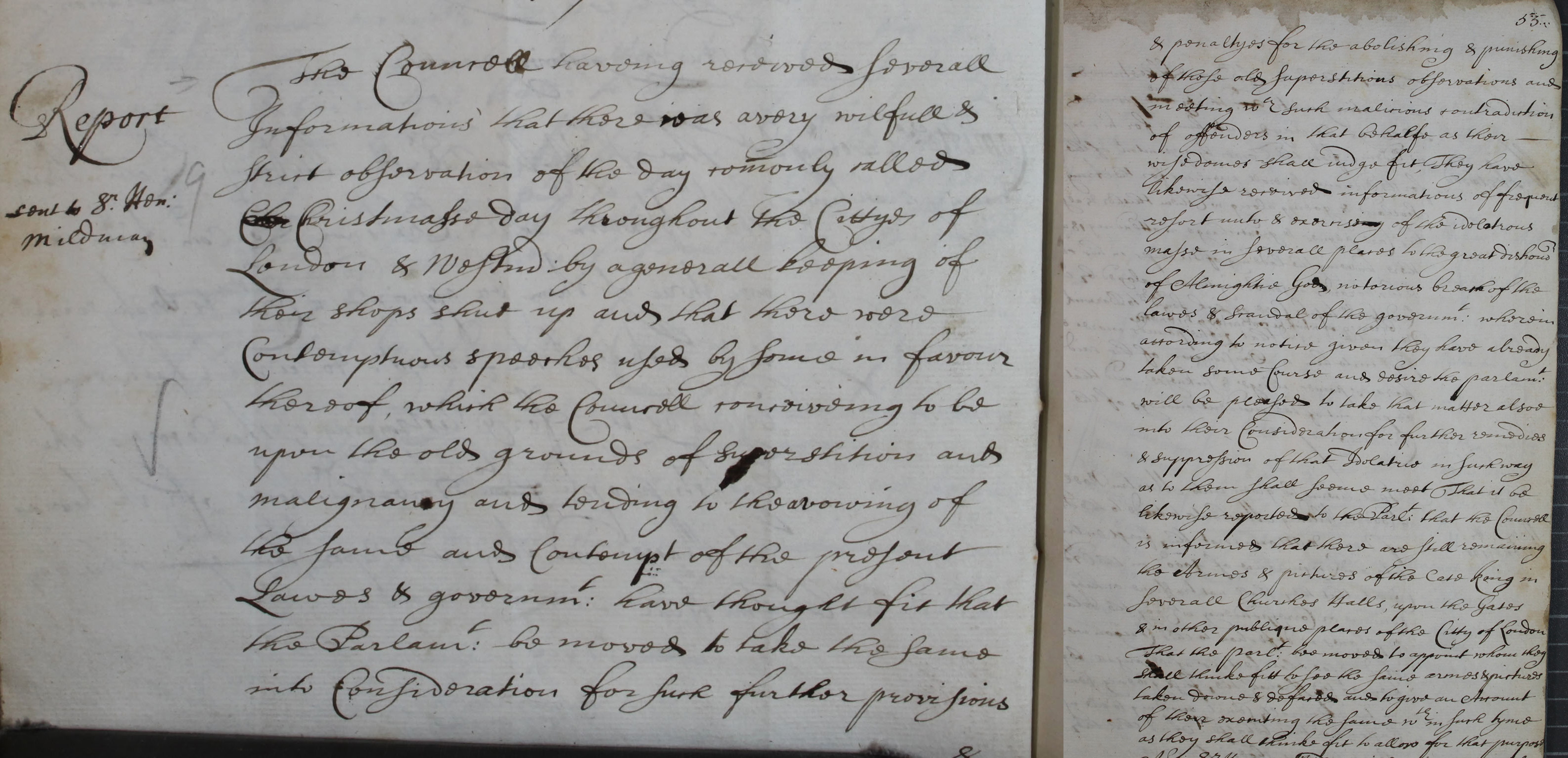
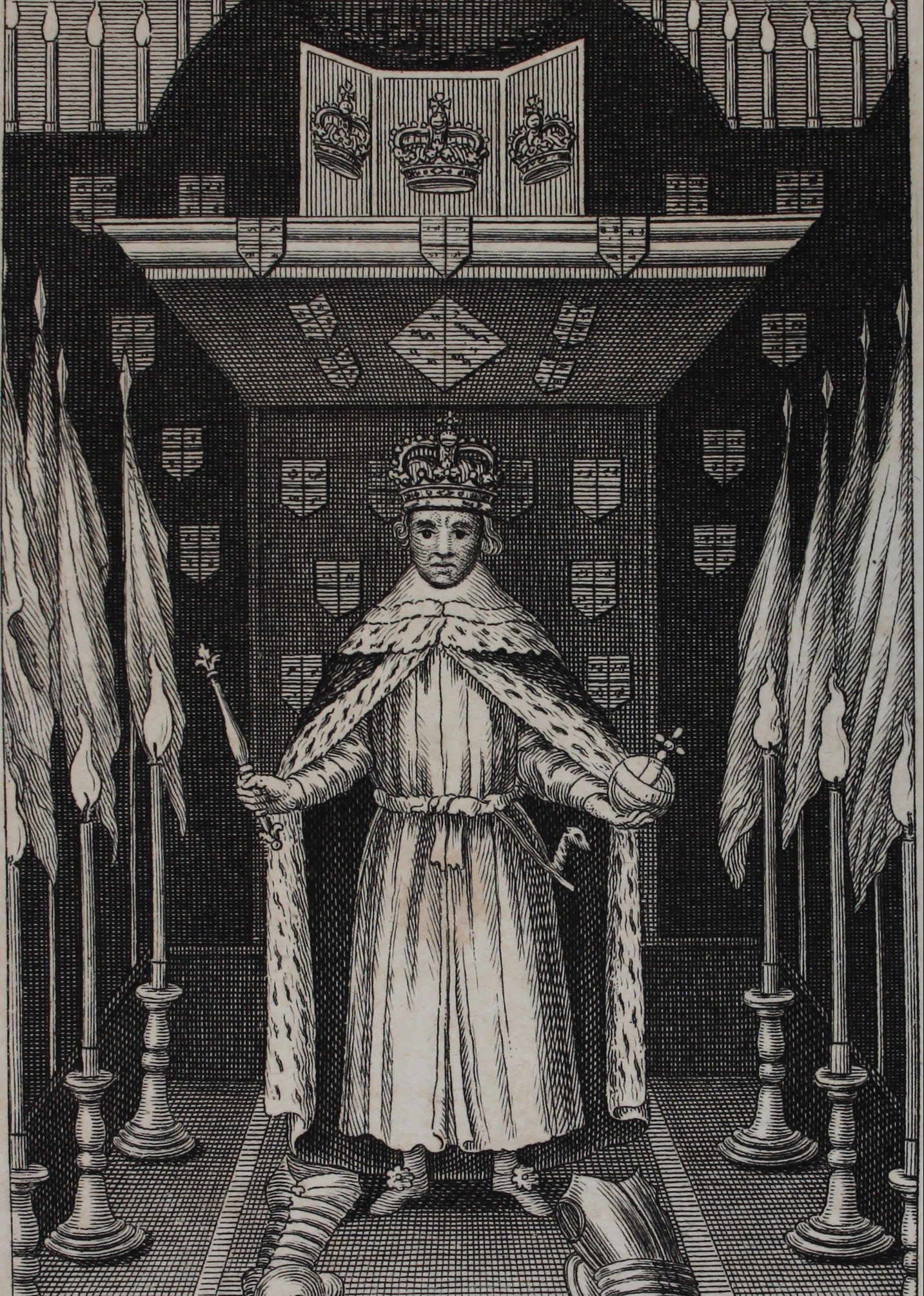
On 30 January 1649 Charles I the King of England was executed. Since 1642 civil war had raged in England, Scotland and Ireland and men on opposite sides (Royalists and Parliamentarians) fought in battles and sieges that claimed the lives of many. Charles I was viewed by some to be the man responsible for the bloodshed and therefore could not be trusted on the throne any longer. A trial resulted in a guilty verdict and he was executed outside Banqueting House in Whitehall. During the wars Oliver Cromwell had risen amongst Army ranks and he led the successful New Model Army which had helped to secure Parliament’s eventual victory. Cromwell also achieved widespread political influence and was a high profile supporter of the trial and execution of the King.
After the King’s execution England remained politically instable. For example, Charles I’s son joined with the Scots in a failed attempt to recapture the throne at the Battle of Worcester in 1651. The Parliament then in power was known as the ‘Rump Parliament’ because it was made up of men who had been elected in 1640 (‘The Long Parliament’) but now only contained those who had been allowed to stay after a purge of Parliament in 1648 by the Army. Over the course of the war the leaders of the Army were increasingly radicalised and soon became impatient with the inactivity of this parliament. In 1653 Oliver Cromwell forcibly removed ‘The Rump’ from power and replaced it with a new group called the Nominated Assembly (also known as ‘Barebone’s Parliament’ or the ‘Parliament of Saints’). This was religiously motivated and designed to put in government those who would push forward religious reform in line with Puritan ideas. These men were unelected, and despite initial feelings of optimism, the experiment failed and lasted less than six months.
A new constitution was proposed: an elected governor known as The Lord Protector who would rule with the assistance of a Council of State. In December 1653 Oliver Cromwell was installed as Lord Protector and he moved into the former residence of Charles I at Whitehall Palace. The regime gradually gained more of the trappings of monarchy and there were those who thought Cromwell should be offered the crown in order to promote stability and peace. Cromwell refused to be made King but when he was re-installed as Lord Protector in 1657 his ceremony was reminiscent of a traditional coronation. He also named his heir and successor: his son Richard Cromwell.
In September 1658 Oliver Cromwell died and the government was thrown into turmoil. His elected successor Richard came into power but his reign was fraught with difficulties and in less than a year he resigned as Lord Protector. The ‘Rump Parliament’ was reinstated but soon there were calls for the original members, who had been expelled by the Army in 1648, to be reinstated. In February 1660 these men were allowed to return and so the original ‘Long Parliament’ (elected in 1640) once again sat in Westminster and was now known as the Convention Parliament. In May 1660 this Parliament declared Charles II to have been King since the execution of Charles I and invited him to return to England to take up the throne.
The decade between the execution of Charles I and the Restoration of the monarchy in 1660 was a turbulent period in British history. There were many in the country who wanted to see reforms in religion to make it more Puritan and less like the Catholic Church. However, some groups of people took these ideas further and formed radical groups such as the Quakers who were seen by many as a threat to the regime. There were also political differences over how the country should be governed and whether Cromwell should rule as a monarch rather than as Lord Protector. Finally, despite the end of the civil wars, warfare continued. Parliament embarked on a series of wars with the Dutch Republic over trade and Cromwell went on campaigns in Scotland and Ireland to try to establish the Commonwealth and subdue opposition.
This resource contains original sources written by people who observed and reported on these events. Their accounts contain clues about Cromwell’s main aims during this period, as well as the difficulties that he came up against trying to implement them.
What were Cromwell’s main political and religious aims for the Commonwealth 1650-1660?