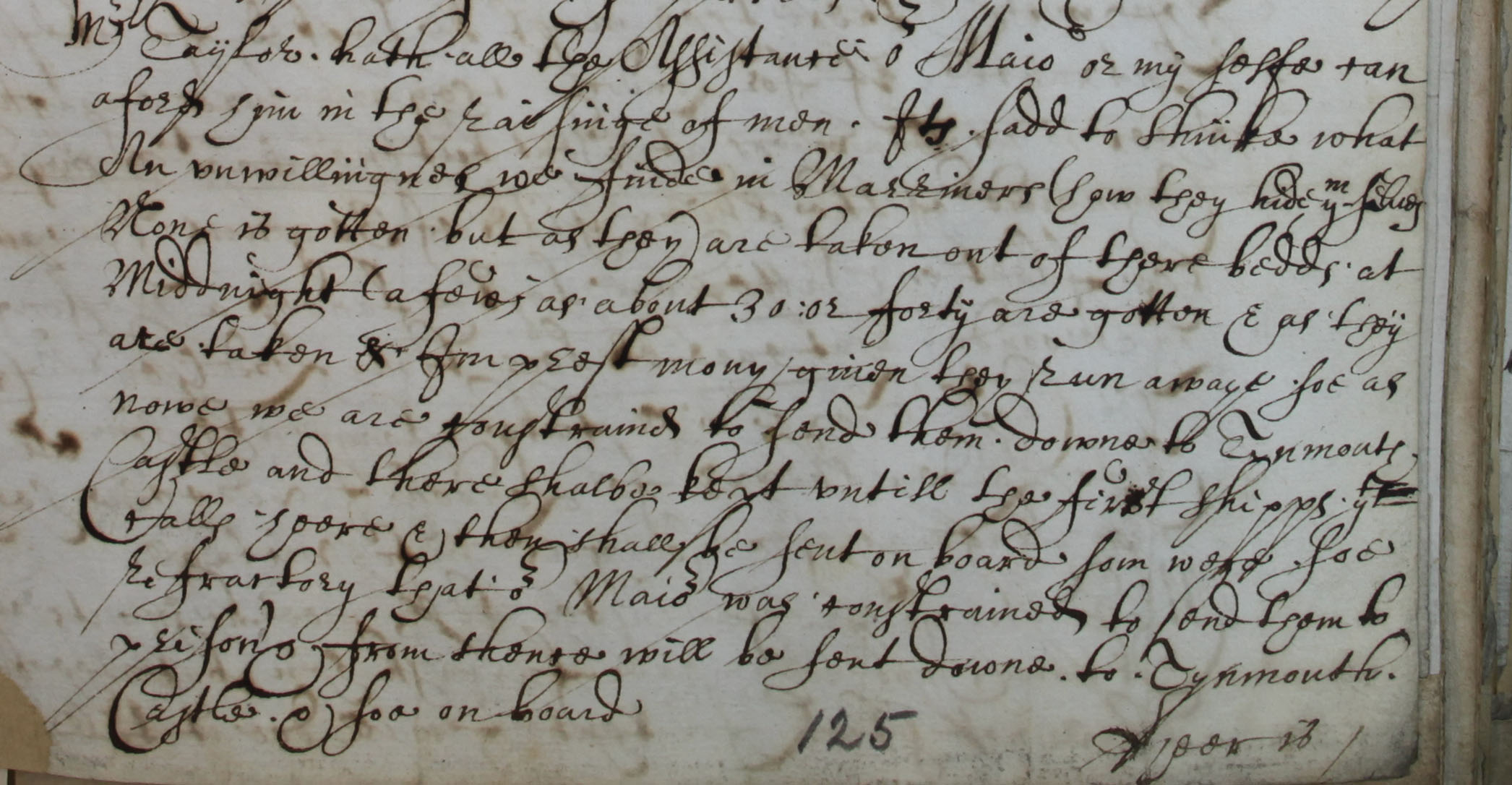
Between 1652 and 1654 England was at war with the Dutch Republic as a result of a dispute about trade rights. The war took place at sea so many sailors and soldiers were called up to serve, including keelmen who worked on coal ships [keels were the large boats used to carry coal from the river bank to waiting collier ships].
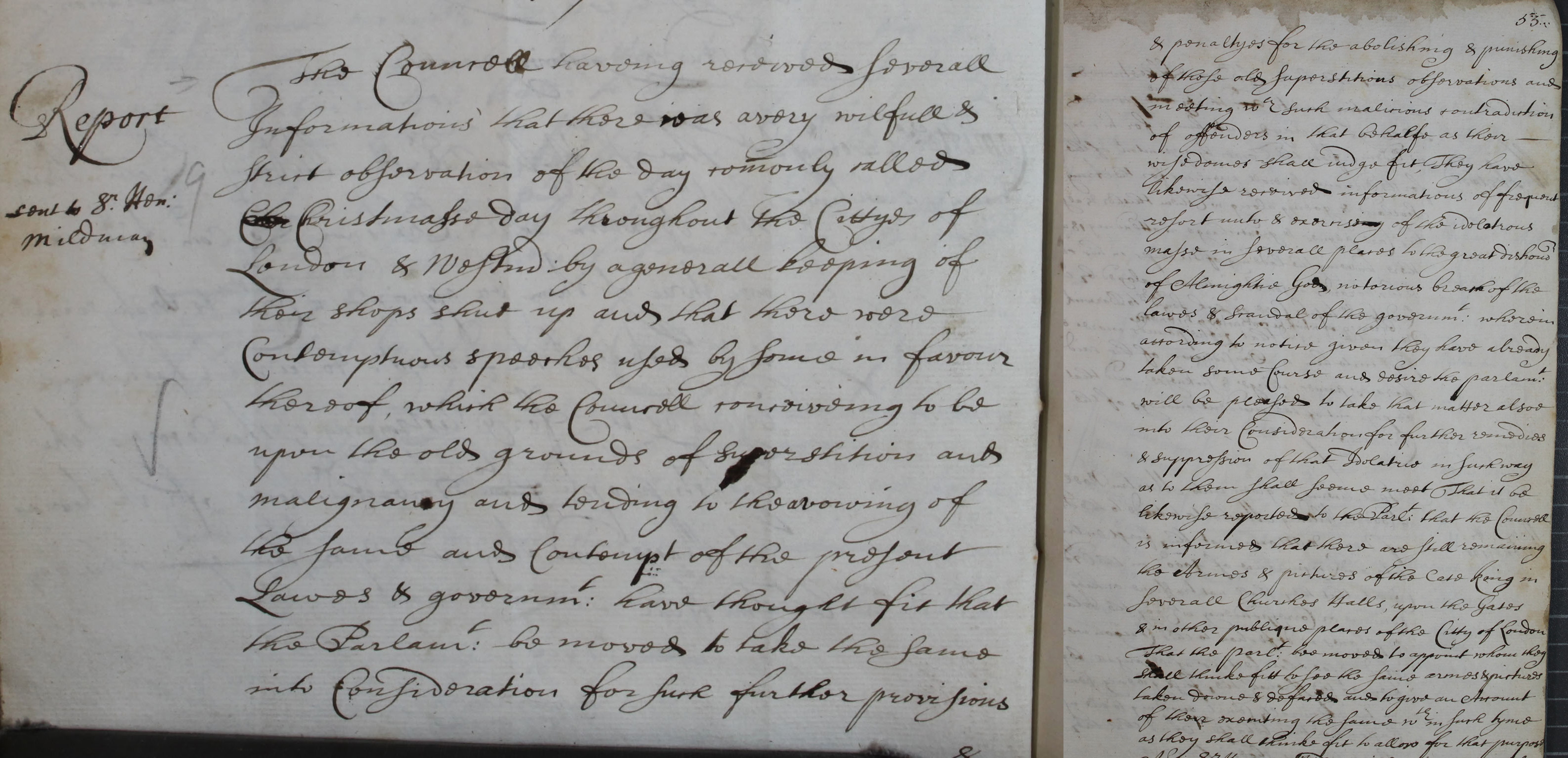
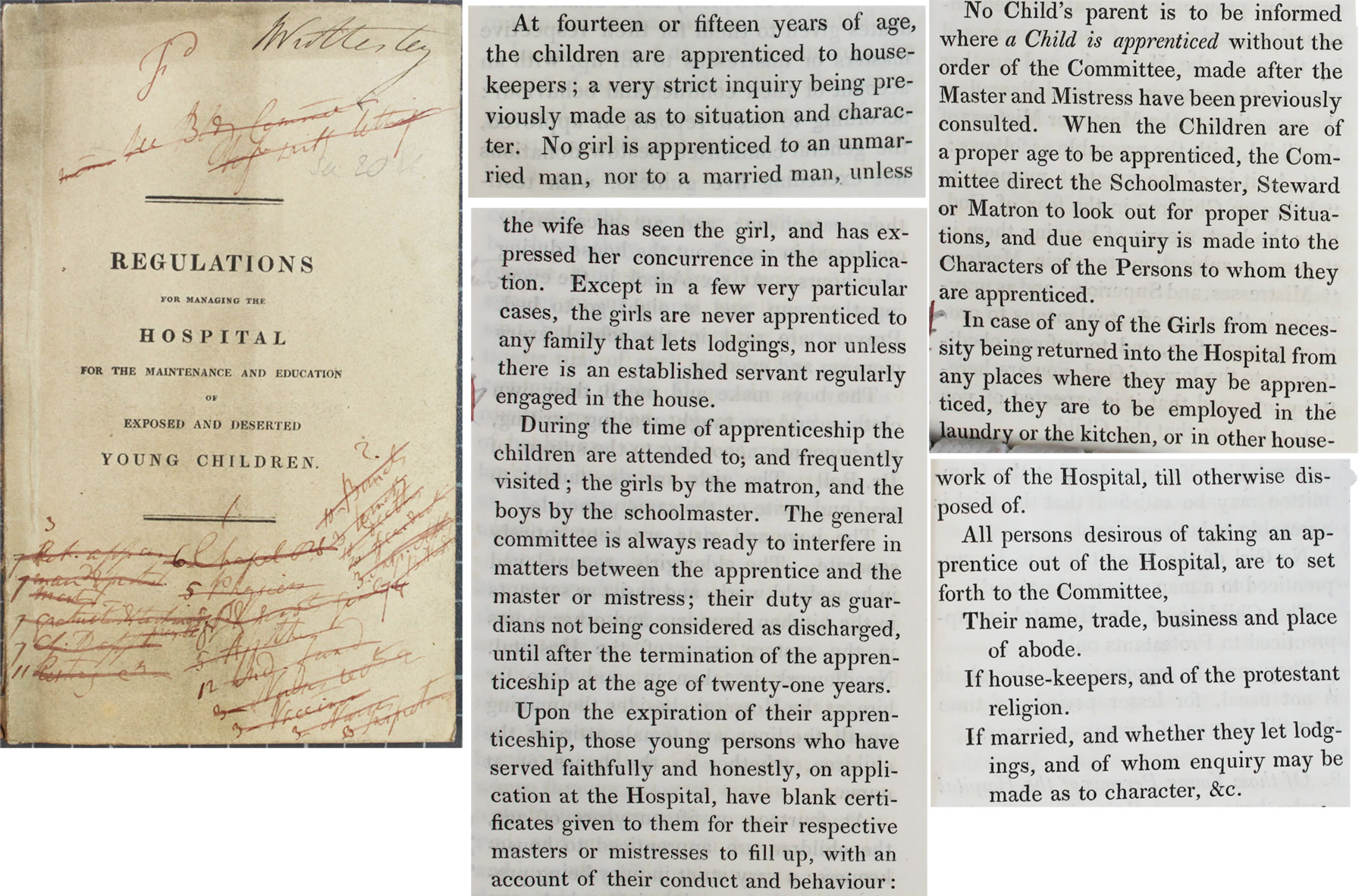
Guidance given to Hospital staff on how to apprentice a child. (CHAR 2/384)
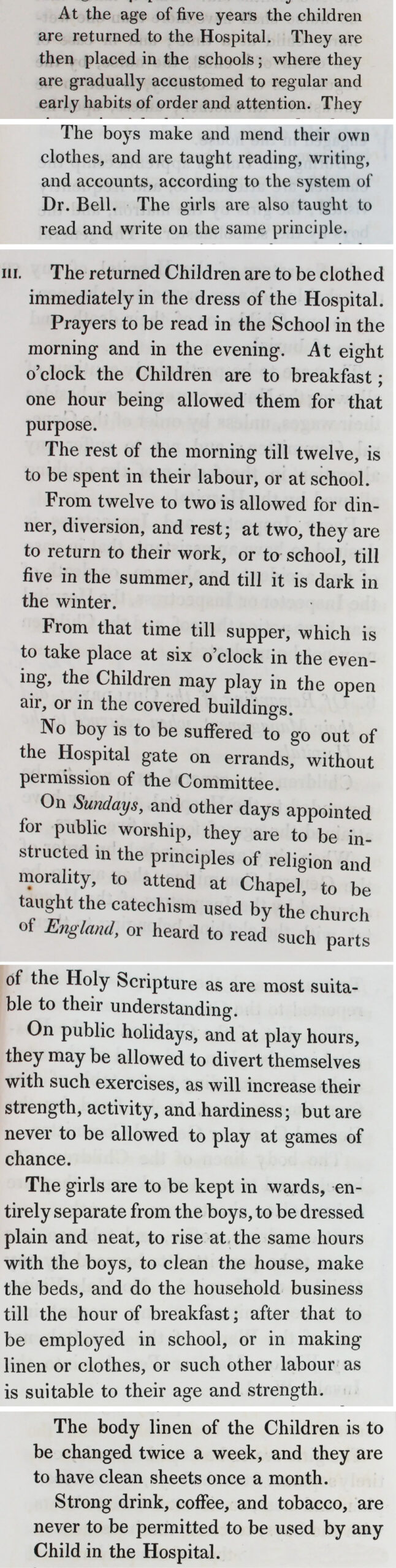
Guidelines on how children between the ages of five and fifteen were to be cared for whilst at the hospital. (CHAR 2/384)
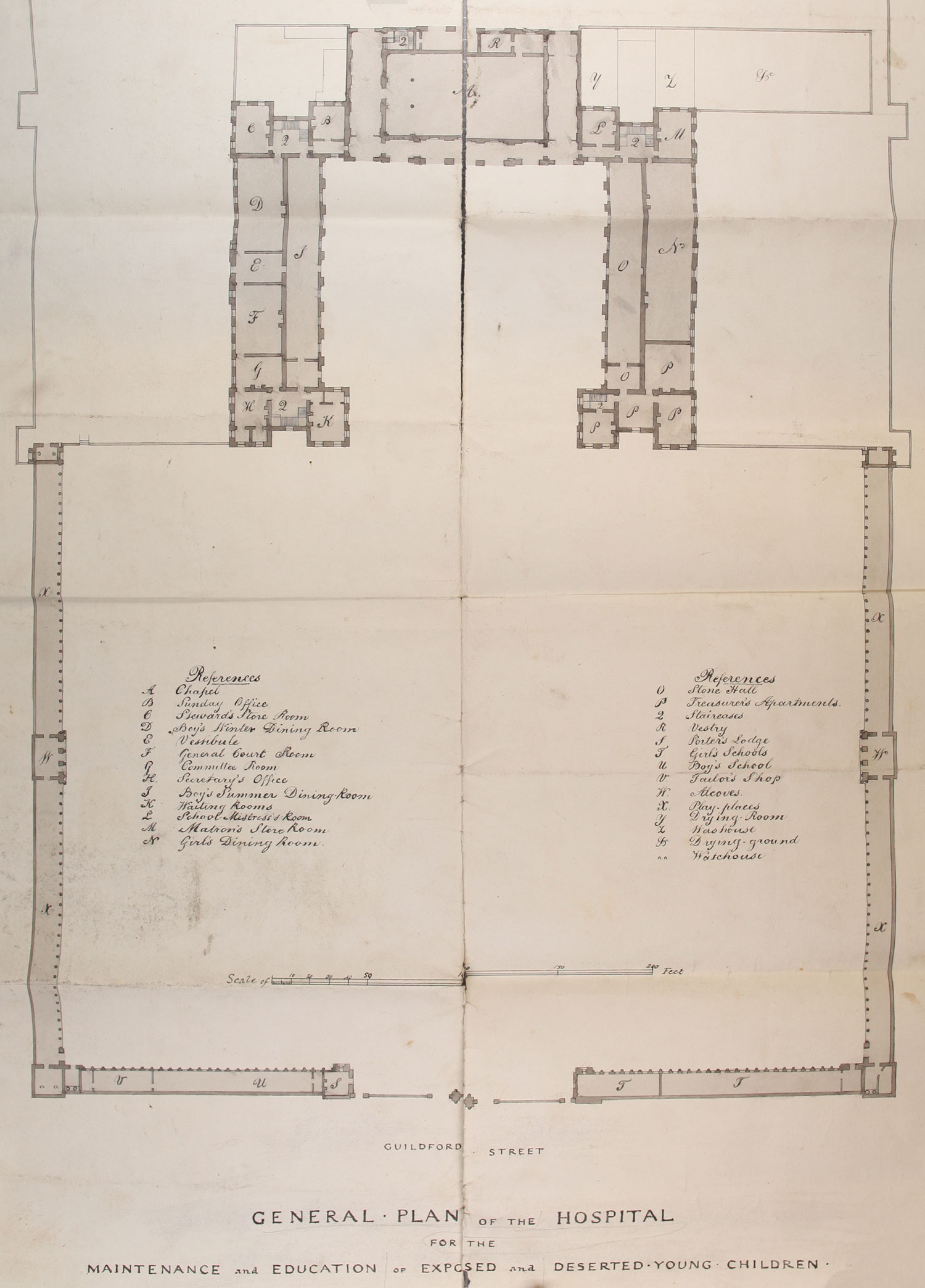
A plan of the hospital for the maintenance and education of exposed and deserted young children. (CHAR 2/384)
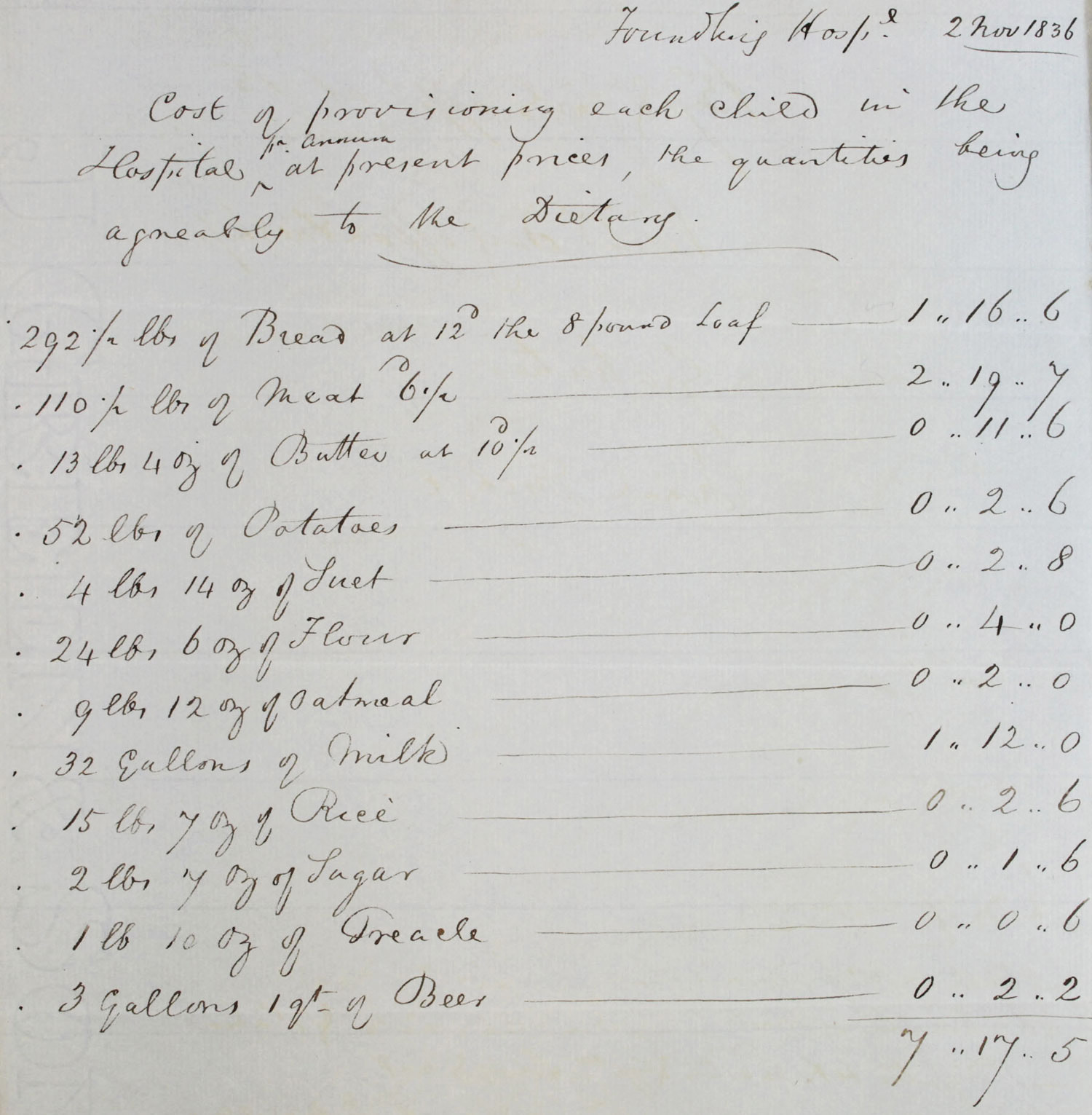
A table listing the food and drink given to each child in a year. (CHAR 2/384)
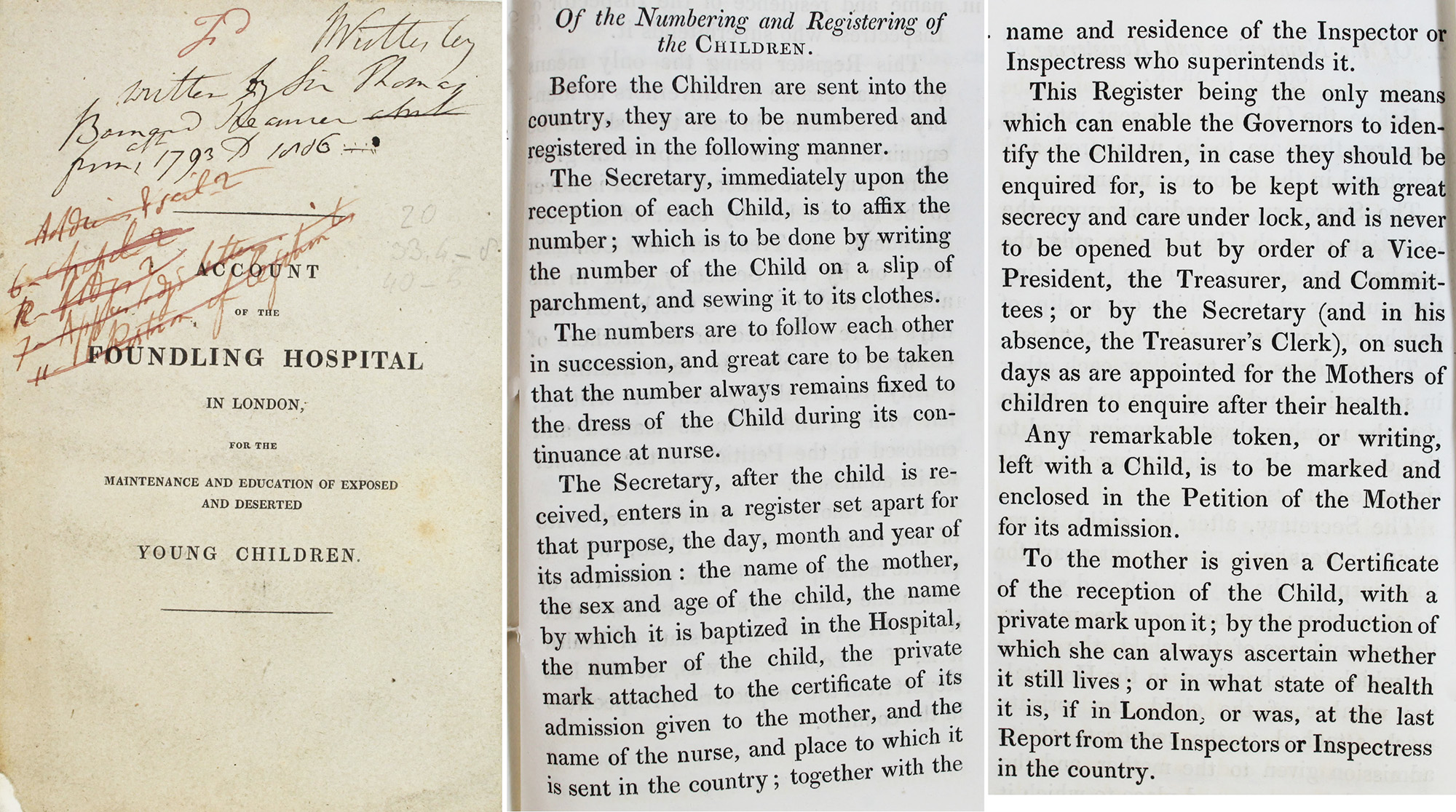
Extract from a handbook for staff of the Foundling hospital. (CHAR 2/384).
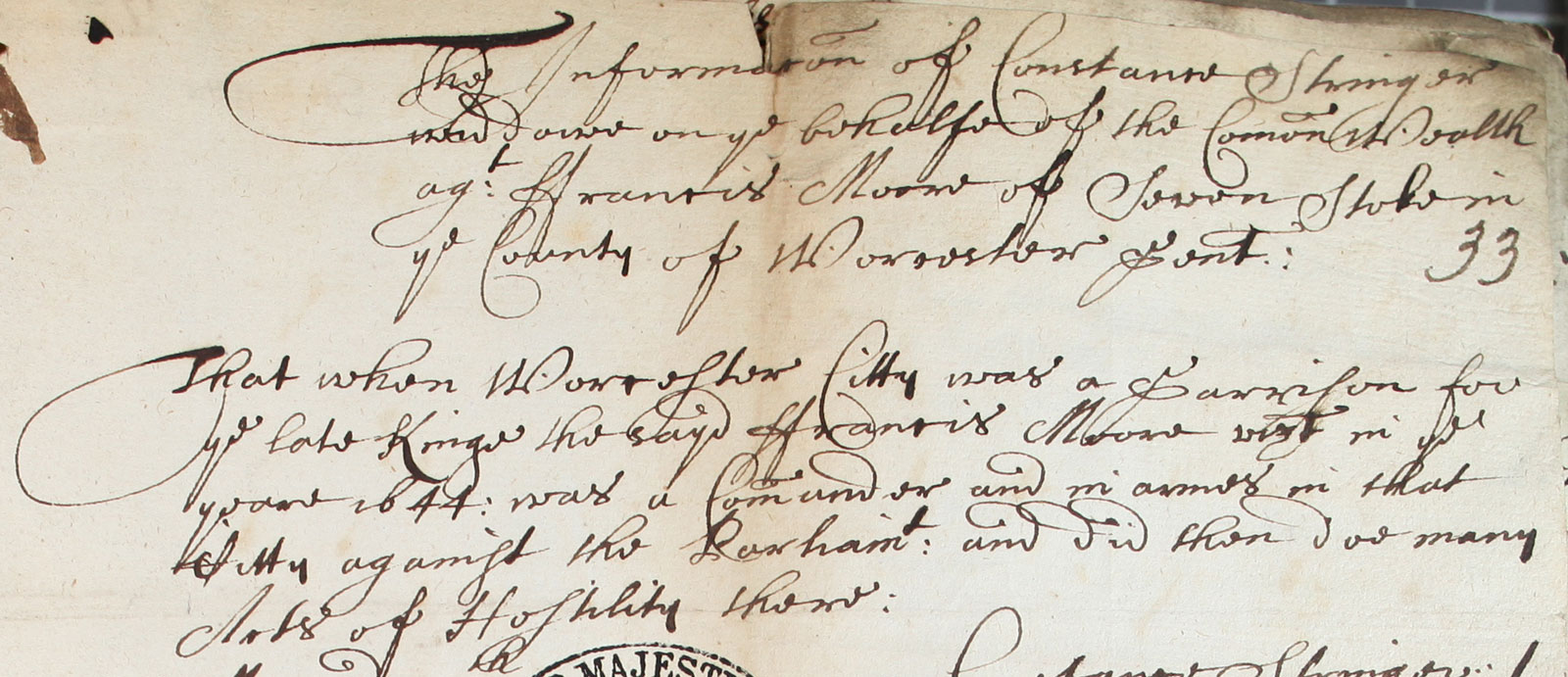
Constance Stringer was also a spy, or ‘informer’ for Parliament, like Elizabeth Alkin. They passed on information about who was fighting for the King to Parliament.
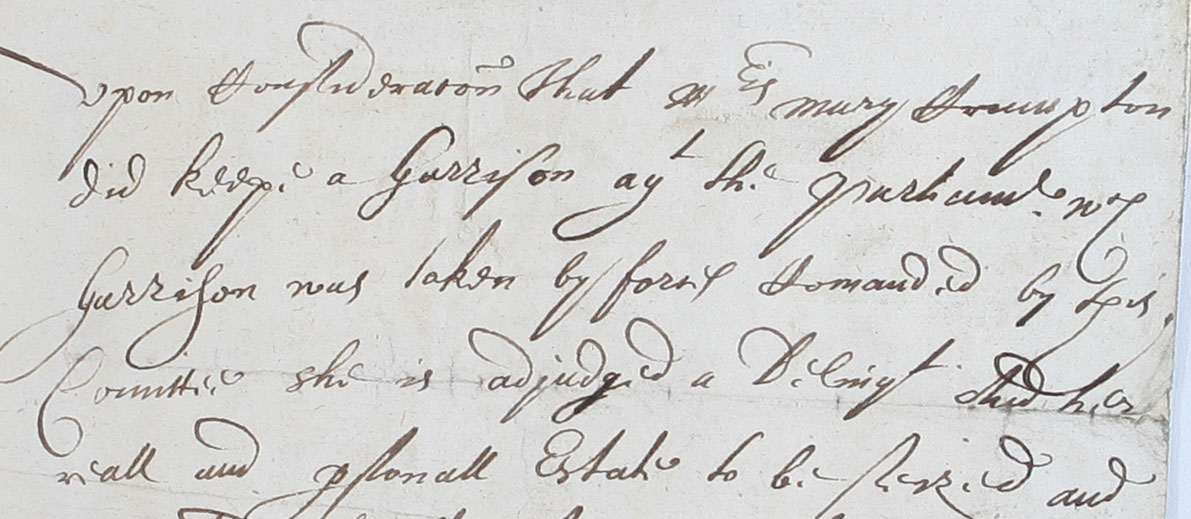
So far in this lesson you have looked at manuscript sources which were handwritten and either produced by a government department or sent into the government. At the time they would probably only have been read by a small selection of people.
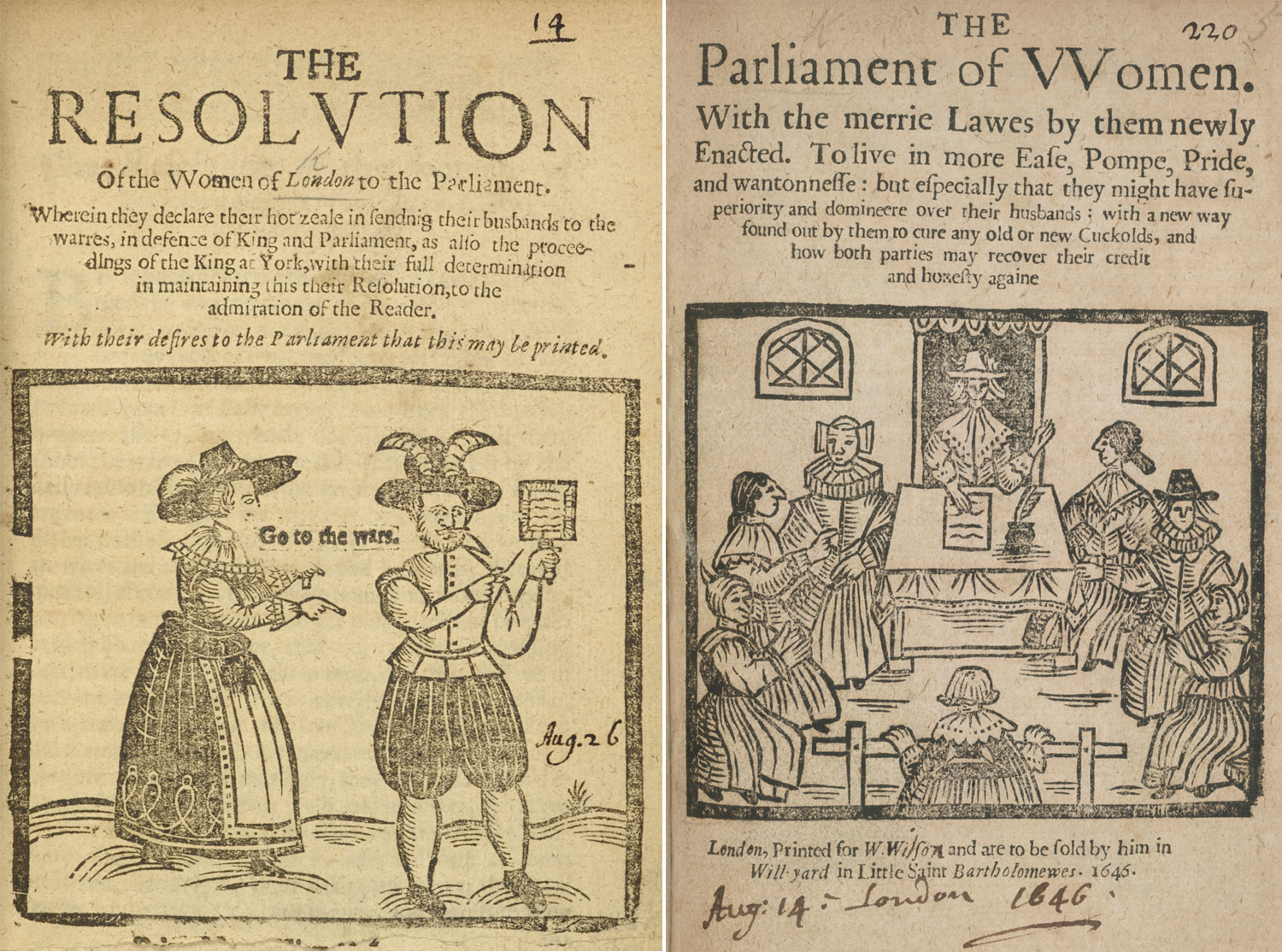
However, during the Civil War the use of print increased dramatically. More people had access to pamphlets and newsletters that were produced by the printing press.
Both of these images come from the front pages of pamphlets that were available for members of the public to purchase and read. Some pamphlets would contain news or gossip, and some were official publications of Parliament. These pamphlets have images of women on them and tell us something about the ways in which people at the time represented women and thought they should act.