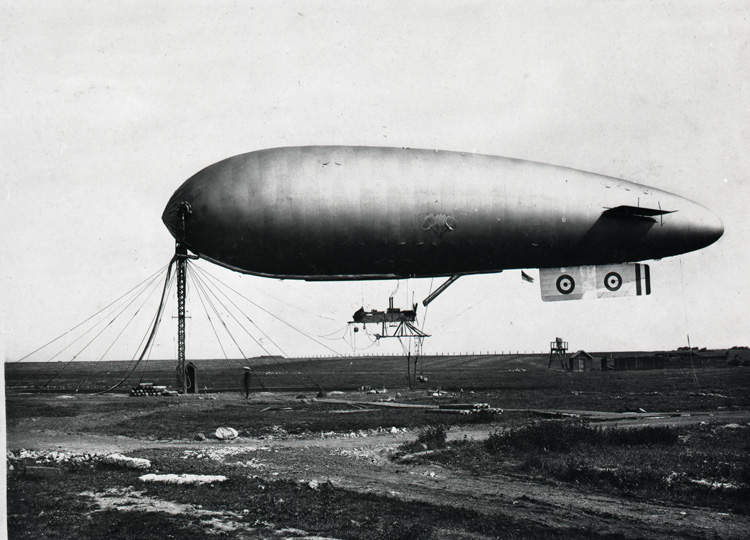
Before the 20th century, civilians in Britain had been largely unaffected by war. Previous overseas wars rarely touched British shores. The First World War was to change all that. Historians have described it as a ‘total war’, a global war which involved both civilians and the armed services on a massive scale.
Count von Zeppelin, a retired German army officer, flew his first airship in 1900. They were lighter than air, filled with hydrogen, with a steel framework. When the war started in 1914, the German armed forces had several Zeppelins, each capable of travelling at about 85 m.p.h. and carrying up to two tons of bombs. With military deadlock on the Western Front, they decided to use them against towns and cities in Britain. The first raid was on Great Yarmouth and King’s Lynn in January 1915. Use the sources in this lesson to find out how the people of Hull responded to the Zeppelin raids on their city.
How did First World War Zeppelin raids affect British civilians?Lighter than air flying machines were successfully developed before aeroplanes. Count von Zeppelin was impressed by their potential and built his first successful airship in 1900. From then, civilian airships developed rapidly before the First World War. Passengers travelled in considerable comfort in gondolas slung underneath the huge 190 metre-long hydrogen-filled rugby ball-shaped balloon. They had more space than in many modern aeroplanes and could stroll about admiring the view.
The German Army and Navy both saw the potential that airships had for reconnaissance. They were used almost from the opening of the war for getting information by flying over enemy lines far above gunnery range. As it became clear that the war would be long and drawn out, Zeppelins were sent to bomb British cities. Their route was over the North Sea from their bases on the north west German coast. The early raids caused lots of damage and many civilian casualties.
At first, as these documents show, British defences were totally inadequate to deal with the Zeppelin threat. However, by 1916 a range of anti-airship defence measures were introduced. Many more guns were deployed, and searchlights. Fighter aircraft were also sent against them. British defences learnt to pick up their radio messages, so had warning of their approach, and a central communications headquarters was set up. It was realised that Zeppelins were extremely vulnerable to explosive shells, which set light to the hydrogen, often in spectacular fashion. Zeppelin raids were called off in 1917, by which time 77 out of the 115 German Zeppelins had been shot down or totally disabled. Raids by heavier than air bombers continued, however. By the end of the war over 1500 British citizens had been killed in air raids.
The vulnerability of Zeppelins to explosive shells, and their relatively slow speed, led to rapid development of heavier-than-air machines. By 1918 both sides were using large numbers of aeroplanes, not just for reconnaissance, but as fighter air support and as bombers. Air war, and the threat it brought to the lives of civilians, had become part of 20th century warfare. After the war both Britain and Germany continued to develop airships for passenger services, offering a much more roomy, comfortable service than early aeroplanes could provide. However, the spectacular crash and fire of the R101 in 1930 discredited this form of air flight in Britain.
After the First World War, the map of Europe was re-drawn and several new countries were formed. As a result of this, three million Germans found themselves now living in part of Czechoslovakia. When Adolf Hitler came to power, he wanted to unite all Germans into one nation.
In September 1938 he turned his attention to the three million Germans living in part of Czechoslovakia called the Sudetenland. Sudeten Germans began protests and provoked violence from the Czech police. Hitler claimed that 300 Sudeten Germans had been killed. This was not actually the case, but Hitler used it as an excuse to place German troops along the Czech border.
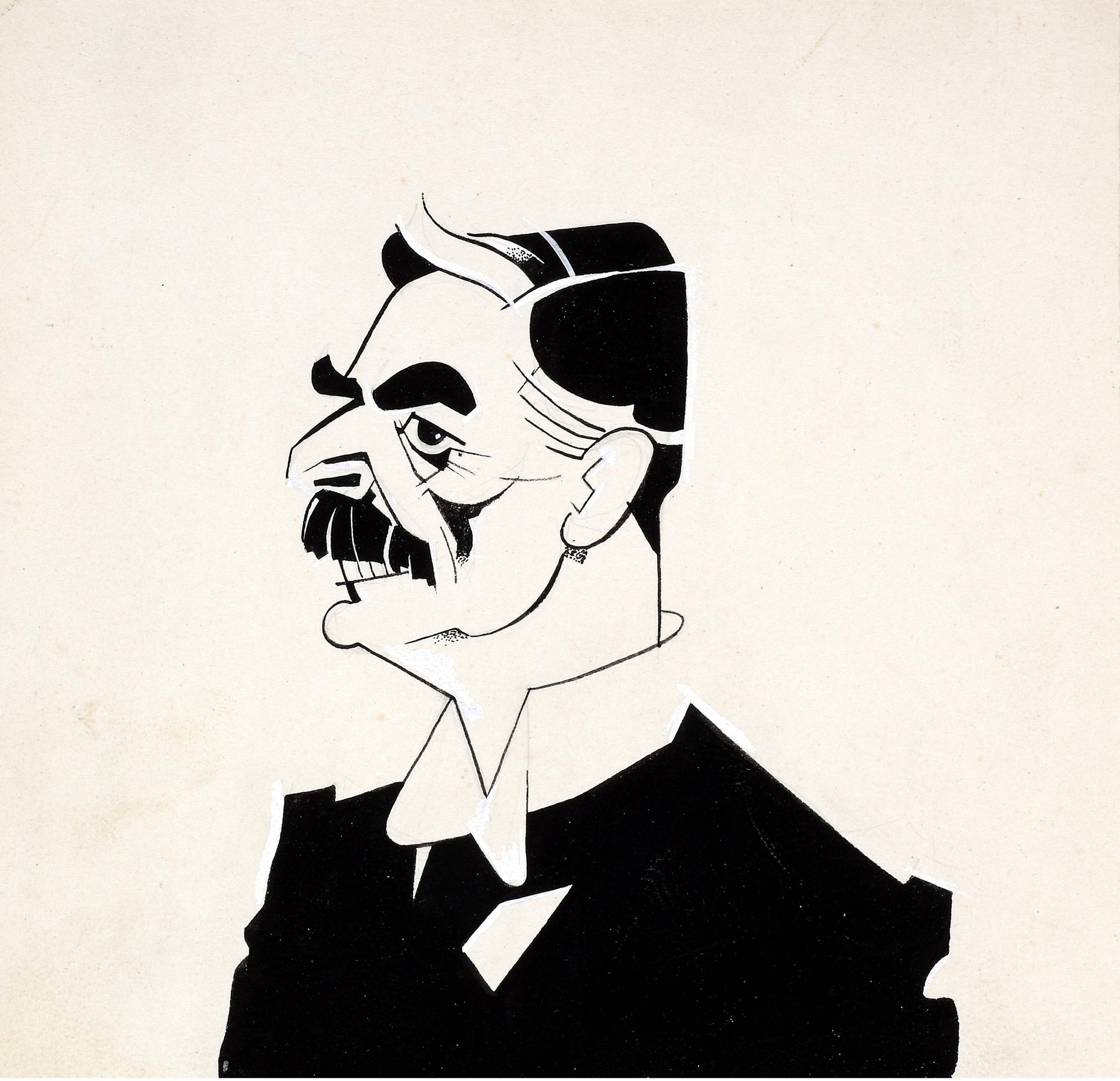
During this situation, the British Prime Minister, Neville Chamberlain, flew to meet Hitler at his private mountain retreat in Berchtesgaden in an attempt to resolve the crisis. Use this lesson to explore documents concerning Chamberlain’s original meeting with Hitler and advice given to him at home in Britain.
What was Chamberlain trying to do?The Treaty of Versailles, made in 1919 at the end of the First World War, was intended to make a lasting peace. Many people felt that the Treaty had caused terrible resentment in Germany on which Hitler had been able to play in order to achieve power. The government believed that Hitler and Germany had genuine grievances, but that if these could be met (‘appeased’) Hitler would be satisfied and become less demanding.
Hitler was open about his refusal to accept many of the terms of the Treaty of Versailles. Soon after he became Chancellor of Germany in 1933 he began to re-arm the country, breaking the restrictions placed on the German armed forces. In 1936, he sent German troops into the Rhineland and in March 1938 he joined Germany and Austria. Czechoslovakia was the logical next step for his aggression and German Nazis in the Sudetenland were told to stir up the trouble that led to the crisis examined here. Edvard Benes, the leader of Czechoslovakia, was concerned that if Germany was given the Sudetenland, most of the Czech defences would be handed over to the Germans and they would be left defenceless.
Chamberlain’s flight to Berchtesgaden was followed by another to Godesberg a week later and then another to Munich on 29 September. At Munich, Chamberlain got an international agreement that Hitler should have the Sudetenland in exchange for Germany making no further demands for land in Europe. Chamberlain said it was ‘Peace for our time’. Hitler said he had ‘No more territorial demands to make in Europe.’ On 1 October German troops occupied the Sudetenland: Hitler had got what he wanted without firing a shot.
Although people in Britain were relieved that war had been averted, many now wondered if appeasement was the best decision. They did not think it would stop Hitler, and simply delayed the war, rather than prevented it. Even while Chamberlain was signing the Munich Agreement, he was agreeing a huge increase in spending to increase Britain’s armament in preparation for war. He must have known from the situation outlined to him by General Ismay, that Czechoslovakia was lost, that war was bound to come.
Six months later, in March 1939, German troops took over the rest of Czechoslovakia. Poland seemed to be the next most likely victim of Nazi aggression and Chamberlain made an agreement with the Poles to defend them in Germany invaded. Hitler did not think Britain would go to war over Poland, having failed to do so over Czechoslovakia. He sent his soldiers into Poland in September 1939. Two days later, Britain declared war on Germany.
Chamberlain struggled on as Prime Minister until May 1940 when he resigned and Winston Churchill, a bitter critic of appeasement, took over. Chamberlain died in November 1940; however he continued to be vilified for appeasement in general and for his actions in September 1938 in particular long after his death and the conclusion of the war.
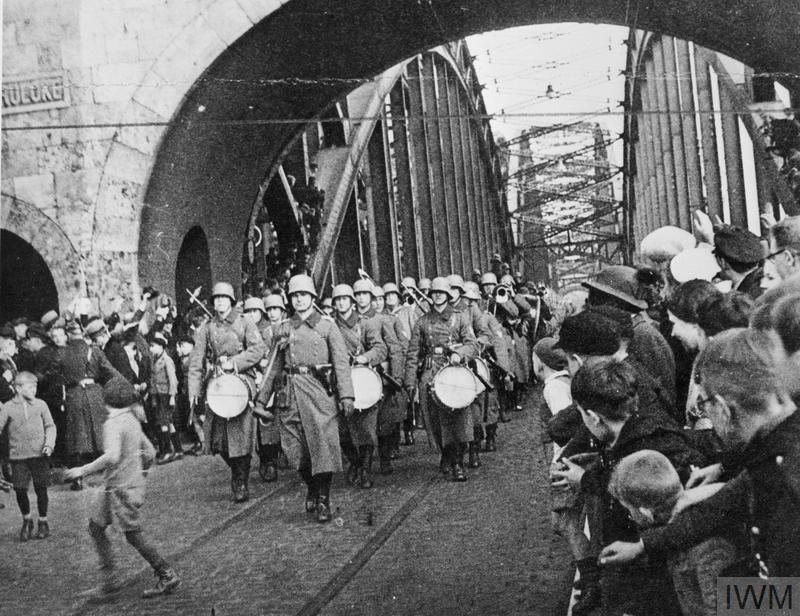
On 7 March 1936 German troops re-occupied the Rhineland, a de-militarised zone according to the Treaty of Versailles. This action was directly against the terms which Germany had accepted after the First World War. This move, in terms of foreign relations, threw the European allies, especially France and Britain, into confusion. What should they do about it?
Anthony Eden was the Secretary of State for Foreign Affairs and Stanley Baldwin the Prime Minister at the time.
Use the Foreign Office documents in this lesson from March 11th 1936 to find out about the motives and attitudes of the British government as they discuss their options.
What should Britain do about it?According to the Treaty of Versailles, the Rhineland, a strip of land inside Germany bordering on France, Belgium and the Netherlands, was to be de-militarised. That is, no German troops were to be stationed inside that area or any fortifications built. The aim was to increase French security by making it impossible for Germany to invade France unawares. Other terms restricted the German army to 100,000 men and the navy to just 36 ships. Germany objected to the terms of the treaty but were told to sign it or the war would begin again.
The Treaty of Versailles also set up the League of Nations, an international peace-keeping organisation. It was based on the idea of collective security, that is, the nations of the world would act together (collectively) to preserve peace. Unfortunately, one of the most powerful, the USA, did not join the League.
Germany in the 1920s was keen to get back on normal terms with other nations and signed the Treaty of Locarno. By this treaty Germany agreed to accept the terms of the Versailles Treaty, at least on her western borders. France continued to worry about their safety against Germany particularly after Adolf Hitler became Chancellor of Germany in 1933. He had always declared his firm intention of overthrowing the Treaty of Versailles and uniting all Germans in one country, even if it led to war. Germany began to re-arm. Could France trust collective security, or should they find military allies?
In May 1935 France signed a treaty of friendship and mutual support with the USSR. Germany claimed the treaty was hostile to them and Hitler used this as an excuse to send German troops into the Rhineland in March 1936, contrary to the terms of the treaties of Versailles and Locarno. It was a gamble on his part and his generals were nervous about it. German re-armament had not yet reached a point where they felt ready to take on a well-armed nation like France.
Following the discussions described in the documents, the British Foreign Secretary, Anthony Eden, did indeed meet the German ambassador and make his proposals. Hitler refused to withdraw his troops, and put pressure on the League of Nations to act. France was on the verge of a general election and would not act without Britain’s support. However the British people felt that the Treaty of Versailles was unfair on Germany and was over-restrictive, and so partly because of this, the British government decided to do nothing. Hitler moved on from the occupation of the Rhineland in 1936, to the annexation of Austria and the seizure of the Sudetenland in 1938, to the take-over of the rest of Czechoslovakia in March 1939 and then Poland in September 1939.
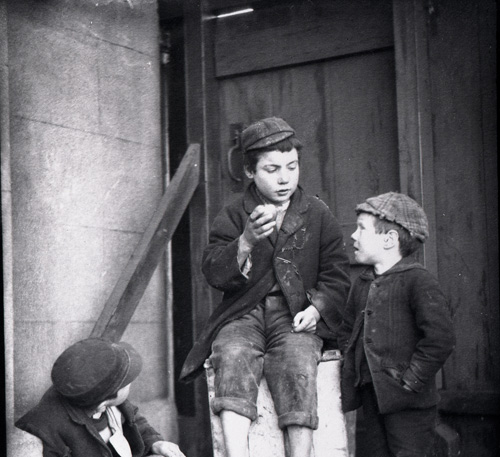
Around the year 1900 there was a lot of concern about the physical state of the people of Britain. Even though there had been tremendous efforts in the late 19th century to provide better public health, housing and education, many children were still no more healthy than they had been back in the 1840s.
The new Liberal government elected in 1906 passed various measures to try to deal with this problem. They were particularly concerned to try to improve the health of children. They passed laws to ensure midwives were notified of each new-born baby, they introduced School Medical Examinations and, in 1906, they gave permission for schools to offer meals to their pupils. But what kind of meals?
These documents show how one city, Bradford, carried out an experiment to see how the system might operate. Use this lesson to explore original documents relating to an experiment to provide school meals in Bradford for children in need.
Why were school dinners brought in?In 1900 there was a great deal of anxiety about the health of the people of Britain.
The government and the armed forces had been shocked by the physical health of the young men of Britain when they were trying to recruit for the Boer War (1899-1902). They had found that many of the young men were too small or under-nourished to join up. As a result of this, a ‘Committee on Physical Deterioration’ was set up.
The government had worked hard to deal with conditions such as cholera and passed laws to ensure everyone had access to a clean water supply, better houses and education. These efforts however did not do anything to help with people’s nutrition. Approximately a quarter of the people in London did not have enough money to live on, even if they had a permanent job and spent their wages wisely.
Seebohm Rowntree carried out a survey of working class families in the city of York in 1901. He found that even if they had jobs, wages were often too low to ensure a decent standard of living. Children did not get the good diet they needed – partly because their parents were too poor and partly because parents generally did not understand what was needed for a healthy diet. Medical care cost money and parents did not call a doctor for their children unless they were desperate.
Some organisations and charities, like the Salvation Army, intervened where it was most needed by offering cheap meals for children (see Source 4). Some School Boards, notably the London School Board, began to offer cheap, or free, school dinners. Their motive was practical: hungry children cannot learn.
The Liberal government, which was elected with a huge majority in 1906, was committed to reform. The Labour Party, newly formed in 1900 had its first MPs and the Liberals wanted to show that they could look after working people just as well as the Labour Party.
In 1907 they ordered that medical officials had to be told of all babies born, so that midwives could check on their physical condition and give advice to mothers. In 1907 they ordered School Medical examinations to be carried out, so as to catch ill children early. The Education (Provision of Meals) Act of 1906 was part of the government’s plan to ensure that British children grew up healthy.
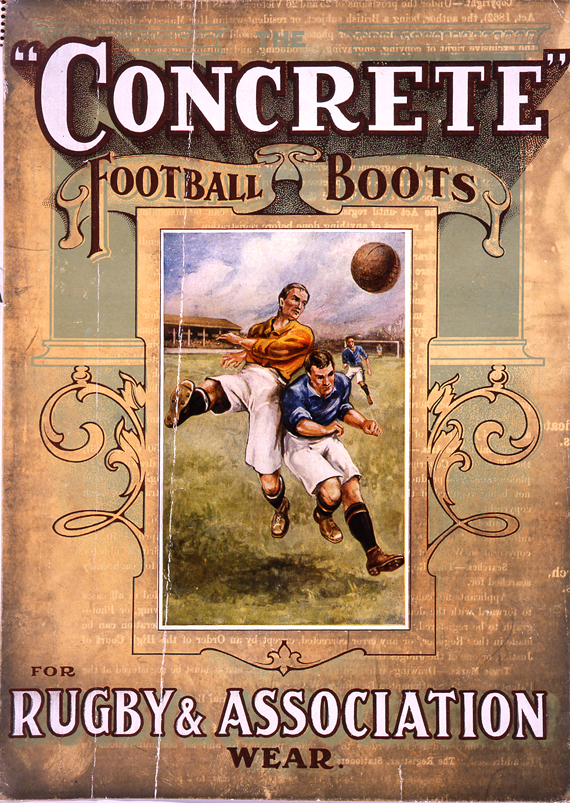
England’s victory in the 1966 football World Cup is one of the most celebrated events in 20th century British sport. Geoff Hurst’s hat-trick, the disputed third goal, the commentator’s line ‘They think it’s all over!’ have become legends. But at the time, during the tournament itself and in the weeks afterwards, England was the subject of widespread popular hostility in some parts of the world, especially in South America.
World Cup football is extremely important in South America. Of the seven World Cup tournaments before 1966, South American countries had won four times: Uruguay twice and Brazil twice. However, of the three South American teams in the 1966 World Cup, Brazil failed to qualify in their group, and Uruguay and Argentina were both knocked out in the quarter finals.
The South American protesters claimed that England, also the hosts, had rigged the whole tournament, with the help of West Germany. They particularly complained about the referees. English officials refereed most of Brazil’s games. The England-Argentine match was refereed by a German; it was a bad-tempered match and the England manager, Alf Ramsay, described the Argentinians afterwards as ‘animals’. The West Germany-Uruguay match had a British referee and two Uruguayans were sent off. Strong anti-British feeling showed itself all over South America. Use this lesson to study original documents which discuss if the World Cup was fixed in England’s favour in 1966.
Did England rig the result?The World Cup
In the early 20th century, football between national teams took place as part of the Olympic Games. Then clashes developed between the Olympic organisers, who insisted on everyone taking part being amateurs, and the professional game. Several teams pulled out of the 1928 Olympics and called on FIFA (Fédération Internationale de Football Association) to organise an international tournament. This was held in 1930 in Uruguay. Few teams outside South America were prepared to make the long trans-Atlantic sea journey and only 13 took part. The trophy, a gold cup called the Jules Rimet trophy after the Frenchman who played an important part in FIFA, went to Uruguay. They won an exciting final 4-2 against Brazil in front of a record crowd of 200,000.
The 1966 World Cup was the 8th tournament.
South American dominance
Traditionally South American nations had not been seen as playing a big part in world affairs and were not even regarded as great all-round sporting countries. However, even by 1966, they had unquestionably dominated World Cup football. To date, South American countries have won eight of the 18 World Cups: Uruguay twice (1930, 1950), Argentina twice (1978, 1986) and Brazil no less than five times (1958, 1962, 1970, 1994 and 2002). In Europe, only Italy (four times, 1934, 1938, 1982, 2006) and West Germany (three times, 1954, 1974, 1990) and Germany (after re-unification) in 2014, France (2018) have come near to challenging this South American dominance. The next scheduled World Cup takes place in Qatar from 21 November to 18 December 2022.
British diplomacy
Britain sends ambassadors, or other representatives, to most foreign countries. These people live there and have a two-way role:
- to keep the British government in London well-informed about events
- to promote the reputation and interests of Britain in the country where they are living
The topics they usually deal with are trade, tourism, military affairs and diplomacy. It was unusual for football to become the subject of such a flurry of diplomatic messages as took place in 1966. There is clearly some uncertainty on the part of both the Foreign Office and Embassy staff as to how to handle the issue.
Secrecy
Diplomatic messages are usually secret. The law concerning secrecy at that time in Britain was that government documents should normally be open to the public after 30 years. However, the documents are reviewed prior to release and some can be held back for longer.
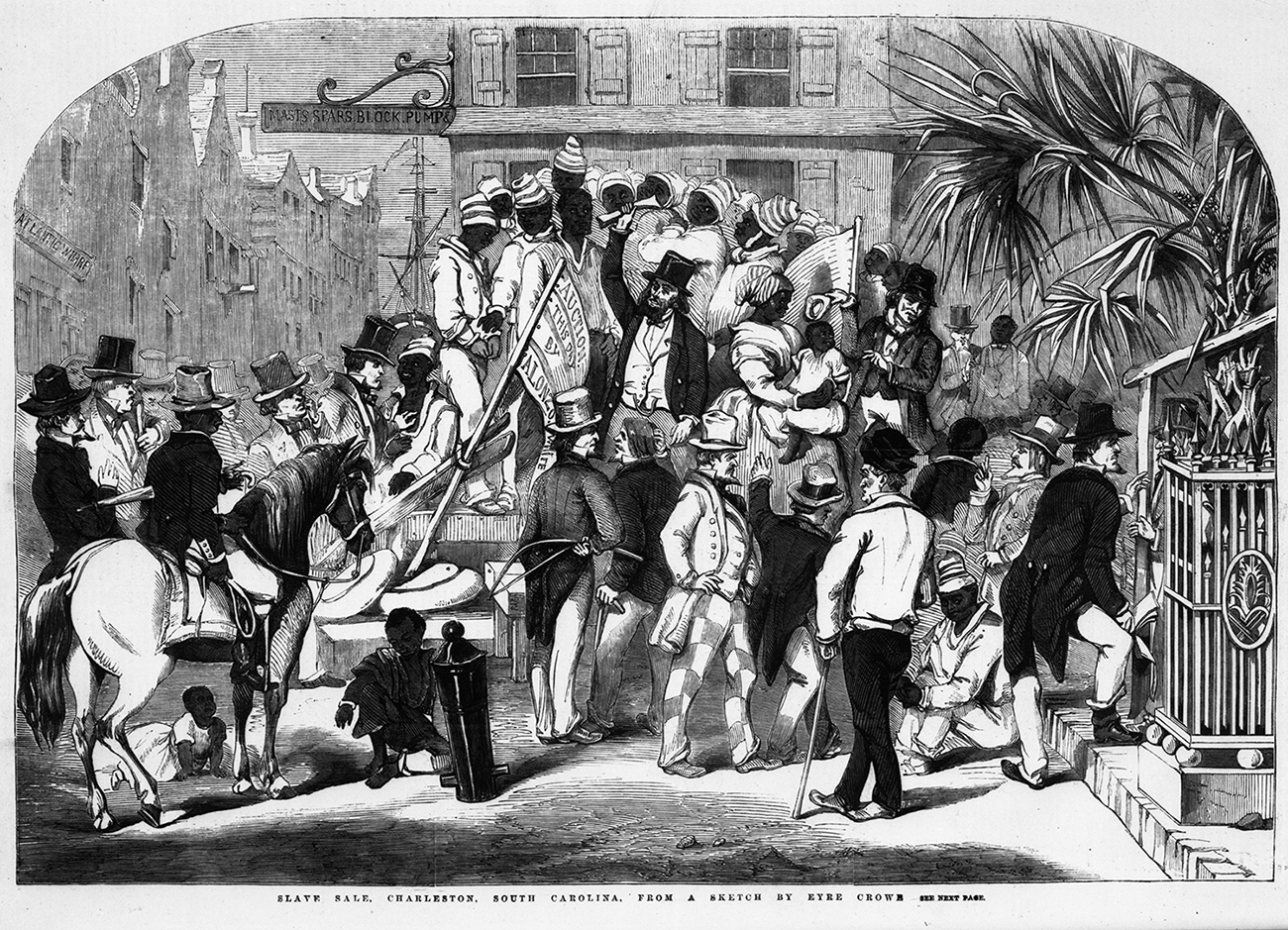
As soon as Europeans began to settle in America, in the early 16th century, they imported enslaved Africans to work for them. As European settlement grew, so did the demand for enslaved people. Over the next 300 years more than 11 million enslaved people were transported across the Atlantic from Africa to America and the West Indies, and Britain led this trade from the mid-17th century onwards. Ports such as Bristol, Liverpool and Glasgow sent out many slaving ships each year, bringing great prosperity to their owners. Many other cities also grew rich on the profits of industries which depended on slave-produced materials such as cotton, sugar and tobacco.
The campaign in Britain to abolish slavery began in the 1760s, supported by both black and white abolitionists. The battle was long and hard-fought, with pro-slavery campaigners arguing that the slave trade was important for the British economy and claiming that enslaved Africans were happy and well-treated. However the frequent rebellions by enslaved Africans and evidence of the appalling conditions endured by them during and after transportation led to growing support for the demands to abolish the slave trade. Eventually, in 1807, Parliament passed an Act for the Abolition of the Slave Trade, which abolished the trade by Britain in enslaved peoples between Africa, the West Indies and America.
The pro-slavery campaigners had argued that with no new enslaved Africans being traded slave-owners would treat their existing slaves better. However, it was clear that enslaved people were still harshly treated and many continued to resist and rebel against their enslavement. In 1833 Parliament passed a further act to abolish slavery in the British West Indies, Canada and the Cape of Good Hope (southern Africa), meaning that it was now illegal to buy or own a person. However, slavery continued in other areas of the British Empire including the territories run by the East India Company, Ceylon (modern day Sri Lanka) and St Helena. Between 1808 and 1869 the Royal Navy’s West Africa Squadron seized over 1,600 slave ships and freed about 150,000 Africans but, despite this, it is estimated that a further 1 million people were enslaved and transported throughout the 19th century. Use this lesson to explore original court records from Dominica, a British colony and photographs from HMS Daphne, a British naval ship later used to prevent the transportation of enslaved people.
Our collections contain ideas, language and imagery from original records which reflect historical perspectives and attitudes of the time. Some of this language will be considered offensive. However, we think it important to show them as accurate representations of the record to help us understand the past.
How did the Abolition Acts of 1807 and 1833 affect the slave trade?Racism
Enslavement is both a result and a cause of racism. A belief that certain people were racially inferior allowed Europeans to set up the trade in African enslaved people in the 1520s. It encouraged whites to believe that the cruelty of the capture of enslaved people, the inhuman conditions on the slave-ships and the incredibly harsh treatment the enslaved received in the Americas were somehow justified. Source 2 is just another example of this. Enslavement has also caused racism by setting up a stereotype of black people as victims in the past.
The triangular trade
The British trade in enslaved people was a three-legged voyage: from British ports to West Africa, where enslaved people were bought with guns and other British-manufactured articles. Then came the dreaded ‘middle passage’ to the Americas, with as many enslaved people as possible were crammed below decks. The enslaved were then sold in the southern USA, the Caribbean Islands and South America, where they were used to work the plantations. Plantations were farms growing only crops that Europe wanted: tobacco, sugar, cotton. The merchant ships would load up with these products and take them back to Britain on the last leg of their journey. Profits from this trade made merchants rich as well as providing the capital (money) for many of the enterprises of the early Industrial Revolution.
Plantation life
The enslaved people were worked in gangs, made up of both men and women, driven on by the whip of the overseer. They worked for ten to 12 hours a day in the tropical sun, for six days a week. Other enslaved people worked as craftspeople, or servants. The fact that they could be bought or sold away from the plantation at any time made it very difficult to maintain normal family life. Some of the ‘runaways’ listed in Source 1 may well have just been trying to visit friends or relations who had been sold to another plantation.
African songs, games, stories and religion helped to maintain the enslaveds’ belief in themselves. From the 17th century, gangs of runaways – called ‘Maroons’ in Jamaica – set up independent, permanent communities which resisted all efforts of the white owners and soldiers to crush them. Sometimes this broke out into open conflict, such as the Maroon Wars of 1730-1740 and 1795-6. There were also slave revolts, in Antigua in 1735, Tacky’s revolt in Jamaica in 1760, Kofi’s revolt in Guyana in 1763, in Granada in 1795-7, and so on.
Abolition
The case against enslavement had several arguments:
- the moral argument: enslavement is wicked, un-Christian
- the economic argument: enslavement is expensive and inefficient
- the legal argument: enslavement is illegal under British law
- problems in the plantations: enslaved people continued to resist enslavement and would not be suppressed
The campaign to abolish enslavement was the first popular peaceful mass protest movement of modern times. Leading white abolitionists were Granville Sharpe, who helped black people fight test cases in the courts; Thomas Clarkson, who collected evidence of the cruelty of the enslavement trade from all over Britain; and William Wilberforce, who fought for legislation in Parliament. They worked with black abolitionist campaigners, such as Olaudah Equiano and Ottobah Cuguano. Mary Prince, who had been enslaved for part of her life, wrote an important book about her experiences which helped to influence the eventual abolition of enslavement in 1833.
Clearly, the campaign to abolish enslavement did not end in 1833. Plantation owners still used forced labour in the form of indentured workers (a worker who works for a fixed term for their transportation, board and lodgings) particularly on tobacco plantations. Being an indentured worker meant, in theory, that you should be treated fairly and that although you weren’t paid for your labour, you would be given proper food and somewhere to stay. In actual fact, indentured workers were often treated no better than enslaved workers, with beatings, and even death, a common factor.
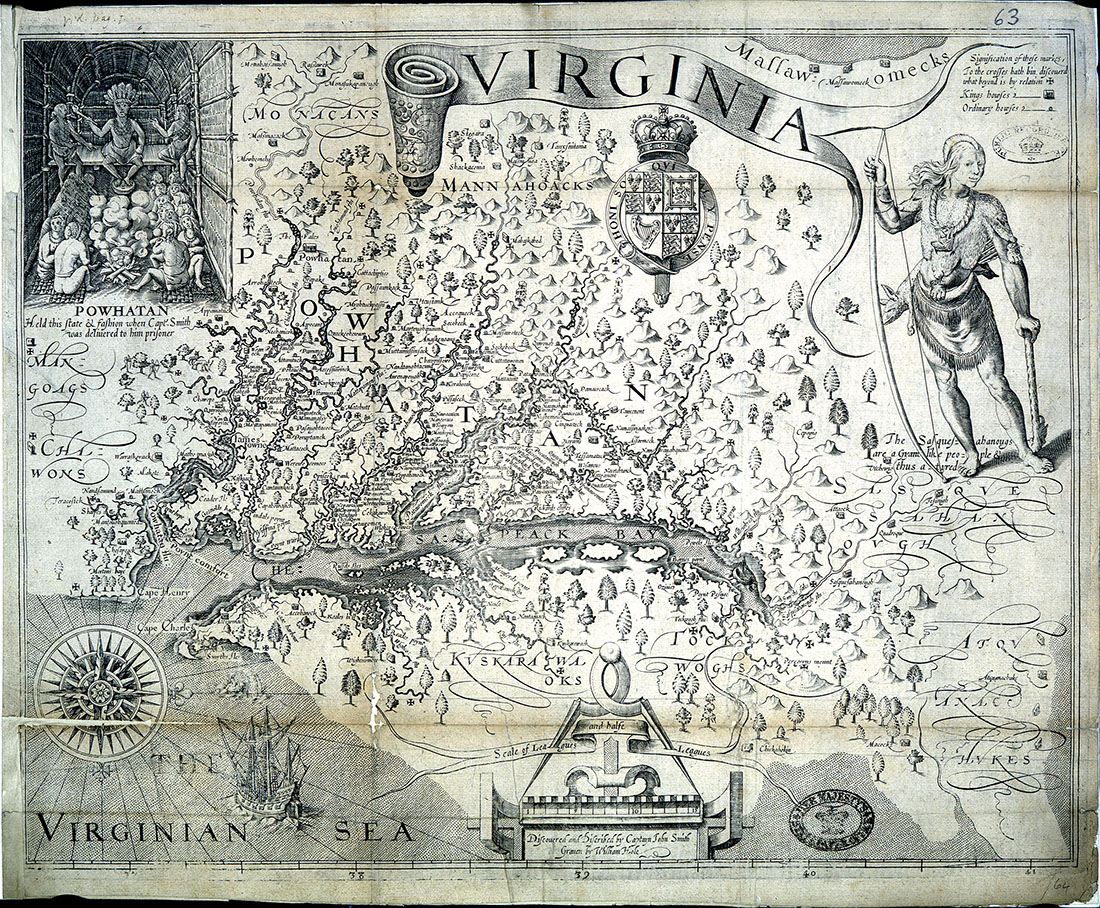
In 1492, Christopher Columbus landed in the Caribbean, unlocking what Europeans quickly came to call the ‘New World’. Columbus encountered land with around two million inhabitants that was previously unknown to Europeans. He thought he had found a new route to the East, so he mistakenly called these people ‘Indians’. Over the next few centuries, European powers colonised the Americas, seeking new land and trade opportunities. Spanish and Portuguese colonised large parts of South America, and other European colonial powers, including English explorers, focused on establishing settlements in North America.
The first permanent English settlement called Jamestown (after James I of England) was established in 1607 in Virginia, North America. These first settlers – and those who sent them – were keen to find out about the area and see what they could gain. The settlers began to explore and they soon encountered the Native people of the Chesapeake Bay region. There were many tribes living there at the time, most belonging to three major chiefdoms: the Powhatan, the Piscataway, and the Nanticoke.
This lesson uses documents that describe what happened between early English settlers and Native Americans in Virginia. Investigate how the English described this early contact. How did Native Americans react to the arrival of Europeans? Were relations friendly and, if so, how and why did they change over time?
What was early contact like between English colonists and Native Americans?The first English explorers to North America arrived five years after Columbus in 1497, led by the Italian Giovanni Caboto (John Cabot). However, the English did not try to establish permanent settlements in the Americas until much later.
In 1585, English colonists attempted to settle at a place called Roanoke. The settlement lasted only for a short time. After initial friendly relations, hostilities developed as settlers became increasingly reliant on Native Americans for food and fighting eventually broke out between the two groups. The local chieftain was killed by the English and the colony was eventually abandoned.
On May 14, 1607, the first lasting English settlement in North America was established. The settlement was named ‘Jamestown’ after the current King of England, James I. Captain Newport led the expedition, staying until June 22nd, when he sailed back to England for supplies. The source material in this lesson comes from the first few months of the colony (CO 1/1).
After Captain Newport left for England, 104 settlers remained with Captain John Smith placed in charge. These settlers were unprepared, and did not plant the right crops or eat the right foods. They soon encountered starvation and famine, despite stealing food from the Native Americans. In the first three years, despite new arrivals, more than 80% of the settlers died from the combined effects of famine, disease, and warfare.
Throughout the period of European colonisation, millions of Native Americans were killed, either in fighting or by outbreaks of European diseases to which their bodies had no immunity, such as smallpox. It is estimated that between 80% and 95% of the Native American population died within the first 100-150 years of European contact with the Americas.
Those settlers that survived, together with new arrivals, began to cultivate the land, growing crops such as tobacco. As more settlers arrived, more Native American land was taken, and the Native Americans began to fight back.
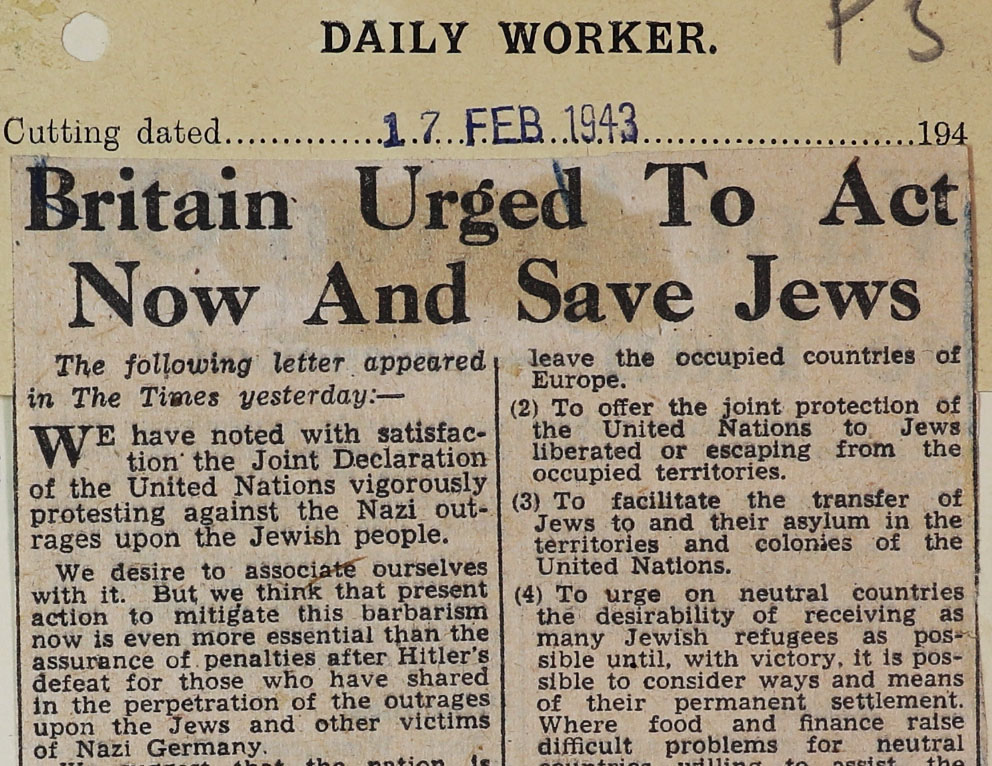
Adolf Hitler set up his first concentration camp in Germany in 1933, soon after coming to power. He used it to keep his opponents locked away without trial. Soon, many more camps were built, usually in remote areas or forests. These camps were run by the SS (Shützstaffel). Concentration camps were soon being used to imprison Jews and other victims of the Nazi race policies. When the ‘final solution’ – Hitler’s plan to kill all the Jews in Europe – was put into effect in 1941, gas chambers were built at several death camps, of which Auschwitz-Birkenau was the most infamous.
The SS camp at Bergen-Belsen was created in 1943. Prior to being used as a concentration camp, it was used as a Prisoner of War (POW) camp. Later, Jews and political prisoners were held at Belsen before being deported or exchanged for Germans who were being held in British and Allied occupied territories. It was not a death camp, although it was a place of unbelievable horror and brutality. After its liberation, it became a displacement camp where survivors were cared for by the Red Cross.
Towards the end of the war, thousands of Jews had been evacuated from camps in Eastern Europe and marched west to avoid the advancing Soviet army. There were 40,000 prisoners at Belsen in April 1945. Many died of ill treatment, starvation and disease.
The outside world knew of the camps even before the war, but took little notice of reports of what they were like. When Allied soldiers began to advance into Germany at the end of the war and discovered the camps, they were therefore deeply shocked by the conditions. Use this lesson to find original documents that reveal what British soldiers found at Bergen-Belsen and how they responded.
What did the British find when they entered Belsen concentration camp?Hitler was driven by the racist ideas at the core of his beliefs. He did not invent anti-Semitism – these views had had been around in Europe for centuries – but he used it to win support. Many Germans, after their country’s defeat in the First World War and the terms of the Treaty of Versailles, were bitter and resentful. Hitler offered them a scapegoat to avoid facing up to the country’s problems and the faults of its leaders: he blamed everything on the Jews.
From 1933, when Hitler became Chancellor of Germany, he was able to bring all the resources of a modern state to put anti-Semitism into practice. A stream of laws gradually deprived Jews of almost all their rights as citizens, from basic and important ones such as the right to an education and freedom of employment, to seemingly trivial ones such as not being allowed to own pets or a radio. Alongside these laws there were boycotts of Jewish shops and businesses and casual violence towards Jews by Nazis and their supporters.
One effect of all this was that ordinary Germans began to think of Jews as not proper citizens. This was encouraged by the Nazis’ total control of news, which was used for relentless propaganda against Jews. At the same time, Nazi control of education meant that all children were getting a similar message. While many resisted it, this decade of brain-washing may help to explain the behaviour of Germans found in these documents.
Only 1% of the population of Germany was of Jewish origin, but after the German invasion of the USSR in 1941, the Nazis took over an area of traditional Jewish settlement with up to 4 million Jews. Nazi leaders drew up what they called the ‘final solution’ to what they called the ‘Jewish question’. This was a carefully devised plan designed to annihilate all the Jews in Europe. From then on, Nazi Germany began a programme of expanding concentration camps to include forced labour camps and building death camps purposely designed for mass murder. Jews all over Europe, from Norway to Greece, were hunted down, arrested, listed, ferried on trains for hundreds of miles, and then murdered or worked to death. Even when Germany was losing the war and every effort might have been needed to avoid defeat, trains, soldiers and resources were diverted to this task.
Belsen was never a death camp, but it was well-placed to hold Jews from Western European countries. Its expansion was rapid and its use changed according to the needs of the Nazi war effort. By April 1945 its numbers were swollen by huge consignments of starving and dying prisoners who were forcibly marched or brought by train from camps further east. One of Belsen’s best-known prisoners was the diarist Anne Frank, who died in the camp in March 1945, only a few weeks before the camp was liberated.
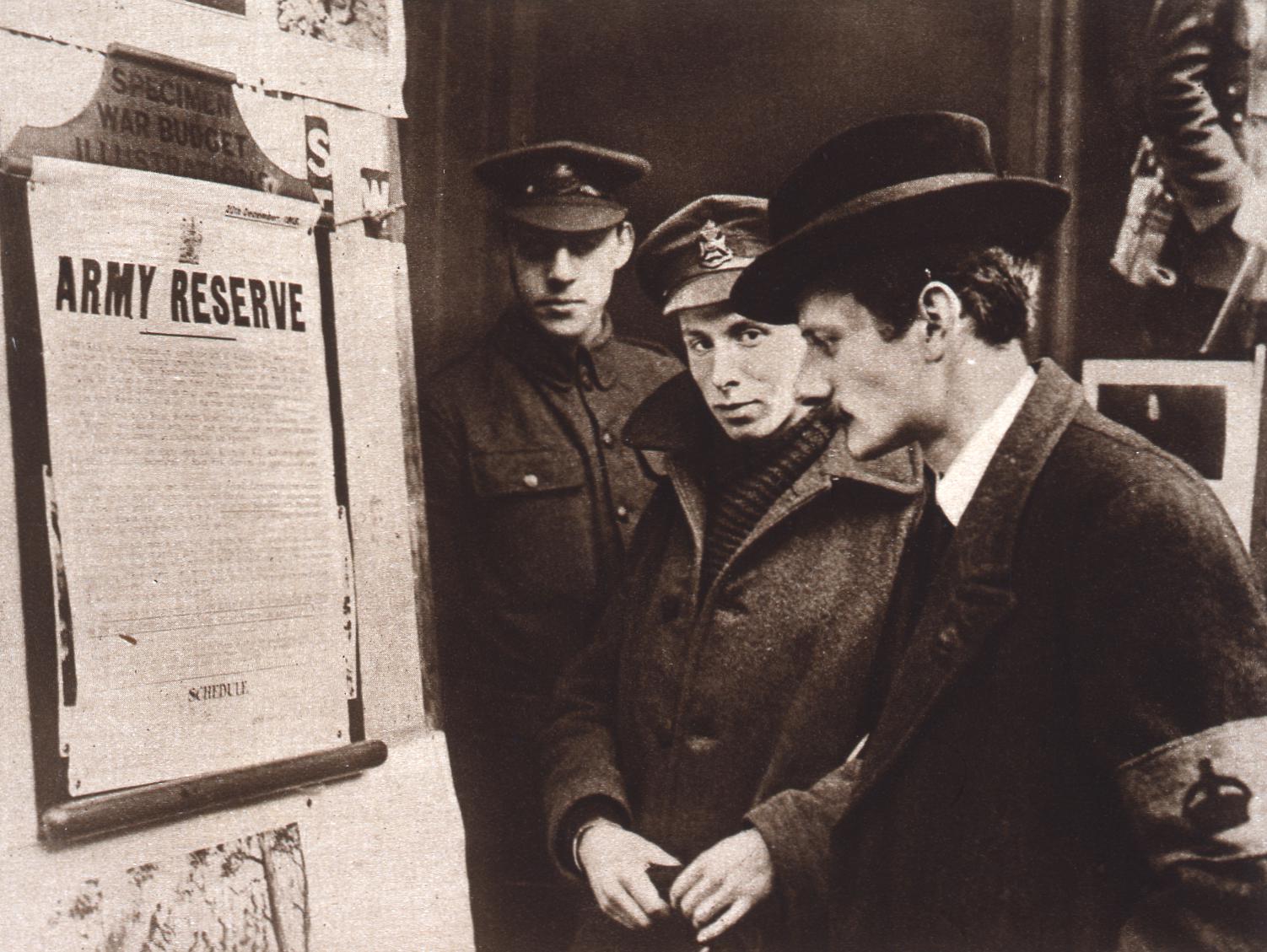
On the outbreak of the First World War in 1914, Britain sent many soldiers to fight in France and Belgium, known as the ‘Western Front’. Men came from all classes of society. Some were already in the army when war started and many others volunteered to fight as soon as war broke out. However, as the war dragged on, conscription was introduced in 1916 and men had to join the army. Coming from various backgrounds and experiences, soldiers reacted differently to the horrors of war and life as a soldier. Their behaviour and conduct as soldiers was written down in their individual service papers.
This lesson focuses on Donald Campbell, a young Scottish man who joined the army on 10th August 1903. He was 18 years and 4 months old. Here you can examine his service papers. As Private Campbell joined the army years before the outbreak of war, it is important to work out what he did and where he went. Where did he come from? What was he like? Was he a good soldier? Use this lesson based on military records to find the answers to these questions.
What can we find out?8493 / Private Donald Campbell
Each member of the British army has service papers that record their army career. Upon joining the army, the first of these papers, called the Attestation Form, is filled in. This is a form that records detailed information about the soldier including name, age, address, height, hair and eye colour, previous jobs, and whether or not they have been in prison for committing crimes. When completed and signed, the soldier is given their unique Regimental number.
Donald Campbell joined on 10 August 1903 and became a member of the 1st Battalion of the Royal Scots Lothian Regiment, who gave him the number ‘8493’. He was five feet five inches tall, weighed 137lb, came from Inverness, and worked as a cellarman in the pub trade before joining the army. Many young men such as Campbell joined the army for adventure and to see the world. Other records show that he spent time in the Army serving in Britain, India, Pakistan, France and Belgium.
Ypres
On 23 May 1915, Donald Campbell died of wounds he suffered the previous day. He had been wounded in action on 22 May during the second battle of Ypres. Now a large town in Belgium, during the First World War Ypres was the site of three huge battles. On 22 April 1915 the Germans attacked the Allied trenches, beginning the second battle. The Allies were pushed back several miles, although quickly dug new trenches to prevent the Germans breaking through. The next 40 days saw frequent attacks and counter-attacks from both sides. By the time this second battle of Ypres ended on 31 May the Germans had only gained a small amount of land and both sides suffered appalling casualties, including the loss of Private Donald Campbell after 11 years, 287 days service.
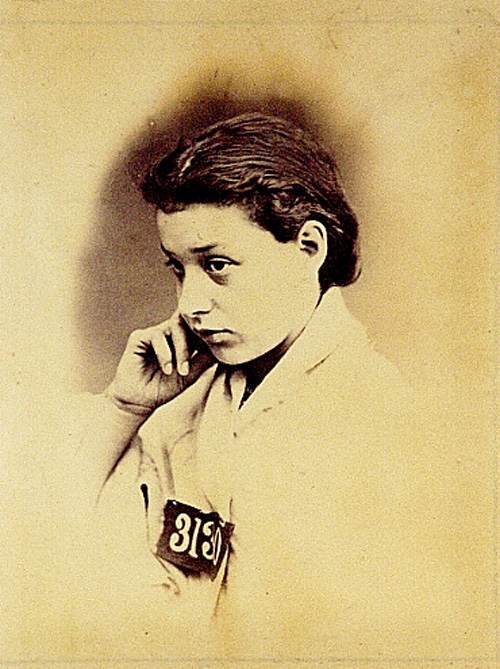
Young people have always got into trouble with the law. What changes over time is how society deals with its young offenders.
Before Victorian times no distinction was made between criminals of any age. Accordingly, young children could be sent to an adult prison. There are records of children aged 12 being hanged.
The Victorians were very worried about crime and its causes. Reformers were asking questions about how young people who had broken the law ought to be treated. They could see that locking children up with adult criminals was hardly likely to make them lead honest lives in the future. On the other hand, they believed firmly in stiff punishments. In 1854 Reformatory Schools were set up for offenders under 16 years old. These were very tough places, with stiff discipline enforced by frequent beatings. Young people were sent there for long sentences – usually several years. However, a young offender normally still began their sentence with a brief spell in an adult prison. Use the sources in this lesson to find out how children were treated by the justice system.
Did the punishment fit the crime?Crime, and how to deal with it, was one of the great issues of Victorian Britain. In the first place there seemed to be a rising crime rate, from about 5,000 recorded crimes per year in 1800 to 20,000 per year in the 1830s. The Victorians had a firm belief in making criminals face up to their responsibilities and in punishment. Between 1842 and 1877, 90 new prisons were built in Britain.
Child crime shocked the Victorians. Dickens’ account of Fagin’s gang of young pickpockets led by the Artful Dodger, in ‘Oliver Twist’ published in 1837, played to this popular concern. In 1816, Parliament even set up a ‘Committee for Investigating the Alarming Increase in Juvenile Crime in the Metropolis’ (London). But how far should ideas of punishment, of making the criminal face up to their actions by a long, tough, prison sentence, apply to children?
A step towards treating children differently was the Juvenile Offences Act of 1847, which said that young people under 14 (soon raised to 16) should be tried in a special court, not an adult court. More far-reaching were the first Reformatory Schools, set up in 1854. Young people were sent to a Reformatory School for long periods – several years. The long sentences were designed to break the child away from the “bad influences” of home and environment.
Reformatories were as far as the government was prepared to go towards treating children differently for most of the 19th century. Attitudes began to swing towards reform in the early 20th century. From 1899 children were no longer sent to adult prisons. In 1902 an experimental school was set up at Borstal, in Kent. It was run like a boarding school, with lots of sport, staff not in uniform and a more encouraging attitude towards the children. Several more ‘Borstals’ were set up, but in 1982 there was a swing away from reform towards punishment and they were mostly turned into Young Offenders Institutes.