Education session
Whitechapel

In this workshop, available online or at The National Archives, students investigate what made Whitechapel in 1888 an area where policing was challenging.
Education session
This interactive workshop aimed at key stage 1 children investigates how we can know what happened back in 1666.

Hearth tax return, including Thomas Farrinor of Pudding Lane, 1666. Catalogue reference: EXT 11/160
In the workshop students get the chance to view original documents dating back to 1666, in order to develop their skills in evidential understanding and how to study a significant event beyond living memory. For instance students investigate questions like ‘how do we know Thomas Farriner was a baker and lived on Pudding Lane?’
The one and a half hour workshop is led by an experienced history educator in an inspiring learning space at The National Archives in Kew. The session uses a combination of dynamic group work and storytelling.
In the online workshop in your classroom students will investigate how we know what happened in the Great Fire of London using three historical documents. This session develops skills in evidential understanding and studying a significant event beyond living memory.
The one-hour session is led by an experienced history educator, you only need a microphone, large screen and webcam to take part. The session is highly interactive, with frequent discussions, class voting and storytelling.
If you need any support with your booking, please get in touch.
This workshop supports schools focusing on significant events beyond living memory. It also has a focus on spoken English.
Education session
In this workshop, available online or at The National Archives, students investigate what made Whitechapel in 1888 an area where policing was challenging.
Education session

In this engaging workshop at The National Archives, students explore a range of maps to explore the ways London has changed over time.
Education session
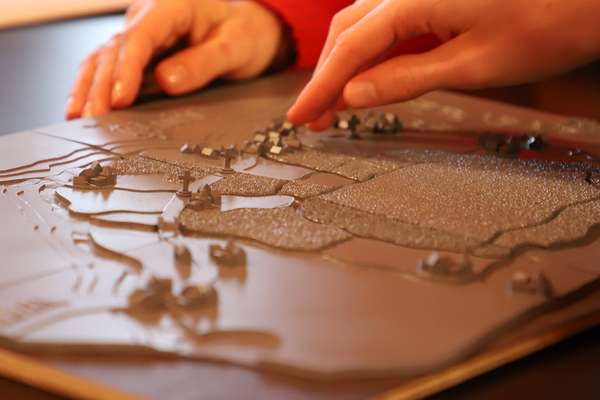
This workshop programme is designed for students who are blind or visually impaired. Students use tactile props and audio to explore documents.