What to expect in the onsite workshop:
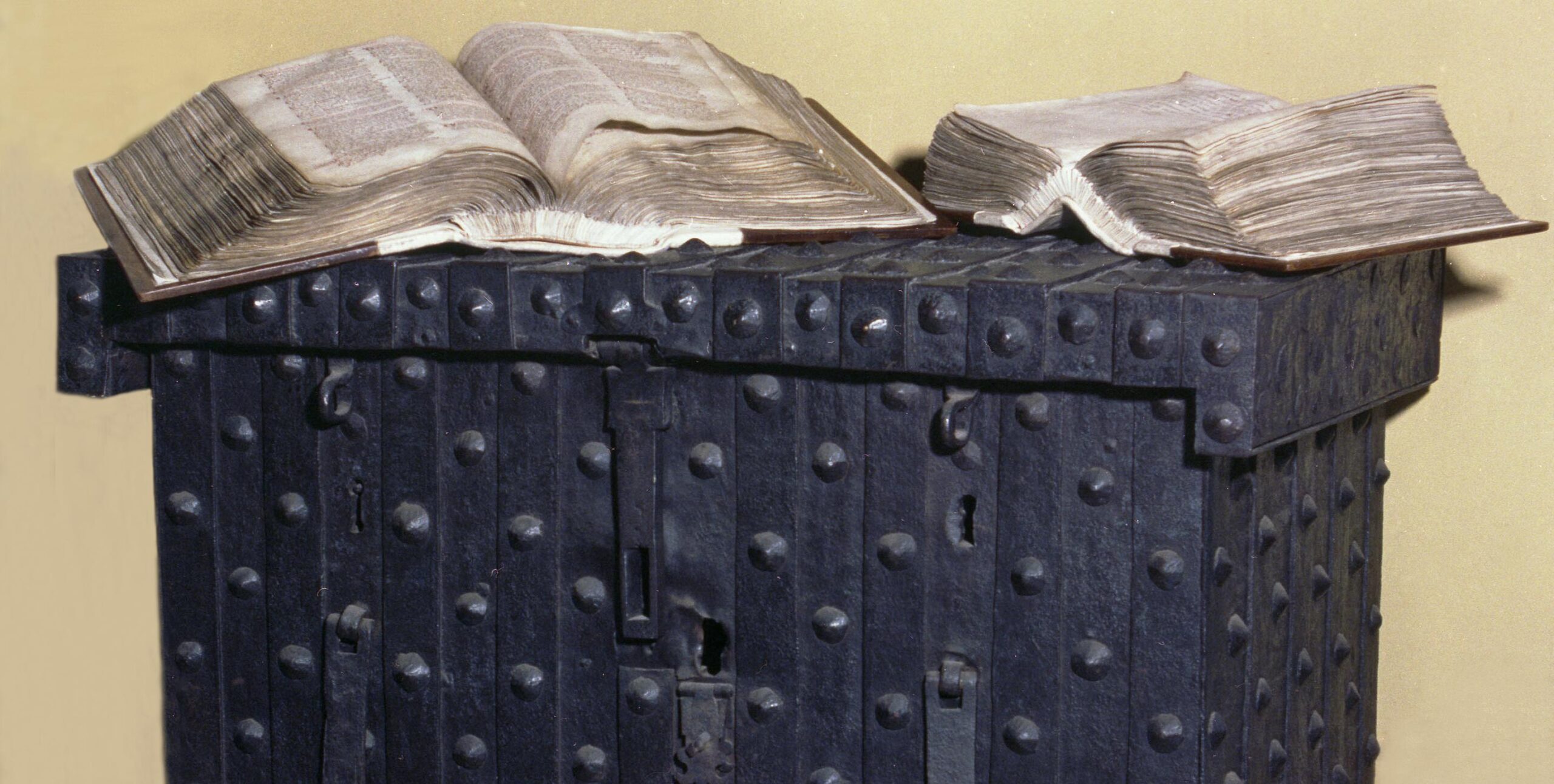
In the onsite workshop students will explore what makes a document from the past special, or a ‘treasure.’ Is it just about being gold and shiny? Could the only surviving document about a Victorian child be more valuable than one of hundreds of images of Elizabeth I? This session develops skills of observation and enquiry though careful investigation of historical sources, identifying key features such as date, and considering their value.
The two-hour workshop is led by an experienced history educator in an inspiring learning space at The National Archives in Kew. Students get to view a range of original documents including a Tudor wax seal, a telegram sent to mark the Moon Landing and a Victorian child’s prison record. The workshop is highly interactive, incorporating storytelling and group discussion.
What to expect in the online workshop:
In this online workshop your students will investigate what makes a document from the past special or a ‘treasure’. Is it just about being gold and shiny? Could the only surviving document about a Victorian child be more valuable than one of hundreds of images of Elizabeth I? This session develops skills of observation and enquiry though careful investigation of historical sources, identifying key features such as date, and considering their value.
The one-hour online session in your classroom is led by an experienced history educator. You only need a microphone, large screen and webcam to take part. It is very interactive with activities that encourage students to discuss their ideas, working in pairs and table groups. We will provide high-quality materials in advance to be used during the session to support your students’ learning and engagement.
*Note we will adapt the timing of the workshop to fit with your lesson times.
What 'treasures' are there at The National Archives?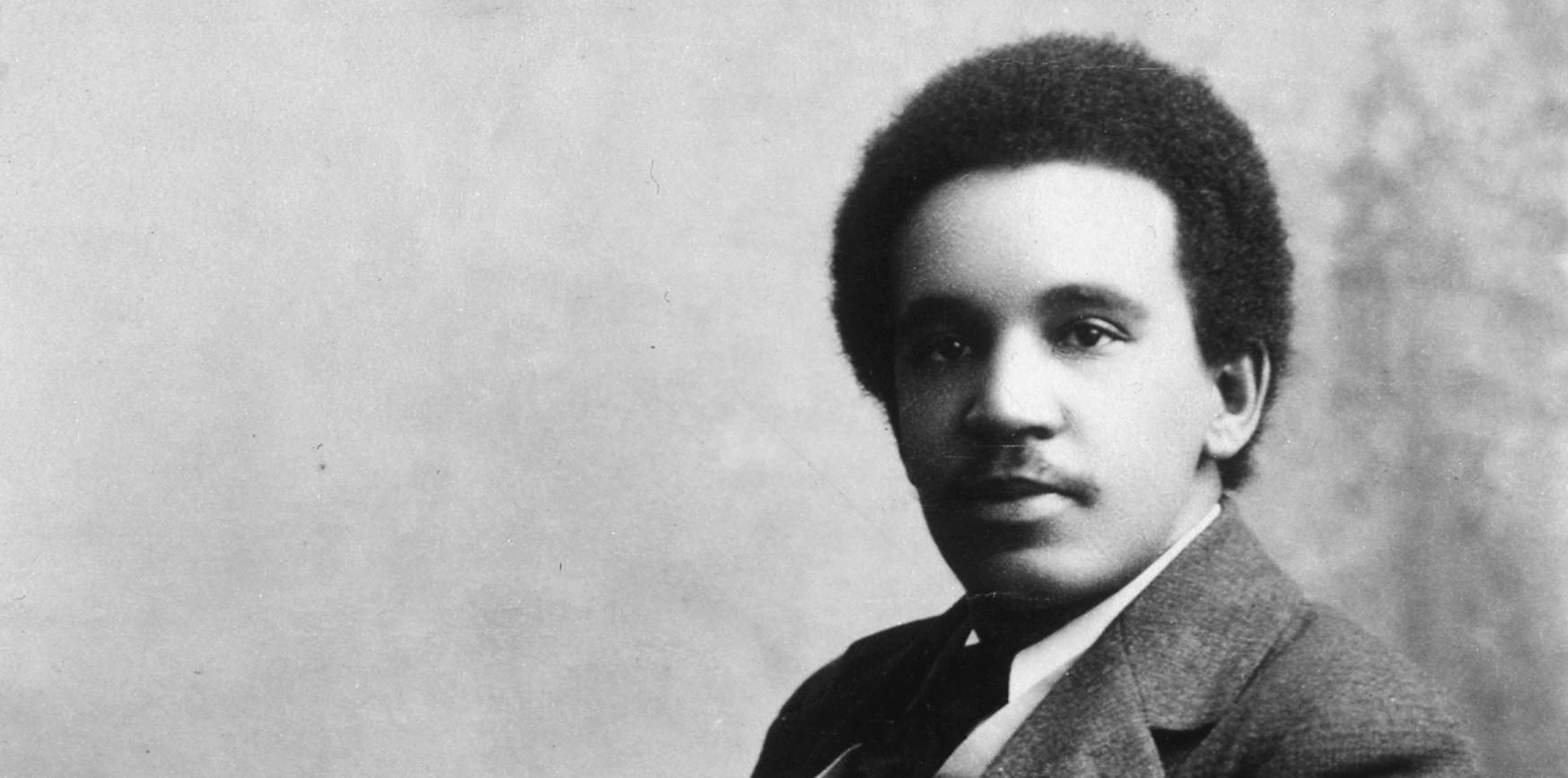
What to expect in the online workshop:
In this online workshop in your classroom students will use a range of different sources, including census records and photographs, to learn about the diverse lives of four Black individuals who lived in Britain in the Victorian era. Pupils investigate what documents can tell us about their lives, but also reflect on the questions they leave unanswered, and consider how these can act as a catalyst for further study. The session will explore themes of migration and identity and allow students to develop their historical enquiry skills by delving into an exciting and growing area of historical research.
The one-hour online session in your classroom is led by an experienced history educator, you only need a microphone, large screen and webcam to take part. Interactive activities encourage students to discuss their ideas and work in groups using high-quality materials provided in advance by the Education team.
*Note we will adapt the timing of the workshop to fit with your lesson times.
Connections to the curriculum: Victorians, Black History, Migration, British Empire.
What to expect in the onsite workshop:
In this onsite workshop students will use a range of different sources, including census records and photographs, to learn about the diverse lives of six Black individuals who lived in Britain in the Victorian era. Pupils investigate what documents can tell us about their lives, but also reflect on the questions they leave unanswered, and consider how these can act as a catalyst for further study. The session will explore themes of migration and identity and allow students to develop their historical enquiry skills by delving into an exciting and growing area of historical research.
The two-hour workshop is led by an experienced history educator in an inspiring learning space at The National Archives in Kew.
How much can documents reveal about the lives of Black people in Victorian Britain?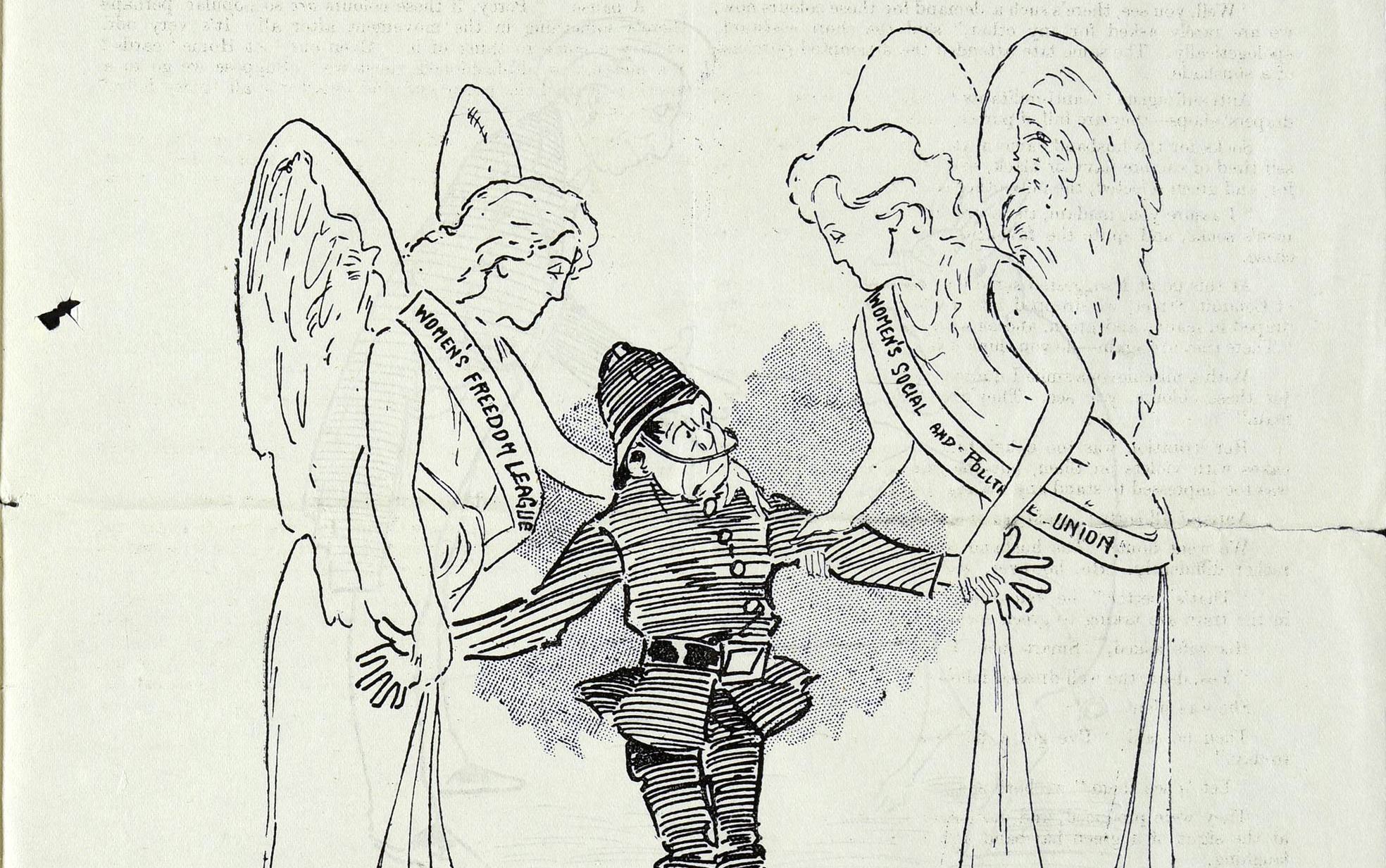
What to expect in the onsite workshop:
In the onsite workshop students explore methods used in the suffrage movement through handling original documents like coded diaries and court testimony. They will examine the state response to the movement through a range of documents housed in Home Office, Metropolitan Police and prison files. This session develops skills in evidential understanding as students will consider why the government archival collection contains more documents related to militancy and what might be missing.
The two-hour workshop is led by an experienced history educator in an inspiring learning space at The National Archives in Kew.
Connections to the curriculum:
KS3
- Challenges for Britain, Europe and the wider world 1901 to the present day: Women’s Suffrage
KS5
- AQA: GCE History, Unit 2M: Wars and Welfare: Britain in Transition, 1906-1957
- OCR: GCE History A, Unit Y111, British Period Study and enquiry: Liberals, Conservatives and the Rise of Labour, 1846-1918
All activities must be booked in advance.
Tel: +44 (0)20 3908 9162
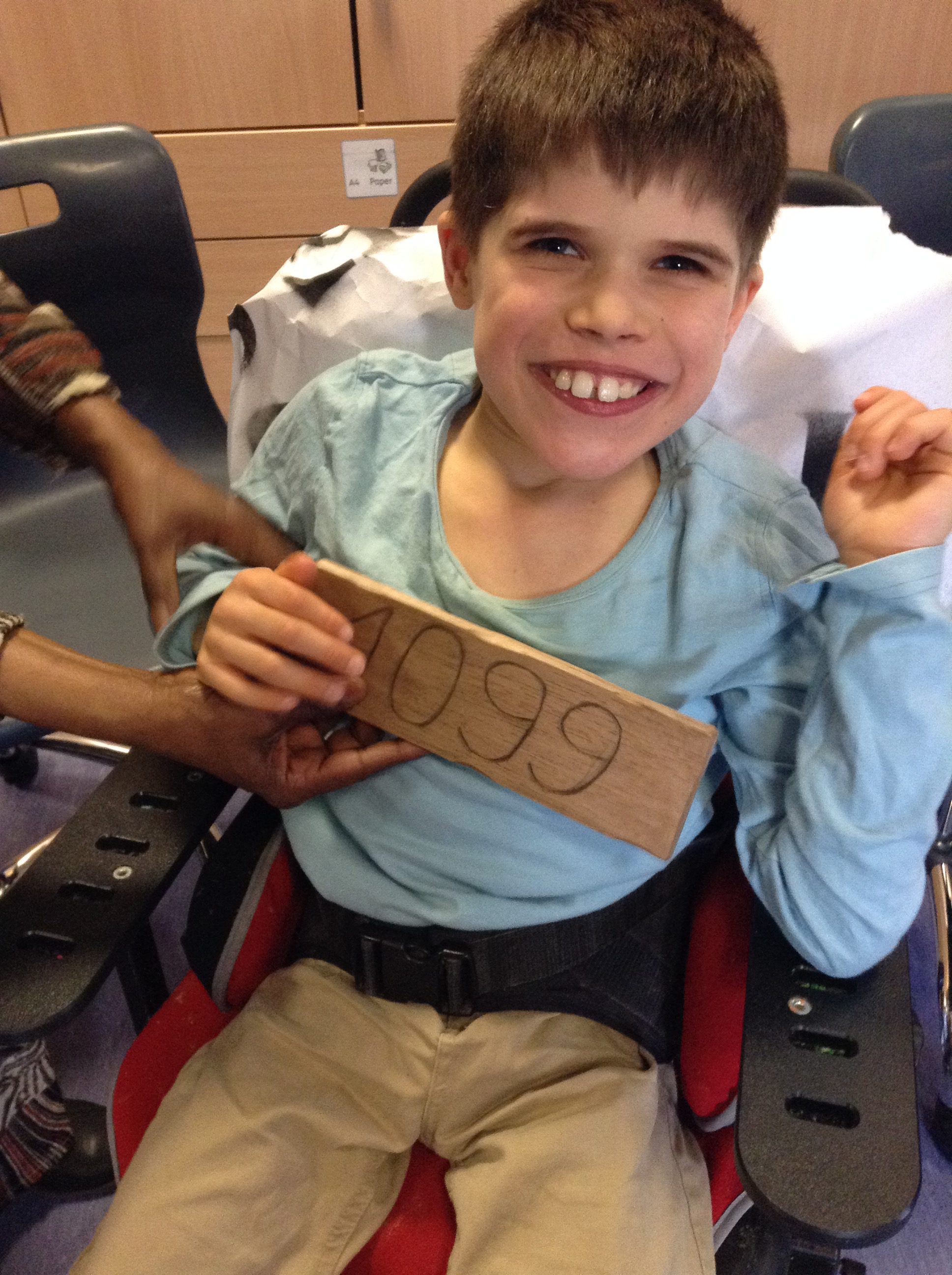
A Student in a Prisoner 4099 workshop
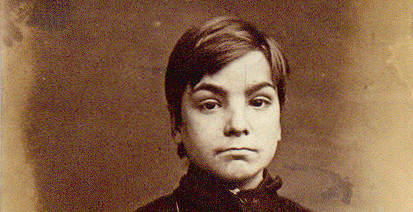
In this immersive experience, your students discover the story of William Towers contained within an archive box.
Through a sensory journey using signed call and response, students find out about William’s life in Victorian London and how he was sent to prison at the age of twelve!
This session is suitable for students with ASC, MLD, SLD and PMLD, and is available at The National Archives or at your school.
Please contact us to find out more information about the session and how we can meet your students’ needs.
Take a look at our SEND orientation materials.
How can we share the experiences of someone who lived in the past?All activities must be booked in advance.
Tel: +44 (0)20 3908 9162
What to expect in the onsite workshop:
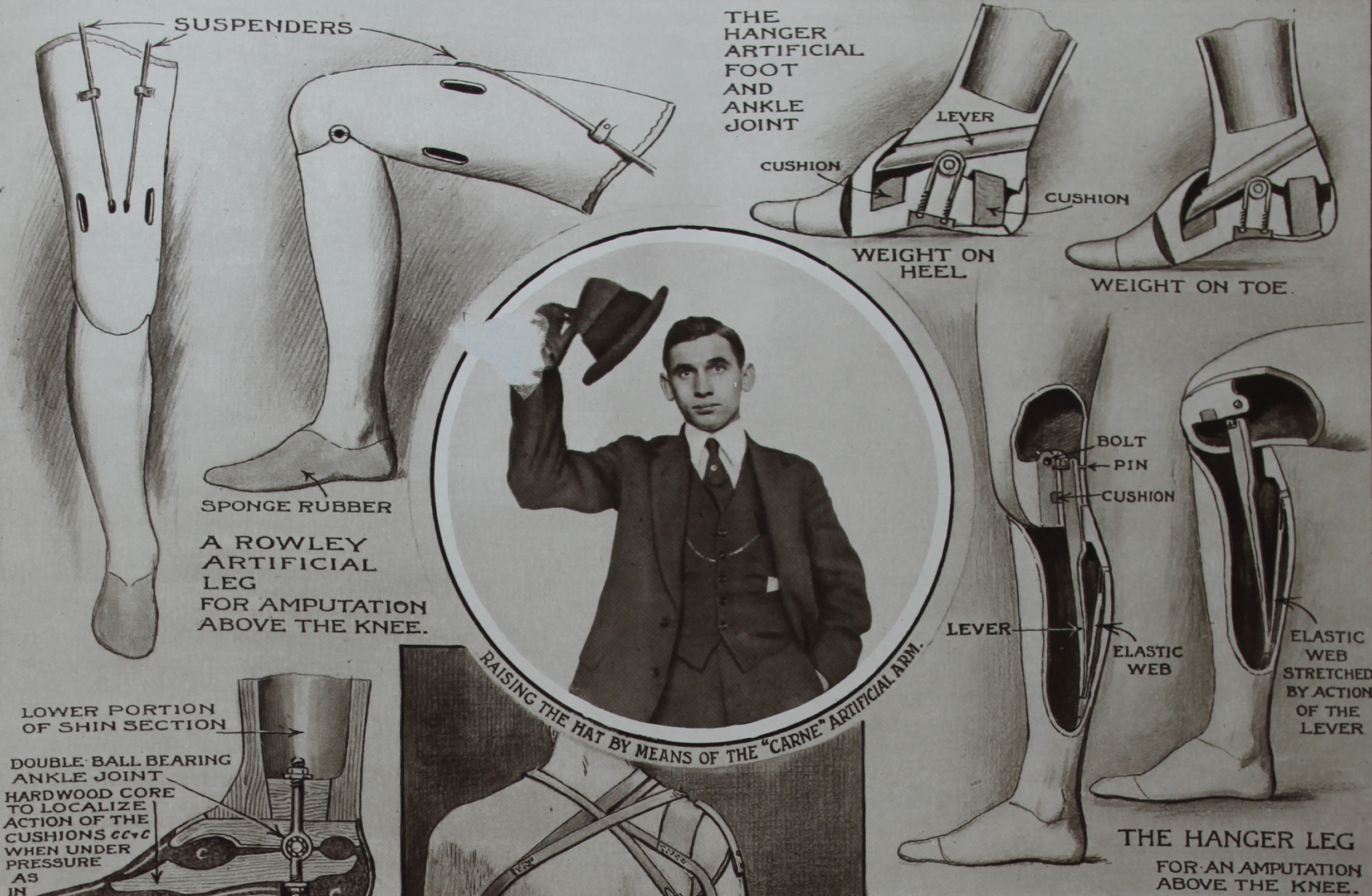
Using original documents, from medical cards completed in the trenches to army service records, students explore fascinating personal stories from the First World War.
In the onsite workshop students explore fascinating personal stories from the First World War using original documents, from medical cards completed in trenches, to army service records. This session develops skills in selecting sources for particular historical enquiries. Students will investigate diverse experiences including a soldier with gas poisoning and a nurse suffering the psychological effects of working in a hospital.
The two-hour workshop is led by an experienced history educator in an inspiring learning space at The National Archives in Kew. Students handle a range of original documents.
What to expect in the online workshop:
In the online workshop in your classroom students will investigate the effectiveness of medical treatment in the First World War, through examining historical documents. Students will gain a deeper understanding into different types of historical documents, from medical forms to government reports. This session develops skills in assessing the usefulness of documents.
The one-hour online session in your classroom is led by an experienced history educator, you only need a microphone, large screen and webcam to take part. Interactive activities encourage students to discuss their ideas and work in groups using high-quality materials provided in advance by the Education team.
*Note we will adapt the timing of the workshop to fit with your lesson times.
Connections to the Curriculum:
- AQA GCSE History: Conflict and tension: the First World War, 1894–1918 The Western Front: military tactics and technology, including trench warfare
- Edexcel GCSE History: Medicine in Britain, c1250 present and The British sector of the Western Front, 1914 18.
- OCR GCSE History: War and British Society c.790 to c.2010: The First World War: the beginnings of ‘total war’, including the impact on people’s lives.
- Edexcel GCE ‘A’ level History: British Experience of Warfare c1760-1918: Trench warfare on the Western Front 1914-1918
All activities must be booked in advance.
Tel: +44 (0)20 3908 9162
What to expect in the onsite workshop:
In the onsite workshop students will examine original documents to explore different methods enslaved people used to resist the system of slavery. These range from day to day acts of resistance like working deliberately slowly to full-scale armed revolts. This workshop contains documents that explore the brutality of British rule in the Caribbean such as punishment lists and laws restricting cultural and religious practices of enslaved people.
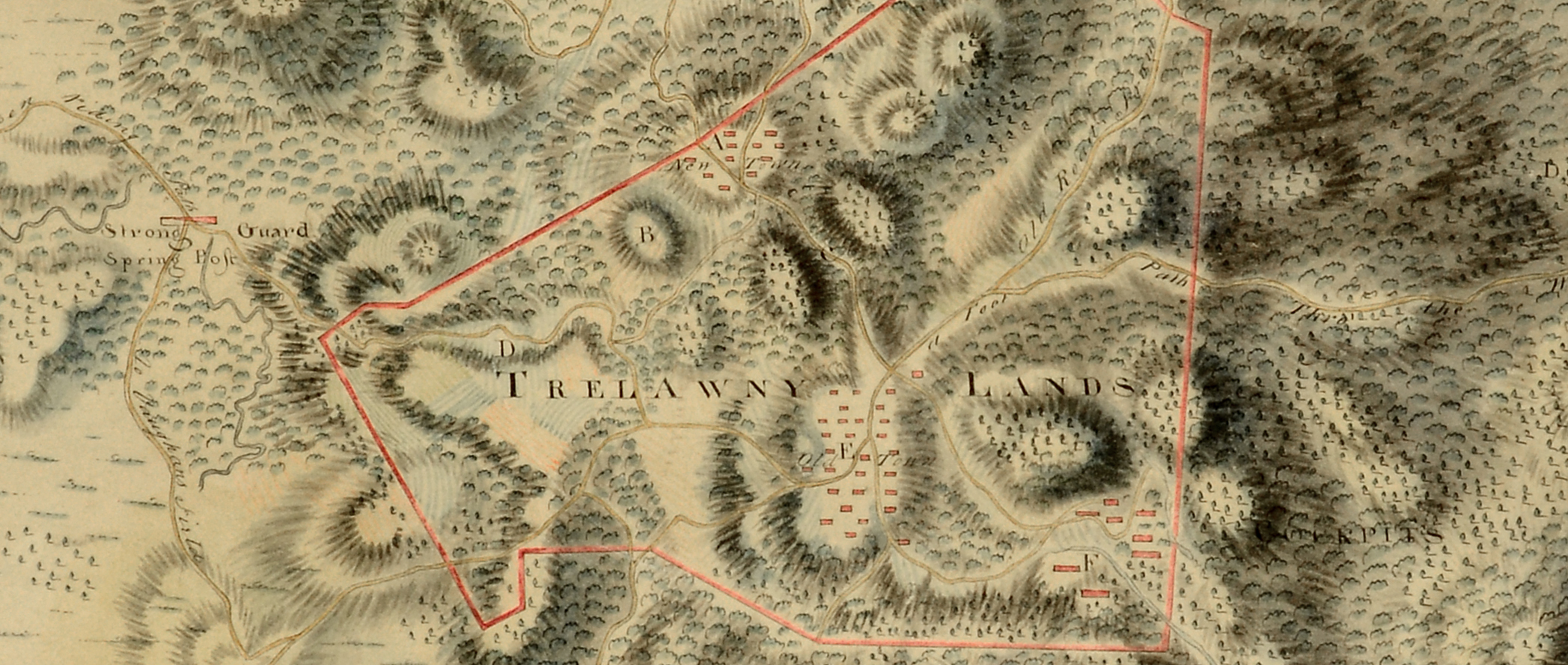
The two-hour workshop is led by an experienced history educator in an inspiring learning space at The National Archives in Kew. Students handle a range of original documents including newspapers, letters and a fascinating map showing the area the Maroons, formally enslaved people in Jamaica settled.
*Note both onsite and online sessions are designed for students who have studied Transatlantic slavery, it is not an introduction to this subject.
What to expect in the online workshop:
In the online workshop in your classroom students will examine documents to explore different methods enslaved people used to resist the system of slavery. These range from day to day acts of resistance like working deliberately slowly to full-scale armed revolts.
The one-hour online session in your classroom is led by an experienced history educator, you only need a microphone, large screen and webcam to take part. Interactive activities encourage students to discuss their ideas and work in groups using high-quality materials provided in advance by the Education team.
*Note we will adapt the timing of the workshop to fit with your lesson times.
How did enslaved people resist?All activities must be booked in advance.
Tel: +44 (0)20 8392 5365
Fax: +44 (0)20 8487 9202
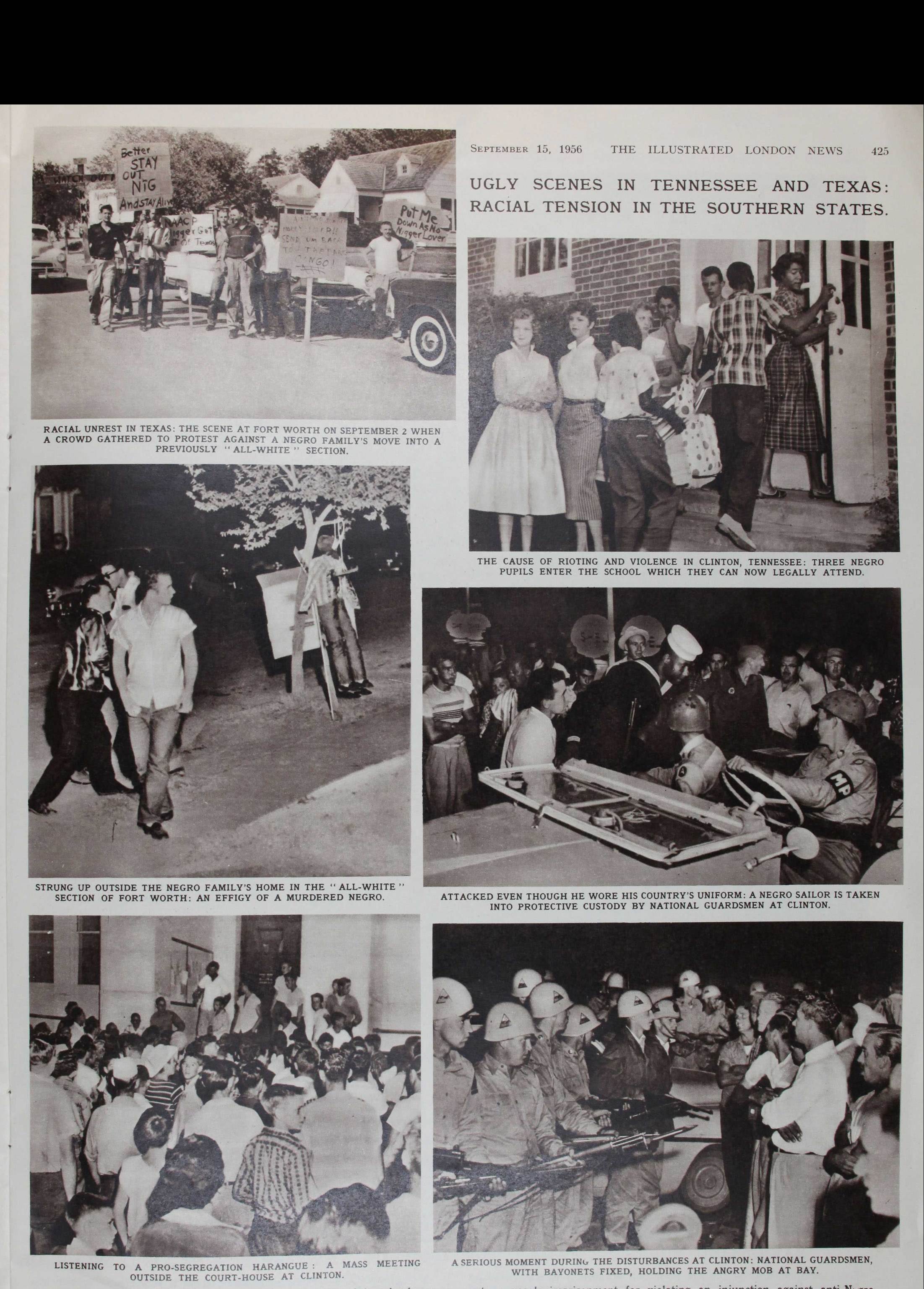
Exploring a range of Foreign Office files produced by the British Government during the presidencies of Eisenhower, JFK and Johnson, students will investigate the response of the ordinary Americans and the US government to segregation within the USA.
How did the response to segregation change over time and why were the British government monitoring the civil rights situation in the first place?
Connections to the curriculum:
A-Level:
- AQA: AS AND A-Level History, Unit 2Q: The American Dream: reality an illusion, 1945-198
- EDEXCEL: A- Level History, Paper 1, Option 1F, In search of the American Dream: The USA, 1917-96
- OCR: A-Level History, Unit Y319: Civil Rights in the USA 1865-199
Available as: On site workshop. Find out more about the types of session we offer.
This session is not designed to be an introduction to the topic and students should have knowledge of the topic in advance of attending the workshop.
What was the response to racial segregation in the US?All activities must be booked in advance.
Tel: +44 (0)20 8392 5365
Fax: +44 (0)20 8487 9202
What to expect in the onsite workshop:
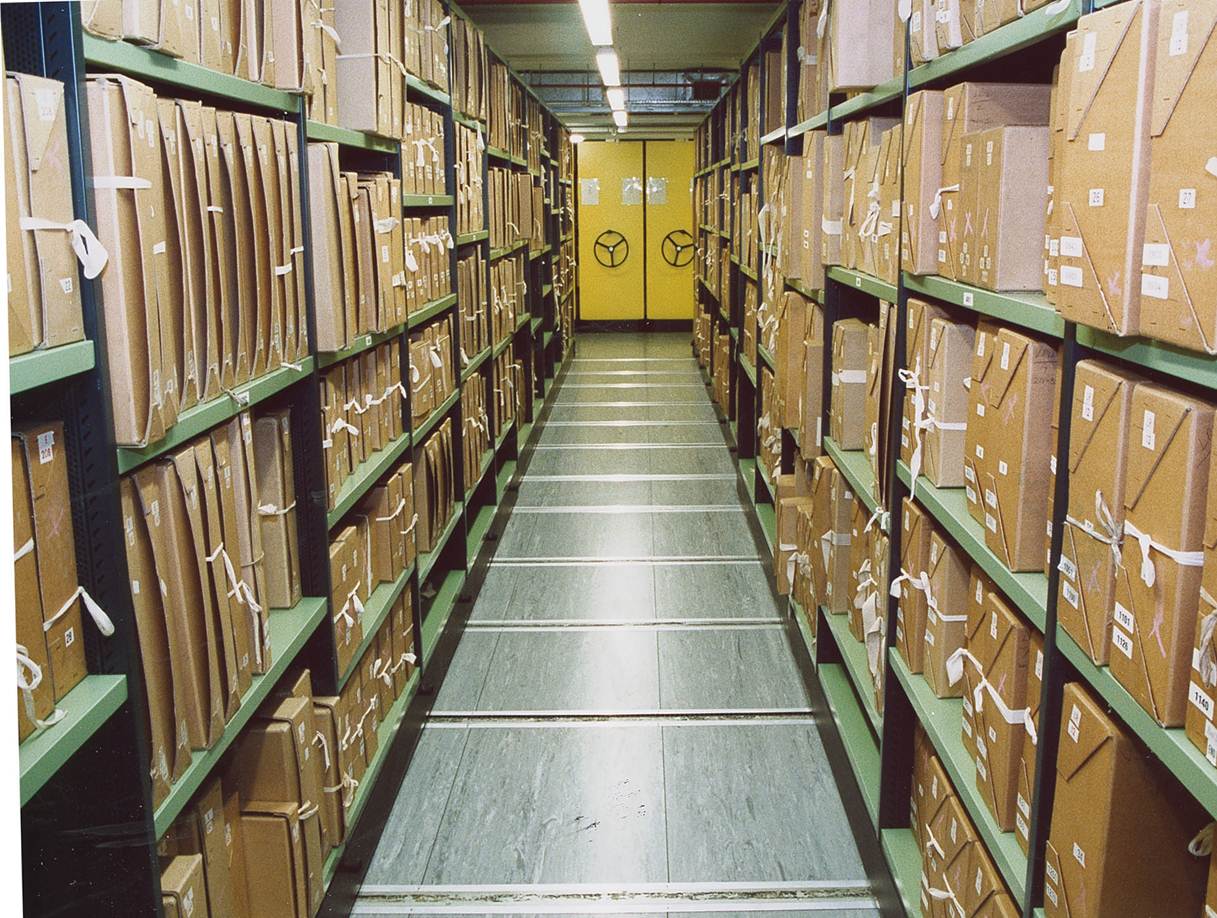
In the onsite workshop students will get the opportunity to investigate a selection of original historical documents around a theme. This session develops skills in document analysis and strengthens understanding about how history is constructed.
The two-hour workshop is led by an experienced history educator in an inspiring learning space at The National Archives in Kew. There will be an introduction to archives and the provenance of the document collection relating to the theme students are studying. For instance, if focusing on the Tudors, students will gain understanding about how the State Paper collection at the archives was formed. In the second hour of the workshop there will be an opportunity for learners to handle a wealth of original documents, particularly valuable for coursework or extended project qualification.
Sessions are available on the following themes:
- English Civil War
- Partition of British India
- Health and the Poor Law
- Suffragettes
- Cold War
If there are other themes you would like to be explored you can contact us via email. We cannot guarantee we can fulfil your request.
Available as: On site workshop. Find out more about the types of session we offer.
What can archives reveal about the past and how history is constructed?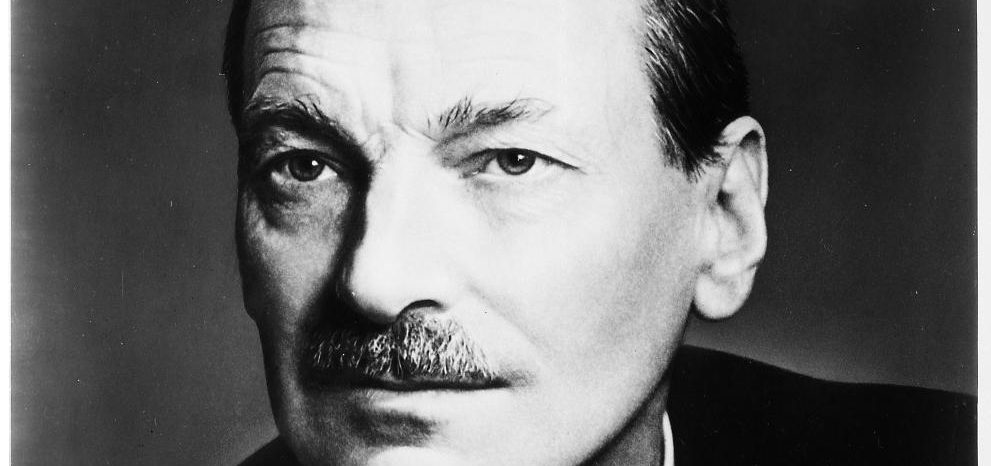
What to expect in the onsite workshop:
In this onsite workshop, students explore Britain’s transition from the end of the Second World War to the early stages of the Cold War (1945-51), with a particular focus on analysing the nature and extent of British preoccupations.
The two-hour workshop is led by an experienced history educator in an inspiring learning space at The National Archives in Kew. Students will handle and work with a range of original documents, including ‘Top Secret’ prime ministerial and cabinet papers and telegrams, which offer a unique insight into British concerns at this time.
What to expect in the online workshop:
In the online workshop in your classroom students will explore Britain’s transition from the end of the Second World War to the early stages of the Cold War (1945-51), with a particular focus on analysing the nature and extent of British preoccupations during this uncertain period.
The one-hour online session in your classroom is led by an experienced history educator, you only need a microphone, large screen and webcam to take part. Interactive activities encourage students to discuss their ideas and work in groups using high-quality materials provided in advance by the Education team.
This session is not designed to be an introduction to the topic and students should have knowledge of the topic in advance of attending the workshop.
Connections to the curriculum:
- AQA: GCE History, Unit 2R: The Cold War, c1945-1991
- OCR: GCE History, Unit Y113: Britain 1930-1997: British Period Study: Britain’s position in the world 1951-1997 (Enquiry topic: Churchill 1930-1951)
- OCR: GCE History, Unit Y223: Non-British Period Study: The Cold War in Europe, 1941-1995
- Edexcel: GCE History, Paper 3, Option 37.1: The changing nature of warfare, 1859–1991: perception and reality
- Edexcel: GCSE History, Period Study 4: Superpower relations and the Cold War, 1941–91
- AQA: GCSE History, BC Conflict and tension between East and West, 1945–1972
Available as: Onsite workshop, Online workshop. Find out more about the types of session we offer.
How concerned were the British in the early stages of the Cold War?All activities must be booked in advance.
Tel: +44 (0)20 3908 9162
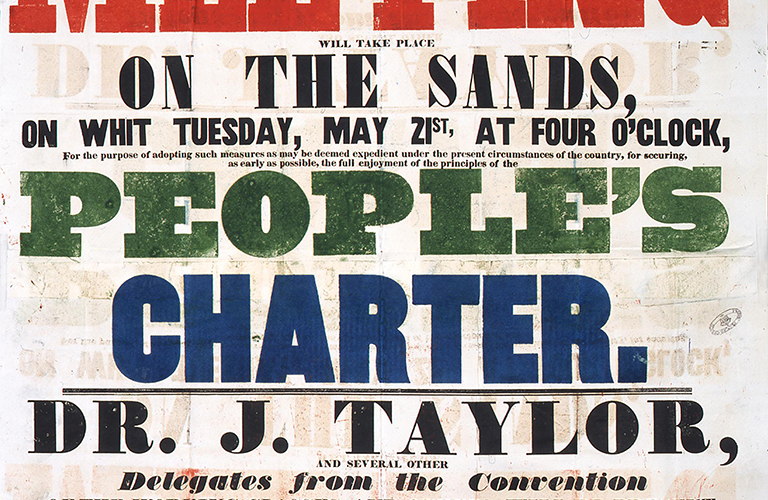
This session examines Chartism through the lens of prison interviews conducted by the Home Office in 1840-1841. Using this material, students gain a fascinating insight into the lives of people participating in the early phases of the Chartist movement.
Connections to the curriculum:
- Edexcel: GCE History, Option 1D, Britain, c1785-c1870: democracy, protest and reform
- OCR: GCE History A, Unit Y110, British Period Study and enquiry: Peel: Britain 1783-1853
Available as: On site workshop. Find out more about the types of session we offer.
Who were the Chartists?All activities must be booked in advance.
Tel: +44 (0)20 8392 5365
Fax: +44 (0)20 8487 9202