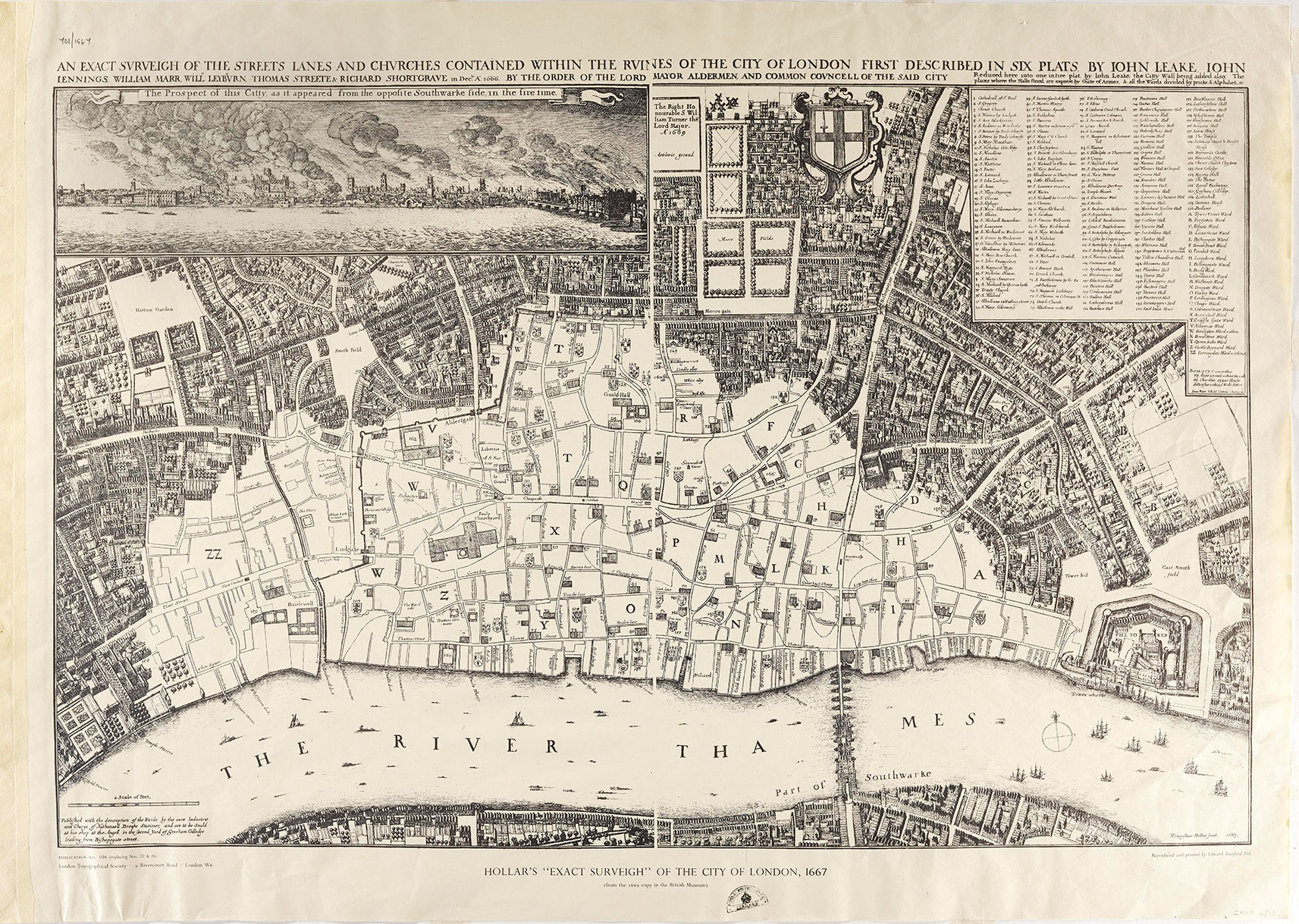
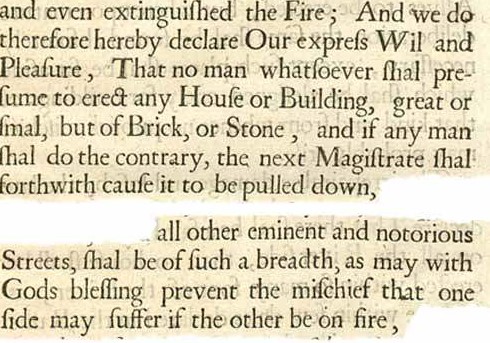

‘From Outbreak to Archive’ is a series of films combining puppetry, model-making and animation created by young people in July 2020. Seeking to explore the history of public health and disease through documents from The National Archives, the young people created, animated, scripted and recorded their films at home as a response to the Covid-19 pandemic.
The young people connected virtually, taking part in document and filmmaking workshops. They considered these questions:
What were the responses of the authorities, what public information was available, and what were the suggested cures and remedies for some of these diseases?
The young people also reflected on their own experiences of the Covid-19 pandemic and brought these considerations to life by weaving them into their films. The resulting films are a poignant testament to the resilience and imagination of the group involved.
The series of films can now be used by teachers and students as brief overviews, introductions or interest points for the various topics explored within the film.
The following questions can be asked of each film:
- What type of documents are shown that inspired the film?
- What do the documents reveal about this disease? For example, how was it treated (cures and remedies)? Does the document capture any personal experiences? How did the government and society respond to the spread of this disease?
- Why do you think this document has been kept at The National Archives?
Explore our related resources to discover more documents related to health and medicine through time.
What do the documents reveal about how government and society dealt with public health in the past?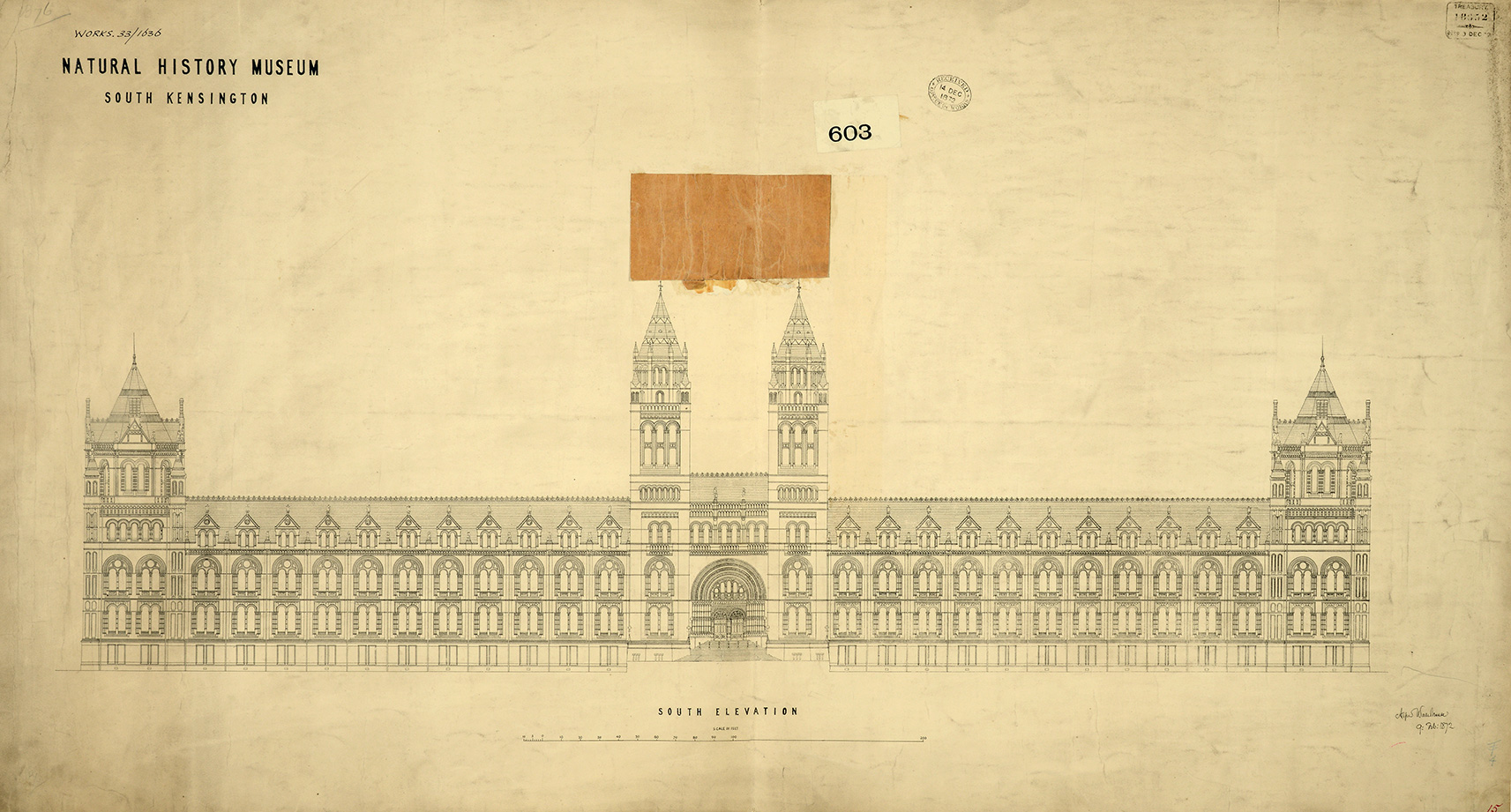
The Natural History Museum houses an amazing collection of over 80 million specimens. These include dinosaur fossils, meteorites, moon rock and preserved animals. Originally the collection was part of the British Museum. By the 1860s the collection had become too large and needed its own space. Richard Owen, the person in charge of the collection, wanted to build a new museum for it. He wanted it to be a ‘cathedral to nature’. The architect Alfred Waterhouse designed the Natural History Museum in a mixture of styles; Gothic Revival style and Romanesque. Work on the new museum began in 1873.
Gothic Revival was a style of building that looked to the past, to the great Gothic churches of the middle ages, for inspiration. Gothic revival buildings were highly decorated with lots of pointed arches and large stained-glass windows.
Romanesque style looked back to ancient Rome for inspiration. Romanesque buildings included lots of rounded arches and symmetrical designs.
Look carefully at the document showing the Natural History Museum.
Fascinating Fact:
There are creatures and plants carved all over the building both inside and out. The idea is to create a feeling of endless variety. The grand central hall at The Natural History Museum has 78 monkeys carved into just three arches.
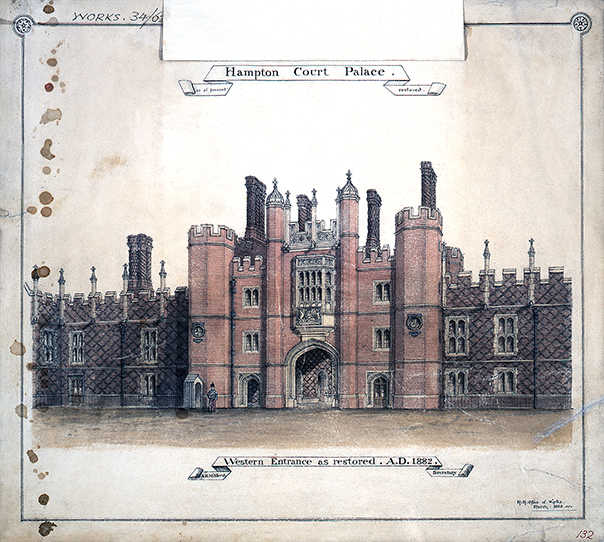
Hampton Court Palace was built around 1520 by a very wealthy and powerful man called Thomas Wolsey. Wolsey was Archbishop of York, he was one of the most senior priests in England at the time and he was also King Henry VIII’s close friend. There was already a great house on the site, but Wolsey transformed it into a fantastic palace. As soon as King Henry saw the palace, he wanted it for himself. In 1528 Wolsey gave Hampton Court Palace to King Henry and it remains the property of the Queen even today. ‘Tudor’ style of architecture is actually a mixture of several important styles at the time. Tudor buildings often included oriel windows (balcony windows that jutted out from the wall) and also low wide arched doorways, patterned brickwork and patterned chimneys.
Look carefully at the document entitled Hampton Court Palace.
Fascinating Fact: Hampton Court has the largest collection of decorative chimneys in England, a staggering 241 decorative chimneys! Each chimney stack design is unique.
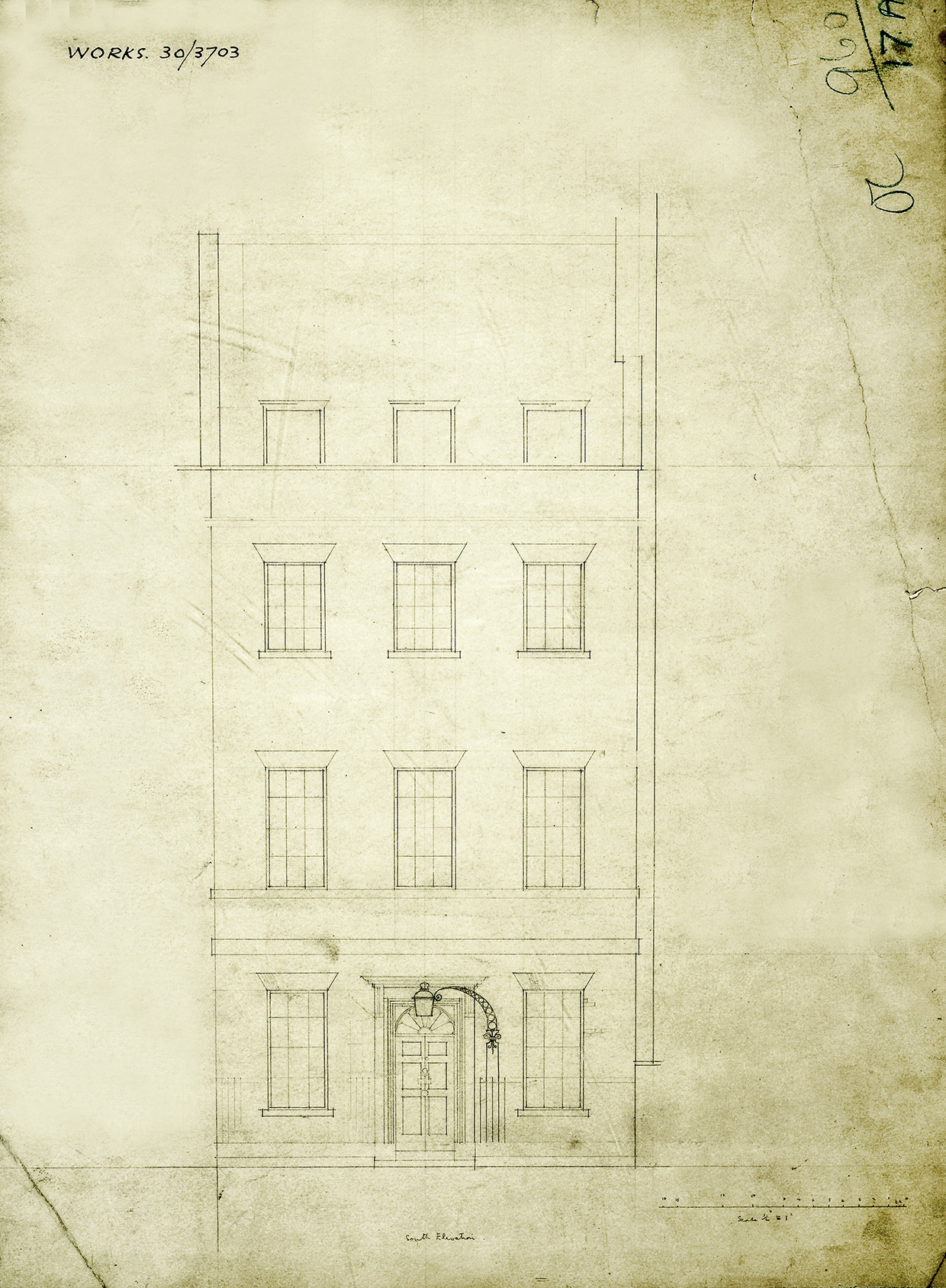
10 Downing Street is one of the most famous addresses in the world. It is the official residence of the Prime Minster of Great Britain and Northern Ireland. The house is part of a terrace of houses built in the 1680s by Sir George Downing who employed the architect Sir Christopher Wren to design the houses and these were sold to wealthy Londoners. In 1735 King George II gave 10 Downing Street to his Prime Minister Sir Robert Walpole and it remains the home of the serving Prime Minister to this day.
10 Downing Street is a good example of Georgian architecture (named after the four King George’s who reigned from 1714-1830). Georgian buildings were usually square or rectangular and symmetrical. They were usually made of brick. Decorations might include a semi-circular fan light above the front door and pillars and columns to each side of the door. The roof was often hidden behind a parapet wall. Look carefully at the document showing 10 Downing Street.
Fascinating Fact: 10 Downing Street was built out of yellow bricks. Due to London’s pollution problems, the house got darker and darker. Today, the bricks are painted black because no one would recognise the building if it was yellow.

Welcome to the Time Travel Club’s activities for Arts Award: Discover at Home’ allowing families to engage with the archive and the arts during the pandemic. The National Archives is an Arts Award centre. Discover at Home offers a foundation in understanding different types of art:
https://learn.artsaward.org.uk/discover-at-home
Arts Award is a nationally recognised qualification which encourages young people to ‘deepen their engagement with the arts [and] build creative and leadership skills’.
The Time Travel Club have created special resources to support ‘Discover at Home’. You can complete the activities and submit your work to us to achieve a certificate, or you can use the resources to structure creative activities at home without the need for a certificate.
The resource theme is ‘Architecture as art’. Using images of real archive documents, you’ll learn about the history of famous buildings including Hampton Court Palace and the Natural History Museum. You’ll explore documents about St Paul’s Cathedral and Sir Christopher Wren, the architect who designed the iconic building. As well as this, you’ll meet an artist who will show you how you can create your own buildings made of recycled materials!
Discover at Home is made up of three main areas of activity:
1. ‘Discover’ – learning about how documents in The National Archives can tell us about famous buildings and architects (16th and 23rd February)
2. ‘Find out’ – learn about an artist today and create your own built environment/buildings (2nd March)
3. ‘Share’ – reflecting on what you have learned (9th March).
You can record your answers in the weekly worksheets which have space for answering questions, drawing, or adding in photos of you completing the activities. You may even like to print out the pictures of the archive documents too!
These activities will be released every Tuesday from 16th February to 9th March. ‘Architecture as art’ will stay open for one month after this, until 18th April, for you to finish your work and send a copy into us via email. We will email you a certificate to celebrate your work!
We hope that you enjoy learning about the history of architecture using unique archive documents. You can contact timetravelclub@nationalarchives.gov.uk should you have any questions.
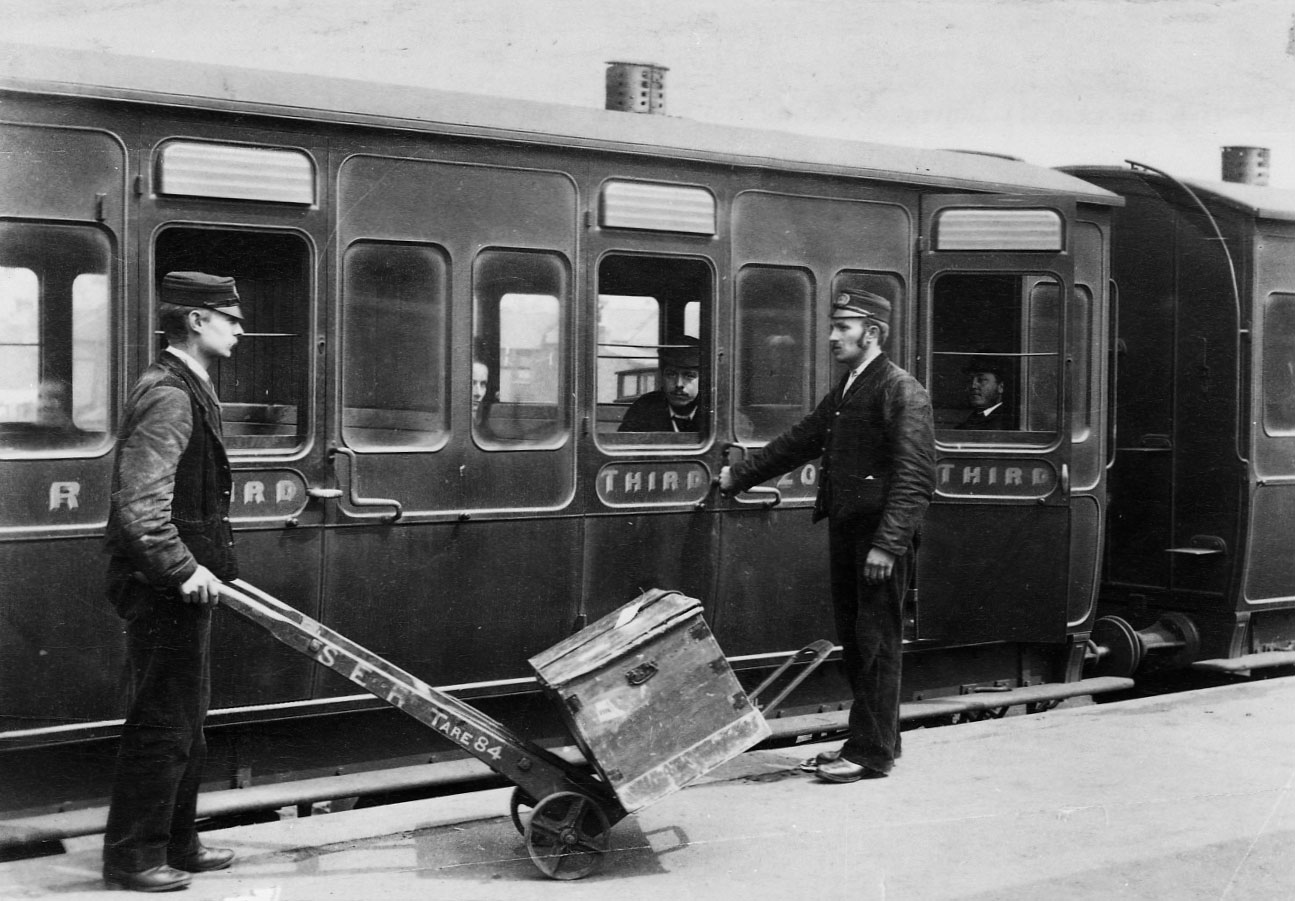
Porters at Greenwich Station 1884. Catalogue Ref: COPY1/369/255

Spudds Family Photograph Tom Browne, 1907. Catalogue Ref: COPY1/329 (3c)
Our day at the seaside is ending. What can we do to remember our day? What have we learned about the Victorian seaside?
The following ‘tasks’ are suggested activities which you can choose from or adapt to make them suitable for your students.
Further information:
Photography
The very first photographic portraits were made in the late 1830s. Early pioneers like Louis Daguerre and Henry Fox Talbot helped to improve the technology of photography and popularise its use. By the end of the 19th century, there was a huge demand for photographic portraits. With the introduction of the Kodak Brownie in 1901, photography became available to the masses.