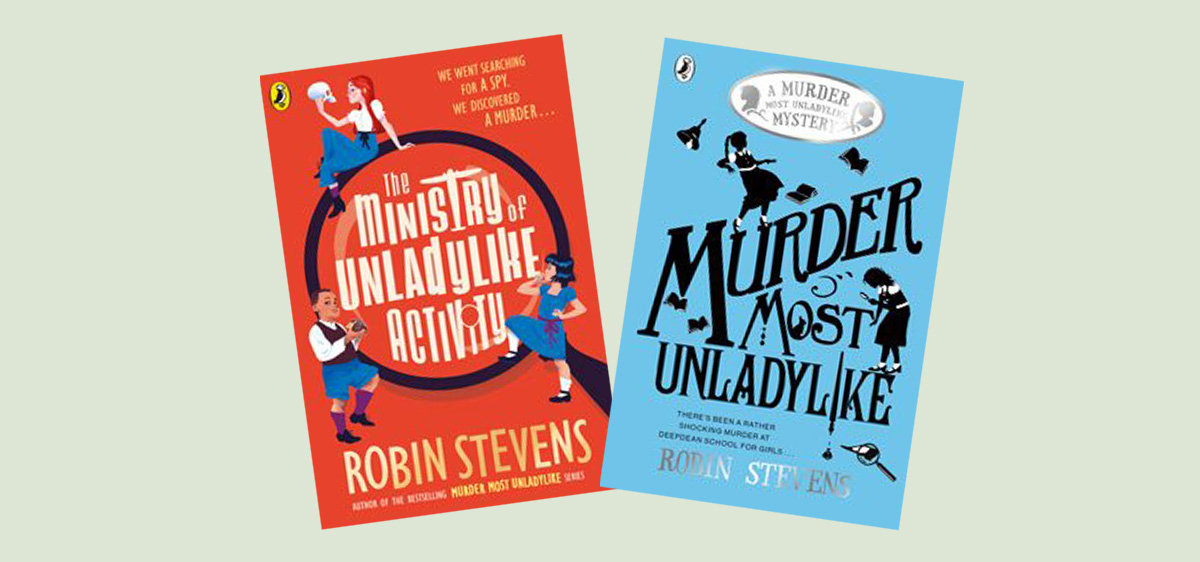
Watch the first of our History Books author event series for schools, kicking off with bestselling author Robin Stevens.
Robin is the author of the ‘Murder Most Unladylike’ and ‘The Ministry of Unladylike Activity’ series, set in the 1930s and 40s where her school-aged detectives solve murders, uncover mysteries and find themselves in a world of secrets and spies. Her characters: Daisy, Hazel, Nuala, May and Eric all encounter a mysterious world that ventures from the seemingly comfortable Deepdean school in Gloucestershire to Hong Kong and Egypt via The Orient Express and Bletchley Park.
‘History Books’ is part of The National Year of Reading 2026 encouraging everyone to Go All In with reading for pleasure.
Our new ‘History Books’ series aims to explore how authors write fiction and non-fiction for children, based on historical research. The events are cross-curricular, focused on English and History, and aim to encourage reading for pleasure for students with an interest in history.
In this session, Robin talks about her process, the research she undertook and how historical records can inspire great stories. We also take a look at some special historical documents from the archives that relate to their books and discover real life historical people and events that can come to life on the page. Students had the opportunity to submit questions which Robin answers at the end of the event.
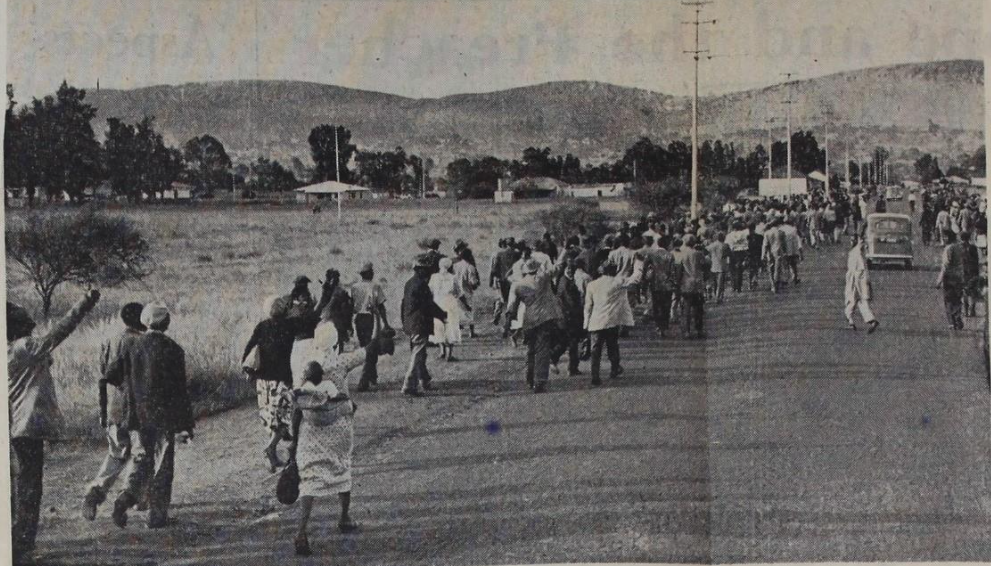
What to expect in the onsite workshop:
Exploring a range of original Foreign Office files produced by the British Government, students will investigate different forms of resistance against the system of apartheid. By using original documents, such as telegrams, diplomatic correspondence and newspaper cuttings, students will undertake their own historical enquiry into the anti-apartheid struggle.
How did the response to apartheid change over time? How did resistance take on different forms? How did the South African government respond to growing protest movements? How useful are British Foreign Office documents for this enquiry?
The two-hour workshop is led by an experienced history educator in an inspiring learning space at The National Archives in Kew. It will develop skills in evidential understanding and historical interpretations.
This session is not designed to be an introduction to the topic and students should have knowledge of the topic in advance of attending the workshop.
Links to the curriculum:
A-Level:
AQA GCE History
‘The winds of change’, 1947–1967 the growth of nationalist movements and reactions to them.
OCR GCE History
Apartheid and Reconciliation: South African Politics 1948–1999
Edexcel GCE History
South Africa, 1948–94: from apartheid state to ‘rainbow nation’
What can British Government documents tell us about resistance against apartheid in South Africa?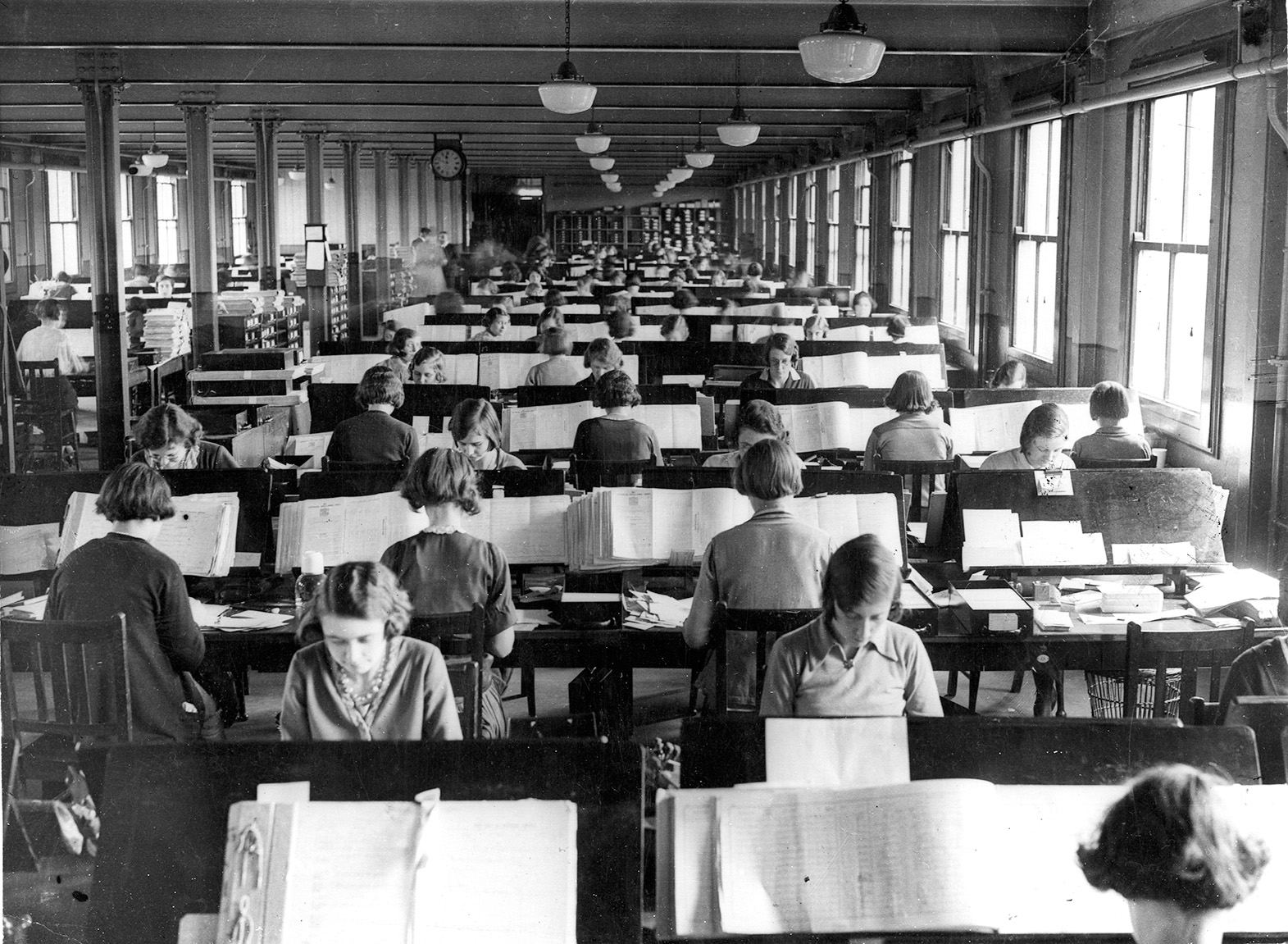
Registrar General Records
We hope you enjoyed watching our Education Service video with Jessamy Carlson, Twentieth Century Records Specialist at The National Archives looking at the 1921 census records from the Registrar General collection at The National Archives, Catalogue ref: RG 15/26412
The first official census was taken in 1801, but the census of 1841 is regarded as the first modern census as it was run by a new registration service. A form had to be completed by the head of the household on behalf of everyone in the household on a certain day. After 1851 the age of each person, their relationship within the family (such as wife, son or daughter) occupation (job) and place of birth were recorded.
Now try and answer the following questions:
- What type of material can we find in the Registrar General collection?
- When did the Office for National Statistics take over the collection of the census?
- How often is a census taken in Britain?
- When was the most recent census taken?
- Why must census records remain closed for 100 years before we can look at them?
- Where are census records for Scotland and Ireland held?
- What is (a) an enumeration district (b) an enumeration postcard?
- What information must be supplied on the household census form?
- What is the use and value of census information for the government?
- Why is the census an important source for historians and researchers?
Document 1
A census form, or schedule, issued to a single residence in East Cardiff, Wales (written in English) for the 1921 census, Catalogue ref: RG 15/26412
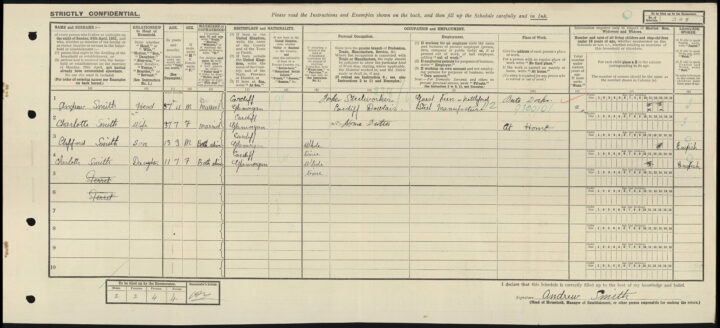
- What can we find out from this census about the lives of the children listed?
- What is the employment of the ‘Head of the household’ (‘father’)?
- What does this census infer about the economy of the area? How could we find out more about this?
- How is the ‘wife’ of the household employed?
- Why do you think the census enumerator has crossed out ‘ferrets’?
- Why do you think the householder listed these animals?
- Why is the form signed at the bottom by Andrew Smith?
Document 2
A census form, or schedule, issued to a single residence in East Cardiff, Wales (written in English) for the 1921 census, Catalogue ref: RG 15/26412
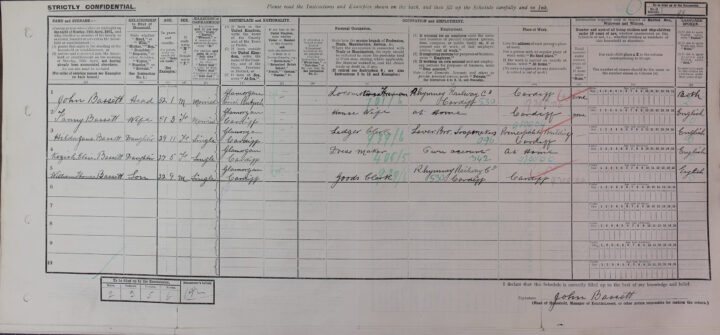
- What can we find out from this census about the lives of the children?
- What is the employment of the ‘Head of the household’ (‘father’)?
- What does this census infer about the economy of the area? How could we find out more about this?
- How is the ‘wife’ of the household employed?
- What does this extract from census infer about the social status of the family?
- Does it reveal anything about the role or position of women in the 1920s?
- Compare this page of the census to Document 1. Can you explain any differences between them?
Document 3
Photograph of women working on the census schedules at the Census Office, Acton, 1931, Catalogue ref: RG 54/5
This photograph is one of a series of Civil Service publicity photographs showing different activities undertaken at the Census Office in Acton, London, including punching of machine cards, stacking and filing schedules for the 1931 census; and the using the Powers-Samas printing/counting/sorting machines.
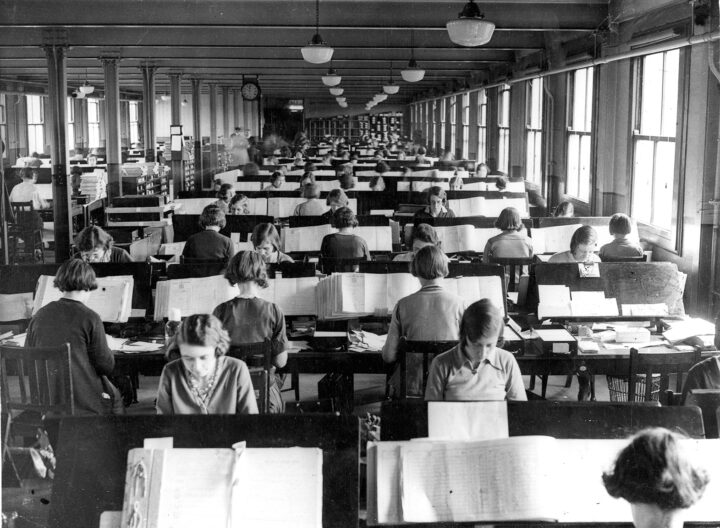
- Why do you think this photograph was taken during the 1931 census?
- Who would be the audience for this photograph?
- What does this photograph infer about changes in women’s employment with reference to Documents 1 & 2?
- What other information does the photograph reveal?
Document 4
Census extract for the district of Margaret and St John Civil Parish, in the borough of Westminster, London, 1911, Catalogue ref: RG 78/16/5/3/24 (7)
Emily Davidson found hiding in the crypt of Westminster Hall during the 1911 census.
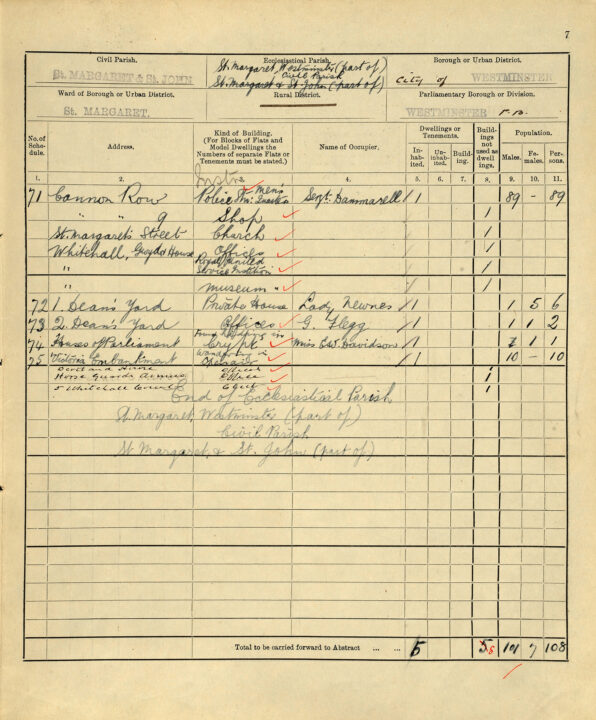
- Which buildings were occupied and recorded on this census return for 1911?
- Who was Emily Davidson (listed as E.W. Davidson)?
- Why was Emily Davison hiding in the crypt of Westminster Hall in the Houses of Parliament?
- Find out why the 1911 census was significant for the Suffragette movement.
- Look at different page from the 1911 census which links to the Suffragette movement. What does it reveal?
Extension activities
- Carry out a comparative study of the same street over time in 1911 and 1921. What similarities or differences that can be detected?
- Use the census to compare different regions of the country at the same time or over a period. What social changes are reflected in census records from 1911 and 1921?
Connections to Curriculum
Key stage 3
They should understand how different types of historical sources are used rigorously to make historical claims and discern how and why contrasting arguments and interpretations of the past have been constructed.
Challenges for Britain, Europe and the wider world 1901 to the present day; could include: the Suffragettes.
Key stage 4
Historical Inquiry: Students learn how historical evidence is used to make claims and to construct different historical arguments and interpretations.
Analytical Skills: Students develop the ability to interpret information and evaluate its utility.
AQA GCSE History:
Britain: Power and the people: c1170 to the present day
OCR GCSE History:
Power: Monarchy and Democracy in Britain c.1000 to 2014
Related Resources
Here you can find a comparative study of the same street over time across censuses
Discover Victorian family history
Find snapshots of an era in Twenties Britain Part One and Part Two
Take a peek into how Victorian lives and Victorian Industrial Towns were
Suitable for: KS4 and KS5
Dates: 2nd – 6th February 2026
Duration: The session lasts for 60 minutes and is bookable in the morning.
The National Archives do not have a charge for their part of the session.
Westminster Abbey cost: £24 per class for UK schools
Please visit to book: Secondary | Westminster Abbey
Join us for this exciting online workshop using historical evidence to explore how Henry VII established his legacy. Suitable for GCSE and A-level students.
In partnership with Westminster Abbey.
This special event is brought to you in partnership with Westminster Abbey. The Abbey is a place that’s touched the lives of kings, queens, statesmen and soldiers, poets, priests, heroes and villains since 960 AD. Westminster Abbey has been the coronation church since 1066 and is the resting place of more than 3,000 great Britons. Find out more about their Learning programme here: Learning | Westminster Abbey
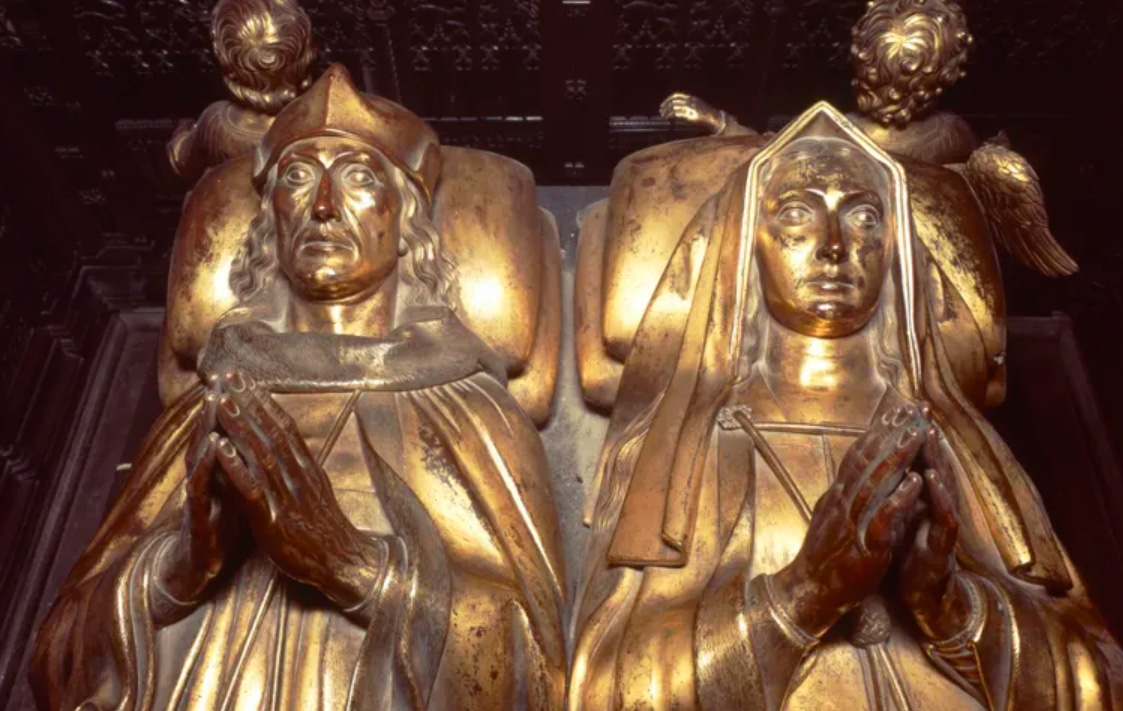
In this special joint session between The National Archives and Westminster Abbey, explore how Henry VII consolidated his power at the end of his reign. A-level History students will have the chance to use archival documents and the Abbey building (including Henry VII’s tomb) as historical evidence to learn how he set out to protect his dynasty, and his soul.
Curriculum links
AQA: 1C The Tudors: England, 1485–1603
Edexcel: Lancastrians, Yorkists and Henry VII, 1399–1509
OCR: Unit Y105 England 1445–1509: Lancastrians, Yorkists and Henry VI
WJEC: Government, Rebellion and Society in Wales and England c.1485-1600
How did Henry VII establish and protect his legacy?You can find a PDF version of the below help box in our downloadable resource pack.
| Census help box | |
| Head of family | This was normally the man in the family at this time, often the father/husband. |
| “Do” | This means the same as the person above. For example, they could have the same surname or the same job. |
| Occupation | Job |
| Carman | A person who drove horse drawn carriage to transport goods. |
| Brass moulder | A person who makes moulds from patterns. |
| Dock labourer | A manual labourer who loads and unloads cargo from ships at a port. |
| Scholar | A school pupil |
| General Dealer | A shop keeper who deals in many kinds of goods. |
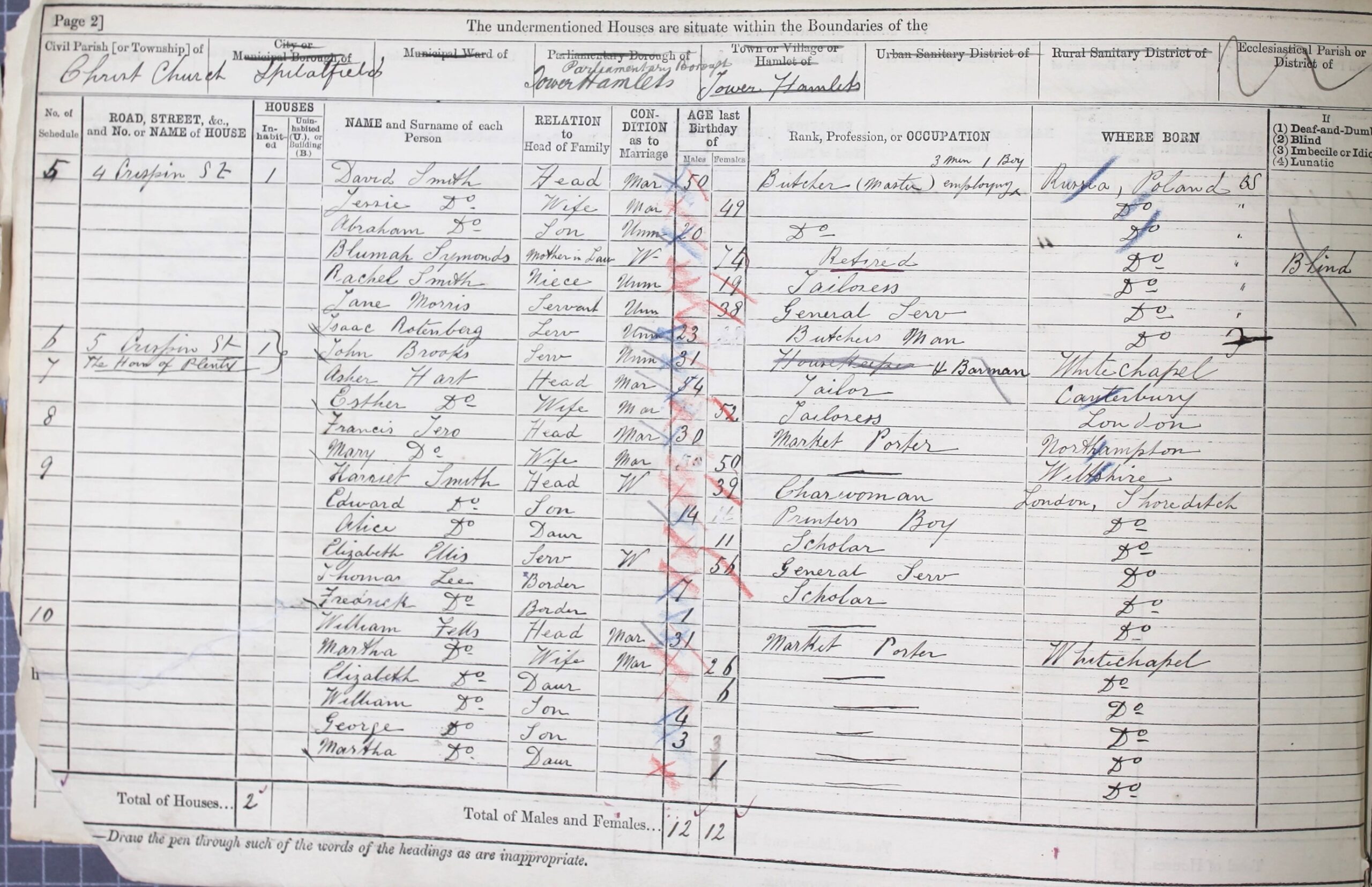
Census activity 2 (Jewish migration story) – photo and transcript. Catalogue Ref: RG 11/437
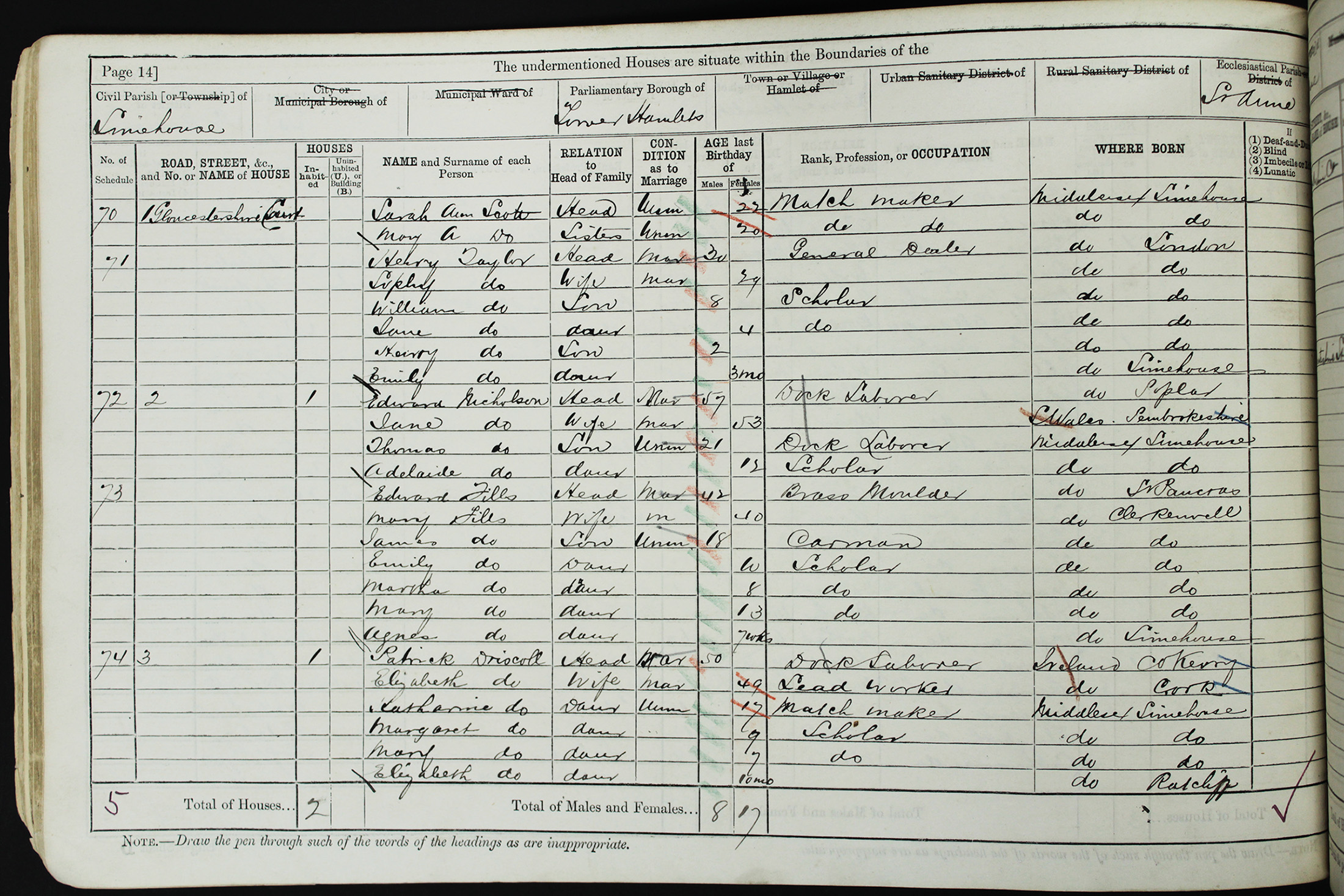
Census activity 1 (Irish migration story) – photo and transcript. Catalogue Ref: RG 11/467
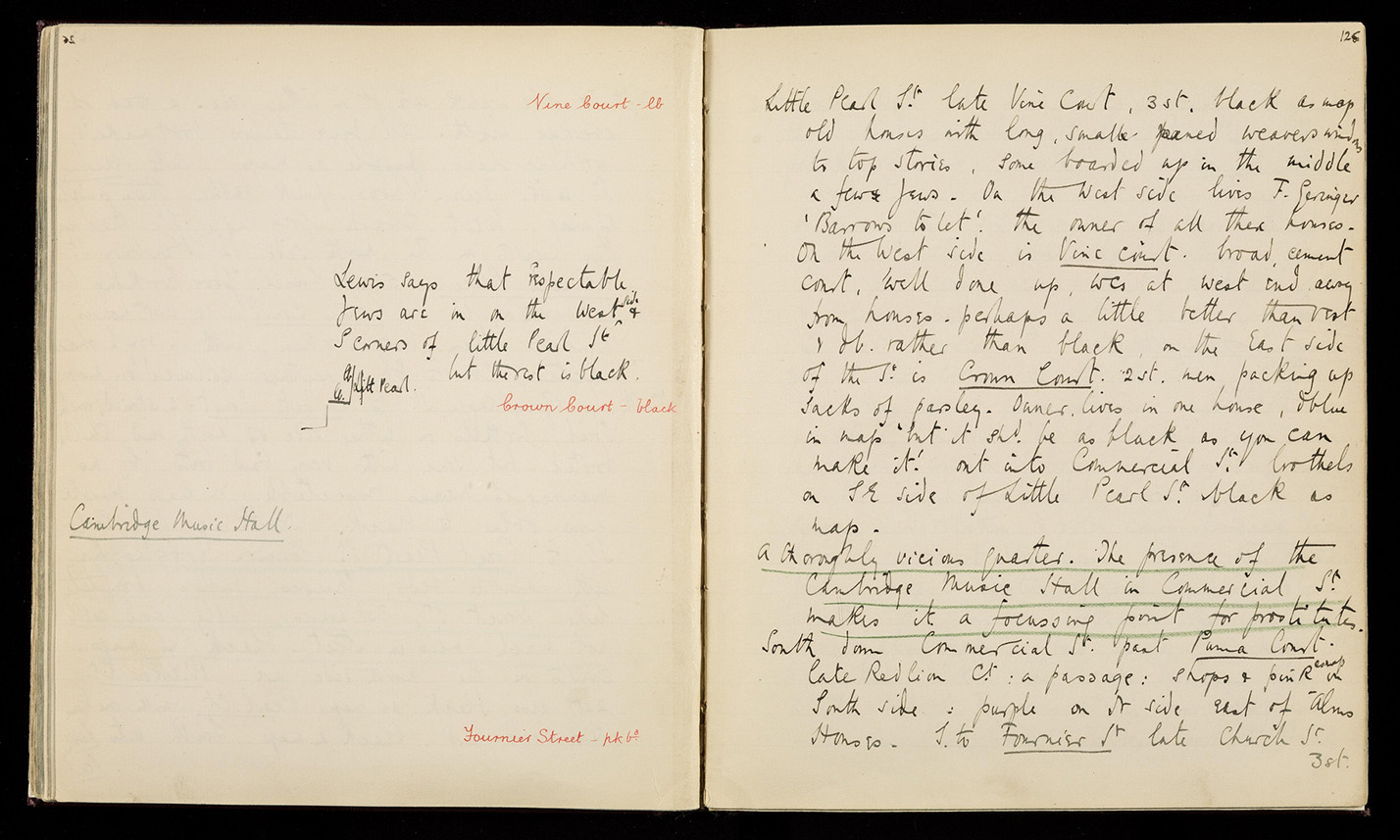
Page from notebook from Charles Booth’s Inquiry into Life and Labour in London (1886-1903). LSE Library, BOOTH/B/351 p131
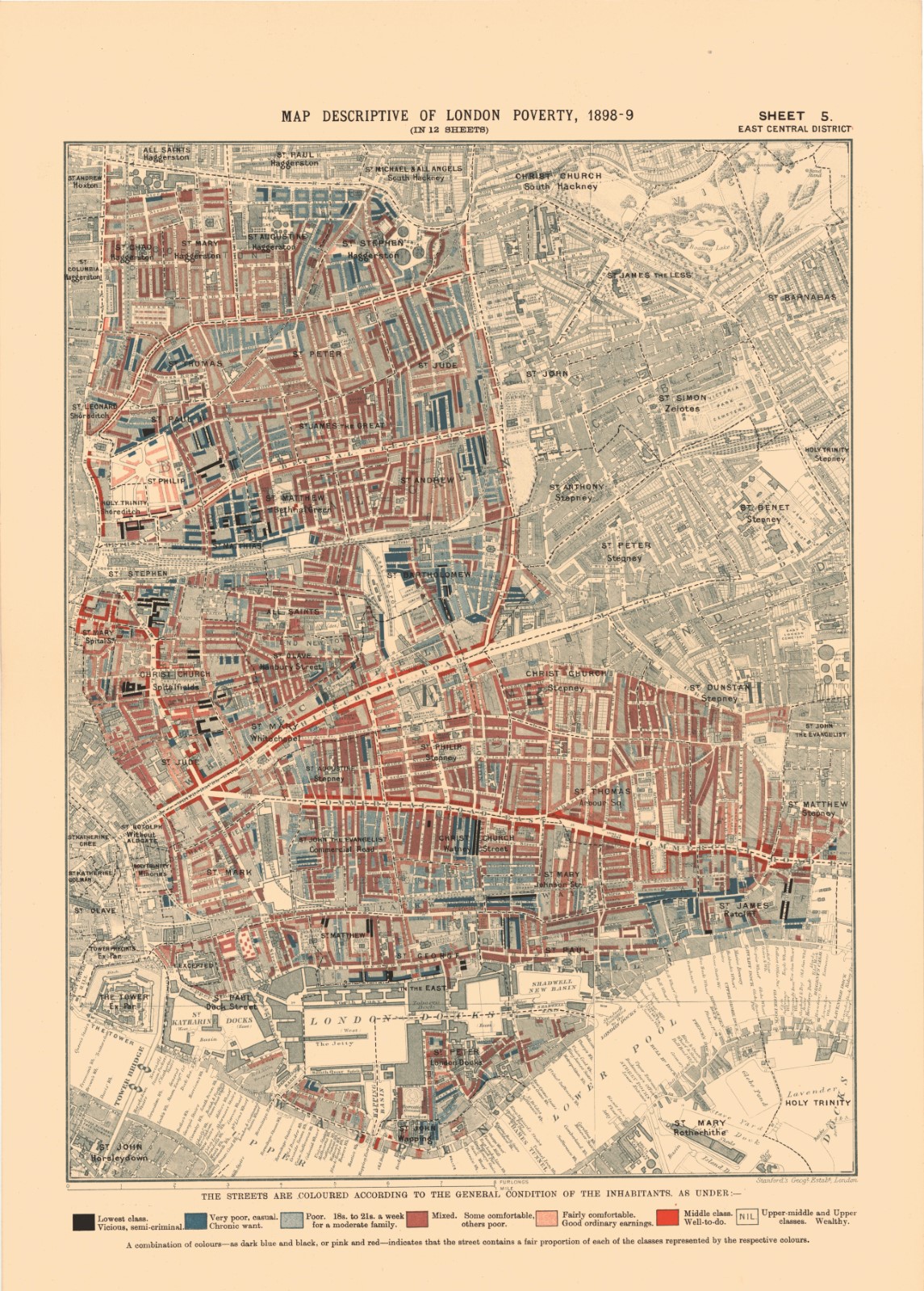
Charles Booth’s poverty map of London, 1898-9, sheet 5. LSE Library
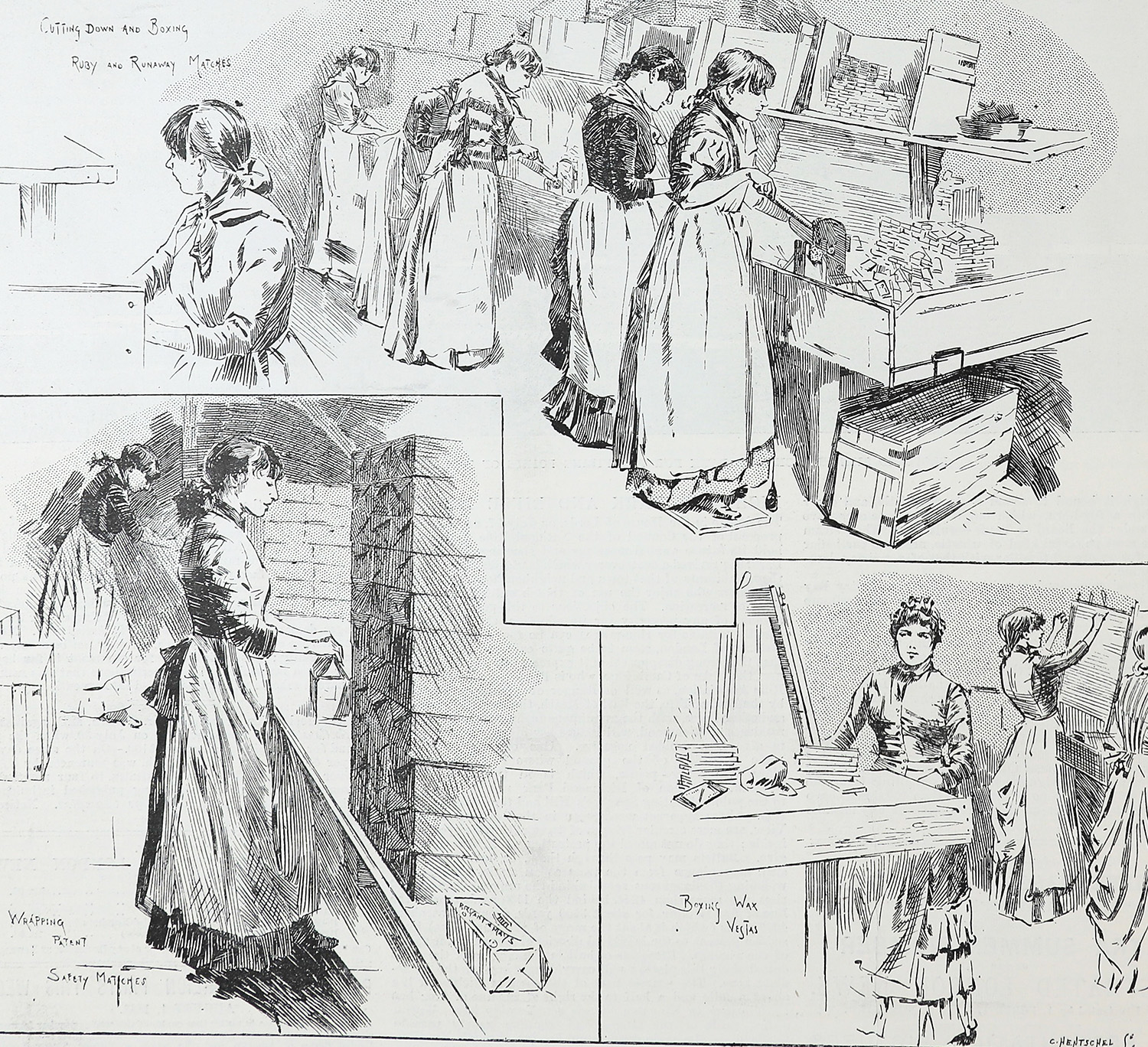
Illustrated London News, 1888. Catalogue ref: ZPER 34/93
During the event, a variety of documents will be displayed on the screen for each of the three stories. One of the documents we will refer to for the Irish migration story is the below document from The Illustrated London News. It shows women and girls undertaking different stages of the match making process at the Bryant and May factory. If time permits, you may find it useful to print out copies of this image and discuss the following questions with your students:
- Describe the types of work you can see in the image.
- Can you spot any potential dangers?