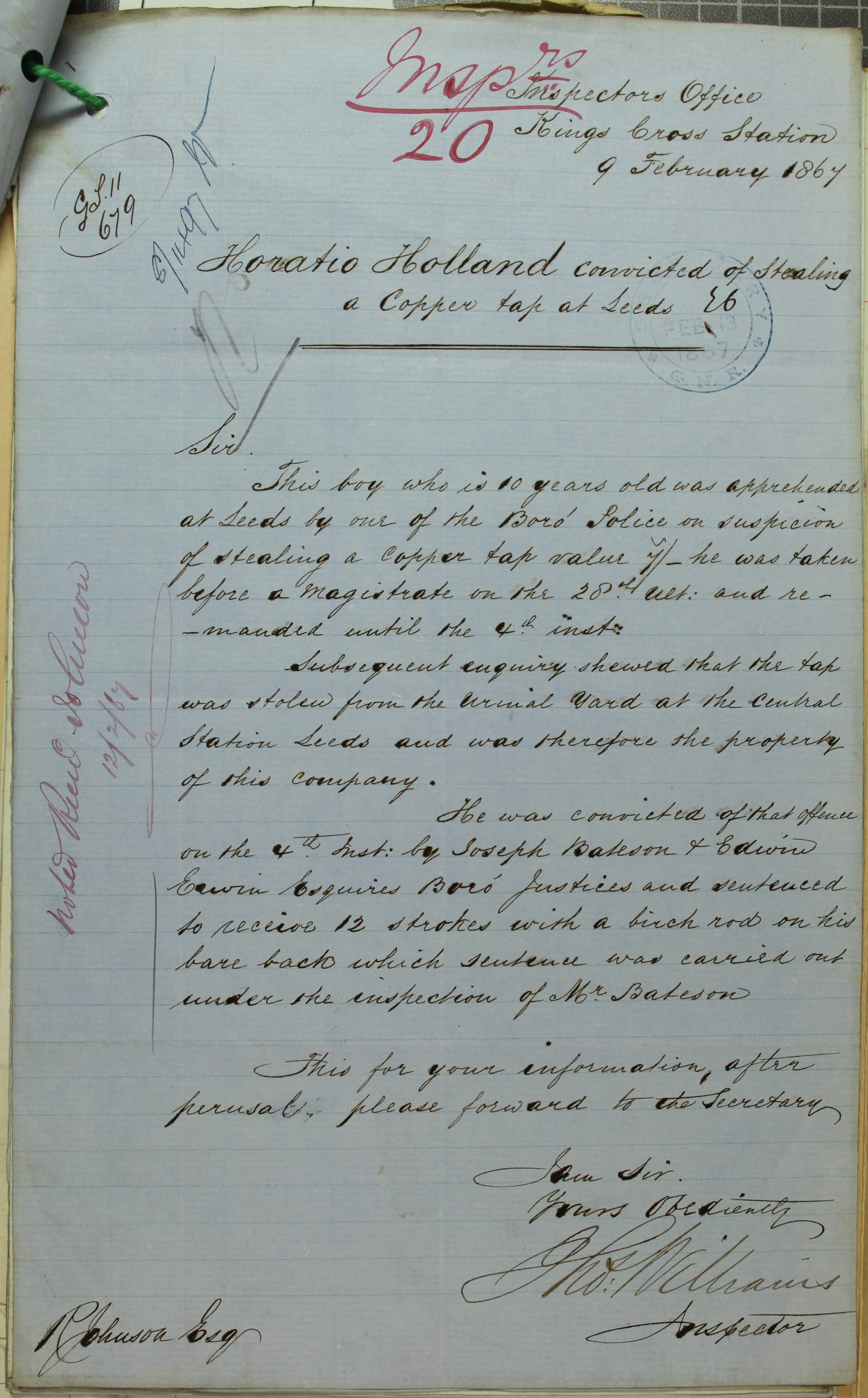

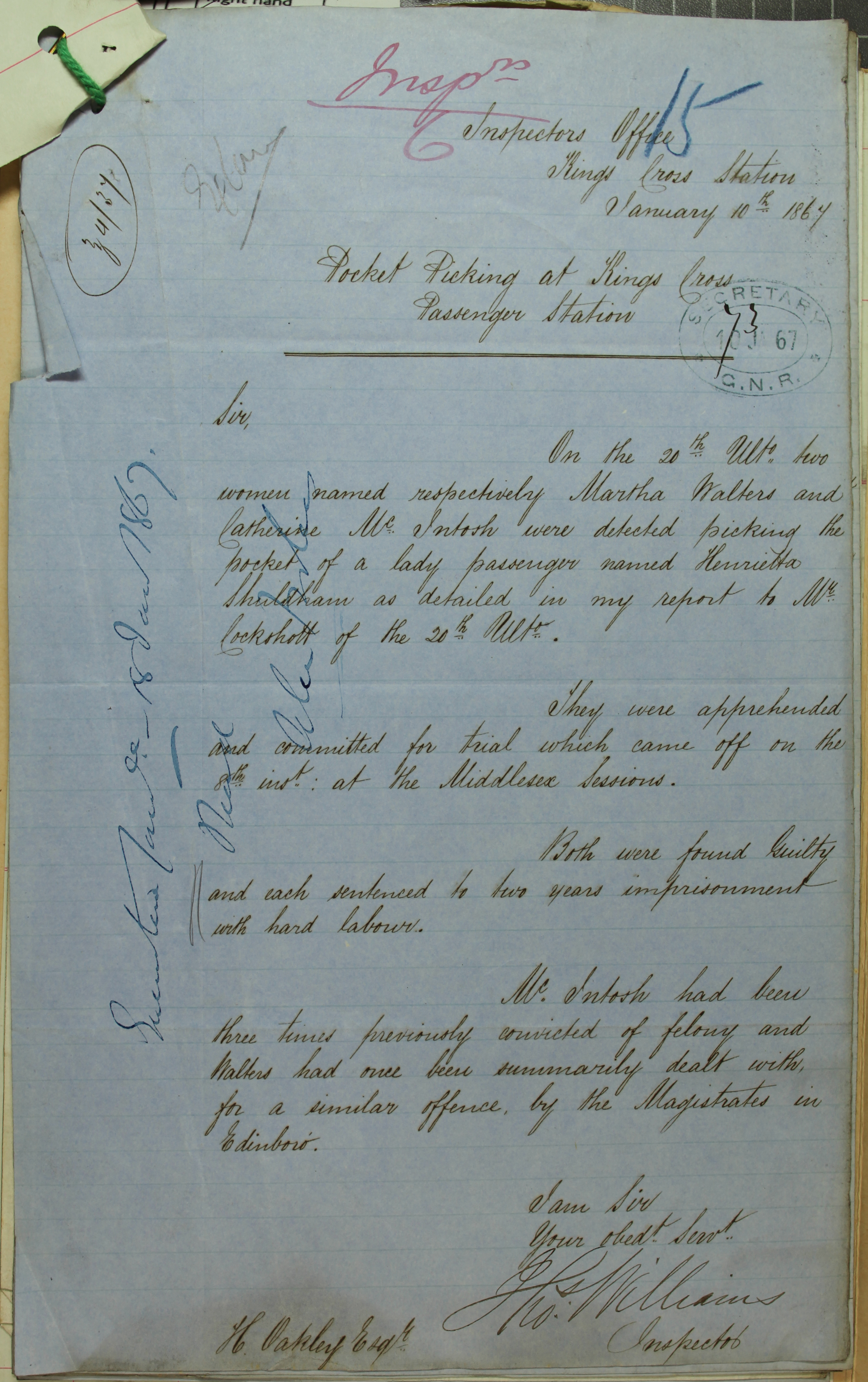
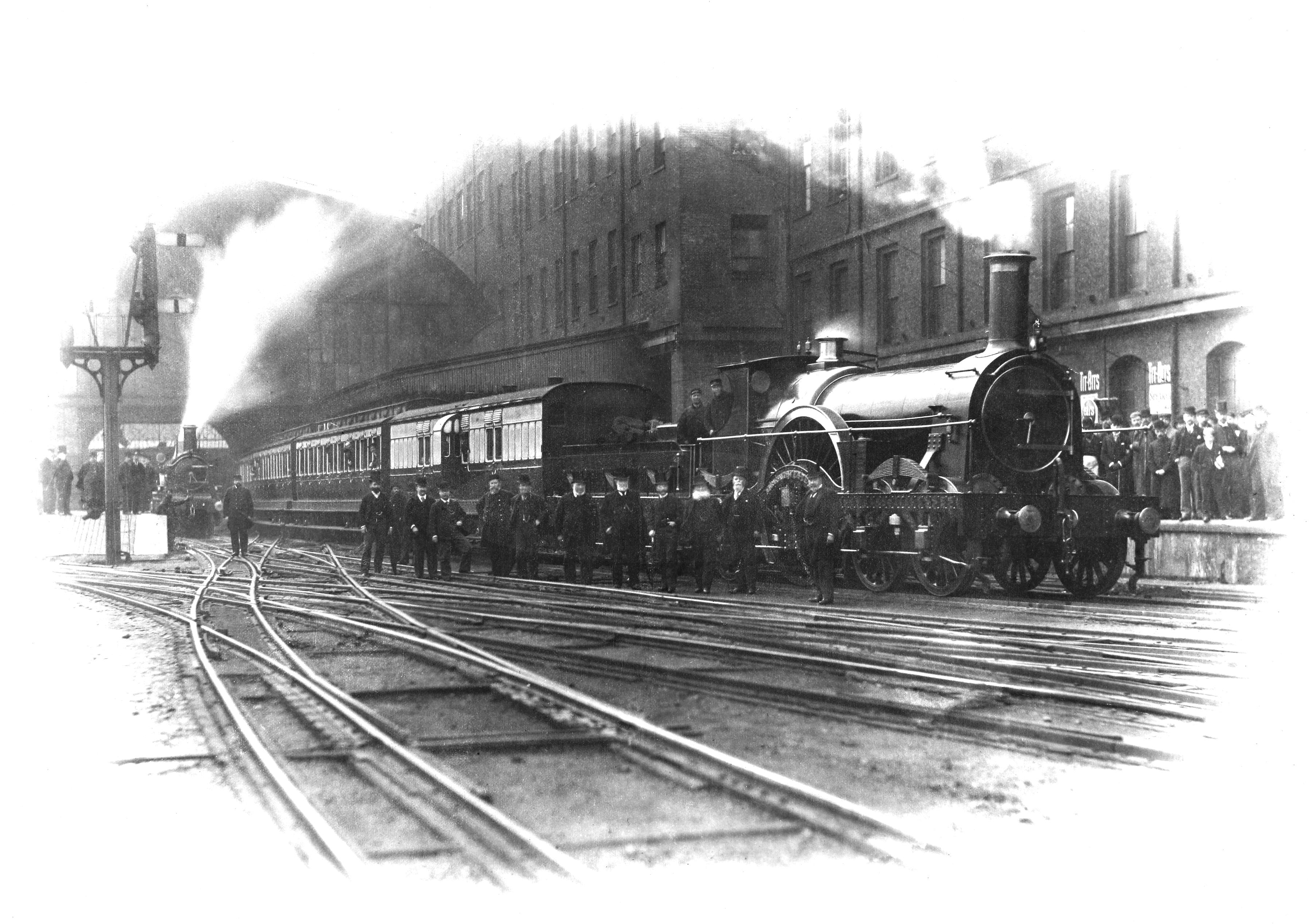
In Victorian times, Britain’s railway network grew rapidly. In the 1840s ‘Railway Mania’ saw a frenzy of investment and speculation. £3 billion was spent on building the railways from 1845 to 1900. In 1870, 423 million passengers travelled on 16,000 miles of track, and by the end of Queen Victoria’s reign over 1100 million passengers were using trains.
The railway system offered new chances for travel, holidays, transporting goods, developing businesses and the growth of towns and cities. The distance between town and countryside was erased. Dairy produce and fish could be delivered easily to different parts of the country within hours. Increased communication allowed for the spread of ideas and national newspapers. A standardized time was introduced across Britain as trains were timetabled. The mobility of labour and maintenance of law and order were made easier. Of course, the railway network also stimulated the coal and iron industries but led to the decline of the canal system.
However, with more people and goods on the move, trains and railway stations arguably, offered new opportunities for crime. The first carriages were unlit and unconnected by corridors, so there were cases of lone travellers being robbed or attacked. Railway stations were often packed and busy which made theft easier. The first railway murder took place in 1864 on train travelling from Fenchurch Street towards Hackney on the North London Railway and caused a great deal of public concern about travel safety.
Use this lesson to explore sources relating to criminal activity based around railways.
Did they create more crime?Thomas Briggs, a sixty-nine year old banker was found severely injured on the railway tracks of the North London Railway line near Hackney. He had been travelling in a first class carriage from Fenchurch Street to Hackney, and his compartment was found soaked in blood. When he was discovered and examined, it seemed that Briggs had sustained several serious blows to the head and he later died from the attack. His hat and gold watch with chain were missing and after an intensive police investigation, the prime suspect, Franz Muller was caught by British police who arrested him in New York. Muller was extradited and charged with murder. In Britain, he faced trial and was found guilty then publically hanged.
The crime revealed that in terms of safety, wealth and position made no difference, the assault on Mr. Briggs took place in an isolated first class carriage. The Daily Telegraph, dated 13th July 1864 seems to capture sense of public panic: “There is one general feeling which this dark crime has excited among the population there must be an end put to the absolute imprisonment…which railway travelers endure”
In order to improve train safety, a bill was introduced in 1866 for the use of communication cords in railway carriages to enable passengers to stop the train at any sign of danger. This was later made compulsory by the Railways Regulation Act of 1868.

Explore extraordinary images, taken from the Foreign and Commonwealth Office photographic collection (CO 1069), which span the globe and more than 100 years of history.
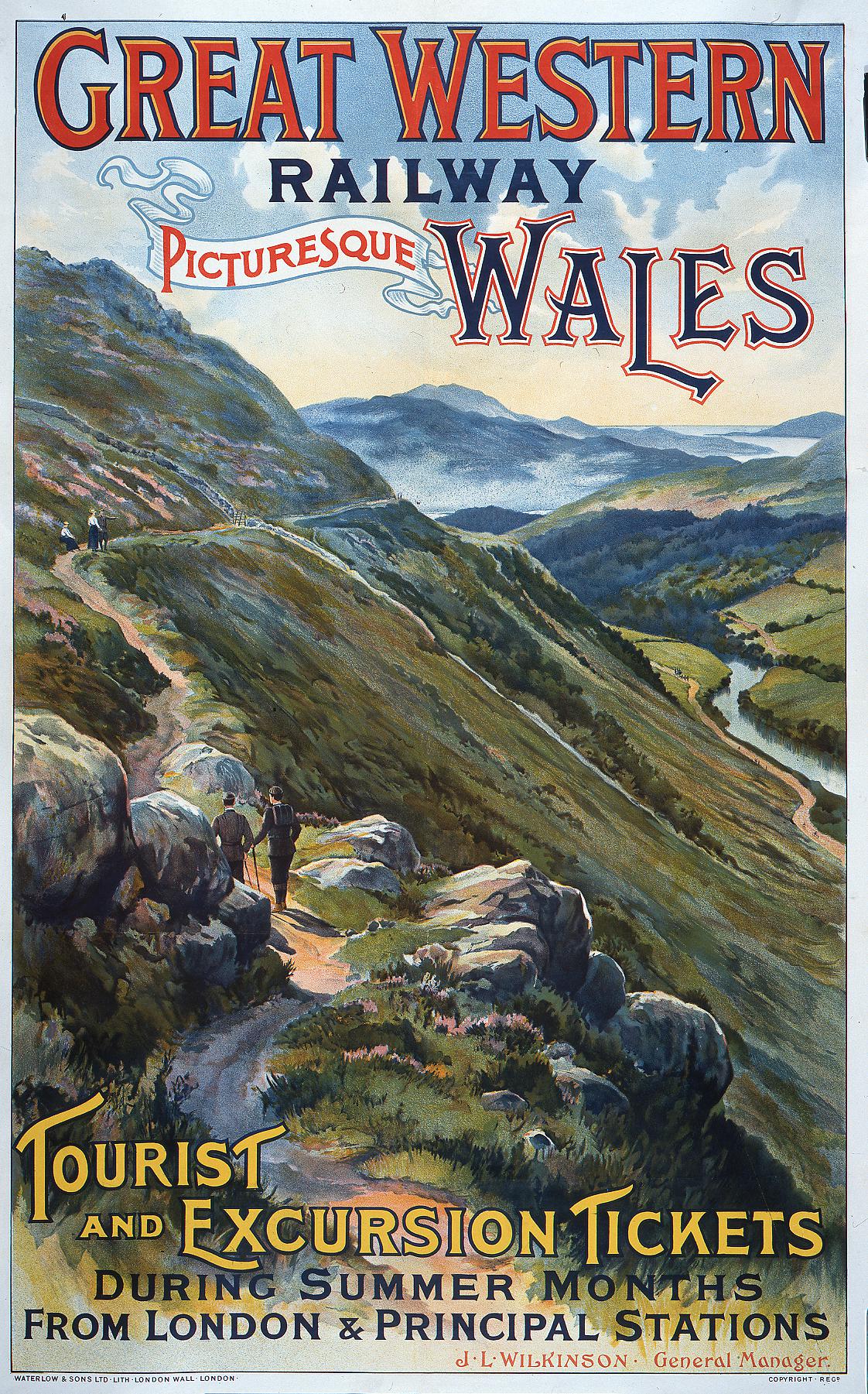 What's in a place?
From pyramids, palaces, public buildings, particular counties to holiday destinations, this selection of sources, based on records held at The National Archives, can be used in the primary classroom to support the National Curriculum element focussing on location. The collection is by no means exhaustive but contains some of the popular choices used for exploring historical places and help to provide more context for significant figures or events selected studied in the classroom.
The collection can offer a starting point for developing a sense of historical perspective by placing pupils’ growing knowledge into different contexts and help them to discover the link between local, national and international history. Again, the sources can be used within any scheme of work based on developing a sense of chronology where pupils can see that a particular locality or place might fit into a time frame. Working with sources in this way will help pupils to register similarities and differences between aspects of life between periods, Other ‘place’ sources can be used to consider questions around significance: what we are remembering and why? Have things always been the same? Why have some things changed?
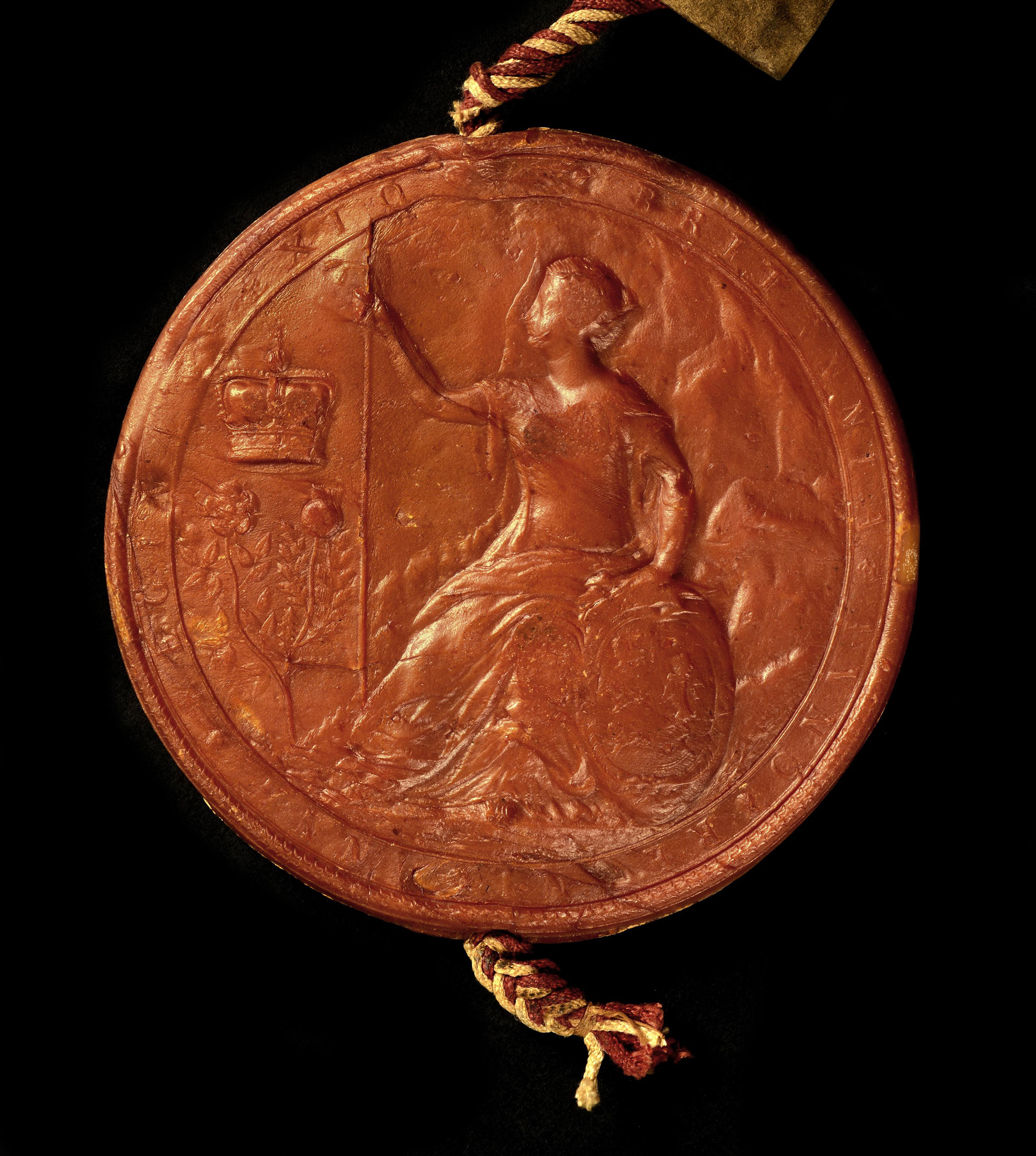
The Second Great Seal of Queen Anne, used from 1707-1715 (Reverse: back)
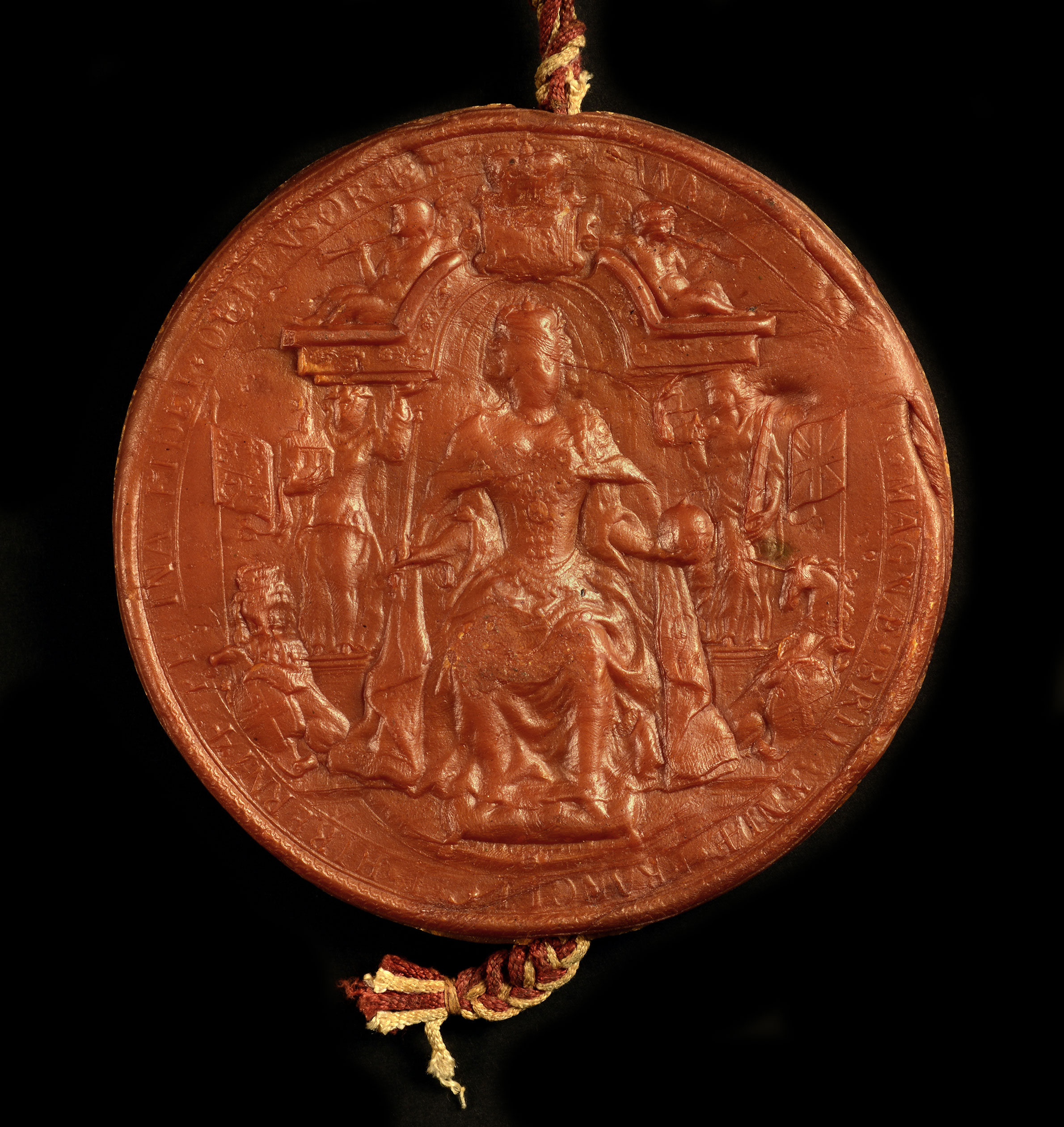
The Second Great Seal of Queen Anne, used from 1707-1715, (Obverse: front)
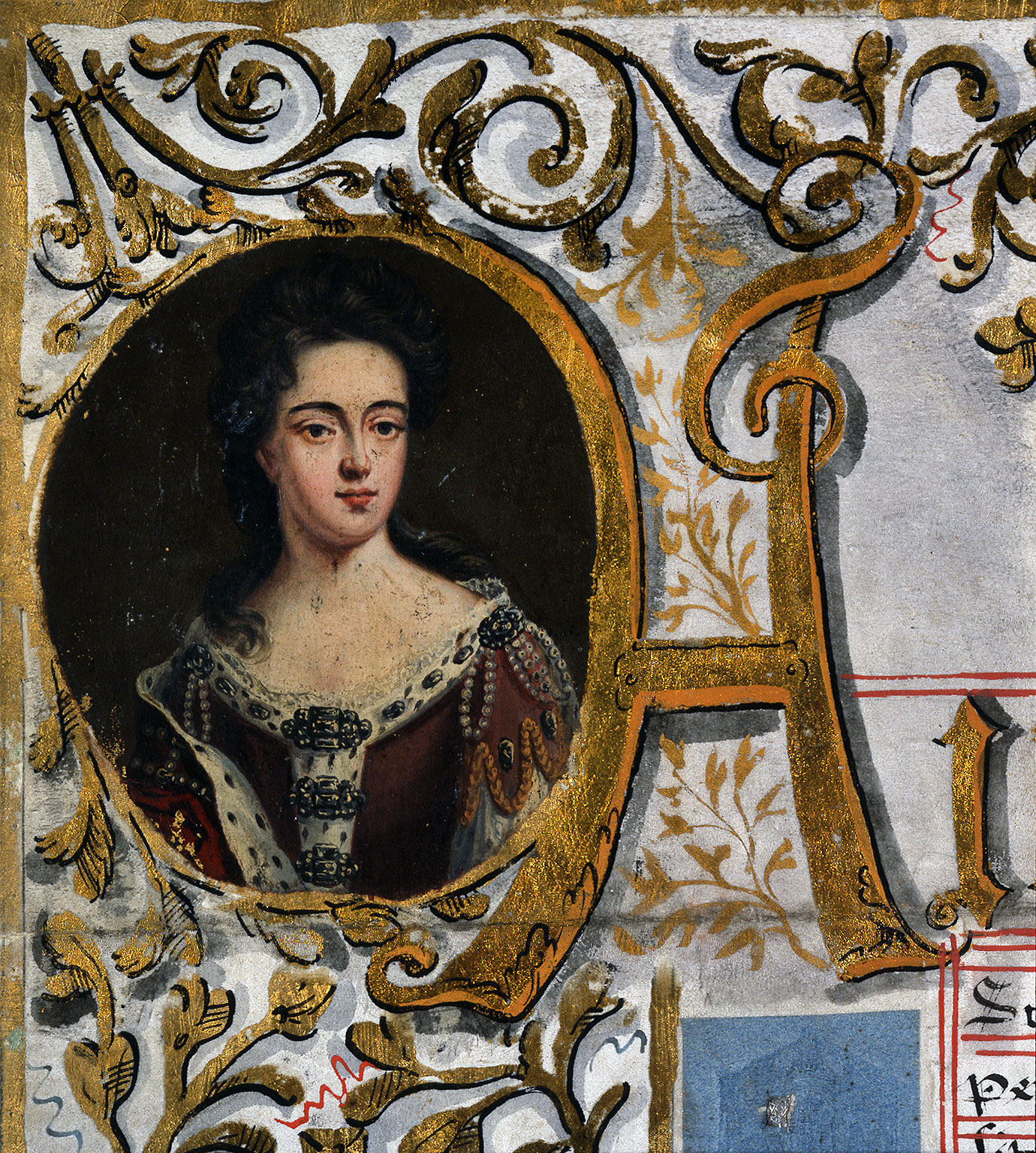
Initial portrait of Queen Anne on document from the Treasury, the office responsible for the funds of the monarch, 1702.
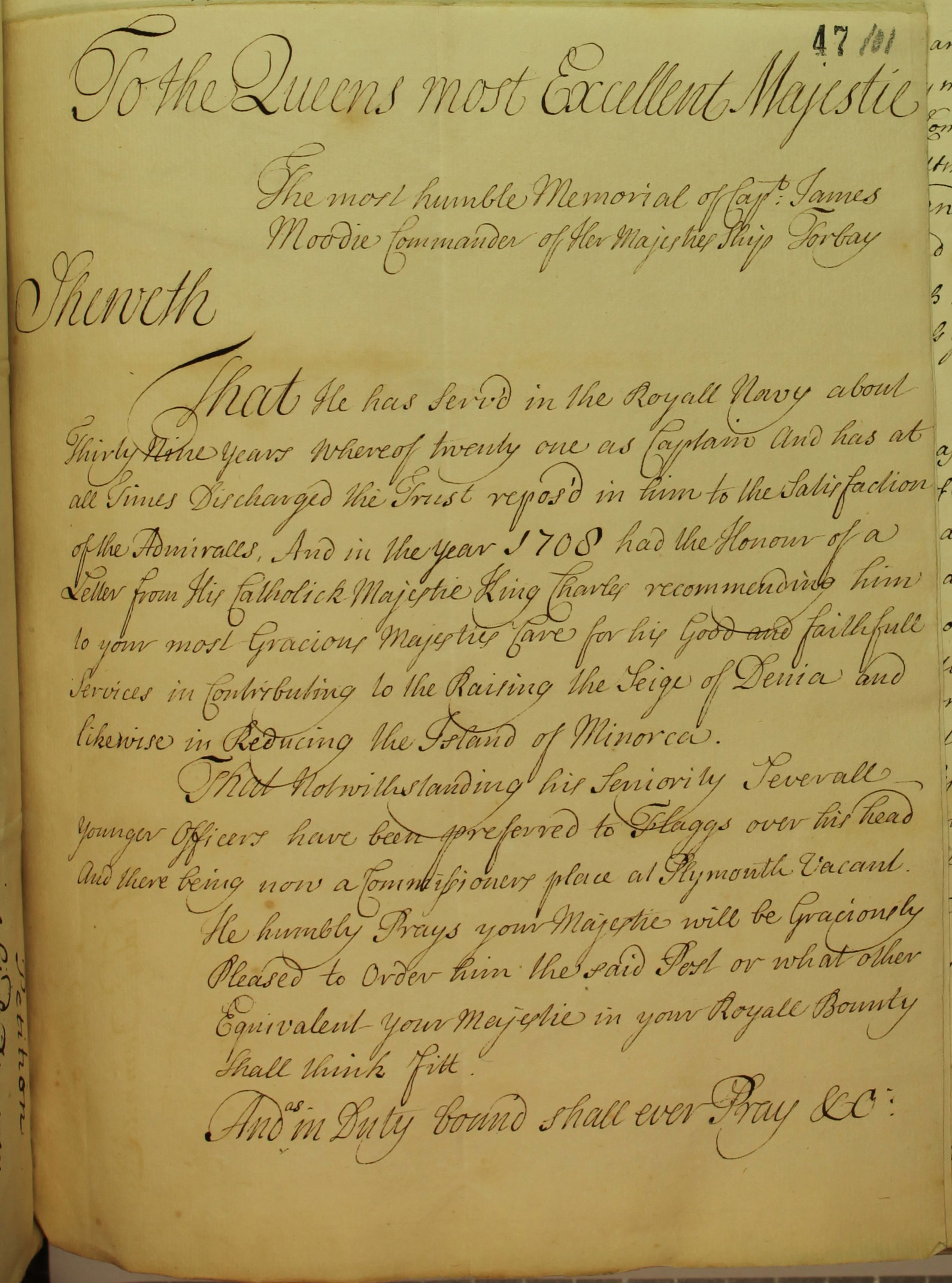
Petition from Captain James Moodie to Queen Anne. (Catalogue ref: SP 34/31 f44)
[Petition was a formal written request to the monarch by a person or group of people for a specific purpose]