
This lesson sequence for Year 9 students was written by Susan Reed from Briteschool.
Overall enquiry question
To what extent did the 1950s bring about an age of affluence?
Learning objectives
- understand the extent to which Britain’s emerging affluence in the post-war years was evident in areas that had experienced industrial decline and extreme hardship during the Depression, using Salford as a case study
- understand both the usefulness and limitations of household expenditure survey data in assessing poverty and affluence
Resources
The teacher’s notes, contextual essay and lesson plans for this topic will be available in the near future.
This series of lessons for Key Stage 5 students was designed by Helen Morris. Helen teaches at a girls’ comprehensive school in North London with a mixed sixth form. These lessons were designed to complement the OCR AS History Unit F961: the forging of Modern Britain 1783-1846.
Overall enquiry question
To what extent was Pitt the Younger’s suppression of the Radicals justified?
Learning objectives
To use a variety of sources from the National Archives to investigate Pitt the Younger’s treatment of the Radicals.
Resources
Teacher’s notes (PDF, 1.50Mb)
Lesson worksheets (ZIP, 0.37Mb)
This is one of a series of resources, produced using documents from our collections, by teachers taking our MA module.
This lesson sequence for mixed ability year 10 students was written by Annabelle Dobson. Annabelle teaches at an inner city comprehensive.
Overall enquiry question
What can we learn about surgery in the First World War from the life of Valentine Burke?
Learning objectives
- use a variety of sources (many from The National Archives) to investigate the life and work of Valentine Burke
Resources
Teachers booklet (PDF, 4.11Mb)
Lesson powerpoints (ZIP, 5.10Mb)
This is one of a series of resources, produced using documents from our collections, by teachers taking our MA module.
This lesson sequence for key stage 5 students was written by Helen Hedges. Helen teaches in an 11-18 selective grammar school.
Overall enquiry question
How can we explain why so many Indian people decided to fight against the British in 1857?
Learning objectives
- understand that evidence strengthens an argument
- be able to identify claims and supporting evidence, and analyse the relationship between claim and evidence
- use provenance to understand the context in which a document was written, and use this to draw secure inferences
- be able to make inferences about the actions, beliefs and aims of the Indian ‘mutineers’ based on a piece of primary evidence
- understand that the level of certainty about a claim can change depending on the type of claim being made and the evidence available
- use provenance to help build certainty about claims and understand how use of multiple sources can be used to increase and decrease certainty of claims
- construct an argument about the motives of the Indian ‘mutineers’ based on claims from various sources of evidence
- test a controversial statement based on evidence and claims from multiple sources
Resources
Teacher’s notes (PDF, 3.92Mb)
Powerpoints and worksheets (ZIP, 1.26Mb)

Teachers taking our MA module (delivered with Roehampton University) have produced a series of resources, using documents from our collections, on a variety of historical topics. These resources include detailed lesson plans, powerpoints for use in the classroom, contextual notes and student handouts.
We are making these resources available online and we hope anyone teaching the period finds them useful.
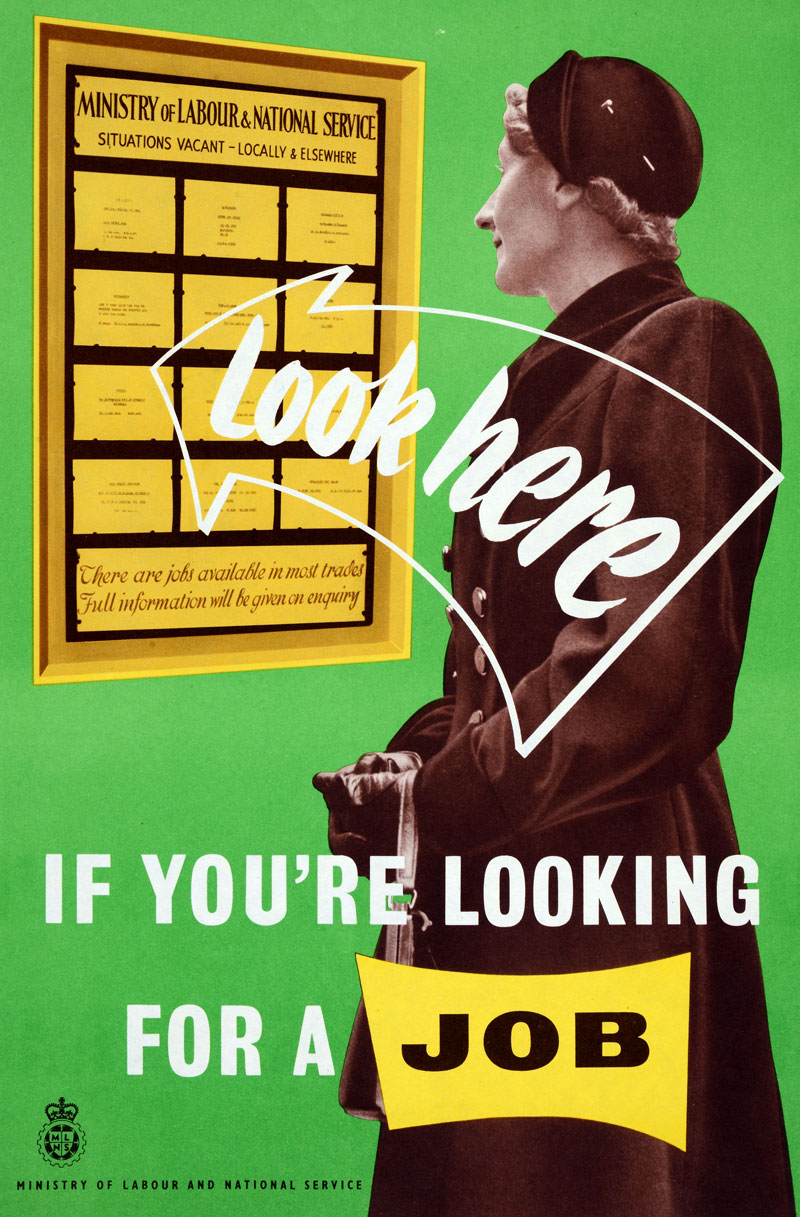
This lesson sequence for Key Stage 3 and 4 students was written by Samantha Broad from St Edward’s Royal Free Ecumenical Middle School in Windsor.
Overall enquiry question
What made a job desirable in the 1950s?
Learning objectives
- use contemporary data to conduct a historical enquiry into occupations and wages in the first half of the 20th century
- consider the relative desirability of different occupations
- understand the importance of industrial occupations and begin to consider the impact of de-industrialisation on the UK
Resources
Download the teacher’s notes, contextual essay and lesson plans (ZIP, 5.25Mb)

This lesson sequence for Year 9 or GCSE students was written by Eleanor Langston from Wolgarston High School in Stafford.
Overall enquiry question
What kinds of people lived in council houses in the 1950s?
Learning objectives
- find out why council houses were built
- use sources to find out the characteristics of people who lived in council house
- decide how accurate a cartoon is in its representation of people who lived on council estates
Resources
Download the teacher’s notes, contextual essay and lesson plans (ZIP, 0.00Mb)
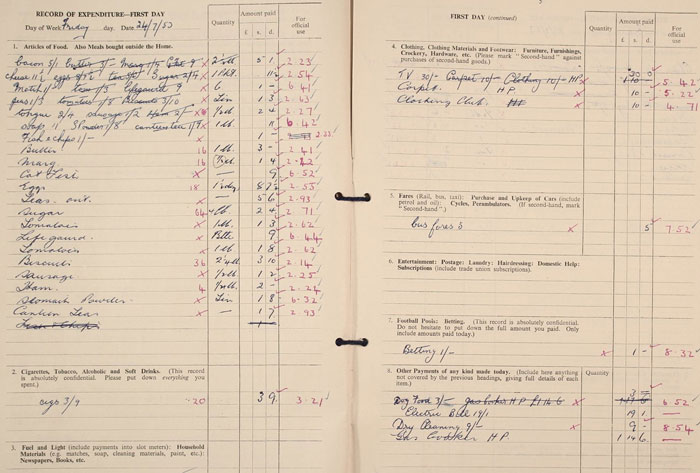
This lesson sequence for Year 9 students was written by Nik Caldwell from Higham Lane School in Nuneaton.
Overall enquiry question
Do surveys benefit the surveyed or the surveyors?
Learning objectives
- identify the ways in which data and information is collected and collated
- assess the impact the collection of surveys would have on the respondents and how the process may impact on their answers
- ascertain what the intended purpose of this collection and collation is/was
- demonstrate both the need and inevitability of the government collection of data
- question the amount of data the government has at its disposal
- consider if the government ‘knows too much’ in today’s society
- judge who benefits from surveys being conducted
Resources
Download the teacher’s notes, contextual essay and lesson plans (ZIP, 15.90Mb)
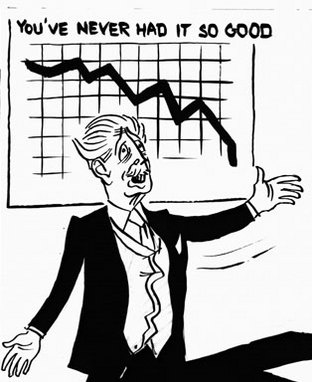
This lesson sequence for Year 9 students was written by Tom Haward from Oriel High School in Crawley.
Overall enquiry question
‘You’ve Never Had It So Good?’ How can we ‘know’ how affluent or poor a society is?
Learning objectives
To be able to:
- generate questions to test the validity of a hypothesis
- interrogate evidence
- show an understanding of what a ‘cost of living’ index is
- make predictions
- identify describe patterns in household expenditures and explain them
- reach a judgement on the validity of a hypothesis, and show an awareness of issues surrounding the collection of data and the ability to reach substantiated conclusions from it
Resources
The teacher’s notes, contextual essay and lesson plans for this topic will be available in the near future
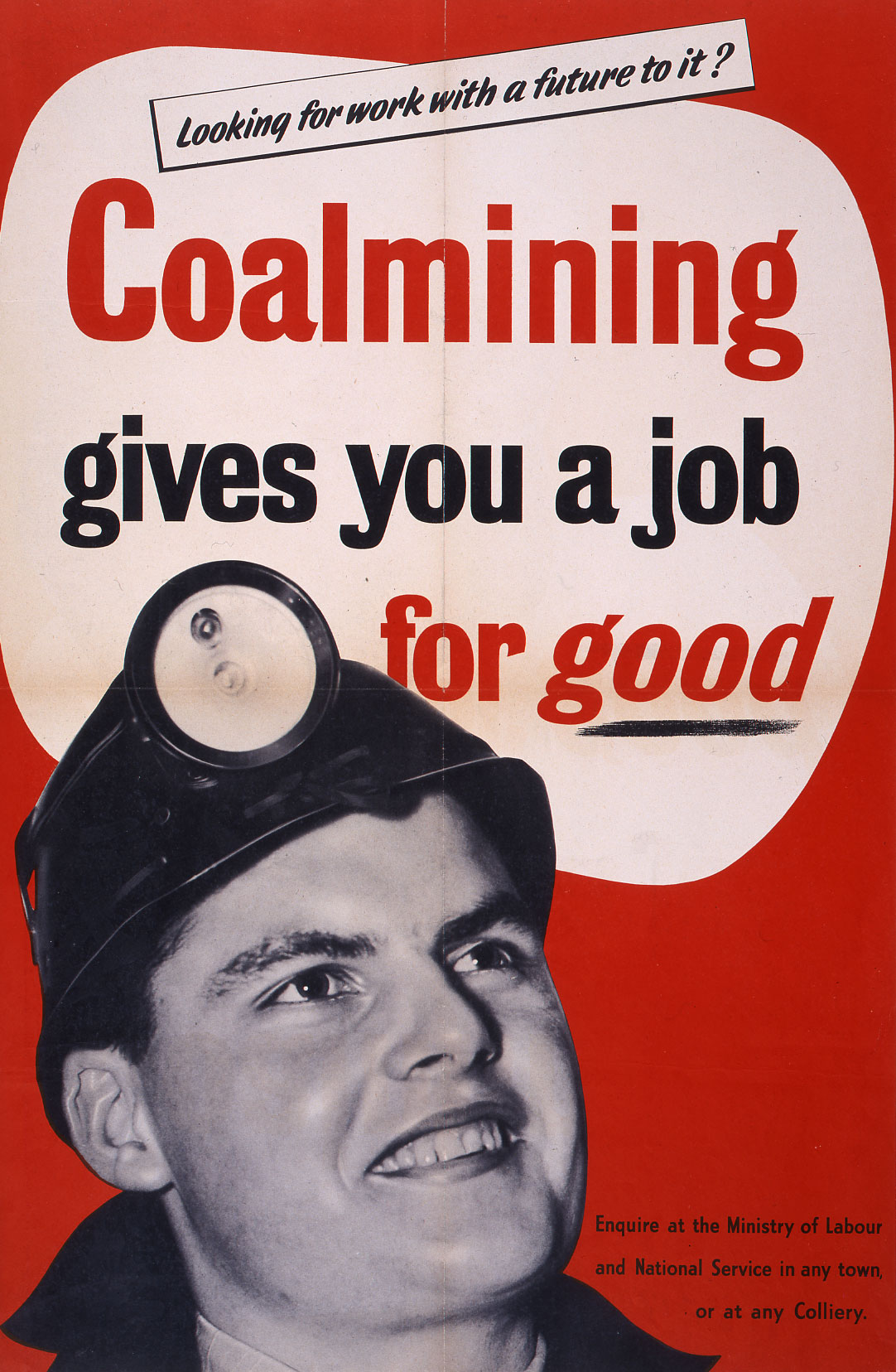
This lesson sequence for Year 8 or 9 students was written by Anne Hooper from Sandhurst School in Berkshire.
Overall enquiry question
Did working for ‘King Coal’ enable you to live like a prince?
Learning objectives
- investigate the reasons for migration from rural areas to urban during the late 19th century through contemporary sources
- form and test hypothesis using a variety of source material
- investigate the living standards in South Wales mining valleys around 1904 using the Board of Trade survey dataset
Resources
Download the teacher’s notes, contextual essay and lesson plans (ZIP, 7.69Mb)