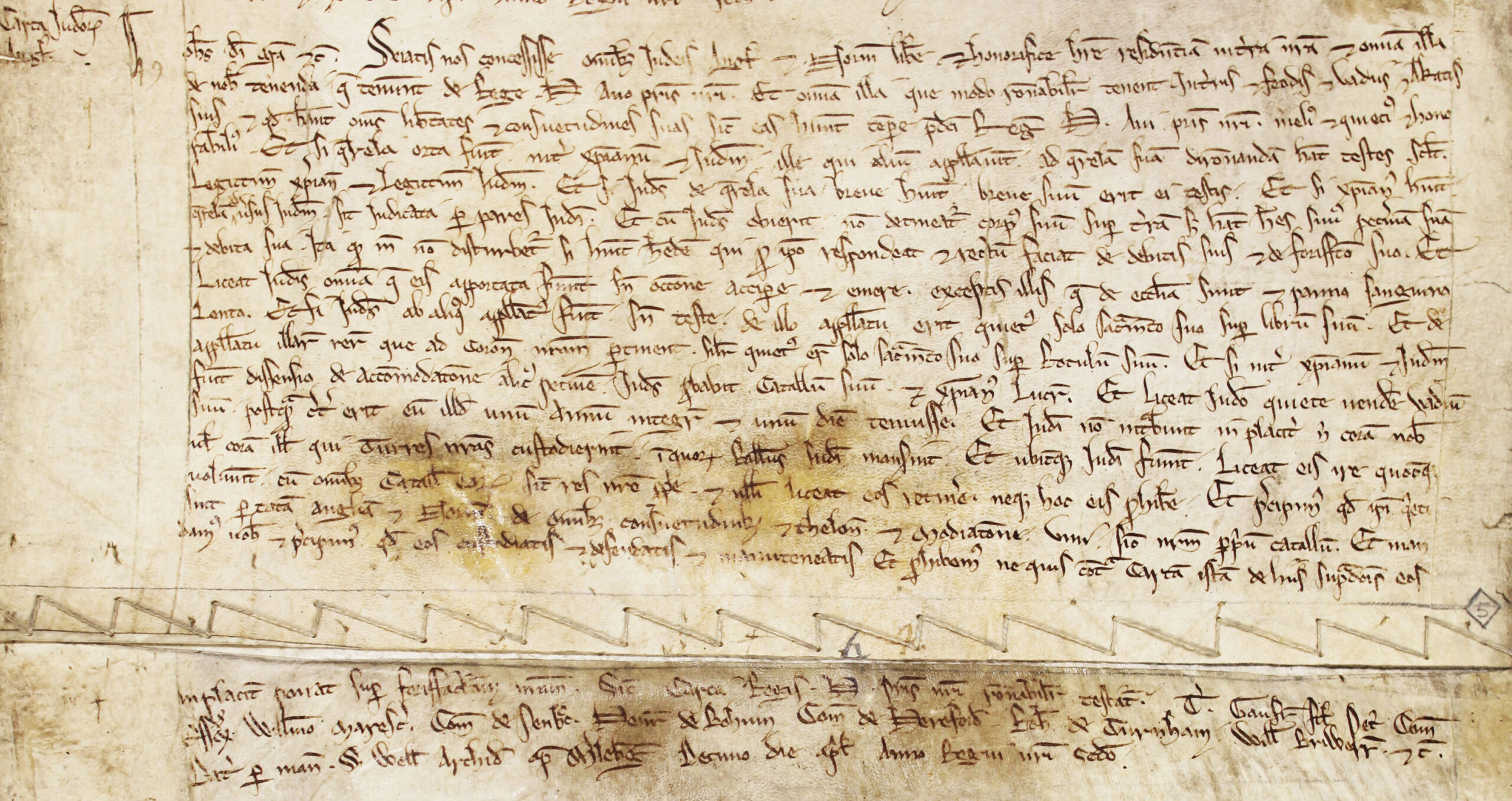
Extract from the Charter of Liberties – King John confirms King Henry I’s liberties to the Jews, c. 1201. Catalogue Ref: C 53/4, m. 4.
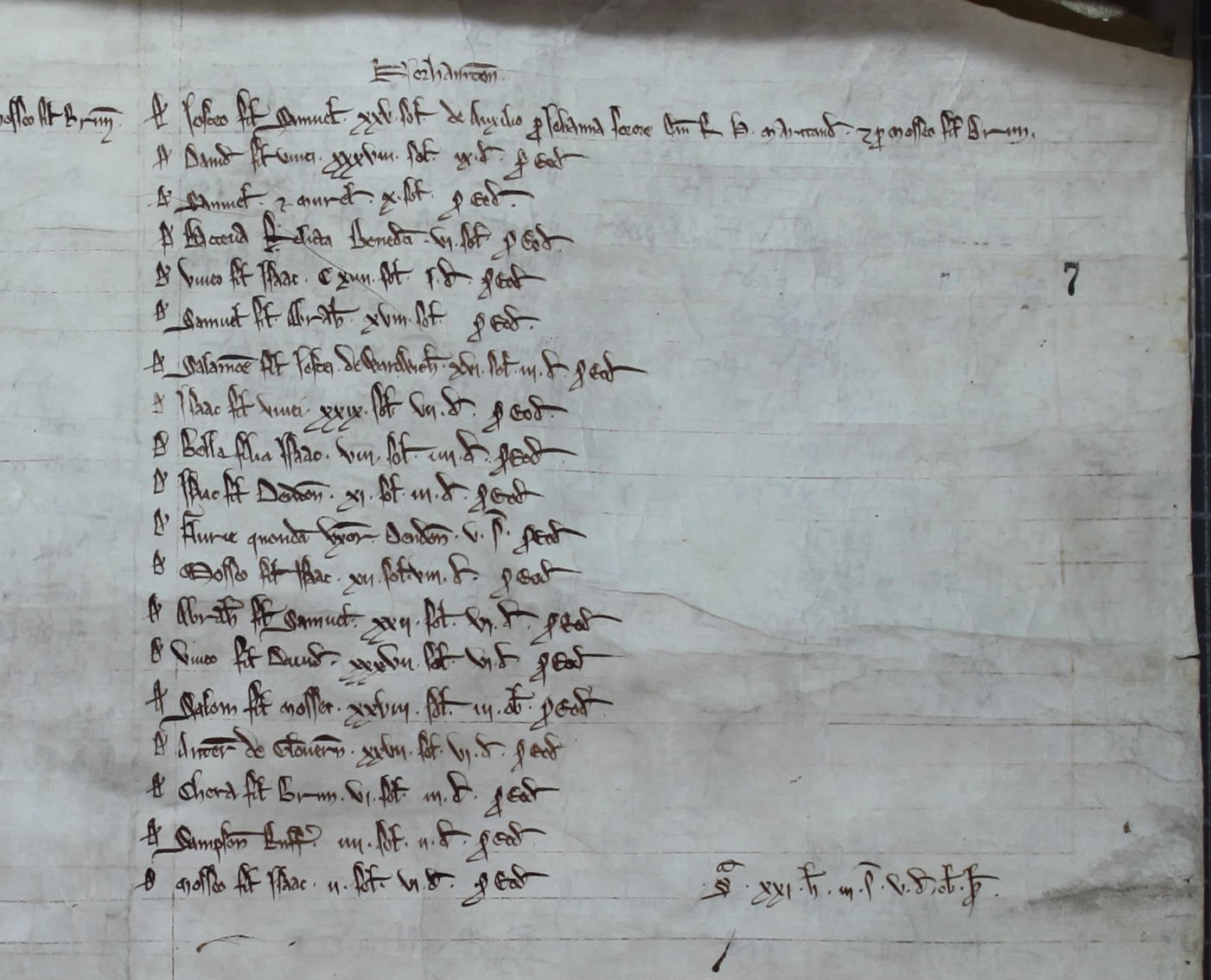
Extract from the Receipt roll for Easter 5, Henry III that records the contributions from the Northampton Jewish community to the c. 1221 tallage, Catalogue Ref: E 401/4, m. 4)
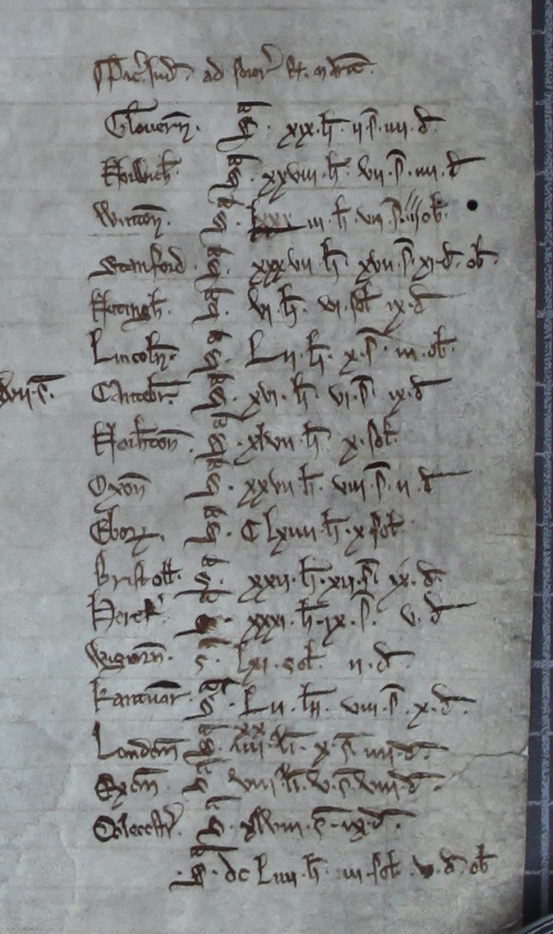
Extract from the Receipt roll for Easter 5, Henry III that records the overall contributions from each of the Jewish settlements across England to the c. 1221 tallage Catalogue Ref: E 401/4, m. 4d).
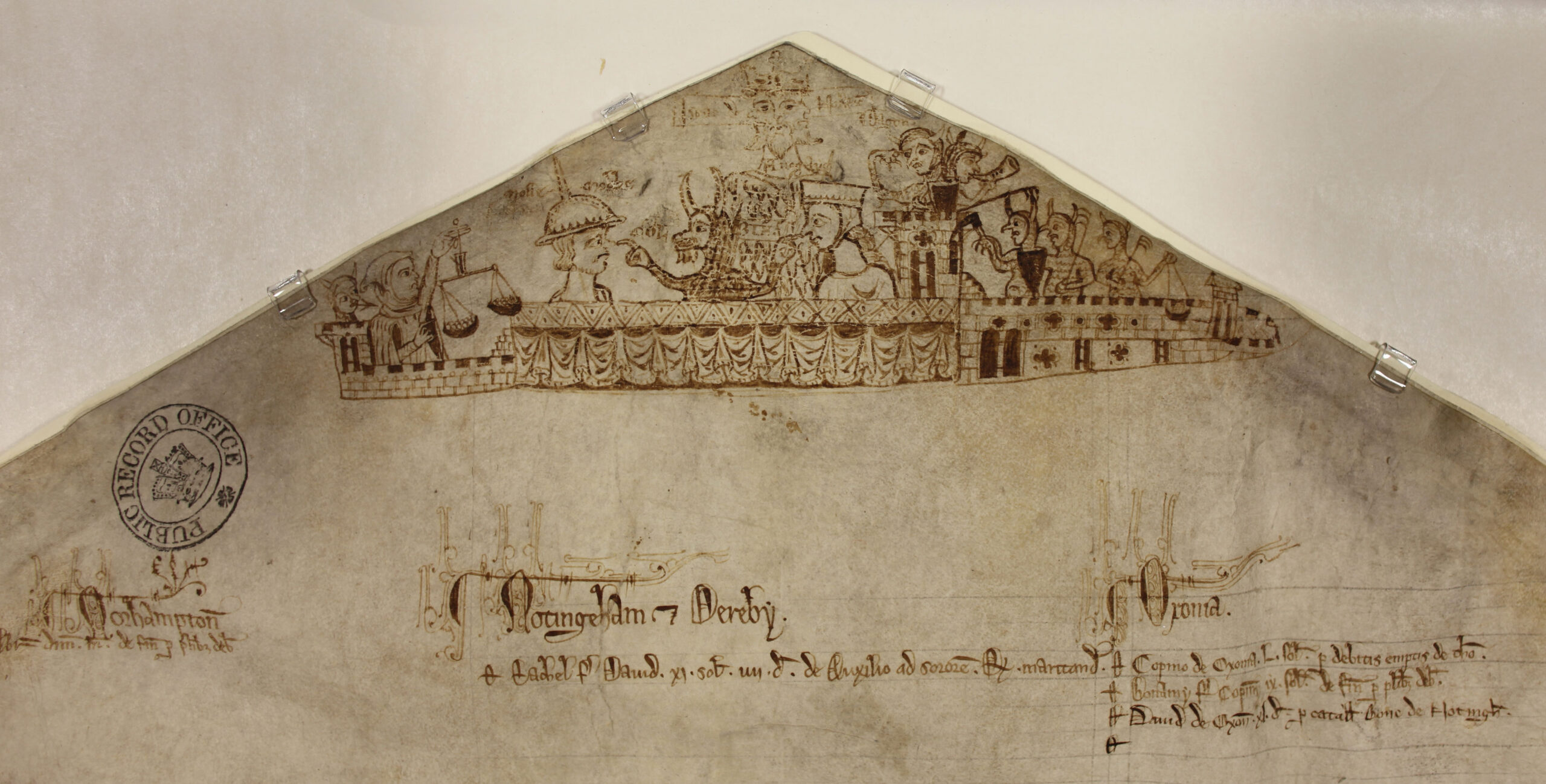
Satirical illustration of the Norwich Jewish community, Catalogue Ref: E 401/1565.
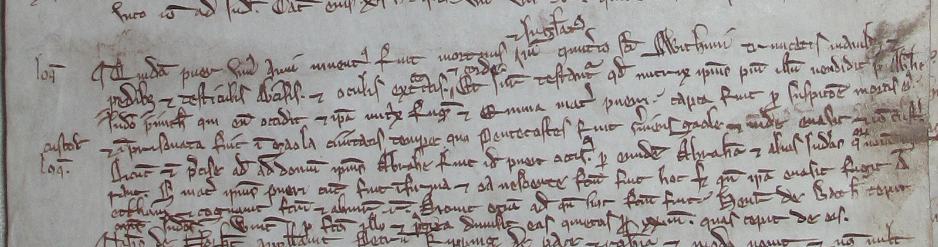
Extracts from a court case accusing Jews of the murder of a Christian child in Winchester brought before the Hampshire Eyre, c. 1232 (Catalogue Ref: JUST 1/775, m. 20)
During the 1230s, the relationship between Christian and Jewish communities became increasingly tense. Lesson (1) showed that accusations of Jewish violence especially the murder of Christian children had circulated in England since the 1140s. However, from the 1230s onwards, these cases were finding themselves before the king’s law courts for the first time. These accounts were most likely made up but were being taken seriously by the law. The extract below is taken from one such case in 1232 when it was recorded on the Hampshire Eyre roll that a one-year-old boy, named Stephen, was found strangled near St Swithun’s Priory, in Winchester. According to those who found the body, it had been dismembered (hands and feet removed), castrated, and its eyes and heart taken out. The case reveals that Abraham Pinche, a member of the Jewish community, was named by the jury as the perpetrator of the murder.
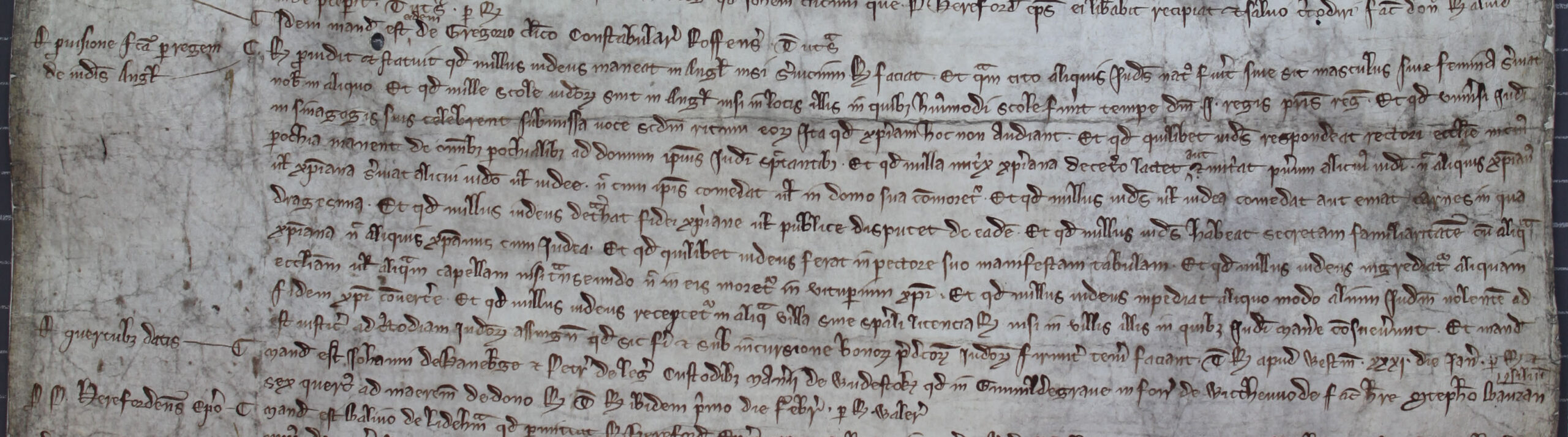
The Statute of the Jewry (the provisions made by the King for the Jews of England), dated 31st January 1253, Catalogue Ref: C 54/66, m. 18)
In 1253, King Henry III enforced a series of new laws (known as articles) to tighten control over Jewish life. This was known as the Statute of Jewry. A statute was a new law introduced by the highest authority. Many historians believe that this marked a new phase in the deterioration of Christian-Jewish relations in England as the king’s new rules attempted to segregate and isolate Jews in their local communities.
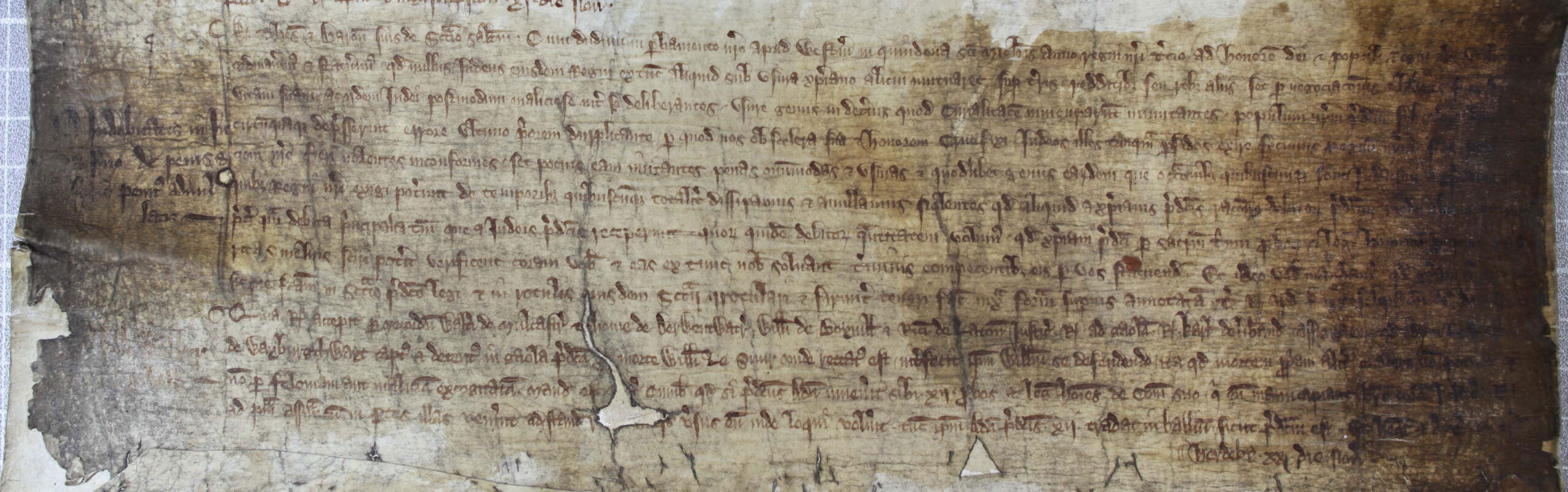

Letter from King Edward I to the Sheriff of Gloucester, dated 18th July 1290 – Catalogue Ref: C 54/107, m. 5.
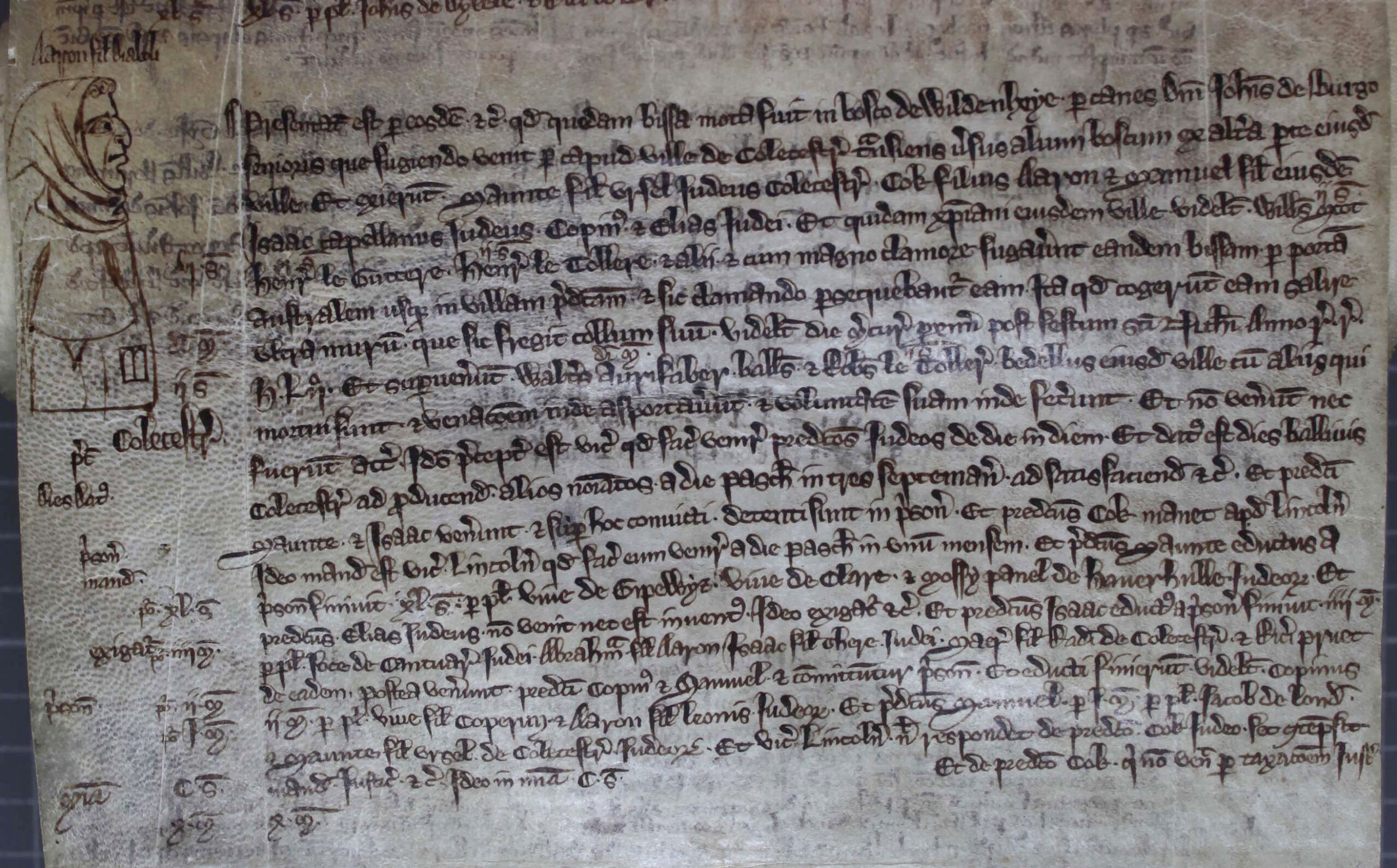
Despite the tightening restrictions on England’s Jewish community, Jews and Christians continued to interact with one another. They are even recorded to have committed crimes together in select court cases. For example, in court case recorded before the forest court in 1277, it was reported that two of Aaron of Colchester’s sons, amongst other Jewish men, were part of a mixed-faith gang tried for illegal deer hunting in Colchester, Essex. This case is particularly curious as a caricature of Aaron was drawn next to record and labelled ‘Aaron, son of the Devil’ in Latin.
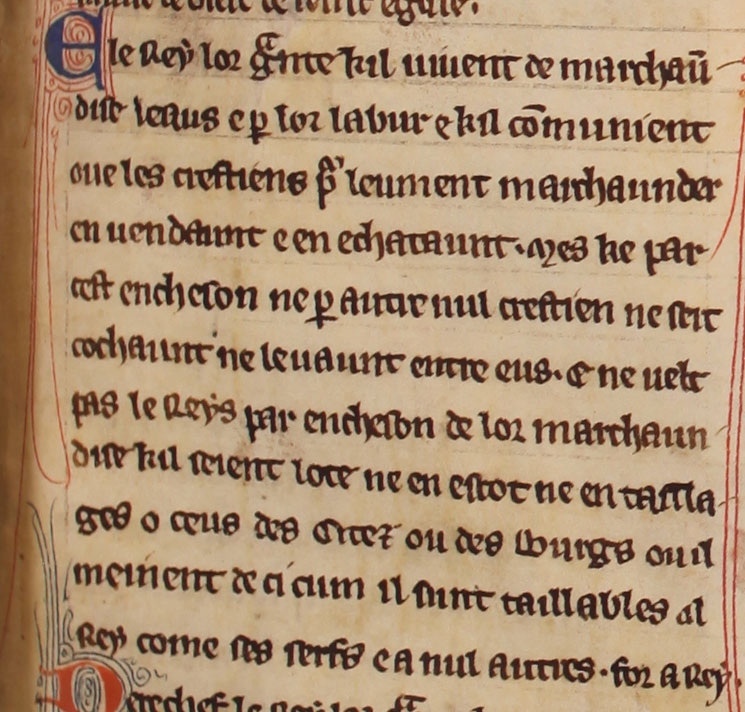
Extract (c) of the Statute of Jewry, c. 1275. Catalogue ref: E 164/9, fol. 31d.