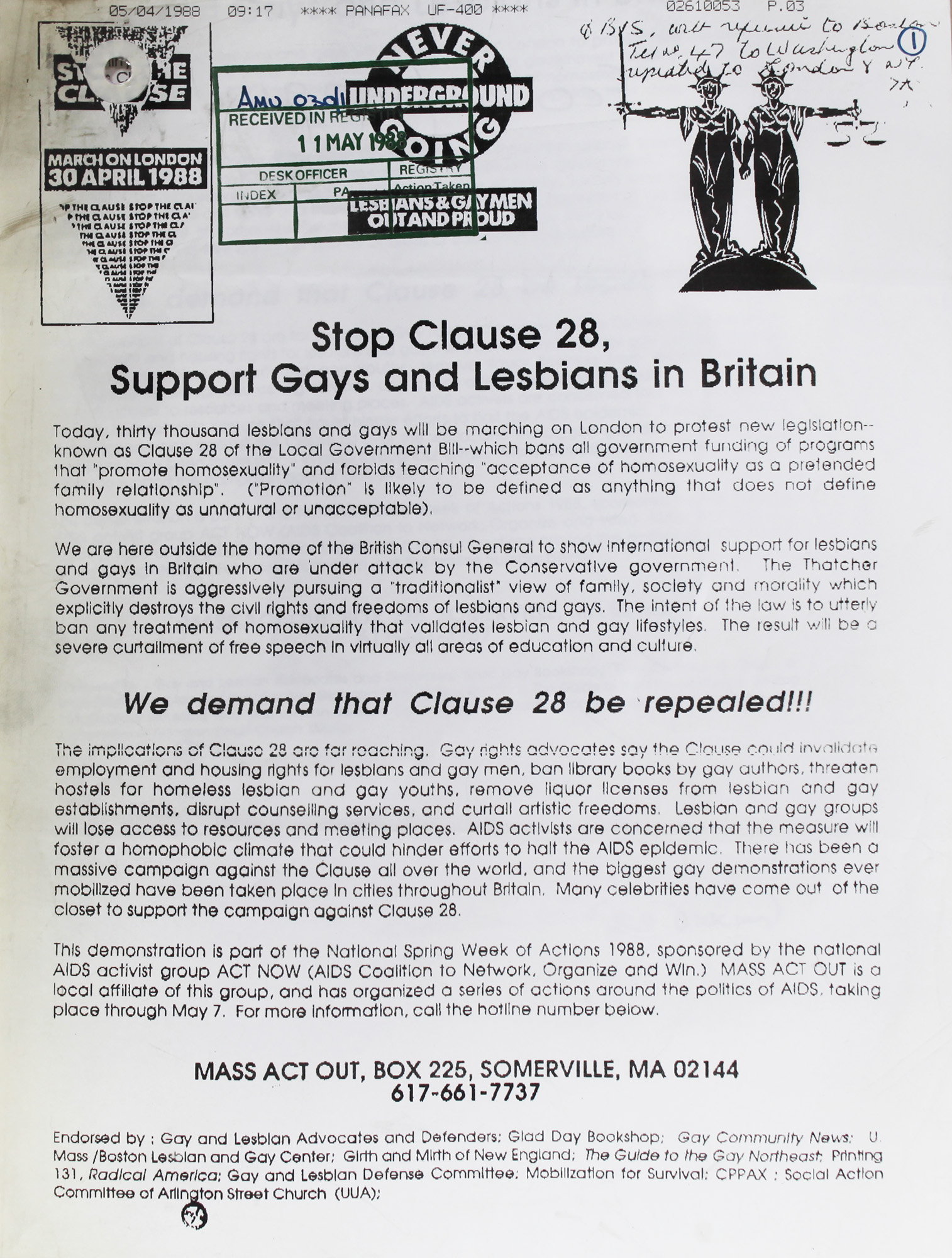
1988: Clause 28 protest leaflet. Catalogue ref: FCO 82/1979
Clause 28, or Section 28 of the Local Government Act, was a law introduced by Margaret Thatcher’s Conservative Government in 1988. It followed controversies about sex education and objections, mainly from Conservative MPs, about the championing of gay causes by Labour-led councils. LGBTQ+ people were becoming more confident and visible in the worlds of pop music, television and film, but there was still a great deal of prejudice present in the national discourse.
This law banned local authorities from ‘promoting homosexuality’. This meant for example that state schools and local councils could not teach about or discuss LGBTQ+-related topics.
Clause 28 was in place until 2003.
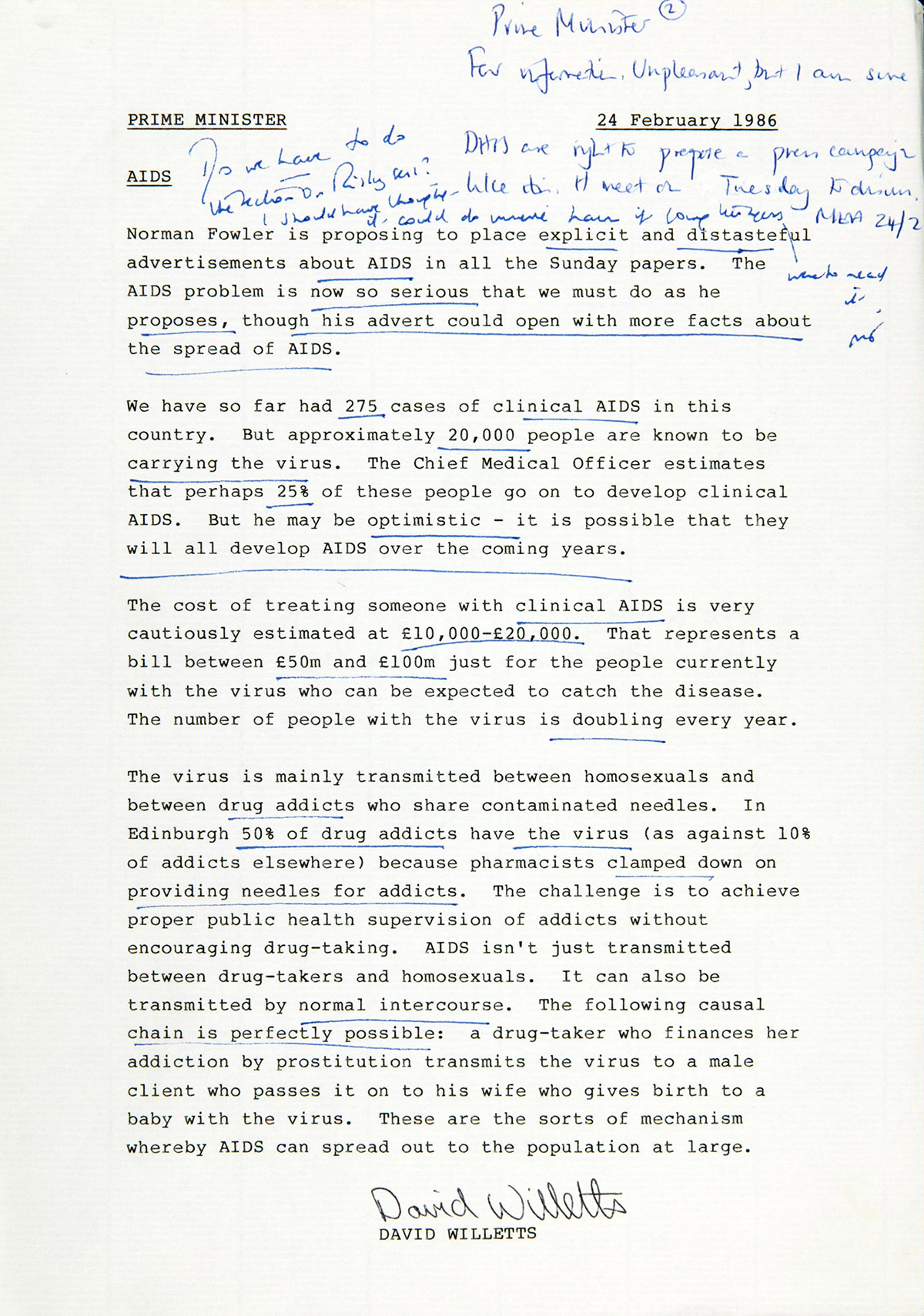
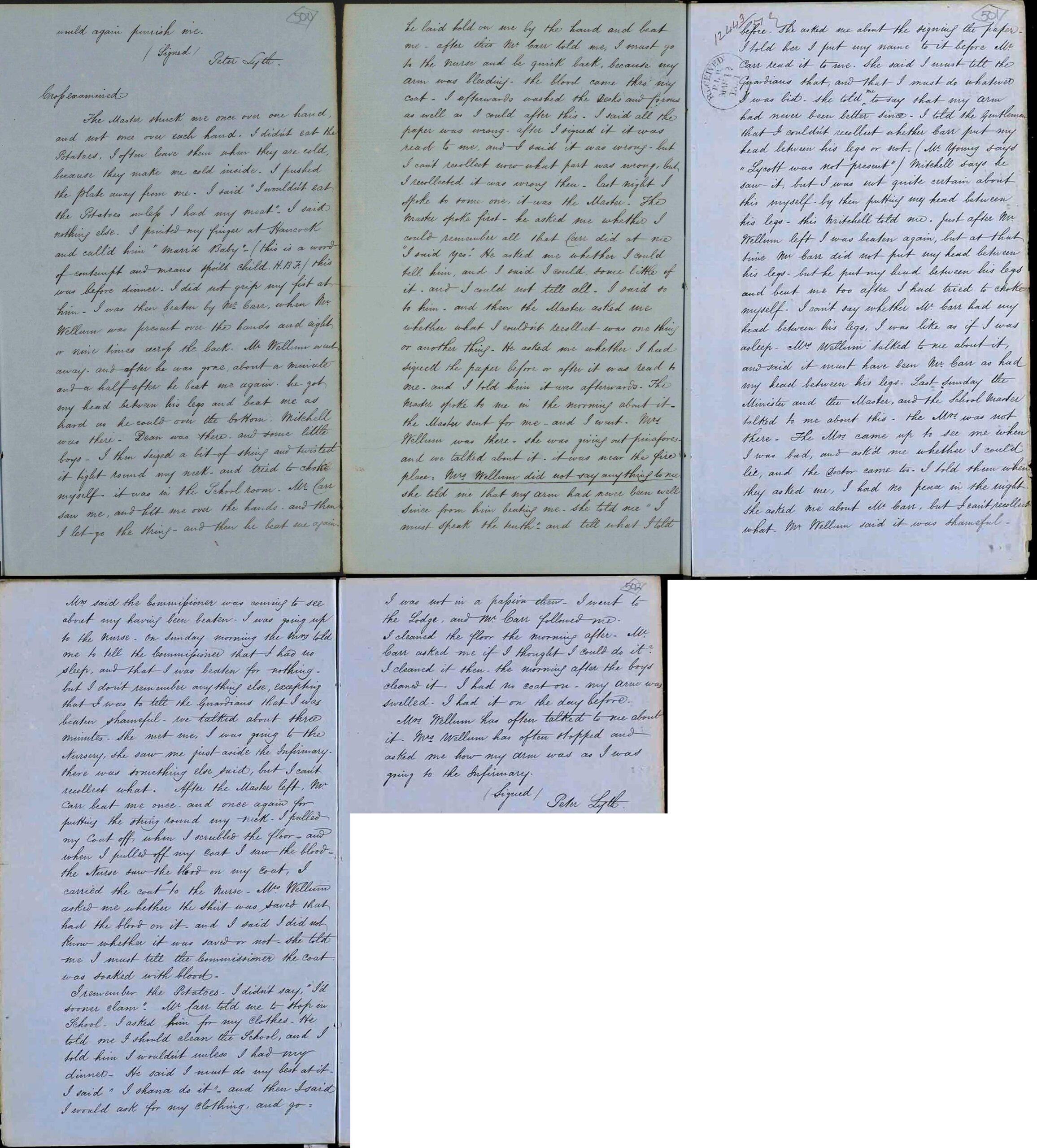
1986: Letter to Margaret Thatcher, then-Prime Minister, about the AIDS government health campaign, 24 February. From David Willetts of the Policy Unit. Catalogue ref: PREM 19/1863
This letter was written during the height of the HIV/AIDS epidemic in Britain during the 1980s. HIV/AIDS is a disease mainly spread through unprotected sexual contact. When the disease was first reported on in the 1980s, little was known about how to treat it and it was extremely dangerous for the people who caught it. A lack of sexual education for LGBTQ+ people contributed to AIDS mainly affecting men who had sex with other men.
By the mid-1980s in the UK, the AIDS epidemic had grown so severe that the government launched campaigns that aimed to educate the public about the disease, many of which are still widely remembered.
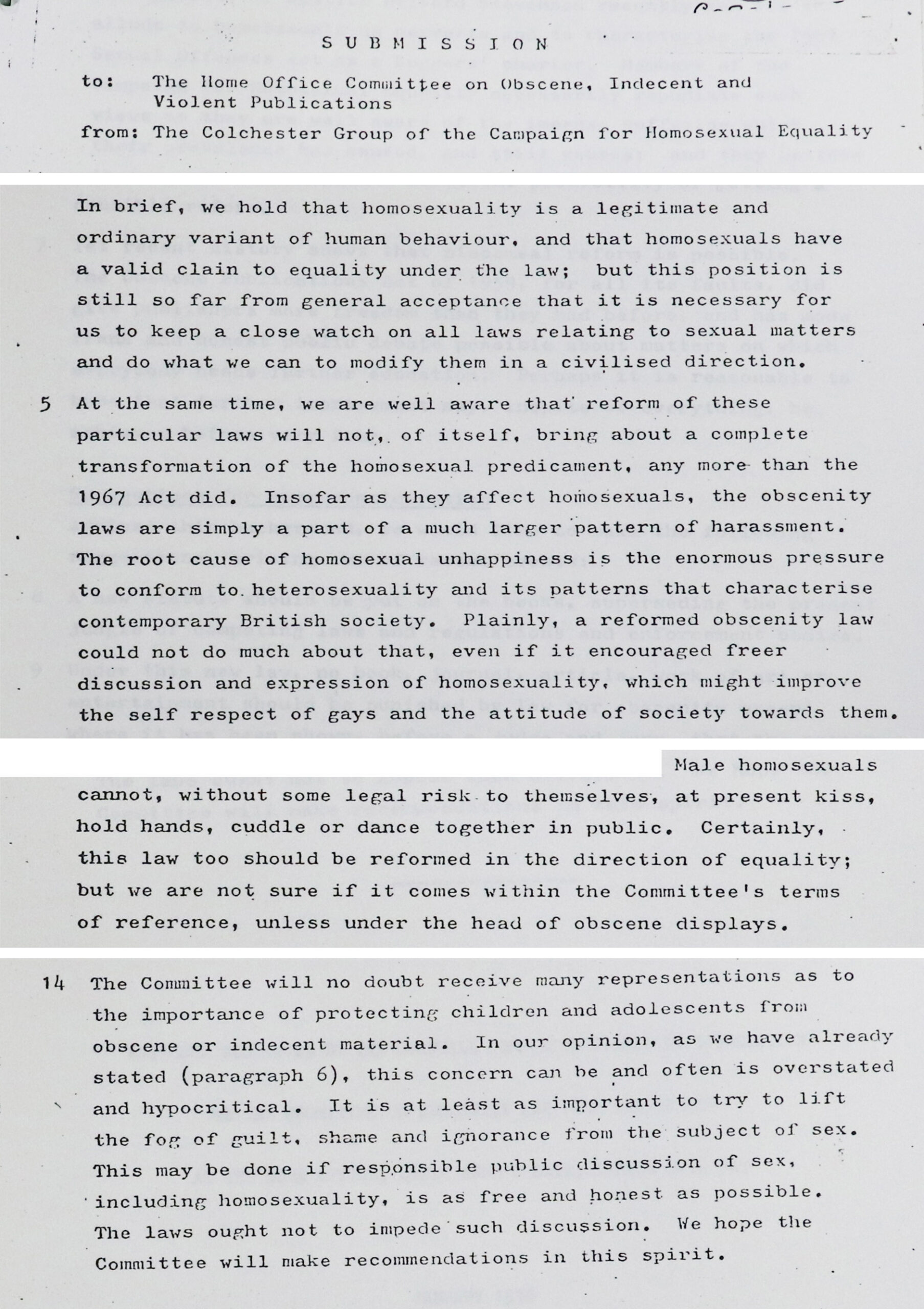
1977-79: Letter to the Home Office Committee on Obscene, Indecent and Violent Publications from The Colchester Group of the Campaign for Homosexual Equality. Catalogue ref: HO 265/3
The Committee on Obscenity and Film Censorship was a Home Office Committee in the 1970s who were tasked with reviewing laws around obscenity, indecency, and violence in published media.
This letter was written to the committee from the organisation The Campaign for Homosexual Equality, which aims to promote legal and sociality equality for LGBTQ+ people.
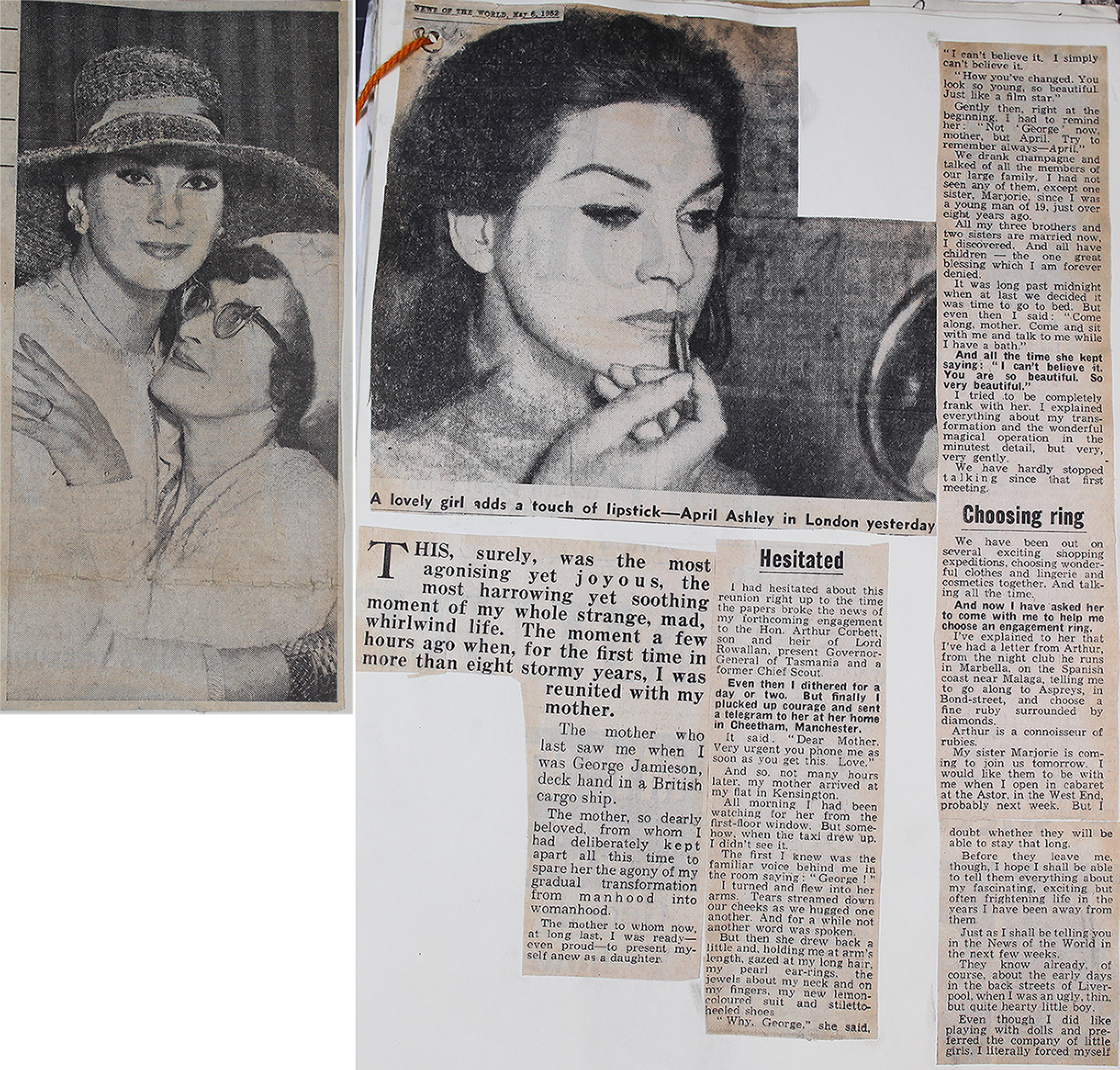
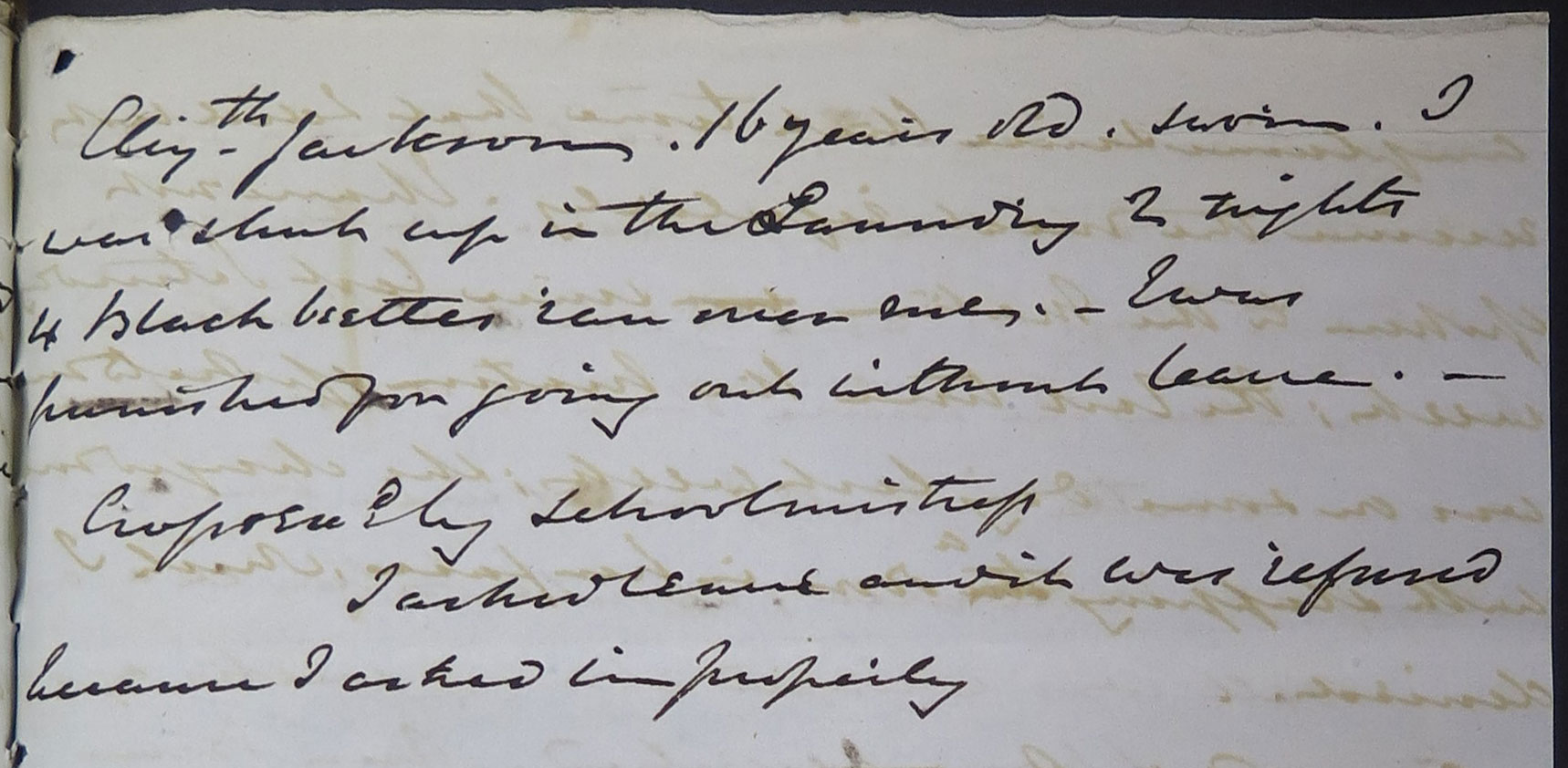
1962: Article: ‘My Strange Life’ by April Ashley in The News of the World, 6 May 1962. Catalogue ref: J 77/4532-J 77/4537
April Ashley was a model and one of the first people in Britain known to have had sex reassignment surgery. On 19 November 1961, The Sunday People ran an article under the headline ‘Her’ Secret is Out, outing Ashley as transgender. Her name was dropped from her recent film credit and her modelling work vanished. She retaliated by telling her own story in this article in the tabloid The News of the World.
In 1963, she married Hon. Arthur Corbett. However, the pair separated soon after. Corbett sought an annulment of the marriage based on the fact that Ashley was assigned male at birth, and same-sex marriage was not yet legal. The annulment was granted.
This decision by the court set a precedent that transgender people would be defined by their assigned sex at birth, rather than their gender. This made it harder for transgender people to gain rights and change their legal gender. It wasn’t until the Gender Recognition Act in 2004 that this process changed.

1976: Table showing the number of offences of ‘indecency’ between males in England and Wales 1946-76. Catalogue ref: HO 522/7
The table covers the period directly before and after the Sexual Offences Act 1967, in which homosexual acts in private between men over age 21 were legalised.
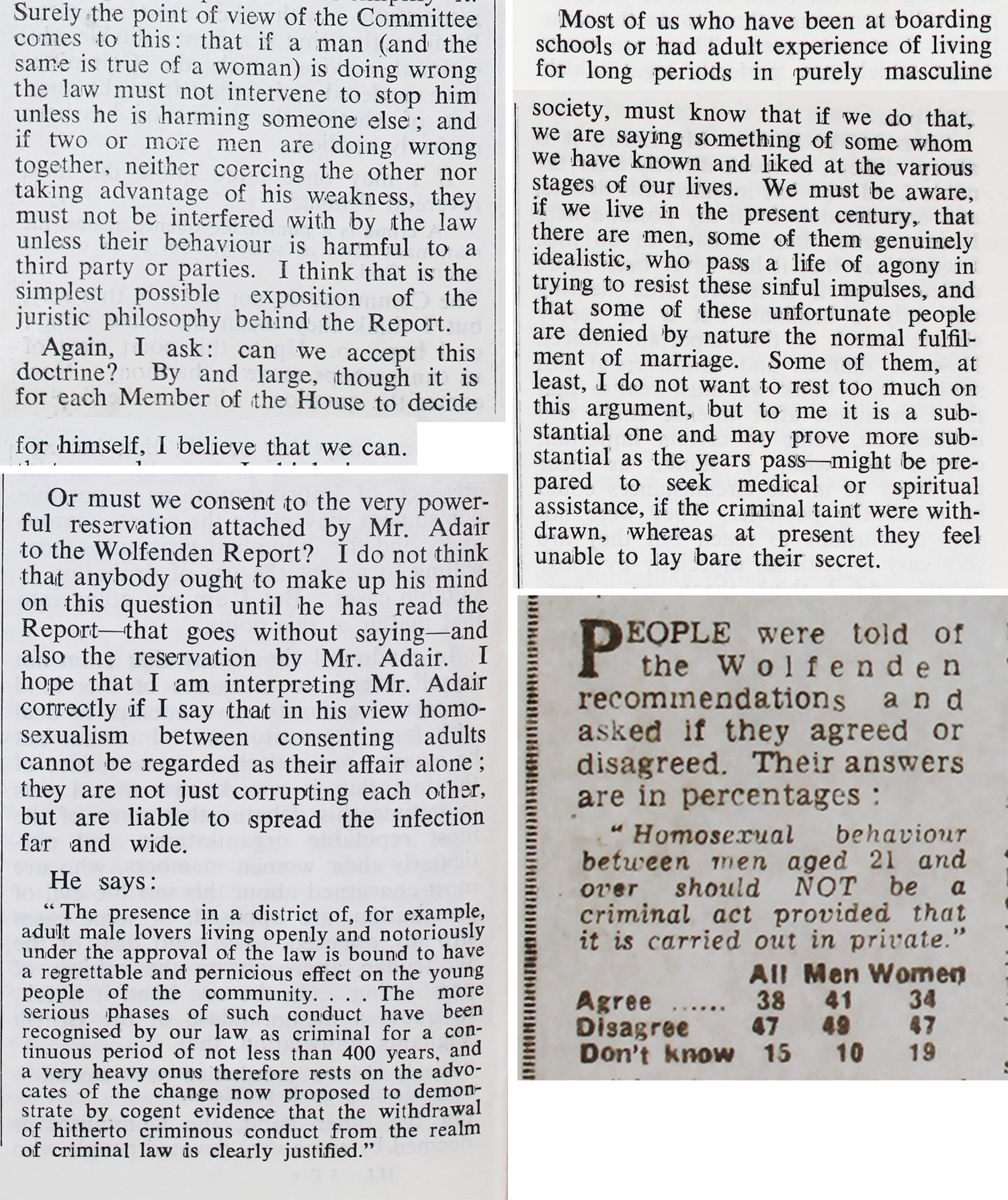
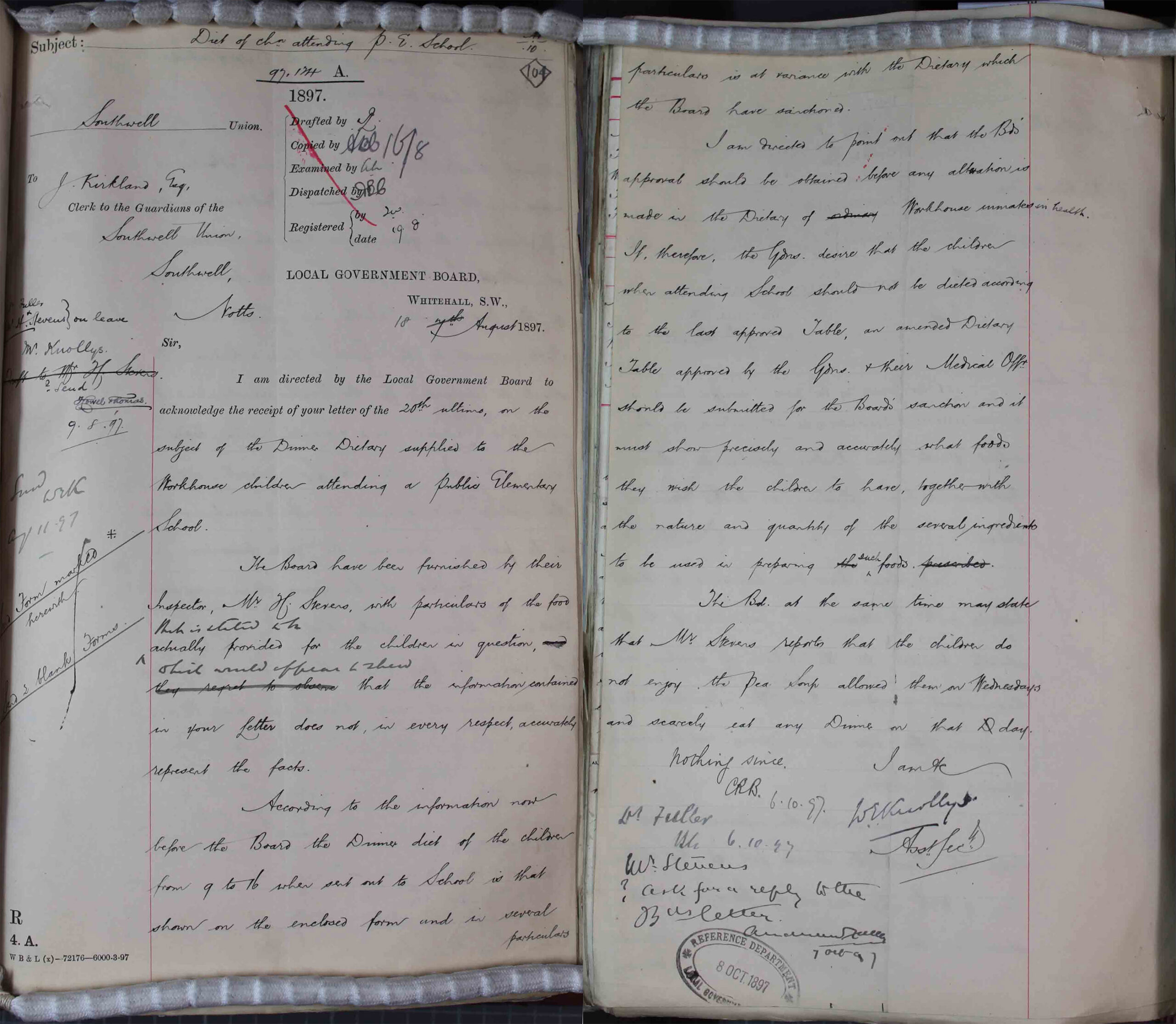
1954: Discussions around The Wolfenden Report. Catalogue ref: LCO 2/5762
The Wolfenden Report was released in 1957, based on an inquiry into the state of laws against homosexuality. It recommended that homosexual acts in private between men over the age of 21 should be made legal. It took ten years for these recommendations to be implemented in the 1967 Sexual Offences Act.
These papers from 1954 shed light on some of the debates happening within the Committee putting together the Wolfenden report. The section asking the general public for their opinions comes from a Gallup poll in 1957, after the report was published.
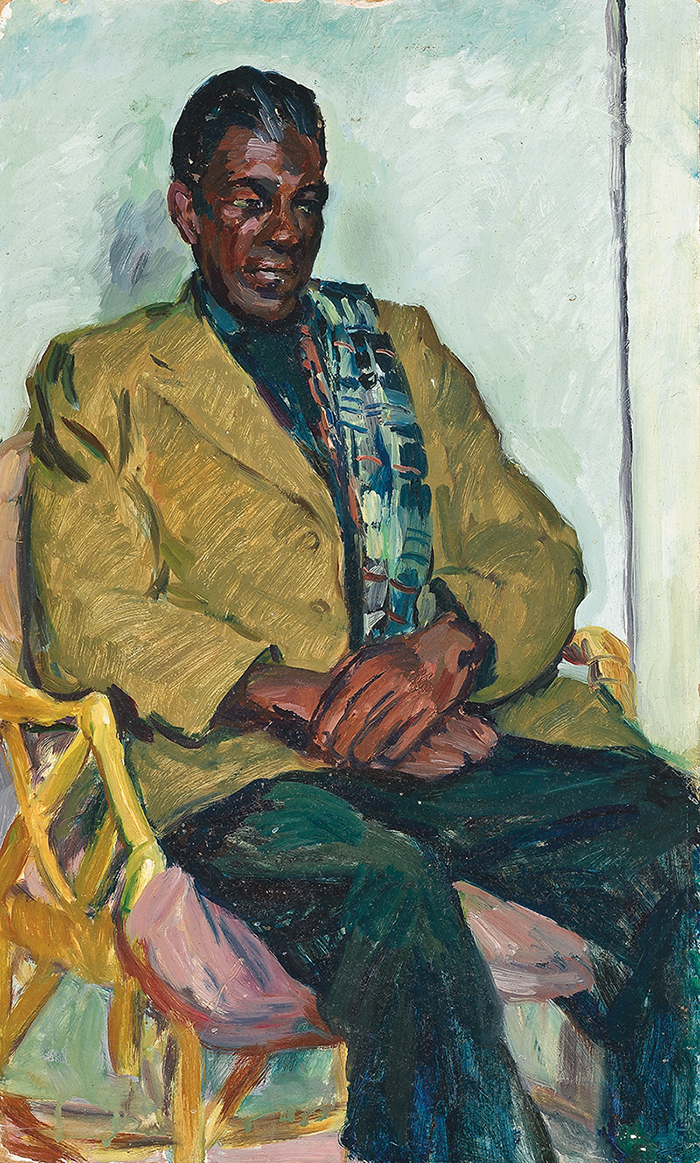
1930s–‘60s: Portrait of Patrick Nelson by Duncan Grant, 1960-63. Photo © Christie’s Images / Bridgeman Images
Patrick Nelson was born in Jamaica and came to the UK in 1938, where he – potentially at a venue like Shim Sham – met painter Duncan Grant, a member of the Bloomsbury Group. The two started a romantic relationship.
After fighting for the British military during the Second World War, Nelson returned to Jamaica in 1945. He once more came to London in the early 1960s, where he died in 1963. This portrait of Nelson near the end of his life was painted by Grant.