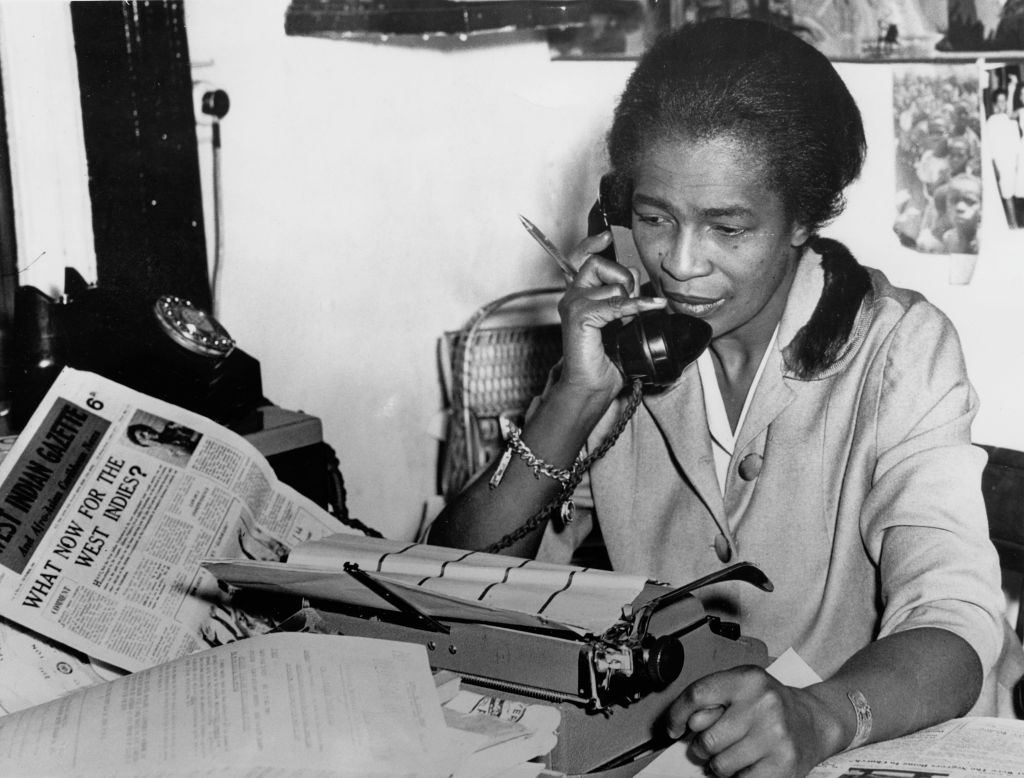
Photograph of Claudia Jones, founder and editor of ‘The West Indian Gazette and Afro-Caribbean News’ and founder of the indoor Caribbean Carnival which is seen as the beginnings of the Notting Hill Carnival. Source: Getty images.
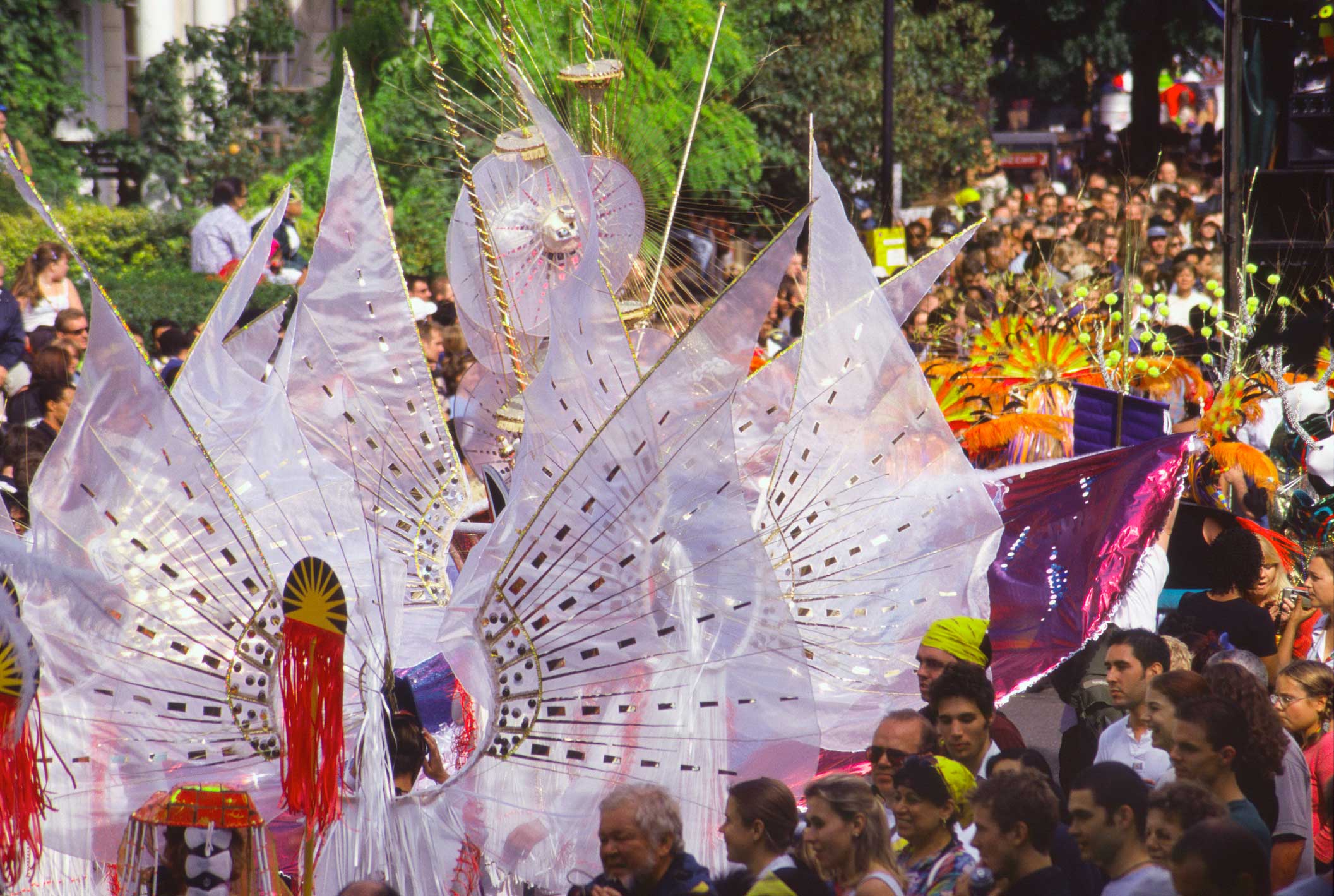
Photograph of Notting Hill Carnival. Source: Charles Bowman/Getty Images
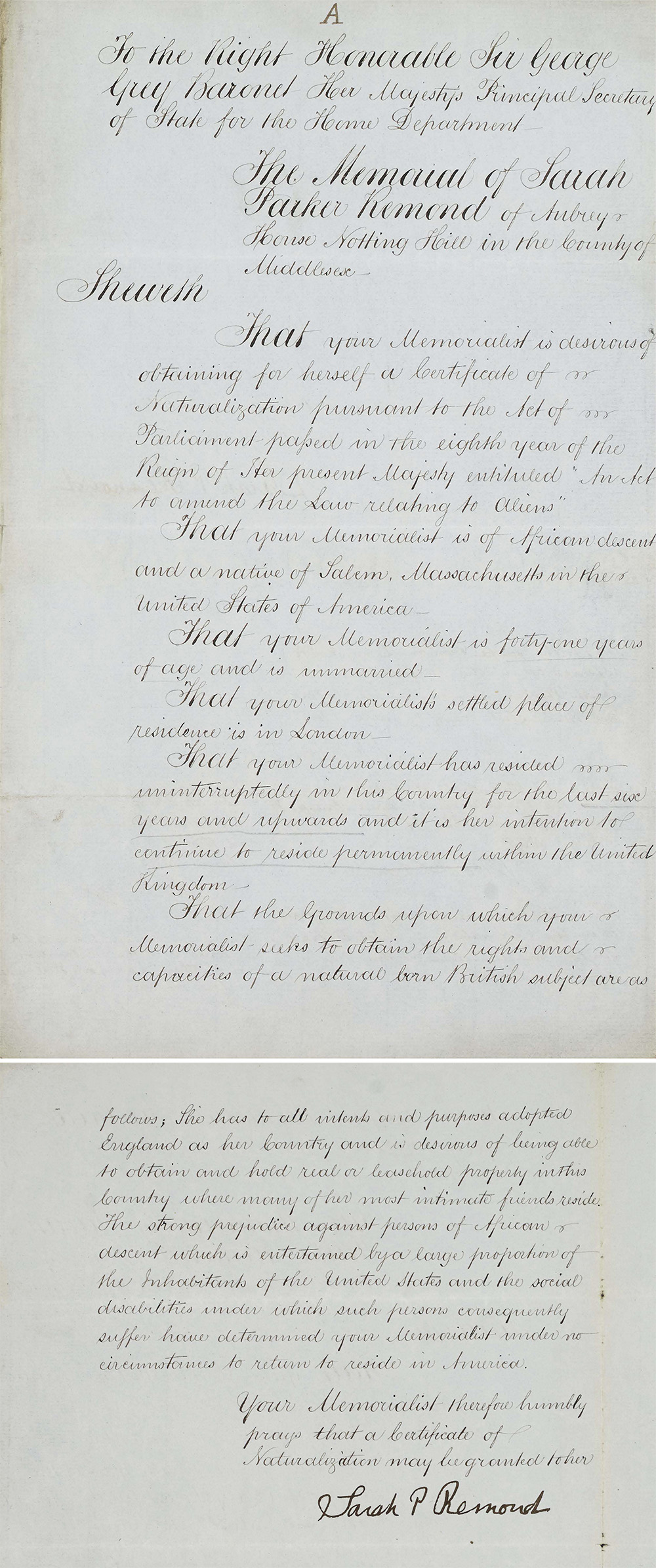
Before you share this source with pupils, please be aware that it uses language that is inappropriate and unacceptable today.
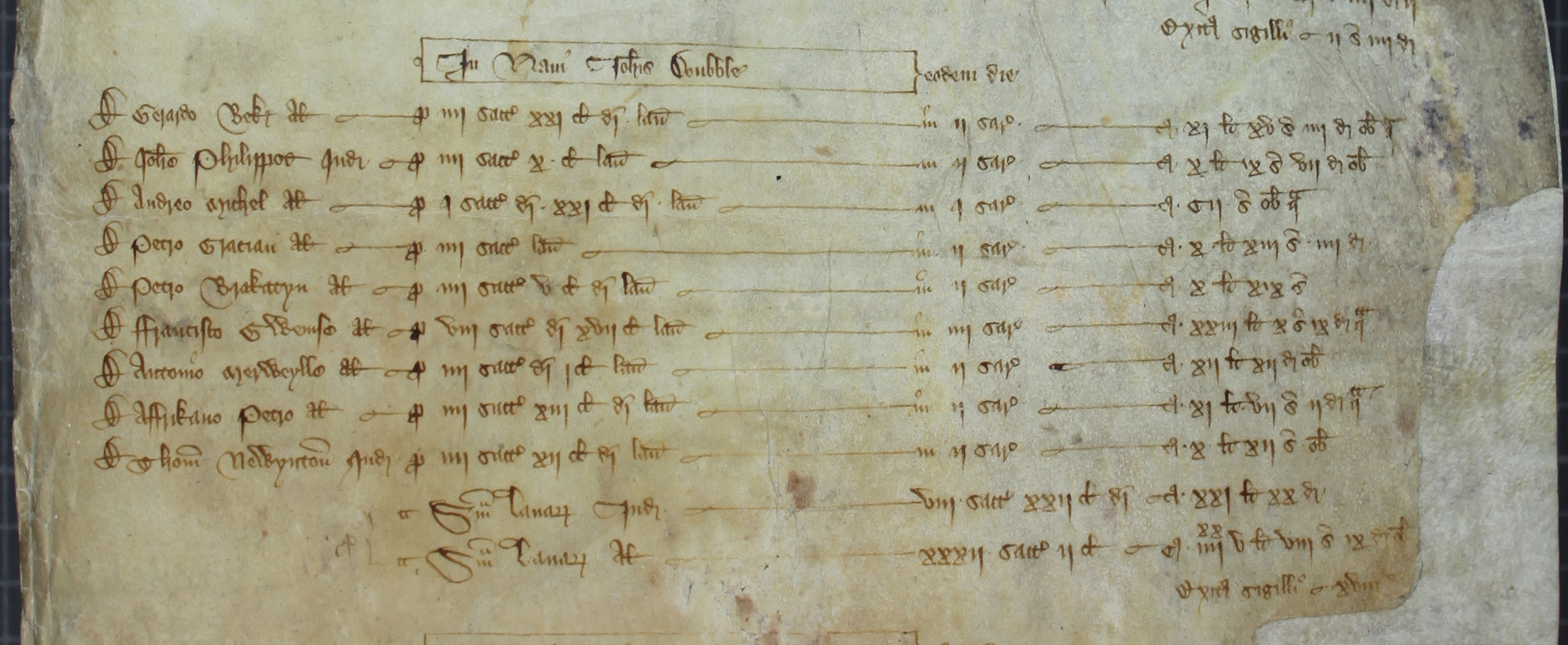
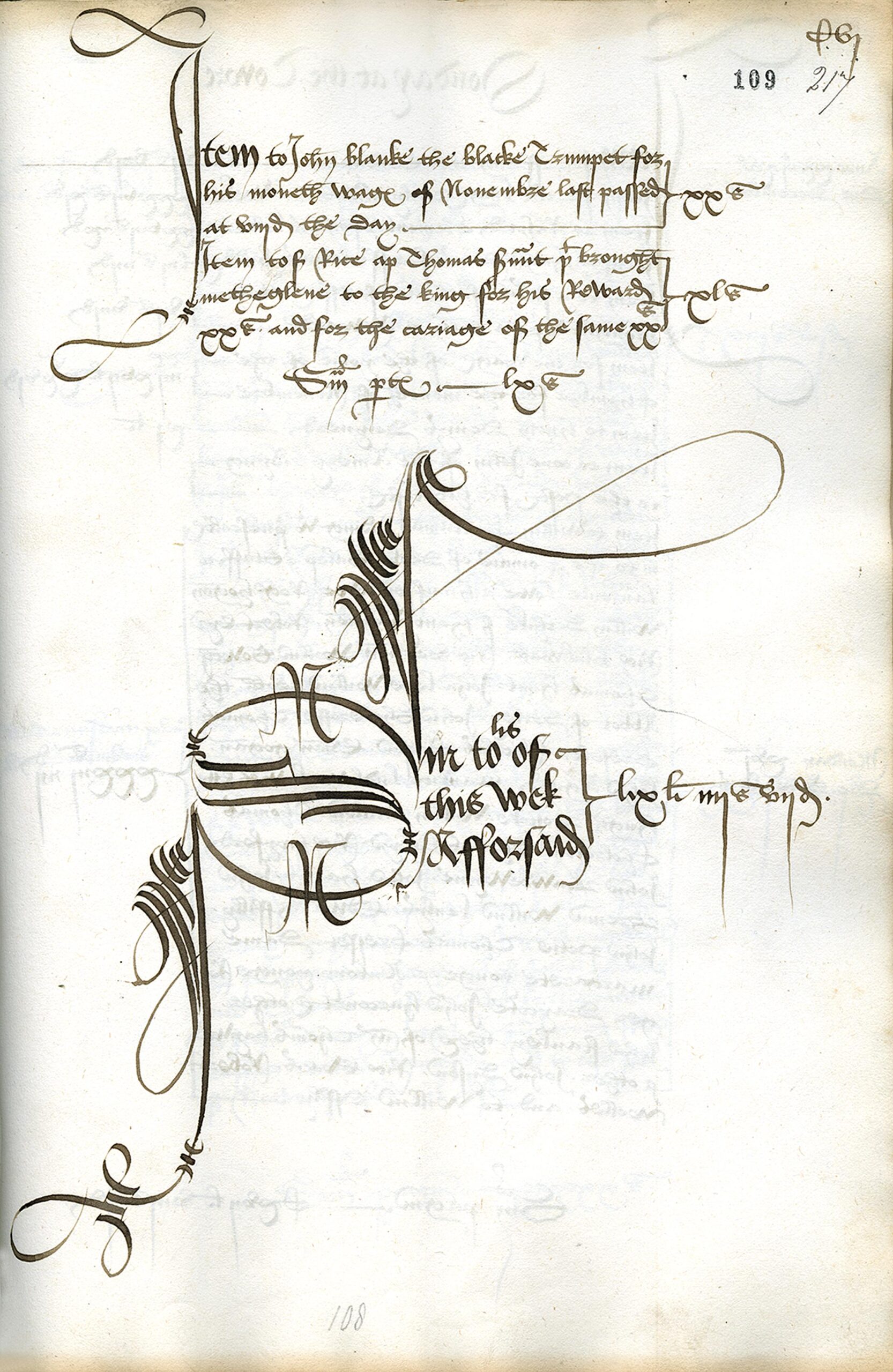
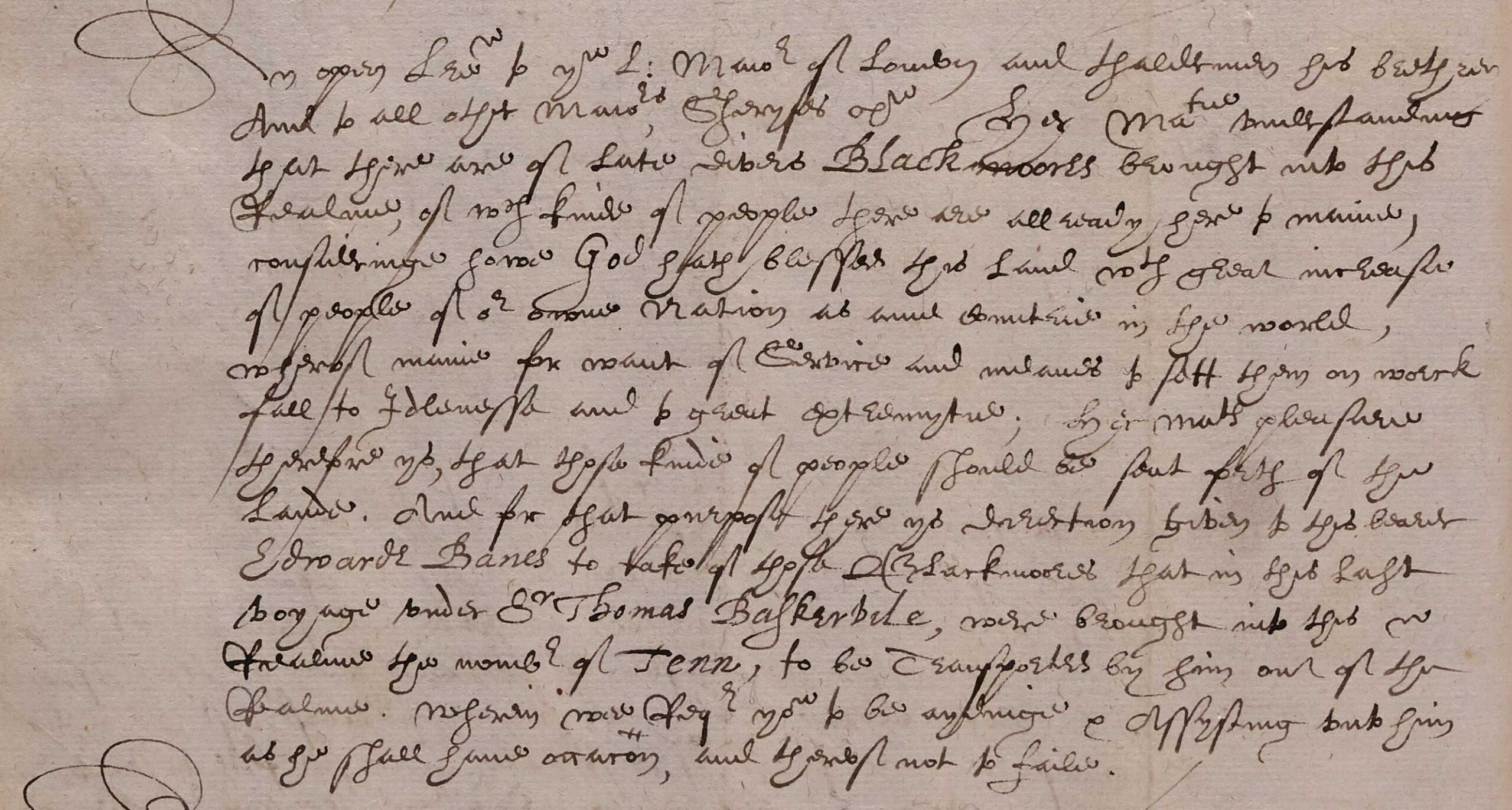
John Blanke’s wage slip Catalogue ref: E 36/214 f.109.
Transcript
Item to John blanke the blacke Trumpet for his moneth wages of Novembre last passed at viij d the day –
Item to Sir Rice ap Thomas’ servant that brought metheglee to the king for his reward xx s [20 shillings] and for the cariage of the same xx s [20 shillings]
Summa parles lx s. [60 shillings]
S[u]m totals of this wek aforesaid Lix li iiijs vijd[£59, 4 shillings, 7 pence]
Task
- What can you see?
- Do you think this is a modern document? Why/ why not?
- Can you make out any of the words?
- Who is John Blanke and what is his job?
- How much is he paid?
- Why do you think he has been described as ‘John Blanke the blacke’?
Follow-on questions:
- John Blanke played at the royal court; what does this tell us about his ability as a musician?
- Why do you think reference has been made to the colour of Blanke’s skin?
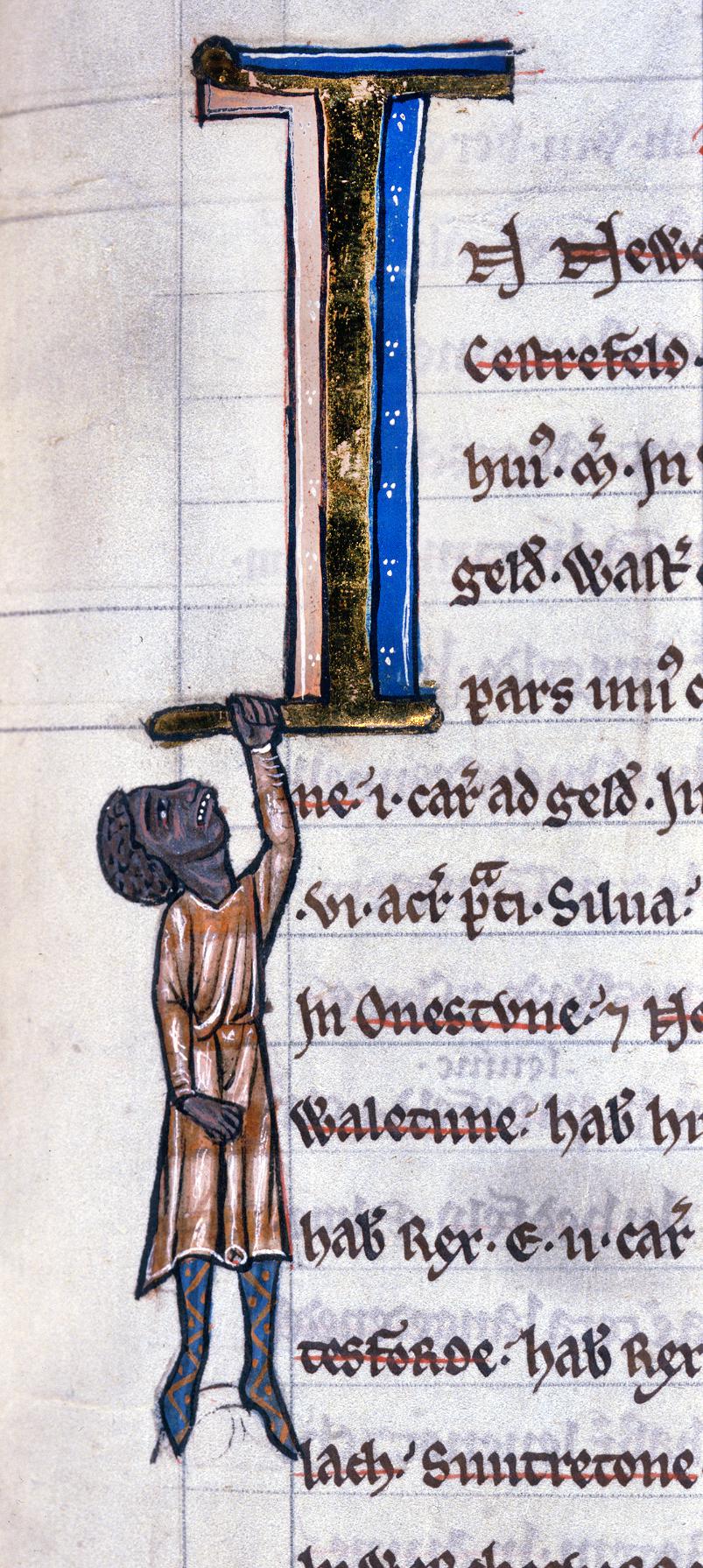
Black figure on illuminated initial from Abbreviato of The Domesday Book Catalogue Ref: E36/284 f.19
This document was made in the thirteenth century, to help officials of the King’s Exchequer when consulting the original Domesday Book.
Discuss the following questions:
- Describe what can you see in this source.
- When do you think it was made? Why do you think this?
- Who do you think the man is?
- How is he dressed?
- Do you think he is important? Why/ why not?
- Why might the person who created this source, have drawn a Black man on this page? What can it tell us about the people living in Britain at this time?
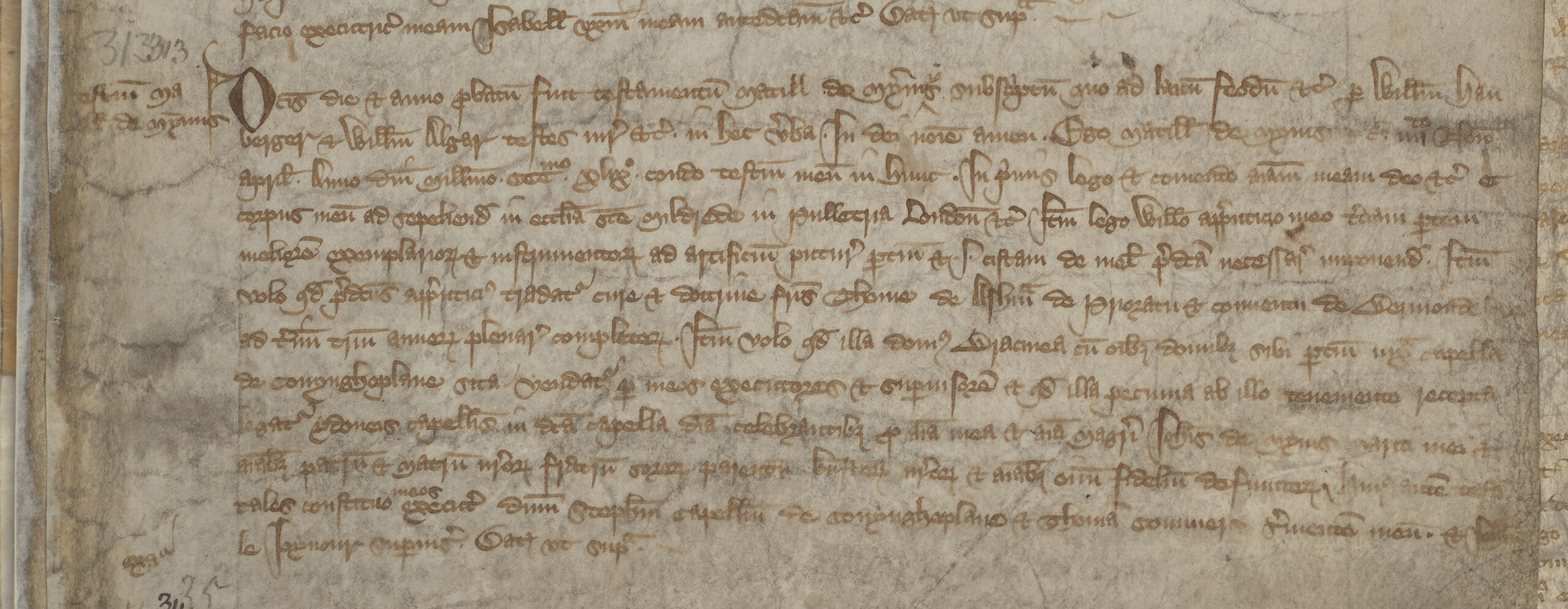
This is a will from a woman in 1349 who has an apprentice. It is printed in R.R. Sharpe, Wills enrolled in the Court of Hustings London I (London, 1899), p. 106]. The original is in the London Metropolitan Archives Catalogue ref: CLA/023/DW/01/076
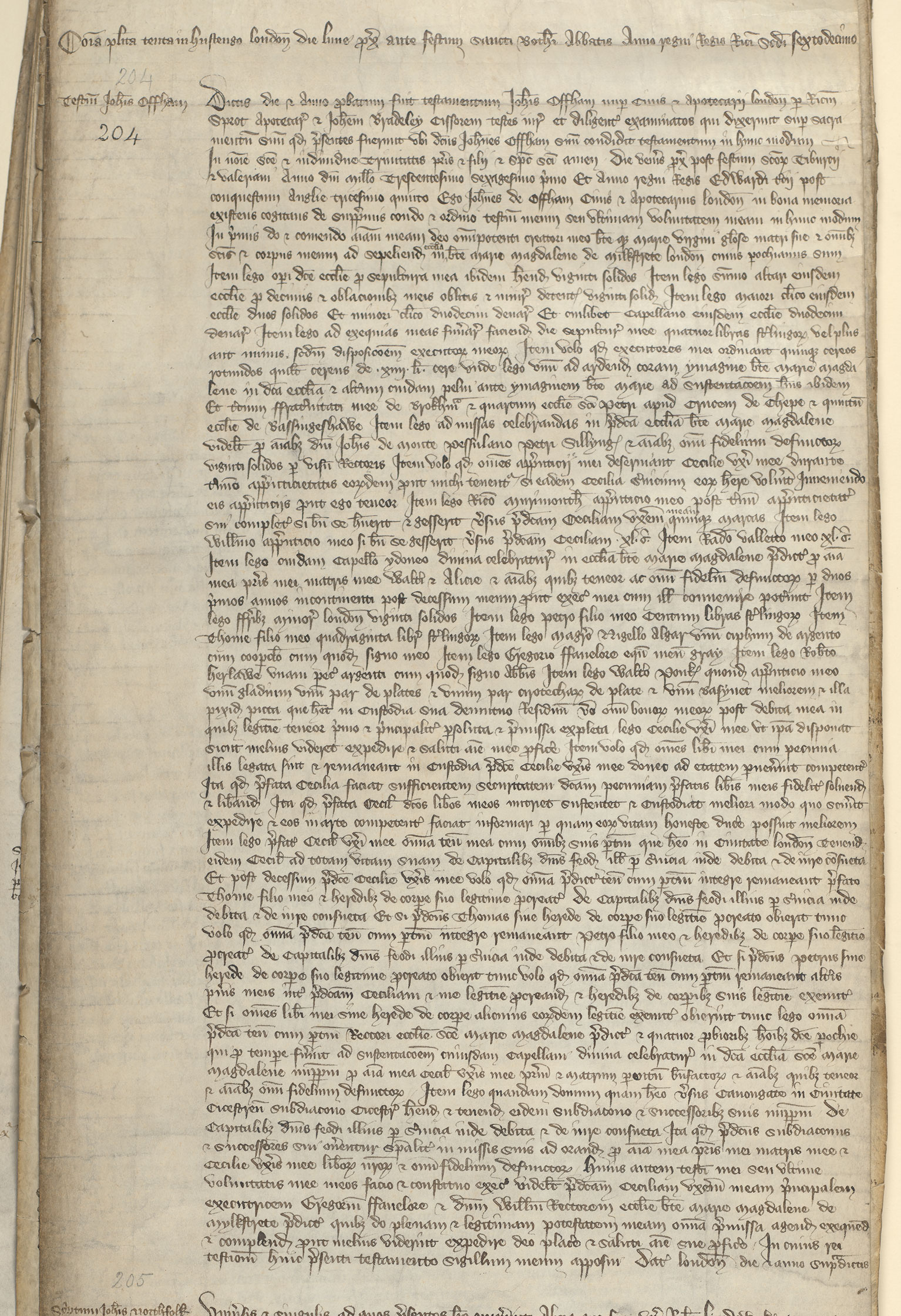
This is a will from an apothecary in the City of London. An apothecary prepared and sold medicines and drugs. He leaves his wife Cecilia in charge of his apprentices [those learning the trade] and also leaves her his houses in the city. [Printed in R.R. Sharpe, Wills enrolled in the Court of Hustings, London II. (London, 1890) p. 299]. The original is at London Metropolitan Archives Catalogue ref: CLA/023/DW/01/120
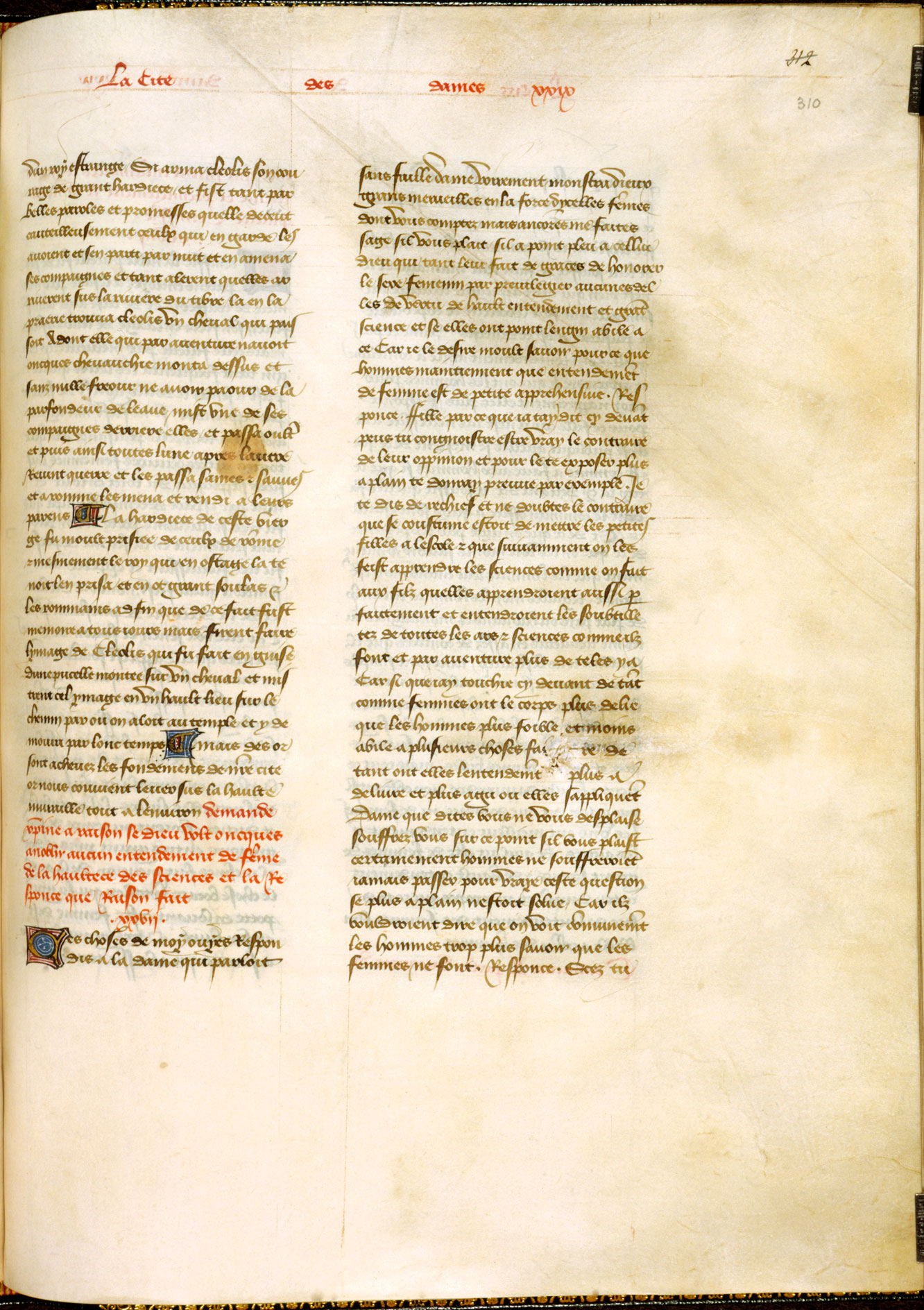
Christine de Pizan was the most famous female author of the middle ages. She was Italian and wrote in France in the late fourteenth and early fifteenth centuries about politics, women’s lives and history. One of the manuscripts of her work is in the British Library, which has a picture of Christine working in her study. This text is from an early translation into English of Christine’s most famous work, The Book of the City of Ladies (Tempe, Arizona; 2004) I.27.