
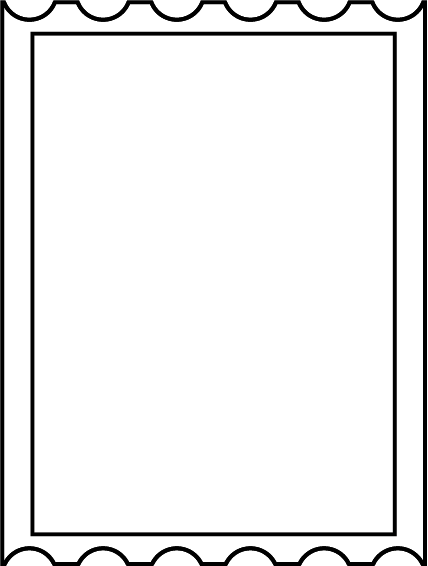
Design your own commemorative stamp
A commemorative stamp is a postage stamp issued to remember a person, place or event. Can you design a special stamp to celebrate Queen Elizabeth II’s Platinum Jubilee?
- Who could you show in your design?
- Which important achievements or events from Queen Elizabeth’s 70 year reign could you remember?
- What else will you include in your design?
Wordsearch
| S | J | P | M | O | N | A | R | C | H | R | U | G | J | K | P | E | V | Z | G |
| B | M | X | L | O | P | L | C | O | R | O | N | A | T | I | O | N | H | O | W |
| C | W | Q | Z | L | K | W | S | E | Q | I | M | L | S | P | V | A | I | P | E |
| W | I | C | P | A | B | B | E | Y | S | A | T | P | B | Y | E | A | R | S | S |
| X | N | E | L | M | I | K | Q | Z | D | T | S | M | J | D | D | W | Z | V | T |
| C | D | L | S | E | R | B | U | C | K | I | N | G | H | A | M | E | M | S | M |
| Q | S | E | W | Y | B | N | E | M | I | Z | N | S | U | T | O | L | V | D | I |
| S | O | B | I | L | X | N | E | V | C | R | O | W | N | F | S | I | S | Z | N |
| R | K | R | U | B | D | O | N | B | W | S | Y | I | V | P | Y | Z | Q | L | S |
| E | V | A | P | S | Q | P | O | V | K | G | C | J | P | L | G | A | E | M | T |
| J | X | T | C | A | S | T | L | E | U | S | M | U | K | A | B | B | I | P | E |
| U | M | I | A | K | B | I | E | A | B | C | S | N | T | T | V | E | M | R | R |
| B | I | O | N | S | J | D | W | R | T | L | P | E | T | I | U | T | K | I | O |
| I | H | N | G | E | K | A | I | E | O | P | A | Z | W | N | E | H | A | N | E |
| L | B | S | J | V | D | Z | A | I | Q | H | F | N | Q | U | T | X | P | C | M |
| E | N | T | I | E | M | T | B | G | M | I | C | K | D | M | P | U | A | E | S |
| E | Q | U | W | N | L | D | R | N | S | L | Z | O | F | T | Z | L | F | W | J |
| Z | Z | T | L | T | S | E | S | O | J | I | U | Y | B | P | A | M | X | D | X |
| X | Y | D | U | Y | H | K | P | N | S | P | I | L | R | P | S | D | C | O | Z |
| T | N | W | C | F | C | O | M | M | O | N | W | E | A | L | T | H | J | S | D |
Can you find the following words?
Queen, Platinum, Jubilee, Buckingham, Coronation, June, Monarch, Westminster, Prince, Windsor, Commonwealth, Years, Seventy, Palace, Crown, Celebration, Elizabeth, Reign, Abbey, Philip, Castle
Download the timeline as a PDF
1950
- C. S. Lewis published The Lion, the Witch and the Wardrobe.
- British troops were sent to Korea, they fought with American forces as the first military action of the Cold War. Around 60,000 members of the British armed forces served, many were National Servicemen.
1951
- Winston Churchill became Conservative Prime Minister, aged 77 years after leading the country during the Second World War.
- On the 100 years anniversary of the Great Exhibition of 1851, the Festival of Britain in 1951 showcased British achievement since the Second World War. This was a bright look at the future. The festival celebrated the arts, sciences and architecture. The Royal Festival Hall, on the Southbank was built as part of the Festival and remains today as part of the South Bank development on the Thames.
- Two members of a Soviet spy ring Donald Maclean and Guy Burgess escaped to Moscow. They infiltrated the intelligence system in Britain and passed information to the Soviets during Second World War and start of the Cold War.
- The UK’s first National Park, the Peak District was introduced. This was soon followed by the Lake District, Snowdonia and Dartmoor. National Parks protected by the government, allow the public to visit areas of great natural beauty, plants, or animals.
- The European Coal and Steel Community founded, the forerunner of the European Union.
1952
- King George VI died, Britain’s wartime monarch. Elizabeth, his eldest daughter became Queen Elizabeth II, our longest reigning monarch
- 4,000 people die in London’s ‘Great Smog’
- Britain tested an atom bomb in the Monte Bello Islands off the coast of Western Australia.
1953
- James Watson and Francis Crick discover the structure of DNA and how it served as the ‘building blocks’ of life.
- Ian Fleming published the first James Bond book, Casino Royale.
- New Zealander Edmund Hillary and Nepalese Tenzing Norgay are the first to reach the summit of Everest.
- The DH.106 Comet launched as the world’s first commercial jet airliner.
- New edition of the highway-code was published as there more cars on the roads.
1954
- Medical student Roger Bannister ran a mile in under 4 minutes.
- Rationing, in place since the Second World War ended.
1955
- Winston Churchill resigns due to ill health, Anthony Eden takes over as Prime Minister.
- Television with adverts began, the first commercial channel was ITV.
- Mary Quant opened her first shop, ‘Bazaar’ in Chelsea, London.
- Ruth Ellis was the last woman to be hanged in Britain. Her execution played a major part in the movement to abolish the death penalty.
- USSR forms the Warsaw Pact, in response to NATO.
1956
- The Clean Air Act was introduced in response to London’s Great Smog of 1952 to prevent pollution from smoke.
- Britain’s first nuclear power station at Windscale.
- Dodie Smith published 101 Dalmatians.
- Suez Crisis – Britain and France invade Egypt after the Suez Canal is nationalised, but are forced to withdraw under American pressure.
- Elvis Presley has his first hit in the UK, Heartbreak Hotel.
1957
- Anthony Eden resigned. Harold MacMillan became Prime Minister and said “most of our people have never had it so good”.
- The Gold Coast became the first African state to become independent of Britain, renamed Ghana.
- The Treaty of Rome signed by Belgium, France, Italy, Luxembourg, the Netherlands and West Germany created the European Economic Community, later the E.U.
1958
- 22 out of 40 people on board BEA Flight 609 died at take-off from Munich airport. Those killed included eight members of Manchester United’s football team who were nicknamed ‘the Busby Babes’.
- Britain’s first motorway opens, the Preston by-pass, a section of the M6. This motorway now covers 230 miles from the Midlands to the Scottish border.
- Britain’s first parking meters introduced in Mayfair, London.
- Michael Bond published A Bear Called Paddington.
- Europe feared nuclear conflict in the 1950s. CND, the Campaign for Nuclear Disarmament, was launched in London.
1959
- The first Mini motor car was built by British Motoring Corporation, became an icon for the 1960s. The cars used less petrol and were a cheaper to run!
- The first postcodes introduced by the Post Office in Norwich.
- Stevenage had been designated as Britain’s first New Town. It was built with the first traffic-free shopping zone which was officially opened in 1959 by the Queen Elizabeth II.
Download the timeline as a PDF
1960
- The United States of America enters the Vietnam War.
- NASA’s space probe, Pioneer 5 is launched into orbit between Earth and Venus.
- The Beatles perform their first public performance at the Indra club in Hamburg, Germany.
1961
- John F. Kennedy is sworn in as the 35th President of the United States, succeeding Dwight D. Eisenhower.
- Ham the Chimp becomes the first ape in space, climbing to a distance of 157 miles above Earth in the Mercury-Redstone 2 Launch Vehicle.
- George Blake, a British spy found guilty of working as a double agent for the Soviet Union, is imprisoned for 42 years.
- Construction begins on the Berlin Wall, with the purpose of restricting movement within Berlin and forming a solid boundary between East and West Germany.
- American involvement in the Vietnam War begins officially, as helicopters and four-hundred U.S. personnel land in Saigon.
1962
- Prime Minister Harold Macmillan dismisses one third of his Cabinet in what the press dubs the ‘Night of the Long Knives’.
- The Beatles release their first single, “Love Me Do“.
- “Dr. No“, the first ever James Bond film, premieres in United Kingdom cinemas.
- The South African government arrests Nelson Mandela in Howick and charges him with incitement to rebellion.
1963
- The Big Freeze of 1963 begins, with temperatures reaching as low as -16C (3.2F) in places. The ice and snow finally starts to thaw in early March.
- The Beatles release their first album, “Please Please Me“.
- 70,000 marchers arrive in London from Aldermaston, to demonstrate against nuclear weapons.
- The Great Train Robbery of 1963 takes place in Buckinghamshire. £2.6 million is stolen, but thirteen men are later convicted and jailed for the crime.
- Alec Douglas-Home succeeds Harold Macmillan as Prime Minister.
- U.S. President John F. Kennedy is shot dead in Dallas.
- “I Want to Hold Your Hand” and “I Saw Her Standing There” are released in America, marking the beginning of full-scale ‘Beatle-mania‘.
1964
- The Beatles arrive at New York City’s JFK International Airport, receiving a reception from a mass of screaming fans. This is the first occurrence of “Beatle-mania” in the United States.
- BBC Two begins broadcasting in the United Kingdom.
- Nelson Mandela and seven others are sentenced to life imprisonment in South Africa and sent to the Robben Island prison.
- The 1964 Summer Olympics are held in Tokyo.
- The House of Commons votes to abolish the death penalty for murder in Britain.
1965
- Lyndon B. Johnson is sworn in for his full term as U.S. President.
- The State funeral of Sir Winston Churchill takes place with the largest assembly of statesmen in the world until the 2005 funeral of Pope John Paul II.
- The Beatles perform the first stadium concert in the history of rock, playing at Shea Stadium in New York.
- The Post Office Tower opens in London.
- A seventy miles per hour speed limit is imposed on British roads.
1966
- The Rubber Soul album by The Beatles goes number 1 and stays at the top position for 6 weeks.
- Georges Pompidou is re-appointed the French Prime Minister and forms a new government.
- Harold Wilson, leader of the Labour party, wins the British general election.
- USSR’s Luna 10 becomes the first spacecraft to orbit the Moon.
- The White House Conference on Civil Rights is attended by 2,400 people.
- England beat West Germany 4-2 to win the FIFA World Cup.
- Queen Elizabeth II officially opens The Severn Bridge.
- In Aberfan, South Wales, 116 children and 28 adults are killed as a coal waste heap slid and engulfed a school.
- Both America and USSR sign a treaty to prohibit nuclear weapons in outer space.
1967
- The Beatles release “Sgt. Pepper’s Lonely Hearts Club Band“, nicknamed “The Soundtrack of the Summer of Love”.
- BBC Two transmits tennis coverage from Wimbledon in colour. This is the first time that television is broadcast in colour in the United Kingdom and a full colour service begins on the channel from 2nd December.
- BBC Radio One, BBC Radio Two, BBC Radio Three and BBC Radio Four are all launched.
- The Concorde is unveiled in Toulouse, France.
1968
- Queen Elizabeth II appoints Cecil Day-Lewis as British Poet Laureate.
- The Beatles’ album Magical Mystery Tour goes to number 1 in the charts.
- At the age of 87, Jeannette Rankin, a congresswoman from Montana, leads some 5,000 women on a march in Washington D.C. to protest the Vietnam War.
- Elvis Presley receives a gold record for the album How Great Thou Art.
- The My Lai massacre occurs; one of the most controversial incidents of the Vietnam War, in which 400 unarmed Vietnamese civilians are killed.
- Martin Luther King Jr.’s funeral takes place, and he is buried in Atlanta.
- The Northern Ireland Prime Minister Terence O’Neill meets the British Prime Minister Harold Wilson for talks about Northern Ireland.
- The Beatles’ White Album goes to number 1 in the charts and stays there for 9 weeks.
1969
- Richard Milhous Nixon succeeds Lyndon Baines Johnson as the 37th President of the United States of America.
- The Beatles give their last public performance, on the roof of Apple Records.
- The Boeing 747 takes-off on its maiden flight.
- Prince Charles is invested with the title ’Prince of Wales’ at Caernarfon in a televised ceremony.
- Neil Armstrong becomes the first man to walk on the Moon.
- Regular colour television broadcasts begin on BBC One and ITV.
- John Lennon returns his MBE medal in protest to the British government’s support of the war in Vietnam.
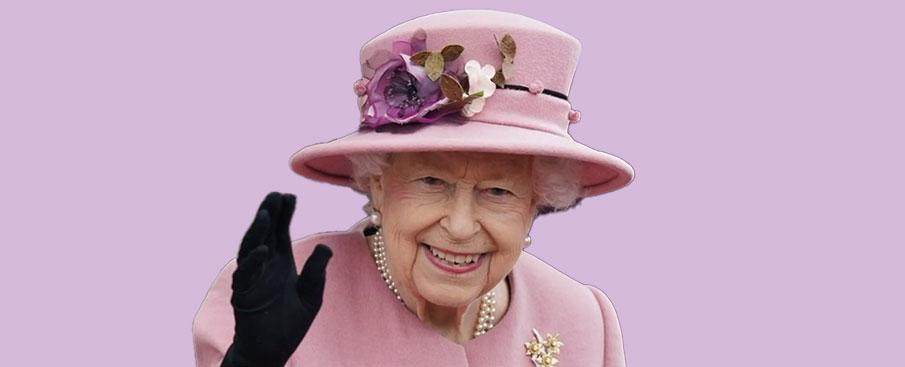
The National Archives has created some resources for you to use in your classroom with our video to celebrate Her Majesty Queen Elizabeth II’s Platinum Jubilee.
The film tells the story of Elizabeth II’s 70 years as Queen using genuine historical sources from The National Archives and The Royal Collections. It includes music and some original footage from the period. Pupils take a historical journey through the decades, from the 1950s to 2020s. We hope that the commentary and documents will encourage your pupils to explore the past and ask questions about how the Queen’s role has changed and life in Britain altered over time.
You can find out more about the Queen’s Jubilee with the Royal Collection Trust’s School Resources.
These resources were produced for our Royalty on Record programme in June 2022, commemorating Queen Elizabeth II’s Platinum Jubilee. Some information may now be out of date.
Download the resource pack (.zip, 4.6MB)

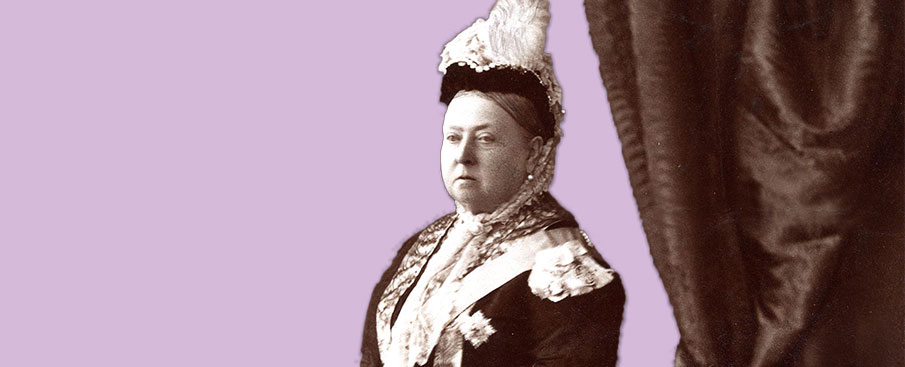
Focus:
To encourage pupils to use original sources to find out about how Queen Victoria’s Diamond Jubilee was celebrated in 1897.
Part 1: Pupils engage with the starter source, a photograph of a building decorated to celebrate Queen Victoria’s Jubilee with prompt questions for discussion. A second photograph expands discussion and encourages pupils to think about how Victoria’s Jubilee was celebrated across the country. There is an opportunity to do a creative activity linked to this source.
Part 2: Pupils engage with a different source using a mystery document approach. This source concentrates on how the Queen herself celebrated her Jubilee. There is an opportunity to do a creative activity linked to this source.
Part 3: Pupils build on Part 1 by looking at further sources to show Queen Victoria Celebrated her Jubilee. They can explore differences between past and present. Are we celebrating Queen Elizabeth’s Platinum Jubilee in the same way? What are we doing to celebrate Queen Elizabeth’s Platinum Jubilee?
Teachers may prefer to use any of the original sources here to create their own resources and activities or adapt the activities provided here for use in their schemes of work.
- Let’s take a look at some photographs from the past to find out about Queen Victoria’s Jubilee was celebrated
- What else can these photographs reveal about Victorian times?
- What other documents would help us find out more?
- Are we celebrating Queen Elizabeth II’s Platinum Jubilee in the same way?
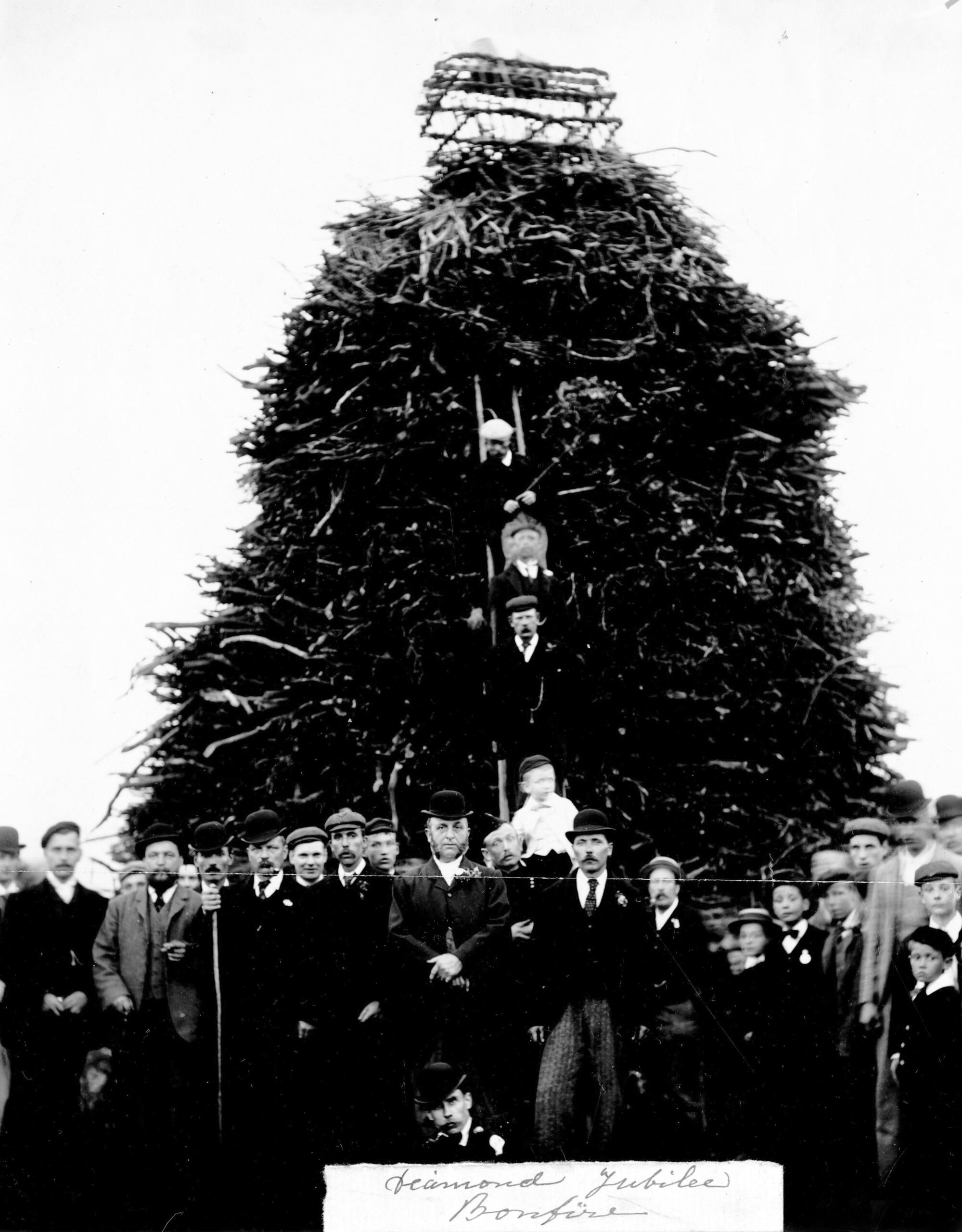
Diamond Jubilee Bonfire, Chippenham, Wiltshire, 1897, Catalogue ref: COPY 1/431/4
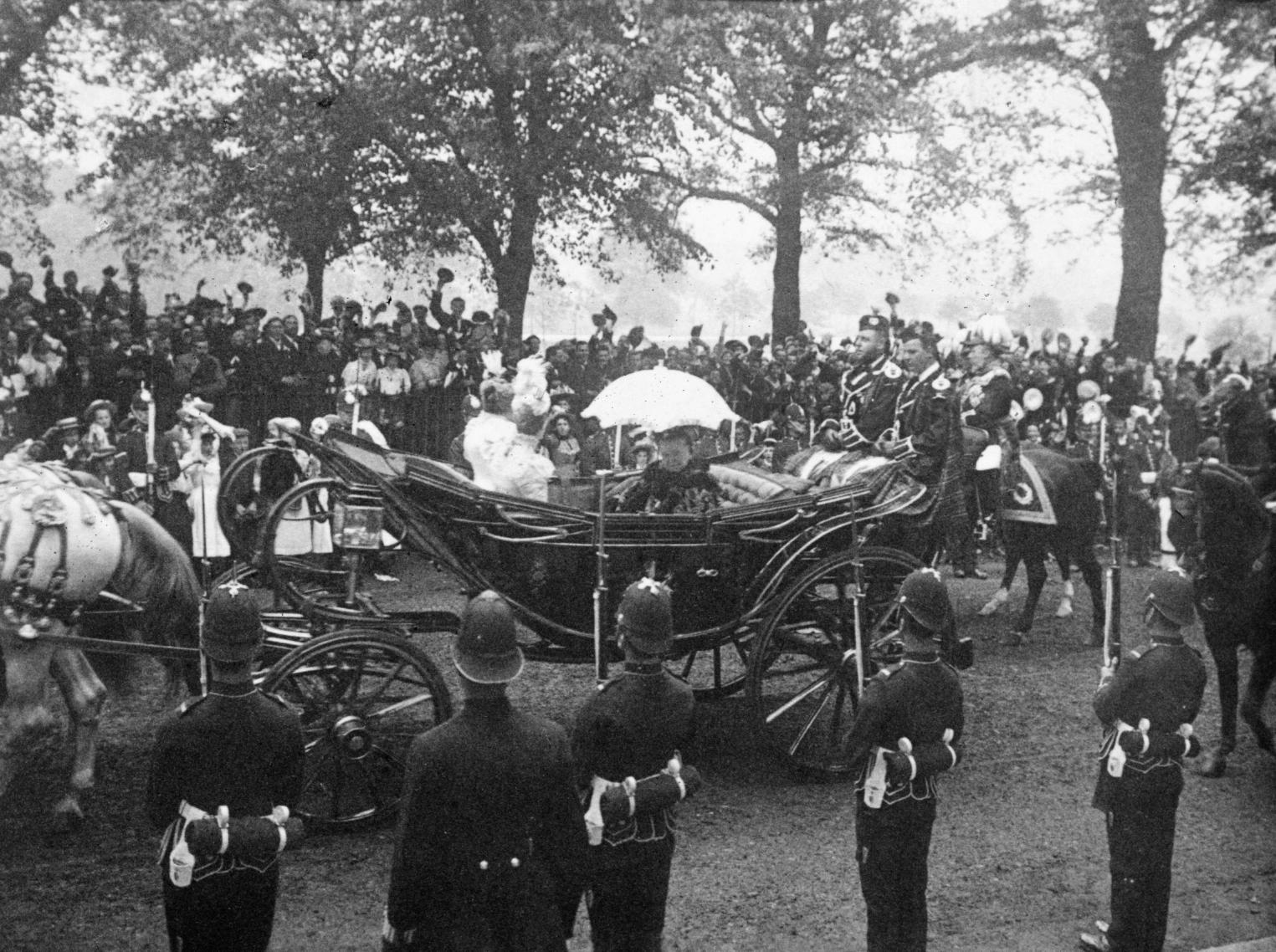
Queen Victoria Diamond Jubilee, 1897, Catalogue ref: COPY 1/431/3
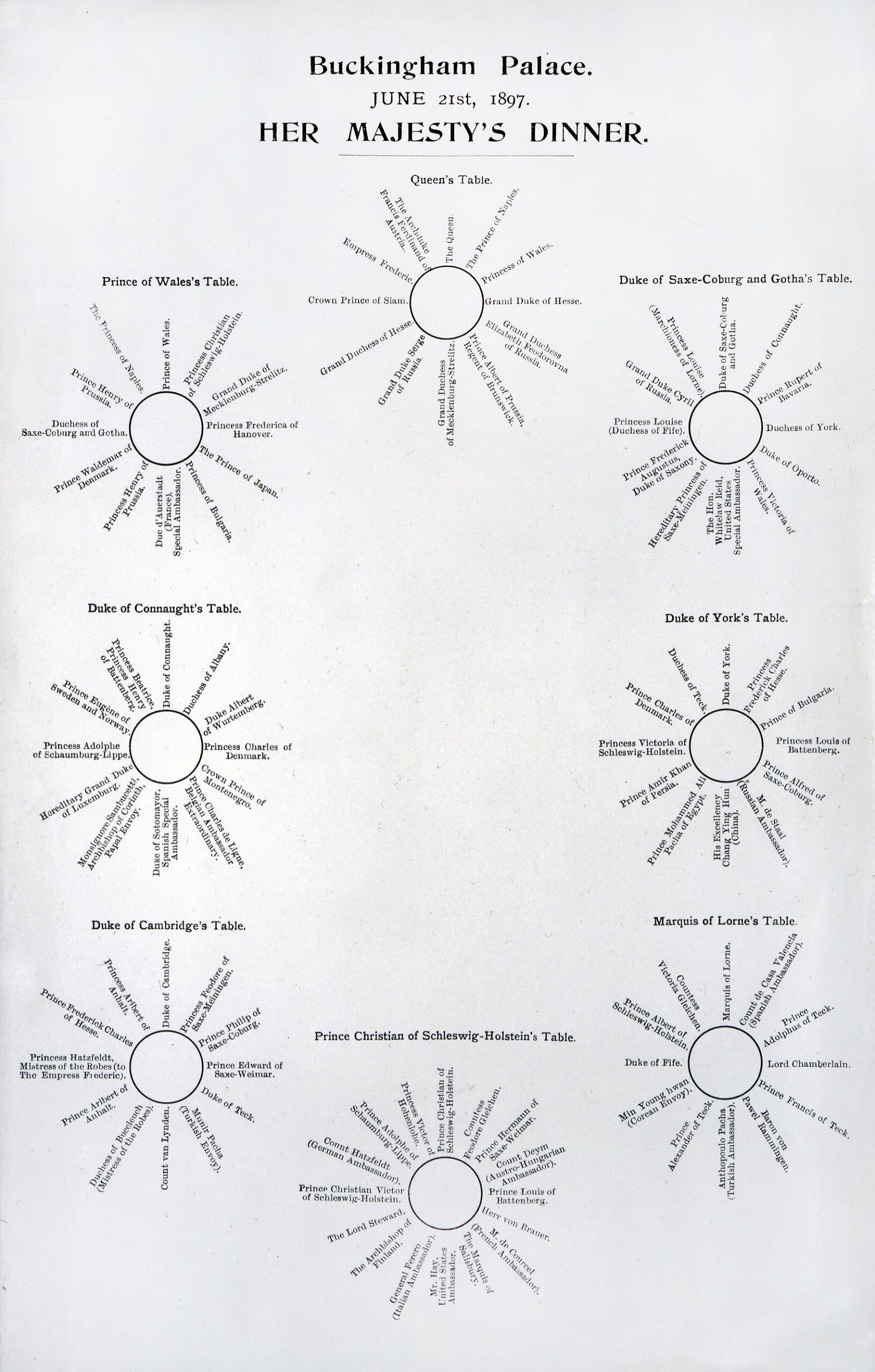
Buckingham Place, June 21st, 1897, Her Majesty’s Dinner. Catalogue Ref: LC 2/146
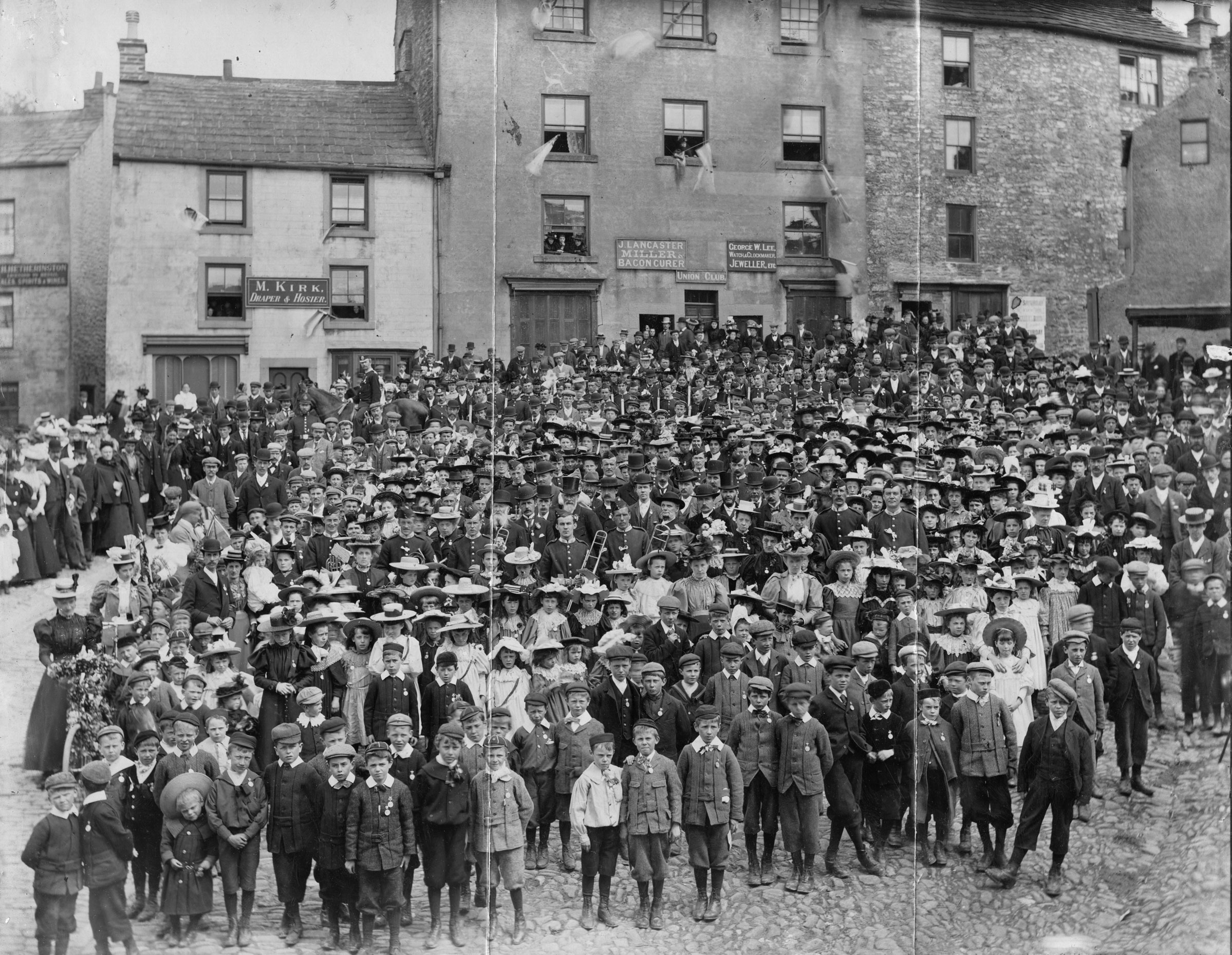
Queen Victoria’s Diamond Jubilee Celebrations, Alston, Cumberland, June 1897, Catalogue ref: COPY 1/430/711
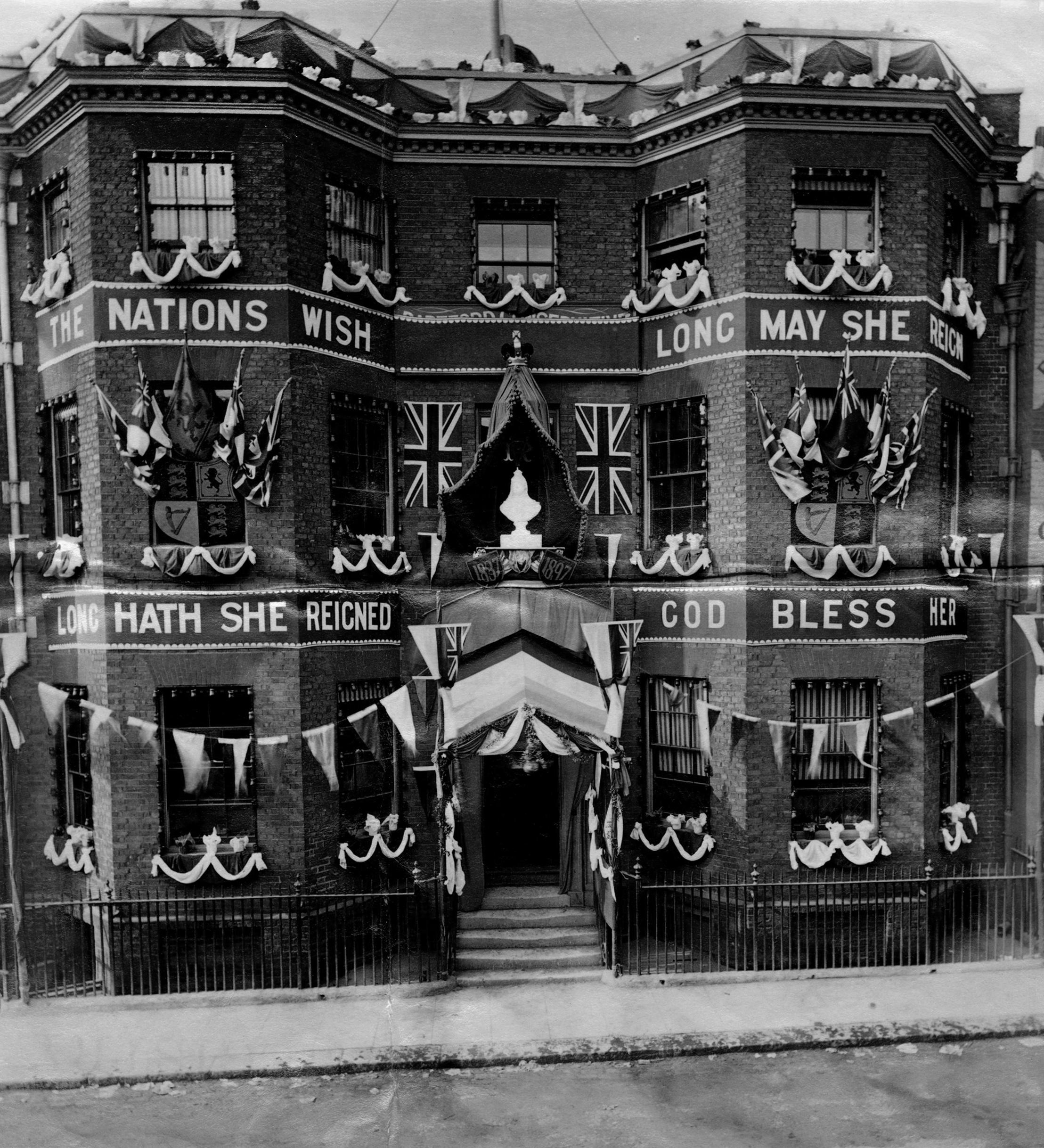
‘Dartford Bank House Club with Victoria Jubilee decoration’ 1897, Catalogue ref: COPY 1/431/34