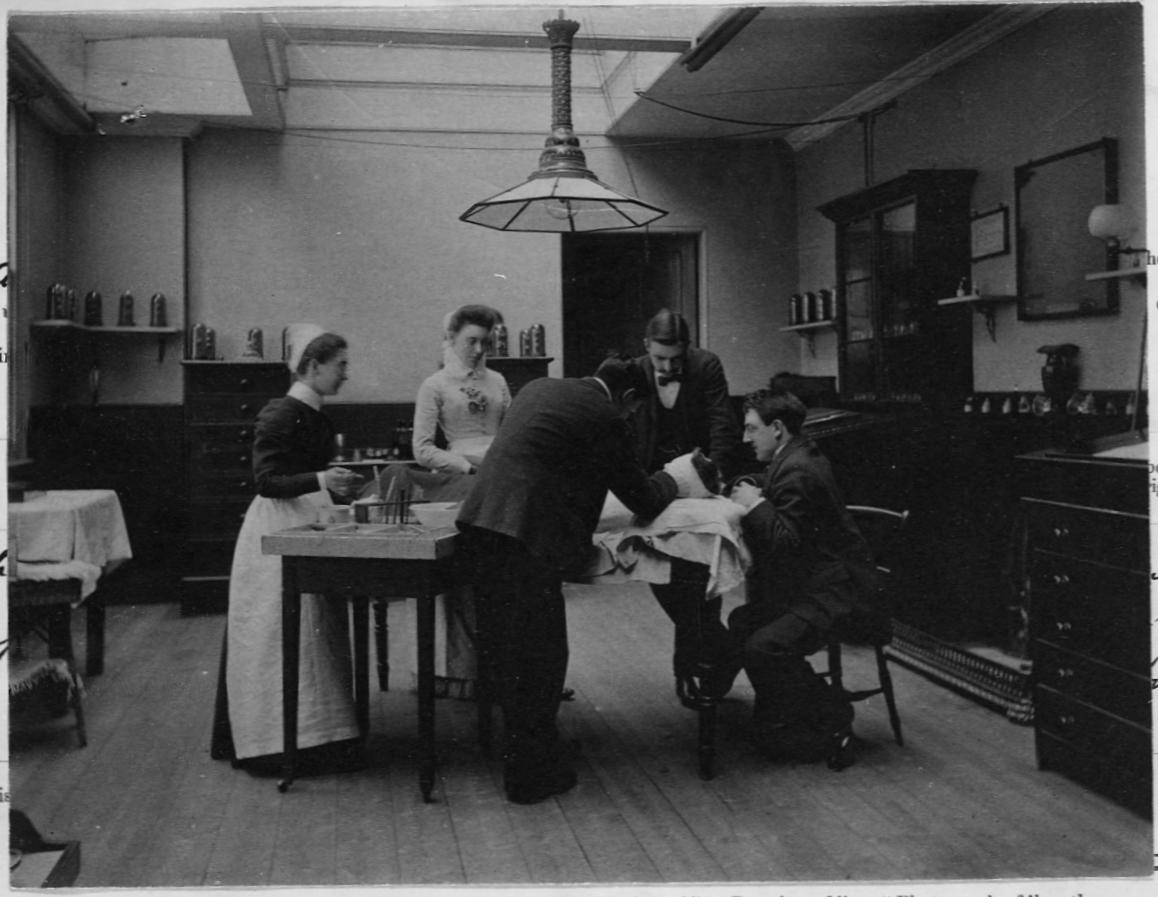
The early 19th Century saw many advances in science and medicine, in a time where scientific and religious ideas often clashed over what was morally correct. These ideas are explored in nineteenth century literature such as the novel Frankenstein, but the stories in the real world were often as shocking and brutal as the Gothic fantasy. This lesson explores the business of the grave robber and how they furthered the study of medicine through a grey area of the law.
What led to the Anatomy Act of 1832?The study of anatomy had a troubled history. Religion dictated that dissection of human bodies was an offence leading to misunderstandings of human anatomy based on limited evidence. Galen’s writings ‘On Anatomy’ in AD190 built on the theories of Hippocrates’ Four Humours whilst applying observation of living humans and anatomical study of the deceased. As Human dissection was still not allowed outside of Alexandria, he recommended the dissection of animals such as apes and pigs, using his findings to suggest the anatomy of humans. Whilst some aspects of his observations were accurate, the differences between humans and other animals led to many mistakes but his detailed books on anatomy were believed for many hundreds of years before they were questioned. By the 16th Century, Vesalius had proven that more could be learnt through human dissection and the study of our own anatomy, and attitudes towards medicine began to change.
The industrial revolution brought social change, and significant medical advances through scientific enquiry. In an attempt to prevent murder through increasing the severity of punishment, the Government passed the Murder Act 1751 preventing the bodies of executed murderers from being buried. Instead their bodies would be strung up or given to medical science. As a result, medical students had a greater supply of cadavers to study legally than any previous period, and the study of anatomy through public dissection became a major part of the training of doctors and surgeons.
However, the opening of new medical schools and training centres in the 18th Century meant that even this new supply of subjects could not meet the needs of the students. Buried bodies were not considered property and therefore could be exhumed and sold without restriction, though the practice was hated by the general public. Cemeteries and mourners began to take measures against the business, installing gates, cages and mausoleums to protect their interred. Yet the need for bodies created a profitable black market and ‘Resurrectionists’ or body snatchers became commonplace, leading to notorious cases of murder for the sole purpose of selling the victim’s corpse.
This is the background experience inspiring Victor Frankenstein in Mary Shelley’s novel ‘Frankenstein; or, The Modern Prometheus’ which sees an ambitious and driven young medical student turn resurrectionist in his quest to discover a cure for death. Through Victor we see several roles of the medical science of the day, with the position of body snatcher and surgeon in one character whilst his friends and colleagues display the public disgust and conflict within the profession in their shock at the character’s descent into desperation.
The most famous Resurrectionists were Edinburgh’s Burke and Hare but London had its own notorious cases including ‘The London Burkers’ or ‘Bethnal Green Gang’ whose case, alongside several others in the early 1830s would lead to the Anatomy Act of 1832 and the legal recognition of the rights of a corpse.
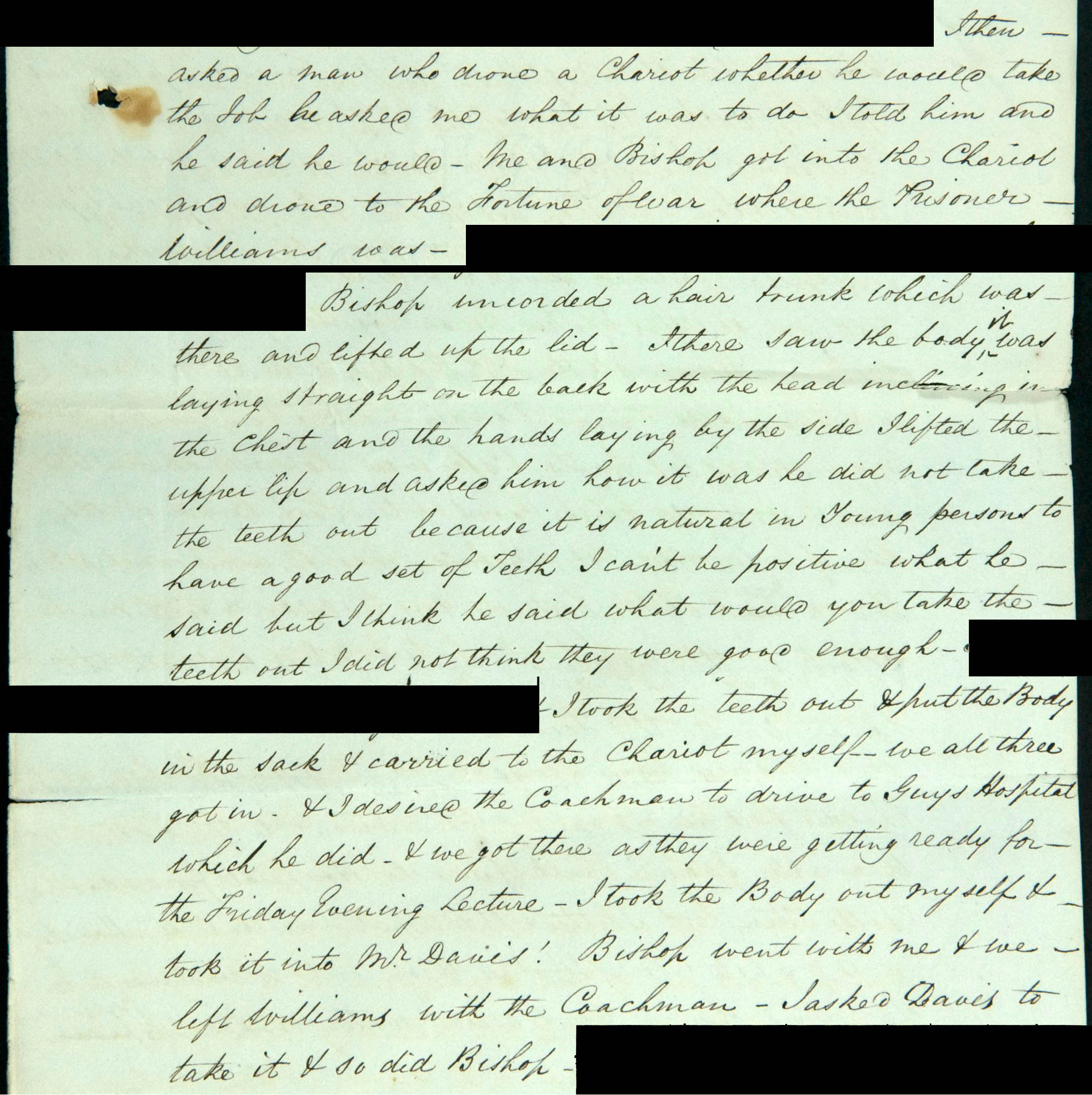
‘The London Burkers’ trial took place under a media spotlight with the accused changing their story several times following the statements of new witnesses. The Home Office documents presented here provide evidence of their trial at the Old Bailey including the final confessions of two of the accused, describing their involvement in the crime and the business of resurrectionism, and the record of their sentences and punishments from Newgate Prison’s Calendar. Also provided is an extract from the Anatomy Act 1832, passed as a direct result of ‘the Bethnal Green Gang’ murders. The final source provided is a later letter sent to the Home Secretary describing the resulting shortfall in subjects for medical students twenty-five years on. This is one of many letters collected by the Home Office after the Act as the appointed inspectors began to keep closer contact with the schools of anatomy and medical profession.
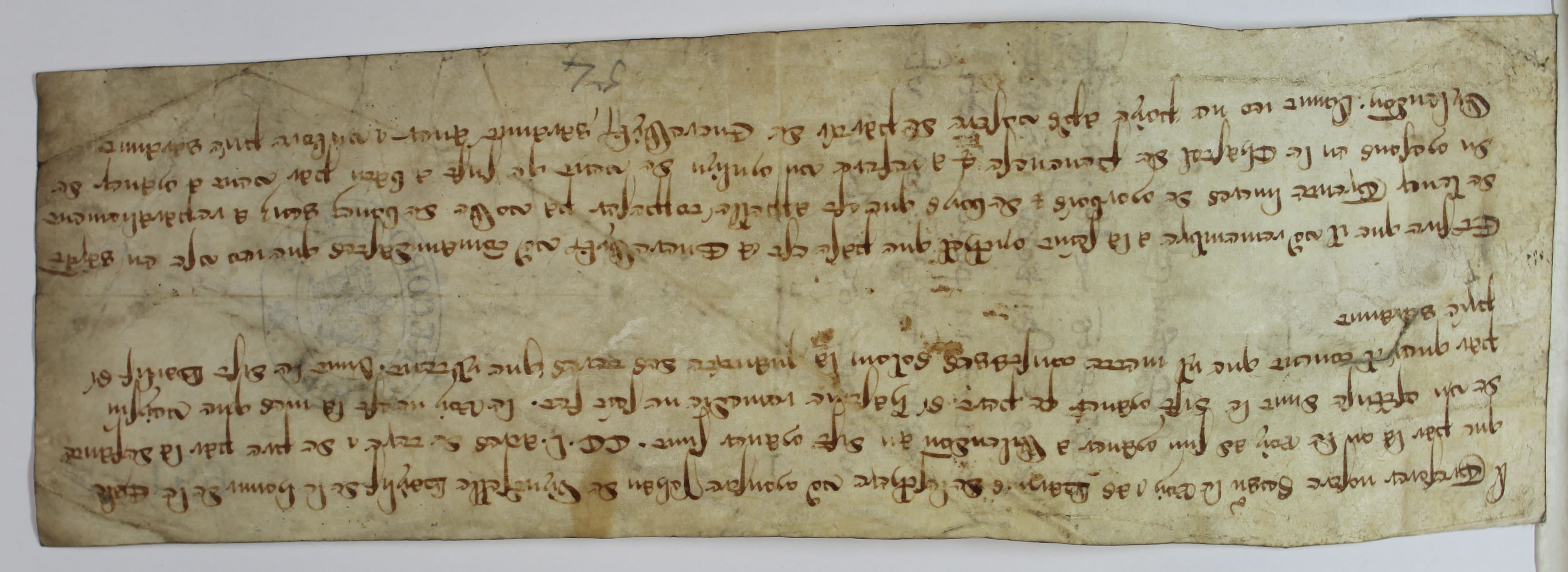
In this document, John de Vynterselle, Bailiff of the Honour of Eagle, requests a tax to raise funds for repairs.
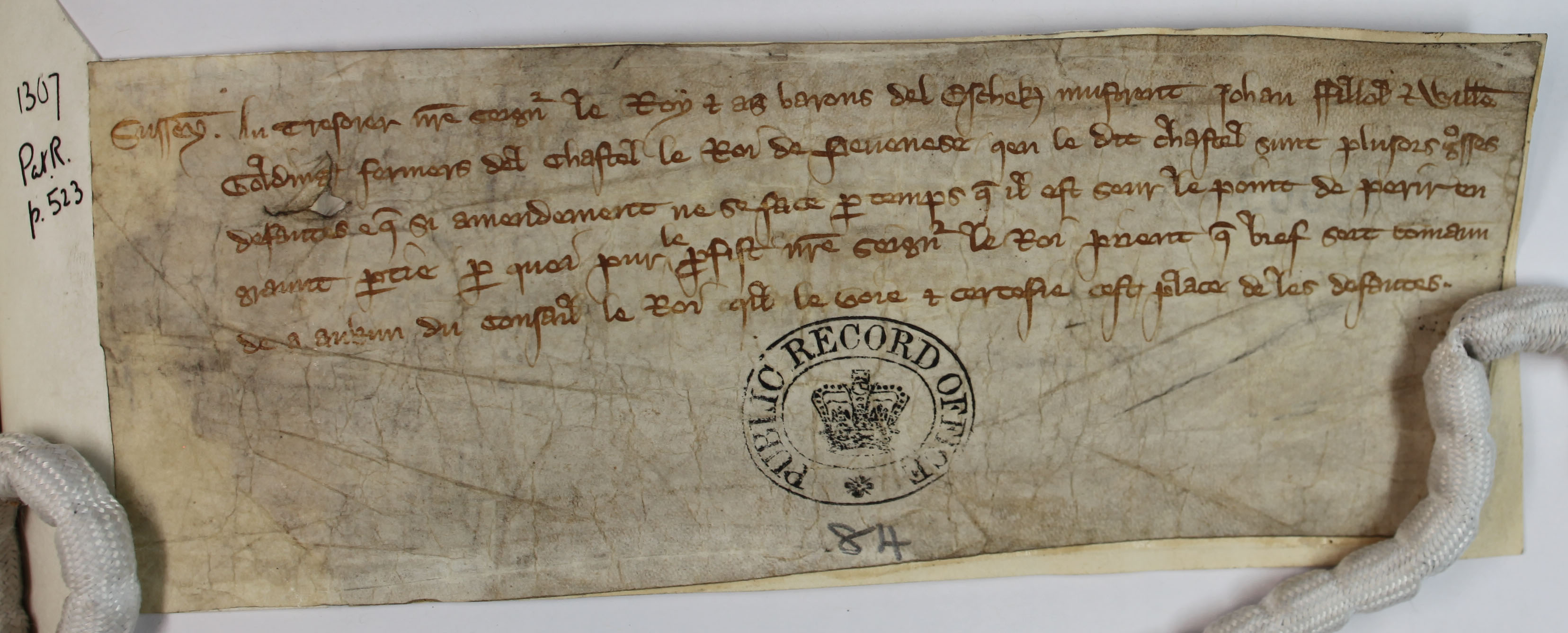
This document records the request of the tenant farmers of Pevensey castle as they attempt to maintain the castle buildings.

How much was £3 worth in the Tudor period? How does it compare to today? Use our currency converter to look up historical finances and place them in context of society then and now.
Disclaimer: The data used to provide the calculations for the currency converter has been collated from original documents and official statistics, and the survey of material used has been as comprehensive as possible. However, the results of the calculations are intended to be a general guide to historic values, rather than a categorical statement of fact.
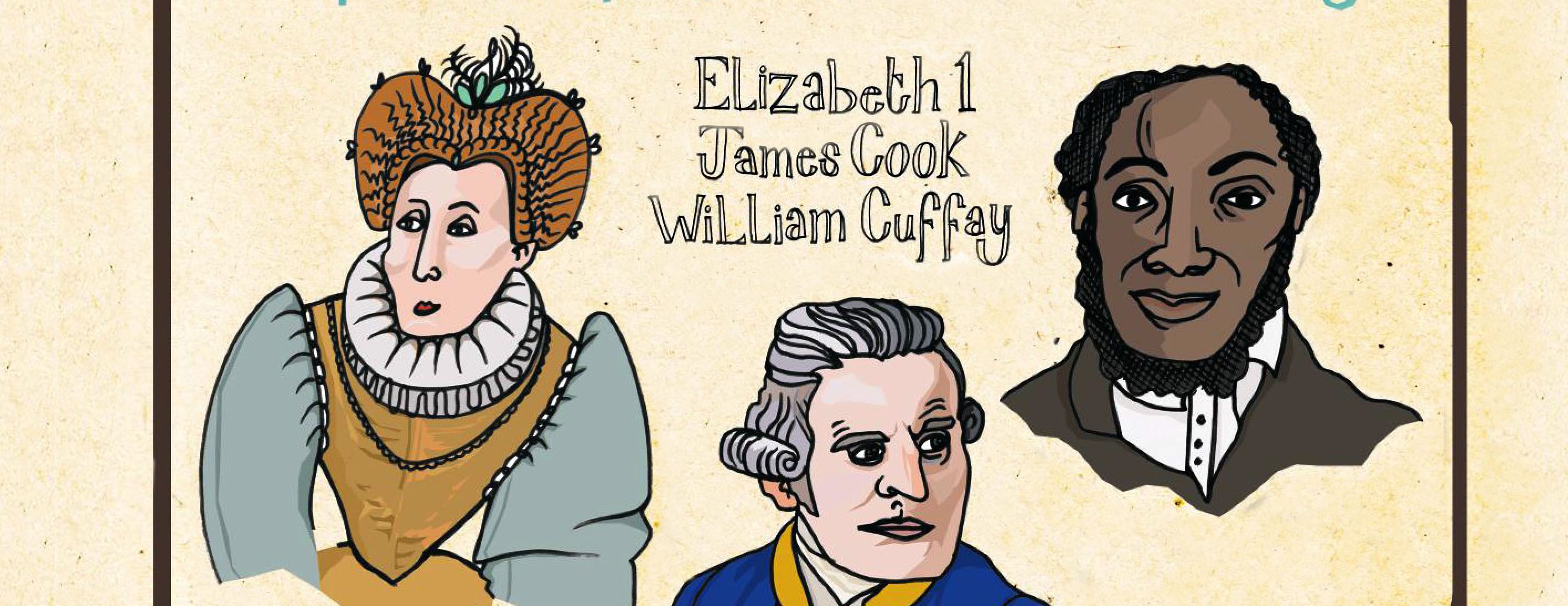
Throughout history there have been many significant people who have changed the way people live in our country and abroad.
What can we find out about these people and what made them so important?
What items did they leave behind that we can use to find out about their lives?
Here are some tasks on three significant people from History – how much can you find out?
Key Stage One Activity Book