 How did trench warfare affect injuries and treatment?
The records in this collection include other war diary extracts which evidence the nature of trench warfare. For example, some of the diaries here describe ‘defensive mining’ including the attack on Hill 60, south west of Ypres in April 1915, types of weapons used and equipment, including P.H. helmets and box respirators, and the first use of ‘liquid fire’ at Hooge. These sources give important context to the nature of the injuries and diseases experienced by those who fought on the Western Front. Again, some of the war diary extracts shown here give information about different types of trenches and their organisation and how trenches were supplied, wired, repaired and rebuilt. Two trench maps also help provide more information about trench system. Photographic evidence, including a ‘trench panorama’ available here, reveals the landscape and the conditions that soldiers were forced to experience as well as the environment that the medical services had to operate within when treating and caring for the sick and wounded.
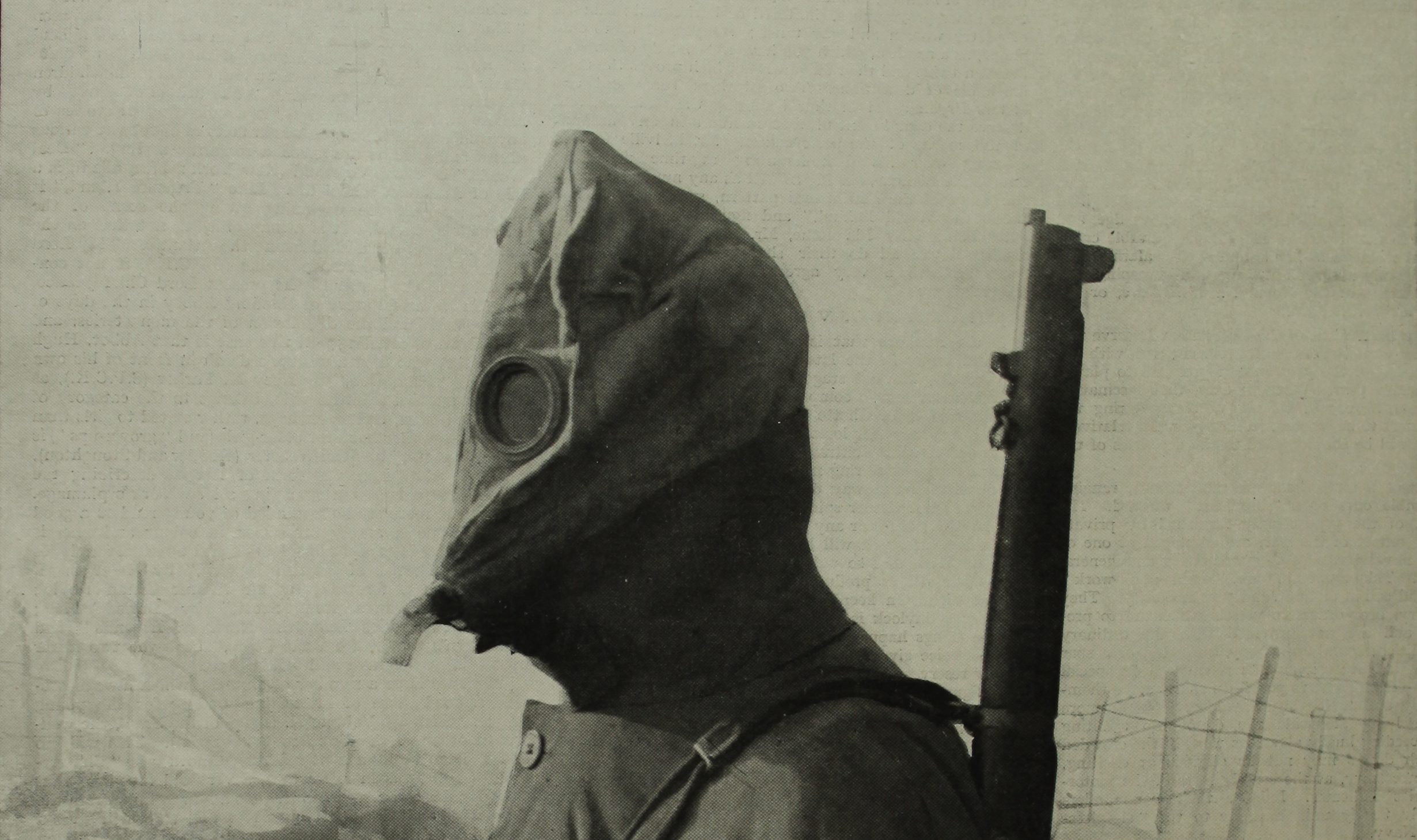
There are also documents relating to other illnesses on the Western Front, including shellshock and a War Office report from a committee of ‘Enquiry into the Causation and Prevention of the condition’. Some medical case sheets in this collection refer to another condition, neurasthenia, which many ‘shell shock’ patients showed symptoms of as well. Probably over 250,000 men suffered from ‘shell shock’ as result of the First World War. The term was coined in 1915 by medical officer Charles Myers. At the time it was believed to result from a physical injury to the nervous system during a heavy bombardment or shell attack, later it became evident that men who had not been exposed directly to the front line were just as traumatised. This was a new illness that had never been seen before on this scale. In addition, there are sources relating to the nature of gas warfare including government reports on ‘mustard gas’ and sources on types of mask and how they worked. A chemical Warfare document described treatment of severe gas patient cases.
The experience of some of the Women’s Army and Nursing Services on the Western Front are included in this collection. These sources give an insight into their work and the difficult circumstances in which they worked. The Casualty Clearing Stations were managed by the Royal Army Medical Corps (RAMC) and staffed by the Queen Alexandra’s Imperial Military Nursing Service (QAIMNS), sometimes supported by nurses from the Territorial Forces Nursing Service (TFNS) and members of the Voluntary Aids Detachment (VAD) and the First Aid Nursing Yeomanry (FANY). This collection also includes a Foreign Office source statement on the execution of Edith Cavell.
Finally, a small selection, taken from a wider collection of digitised original letters (also available on the National Archives Education website) written by those who had worked for Great Western Railway before the war, provides a specific window into the experience of ordinary men of their injuries, medical treatment and trench warfare.
 How did trench warfare affect injuries and treatment?
Records of the medical services during the First World War reveal a great deal about the experiences of those working in the field and the soldiers they treated for a variety of injuries and diseases on the Western Front, and indeed further afield. Soldiers were exposed to many dangers from gunshot, shellfire, gas and personal combat as well as the psychological threats to their mental well-being brought on by anxiety and stress. Again conditions in the trenches brought their own health hazards. The industrial nature of the war with its new weapons and technology resulted in vast casualties. In total, medical services treated two million men in France or at home in England.
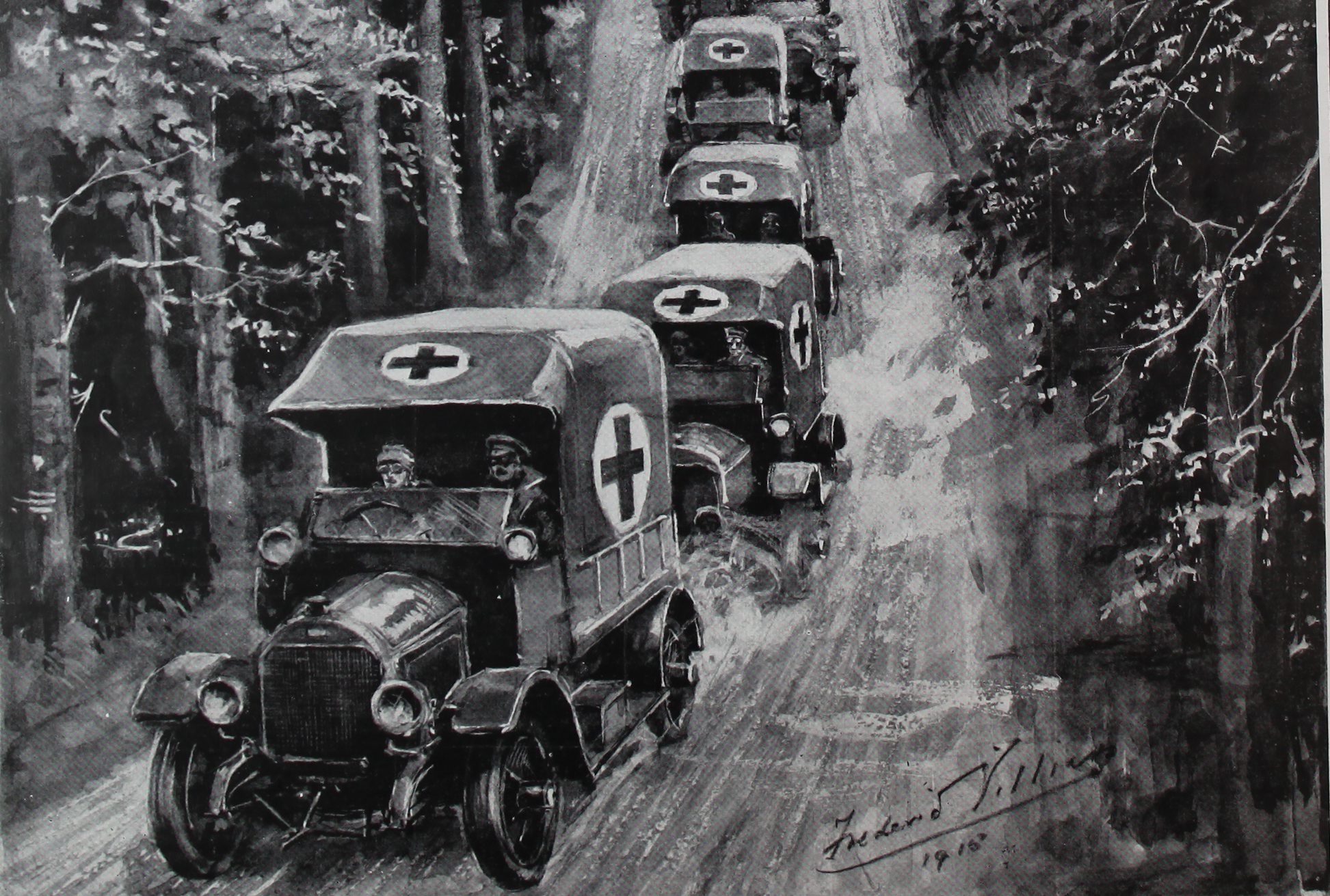
The journey from battlefield to care for a wounded soldier on the Western Front varied greatly depending on the injuries sustained. The majority of the wounded would pass through a regimental aid post, and/or an advanced dressing station. Some made their own way there, and others would be collected by the stretcher bearers from the Field Ambulance. Minor injuries would be assessed here and some minor treatments, such as the cleaning and bandaging of wounds might be carried out here. More serious injuries or significant illness would be transferred in to the Main Dressing Station which was set up to deal with a variety of medical issues. Then a man might be transferred to a Casualty Clearing station, where a triage assessment would be undertaken. The least serious cases, that needed a brief period of recovery, would be returned to duty after some rest and recuperation. Any man whose injuries were serious, but who was still fit to travel would be transferred back to base hospitals, usually known as the General Hospitals, subsequently via some form of ambulance (be that a lorry, a barge or a train) to a hospital further back beyond the lines. The most seriously ill or injured and those in need of urgent treatment would be retained at the C.C.S. until such time as their treatment was completed and their condition was stable enough to allow them to be transferred back to a General Hospital.
Casualty Clearing Stations were central to the whole process of evacuating the wounded away from the Western Front and it was in this setting that a number of significant medical innovations, such as the development of transfusions, began to be shaped. During 1915, the Director General of Medical Services approved the movement of surgical services in the C.C.S. and over the course of that year it became routine for the most serious wounds to be sent straight to the CCS, bypassing the other sections of evacuation from the front lines. During 1916, there was a move to bring the C.C.S. even closer to the frontline, in order to try and reduce deaths amongst the most severely injured men, who might bleed to death whilst waiting for transfer. During the latter years of the war, it was common for C.C.S. to be located near railway lines, but during the spring of 1918, the C.C.S. were judged to be at risk of direct enemy action and were moved back. C.C.S. included surgical theatres, preparation spaces, resuscitation wards, and in some units, x-ray equipment. The C.C.S. were managed by the Royal Army Medical Corps (RAMC) and staffed by the Queen Alexandra’s Imperial Military Nursing Service (QAIMNS), sometimes supported by nurses from the Territorial Forces Nursing Service (TFNS) and members of the Voluntary Aids Detachment (VAD). You can find some examples of these nursing service records in our second collection of documents (Part 2).
Over the course of the war, new treatments and methods for rehabilitation were refined and developed. The Roehampton centre at Queen Mary’s Hospital for example, forced in part by the scale and frequency of those who lost limbs, became a specialist limb fitting unit. Artificial limbs were made and fitted and patients would learn how to use them using hospital the gymnasium and workshops. Pioneering work was made too in the treatment of facial injuries. These were not easily treated on the front line. Surgeons would often have to stitch a wound quickly but did not take into account the amount of flesh that had been lost. Harold Gillies, a New Zealand surgeon after serving in France, saw the absolute need for specialist hospitals to deal with facial wounds and set up The Queen’s Hospital in Sidcup in 1917, the first dedicated treatment hospital of its kind.

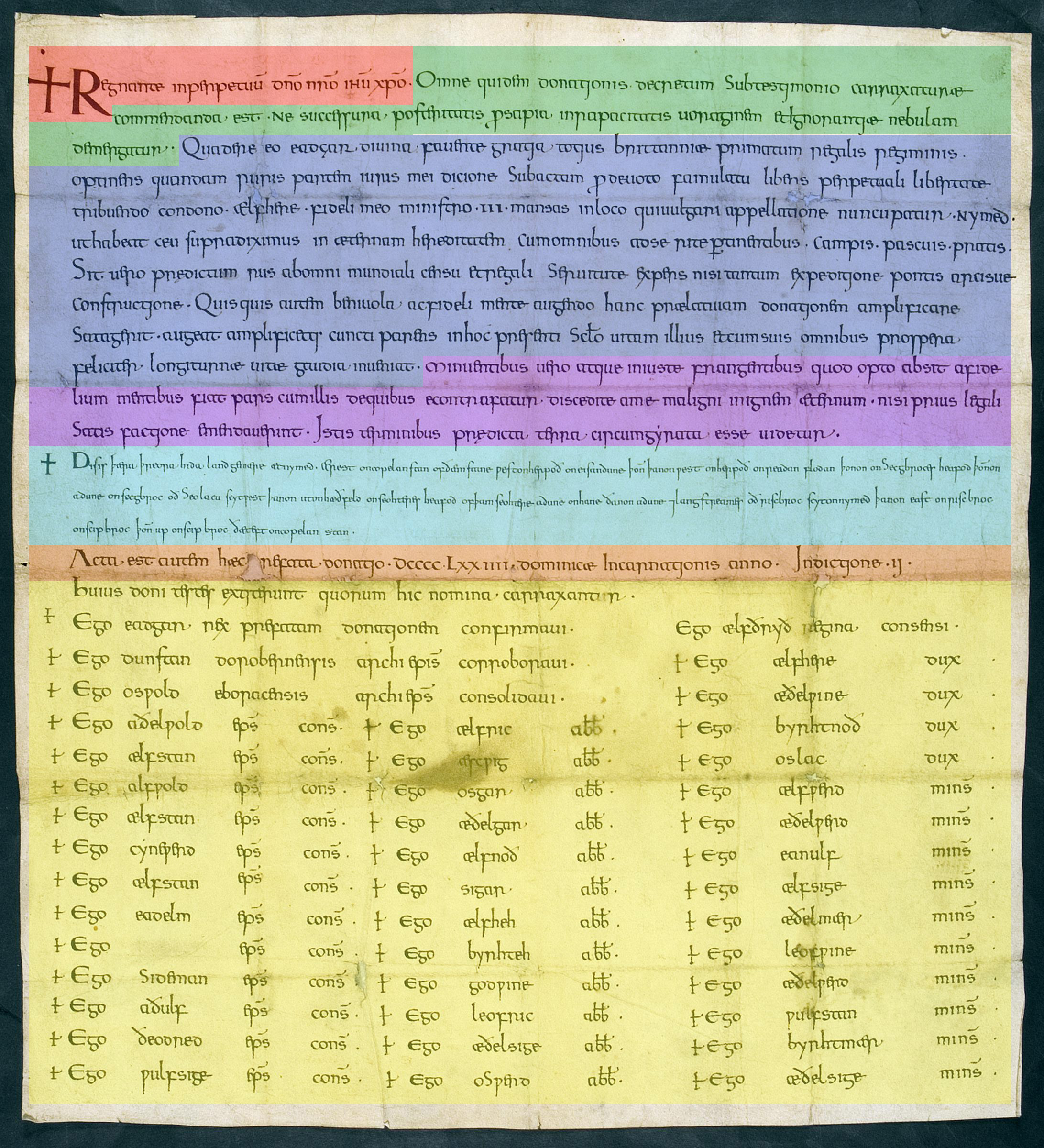
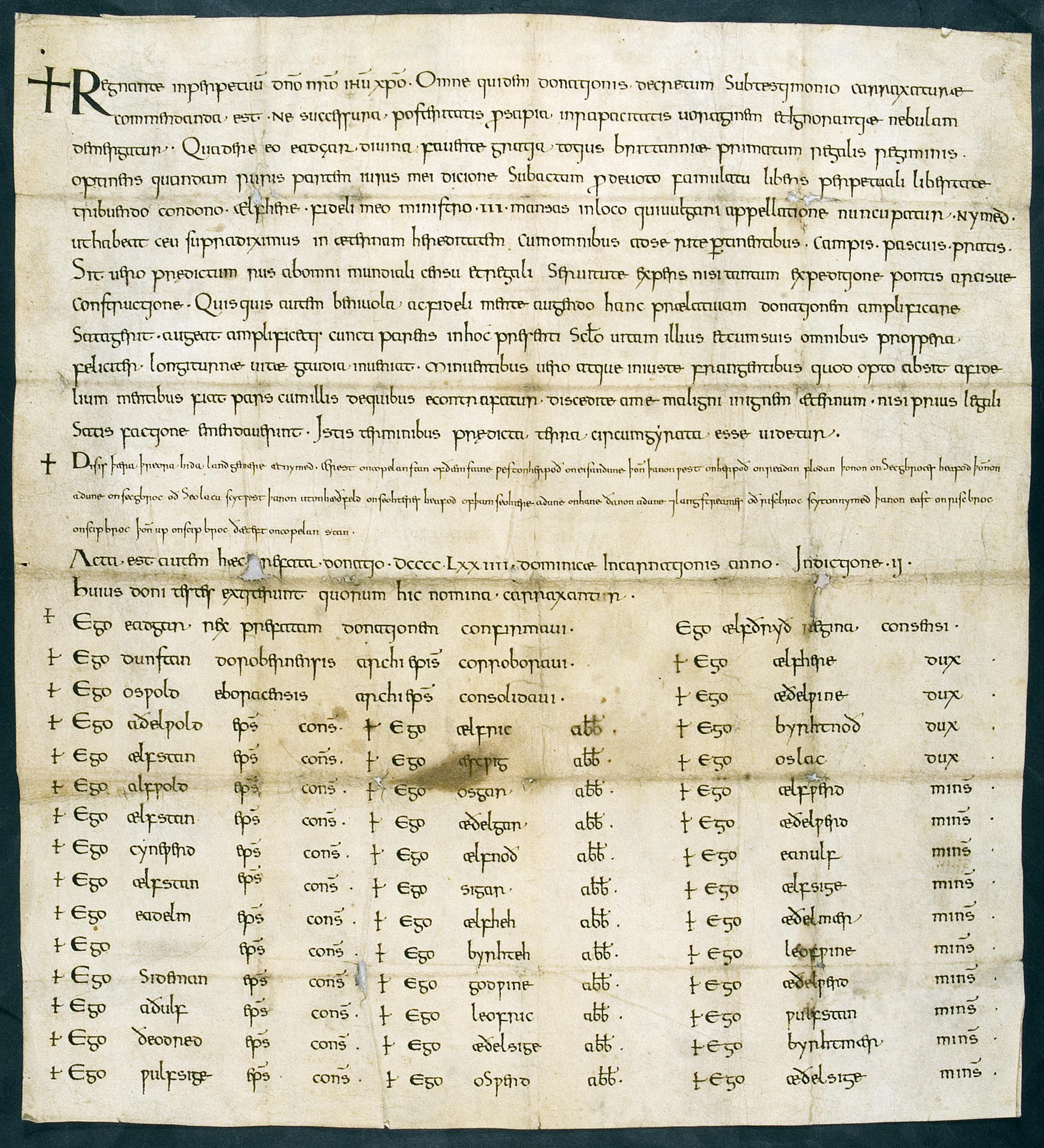
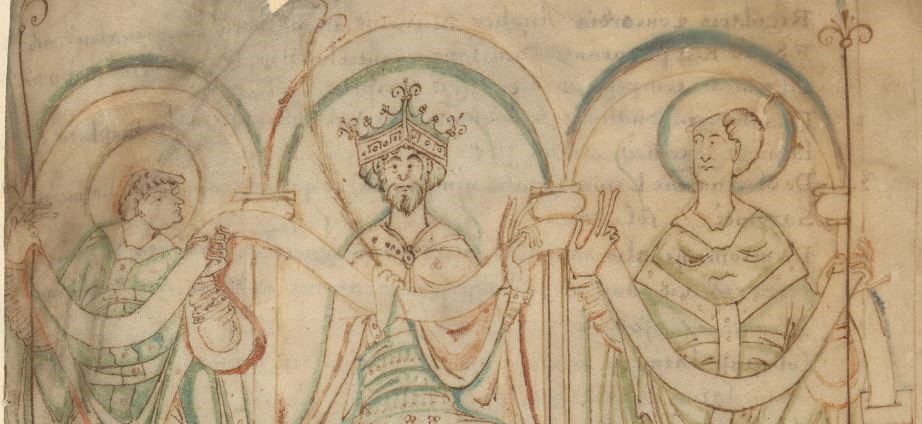
King Edgar came to the throne of Wessex at the age of sixteen in 959 after his elder brother, Eadwig, died. He carried on the peaceful rule of his ancestors and is believed to be King of England ruling over the other kings of the Anglo-Saxon Kingdoms, with the Kings of Scotland and Cumbria pledging allegiance at his coronation. He recalled the influential Bishop Dunstan (later St Dunstan) from exile who would go on to become Archbishop of Canterbury under Edgar’s reign. Dunstan, Oswald and Ethelwald, bishops of Worcester and Winchester, were very powerful as the heads of the Church, even shaping some of Edgar’s policies.
Despite ruling so long ago, Edgar’s reign is still visible in our lives today. It was during Edgar’s rule that England was divided into shires and hundreds for local governance. His coronation is the earliest to be described in detail and has formed the template for all coronations of English Royalty to this day.
Use this lesson to find out more about living in Anglo Saxon England through one of the oldest documents looked after by The National Archives.
What was Anglo-Saxon society like?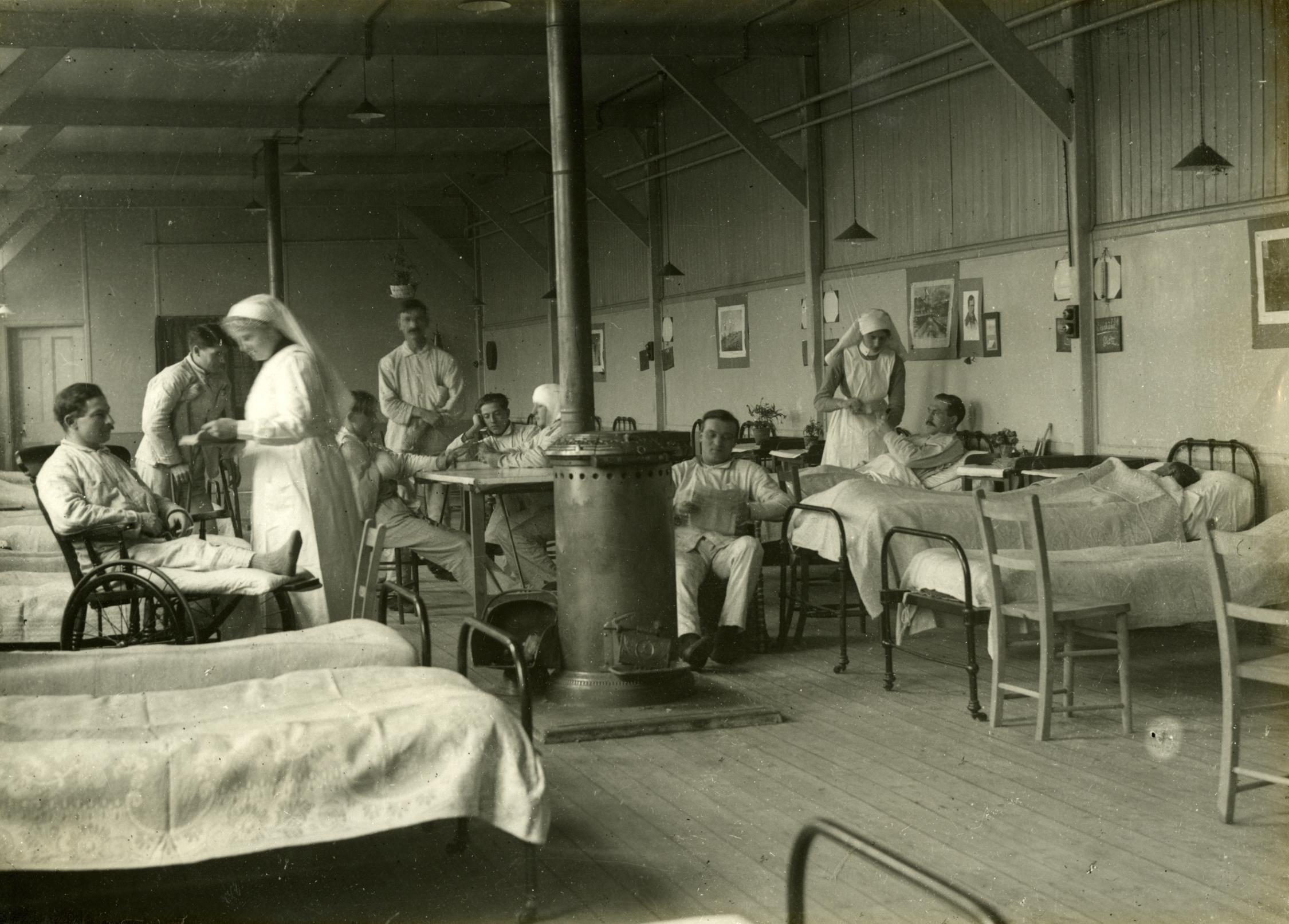
‘Writing War, Writing Peace’ is a creative writing anthology written by students who spent a week at The National Archives, learning from our records about the experiences of Nurses in the First World War. Mentored by Melvin Burgess and Sara Robinson, the students were encouraged to explore service records, diaries and photographs to put together their own creative pieces inspired by real events. These stories and poems are the result.
Many thanks to Melvin and Sara for their support.