Find out what it’s like in an archive, and how to prepare for your visit.
Start at home
- Look on the archive’s website to see if they provide research guidance and to find out how the archive is arranged
- If the archive has an online catalogue, take some time to find out how to use it. Don’t expect it to be like Google – a simple keyword search will not always work
- Do some research before you come. Read some published books first for ideas, or talk to relatives if you’re doing your family history
- Check different archives and organisations for relevant documents. You might find useful material in a number of different places
In an archive
- Bring plenty of patience and tenacity with you. Researching can take a while and relevant documents may be in a number of different places
- Be prepared to use a computer to search for documents or to view digitised records. You might also need to look at documents that are on microfilm and microfiche
- Recognise both the limitations and potential of the archive – you may not find exactly what you are looking for, but you could find new sources you didn’t know existed
- Bring a pencil – ink is not allowed near the records in archives
What’s it like to visit an archive?
Before you visit an archive, get a feel for the experience by reading these blog posts:
- Where do I start my research?
- Planning a visit
- The boy who found the horse
- My Tommy’s War: An Eastender in the Lancers
Go to the Archives hub: A guide for the Inexperienced for further guidance.
Ready to start?
- Search our records using Discovery, our catalogue
- Use our research guides
Want to ask us a question?
- You can contact us, via our online forms, by email, phone or live chat
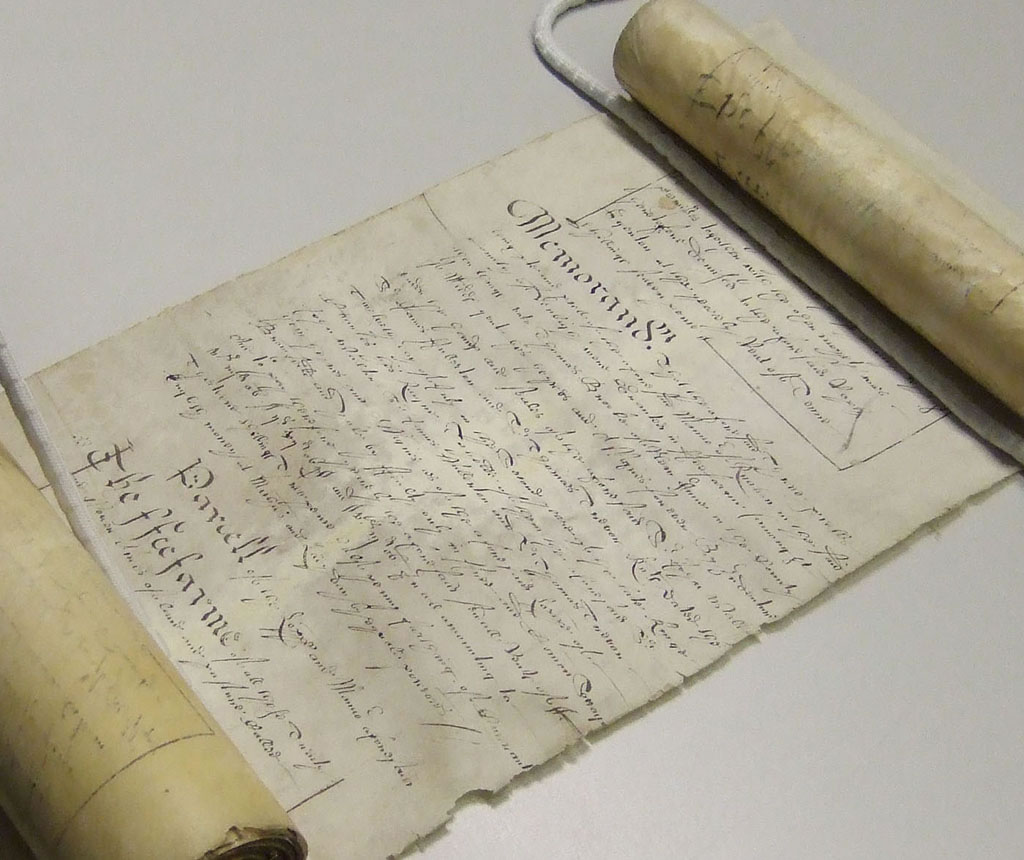
Not all of our records are available to view online but you can search for brief descriptions of them in Discovery, our catalogue.
Search our catalogue using keywords and dates to find descriptions of records you are interested in.
Your search results will let you know if the records can be viewed online or not.
If a record is not viewable online, you have three options:
- visit us in Kew, London to do your own research. Remember to bring the correct ID, as you will need a reader’s ticket to see original documents
- request a paid search
- order copies of documents if you have the full document references
Looking for records that are not online can be a time-consuming process and, as with any search in archival records, there is never a guarantee of success.
A good place to start is with our research guidance A-Z.
You can also search records of other archives using filters in Discovery, our catalogue.
If you visit us in person come prepared so you can make the most of your visit.
Ready to start?
- Search our records using Discovery, our catalogue
- Use our research guides
Want to ask us a question?
- You can contact us, via our online forms, by email, phone or live chat
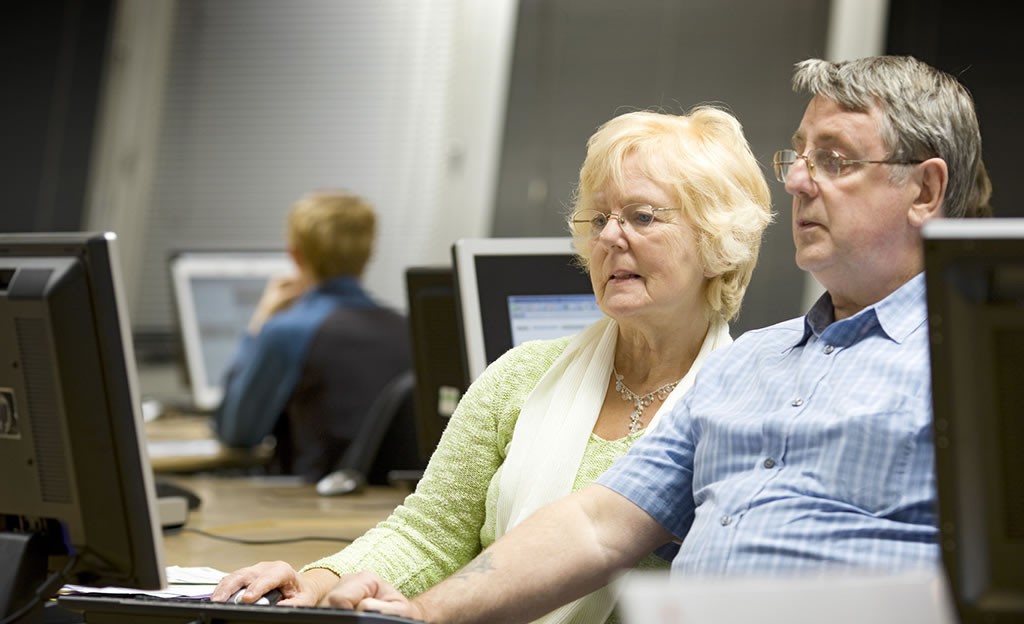
Many of our most popular records are available online. This is over 5% of what we have and this figure keeps growing.
We have digitised some of our records ourselves. You can download these records directly from Discovery, our catalogue. For example:
- wills (1384-1858)
- Cabinet papers (1915-1982)
- British Army medal index cards (1914-1920)
- Irish maps (c1558-c1610)
Find out more about our online records.
Other records that we hold have been digitised by commercial partners like Ancestry and Findmypast. You will need to visit their websites to view them – and there will usually be a charge. For example:
- census records (1841-1921)
- First World War soldiers’ records (1914-1920)
- UK outgoing passenger lists (1890-1960)
Our catalogue will tell you whether records are online and how you can access them.
Find out what’s online at a glance on our online collections page.
Ready to start?
- Search our records using Discovery, our catalogue
- Use our research guides
Want to ask us a question?
- You can contact us, via our online forms, by email, phone or live chat
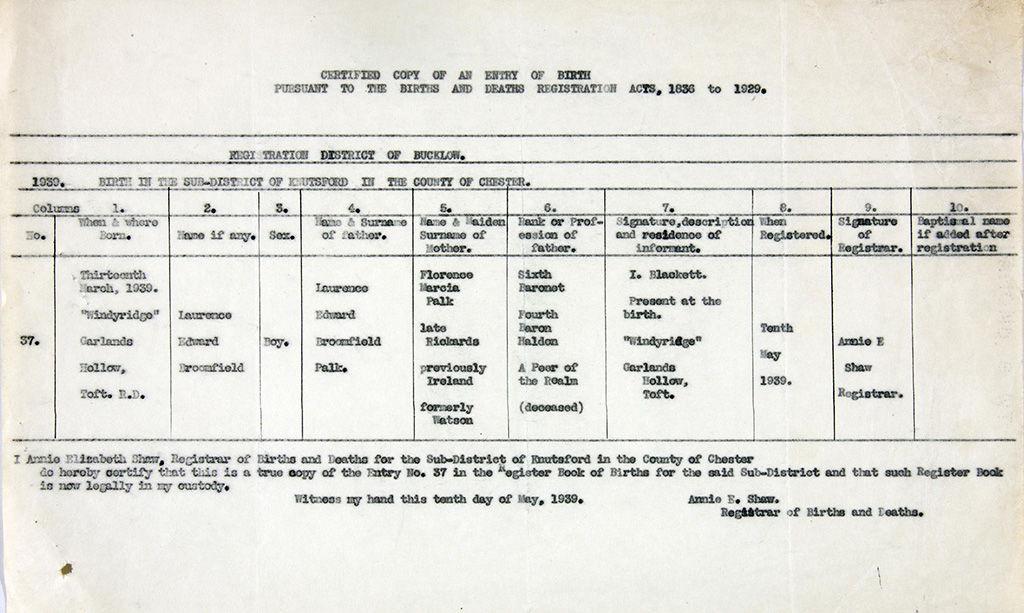
There are certain records, such as birth, marriage and death certificates, that we do not hold.
The National Archives does not have the following popular records:
- Birth, marriage and death certificates are kept by the General Register Office
- Wills after 1858 are kept by the Probate Service
- Certificates of naturalisation from 1 October 1986 are kept by the UK Border Agency
- Adoption records are kept by the General Register Office
- Legal proof of divorces since 1858 is available through the Principal Registry of the Family Division
- Parish records are kept in local archives and you can find many online
The National Archives is not the best place to look for certain kinds of records. You should start by looking in local archives for records relating to:
Discovery combines The National Archives catalogue with catalogues from over 2,500 other archives across the UK.
You can search Discovery and then use the filters to look at records from ‘other archives’.
Not all archives have their catalogues in Discovery. It is a good idea to find out what archives are in a local area and to contact them to find out if they have anything useful to you.
You can use the Find an archive tool to do this.
Bear in mind that there are other national archives which might help your research:
- National Records of Scotland
- Public Record Office of Northern Ireland
- The National Library of Wales
- The National Archives of Ireland
Ready to start?
- Search our records using Discovery, our catalogue
- Use our research guides
Want to ask us a question?
- You can contact us, via our online forms, by email, phone or live chat

The National Archives is home to millions of historical documents, known as records, which were created and collected by UK central government departments and major courts of law.
For example, we have records from the Home Office, the Foreign Office and the Central Criminal Court.
It takes 185km of shelving to store our records, and this increases every year.
People in the archives
Most of our records are administrative documents, but many contain information that will help you if you are looking for a person, such as military service records.
We also have copies of naturalisation certificates (1949-1986).
A huge range of subjects
Our records form a unique resource for those interested in the history of England, Wales and the United Kingdom. They cover a huge range of subjects, so no matter what you’re researching, we could have the records you need.
Browse our research guidance to find out what records we have for a particular subject, place or person.
Dates and formats
The majority of our records are at least 20 years old. We continue to collect records from government departments each year – read about our latest document releases.
Our most famous early record is Domesday Book, which dates back to 1086, and our more contemporary records include those from Margaret Thatcher’s government in the 1980s. We also have electronic records and websites.
Our collection comes in a range of formats from paper and parchment to digital files. The content can sometimes be surprising – you can never be sure what you will find until you see the record.
Some of our records are available online, but to see the others you will need to visit us in Kew.
Withheld information
Though most of our records are open to the public, some are not. In many cases this is because they contain sensitive information about individuals who may still be alive. There are other reasons for withholding information and you can find out more about them in our Freedom of Information pages.
Ready to start?
- Search our records using Discovery, our catalogue
- Use our research guides
- Browse curated highlights and stories from our collection
Want to ask us a question?
- You can contact us, via our online forms, by email, phone or live chat
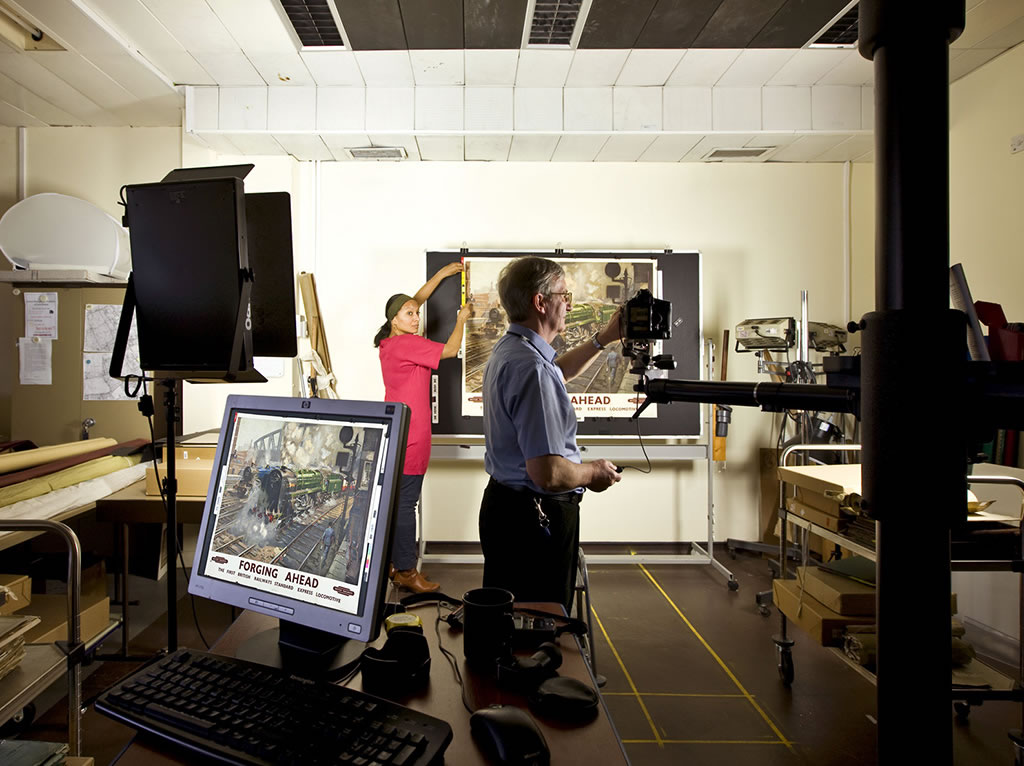
Archives are collections of information – known as records. These come in many forms such as:
- letters
- reports
- minutes
- registers
- maps
- photographs and films
- digital files
- sound recordings
The National Archives is the largest archive in the United Kingdom, but there are many other, smaller archives that may have records to help with your research.
Some archives are created by official bodies such as governments, businesses or professional organisations. Others are private collections.
Archives can contain records with a local focus or specialise in a particular theme such as railways.
Personal archives range from those relating to a well-known public figure such as Churchill to your own collection of family letters, photographs and memorabilia.
Find contact details of many of these archives using Find an Archive.
Is an archive like a library?
Not really.
The books in a library are often secondary sources of information, whereas the records in an archive are primary sources. Archives provide first-hand information or evidence relating to historical events or figures.
Library books are arranged by subject and author, whereas information in archives is arranged according to the person or organisation that created it. This means that you will probably need to look at records from more than one source, or more than one archive, as you gather information.
This can make it difficult to know how or where to start, but reading our tips on how to use archives will save you time in the long run.
Ready to start?
- Search our records using Discovery, our catalogue
- Use our research guides
Want to ask us a question?
- You can contact us, via our online forms, by email, phone or live chat
If you are new to The National Archives and want some help getting started with your family history or any other kind of research, you’re in the right place.
Follow the links below to find out where and how to start your research, or explore curated highlights from our collection.