
Focus:
To encourage pupils to use original sources to find out about life in the 1960s; the second decade in the reign of Queen Elizabeth II.
- Part 1: Pupils engage with the starter source, a photograph showing Carnaby Street in 1969, with prompt questions for discussion. A second source, a poster, expands discussion and encourages pupils to think about the decade in a more global context.
- Part 2: Building on this approach, pupils study 4 sources which reflect examples of technological and social change in the decade: housing, toys; food; holidays. They will also consider the similarities and differences that these sources reveal between the 1960s and today.
- Part 3: Three suggested creative activities:
- Create a new based on an original from the time.
- Work in pairs/small groups to design
- Create illustrated timeline for the decade using our resource timeline.
Teachers may prefer to use any of the original sources here to create their own resources and activities or adapt the activities provided here for use in their schemes of work.
What can we find out about life in 1960s Britain using documents from the time?
In summer 2022, the Education and Outreach department worked with a group of young people onsite at The National Archives, to make their own short films. This was the first time we had run a young person’s project at the archives since 2019! The young people’s films were inspired by documents from the collection looking at moments in LGBTQ+ history from the 18th to 20th centuries.
The National Archives has unique records that document the experiences of LGBTQ+ communities through personal stories of people and places from history. These records reflect a diverse range of identities and experiences; stories that the young people were able to explore and interpret.
The project week ran from Monday 25th to Friday 29th July. The young people worked with a filmmaking team led by film maker Nigel Kellaway, with additional support from The National Archives’ staff.
You can watch all of the finished films here.
By taking part in this project, young people were able to:
- Research LGBTQ+ history using original documents, with support from The National Archives’ staff and records experts
- Learn filmmaking skills with professionals from the industry
- Work creatively with likeminded young people
- Take part in a unique project that combines historical stories from archive records with modern day perspectives on LGBTQ+ history
With thanks to The Friends of The National Archives for their support of this project.


‘Benedict peas’, 1951, Catalogue ref: ZLIB 17/129A.

Prime Minister opens first Motorway, 1958 Catalogue ref: MT 121/22

‘Be sure to be in the holiday picture – join a National Savings Club’ 1950, Catalogue ref: NSC 5/650.
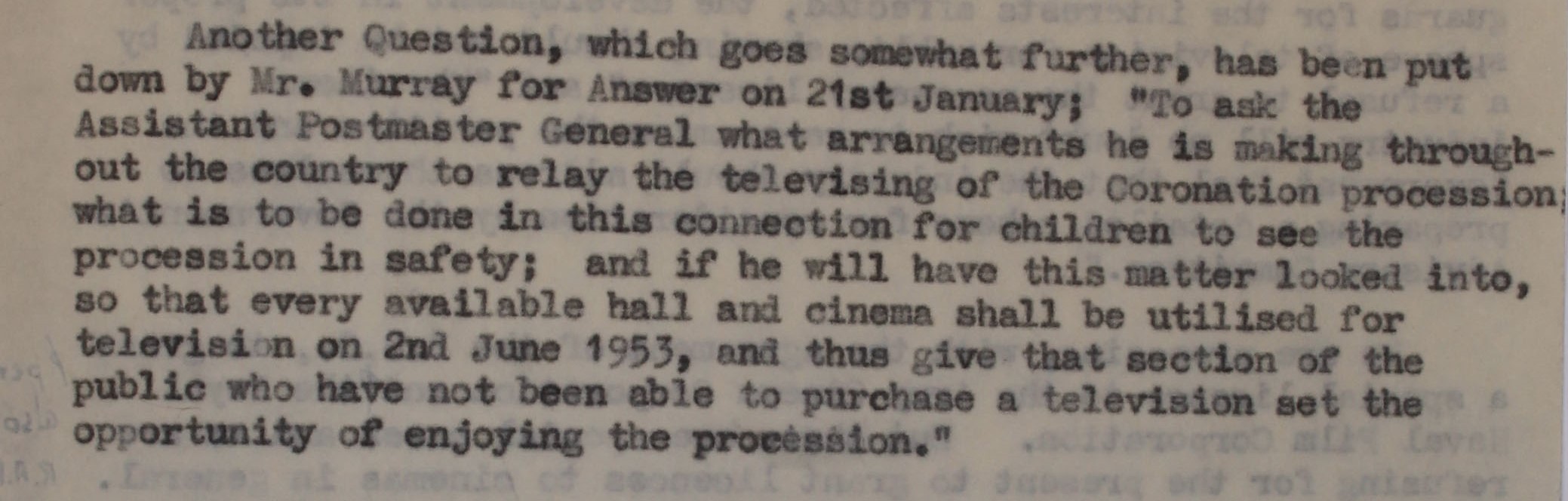
Letter to the BBC, December 1952 Catalogue Ref: HO 256/232
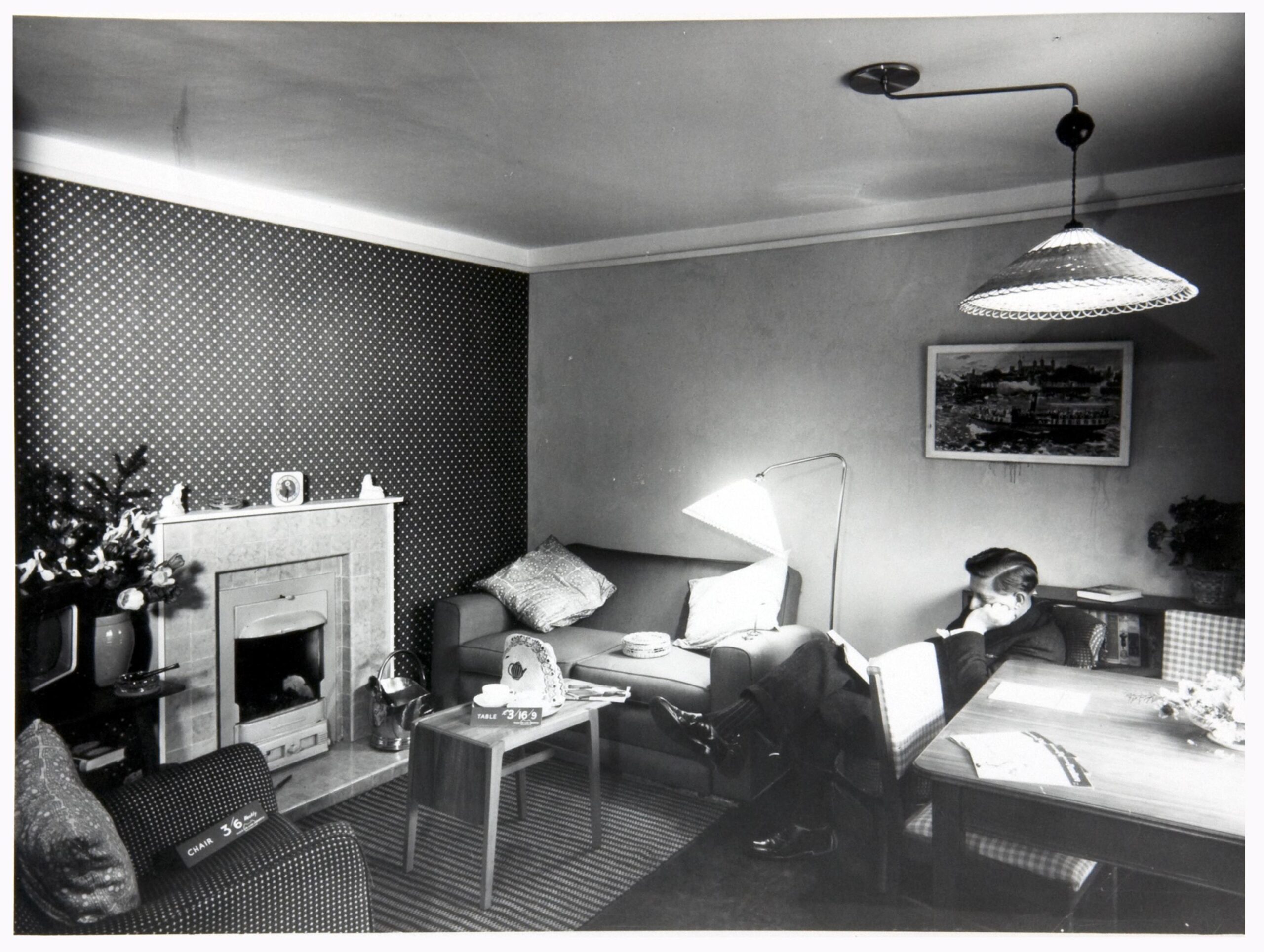
‘Living room in show home, Poplar, 1951, Catalogue ref: WORK 25/209/3872
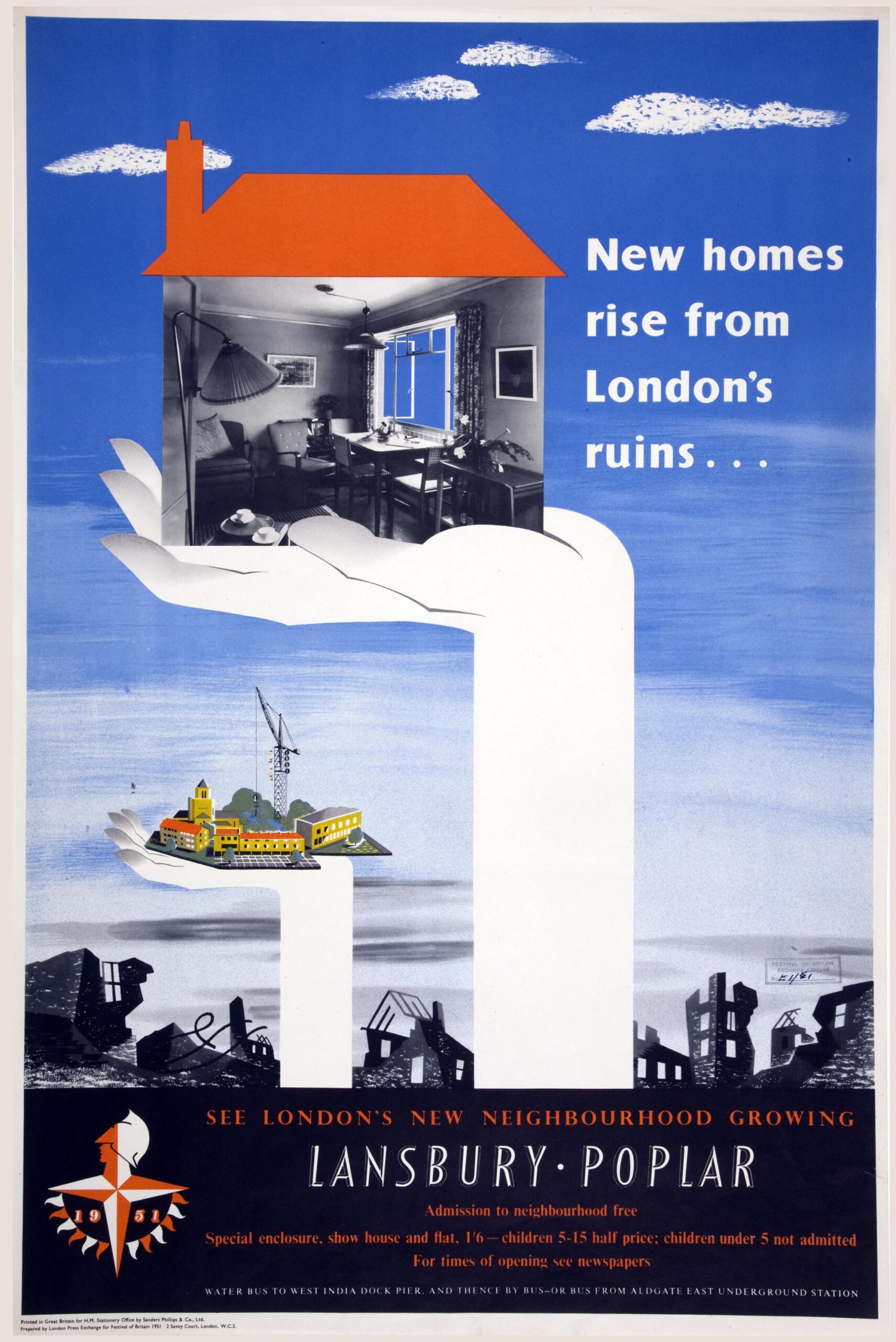
‘New homes rise from London’s ruins’ Catalogue ref: WORK 25/234 E1