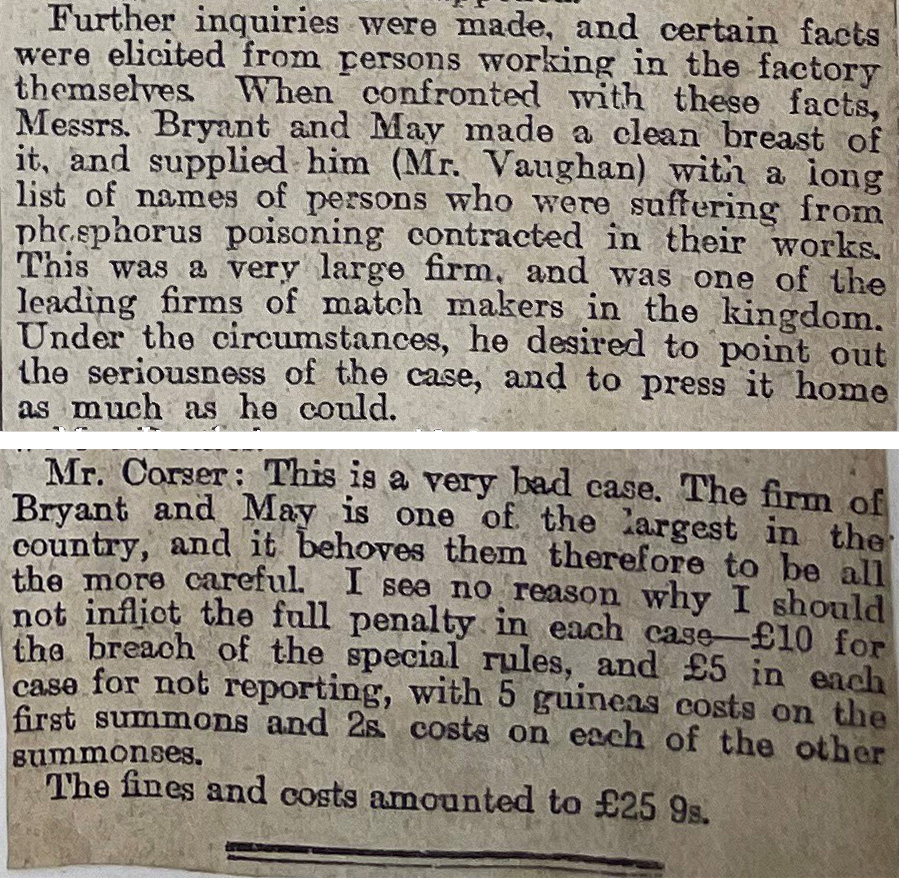
Extract from an article from a newspaper entitled ‘The Daily Chronicle’ describing a case of ‘phossy jaw’, 2 June 1898, Catalogue ref: HO 45/9849/B12393D.
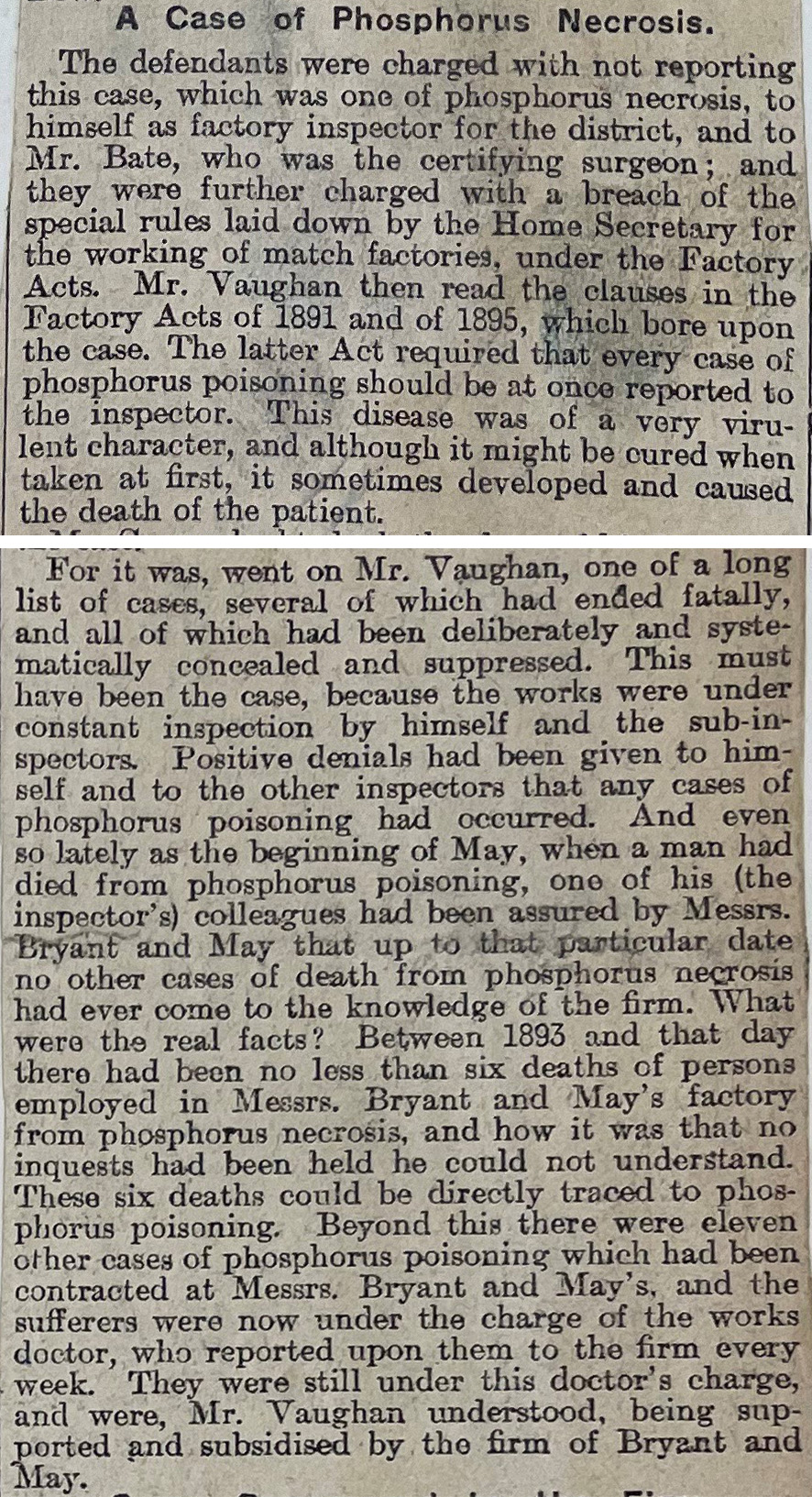
Extracts from an article from a newspaper entitled ‘The Daily Chronicle’ describing a case of ‘phossy jaw’, 2 June 1898, Catalogue ref: HO 45/9849/B12393D.
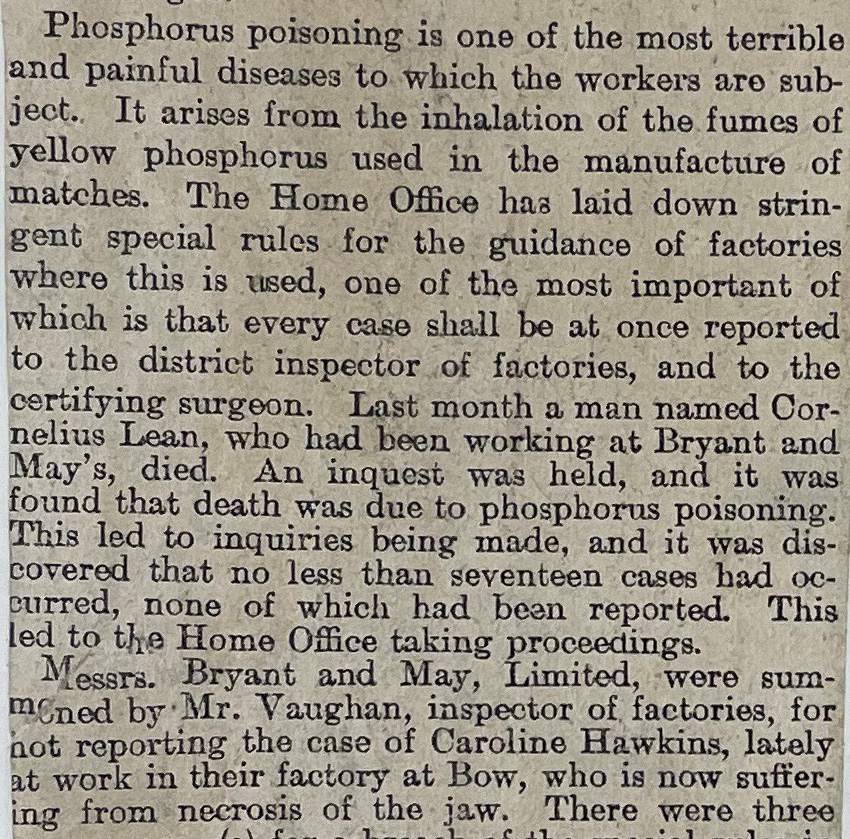
An article from a newspaper entitled ‘The Daily Chronicle’ describing a case of ‘phossy jaw’, 2 June 1898, Catalogue ref: HO 45/9849/B12393D.
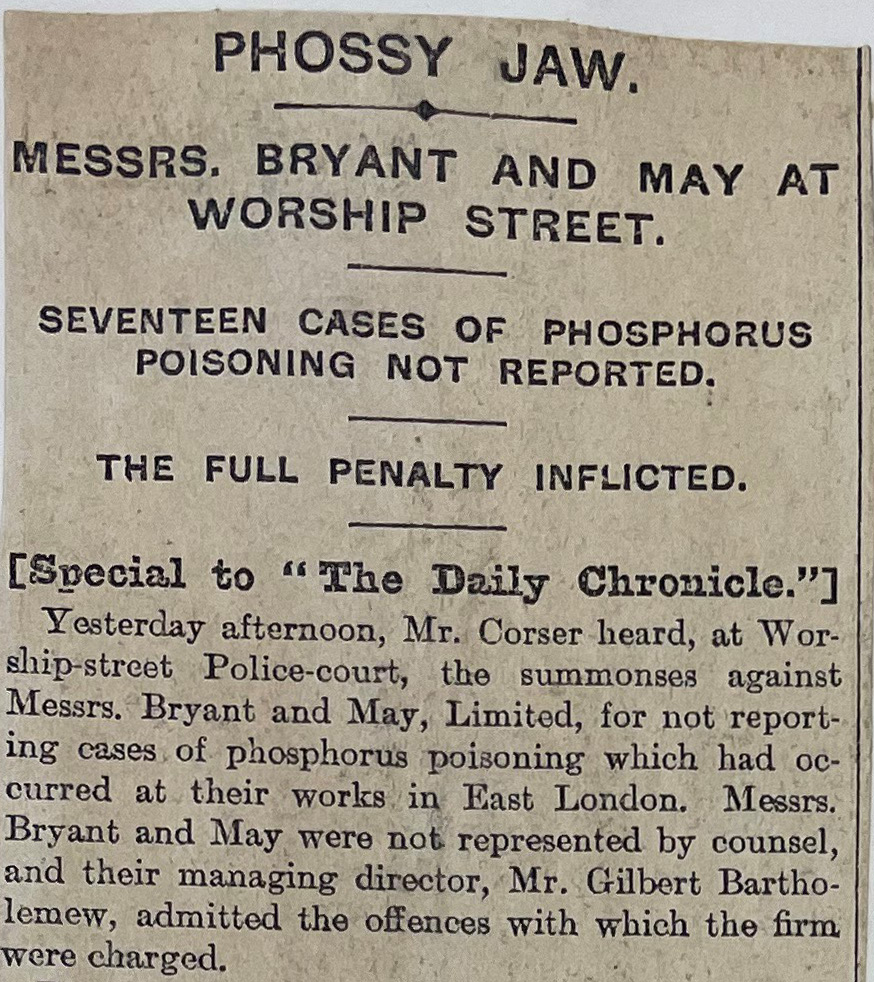
An article from a newspaper entitled ‘The Daily Chronicle’ describing a case of ‘phossy jaw’, 2 June 1898, Catalogue ref: HO 45/9849/B12393D.

Plans from the Home Office for an answer to a Parliamentary question from Liberal Member of Parliament, Edward Pickersgill about a case of phosphorous poisoning at the Bryant and May factory, 1898, Catalogue ref: HO 45/9849/B12393D
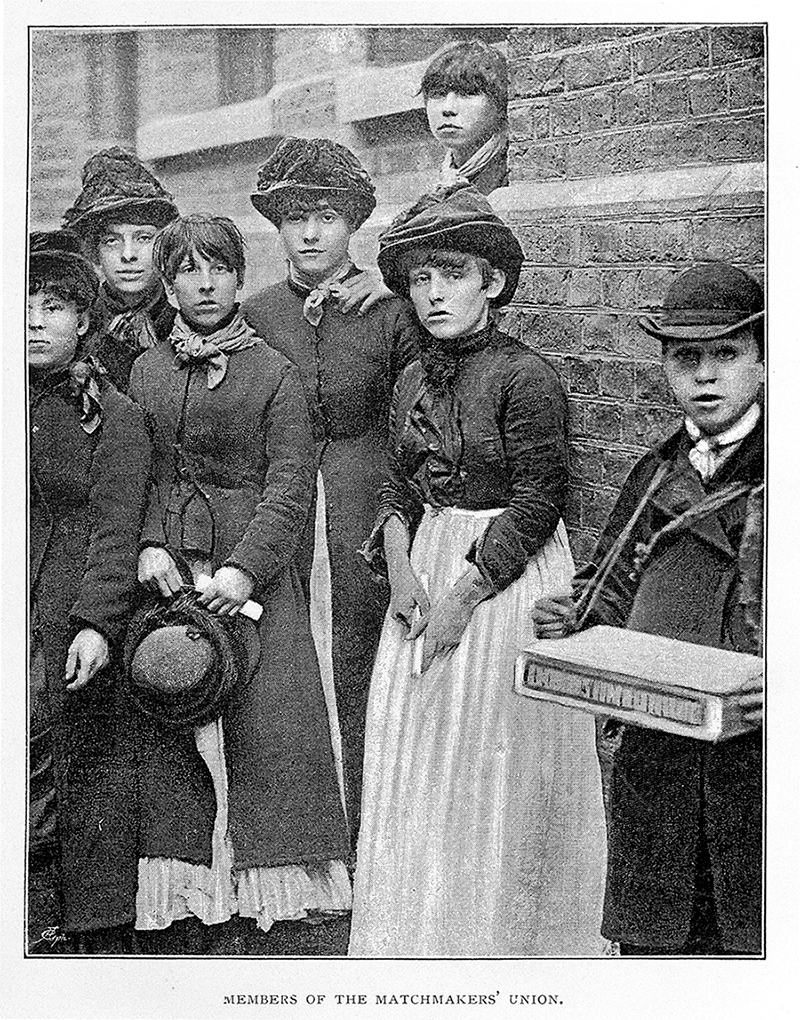
Photograph entitled ‘Members of the Matchmakers’ Union’ at the Bryant & May factory, 1888, © Wellcome Images
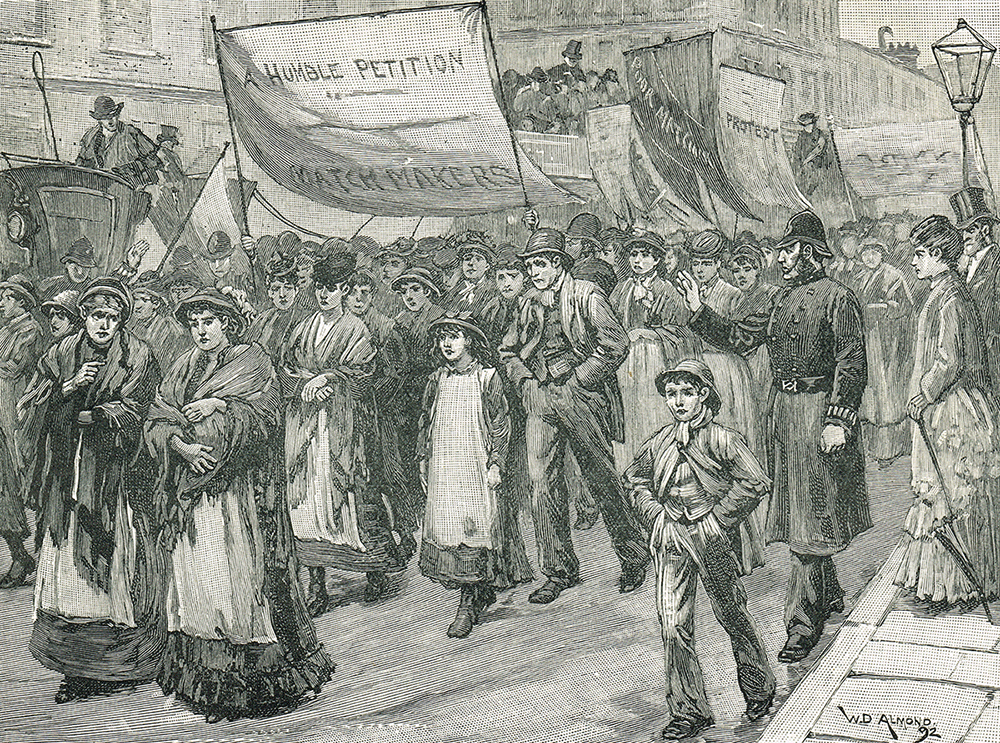
An illustration showing match workers protesting about a tax on matches, 24th April 1871, by William Douglas Almond (1866-1916) from Cassell’s Century Edition History of England, published circa 1901. © Alamy images
This illustration shows a procession of match makers marching to present a petition to Parliament in Westminster against the proposed tax by Chancellor Robert Lowe. A halfpenny tax was to be raised on a box of matches and one penny on vestas (type of wax match). The tax was seen as particularly unfair on some of the poorest workers in the country. Matches were needed to light the fires to heat homes and cook food. They were needed to light street gas lamps and the candles that people depended on for light. It would have further reduced the purchasing power of the meagre wages of the match workers. Plans for the tax were soon dropped in a storm of opposition.
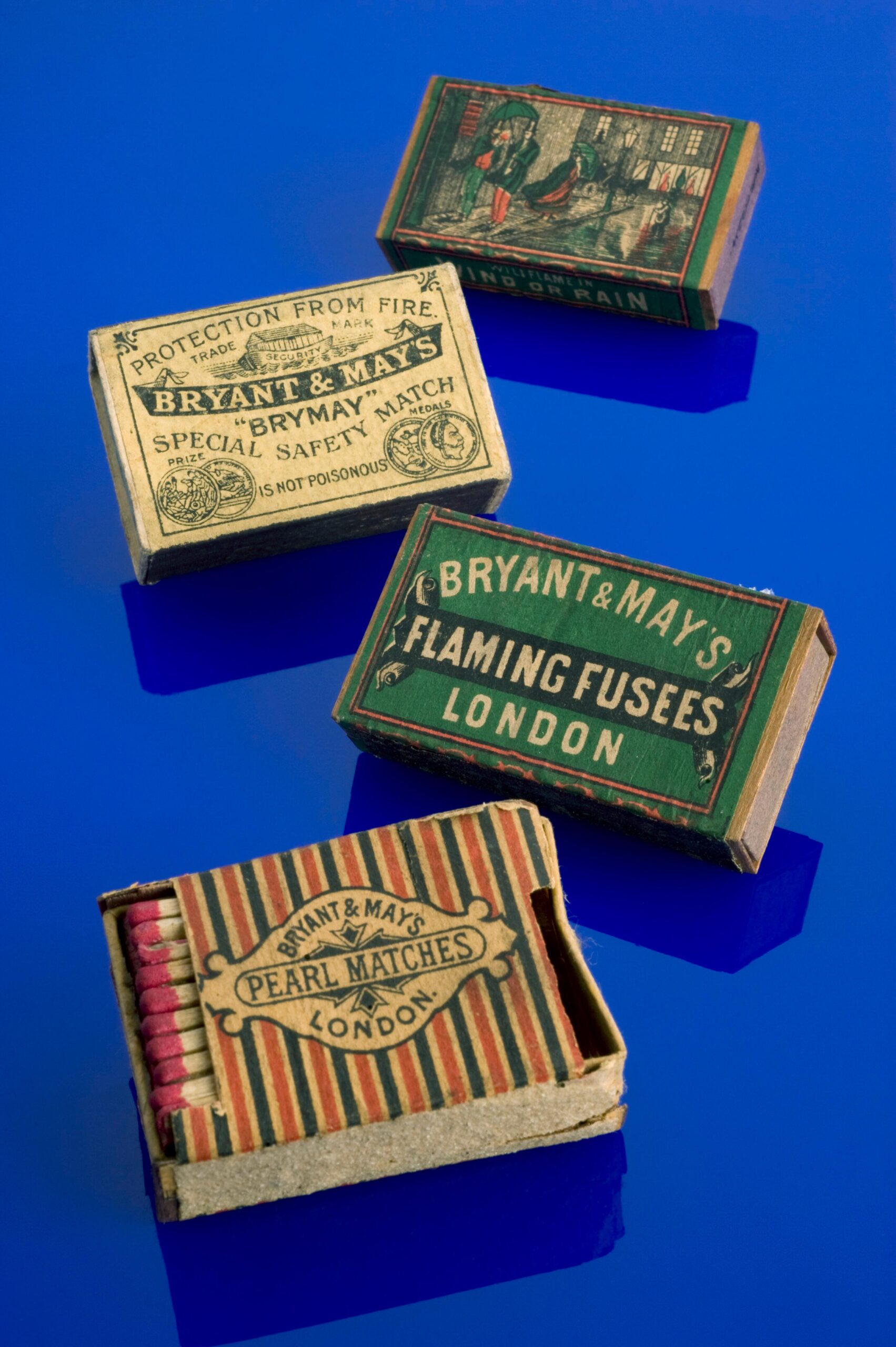
In 1888 the match girls employed by the company Bryant & May in the east end of London went on strike.
On 23rd June 1888, Annie Besant (1847-1933), a campaigner for women’s welfare and rights published an article called ‘White Slavery in London’ in her weekly paper, The Link. She revealed the terrible working conditions and low wages suffered by the young women and girls employed at the factory.
Besant’s article gained a great deal of publicity because the Victorians believed that only ‘inferior races’ engaged in the practice of slavery. In 1833 Britain abolished slavery in most parts of the Empire. To find out that women worked in such dreadful conditions in the match factories shocked many respectable Victorians.
Use the original documents from 1888 in this lesson to find out about the match girls’ strike and assess its significance in the history of trade unions for unskilled workers.
Political and social reform in 19th century BritainThe ‘match girls’ worked long hours for very low wages, and could lose part of their wages in fines for such offences as arriving late or talking or going to the toilet. According to Annie Besant in her article called ‘White slavery in London’, these workers were born in the slums and forced to work from childhood. They ‘were undersized because underfed, oppressed because helpless, flung aside as soon as worked out’.
Still worse, their working conditions were dangerous. The fumes from the phosphorous used to make matches were poisonous. Workers could get necrosis or ‘phossy jaw’, a form of bone cancer. It began with pain and swelling in the teeth and jaw, then foul-smelling pus formed. The jaw turned green and black as the bone rotted away and, without surgery, death could be the result.
The factory owners sacked the women who they suspected of talking to Besant. In response, Besant helped the rest of the women in the factory to form a trade union, which came out on strike. With the support of some of the press and the generosity of the public, money was collected to aid the striking women. Many people stopped buying Bryant & May matches.
At first, the owners of the factory stated that they would not take the strikers back into their employ. But on 21 July they gave in to the demands of the ‘match girls’, ended the fines system and re-employed those who had been sacked, ending the strike. However, it was not until 1901 that Bryant & May finally stopped using dangerous yellow phosphorous in their matches. The newspaper source in this lesson highlights how workers died as result of the firm’s earlier lack of concern for the safety of their workers and observance of existing factory regulations.
This was the first time a union of unskilled workers had succeeded in striking for better pay and working conditions in London, although other unions were developing in the country in the cotton industry and for seamen on Tyneside. Will Thorne led a London strike of gas workers in 1889 and later that year, the London Dock strike was led by Ben Tillett.
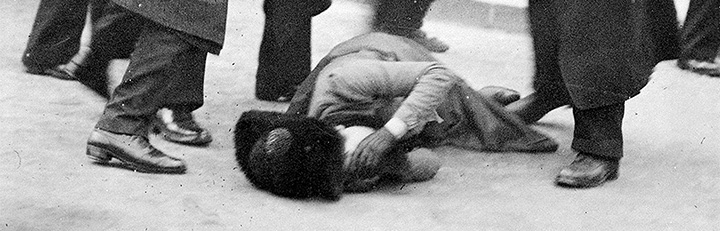
Copyright: Copyright Office of the Stationers’ Company
We hope you enjoyed watching our Education Service video with visual collections researcher Katherine Howells looking at records from the copyright office, COPY 1. This video focusses on two records concerning: the Suffragettes (1910) and the Worker’s Compensation Act (1906).
Now try and answer the following questions:
- What type of images can be found in the copyright collection?
- What type of literature is found in the collection?
- What is the value to historians of the registration form which usually accompanied an image?
- What was the significance of the Copyright Act 1862?
- Why are gloves worn when handling photographic sources?
- Can you find some other examples of COPY 1 sources used in resources on the Education Website?
Photograph: Black Friday Demonstration, 1910 COPY 1/551
- What is happening in this photograph?
- What type of photograph is this?
- Why has this photograph been taken do you think?
- How was this photograph later used to criticise the government?
- How is this photograph useful for understanding the suffragette movement?
- What is the value of photographs as opposed to written documents?
- How does the registration form with this photograph help us to interpret the content?
Artwork: New Compensation Act, Tom Browne, 1908 COPY 1/334
- Who was Tom Brown?
- Can you describe the artwork he created and registered?
- How does Brown use humour and design to criticise the Workman’s Compensation Act 1906?
- What can we infer from this source about:
(a) Attitudes to the working class
(b) Attitudes to the new Workman’s Compensation Act
(c) Sense of humour at that time
(d) Employment? - What sources could help us find out more about other responses to the Workman’s Compensation Act?
Download Copyright Office Resource Pack
Related Resources
- Working with photographs
- Seeing is not necessarily believing!
- Uncovering the past
- How can we use photographs to find out about the past?
- Suffragettes on File
- What did the struggle for the vote involve?

- Cats and mice
- What tactics were used by suffragettes, police and government?
- Suffragettes: Outrage at Kew
- What’s the story?
- Britain 1906 – 1918
- Study the varied life of the British people in 1906-18.
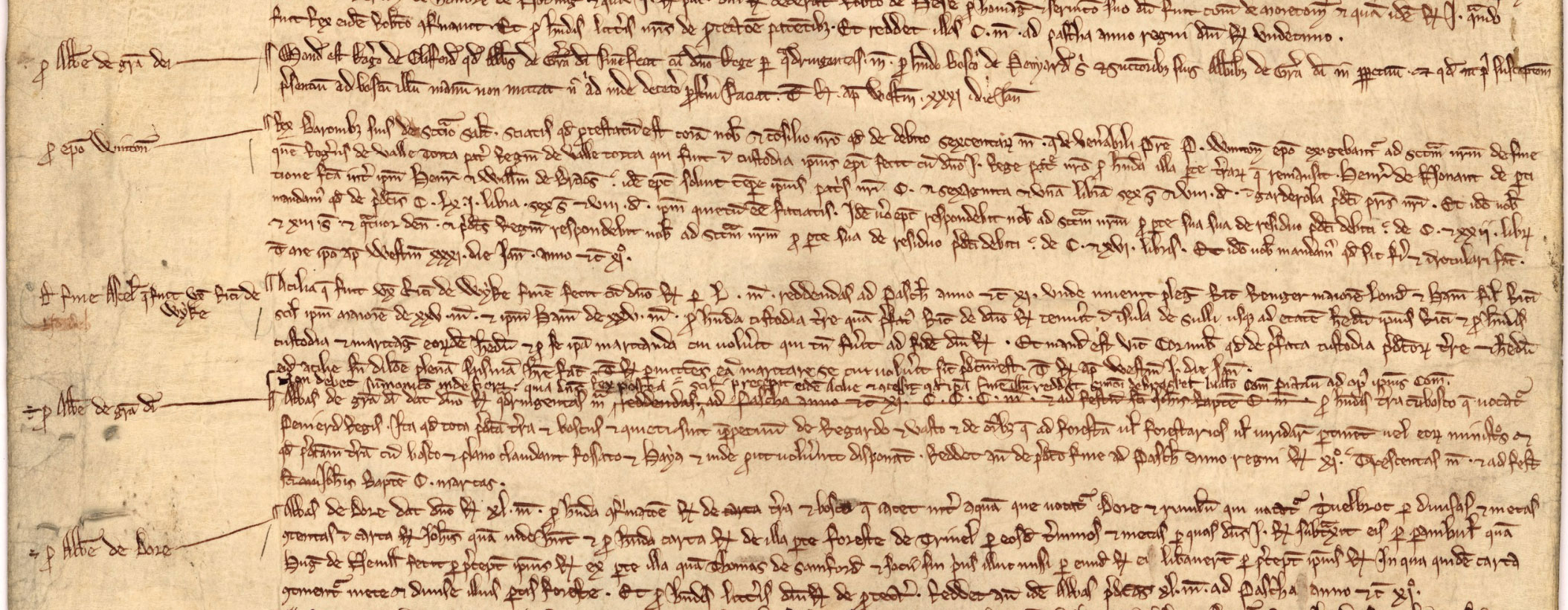
Chancery: Fine Rolls of Henry III
We hope you enjoyed watching our Education Service video with collections expert Paul Dryburgh. This video focusses a chancery record from the reign of Henry III and explores the role and function of chancery within royal government.
Now try and answer the following questions:
- What was the medieval chancery?
- Who worked there?
- The three types of Chancery roll are: Letters close; letter patent; fine rolls. Can you explain the difference between them?
- How is information kept together in a roll?
- How did the scribes solve the problem of not having an index?
- What type of document is the Henry III document featured in the video? [Look at the image and transcript of the video]
- Can you describe the appearance of the document?
- What is the date?
- Who has produced it?
- Who is it for?
- What is the purpose of this particular document? [Use the transcript to help]
- How is this document useful for understanding society during the reign of Henry III?
- What is the value of chancery records?
- Why does the National Archives have these records?
Download Chancery Resource Pack
Related Resources
- Magna Carta
- Jump into the 13th century
- Magna Carta, 1215 and beyond
- A medieval revolution?
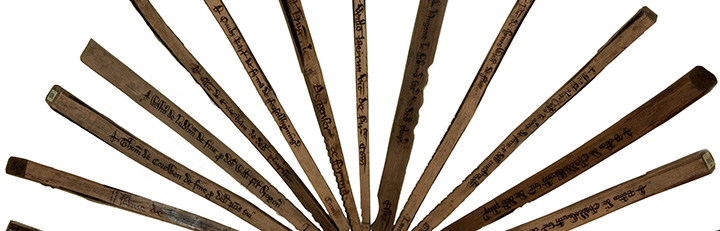
- Unboxing the Archive: Tally Sticks
- Jump into the 13th century
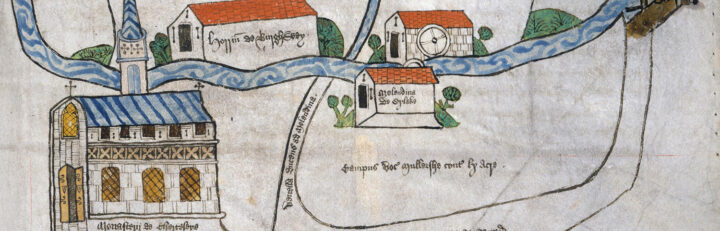
- Chertsey
- What was Chertsey like in the Middle Ages?