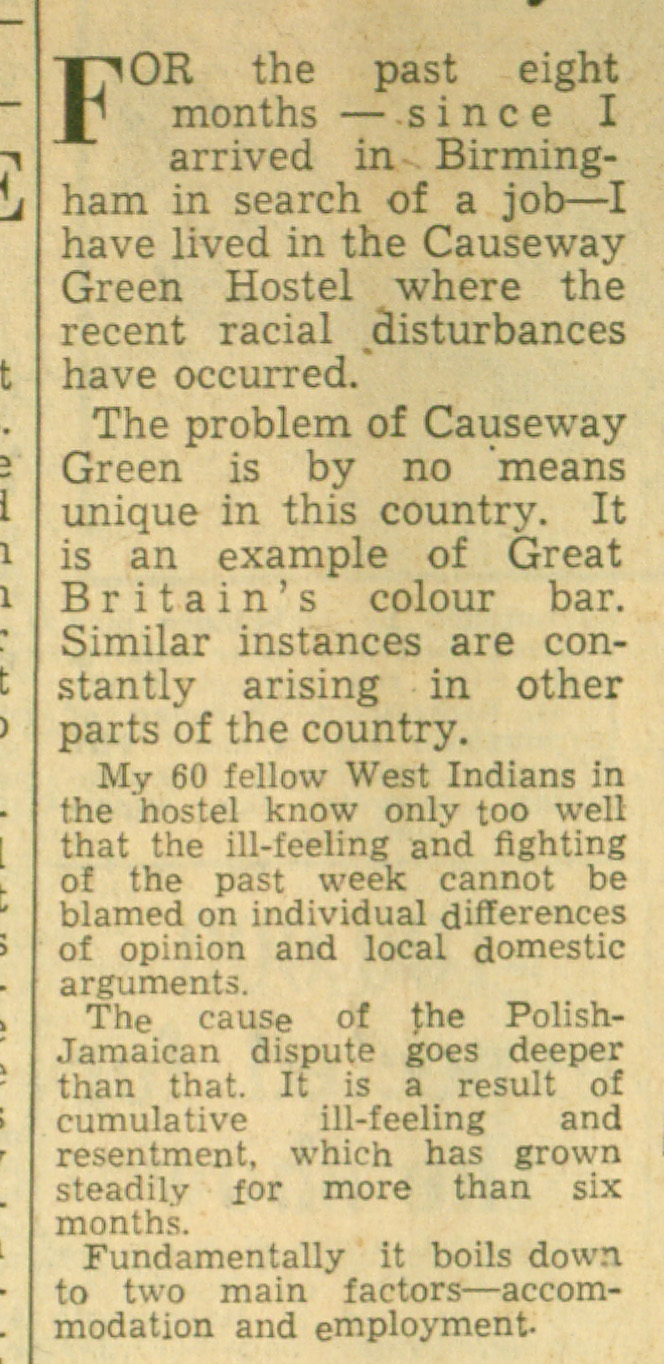
This is an extract taken from a story printed in the ‘Birmingham Gazette’ by Horace Halliburton, 10th August 1949. Catalogue ref: LAB 26/198
Housing for the new migrants, near to their places of work was often provided by National Service Hostels Corporation (NSHC).
There had been reports about some disturbances between the Poles and the Jamaicans living at Causeway Green hostel. On 8th August, a riot with serious fighting occurred. The Causeway Green Riot and events leading up to that night, mainly consisted of Polish men fighting a smaller group of Jamaicans. Those in charge of the hostel decided to evict the Jamaicans, not the Poles or others involved. The Jamaicans refused to leave and therefore the NSHC made a rule to limit the number of ‘West Indian’ residents ‘up to 10% of the total’ with ‘a ceiling of 30%’.
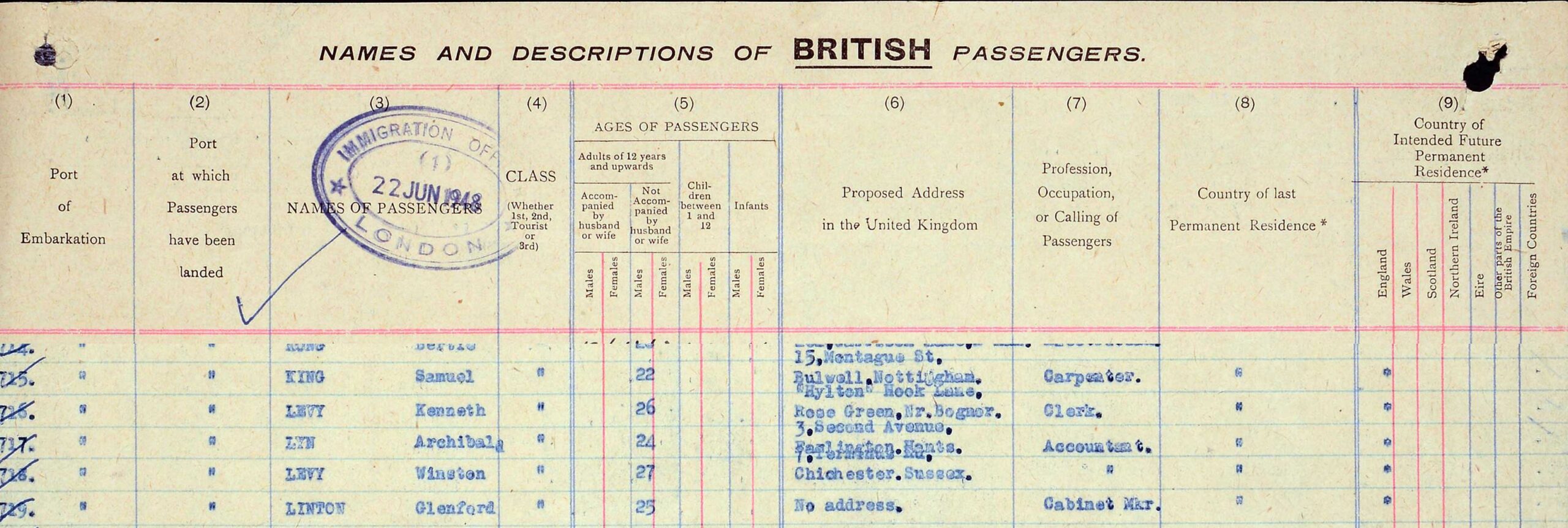
Extract from the passenger list of the Empire Windrush, Catalogue Ref: BT 26/1237. This is from one of the pages from the Board of Trade passenger list of the Empire Windrush, one of the ships that brought people from the Caribbean to the UK and arrived at Tilbury on 21st June 1948.
Front cover of the Caribbean Carnival Souvenir programme, dated 1960.
Please access the image online, as the original of this document is kept in The British Library: Claudia Jones’ Caribbean Carnival Souvenir programme, 1960 | The British Library (bl.uk)
Programme of events for the Caribbean Carnival, page 4 of the online record.
Please access at: Claudia Jones’ Caribbean Carnival Souvenir programme, 1960 | The British Library (bl.uk)
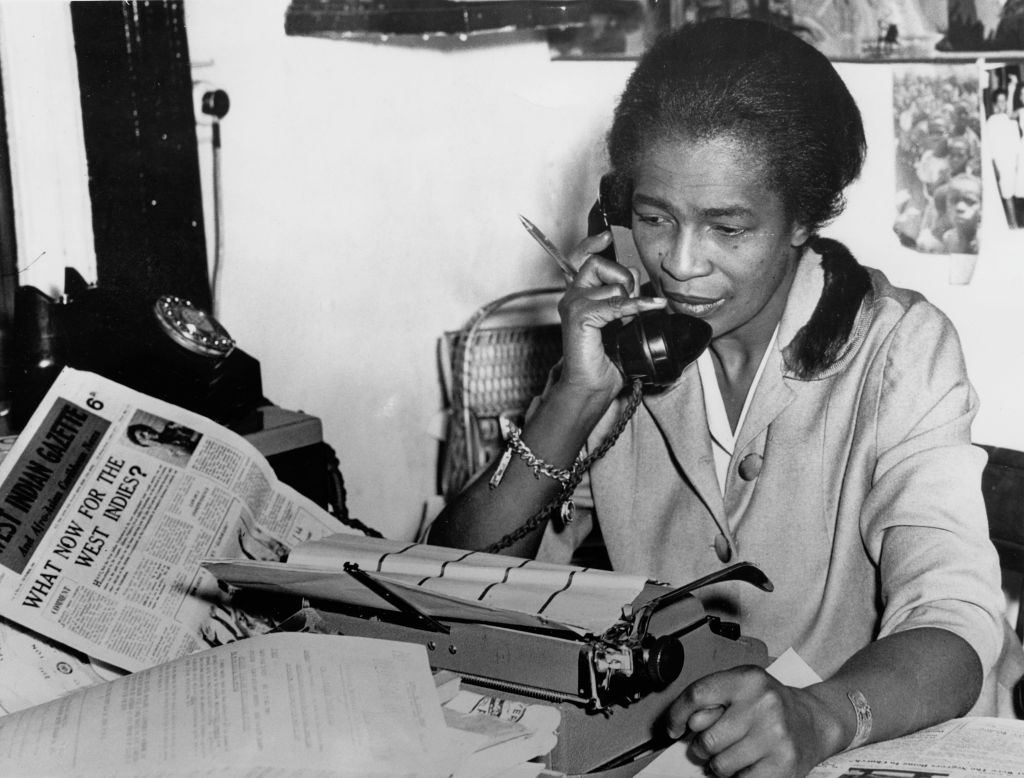
Photograph of Claudia Jones, founder and editor of ‘The West Indian Gazette and Afro-Caribbean News’ and founder of the indoor Caribbean Carnival which is seen as the beginnings of the Notting Hill Carnival. Source: Getty images.
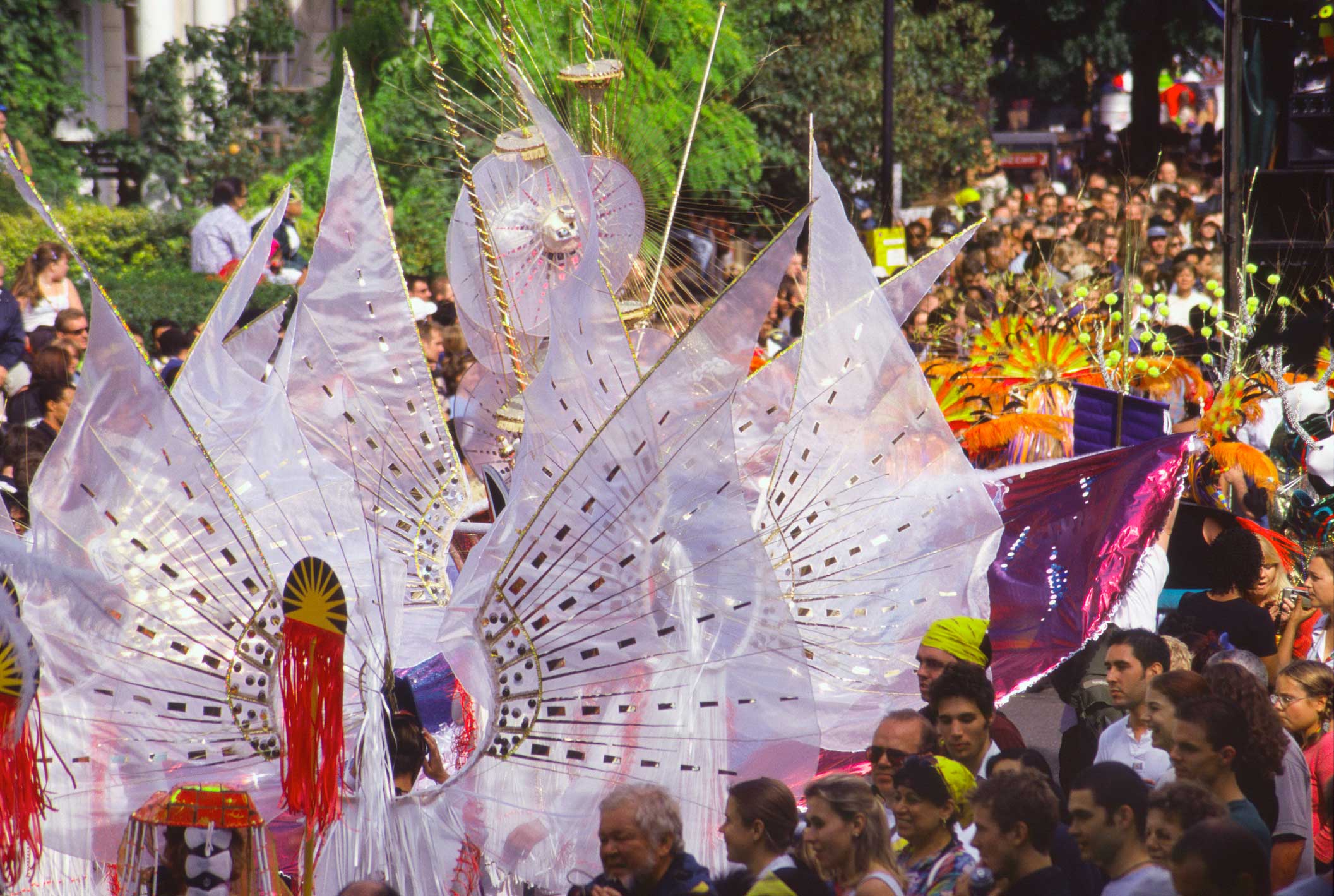
Photograph of Notting Hill Carnival. Source: Charles Bowman/Getty Images
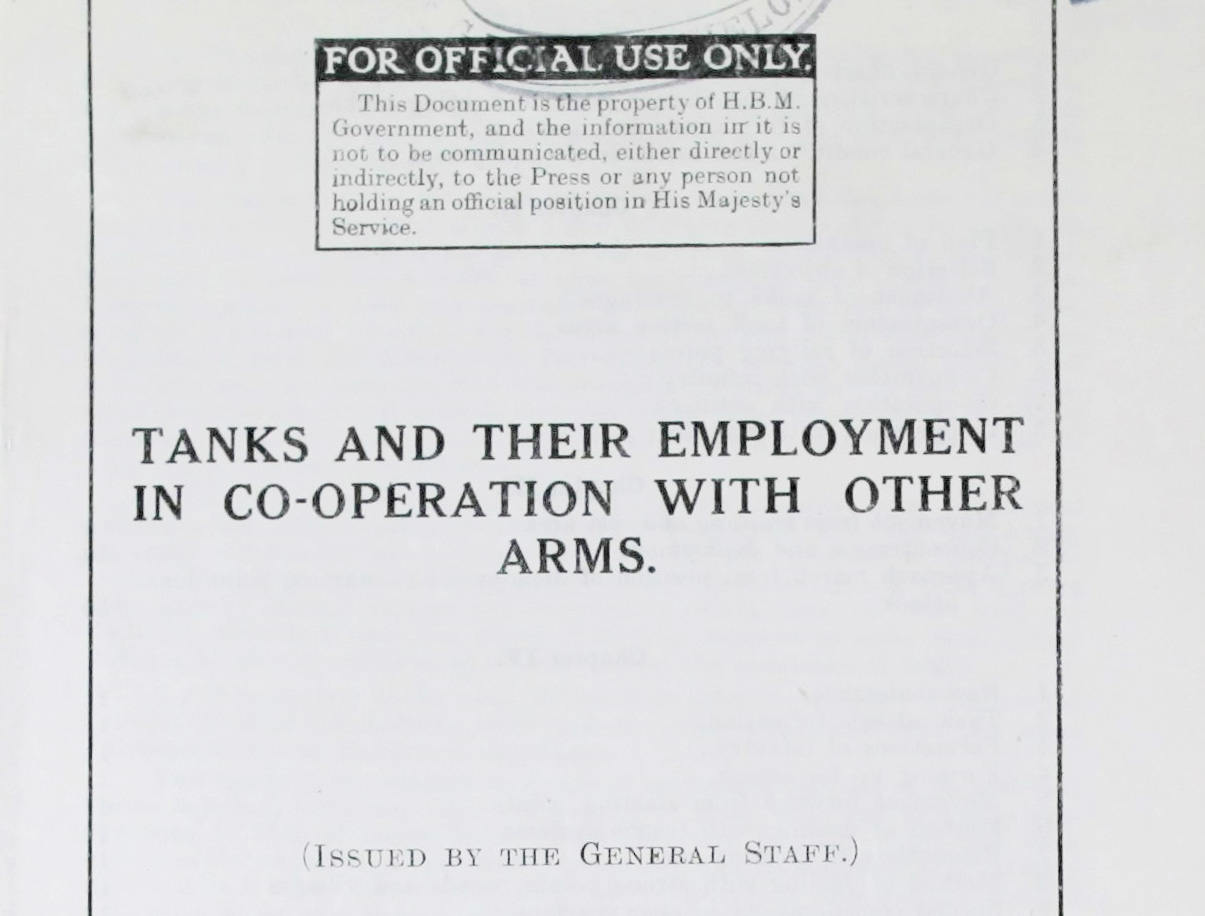
War Office: Tanks manual, 1918 (WO 158/832)
We hope you enjoyed watching our Education Service video with collections expert Will Butler looking at our War Office series. This video focuses on a manual from August 1918 about the role of tanks in warfare. It helps explore the impact of this technology during the First World War.
Download Spotlight On: Tanks Resource Pack
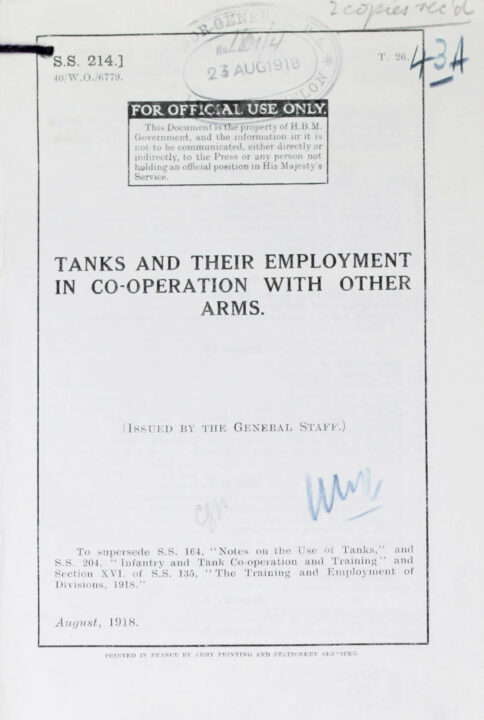
Employment of tanks, 1916-18. Catalogue Ref: WO 158/832
Watch the video then try and answer the following questions:
- What was the War Office?
- When was it created?
- What type of sources can be found in the War Office collection?
- What does this reveal about the range of material available?
- What is the date of the document examined in the video?
- What does the earlier correspondence in the file suggest about the document examined?
- From looking at the cover of the document, why do you think the document says it is for ‘For Official use only’?
- Who issued the document?
- Can you explain the purpose of the document?
- Why does the document say on its cover that is ‘ To supersede….S.164…S.S..204…S.S.135’
- What insight, according to the video, does the document reveal about military views on:
- The use of tanks on the battlefield
- How they should be used by the military in an offensive
- The impact of tanks on the enemy?
- Find out about the use of tanks at: Battle of Flers-Courcelette (15th September 1916); Battle of Cambrai (1917), the first large scale use of tanks. For more information on the use of tanks in the First World War see the Imperial War Museum
- Use The National Archives research guides to find records on the First World War.
Related Resources
- Medicine on the Western Front (part one)
- How did trench warfare affect injuries and treatment?
- Medicine on the Western Front (part two)
- How did trench warfare affect injuries and treatment?
- Letters from the First World War, part one
- How did these men experience the conflict? (1915)
- Letters from the First World War, part two
- How did these men experience the conflict? (1916 – 18)
- Great War soldier’s record
- What can we find out?
Connections to Curriculum
Key stage 4
- AQA GCSE History
- Conflict and tension: the First World War, 1894–1918: Military developments in 1918 and their contribution to Germany’s defeat: the evolution of tactics and technology.
Key stage 5
- Edexcel GCE History
- The British experience of warfare, c1790–1918: Western Front: the use of new fighting techniques and new technology.
- OCR GCE History
- The Changing Nature of Warfare 1792–1945: The impact of technological change
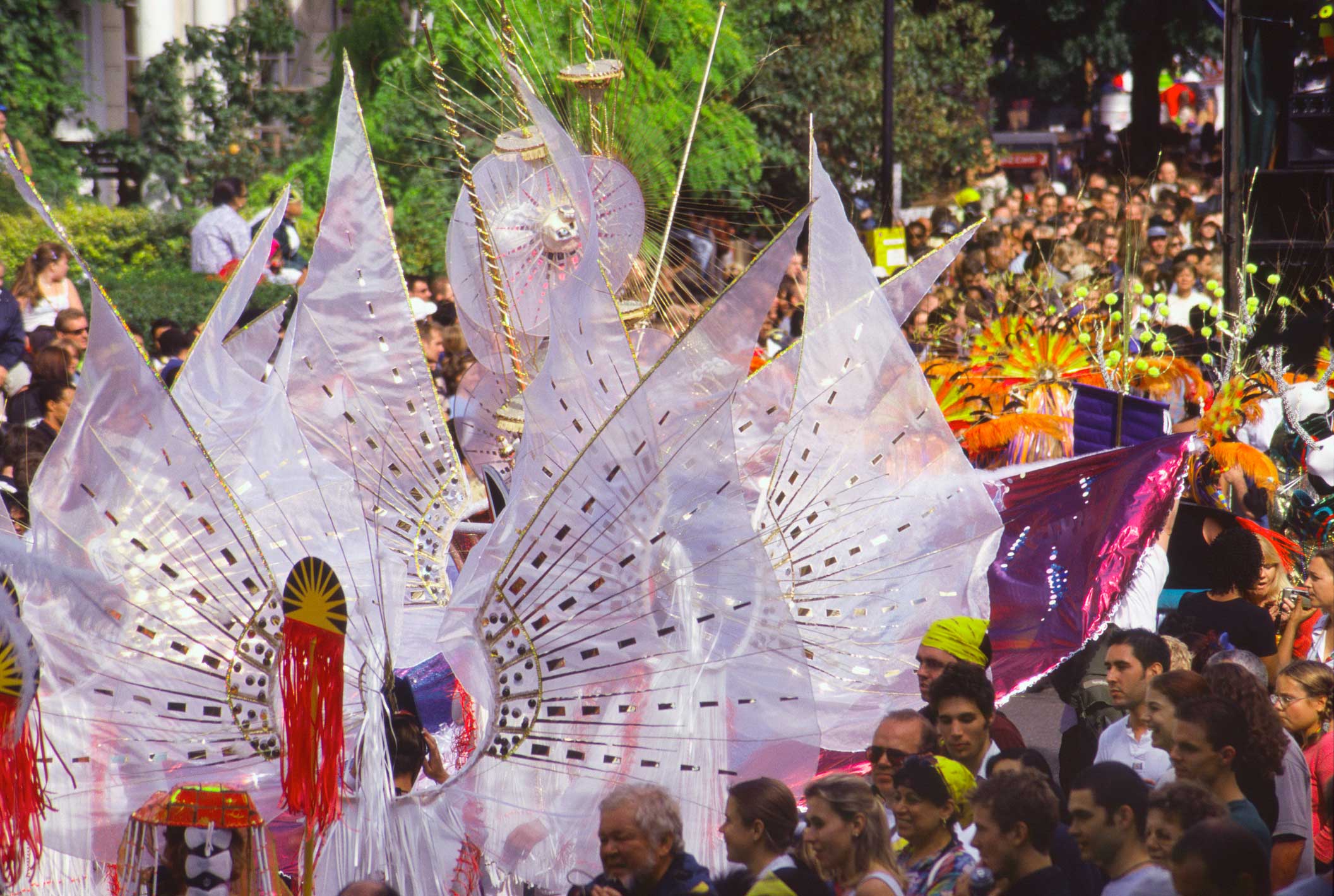
Late 1950s Britain had a growing number of towns and cities that were racially diverse. Notting Hill had become home to lots of people from the Caribbean who had arrived on Windrush and the accompanying ships.
One of these people was Sam Beaver King. He had served for the RAF during the Second World War and after arriving in Britain on the Empire Windrush, he went on to work for the Post Office for over 30 years. He also supported the first Caribbean carnival set up by Claudia Jones in 1959 and went on to become the first black Mayor of Southwark, London in 1983. Sam King co-founded with Arthur Torrington The Windrush Foundation and was awarded an MBE (Member of the Order of the British Empire) in 1998, the year of the 50th anniversary of Windrush.
Yet this multiculturalism was also accompanied by racial tension and the unfair treatment of black people. For example, some white people refused to rent properties to non-white tenants and black people were also sometimes refused service in restaurants and shops. In Notting Hill and the East End of London, there were groups of people who supported far-right policies such as Oswald Moseley’s Union Party, and who attacked and harassed their black neighbours.
In 1958 both the Nottingham Race Riots and the Notting Hill riots took place, as violent fights broke out between white and black people. Amid this hostile atmosphere, Trinidadian human rights activist Claudia Jones organised an indoor Caribbean carnival in Notting Hill on 30th January 1959. She wanted to hold an event that brought people together and celebrated Caribbean culture. This is seen as the start of the Notting Hill Carnival.
Claudia Jones was also the founder and editor of ‘The West Indian Gazette and Afro-Caribbean News. This was viewed as Britain’s first major Black newspaper. Around the same time, political movements, such as the Coloured Peoples Progressive Association and the Association of Advancement of Coloured People, were also established.
In Notting Hill the following year, Kelso Cochrane, a carpenter who had emigrated to Britain from Antigua, was murdered. He had been attacked by a group of white men in Notting Hill, whilst walking home just after midnight. This was a racist murder and not an attempted robbery as claimed by the Police at the time. His death heightened the growing racial tensions that existed.
In 1976 riots occurred at the Notting Hill Carnival when Police and carnival goers clashed. This was against a backdrop of anger surrounding police use of the SUS law. There has been much distrust by carnival goers over time, about the Police’s role and presence at the carnival.
What do the sources reveal about the significance of the Notting Hill Carnival and why it began?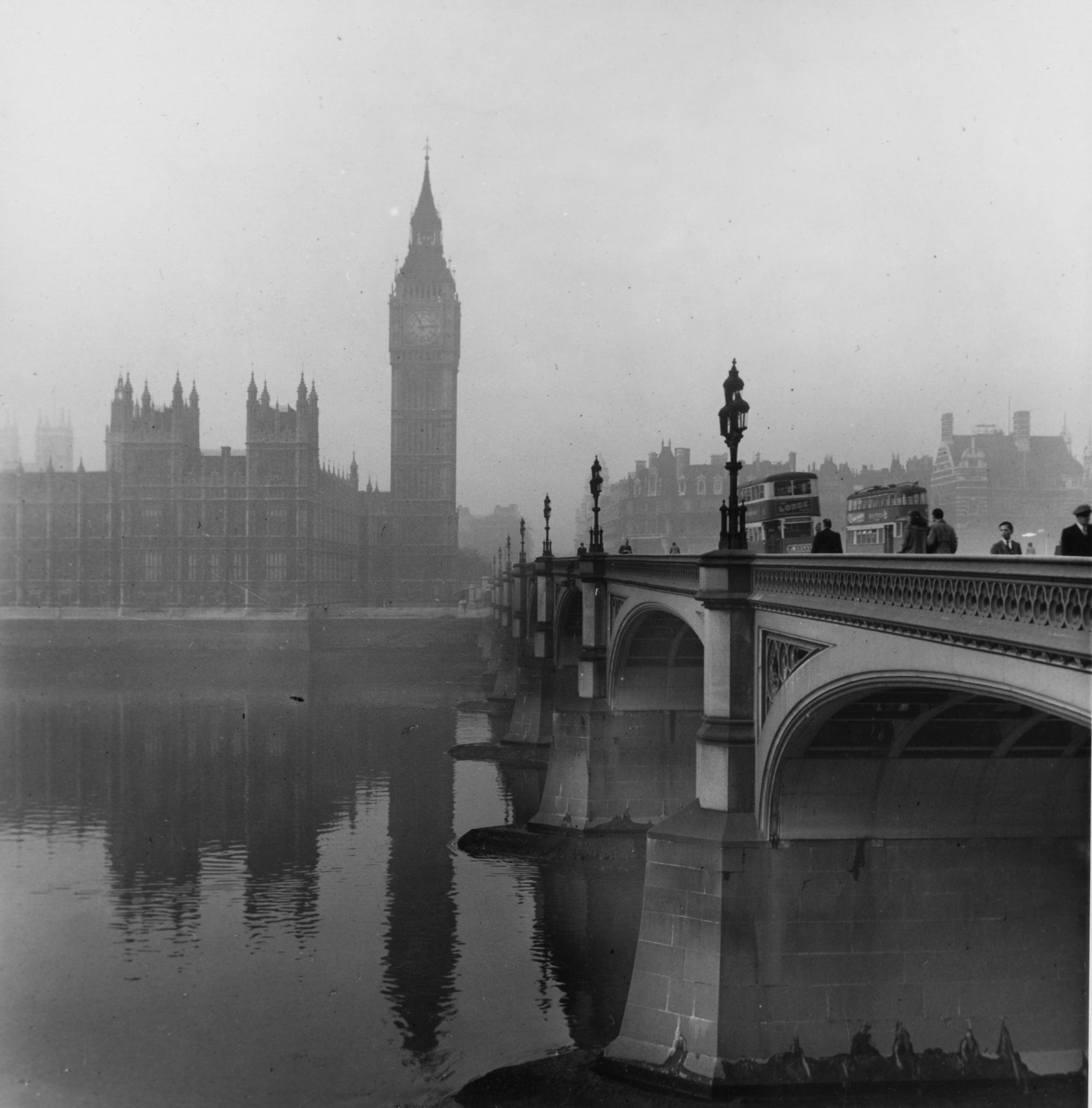
When the Second World War ended, countries needed to recover and rebuild.
By 1948, the Nationality Act was passed which gave people from the Commonwealth the right to live and work in Britain if they wanted. They were citizens of the ‘United Kingdom and Colonies’. Many Caribbean men and women had served in the forces during the war, some wanted to re-enlist into the armed forces or find other employment. After the war, Britain needed people to fill jobs in the health service, transport system and postal system.
Britain also used the European Voluntary Workers (E.V.W.) scheme to cope with its shortage of workers. The plan aimed to provide jobs in factories and farming to people from Europe who had been made homeless after the war. At the same time, many people also left their homes in the Caribbean to live and work in Britain. Those on the E.V.W. plan who were classed as ‘aliens’, however those from the Caribbean were ‘Citizens of the United Kingdom and Colonies’.
Housing for the new migrants, near to their places of work was often provided by National Service Hostels Corporation. At the Causeway Green Hostel in the West Midlands in August 1949, for example, there were 235 Poles, 18 E.V.Ws, 235 Southern Irish, 50 Northern Irish, 65 Jamaicans, and 100 English, Scottish and Welsh.
Finding accommodation became difficult for many commonwealth immigrants because of growing prejudice and discrimination in the 1940s and 1950s. In 1958 there were riots in the Nottingham and Notting Hill, London. These involved serious fights between ‘teddy boys’ and new arrivals. The homes of immigrants were also attacked. At this time too, Black people were frequently excluded from skilled employment, pubs, and clubs. Landlords refused to rent to Black families. Other landlords exploited these immigrants by renting them over-priced, overcrowded accommodation. Added to this racial discrimination, the shortage of affordable decent housing and the poor living conditions made matters worse.
The following year, Kelso Cochrane, a carpenter from Antigua was brutally stabbed to death in West London. It was a racist murder and not, as the police later claimed, an attempted robbery. These events would lead to increased calls for immigration control, resulting in the 1962 Commonwealth Immigrants Act, many argued that the migrants were being blamed for the prejudice directed towards them.
Following these events there was a strong effort to improve relations in the area from Black activist Claudia Jones and members of the Caribbean community which eventually gave rise to the Notting Hill Carnival and the start of legislation designed to prevent racial discrimination.
What do these documents reveal about life for Caribbean migrants to Britain in the 1940s and 1950s?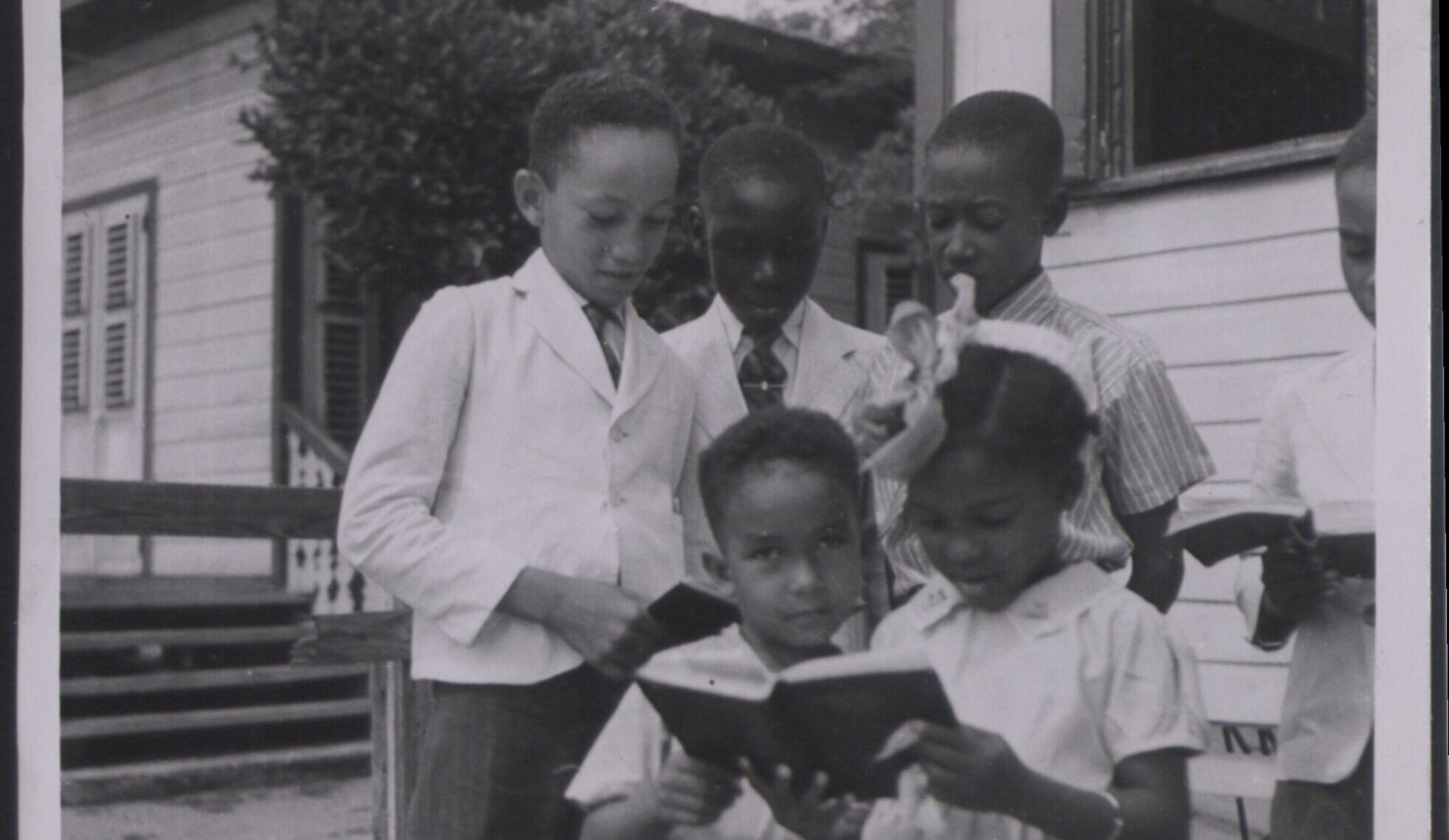
When the Second World War ended, countries needed to recover and rebuild.
By 1948, the Nationality Act was passed which gave people from British colonies the right to live and work in Britain if they wanted. They were citizens of the United Kingdom and Colonies. Many Caribbean men and women had served in the forces during the war, some wanted to re-enlist into the armed forces or find other employment. After the war, Britain needed people to fill jobs in the health service, transport system and postal system.
The arrival of the ship ‘Empire Windrush’ is often seen as the start of this migration of Caribbean migrants from countries including Jamaica; Bermuda; Trinidad and British Guiana seeking jobs and a better life in this country. Jamaica for example, had high unemployment and a recent hurricane had caused huge damage. However, it is also important to remember that there were earlier lesser-known ships that carried post-war migrants from the Caribbean. Find out these other ships in this National Archives blog.
It cost £28 for travel on the troop-deck and £48 for cabin class travel on the Empire Windrush. The ship picked up passengers at Trinidad, Jamaica (Kingston) and Mexico (Tampico). It took on water in Cuba and dockyard workers in Bermuda, who were returning to Britain. It arrived at Tilbury Docks on 22nd June. The total number of passengers was 1,072. Those with nowhere to go were accommodated in London’s Clapham South tube station deep shelter and others who had places to go to were dispersed direct from Tilbury.
The Ministry of Labour set up a small labour exchange or job centre in the Clapham South Deep Shelter to help to place people in jobs. Fares were paid to those travelling to other parts of the country.
Life was difficult for many people after the war. Rationing and shortages continued, people still queued for food. People therefore arriving from the Caribbean would have experienced this as well as leaving friends and family behind. The climate was also colder and wetter. Unfortunately, some Caribbean migrants were made to feel unwelcome and treated unfairly and differently because of racism. Finding jobs and somewhere to live was difficult due to discrimination. Many were forced to accept employment with low wages or poor housing.
Why did people from the Caribbean travel to live and work in Britain?