Trimdon is an area of County Durham in the north of England which covers the towns of Trimdon, Trimdon Grange and Trimdon Colliery. At the beginning of the 19th century it was simply fields and moors. By the middle of the 19th century more people came to live and work in the area. A railway was built and houses sprang up near to the railway line. By the late 19th century Trimdon had grown even bigger; there were now several roads and rows of houses.
In this lesson, we are going to look at a number of different sources about Trimdon. We are trying find out what it must have been like to live in Trimdon in the late 19th century.
What was it like living in a late 19th century mining town?In the 19th century, coal mining was on the increase thanks to the Industrial Revolution. Small towns such as Trimdon were growing, and this growth could usually be seen around collieries (mines), quarries and other workings.
Coal was one of the essentials of the Industrial Revolution. Without it, it was much more difficult to cook and heat your home. It was also important for the country’s transport, such as the railways, and was used as a fuel for factories.
As Trimdon grew, so did their colliery, and as a result of that, so did their slag heap (waste material from the mine). More houses needed to be built and there were more churches and a bigger school.
Trimdon Grange was one of a group of three villages in the area of Trimdon. The population of the area in 1801 was 278; in 1811, 274; in 1821, 302; in 1831, 276; in 1841, 382; in 1851, 1598; in 1861, 2975; in 1871, 3266; in 1881, 3057; and in 1891, 4135. The rapid increase between 1841 and 1851 was due to the opening of the colliery and led to the creation of the villages of New Trimdon and Trimdon Grange.
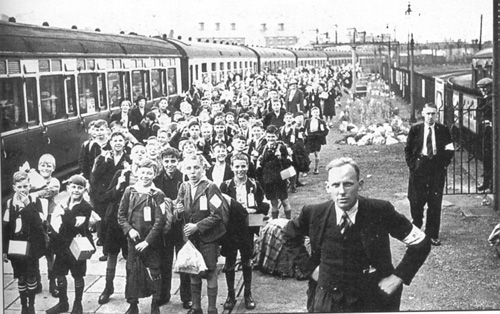
The Second World War broke out in 1939. The British government expected the German air force to bomb cities and their factories, and so they began a mass evacuation a few days before the start of the war. Around three million school children from the cities at risk were sent to live with foster families in the safety of the country until the war was over.
One safe place was Oswestry, a small town in Shropshire near the border with Wales. People in the town provided billets (homes) for evacuees (people evacuated) from Birkenhead, part of the city of Liverpool on the north-west coast. At the outbreak of war, about 3,300 children and 900 mothers were sent to Oswestry on special trains from Liverpool.
The children from the city experienced a totally new way of life in the country. For the people in the country, too, having so many outsiders coming into their area was a major event. Use this lesson to work with original sources which reflect the experiences of children evacuated to Shropshire during the Second World War.
What happened to children who were sent away?Preparations for war began in 1938, the year before war broke out. People were given gas masks and plans for evacuation were prepared. The plan for evacuating the children was called Operation Pied Piper. In September 1939, when the evacuation began, the scheme went fairly smoothly.
Householders in the country who billeted (housed) city children were given money by the government. They got 10s. 6d. a week (53p in modern money) for the first child they housed and 8s. 6d. (43p in modern money) for any other evacuees they took in. That doesn’t seem like much, but you could buy a pint of milk for around 4d. (2p in modern money) back then!
The evacuation meant children swapped one life for a completely new life in the country. The 1930s was a period when unemployment was high. Many of the children who came from Merseyside had been living in poverty. Some did not even have the few belongings that they were told to bring with them and some had never taken even a day’s holiday away from the city. The sight of ‘wild’ animals (such as cows or sheep) must have been as astonishing to them as a day at a safari park is to us now. Life for evacuees was not entirely unpleasant. Although most evacuees must have been homesick, some had their mothers with them. In the case of the Oswestry evacuees, up to one mother was evacuated with every three children sent away.
Billeting evacuees was one way people in the country helped on the Home Front and the evacuees got involved in the war effort as well. The children in Oswestry learnt to knit clothes for the armed forces, helped to ‘dig for victory’ by planting vegetables in school playing fields, and manned stalls to collect scrap metal. In summer they helped with the harvest and even gathered acorns to feed the pigs.
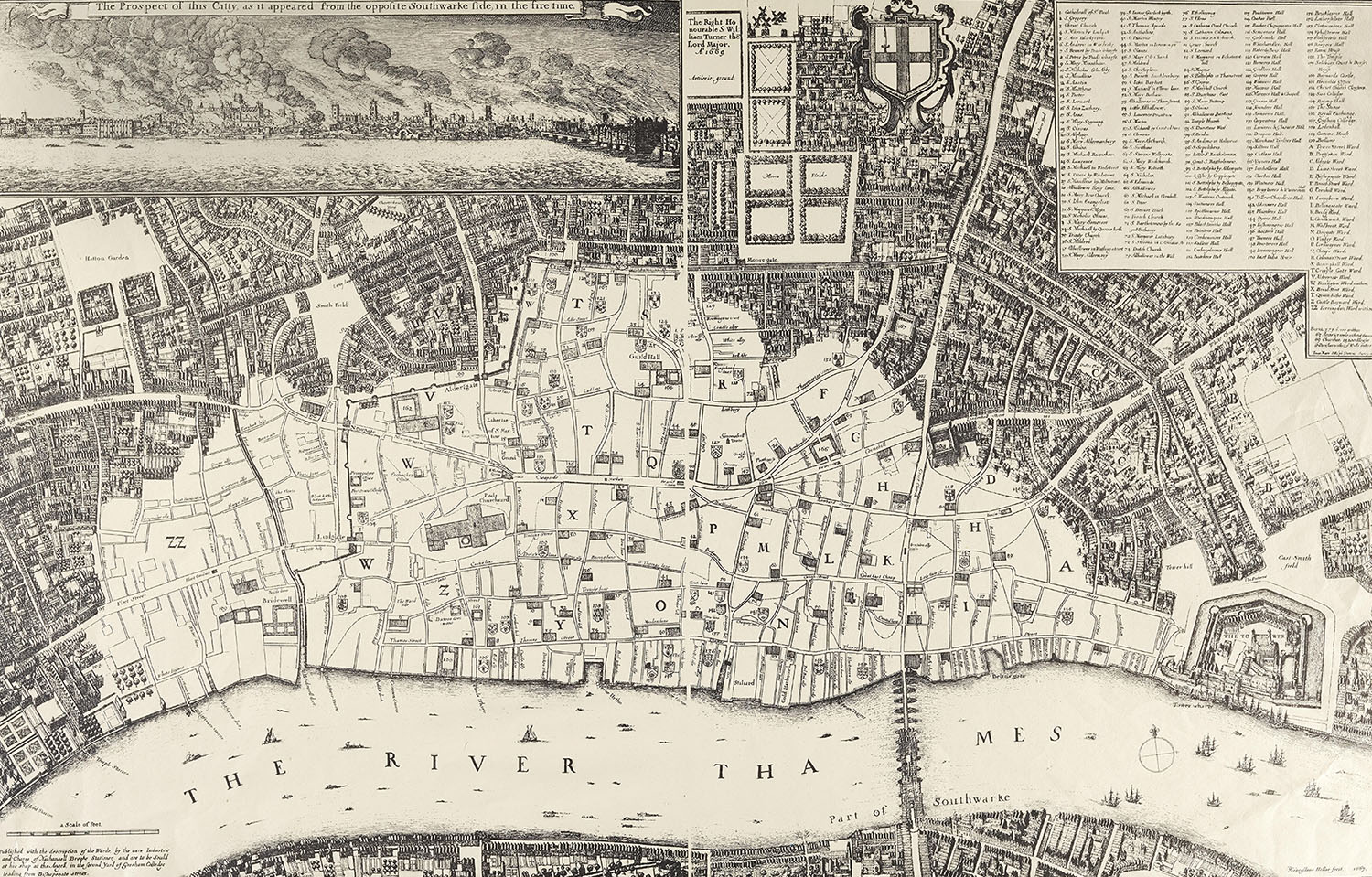
London was a busy city in 1666. It was very crowded. The streets were narrow and dusty. The houses were made of wood and very close together. Inside their homes, people used candles for light and cooked on open fires. A fire could easily get out of control. In those days there were no fire engines or firemen to stop a fire from spreading.
The fire began on early Sunday morning on the 2nd of September. It started in Pudding Lane in the shop of the king’s baker, Thomas Farriner. When Thomas went to bed, he did not put out the fire that heated his oven. Sparks from the oven fell onto some dry flour sacks and they caught fire. The flames spread through the house, down Pudding Lane and into the nearby streets.
Soon London was filled with smoke. The sky was red with huge flames from the fire. By Monday, 300 houses had burned down.
Everybody was in a panic. People loaded their things onto carts and tried to leave town. Others tried to get away on boats on the river. Some people buried their things in the garden, hoping to save them from the fire.
The fire still spread, helped by a strong wind from the east. London Bridge and St Paul’s Cathedral were both burnt. On Tuesday, King Charles II ordered that houses and shops be pulled down to stop the fire from spreading. By Wednesday, they had the fire under control. But by then, 100,000 people were homeless.
Use this lesson to work with original documents which tell the story of the Great Fire of London.
What happened?Thomas Farriner and his wife got out of their bakery in time, but their maid was too frightened to jump from the roof. She was the first to die. Surprisingly, only nine people died as a result of the fire.
Two people have left us eyewitness accounts of the fire. The first is Samuel Pepys, who worked for the Navy. He kept a diary from 1660-1669. The second is John Evelyn, who also kept a diary. Both men describe how dramatic and scary the fire was.
Not everyone at the time thought that the fire was an accident. Some said foreigners caused it. Others felt that the fire was started by those not free to follow their own religion. Some even saw the fire as a punishment from God.
A ten-year-old boy called Edward Taylor and his family were questioned for throwing fireballs at an open window in Pudding Lane and in the streets. Fireballs were made from animal fat (called tallow), set alight and used to start fires. However, the fire was most likely caused by chance rather than by a deliberate act.
Charles II ordered that 10 October 1666 be a day of fasting on account of the fire. He told the Lord Mayor of London to support collections for victims of the fire. Later, close to Pudding Lane, a monument was built so that people would not forget the fire. It was the work of Sir Christopher Wren, who designed many new buildings, including St Pauls Cathedral, when the city was rebuilt after the fire.
During the Second World War, Britain wanted everyone to help win the war. Like the armed services, the people at home had to do their bit. The government used posters, leaflets, film and radio broadcasts to get its message over to the public.
Posters were put up in local shops, public buildings and village halls. These posters were used to give different messages. For example, the famous ‘Dig for Victory’ posters were used as the government wanted people to grow their own food during wartime. Special government films were made and shown in cinemas to persuade people to behave in certain ways. There was no television or internet in those days.
Use this lesson to take a closer look at some posters and a film clip to find out how they were used to persuade people to play their part on the home front during the Second World War.
How did Britain encourage people at home to help win the war?All of the posters used in this lesson are the work of artists who worked for the government Ministry of Information formed in 1939. The posters were used to try and influence public opinion.
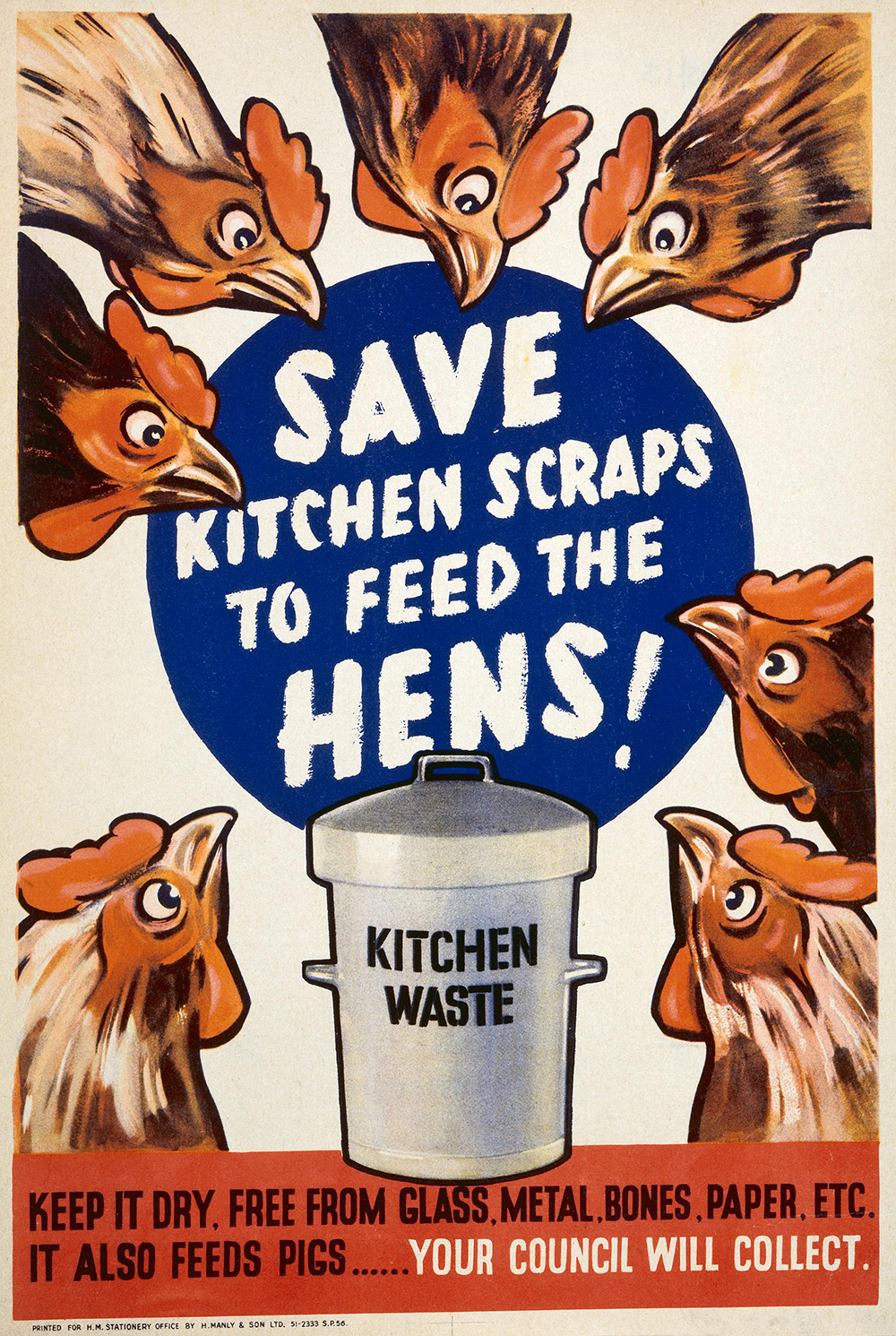
For example, people were encouraged to grow their own food, and save waste. This was because it was difficult to import food from other countries during wartime. Kitchen waste could be fed to hens and pigs. People were asked to salvage as many materials as they could. Wastepaper, metal or bones could be made into planes and ammunition.
Travel within Britain was to be limited at all times. Posters with the slogan ‘Is your journey really necessary?’ were used to remind people to save fuel and allow trains to transport soldiers and war supplies instead.
Some posters encouraged women to work in factories to make weapons or planes. Others called women to join the Land Army to work on farms ‘for a healthy, happy job’.
The Ministry of Information was also keen to explain to the people the danger of ‘careless talk’. They wanted the public to become much more careful about security because information or secrets might be used by enemy spies listening in.
Posters were also used to up keep morale or wartime spirit. They made it clear that everybody was in this war together and everybody had an important part to play. This also helped the public to feel involved. This really mattered if Britain wanted the workers in the factories to make as many planes, bombs, and tanks as they could or farmers to grow as much as possible.
During the Second World War, the people faced many dangers such as the bombing of cities, ports and factories. They also had accidents caused by the blackout. Health during the war was a big worry for Britain. The public needed to keep fit and healthy in order to work and keep up production in the factories and on the land. Therefore the Ministry of Information produced many posters on these subjects.

The Rebecca riots took place in the rural parts of west Wales, including Pembrokeshire, Cardiganshire, and Carmarthenshire, in 1839-1843. They were a series of protests made by tenant farmers against the payment of tolls (fees) charged to use the roads. Turnpike Trusts, or groups of businessmen, owned most of the main roads. These men fixed the charges and decided how many tollgates (turnpikes) could be built.
During the riots, men disguised as women attacked the tollgates. They called themselves ‘Rebecca and her daughters’. This is most likely to be after a passage in the Bible where Rebecca talks of the need to ‘possess the gates of those who hate them’ (Genesis XXIV, verse 60). People at that time knew the Bible well.
Tolls were a big expense for small farmers, who used the roads to take their crops and animals to market, and also to collect lime (a chalky mineral). Lime was used to improve the quality of the soil so farmers could grow better crops. It could cost as much as five shillings (25p) in tolls to move a cart of lime eight miles inland. The people of west Wales did not want to pay to use their roads. Use this lesson to find out about the Rebecca riots using original documents relating to the nature of the movement, the experience of some of those involved and the reaction of the authorities.
What happened during them?The first incident occurred in Pembrokeshire in May 1839 when a new tollgate at Efailwen was destroyed. This gate was an obvious target, situated on the road used by those carrying lime back from the coast. The Whitland Turnpike Trust rebuilt the gate, only for it to be destroyed again in June. A second new tollgate was attacked at Llanboidy. Trouble died down when it was agreed by the authorities that the gates would be not be rebuilt.
The disturbances started again in 1842 when the Whitland Trust built a new gate at The Mermaid, on the lime road at St Clears in Carmarthenshire. This was destroyed in November, as were the tollgates at Pwll-trap and Trevaughan. The gates were rebuilt, but all gates in St Clears were destroyed by 12 December. The government refused to send soldiers and so the magistrates called in the marines from Pembroke Dock and the Castlemartin Yeomanry Cavalry. The rioting continued.
In May 1843, the tollgates at Carmarthen were destroyed and in June a crowd of 2,000 tried to burn down the workhouse there. Troops were called in as the movement became more violent. In August, riots took place for the first time in Glamorgan at Llanelli. The tollgates at Pontardulais and Llangyfelach were attacked. In October, during a riot at the Hendy Gate near Swansea, the tollhouse keeper was killed. Attacks occurred in Cardiganshire and Radnorshire as well.
The main trigger for the Rebecca riots came from farmers having to pay high tolls to use the roads, but there were other reasons for their discontent. Wales had seen a population increase since the start of the 19th century. This increased competition for land and jobs and added to unemployment and poverty.
Most of the farmers in these areas were small holders who grew enough to support their families. They rented their land from wealthy landlords. The landlords wanted to make more money and started to reduce the number of smallholdings available to rent. They created larger farms that could only be rented at a much higher price.
The income of tenant farmers was further reduced because they had to pay tithes. Tithes were payments made for the support of the parish church. These payments were made in kind, for example crops or wool. Tithes were paid to the Anglican Church in almost all Welsh parishes once a year. In 1836, an act was passed replacing payment in kind by a money payment that was fixed by the vicar or sometimes by the local landowner. As 80% of the population of west Wales was Non-Conformist, they resented having to pay tithes to a church that was not their own.
Another cause for discontent was the new Poor Law set up in England and Wales in 1834. The rioters attacked workhouses as well as tollgates. The law meant that poor relief (money) was no longer paid to the able-bodied poor. Instead, they were forced to live in a workhouse where conditions were deliberately made harsher than the worst conditions outside (the government believed that the cause of poverty was laziness or a bad character).
Poor harvests in 1837 and 1838 increased shortages and poverty. There was a good harvest in 1842, but the benefits of this were lost because that was a year of economic depression, so industrial workers could not afford to buy agricultural goods.
Lastly, there were big social divisions between the gentry (large landowners) and the small tenant farmers and labourers who worked on the land. The gentry tended to belong to the Church of England (Anglican) and spoke English. They often served as local magistrates or were Poor Law officials or belonged to Turnpike Trusts. They fixed the poor rate, the tolls and the tithes. They had little in common with those who worked on the land and often made decisions that suited their own interests. The rest of the population was Welsh-speaking and Non-Conformist.
The authorities eventually suppressed the Rebecca riots, using troops and the full force of the law. Some rioters were caught and sentenced to transportation.
Social conditions also changed over the decade. Improvements in the laws controlling turnpike trusts and the coming of the railway eased many of the transport problems in west Wales. People could move more easily to find work and this helped reduce pressure in rural areas for jobs. The ending of the Corn Laws in 1846, and attempts in 1847 to make the Poor Law less cruel, also helped.
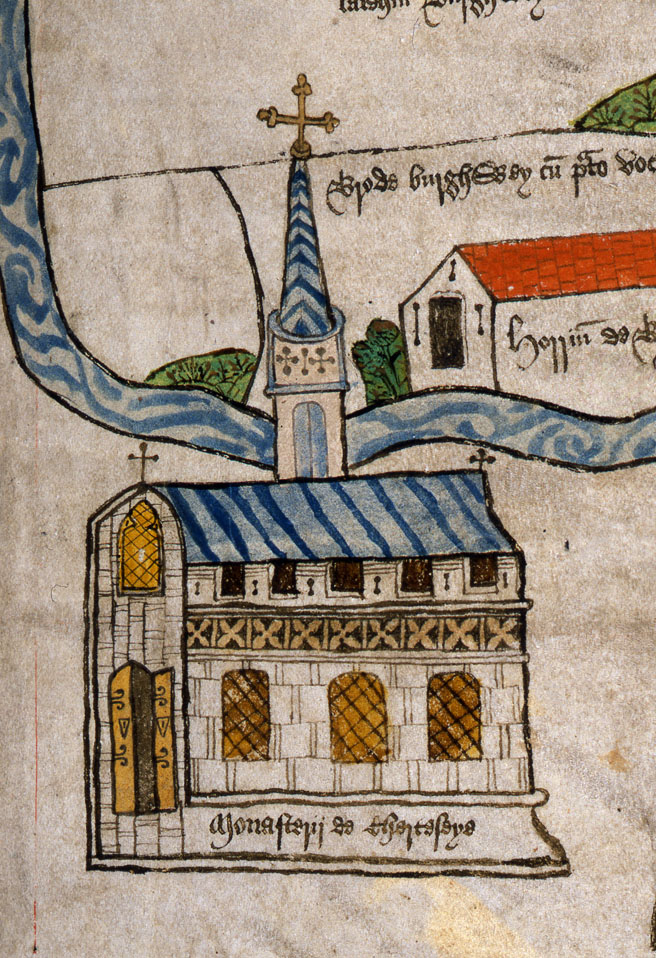
Chertsey is an old medieval town that is mentioned in the Domesday Book. It owes its existence to the Abbey which dominated the village in the Middle Ages. These maps provide us with a way of finding out about Chertsey. Study the maps of Chertsey. What can they tell us about Chertsey in the Middle Ages?
What was Chertsey like in the Middle Ages?Present day Chertsey sits on the river Thames. In the 15th century several streams also ran through it. The lands and the buildings shown on the map belonged to the Benedictine Abbey which created Chertsey. The block of houses at the top represent the village of Laleham.
Medieval picture maps like this one are rare. This one shows most of the major buildings expected in a medieval village: church, barn, mill, wooden bridge as well as a road and track. The medieval map was used to settle a dispute between the abbey and three people who rented lands from the abbey. This explains the labels on the fields which give the name of the tenant, the field’s size and what the field was used for.
Map drawing in the Middle Ages was rather primitive. There were no agreed symbols for buildings as there are today. The cartographers who drew these maps drew little pictures of the key buildings. Distances were estimated and scales were not used. Nonetheless, the maps still indicated where things were in relation to each other. What is important for historians is that this map shows the buildings that existed at the time. From the buildings we can begin to make conclusions about what went on in the village and how the people in Chertsey lived.
Digwyddodd Terfysg Beca yn ardaloedd gwledig gorllewin Cymru, gan gynnwys Sir Benfro, Ceredigion a Sir Gaerfyrddin, rhwng 1839 a 1843. Roeddent yn gyfres o brotestiadau gan ffermwyr tenant yn erbyn talu tollau (ffioedd) a godwyd i ddefnyddio’r ffyrdd. Ymddiriedolaethau Tollbyrth, neu grwpiau o ddynion busnes, oedd yn berchen ar y rhan fwyaf o’r prif ffyrdd. Roedd y dynion hyn yn gosod y tollau ac yn penderfynu faint o dollbyrth (tyrpegau) allai gael eu hadeiladu.
Yn ystod y terfysgoedd, fe wnaeth dynion wedi’u gwisgo fel menywod ymosod ar y tollbyrth. Galwent eu hunain yn ‘Rebecca a’i merched’. Mae’n fwyaf tebygol bod hyn ar ôl darn yn y Beibl lle mae Rebecca yn sôn am yr angen i ‘etifeddu porth eu gelynion’ (Genesis XXIV, adnod 60). Roedd pobl y cyfnod hwnnw yn adnabod eu Beibl yn dda.
Roedd tollau’n draul fawr ar ffermwyr bach, a oedd yn defnyddio’r ffyrdd i fynd â’u cnydau a’u hanifeiliaid i’r farchnad, a hefyd i gasglu calch (mwyn sialcog). Defnyddiwyd calch i wella ansawdd y pridd fel y gallai ffermwyr dyfu cnydau gwell. Gallai’r tollau gostio cymaint â phum swllt (25c) i symud cert llawn calch wyth milltir o’r lan. Nid oedd pobl gorllewin Cymru am dalu i ddefnyddio’u ffyrdd. Defnyddiwch y wers hon i ddysgu am Derfysg Beca gan ddefnyddio dogfennau gwreiddiol am natur y mudiad, profiad rhai o’r bobl a gymerodd ran ac ymateb yr awdurdodau.
Beth a ddigwyddodd yn ystodBu’r digwyddiad cyntaf yn Sir Benfro ym mis Mai 1839, pan ddinistriwyd tollborth newydd yn Efailwen. Roedd y porth hwn yn darged amlwg, gan ei fod ar y ffordd yr oedd pobl yn ei defnyddio i gludo calch yn ôl o’r arfordir. Fe wnaeth Ymddiriedolaeth Tollbyrth Hendy-gwyn ailgodi’r porth, dim ond iddo gael ei ddinistrio eto ym mis Mehefin. Ymosodwyd ar ail dollborth newydd yn Llanboidy. Tawelodd yr helynt pan gytunodd yr awdurdodau na fyddai’r tollbyrth yn cael eu hailgodi.
Dechreuodd yr helyntion eto ym 1842 pan gododd Ymddiriedolaeth Hendy-gwyn borth newydd wrth y Mermaid, ar y ffordd galch yn Sanclêr, Sir Gaerfyrddin. Dinistriwyd hwn ym mis Tachwedd, a’r tollbyrth ym Mhwll-trap a Threfechan hefyd. Ailgodwyd y pyrth ond roedd yr holl byrth yn Sanclêr wedi cael eu dinistrio erbyn 12 Rhagfyr. Gwrthododd y llywodraeth anfon milwyr, ac felly galwodd yr ynadon ar fôr-filwyr o Ddoc Penfro a Marchfilwyr Iwmyn Castellmartin. Aeth y terfysgoedd yn eu blaen.
Ym Mai 1843, dinistriwyd y tollbyrth yng Nghaerfyrddin ac, ym mis Mehefin, ceisiodd torf o 2,000 o bobl losgi’r tloty yno yn ulw. Galwyd am y fyddin wrth i’r mudiad fynd yn fwy treisgar. Ym mis Awst, cynhaliwyd terfysg am y tro cyntaf ym Morgannwg yn Llanelli. Ymosodwyd ar y tollbyrth ym Mhontardulais a Llangyfelach. Ym mis Hydref, yn ystod terfysg wrth Borth Hendy ger Abertawe, lladdwyd ceidwad y tolldy. Bu ymosodiadau yng Ngheredigion ac yn Sir Faesyfed hefyd.
Prif sbardun Terfysg Beca oedd codi tollau uchel ar ffermwyr i ddefnyddio’r ffyrdd, ond roedd rhesymau eraill dros eu hanniddigrwydd. Roedd poblogaeth Cymru wedi cynyddu ers dechrau’r 19eg ganrif. Arweiniodd hyn at fwy o gystadleuaeth am dir a swyddi ac ychwanegodd at ddiweithdra a thlodi.
Roedd gan y rhan fwyaf o’r ffermwyr yn yr ardaloedd hyn dyddynnod bach ac roeddent yn tyfu digon i gefnogi eu teuluoedd. Roeddent yn rhentu’u tir oddi wrth landlordiaid cyfoethog. Roedd y landlordiaid eisiau gwneud mwy o arian a dechreuont leihau nifer y tyddynnod bach a oedd ar gael i’w rhentu. Creont ffermydd mwy a oedd ond ar gael i’w rhentu am bris llawer uwch.
Cafodd incwm ffermwyr tenant ei ostwng ymhellach oherwydd roedd yn rhaid iddynt dalu’r degwm. Roedd y degwm yn daliad a wnaed i gefnogi eglwys y plwyf. Roedd y taliadau hyn yn cael ei wneud trwy roi cynnyrch, er enghraifft cnydau neu wlân. Talwyd y degwm i’r Eglwys Anglicanaidd ym mron pob plwyf yng Nghymru unwaith y flwyddyn. Ym 1836, cafodd deddf ei phasio yn newid taliad mewn cynnyrch am daliad ariannol. Y Ficer neu, weithiau, y perchennog tir lleol, oedd yn gosod y taliad hwn. Gan fod 80% o boblogaeth gorllewin Cymru yn Anghydffurfwyr, roedd yn gas ganddynt orfod talu degwm i eglwys nad oeddent yn perthyn iddi.
Rheswm arall dros yr anniddigrwydd oedd Deddf newydd y Tlodion a sefydlwyd yng Nghymru a Lloegr ym 1834. Ymosododd y terfysgwyr ar dlotai, ynghyd â thollbyrth. Golygai’r ddeddf nad oedd cymorth i dlodion (arian) yn cael ei dalu mwyach i bobl dlawd, abl o gorff. Yn hytrach, cawsant eu gorfodi i fyw mewn tloty lle gwnaed yr amodau yn waeth yn fwriadol na’r amodau gwaethaf y tu allan i’r tloty (credai’r llywodraeth mai diogi neu gymeriad drwg oedd yn achosi tlodi).
Roedd cynaeafau gwael ym 1837 ac ym 1838 wedi gwneud prinderau a thlodi yn waeth. Cafwyd cynhaeaf da ym 1842, ond collwyd buddion y cynhaeaf hwn gan fod y flwyddyn honno’n flwyddyn o ddirwasgiad economaidd, felly ni allai gweithwyr diwydiannol fforddio prynu nwyddau amgylcheddol.
Yn olaf, roedd rhaniadau cymdeithasol mawr rhwng y bonedd (perchnogion tir sylweddol) a’r ffermwyr tenant bychain a’r llafurwyr a weithiai ar y tir. Tueddai’r bonedd berthyn i Eglwys Loegr (yr Eglwys Anglicanaidd) a siarad Saesneg. Yn aml, roeddent yn ynadon lleol neu’n swyddogion Deddf y Tlodion, neu’n perthyn i Ymddiriedolaethau Tollbyrth. Nhw oedd yn gosod treth y tlodion, y tollau a’r degwm. Nid oedd fawr ddim yn gyffredin rhyngddynt â’r bobl a oedd yn gweithio’r tir ac, yn aml, roeddent yn gwneud penderfyniadau er eu lles eu hunain yn unig. Roedd gweddill y boblogaeth yn siarad Cymraeg ac yn Anghydffurfwyr.
Yn y pen draw, llwyddodd yr awdurdodau i drechu Terfysg Beca, gan ddefnyddio’r fyddin a holl rym y gyfraith. Cafodd rhai o’r terfysgwyr eu dal a’u dedfrydu i alltudiaeth.
Hefyd, newidiodd amodau cymdeithasol dros y degawd. Roedd gwelliannau i ddeddfau ymddiriedolaethau tollbyrth a dyfodiad y rheilffordd wedi lliniaru llawer o’r problemau trafnidiaeth yng ngorllewin Cymru. Gallai pobl symud yn haws i ddod o hyd i waith a helpodd hyn i leihau’r pwysau am swyddi mewn ardaloedd gwledig. Fe wnaeth rhoi terfyn ar y Deddfau Ŷd ym 1846, ac ymdrechion ym 1847 i wneud Deddf y Tlodion yn llai creulon, helpu hefyd.
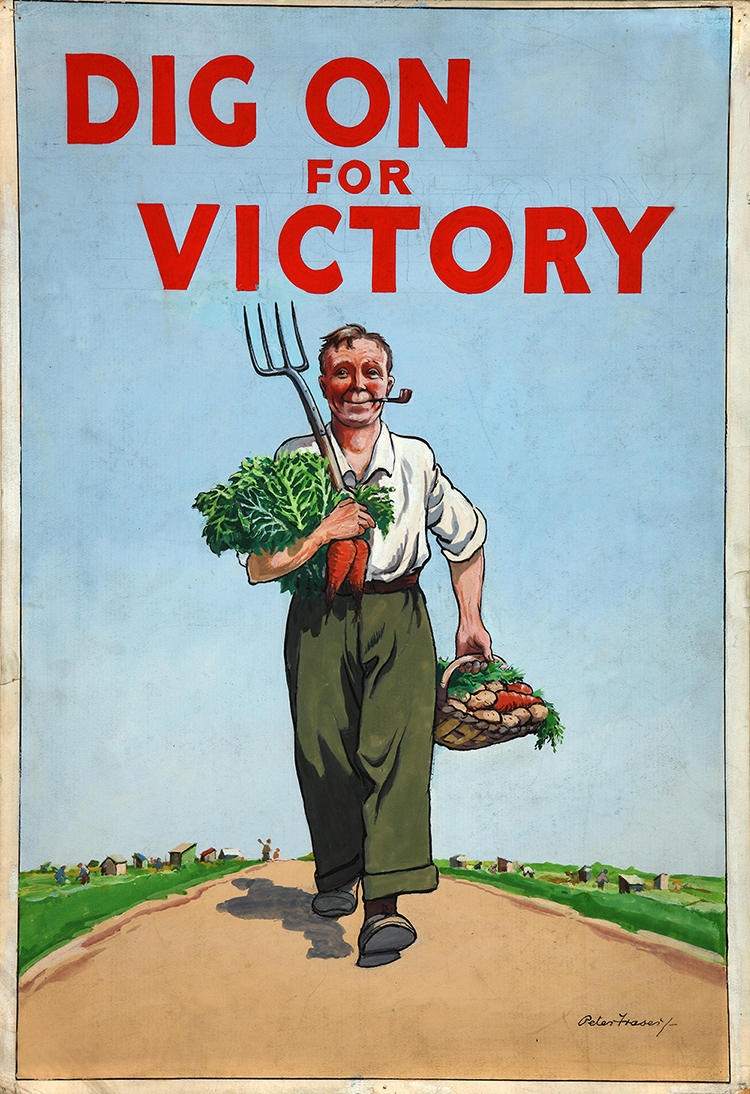
Britain started to prepare for the Second World War at least a year before it actually started.
In 1938, the government began to build new warships and increase its armaments. However, this war would not just involve soldiers. The government expected the war to disrupt and threaten the lives of civilians left at home. This happened in a variety of different ways, from cutting down railings to be melted down and used in munitions factories, to rationing and evacuation plans.
Between 1938 and 1939, the government thought of all the possible dangers and difficulties the Home Front would face during war, and started to take precautions. People were needed on the home front to help with all sorts of things. They were encouraged to plant vegetables on any spare land they had to supplement the rationing, but people were also recruited into a variety of essential positions such as Air Raid Wardens and the Home Guard. People were also encouraged to think about their safety, and the government spent a great deal of time educating people on what to do in situations such as an air raid, or a gas attack, as well as providing information on how to make rations stretch further and how to keep yourself healthy. Use this lesson to work with original documents on how the British were encouraged to prepare for the Second World War.
How did people prepare for the war at home?Evacuation
Evacuation plans had been in preparation well before the outbreak of war. Small-scale evacuation of women and children were carried out in September 1938 but the real evacuation began in September 1939. The government had planned to evacuate about three million people but in the end only one million left home. A few hours after the war was declared on 3 September 1939, almost all of them had been evacuated from the danger areas to the reception areas.
Air raids
The biggest danger came from air raids. Air raids meant both danger and disruption. 60,595 civilians died as a result of enemy action in the UK. Homes, workplaces and public buildings were destroyed. Streets were subject to the ‘blackout’ – lighting restrictions – and the ban on street lighting caused a huge rise in car accidents. Volunteers were needed to be trained in civil defence duties. These included fire-fighting, first aid and ambulance driving.
Civilians were instructed in how to protect themselves against poison gas attacks and issued with gas masks, which they were encouraged to carry on all journeys. Fortunately, poison gas was never used as a weapon in Britain. They were also given materials to build air raid shelters in the backyards. Strong buildings were also prepared for use as air raid shelters.
Workers
The working lives of most of the adult population changed with the outbreak of war. To fight the war, men aged between 18 and 41 were needed in the navy and army. This would take them away from their jobs in factories and farms. To fill the shortage, women were recruited for jobs previously done by men. Women worked in the factories, constructing weapons and many others joined the Land Army to work on farms.
Rationing
Much of the food, clothes and fuel which Britain needed came from abroad. The war disrupted and prevented these supplies from arriving. This meant shortages of the essentials to keep life going. In 1940, rationing was introduced in Britain. The ration book became indispensable for every man, woman and child, ensuring a fair distribution of what meagre essentials were available. The government also tried to encourage people to grow food on every available piece of land.
Invasion
Another danger was from invasion. When in 1940 the Channel Isles fell into German hands and it looked as though the RAF was loosing the Battle of Britain, the government called on volunteers to join the Home Guard – Dad’s Army – to help defend Britain from attack.
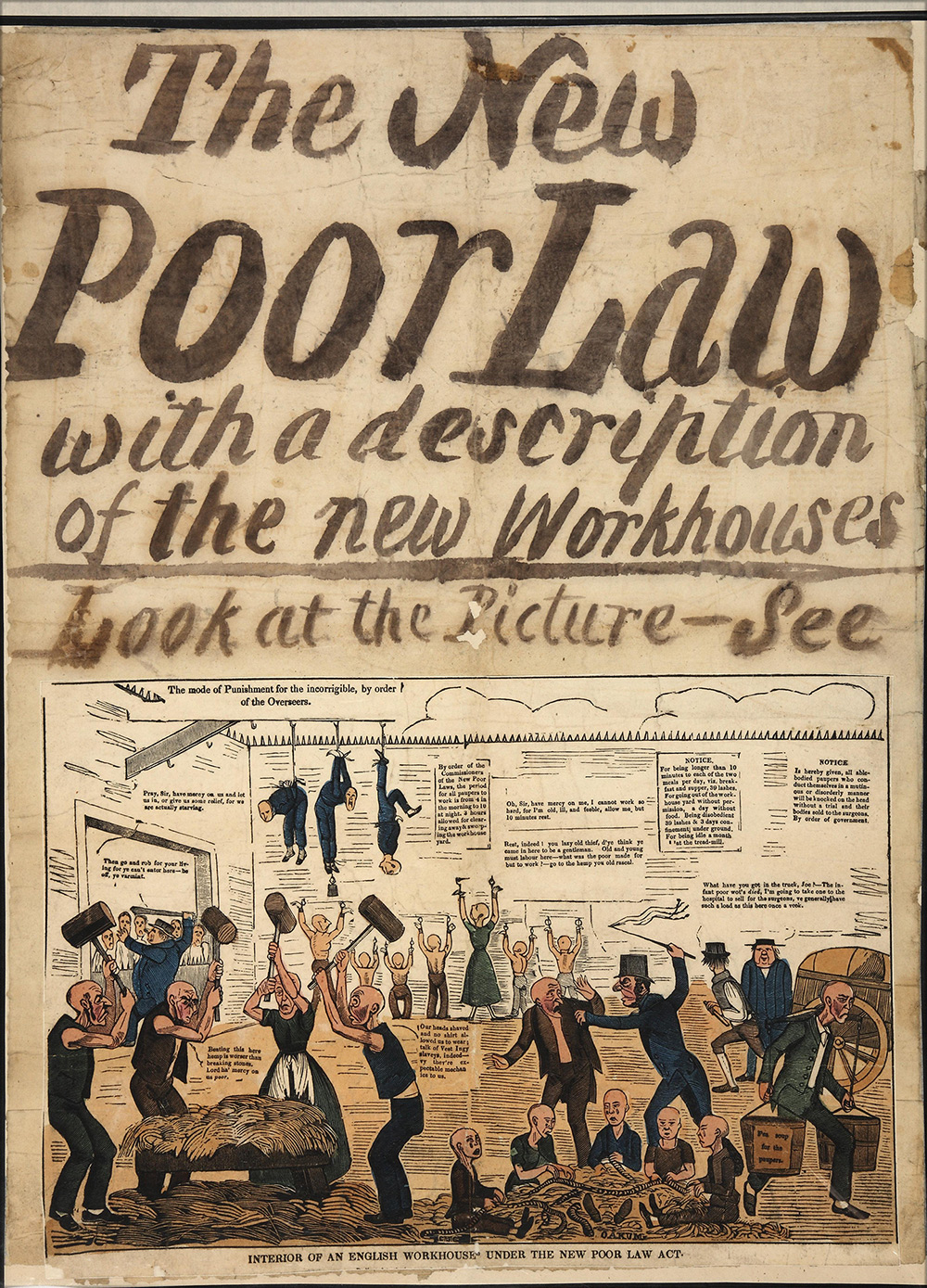
In 1834 a new Poor Law was introduced. Some people welcomed it because they believed it would:
- reduce the cost of looking after the poor
- take beggars off the streets
- encourage poor people to work hard to support themselves
The new Poor Law ensured that the poor were housed in workhouses, clothed and fed. Children who entered the workhouse would receive some schooling. In return for this care, all workhouse paupers would have to work for several hours each day.
However, not all Victorians shared this point of view. Some people, such as Richard Oastler, spoke out against the new Poor Law, calling the workhouses ‘Prisons for the Poor’. The poor themselves hated and feared the threat of the workhouse so much that there were riots in northern towns. Use this lesson to find out how some people felt about the new Poor Law of 1834.
What did people think of the new Poor Law?Before 1834, the cost of looking after the poor was growing more expensive every year. This cost was paid for by the middle and upper classes in each town through their local taxes. There was a real suspicion amongst the middle and upper classes that they were paying the poor to be lazy and avoid work.
After years of complaint, a new Poor Law was introduced in 1834. The new Poor Law was meant to reduce the cost of looking after the poor and impose a system which would be the same all over the country.
Under the new Poor Law, parishes were grouped into unions and each union had to build a workhouse if they did not already have one. Except in special circumstances, poor people could now only get help if they were prepared to leave their homes and go into a workhouse.
Conditions inside the workhouse were deliberately harsh, so that only those who desperately needed help would ask for it. Families were split up and housed in different parts of the workhouse. The poor were made to wear a uniform and the diet was monotonous. There were also strict rules and regulations to follow. Inmates, male and female, young and old were made to work hard, often doing unpleasant jobs such as picking oakum or breaking stones. Children could also find themselves hired out to work in factories or mines.
Shortly after the new Poor Law was introduced, a number of scandals hit the headlines. The most famous was Andover Workhouse, where it was reported that half-starved inmates were found eating the rotting flesh from bones. In response to these scandals the government introduced stricter rules for those who ran the workhouses and they also set up a system of regular inspections. However, inmates were still at the mercy of unscrupulous masters and matrons who treated the poor with contempt and abused the rules.
Although most people did not have to go to the workhouse, it was always threatening if a worker became unemployed, sick or old. Increasingly, workhouses contained only orphans, the old, the sick and the insane. Not surprisingly the new Poor Law was very unpopular. It seemed to punish people who were poor through no fault of their own.
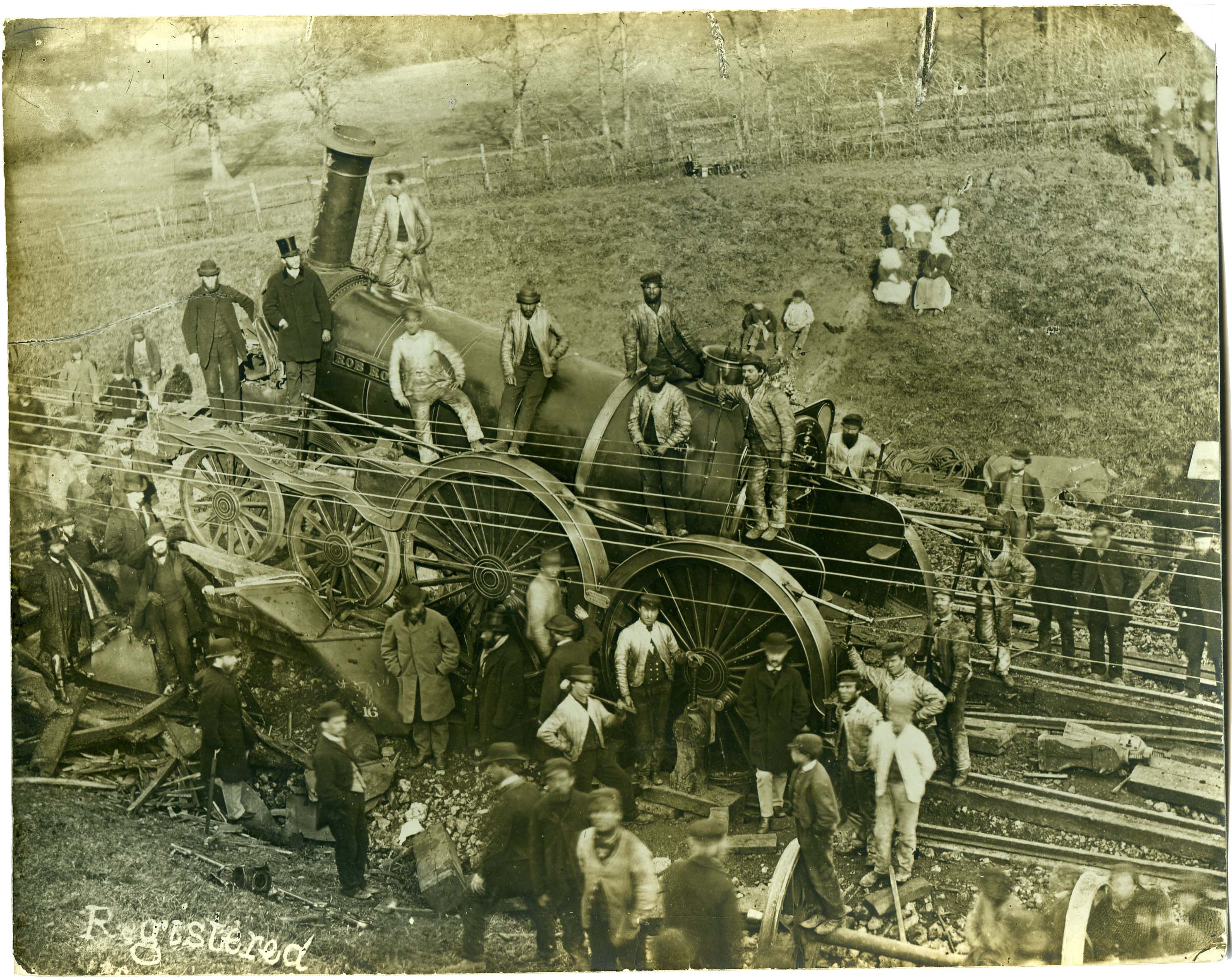
This photograph was taken in 1868. It shows a Great Western engine, the Rob Roy surrounded by onlookers and workmen know as navvies. On 5 November, the steam locomotive collided with a cattle train at Awse Junction, near Newnham in the Forest of Dean in Gloucestershire. The men in the photograph are trying to rescue the engine after the accident. The chief engineer, Mr W.G. Owen, is wearing a top hat and standing in front of the smokestack.
Use this lesson to find out about a Victorian railway accident.
A Victorian railway accidentBritain’s first steam railway lines opened in the 1820s. In just a few decades they had grown to cover most of the country, employing thousands of people and covering thousands of miles of countryside with track and signalling. The coming of the railways in Victorian England meant that for the first time people could travel by train to different parts of the country. People were able to travel outside of their village or town. Day trips and seaside holidays started to become popular. Also, many Victorians started to travel to football and cricket matches. It was now possible to transport newspapers and books more easily to different parts of the country. Fresh milk, and butter from the countryside and fish from the coast could be delivered to the towns.
Although Victorian railways were generally safe and reliable there were a number of very serious accidents in the 1850s and 1860s. In 1868, the same year as Rob Roy’s accident, there was an even worse rail disaster at Abergele in Wales. Three years earlier in 1865 a train to London full of passengers including the author Charles Dickens came off the tracks in Kent. Ten people were killed and many more hurt.