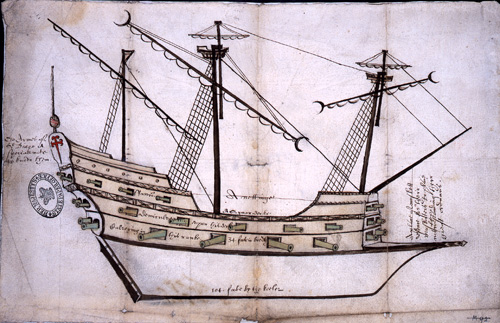
In 1588, King Philip II of Spain sent an armada (a fleet of ships) to collect his army from the Netherlands, where they were fighting, and take them to invade England. This was done in the name of religion, because England had become Protestant and no longer accepted the Pope as the head of the Church; Spain was Catholic and the Pope had encouraged Philip to try to make England become Catholic again. He also had a political reason to go to war with England because Spain ruled the Netherlands, but the people there were rebelling against Spanish control and England had been helping them.
The English were worried about the threat of invasion and they attacked the Spanish ships as they sailed along the Channel, but the Armada was so strong that most of the ships reached Calais safely.
The Armada was difficult to attack because it sailed in a ‘crescent’ shape. While the Armada tried to get in touch with the Spanish army, the English ships attacked fiercely. However, an important reason why the English were able to defeat the Armada was that the wind blew the Spanish ships northwards. To many English people this proved that God wanted them to win and there were pictures and medals made to celebrate this fact.
Use this lesson to work with original documents which tell the story of England and the invasion of the Spanish Armada.
Did God really help the English defeat the Spanish Armada?When Mary I died in 1558, England and Spain were allies in a war against France. As the war ended, Philip II of Spain wanted to stay on good terms with the new queen, Elizabeth I, and even suggested that they marry but Elizabeth politely refused. However, Elizabeth also wanted to stay friends with Spain because there was an alliance between Scotland and France – a situation which was very dangerous for her. Until Elizabeth married and had children, the next in line for the throne was her relative, Mary Stuart, the Queen of Scotland. Many Catholics believed Henry VIII’s marriage to Anne Boleyn had not been not lawful, which meant Elizabeth should not be queen at all and Mary, Queen of Scots, should take over immediately. To make matters worse, Mary was going to marry the French prince, so it was possible that French and Scottish armies would invade England to make Mary queen. Luckily for Elizabeth, Philip did not want to see France becoming so powerful and he was willing to protect her, even though she made England Protestant again.
When Philip had to deal with a rebellion in the Netherlands, it was even more important to him to be on good terms with England because his ships had to sail along the English Channel. However, England felt some sympathy with the people in the Netherlands because one of the reasons they were rebelling against Spain was that some of them wanted to be Protestant. On top of this, there was a lot of anger among English sailors and traders because Philip would not let other countries share in the wealth that had been found in the areas Spain controlled in Central and South America. Meanwhile, England was less threatened because Mary, Queen of Scots’ husband had died, which ended the link with France and she had returned to Scotland. Also, two groups in France were fighting for control, which meant there was far less danger to England.
By the 1580s, the two countries were clearly enemies and Spain was supporting attempts to make England Catholic again. Plans for an invasion began in 1585 but had to be delayed when Francis Drake burned some ships and destroyed lots of water barrels. Drake called this ‘singeing the King of Spain’s beard’ (burning the edges), but it wasn’t enough to prevent the Armada which was ready to sail in 1588.
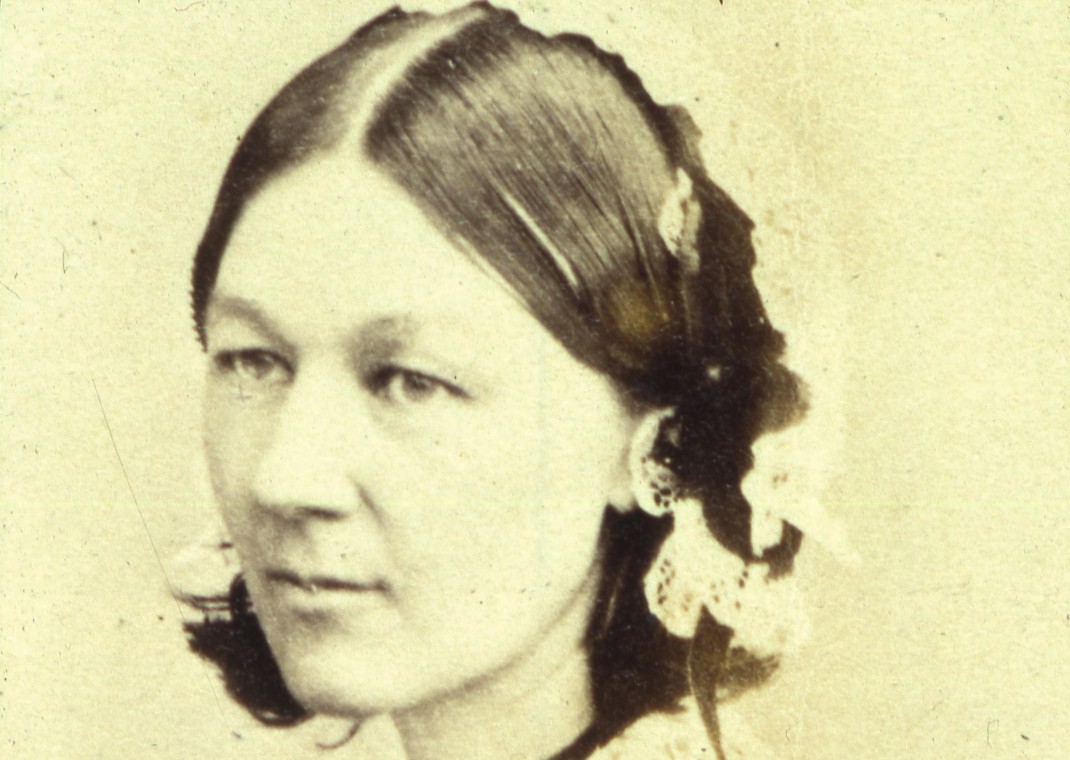
On the 4 November 1854, Florence Nightingale arrived in Turkey with a group of 38 nurses from England. Britain was at war with Russia in a conflict called the Crimean War (1854-1856). The army base hospital at Scutari in Constantinople was unclean, poorly supplied with bandages and soap and the patients did not have proper food or medicine.
Florence Nightingale found that wounded and dying men were sleeping in overcrowded, dirty rooms often without blankets. These conditions meant that they often caught other diseases like typhus, cholera and dysentery. Often more men died from these diseases than from their injuries.
When she arrived at the hospital, army doctors there did not want the nurses helping. Florence Nightingale realised that if the doctors were going to let her nurses to work then they had to do a very good job.
Use the sources in this lesson to explore why Florence Nightingale is considered a significant figure and the founder of modern nursing.
Why do we remember her?Florence Nightingale (1820-1910) was a British nurse, social reformer and statistician. She was the founder of modern nursing. She came from a wealthy background was born in Italy and named after the city of her birth.
As she grew up, she decided that she wanted to help the sick and injured, and wanted to become a nurse. When Florence told her parents they were not happy as in their view, this was not a respectable profession.
Eventually, her father gave his permission for her to go to Germany to train in 1844 in a hospital in Kaiserwerth, Germany. When she returned she became the superintendent of a hospital for gentlewomen in Harley Street, London.
When war broke out in the Crimea in 1854, the government expected it to last several months, it actually lasted 2 years. They were not ready for how many soldiers would be injured, and this was one of the reasons why the hospitals were in such a bad state. A reporter for the Times newspaper sent back several reports about the hospitals, and people in Britain started demanding something was done about them. This was when the Minister for War, Sidney Herbert, stepped in and asked Florence Nightingale to arrange and take charge of nurses to send to the war.
To ensure that the wounded were kept clean and fed well, Florence Nightingale set up laundries to wash linen and clothing and kitchens to cook food. This greatly improved the medical and sanitary arrangements at Scutari reduced the death rate. The work of Florence Nightingale and her nurses set the standards for modern day nursing.
Florence Nightingale has frequently been described as “the lady with the lamp” and this quote relates to an article published about her in The Times newspaper 8th February 1855, which reads:
“She is a ‘ministering angel’ without any exaggeration in these hospitals, and as her slender form glides quietly along each corridor every poor fellow’s face softens with gratitude at the sight of her. When all the medical officers have retired for the night, and silence and darkness have settled down upon these miles of prostrate sick, she may be observed alone, with a little lamp in her hand, making her solitary rounds.”
It took Florence and her nurses 13 days to reach Scutari, they travelled by ship to Boulogne, then overland to Marseilles where they had a break in the journey. From Marseilles, they took the mail steamer “Vectis” to Scutari.
Other women who nursed during the Crimean war are Mary Seacole and Elizabeth (Betsy) Davis. Both had approached Nightingale to work in her hospital at Scutari, but Seacole was turned down, and Davis was one of a party who were sent to Scutari but was not wanted by Nightingale.
Florence returned after the war as a national heroine. She had been shocked by the conditions in the hospital and began to campaign to improve the quality of nursing in military hospitals. In October 1856 she met with Queen Victoria and Prince Albert and in 1857 she gave evidence to a Sanitary Commission. This helped with the setting up of the Army Medical College.
In 1859, Florence published a book called “Notes on Nursing” which is still in print today. She also founded the Nightingale School & Home for Nurses at St Thomas’ Hospital in London in 1860. She had important influence on campaigns to improve healthcare in the 19th and 20th centuries.
Until her death, Nightingale encouraged the development in nursing in Britain and abroad. The main reason we remember her is that she did a lot of work educating people about the importance of keeping hospitals clean and free from infection, and this work is carried on today in modern hospitals.
However, Florence Nightingale should also be remembered for her skills as a statistician and because of this, she became the first female member of the Royal Statistical Society in 1858. She was able explain in diagram form that most of the deaths recorded in army hospitals came from disease, rather than from battle wounds and that disease could be controlled by good nutrition, ventilation, and shelter. Her diagram is now referred to as the “Rose Diagram.” It was a real breakthrough for those working with statistics and of course revealed in a very clear way, the absolute importance of good sanitation for the army and society.
Florence Nightingale became the first woman to be awarded the Order of Merit.
Victorians were worried about the rising crime rate: offences went up from about 5,000 per year in 1800 to about 20,000 per year in 1840. They were firm believers in punishment for criminals but faced a problem: what should the punishment be?
There were prisons, but they were mostly small, old and badly-run. Common punishments included transportation – sending the offender to America, Australia or Van Diemen’s Land (Tasmania) – or execution: hundreds of offences carried the death penalty.
By the 1830s people were having doubts about both these punishments. The answer was prison: lots of new prisons were built and old ones extended.
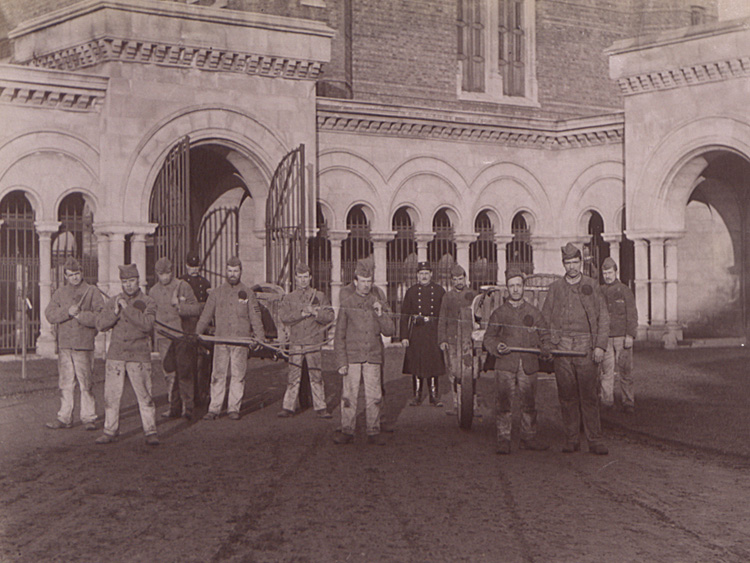
The Victorians also had clear ideas about what these prisons should be like. They should be unpleasant places, to deter people from committing crimes. Once inside, prisoners had to be made to face up to their own faults, by keeping them in silence and making them do hard, boring work. Walking a treadwheel or picking oakum (separating strands of rope) were the most common forms of hard labour. Use this lesson to use original sources to find about the Victorian attitude to crime and treatment of prisoners.
Why were Victorian Prisons so tough?Prisons at this time were often in old buildings, such as castles. They tended to be damp, unhealthy, insanitary and over-crowded. All kinds of prisoners were mixed in together, as at Coldbath Fields: men, women, children; the insane; serious criminals and petty criminals; people awaiting trial; and debtors. Each prison was run by the gaoler in his own way. He made up the rules. If you could pay, you could buy extra privileges, such as private rooms, better food, more visitors, keeping pets, letters going in and out, and books to read. If you could not, the basic fare was grim. You even had to pay the gaoler to be let out when your sentence was finished.
Law and order was a major issue in Victorian Britain. Victorians were worried about the huge new cities that had grown up following the Industrial Revolution – how were the masses to be kept under control? They were worried about rising crime. They could see that transporting convicts to Australia was not the answer and by the 1830s Australia was complaining that they did not want to be the dumping-ground for Britain’s criminals.
The answer was to reform the police and to build more prisons. Between 1842 and 1877, 90 prisons were built or added to. It was a massive building programme, costing millions of pounds. You can see the big extension to Coldbath Fields prison in Source 1. Many Victorian prisons are still in use today.
People wanted to reform prison for different reasons. Christian reformers felt that prisoners were God’s creatures and deserved to be treated decently. Rational reformers believed that the purpose of prison was to punish and reform, not to kill prisoners with disease or teach them how to be better criminals.
There was more to Victorian plans than just bigger and better buildings. In the 1840s a system of rules called ‘The Separate System’ was tried. This was based on the belief that convicted criminals had to face up to themselves. Accordingly, they were kept on their own in their cells most of the time. When they were let out, to go to chapel or for exercise, they sat in special seats or wore special masks so that they couldn’t even see, let alone talk to, another prisoner. Not surprisingly, many went mad under this system.
By the 1860s opinion had changed, believing that many criminals were habitual criminals and nothing would change them. They just had to be scared enough by prison never to offend again. The purpose of the silent system was to break convicts’ wills by being kept in total silence and by long, pointless hard labour. The Silent System is associated with the Prisons Act 1865 and the Assistant Director of Prisons, Sir Edmund du Cane, who promised the public that prisoners would get ‘Hard Labour, Hard Fare and Hard Board’.
You can see hard labour in Sources 2a and 2b.
Hard fare: a deliberately monotonous diet, with exactly the same food on the same day each week
Hard board: wooden board beds replaced the hammocks that prisoners had slept on before
There was further change in 1902, when the treadwheel was banned.
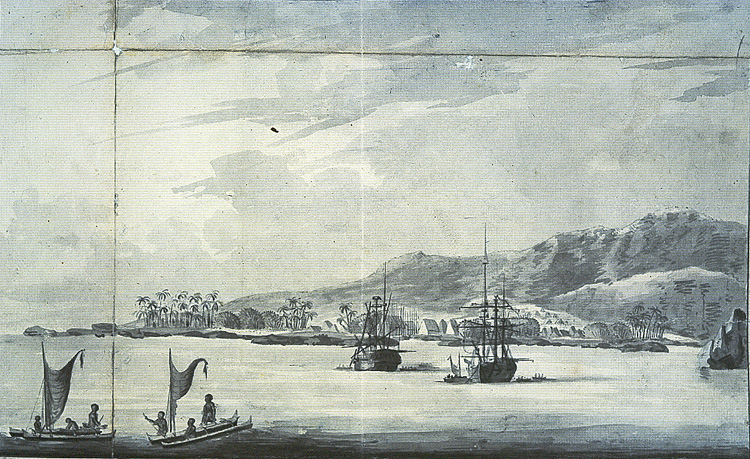
On 14 February 1779, Captain James Cook – the British navigator and explorer – was killed in Kealakekua Bay, Hawaii in a confrontation with the indigenous Hawaiians (Kānaka Maoli).
The story of his death, and his legacy, has been much explored and debated. Your job in this lesson is simple: use original sources to find out what really happened. Or maybe it’s not so simple?
In this lesson, students will explore different accounts of Cook’s final moments. These accounts are based on the logs from different members of Cook’s crew. Students will then look at depictions of Cook’s death in art.
None of these accounts come from the Hawaiian perspective – this is important to keep in mind as you go through the lesson.
Compare the accounts as well as other evidence of Cook’s death, to work out what happened when Cook died. Why is it important to consider a range of sources? What things influence how the historical narrative is set out?
Please note these sources include some violence and depictions of death, as well as some racist language and are presented here to accurately represent a historical narrative.
What happened on his final voyage?Cook is best known for his three voyages around the world, commissioned by the British Admiralty. During his first voyage (1768-1771), he famously charted the coastlines of modern-day eastern Australia and New Zealand, claiming them for Great Britain. You can learn more about that first voyage in this lesson resource.
In 1776, Cook, now promoted to captain, set out on his third and final voyage with the ships Discovery and Resolution. In January 1778, Cook and his crew became likely the first British people to visit the Hawaiian islands.
They went on to explore the west coast of North America and then returned to Hawaii, landing at Kealakekua Bay on 17 January 1779. Tensions had risen during their previous visit with the local inhabitants, and only grew worse upon their return. It was hard on the inhabitants to feed the crew of two ships. Cook’s crew took wooden images and fences from a sacred burial area for firewood, after their attempts to barter for it had been rejected. Cook decided to leave. Unfortunately, the poor condition of his two ships had caused problems throughout the voyage. Within a week the foremast of the Resolution was damaged and Cook was forced to return to Kealakekua Bay just four days after leaving to repair it.
While anchored in Kealakekua Bay, a longboat was stolen from the Resolution by the Hawaiians. To demand it back, Cook attempted to kidnap the aliʻi nui (ruling chief) of the island of Hawaii, Kalaniʻōpuʻu. This method – of taking a chief hostage to demand the return of stolen goods – was one that Cook had used earlier in Tahiti and Raiatea. Together with his crew, he woke Kalaniʻōpuʻu on the morning of 14 February 1779 and convinced him to come to the ship. As they were making their way there, members of the local community realised what was happening and tried to stop Kalaniʻōpuʻu. The situation soon escalated into a confrontation.
During this confrontation, Cook shot at a Hawaiian, missing and killing another, which caused a major fight to break out. Multiple people on both sides were killed during the confrontation. An important chief was also killed by British ships firing from the water. During the fight, Cook was stabbed and killed with an iron dagger.
After Cook’s death, his crew angrily tried to get his body back. They did not realise that the Hawaiians had certain funerary rights reserved for people of great importance, which they performed for Cook. However, after Cook’s crew torched an entire village in revenge, Cook’s remaining body parts were returned to them. They buried him at sea, and then completed their journey back to England.
The Admiralty in London found out about Cook’s death on 10 January 1780. The next day, The London Gazette publicised the news. After the return of the ships in October 1780, the Admiralty collected the journals and accounts of his crew members to be used for an official account of the expedition. The Admiralty’s official account was not published until 1784, likely based on the logs that you have read today; before then, four unauthorised accounts were published, including the account from John Rickman that is in this lesson. These accounts all added to the interest in and romanticisation of Cook’s death, which was reflected in the many works of art that were created around this time.
Captain Cook’s death was met with grief in Britain, where he left a legacy of knowledge about foreign lands and was respected as a navigator and cartographer. However, his legacy around the world is more complicated. In Hawaii, for example, his crew brought venereal diseases and tuberculosis. He also represents a colonising force, not only in Hawaii – where his presence led to more Europeans coming to the islands – but in places like Australia and New Zealand. His exploration of these places, which were formerly unknown in Britain, and his territorial claims contributed to the growth of the British Empire.
It is this complex legacy that has led to so much debate around Cook’s death and how it has been depicted, exacerbated by the lack of eye-witness accounts from the Hawaiians, crew members such as Captain John Gore, and of course Captain Cook himself. It’s also important to remember that the eye-witness accounts that we do have are from the perspective of Cook’s crew and may have been edited for a British audience.
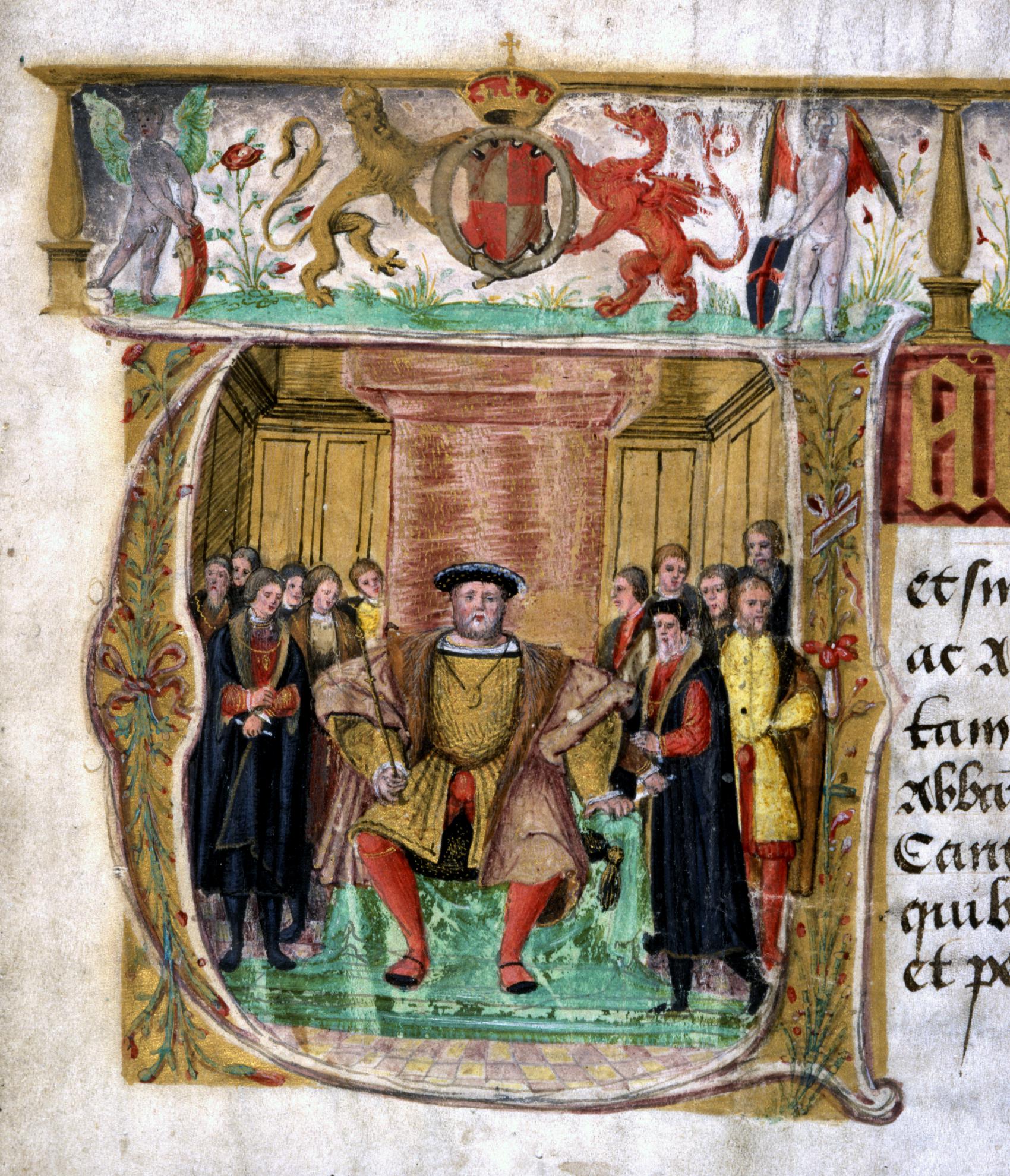
Henry VIII became King of England in 1509, aged 18. He was determined to be a great king, looked up to by everyone. He showed this in lots of ways: his grand portraits, his keenness for French wars and his behaviour towards his court and to other kings.
He also showed it in his control of every detail of his daily life. One measure of greatness at that time was the number of people that surrounded you, the more people, the more important you were. When Henry stayed at Hampton Court he was attended by nearly 1,000 people.
Controlling this number of people was quite a job and in 1526, while he was staying at another of his palaces, at Eltham, a strict and detailed set of rules was drawn up by his closest advisor Cardinal Thomas Wolsey. Use this lesson to find out about Henry VIII’s rules at court and how he controlled the way the people who surrounded him behaved.
How did Henry VIII get up in the morning?Henry’s father Henry VII was always careful with money and his court was not famous for its show of wealth. Henry VIII wanted to change all that. When he met one of his rivals, King Francis I of France, just outside Calais in 1520, a complete town of tents and timber was built for the meeting. Yards of velvet, satin and cloth of gold were sent to decorate the temporary palaces. It was called ‘The Field of the Cloth of Gold’. Henry loved all this display: by the end of his reign he had amassed 55 palaces, 2,000 tapestries, 150 paintings and nearly 1,800 books. He also owned 41 gowns, 25 doublets (a doublet is a snug fitting buttoned jacket), 20 coats, eight cloaks, 15 capes and eight walking sticks.
The number of people waiting on the monarch was another sign of power. But even better than numbers was the quality of your servants. Kings and great barons had always taken young boys from their friends’ families into their households. It was a good education for leadership: you learnt how great men ran their affairs, how to behave, and made contacts, which would be useful all your life.
However, to get on at Henry’s court young men had to have more than noble blood. Sixteenth century monarchs were expected to play, sing and compose music, read and discuss books, speak several languages as well as wrestle, play tennis, joust and hunt. Henry could do all these things superbly and his favourite ‘gentlemen of the privy chamber’ did as well. Not surprisingly, some of the older aristocrats looked with disdain at these clever young men – ‘minions’, or pretty boys, as they called them.
Henry was intelligent enough to see that there was a point to all this. His father, Henry VII, had won the throne of England by fighting for it, winning the battle of Bosworth in 1485. Henry VII did not have a strong claim to the throne, so his son’s was not much better. In the 15th century kings and barons had been rivals for power. In fact, some barons were more powerful than the king himself. Henry VIII could see that putting a big distance between the monarchy and the barons, building up his magnificence, his separate position, made him more secure.
Everything outlined in the extracts from the Ordinances of Eltham, therefore, built up this separateness and specialness. The elaborate rules about who was allowed to get near the king and when, the requirement to be well-behaved and for servants to be keep the King’s secrets, all contributed to this image-building.
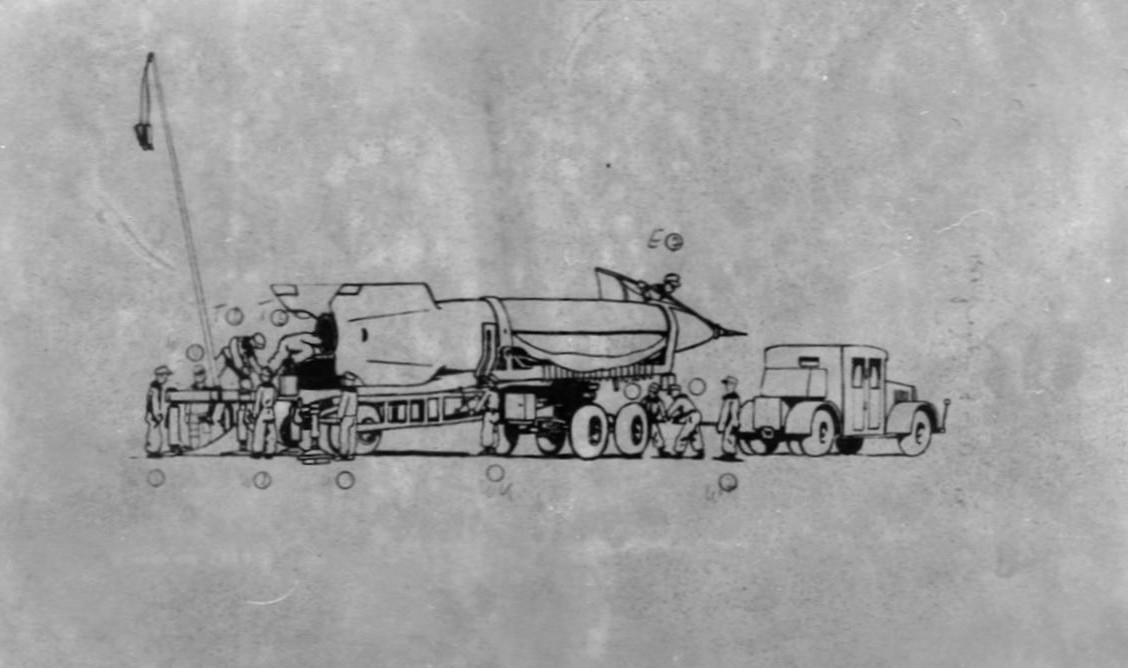
In 1939, Britain and her allies went to war with Germany and the axis powers. To begin with, Germany was very successful in defeating its enemies. During the Blitz, 1940-1941, German bombers attacked British cities causing great damage and loss of life. Roughly 43,000 people were killed and two million made homeless by the bombing. However, by 1943 the tide of war was turning and Germany was on the defensive.
It was then that intelligence of a new threat to Britain’s cities began to emerge – missiles and rockets. The V1 missile, once launched, flew without a pilot until it ran out of fuel and came crashing down, blowing up. The V2 rocket was a long distance weapon that could travel at the speed of sound. They were known as ‘revenge weapons’ used by Germany to terrorise British civilians and undermine morale.
Use this lesson to investigate original documents which reveal how these new weapons were developed to threaten Britain from 1943.
How did Britain respond to the threat of attack by missiles in 1943?The people of Britain called the V1 missiles ‘Buzz Bombs’ or ‘Doodlebugs’. The first was dropped at Swanscombe in Kent on 13 June 1944. Over 1944-45, 6,725 were launched at Britain. Of these, 2,340 hit London, causing 5,475 deaths, with 16,000 injured. Three lines of defence were put in place against the missiles: fighter planes over the English coast, anti-aircraft batteries in Kent and barrage balloons around London. These were successful in destroying 3,500 V1 missiles.
V2 rockets were first launched against England in September 1944. Over the next few months, 517 struck London and 537 eleven other counties. They were less accurate than V1 missiles, but since they travelled at the speed of sound, and so made no warning noise before impact, it was almost impossible to defend against them. The last V2 attacked Orpington in Kent on 27 March 1945.
The Royal Air Force began bombing the launch sites in 1944. The threat from these weapons ended in 1945 as the British army and their allies advanced across France, Belgium and Holland, capturing the launch sites.
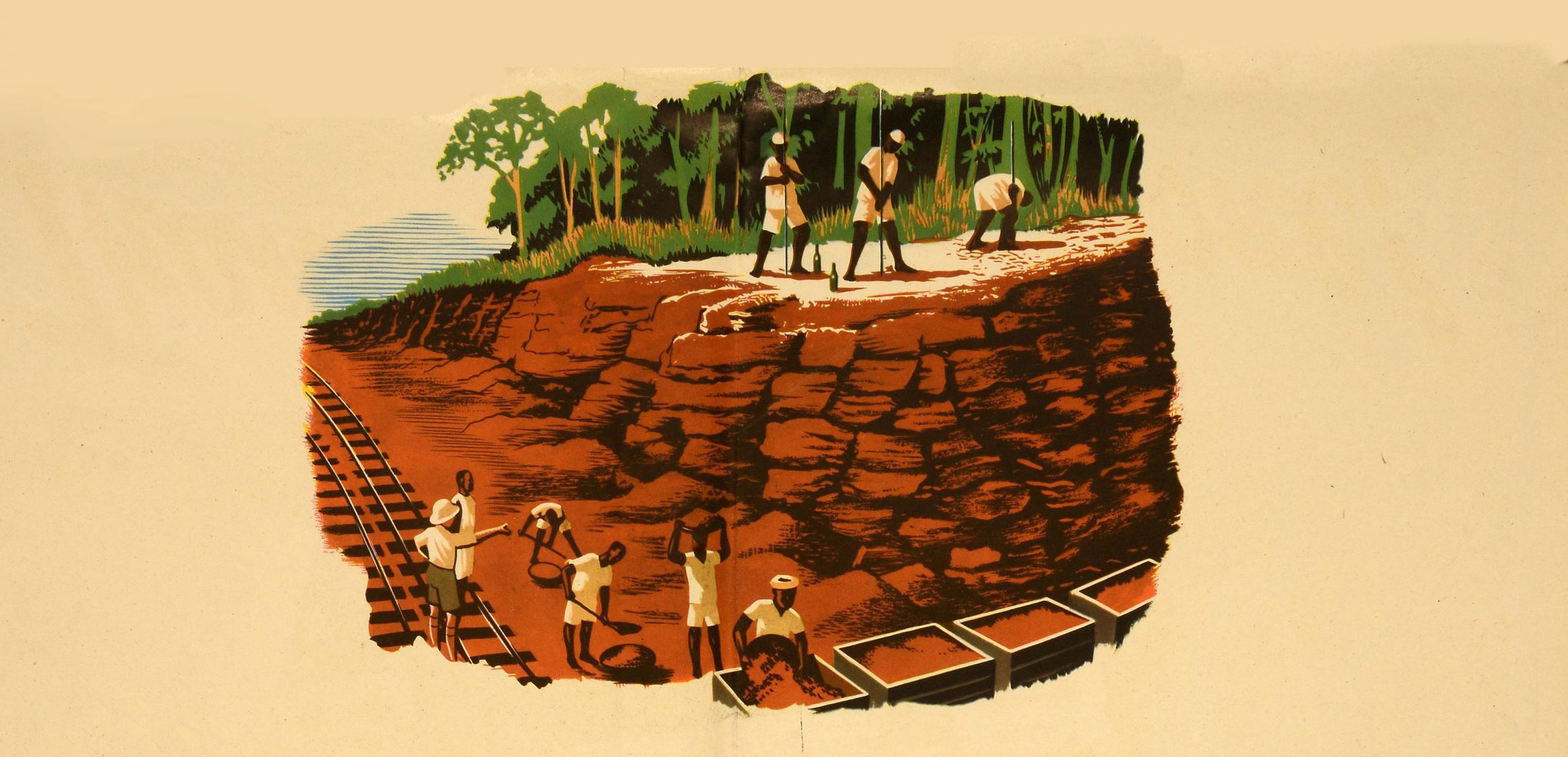
Propaganda is information that is spread to promote a particular idea or cause. During the Second World War, Britain and her allies fought against Germany and the axis powers in a war which took place on land, sea and air. Both sides made use of propaganda to try and win support from other countries.
Britain was keen to have the help of the colonies she controlled within her Empire at that time, including those in West Africa, and used propaganda leaflets like these, to try and gain their support. In West Africa Britain controlled the Gambia, Sierra Leone, Gold Coast (Ghana) and Nigeria. France controlled Senegal, Guinea, Mali, Burkino Faso, Ivory Coast and Niger.
After the Second World War independence movements swept across Africa. Gold Coast was the first West African colony to gain independence in 1957 and was renamed Ghana. Nigeria gained independence in 1960, Sierra Leone in 1961 and Gambia 1965. All the West African nations were decolonised by 1974.
Use this lesson to understand more about the nature of propaganda and how it was used to persuade West African countries to support the Allies and how West Africans contributed to the war effort.
How did Britain try to keep the support of West African peoples?During the Second World War, Germany and her allies were keen to persuade the colonial peoples of the British Empire to take the opportunity to gain their independence. This would have weakened Britain and some of her allies who also had empires, especially the Belgians, Dutch and French. For example, the Indian leader, Subhas Chandra Bose, raised an Indian army that fought alongside the Japanese against the British. Similarly in the Dutch East Indies, the Japanese installed a government based upon local nationalist movements that, at the end of the war, forced the Dutch to grant them independence as Indonesia.
During the war, soldiers from many of Britain’s existing and former colonies fought alongside the British Army. West Africa’s Gold Coast (Ghana) provided both men and resources. Gold Coast was also of strategic importance to Britain as it was surrounded on all sides by potentially hostile French colonies that were under the Vichy Government which supported Hitler.
During the war, the secret ‘West African Reinforcement Route’, to the front in North Africa, was opened at Takoradi in Gold Coast. As there was no sea route via the Cape and the Red Sea. Planes were shipped from the UK and assembled in Takoradi then flown to the front. From 1940 to 1943, over 4,500 British aircraft were assembled at Takoradi and flown to North Africa.
10,000 West Africans joined the RAF for ground duties in Gold Coast, Nigeria, Sierra Leone, and the Gambia. The 2nd (West Africa) Infantry Brigade fought in the East African campaign then later against the Japanese in Burma in 1944–45. Two other divisions fought in India. These were the 81 (West Africa Infantry) and the 82 (West Africa Infantry) under command of XV Indian Corps.
West African servicemen had made many sacrifices and returned home to unemployment and colonial rule. There was a huge feeling of disappointment. As ex-servicemen demonstrated against lack of war pensions and jobs, riots broke out in Accra in February 1948, the capital of Ghana today. This marked the beginning of the drive towards independence which became a reality in March 1957, the first of the African colonies to become independent.
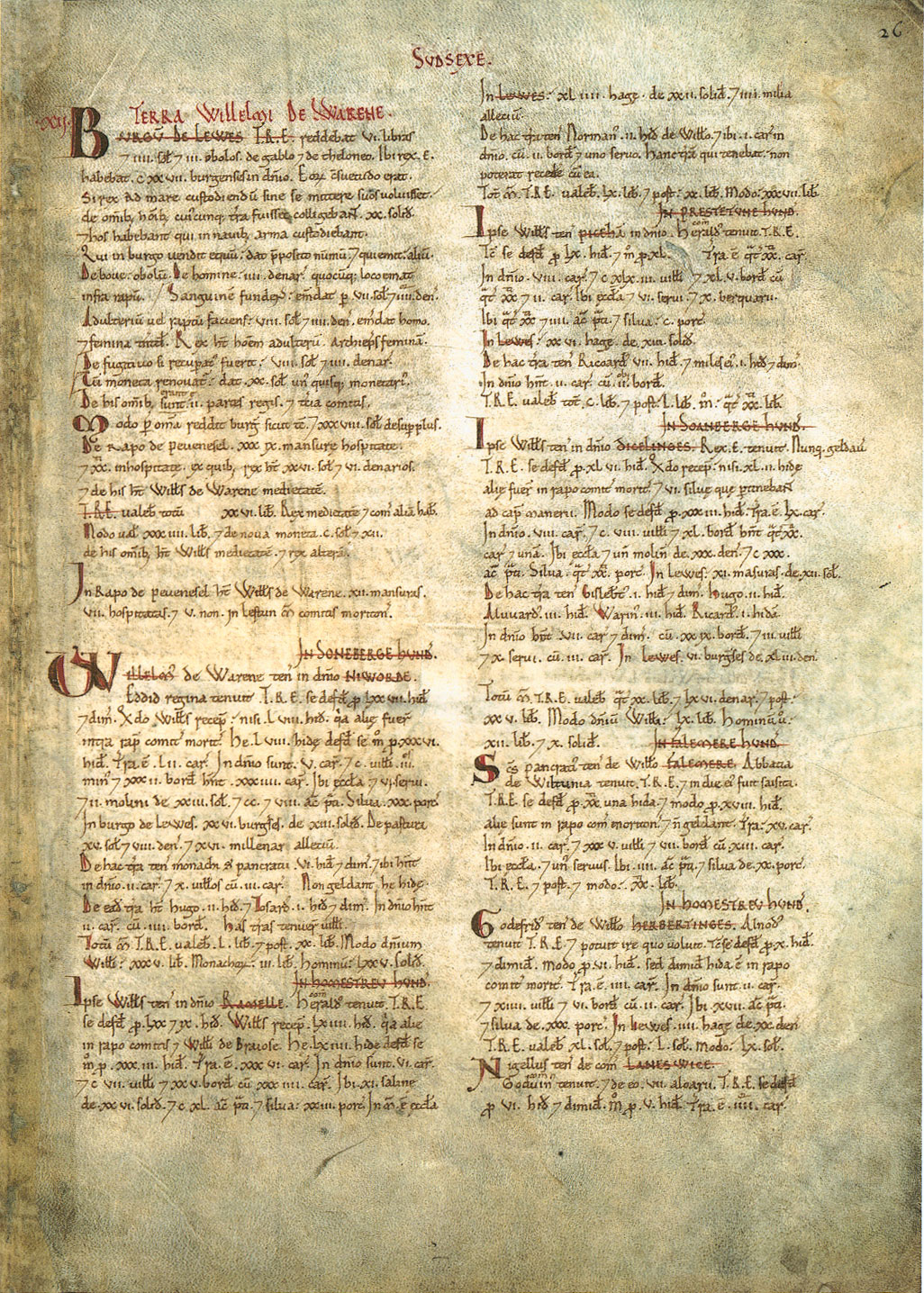
Domesday Book is the oldest government record held in The National Archives. In fact there are two Domesday Books – Little Domesday and Great Domesday, which together contain a great deal of information about England in the 11th century. In 1086, King William I (the Conqueror) wanted to find out about all the land in his new kingdom: who owned which property, who else lived there, how much the land was worth and therefore how much tax he could charge, so he sent official government inspectors around England to ask questions in local courts.
Fixed questions were asked, such as what the place was called, who owned it, how many men lived there, how many cows were there and so on. For each property, the questions were asked three times to see what changes had happened over time so that the king would know about the lands in Edward the Confessor’s time (before 1066), who William I had given it to and what it was worth then, and finally what the situation was in 1086 at the time of the survey. All the results of these questions were handwritten into the Domesday Book by scribes.
Use this lesson to find out more about the contents of Domesday Book and discover the purpose behind it.
What can we learn about England in the 11th century?On 5 January 1066, Edward the Confessor, the King of England, died. Harold Godwin was crowned King of England. Two other men claimed that the throne belonged to them: Harold Hardrada, King of Norway; the other was William Duke of Normandy. Harold Hardrada invaded the north of England but the King managed to defeat his army. Shortly after, William – had landed in the south of England. On 14 October 1066, the English and Norman armies clashed in a battle just outside Hastings, in which Harold died – legend has it that King Harold was shot in the eye by an arrow! William, Duke of Normandy was crowned King of England on Christmas Day 1066.
William took all the land and important jobs in the Government and Church away from the Saxons and divided it up amongst his Norman friends. He built castles to make the English feel so scared that they would not dare even to think about causing trouble. By 1085, William had a shortage of money and also many Normans had begun to disagree amongst themselves over the land they had been given as a reward for helping conquer England. William wanted to settle these disputes once and for all. Thus William decided to order a survey. The survey would list all the land in England. It would list who was looking after each area, what lands they had, and which other people lived there. Importantly, the survey would find out how much tax-money William could get from this land. Official government inspectors were sent around the country to gather information. The people in England spoke Saxon English and the Norman inspectors spoke French and Latin. A jury, which included the local important men such as the village priest and reeve who could understand the different languages, had to decide whether their neighbours were telling the truth.
The results of this survey were written into Domesday Book. Great Domesday contains most of the counties of England and was written by one scribe and checked by a second. Little Domesday, which contains the information for Essex, Norfolk and Suffolk, was probably written first and is the work of at least six scribes. Domesday Book describes almost all of England and more than 13,000 places are mentioned in it. Most of them still survive today. London, Winchester, County Durham and Northumberland were not included in King William’s survey. In spite of these omissions, the survey gives a wealth of information, as well as highlighting that a lot of property had been destroyed by William’s invasion in 1066. Most of the land originally owned by 2000 Saxons belonged to 200 Norman barons in 1086, showing just how powerful the Norman lords had become!
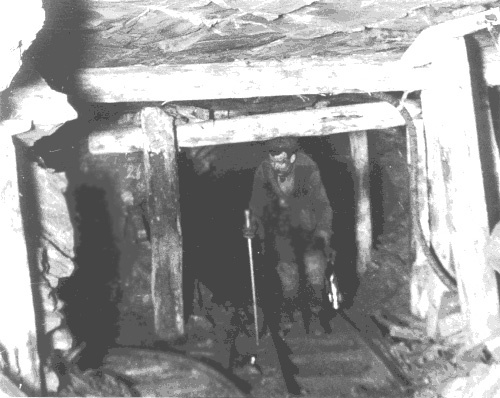
For three days between 19 and 21 February 1882, the people of Trimdon Grange and Kelloe buried 74 people. Some were buried in mass graves. Others were laid to rest in a cemetery a few miles away. Most people in Trimdon Grange buried someone in their family. Many of the dead left behind young families. What caused so many people to die? Was it disease, famine, illness or murder?
You are a reporter for The Trimdon Herald. You have to write an accurate story about these deaths for your newspaper. You must study the evidence carefully, putting all the pieces together like a jigsaw. When you have finished looking at the evidence you can write the story.
What happened at the Trimdon Grange Mining Disaster?Coal was one of the most important things in Victorian life. It provided heat for homes and fuel for cooking. It was also the fuel that ran the country’s factories and railways. Britain was rich in coal. It could be found right across Scotland, Wales and England.
Few pieces of machinery were used to dig the coal out of the ground. The work was done mainly by hand. Special names were given to the different kinds of work in the mines. For example:
- hurrier: someone who moves carts of coal from the coal face to the shaft
- hewer: a workman who cuts the coal from the seam
- trapper: usually a child who opened and closed trap doors inside a mine to allow carts to pass through and to regulate ventilation
In some mines ponies were used to move carts of coal to the shafts where they would be winched to the surface.
The new mines that grew up in the 19th century depended on men and children to work long hours in often dangerous conditions. Accidents were common. As mines became bigger and deeper new problems emerged. The most frequent dangers were those caused by flooding, dangerous gases and the roof falling down. Firedamp (a build-up of gases) was even more dangerous. It could cause massive explosions.
The problem of lighting was also a serious one. Candles could set off explosions. It was not until 1815 when the Davy lamp was invented that this danger was removed. The Davy lamp had a piece of gauze around it which stopped the flame from setting gases on fire.
Throughout the 19th century the government had passed laws which prevented young children and women from working in mines and reduced the number of hours they were allowed to work. By the 1880s only boys who were over 12 could work in mines. However, some mine owners ignored these laws.
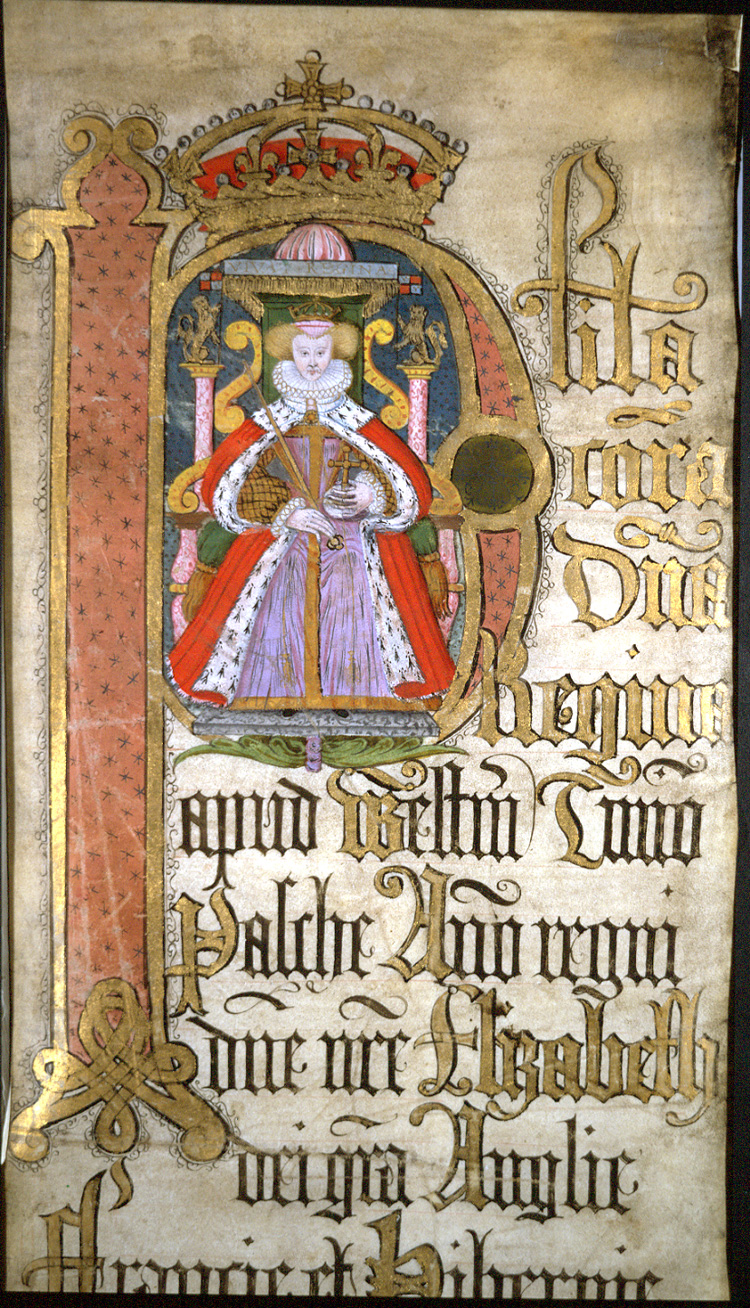
In the 1580s, relations between England and Spain had been getting worse and worse. By May 1588, King Philip II of Spain had finished preparing a fleet, the Spanish Armada, to invade England. His plan was for the fleet of 130 ships, carrying 30,000 sailors and soldiers, to sail up the English Channel. They would link up with the Spanish army based in the Low Countries, and together they would invade England. The Protestant Queen Elizabeth I would be removed from the throne and replaced with a Catholic ruler. The Catholic religion would be restored in England.
The arrival of the Armada on 29 July 1588 was no surprise. The English had known about its preparation for several years and had been making their own preparations to face the attack. The government had been building new ships, forts and warning beacons. They made efforts to disrupt the Spanish preparations. Francis Drake attacked the Spanish fleet in Cadiz harbour in 1587. They had also been trying to win the war of words – the propaganda battle between the two countries.
Use this lesson to explore extracts from an original document revealing how Elizabeth I tried to explain her actions and justify her position in the war with Spain.
How did England try to show Spain planned to invade in 1588?The proclamation was part of the propaganda war between Elizabeth I and her Catholic enemies led by Philip II of Spain.
King Philip II of Spain was hostile to Queen Elizabeth’s England for several reasons:
- England had become a Protestant country and as a devout Catholic himself Philip II wanted to change it back to a Catholic country
- Elizabeth I was helping the rebels fighting against Philip II in the Low Countries
- Elizabeth I had had the Catholic Mary, Queen of Scots executed in 1587 and Philip wanted to avenge her death
- English sailors were attacking Spanish ships and cities in the New World (in 1587 Drake had attacked Cadiz)
Queen Elizabeth I was unhappy with Philip II’s Spain because:
- English ships were barred from trading with the Spanish Empire
- Philip II was encouraging her Catholic subjects to plot and rebel against her and that is one reason why she had to execute Mary, Queen of Scots
The hostility between England and Spain can be traced back to much earlier in Elizabeth’s reign.
- 1570 Pope Pius V ordered English Catholics not to obey Elizabeth I
- 1571 The Ridolfi Plot intended to use a Spanish army to overthrow Elizabeth I
- 1583 The Throckmorton Plot planned to put Mary, Queen of Scots on the English throne with Spanish support
- 1585 Philip II put an embargo on all English goods in Spain
- An English army was sent to the Low Countries to help the Dutch rebels against the Spanish
- Drake occupied Spanish ports in Galicia for ten days in October and then went on to sack islands in the Canaries and in the Caribbean
- Philip II began planning an invasion of England
- 1586 The Babington Plot planned to assassinate Elizabeth I and put Mary, Queen of Scots on the throne
- Nine new warships were built for Elizabeth I’s navy
- 1587 Execution of Mary, Queen of Scots
- Drake’s raid on Cadiz
- 1588 Anglo-Spanish peace talks began in the Low Countries on 8 March
- Peace talks moved to Bourbourg 23 May
- Armada sailed from Lisbon 28 May