What to expect in the online workshop:
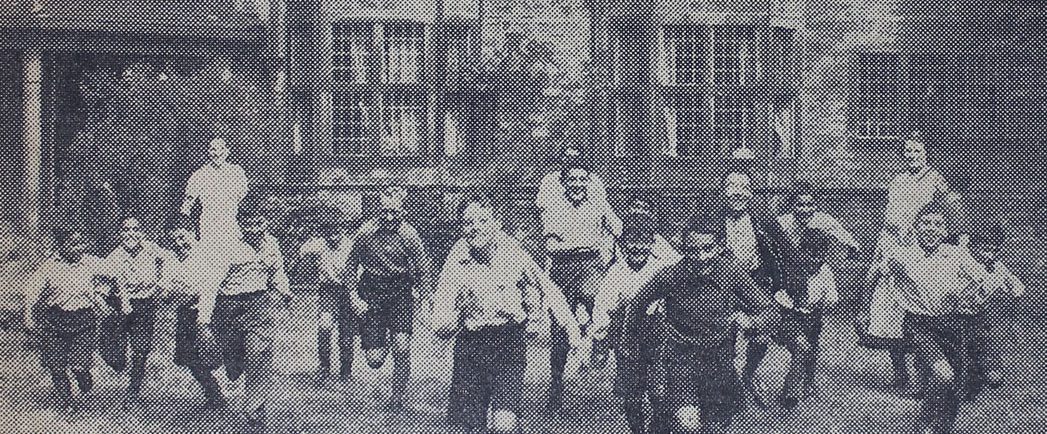
In this online workshop in your classroom students will learn about the experiences of Basque refugee children displaced to Britain during the Spanish civil war in 1937. Using our fascinating collection of documents relating to their stories, this workshop explores themes of identity, culture and home. Students will also hear an extraordinary personal story from Teresa Gautrey, whose parents met in the same camp for Basque children.
The one-hour online session in your classroom is led by an experienced history educator, you only need a microphone, large screen and webcam to take part. Interactive activities encourage students to discuss their ideas and work in groups using high-quality materials provided in advance by the Education team.
*Note we will adapt the timing of the workshop to fit with your lesson times.
Available as: Online workshop. Find out more about the types of session we offer.
What can we learn from documents about the experiences of Basque child refugees?All activities must be booked in advance.
Tel: +44 (0)20 3908 9162
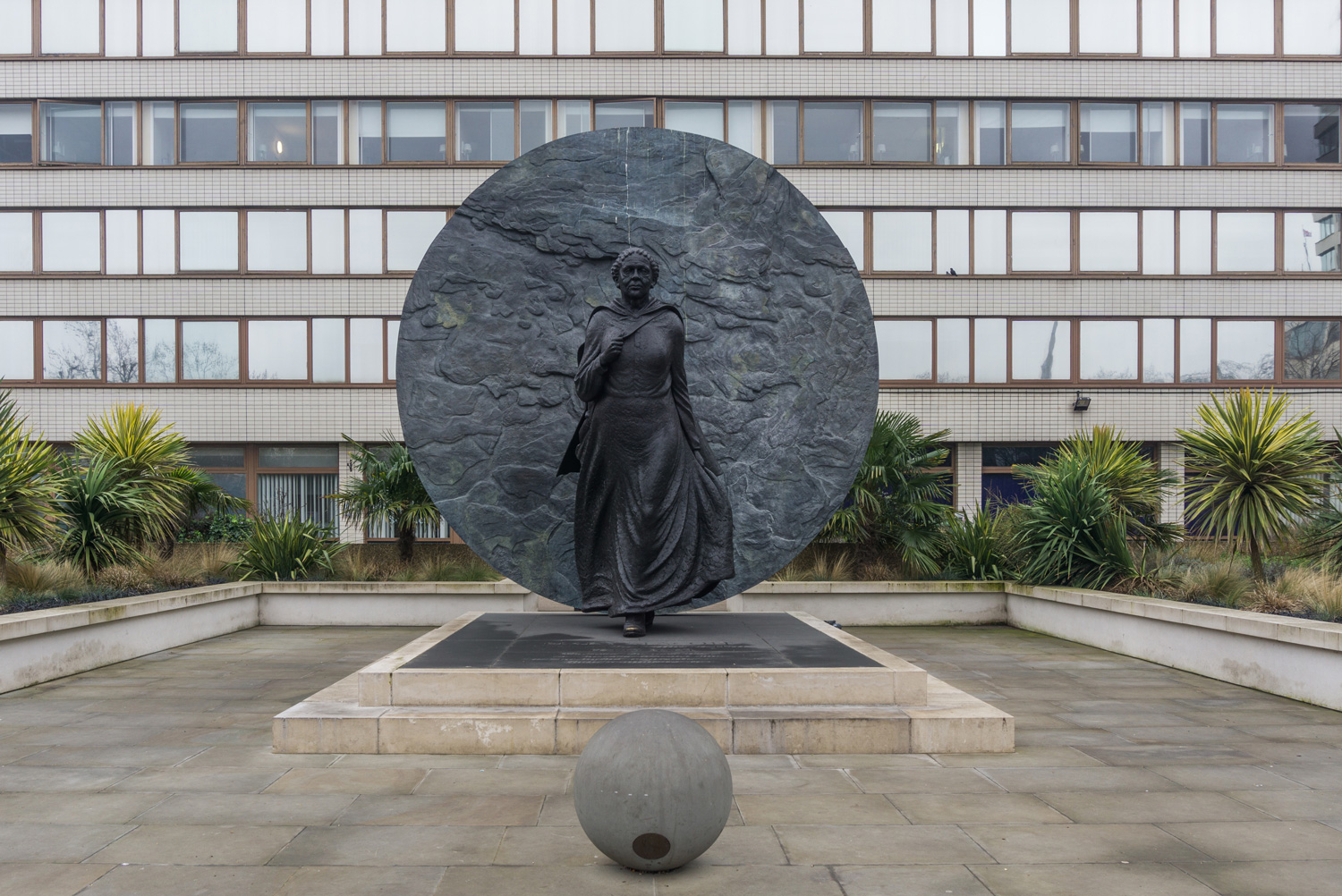
Photograph of the statue of Mary Seacole, Jamaican born nurse unveiled at St Thomas’s Hospital, 2016 © Wikimedia Commons
When the Crimean War broke out Mary Seacole was determined to help. She was rejected by British authorities and Florence Nightingale in 1854 to nurse and so paid for her own passage to the Crimea. She worked on the battle front giving out medicine and food and set up the “British Hotel” with Thomas Day behind the frontline near Balaklava where they cared for the wounded.
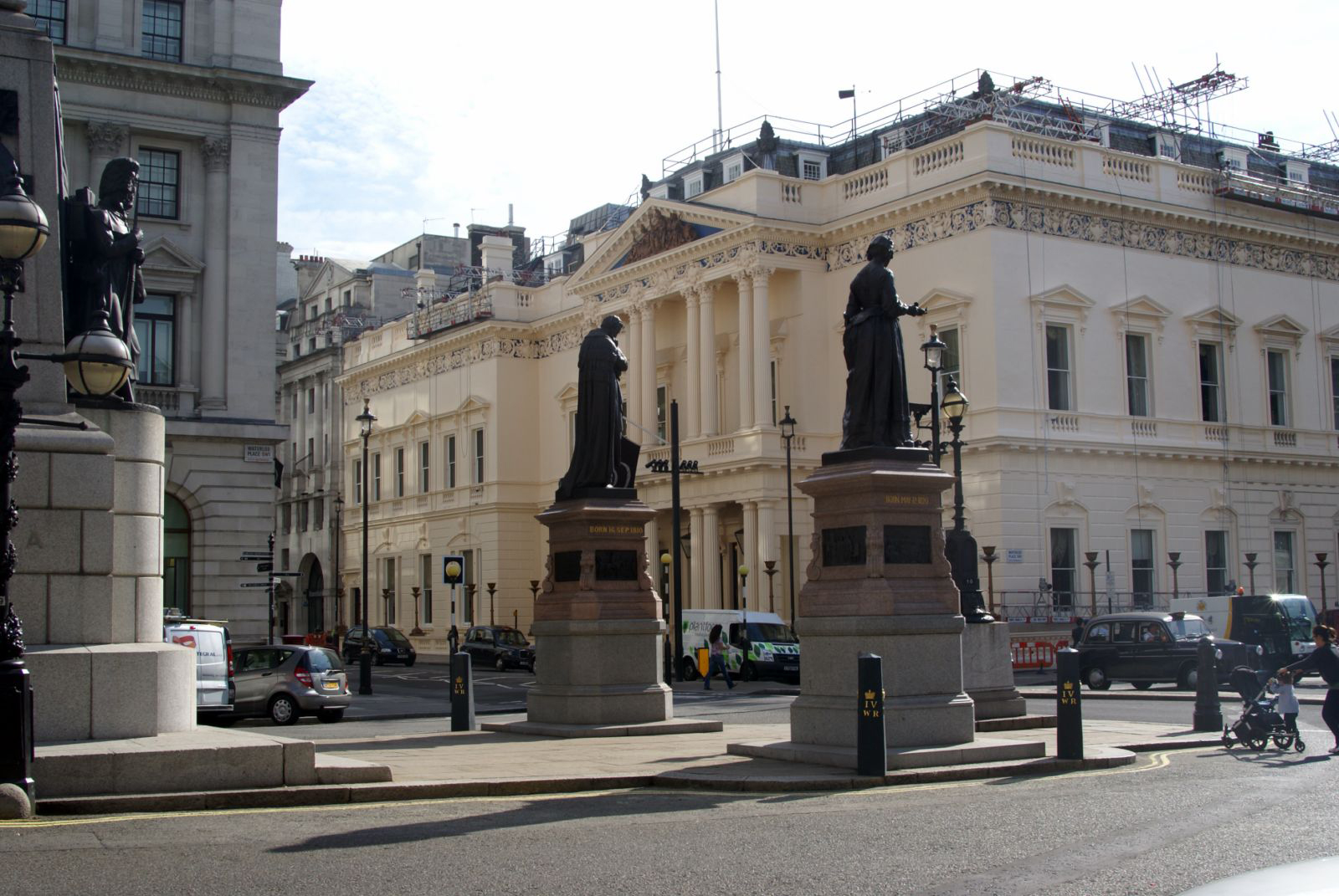
Photograph of Waterloo Place, London, viewed from the East showing the Crimean War memorial, and statues of Florence Nightingale and Sidney Herbert of Lea © Wikimedia Commons
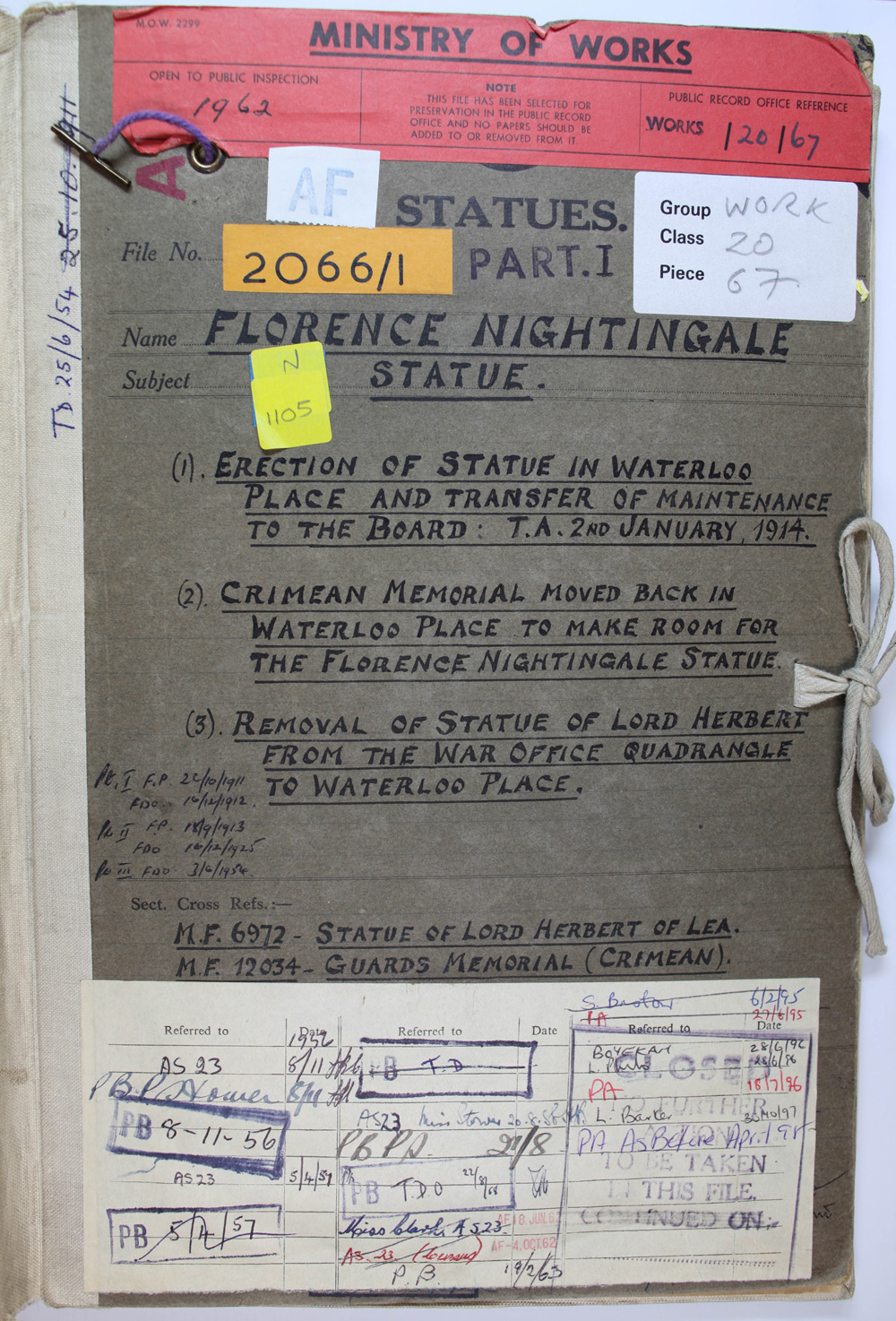
Front cover of a file about a statue for Florence Nightingale, 1911-1912. Catalogue ref: WORK 20/67
This file is from the government Ministry of Works which has information about the planning, building and up keep of royal buildings and parks, public buildings and deals with the protection and care of ancient monuments and statues.
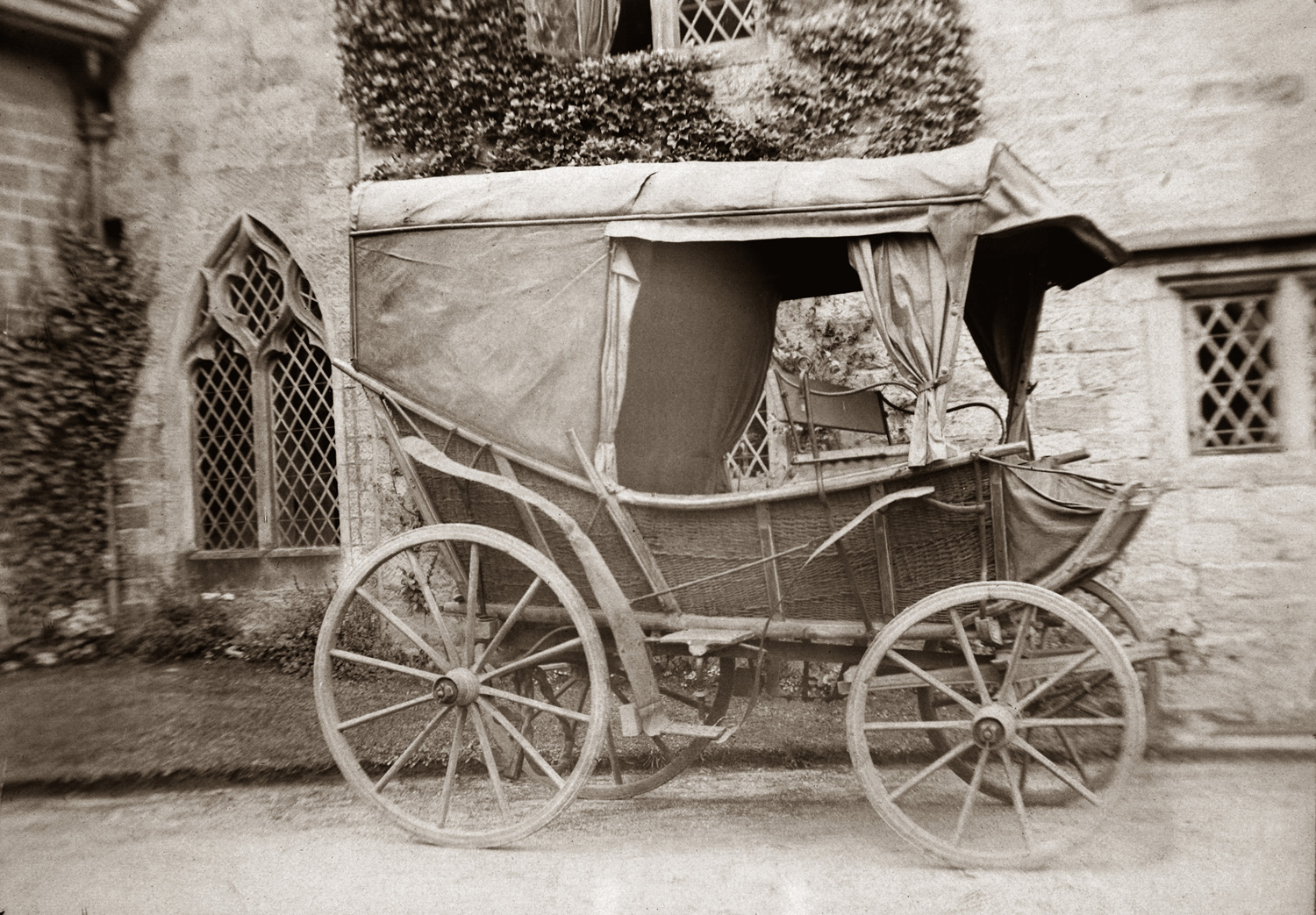
Photograph of Florence Nightingale’s original Crimean war carriage, 1905. Catalogue ref: COPY 1/489 (f130)
During the Crimean War, the London Illustrated News published a picture of Florence Nightingale in a curtained horse drawn carriage which she used when inspecting military hospitals in the Crimea. It was said to be nicknamed ‘Florrie’s Lorry’. Models of the carriage were made and bought by her many admirers at home. The original carriage was returned to Britain and given to the Nightingale Training School for Nurses at St Thomas’s Hospital. It now is on display at the home of Florence’s sister, Claydon House.
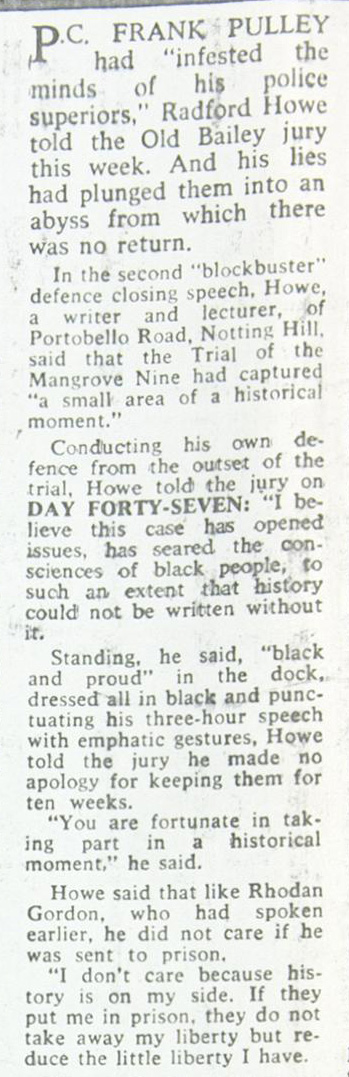
Extract from an article entitled ‘Why I’ll fight the heavy mob’, the ‘Post Mercury’, 17 December, 1971. Catalogue ref: MEPO 31/21
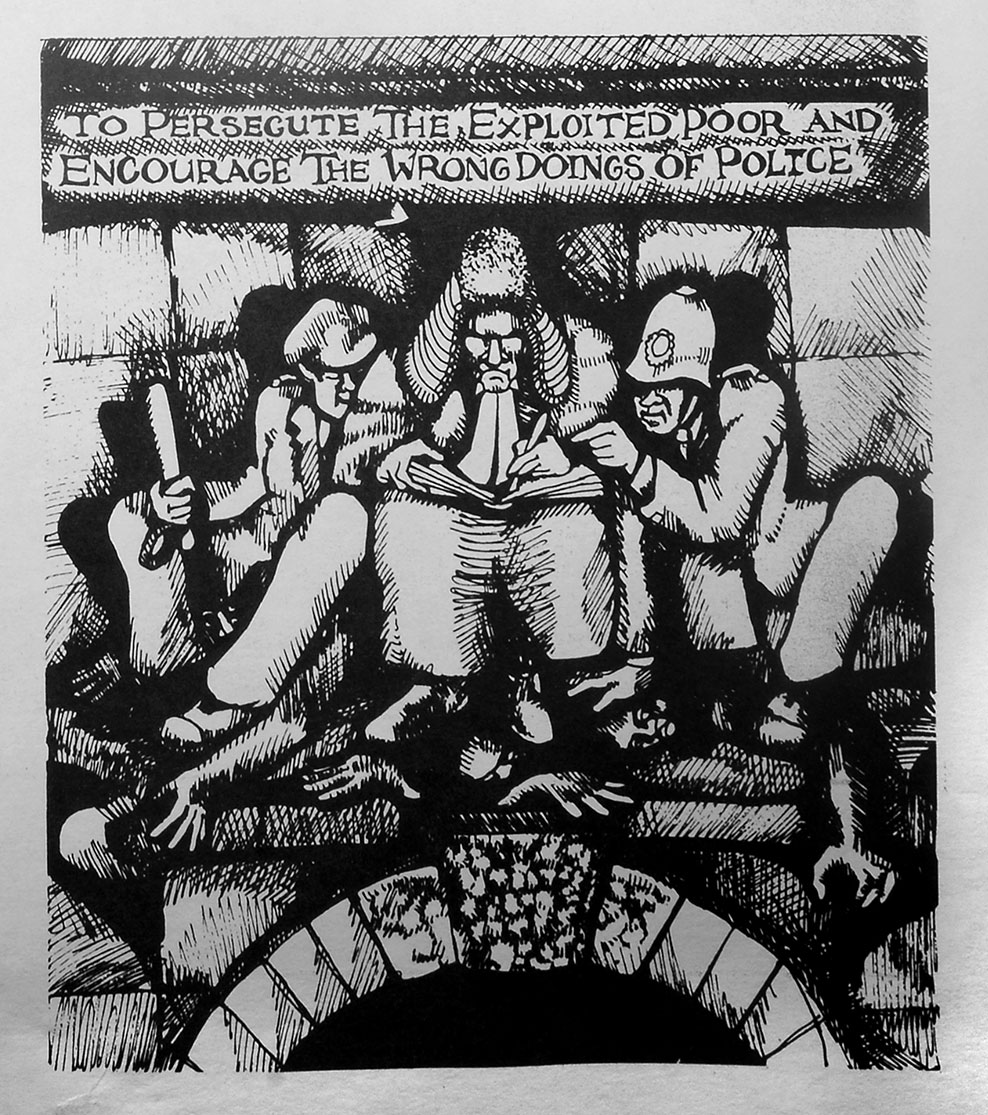
Images from a pamphlet printed in defence of the Mangrove Nine, 1971. Catalogue ref: HO 325/143
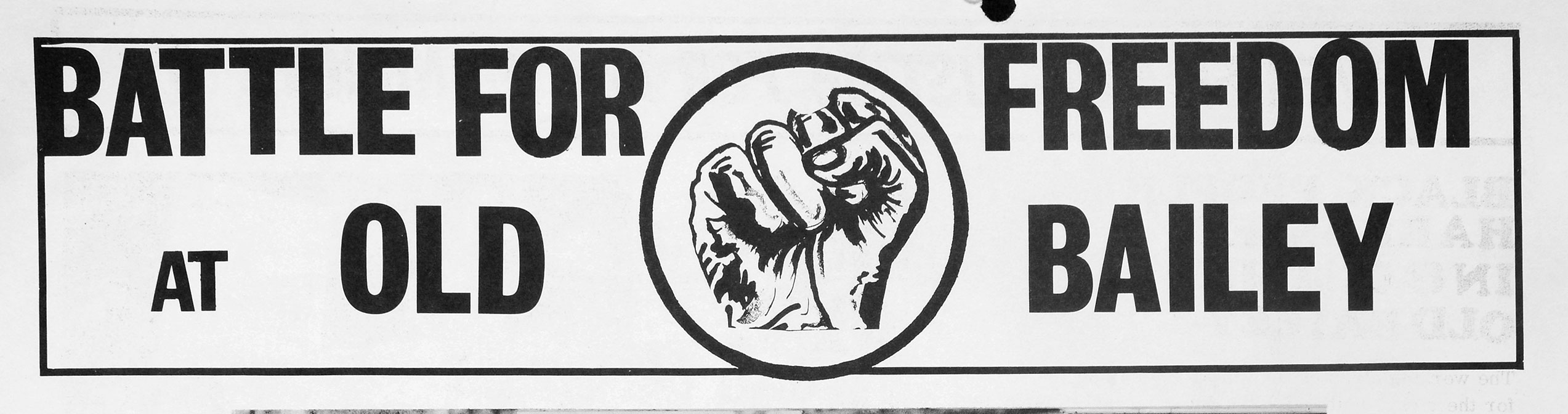
Images from a pamphlet printed in defence of the Mangrove Nine. 1971, Catalogue ref: HO 325/143
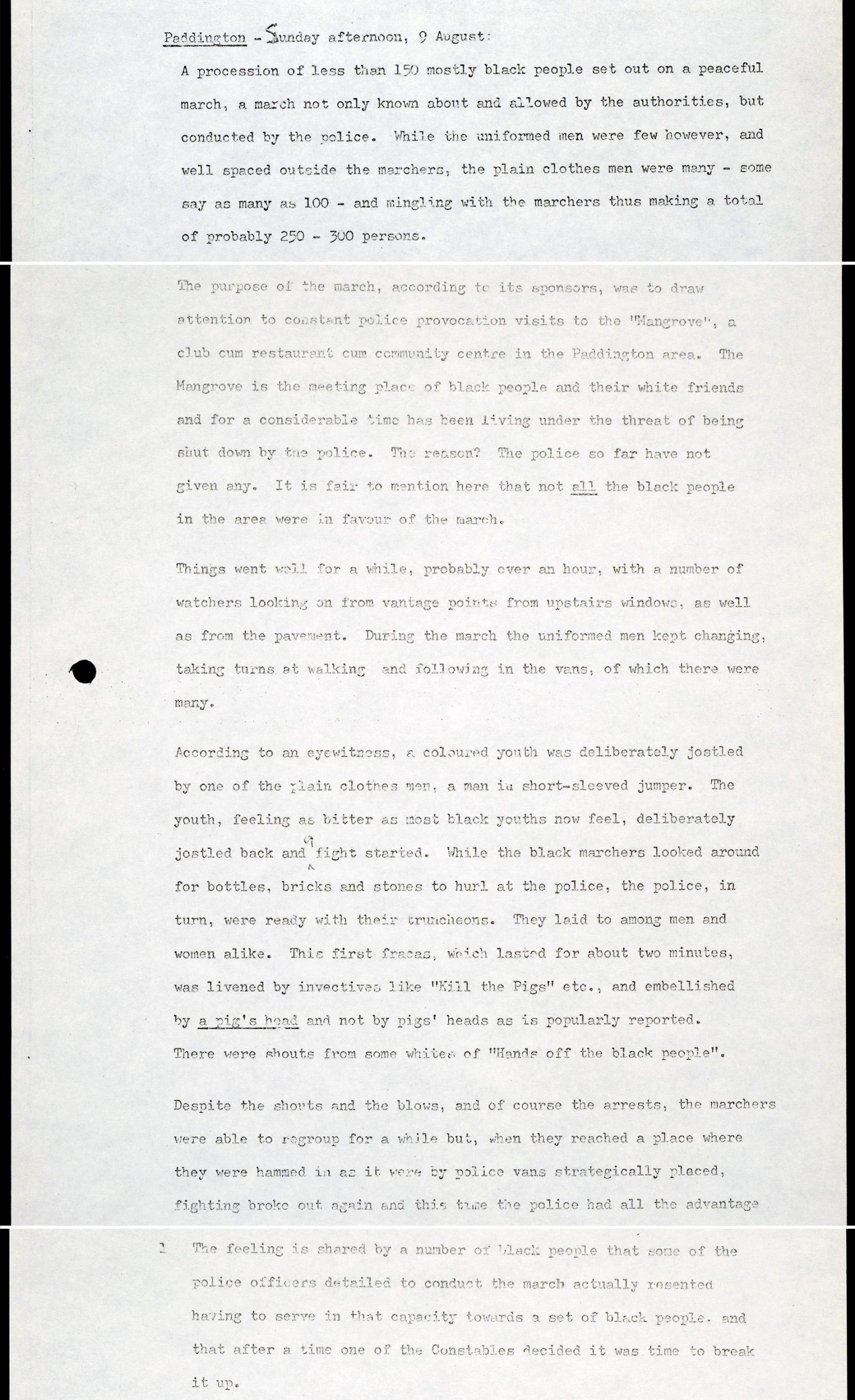
Extract from ‘Report on Police/Immigrant Relations’ by Sam Morris, 17 August 1970. Catalogue ref: HO 325/143, pp. 3-5
Sam Morris (b.1908-d.1976), deputy-general of the Community Relations Commission was asked to write a report for the Home Secretary a week after the protest. According to Morris, this report was ‘based on eyewitness accounts. Some of those to whom I spoke are known to me personally and are quite reliable.’
The Community Relations Commission, established by the 1968 Race Relations Act, sought to promote good ‘community relations’ between black and minority ethnic communities and white people in Britain. Sam Morris was a Grenada-born educationalist, anti-colonialist and civil rights activist. He first came to London in 1939. After serving in the British Army for two and half years during the war, he soon began working to support the welfare of New Commonwealth Immigrants in Britain.
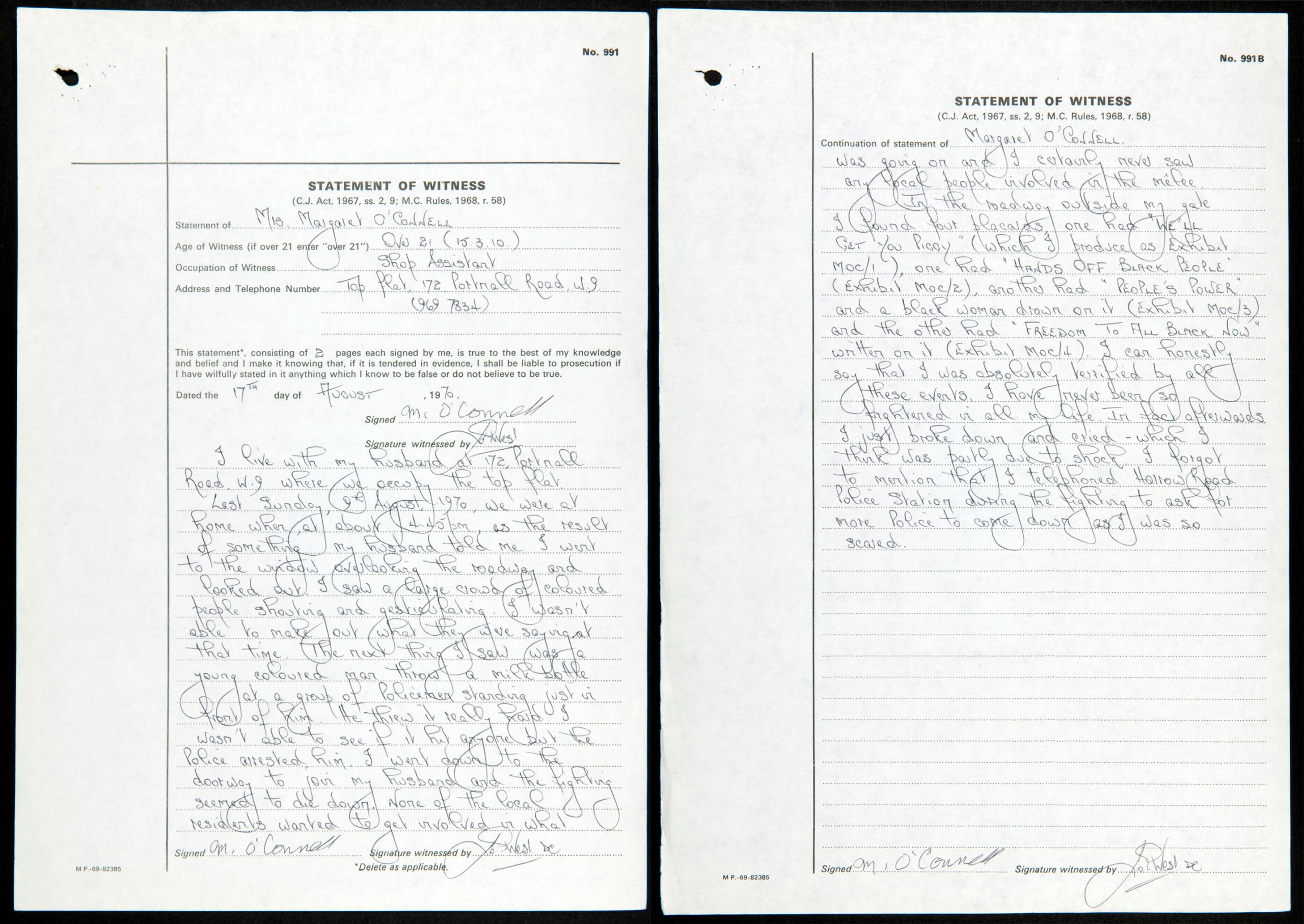
Margaret O’Connell, witness statement, Black Power demonstration and march, Notting Hill, London, 17 August 1970. Catalogue ref: MEPO 31/21
Margaret O’Connell was a resident of the area and served as a witness for the police.