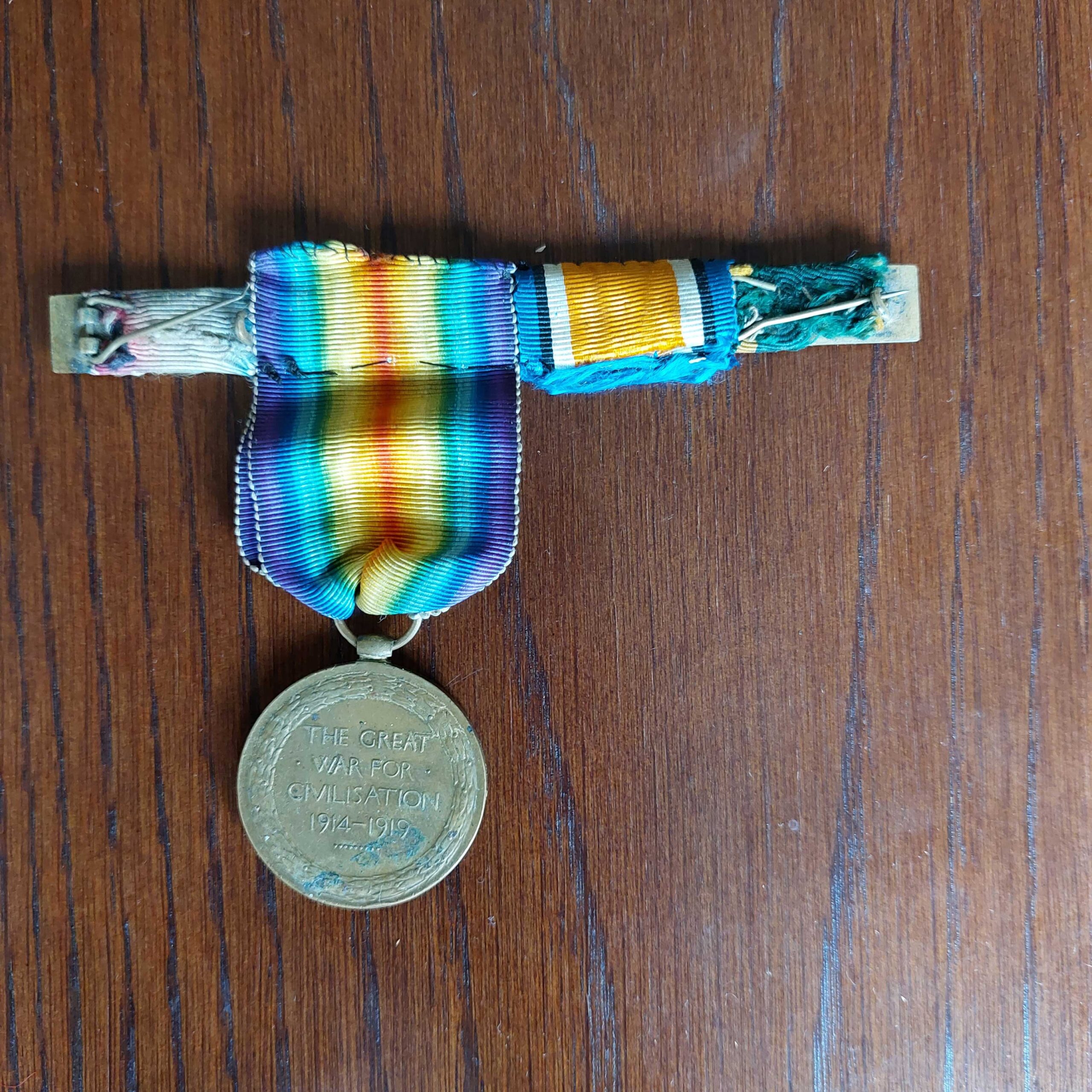
Source 1a shows the Victory Medal of 5027 Private Samson Jackson, 19th London Regiment. [Joan Robson (nee Luale) Personal archive].
Samson Jackson also uses the names ‘Chanda Bulaya’ and ‘Chief Luale’ according to correspondence in the Colonial Office and research by historian Robert I. Rotberg, ‘Black Heart: Gore-Brown and the Politics of Multiracial Zambia’ (Berkely, University of California Press, 1977), p.70.

Samson Jackson is believed to be one of six Black Africans to have served on the Western Front during the First World War. He changed his name in 1915 from Bulaya Chanda to Samson Jackson. In the 1920s, he started using the name Chief Luale (Luali) for his career on the stage.
Bulaya Chanda was born in Northern Rhodesia (Zambia) around 1895. He was of the Awemba or Bemba tribe who are a Bantu speaking people found in the north-east corner of Zambia, near the border with Belgian Congo (Democratic Republic of Congo).
Use the sources in this lesson to find out more about his fascinating life and how his experiences challenge popular beliefs about the First World War and inter-war period.
What do these documents reveal about Bulaya Chanda, soldier and ‘showman’?Dr Anne Samson
Bulaya Chanda aka Samson Jackson aka Chief Luale/Luali Bulaya Chandri was born in about 1895 and died in 1935. He was born in Zambia (then Northern Rhodesia) and died in Skegness, UK. During his life he used at least four names. Bulaya came to Britain as a servant in the employment of Sir Stewart Gore-Brown. He started working for Gore-Brown in about 1912 while Gore-Brown was on the Zambia-Congo Border Commission. Bulaya together with another servant, Kakumbi, left Zambia with Gore-Brown in July 1914 before war broke out but arrived in Europe after war had been declared. Gore-Brown left his two servants with an aunt in Surrey while he enlisted to serve on the Western Front. A few months later, May 1915, Gore-Brown decided it would be better for his servants to return to Zambia and made arrangements.
On their way to the port, Bulaya ran off. He was soon found working as a dishwasher for a restaurant in London. Rather than arresting him, Gore-Brown left him at the restaurant believing Bulaya would only abscond again if they took him away. At some stage Bulaya decided he would be known as Samson Jackson and under this name enlisted as number 5027 with the 19th London Regiment between 18 October and 13 November 1915. The London Regiment later became the 9th Middlesex Regiment where he was number 105865 and served in Company C. As Private Samson Jackson, it is likely Bulaya served at Vimy Ridge in 1916, in Salonika in 1917 and the Middle East and Egypt in 1917 and 1918. In 1920, he was with the Army of Occupation in Germany. He left the army on 28 May 1921.
Bulaya recorded his name in the 1921 census as Samson Jackson, still in the army, 24 years and 6 months old, single, male and of British West Indies, Barbados decent. Where he was staying is not clear as his residence Milton Barracks, Gravesend is crossed out. He is listed on the Return of all Officers and other ranks or ratings on Service. According to the 1921 Voters’ Register he is listed as living at 13 Harmwood Street, Chalk Farm, NW1, London. There is no one else listed at that address.
In May 1922, Bulaya asked for assistance to return to Northern Rhodesia. However, a few days before he set sail, he changed his mind. Using the name Henry William Jackson, and recorded as a showman, on 20 September 1922 he married May Louisa Gilliss [Gillus] at the Registry Office in Croydon, Surrey. May Louisa was working as a factory hand at E&T Pink Limited in Staple Street, Borough when she got married.
In March 1923, Bulaya again applied to the Native Commissioner in Kasama, Northern Rhodesia for assistance which was refused. He became an actor in London’s West End theatres, first in ‘The Forest’ at St Martin’s in 1924 and then in ‘White Cargo’ at the Playhouse. He is listed in ‘The Sportsman’ of 9 May 1924 as ‘Chief Luale, a Rhodesian, in the part of a native servant.’ In March 1925, in anticipation of ‘White Cargo’ ending, Bulaya applied to the Colonial Office for assistance to return to Zambia. The Governor of Northern Rhodesia recommended that Bulaya not be encouraged to return as he would find it difficult to adapt to ‘native life’ after an absence of ten years and that the government would be reluctant to employ him as an interpreter or clerk. In another letter, ‘It seems that at the time his wife was urging him to take her to Northern Rhodesia’, but in view of what Native Commissioner Mr Thomson told her she seemed to have abandoned that idea. He told her that she would not be allowed to land at Cape Town or Beira, and that even if she got into Northern Rhodesia she would either be removed or left to live in a native compound under all the disabilities attendant thereto. To Luale he made it clear that his earning powers would not be such as to enable him to ‘support his wife.’
It is not known what Bulaya did between 1925 and 1929, although his medals were returned to the War Office in 1928 while he was living in Brixton (he obtained a replacement of the Victory one later). The inscription had been obliterated. In September 1929 Bulaya was in Morecambe working as a showman in the circus and carnival. He started a touring group called the ‘African Village’. He used his stage name of Chief Luale (Luali), which seemed to become the name he used until his death. He was supported financially by Butlin and the ‘Africa Village’ was eventually incorporated into the company. Having settled in Skegness, Bulaya became well-known, joined the British Legion and became a member of the Royal Antediluvian Order of Buffaloes (similar to Freemasons).
His daughter was born in 1930. He died, aged 36, on 29 April 1935 in Skegness from tuberculosis. The ‘Nottingham Evening Post’ recorded on 1 May 1935 that he ‘died in a sanatorium at Louth on leaving behind a wife and one child.’ So ended the life of a remarkable man from rural Africa who became one of only six (so far) known black Africans to serve in an armed capacity on the Western Front, made a successful life for himself in England and was refused permission to return to his country of birth.
A note on names
In the UK, a person can use any name they like without permission unless you are applying for a legal document such as a passport or driving licence (https://www.gov.uk/change-name-deed-poll).
In many pre-Independence African traditions, children did not take on the same surname as their father as happens in Britain. Names changed depending on culture, how old the person was and whether the culture was matrilineal or patriarchal. Clan names were also important identifiers. This can make tracing a person’s history in Africa rather difficult and could account for the variations Bulaya has used in his life. He also makes use of Jackson, a surname associated with Barbados suggesting he initially saw downplaying his African name as advantageous (to enlist and get married) but later reverting to his African heritage for the stage.
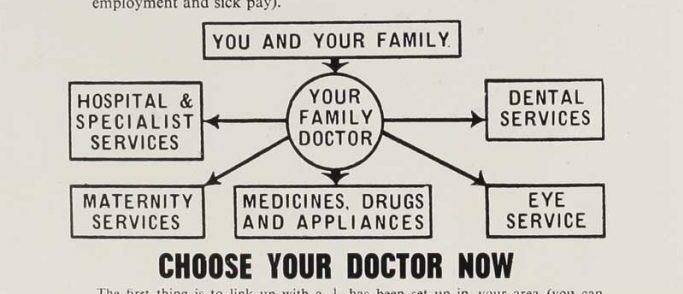
Dr Laura Robson-Mainwaring introduces MH77/84 – correspondence related to the introduction of the NHS.
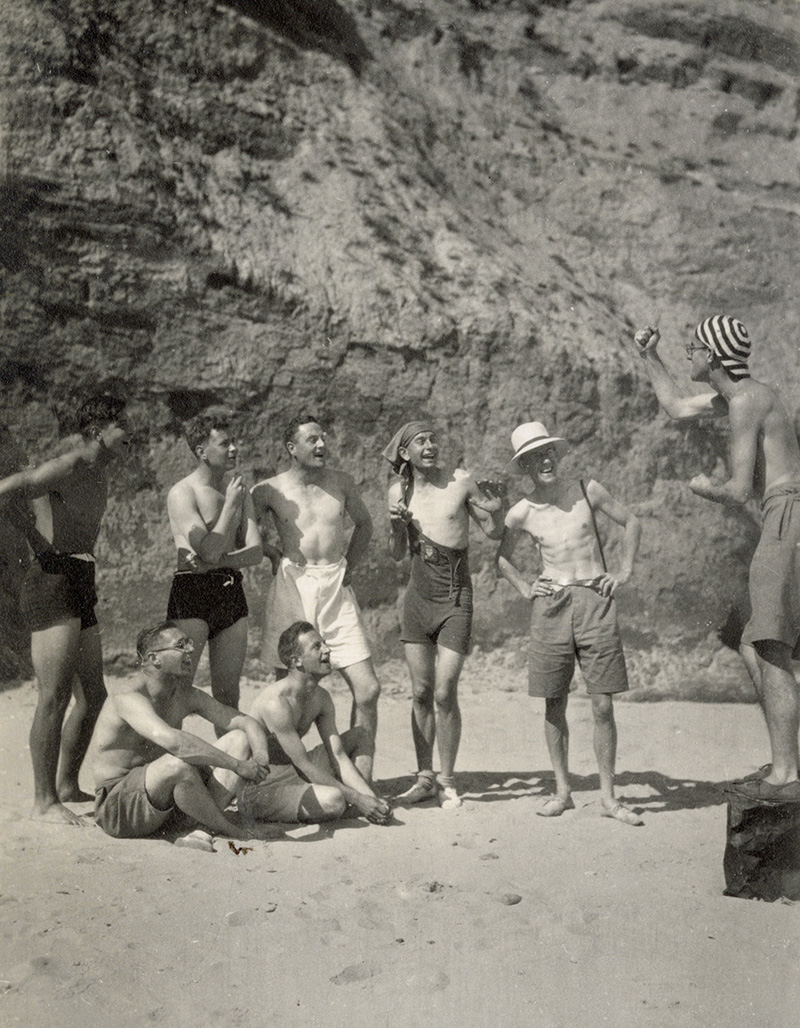
1928-31: A group of likely gay men having a beach day. Emmanuel Cooper Archive, Bishopsgate Institute.
This photo, taken between 1928 and 1931, is from a series of photos of a group of men having day out on the beach somewhere in the UK. It was collected by potter, art historian and LGBTQ+ activist Emmanuel Cooper when he was writing his book ‘Photographing the Male Nude’. Unfortunately, there is no further information on who the men were or where the photos were taken.
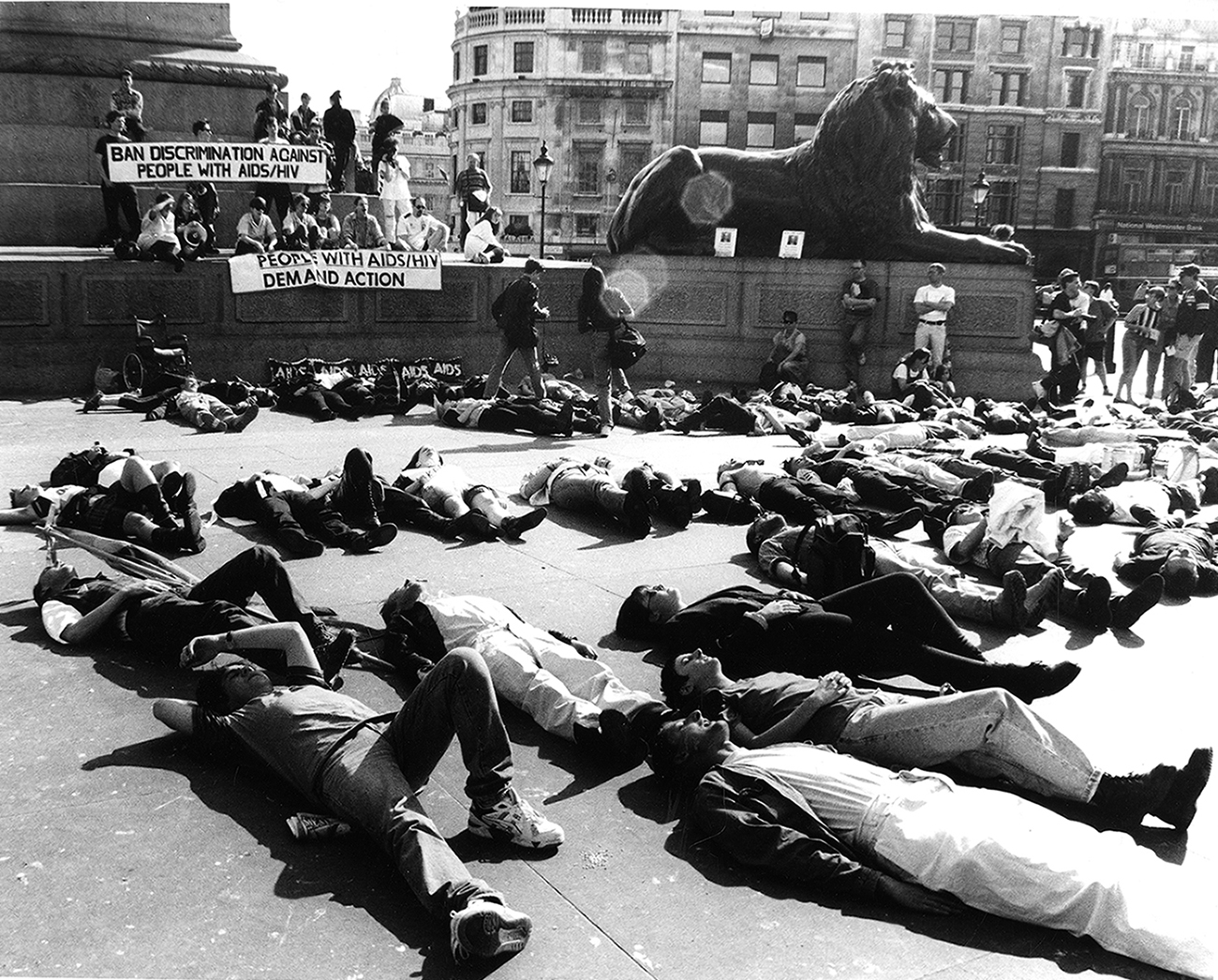
1993: Die-in, UK AIDS Coalition March from Hyde Park to Trafalgar Square, 28 August 1993. Gordon Rainsford Archive, Bishopsgate Institute.
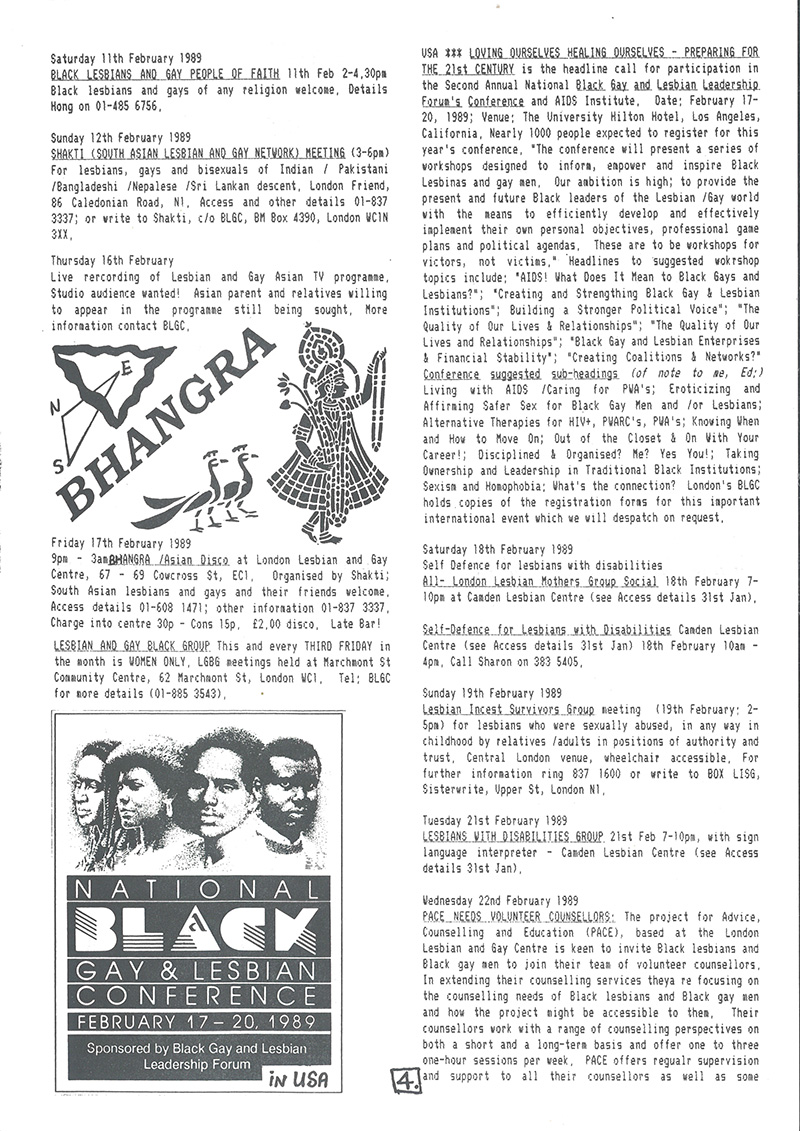
1989: Page from the Black Lesbian and Gay Centre newsletter showing community activities. LGBTQ+ Archives, Bishopsgate Institute
The Black Lesbian and Gay Centre opened in 1985 to address issues facing LGBTQ+ people of colour. It provided a telephone helpline, advice and counselling, a library, a social space, and other community resources. It also produced the magazine Blackout along with newsletters such as the one shown here. The Centre was active into the 1990s.
Find more examples of BLGC newsletters online at the Bishopsgate Institute.
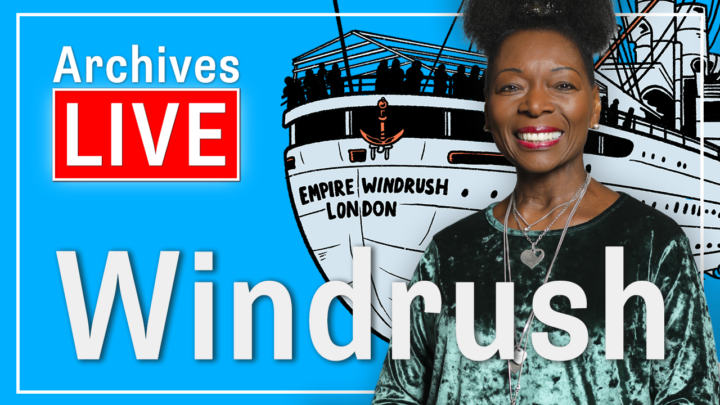
Join Baroness Floella Benjamin for this live event which marked the 75th anniversary of the arrival of Empire Windrush to Tilbury dock.
Floella Benjamin is an acclaimed presenter, actress, author and the first woman from Trinidad to become a member of the House of Lords. Her bestselling book Coming to England can be found on the shelves of many classrooms.
For ArchivesLive, Floella explored the uniquely personal document that records her arrival as a ten-year-old in 1960. Learn about the history of Caribbean arrival to Britain through important documents from The National Archives, including the original passenger list for the Empire Windrush ship.
This event has been broadcast from the Clore Learning Centre at The National Archives. Supported by the Clore Duffield Foundation and the National Archives Trust.
Many thanks to Baroness Floella Benjamin OM, DBE, DL and Chloe Vethamony.
Broadcast:
Watch the recording of the live event on YouTube:
This resource pack prepares students to take part in the Archives Live: Windrush 75 event. There is an accompanying PowerPoint presentation with questions to facilitate pupil discussion and teacher notes, which we recommend you use. The activities should last 30-40 minutes.
The National Archives has other KS2 education resources about Empire Windrush and Caribbean migration: The Empire Windrush – The National Archives
Teacher notes
There is an accompanying PowerPoint presentation with questions to facilitate pupil discussion and teacher notes. We also recommend that you consult the Background below.
Language and content in the event
Please note that some of the language and terms used in the documents that will be explored in the event may be considered inappropriate or unacceptable today. The language has been preserved to accurately represent our records and to help us fully understand the past. The live event will explore sensitive themes relating to race and migration.
Special live event from The National ArchivesBlack people have lived in Britain for over two thousand years. Some came to Britain with the Roman invasion in 43 CE and they became an important part of British society throughout the medieval ages and beyond. Evidence shows that Black people joined the armed forces, married in parish churches, made significant contributions to art and writing, and resisted and challenged the repressive laws of the day. We cannot tell the history of Britain without including their stories.
The ancestors of these Black Britons had been transported to the Caribbean as part of the transatlantic slave trade, of which Britain was a major participant. The Caribbean played a central role in the British Empire. As European settlement grew, more than 11 million enslaved people were transported to plantations across the Atlantic from Africa to America and the Caribbean over the following 300 years. Ideologies of race and the racial hierarchy developed and were entangled with the expansion of empire. Following the abolition of slavery, the Caribbean became a centre for the indenture system. Many workers were transported to British Colonies in the Caribbean and the mainland of South and Central America.
In the early years of the First World War, many Caribbean men bought tickets to sail to Britain to join the army. The British West Indies Regiment was created, playing an important role in the conflict. Men from Nigeria, the Gold Coast, Sierra Leone, the Gambia and other parts of Africa, also fought for Britain. At the end of the war, many African and Caribbean soldiers decided to stay in Britain to make it their permanent home. Race riots broke out in parts of the country during the early months of 1919, as some white communities blamed Black people for the shortage of work and housing caused by the war.
During the Second World War, Black people from across the Commonwealth fought for Britain once more. Some were soldiers, whilst others came to support work on the Home Front such as factory production and nursing. When the war ended in 1945, some of these people chose to remain and live in Britain.
After the war, Britain needed to be re-built. People from some British Colonies already had the right to settle in Britain as they held British passports. By 1948 the Nationality Act was passed, widening this to allow many more from the British Colonies the right to live and work in Britain if they wanted. This included those that travelled on The Empire Windrush. Most British subjects at this time were people of colour who lived overseas in places colonised by Britain. Other people from Europe were also invited to Britain. Many people from the Caribbean left their homes to begin a new life in Britain, bringing with them a wide range of skills. They filled jobs in the transport system, postal service and health service, helping Britain to re-build and recover.
These people are often called the Windrush generation, named after the ‘Empire Windrush’ ship that docked at Tilbury in June 1948. Windrush was not the first ship to bring Caribbean migrants to Britain; the year before, the Ormonde had arrived in Liverpool and the Almanzora in Southampton. Other vessels had arrived even before this. Between 1947 and 1970, nearly half a million people left their homes in the Commonwealth to live in Britain. The National Archives is using the term ‘Windrush Generation’ to apply to people from the Caribbean who came to Britain after the Second World War to the early 1970s. Other organisations, like Windrush Foundation, say that the ‘Windrush Generation’ refers only those passengers who arrived at Tilbury Docks on 22 June 1948, having travelled on Empire Windrush.
The arrival of the ship ‘Empire Windrush’ is often seen as the start of this migration of Caribbean migrants from countries including Jamaica, Barbados and Trinidad seeking jobs and a better life in this country. Jamaica for example, had high unemployment and a recent hurricane had caused huge damage. However, it is also important to remember that there were earlier lesser-known ships that carried post-war migrants from the Caribbean. Find out about these other ships in this National Archives blog post.
It cost £28 for travel on the troop-deck and £48 for cabin class travel on the Empire Windrush. The ship picked up passengers at Trinidad, Jamaica (Kingston) and Mexico (Tampico). It took on water in Cuba and dockyard workers in Bermuda, who were returning to Britain. It arrived at Tilbury Docks on 22nd June. There were over 1000 people on board the ship, men, women and children. Arrival records show 802 gave their last address as being in the Caribbean. Some people, who had nowhere to go, were temporarily accommodated in London’s Clapham South tube station deep shelter.
News reels often show Caribbean arrivals being welcomed warmly, however documents at The National Archives show the negative response from some people in government to the arrival of people from the Caribbean. This contrasted with attitudes towards white migrants from British colonies. Arrivals from the Caribbean were viewed differently because of the colour of their skin.
Life was difficult for many people after the war. Rationing and shortages continued, people still queued for food. People therefore arriving from the Caribbean would have experienced this as well as leaving friends and family behind. The climate was also colder and wetter. Unfortunately, some Caribbean arrivals were made to feel unwelcome and treated unfairly and differently because of racism. Finding jobs and somewhere to live was difficult due to discrimination. Many were forced to accept employment with low wages or poor housing.
Despite these challenges, people from the Windrush generation contributed enormously to the recovery of Britain. They have had long-lasting impact on so many parts of British life, like food, music and sport.
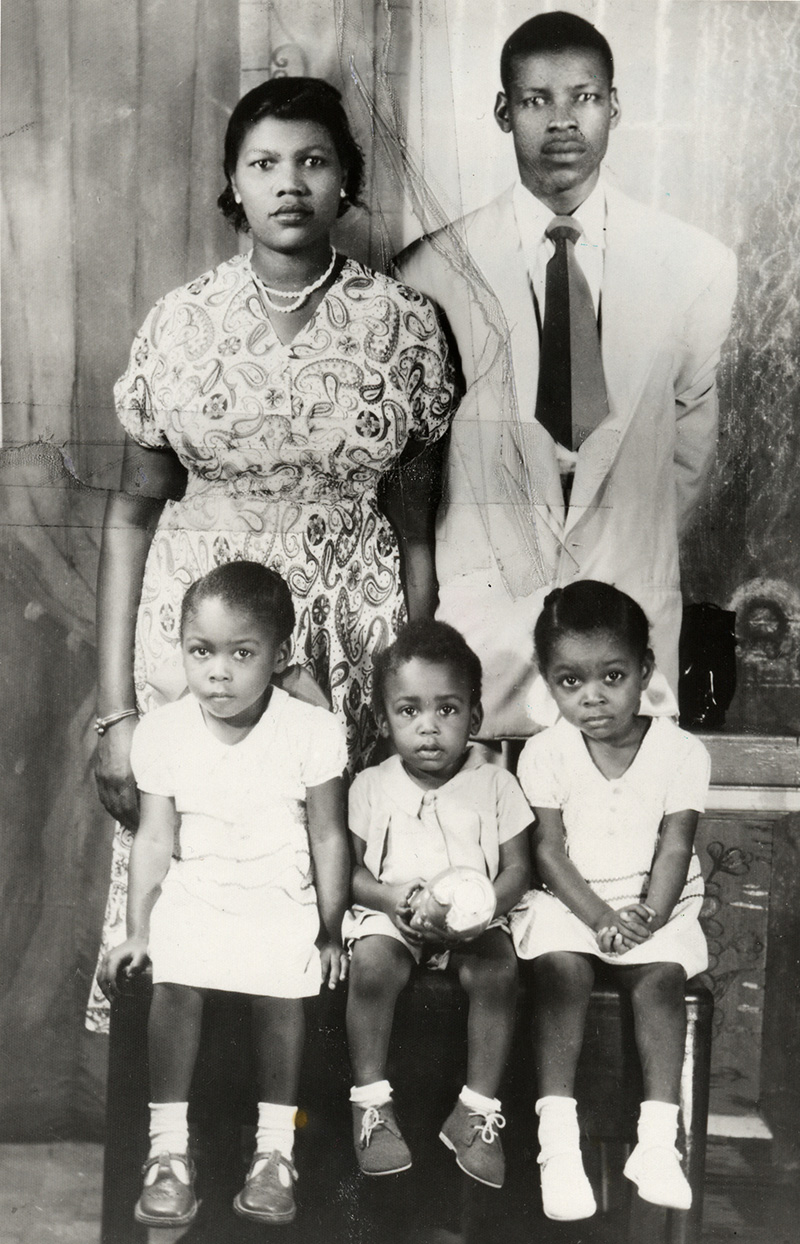
The Archives Live event will focus on the story of Baroness Floella Benjamin. Floella Benjamin is an acclaimed presenter, actress, author and the first woman from Trinidad to become a member of the House of Lords. She wrote the bestselling book Coming to England about her experience of arriving in Britain. In the event Floella will explore the uniquely personal document that records her arrival to Britain as a ten-year-old in 1960.
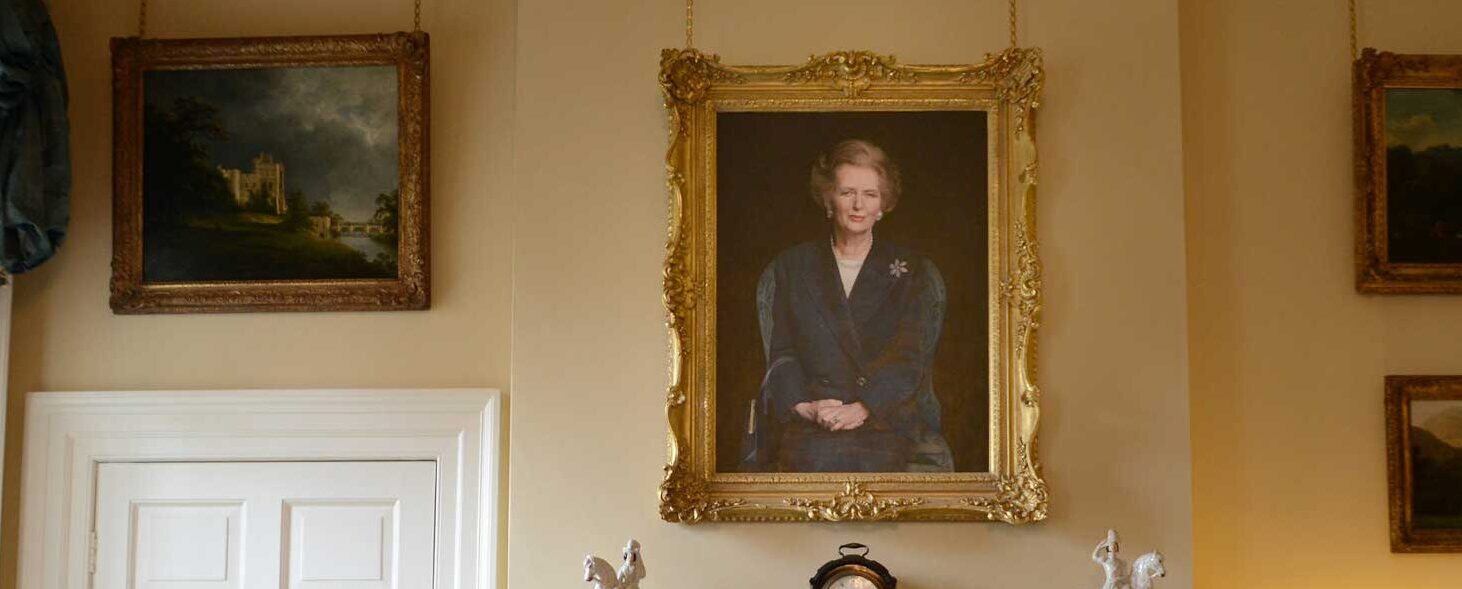
Cabinet Office: Records relating to Margaret Thatcher’s Government 1981
We hope you enjoyed watching our Education Service video with Records Specialist Mark Dunton looking at records from the Cabinet Office. This video focusses on one document relating to a cabinet meeting in 1981 during the premiership of Margaret Thatcher.
Download Spotlight On: Thatcher Resource Pack
Now try and answer the following questions:
- Which individuals form the Cabinet?
- What is the role of the Cabinet?
- How often does the Cabinet meet?
- What type of material can be found in the Cabinet Papers?
- When were the first Cabinet minutes created?
- What is the date of the Cabinet meeting examined here?
- What is the historical background for this document?
- Why is this document marked ‘Secret’?
- What were the government’s economic plans according to the document?
- What does the document show about divisions in the Cabinet over this economic policy?
- According to the video, were there further Cabinet meetings to discuss these differences?
- Who wrote the Cabinet Minutes?
- Why were they written?
- Why are Cabinet Minutes useful to historians?
- What other sources beyond Cabinet Papers records, would be important to explore when studying this topic?
Document 1
Extract from Cabinet Minutes, July 23rd, 1981. Catalogue Ref: CAB 128/72
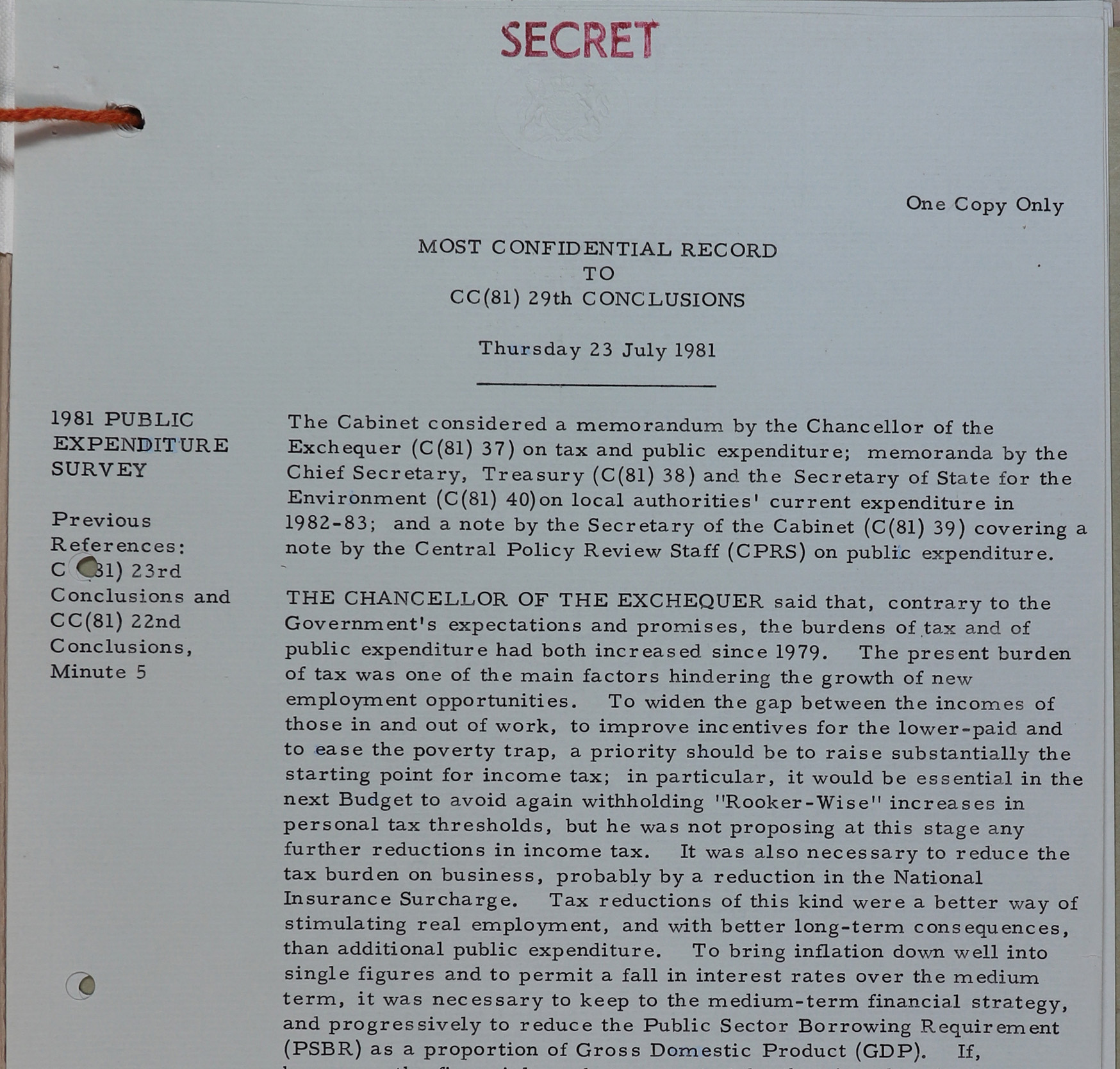
Transcript
SECRET
One Copy Only
MOST CONFIDENTIAL RECORD
TO
CC (81) 29th CONCLUSIONS
Thursday 23 July 1981
The Cabinet considered a memorandum by the Chancellor of the Exchequer (C (81) 37) on tax and public expenditure; memoranda by the Chief Secretary, Treasury (C (81) 38) and the Secretary of State for the Environment (C (81) 40) on local authorities’ current expenditure in 1981-83; and a note by the Secretary of the Cabinet (C (81) 39) covering a note by the Central Policy Review Staff (CPRS) on public expenditure.
THE CHANCELLOR OF THE EXCHEQUER said that contrary to the Government’s expectations and promises, the burdens of tax and of public expenditure had both increased since 1979. The present burden of tax was one of the main factors hindering the growth of new employment opportunities. To widen the gap between the incomes of those in and out of work, to improve incentives for the lower-paid and to ease the poverty trap, a priority should be to raise substantially the starting point for income tax; in particular it would be essential in the next Budget to avoid again withholding “Rooker-Wise” increases in personal tax thresholds, but he was not proposing at this stage any further reductions in income tax. It was also necessary to reduce the burden on business, probably by a reduction in the National Insurance Surcharge. Tax reductions of this kind were a better way of stimulating real employment, and with better long-term consequences, than additional public expenditure. To bring inflation down well into single figures and to permit a fall interest rates over the medium term, it was necessary to keep the medium-term financial strategy, and progressively to reduce the Public Sector Borrowing Requirement (PSBR) as a proportion of Gross Domestic Product (GDP).
…
Document 2
Extract from Cabinet Minutes, July 23rd, 1981. Catalogue Ref: CAB 128/72
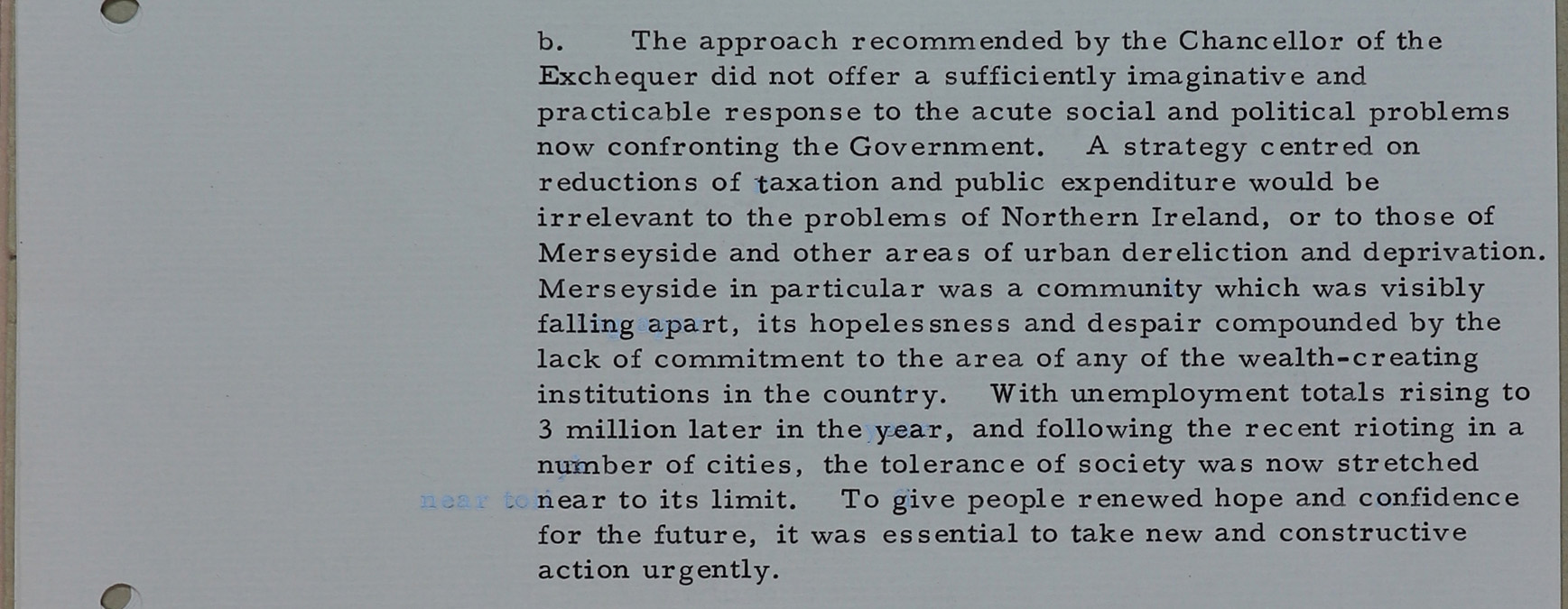
Transcript
[…]
b. The approach recommended by the Chancellor of the Exchequer did not offer a sufficiently imaginative and practicable response to the acute social and political problems now confronting the Government. A strategy centred on reductions of taxations and public expenditure would be irrelevant to the problems of Northern Ireland, or to those of Merseyside and other areas of urban dereliction and deprivation. Merseyside in particular was a community which was visibly falling apart, its hopelessness and despair compounded by the lack of commitment to the area of any of the wealth-creating institutions in the country. With unemployment totals rising to 3 million later in the year and following the recent rioting in a number of cities, the tolerance of society was now stretched near to its limit. To give people renewed hope and confidence for the future, it was essential to take new and constructive action urgently.
[…]
Connections to curriculum
Key stage 5
Edexcel A level History
Britain in the Later 20th Century: 1945- 90: Consensus and Conflict .
The Conservative election victory of 1979: reasons for it and key features of the domestic policy of Thatcher governments; domestic achievements; reasons why the Thatcher era was controversial; reasons for her fall in 1990.
OCR A level History
Britain under Margaret Thatcher 1979–90 Focus: why there was a change in direction in post-war British politics under Thatcher, the extent of the ‘revolution’ in social, economic and foreign policy and why Thatcher fell from power.
AQA A level History
The Making of Modern Britain, 1951–2007: the impact of Thatcherism, 1979–1987
Related Resources:
Here are some blogs from The National Archives which relate to Margaret Thatcher’s in office in the 1980s:
- Chancellor Geoffrey Howe’s 1981 budget – https://blog.nationalarchives.gov.uk/explore-sir-geoffrey-howes-private-office-papers/
- Margaret Thatcher meeting with Mikhail Gorbachev in 1985 – https://blog.nationalarchives.gov.uk/man-one-business/
- The AIDS health campaign of the 1980s – https://blog.nationalarchives.gov.uk/aids-health-campaign/
- The National Archives research guide: Political history in the twentieth century – https://www.nationalarchives.gov.uk/help-with-your-research/research-guides/political-history-20th-century/
- Cabinet Papers Website: https://www.nationalarchives.gov.uk/cabinetpapers/
Colonial Office: Records relating to the Baptist War, 1831
We hope you enjoyed watching our Education Service video with Records Specialist Daniel Gilfoyle looking at records from the Colonial Office. This video focusses on two documents relating to the Baptist War in 1831 led by Samuel Sharpe against slavery in Jamaica which shed light on resistance to slavery in the British Caribbean.
Our collections contain ideas, language and imagery from original records which reflect historical perspectives and attitudes. Some may be considered offensive. However, we think it important to show them as accurate representations of the record to help us understand the past.
Download Spotlight On: Baptist War Resource Pack
Now try and answer the following questions:
- What was the Colonial Office?
- When was it created?
- What type of sources can be found in the Colonial Office collection?
- What does this reveal about the range of material available?
- What is the code of the document examined in the video?
Document 1
- What does the code reveal about the document examined in the video?
- What is the date of the document examined?
- What type of document is it?
- What events does the document concern?
- Why do you think this document was created in the form of a poster?
- What does the language used in the poster reveal about the attitude of British colonial authorities in Jamaica towards the enslaved?
- How are font size, use of capital letters, and italics used within the poster to threaten those involved in this rebellion against slavery?
- What information does this poster not reveal about these events? Can you explain why this is the case?
- What does the poster infer about the British Empire at that time?
Document 1:
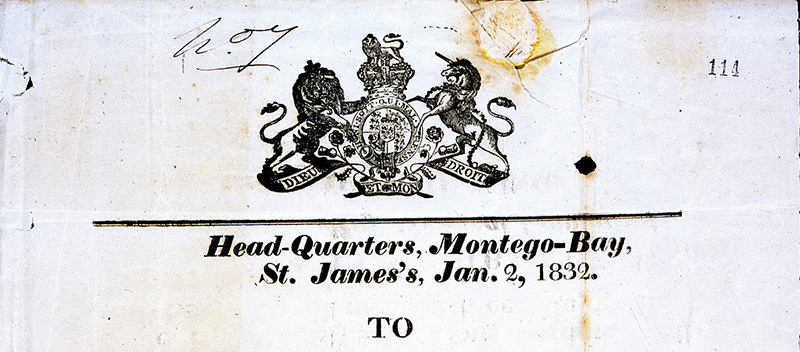
A poster entitled ‘To the Rebellious Slaves’. This was a despatch sent from Jamaica to the Colonial Office in London, 1832. Catalogue ref: CO 137/181
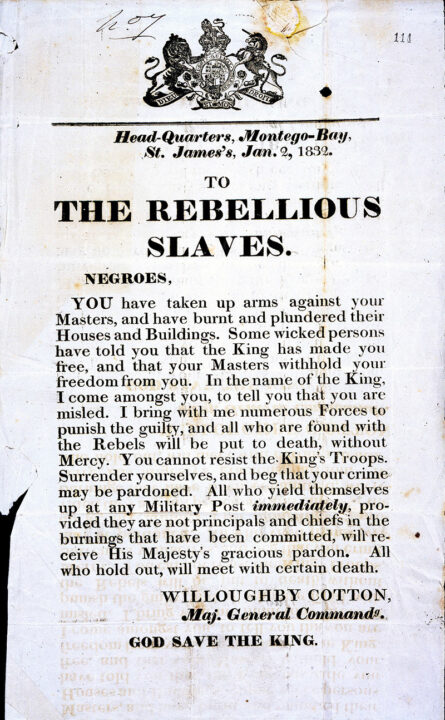
Transcript
Head-Quarters, Montego-Bay, St James’s Jan. 2, 1832.
TO THE REBELLIOUS SLAVES.
NEGROES,
YOU, have taken up arms against your Masters, and have burnt and plundered their Houses and Buildings. Some wicked persons have told you that the king has made you free, and that your Masters withhold your freedom from you. In the name of the King, I come amongst you, to tell you that you are misled. I bring with me numerous Forces to punish the guilty, and all who are found with the Rebels will be put to death, without Mercy. You cannot resist the King’s Troops. Surrender yourselves, and beg that your crime may be pardoned. All who yield themselves up at any Military Post immediately, provided they are not principals and chiefs in the burnings that have been committed, will receive His Majesty’s gracious pardon. All who hold out, will meet with certain death.
WILLOUGHBY COTTON
[Major] General [Commander]
GOD SAVE THE KING
Document 2
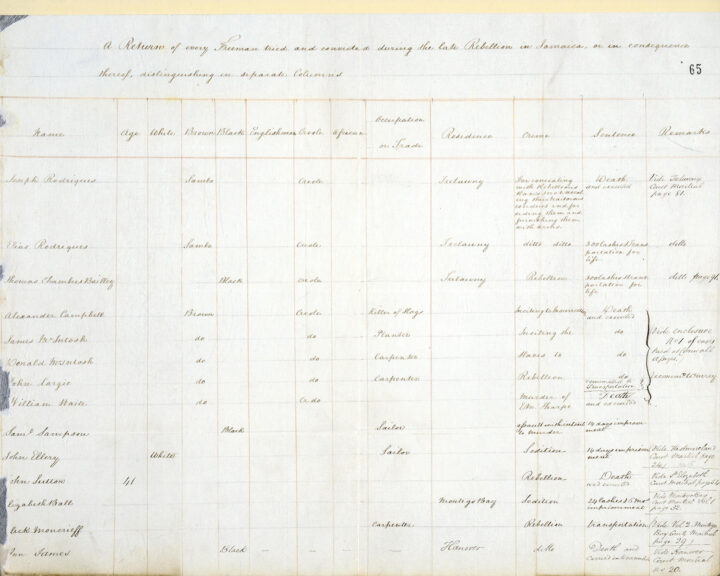
Extract from a return of individuals or ‘freeman’ tried and sentenced for their involvement in the Baptist War. Catalogue ref: CO 137/185
A return of every Freeman tried and convicted during the late Rebellion in Jamaica or in consequence thereof, distinguishing in separate columns.
Some of the language used in this document to categorise different individuals is considered racist.
The term ‘Race’ can be considered as a social construct (meaning something that has come about through complex social and political processes, rather than being grounded in science). Therefore, language relating to it depends on its context in time and location and is often contested and frequently problematic.
The following definitions provide some information on how the different social groups described in this document, were racialised (given often negatively evaluated characteristics on account of their ethnic backgrounds).
Definitions
‘’Sambo’ as a term was used in a broader sense as a derogatory term for black people, though here it seems to be used as a racial category to refer a person of mixed African and European or Indigenous American ancestry in Spanish/Latin America.
‘Brown’ is used as an umbrella term here to refer to those listed as ‘sambo’ and ‘brown’ itself. There do not appear to be any other terms used to describe people in the document. ‘Brown’ appears as a distinct category from Creole (rooted in the Americas) but incorporates Sambo (rooted in Spanish America), so it would be those of mixed heritage from outside the Caribbean.
‘Creole’ as a term was used to describe people of mixed European and Black African descent born in the colonies due to migration patterns, often born in the Americas. [Creole also can mean a language that has arisen from simplifying and mixing different languages.]
‘Black’ as a term has different meanings in different contexts. In this context it is used to refer to people of African descent. In European sources, the term “black” has been used to describe many different non-African people of colour.
‘White’: meaning a white European colonist.
‘Freemen’: could refer to different people of any race who were free under the law i.e. not a serf or enslaved person. Freemen could work anywhere; they could work on the plantations, but also in towns or docks etc. They were essentially not enslaved. It seems that there were according to this document, some freemen who supported the rebellion of enslaved – it is not typically a racialized term, and they could be black or white.
Vide: This is a Latin legal term which means: ‘see’ other information relating this matter.
- What does the language used in this document to categorise and describe individuals reveal about attitudes towards race at the time?
- What does this document reveal about attitudes towards crime and punishment?
- What does this document reveal about the British Empire?
- Can you see what information may be lacking from this source?
- What is the advantage of looking at this document alongside Document 1?
- What other sources beyond Colonial Office records, would be important to explore when studying this topic?
- Find out about more about the significance of Samuel Sharpe and his leadership of Baptist War against slavery in Jamaica.
- Use The National Archives research guide on Slavery and the British Transatlantic slave trade to find other records.
Document 2:
Transcript
Read transcript for Document 2
Connections to curriculum
Key stage 3
Ideas, political power, industry and empire: Britain, 1745-1901: Britain’s transatlantic slave trade: its effects and its eventual abolition
Key stage 4
AQA GCSE History: Britain: Migration, empires and the people: c790 to the present day
Related Resources
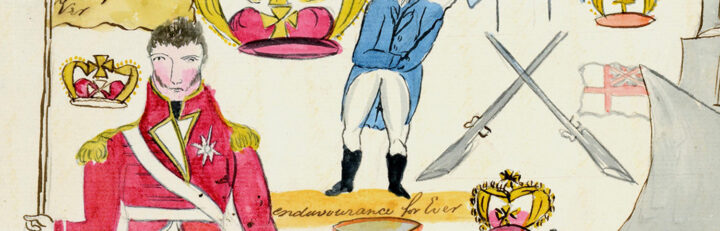
- Bussa’s rebellion
- How and why did the enslaved Africans of Barbados rebel in 1816?
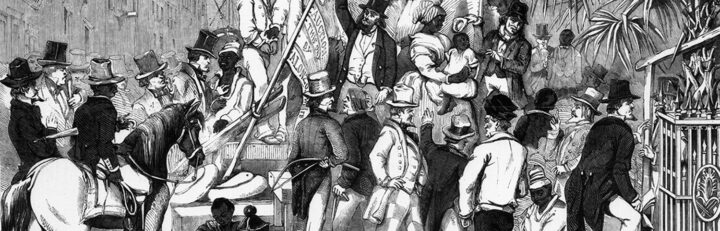
- Slavery
- How did the Abolition Acts of 1807 and 1833 affect the slave trade?
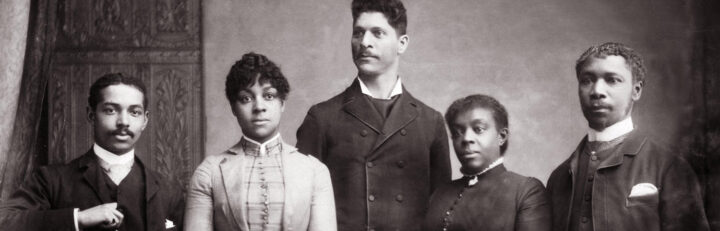
- Black, Asian and Minority Ethnic Histories
- This resource contains a hyperlinked list of National Archives current resources for Black, Asian and Minority Ethnic histories on The National Archives website.
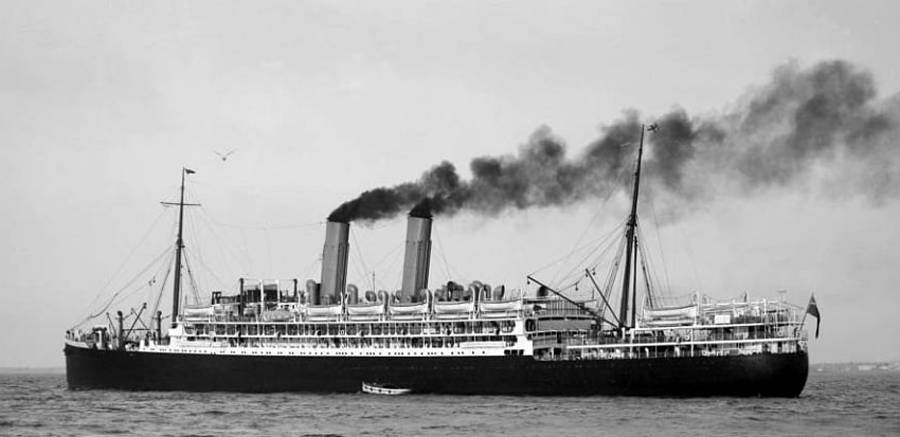
A 1930s photograph of the ex-troop ship SS Ormonde. This was one of the first of the lesser-known ships that carried post-war migrants. It docked in Liverpool on 31 March 1947 for over a year before the Empire Windrush. By courtesy of Nick Messenger www.pandosnco.co.uk.
‘S.S.’ means ‘screw steamer’ and often defined as ‘steam ship’. ‘MV’ is also used as prefix for ships and means ‘motor vessel’.
A troop ship is a ship used to carry soldiers, either in peacetime or wartime. The passenger list for the ship reveals that there were 241 onboard, including 11 stowaways and six distressed seamen. It shows a wide range of professions. Due to an unofficial colour bar in Britain, many could only find employment with low wages and poor conditions. Find out more about this and other ships in this National Archives blog.